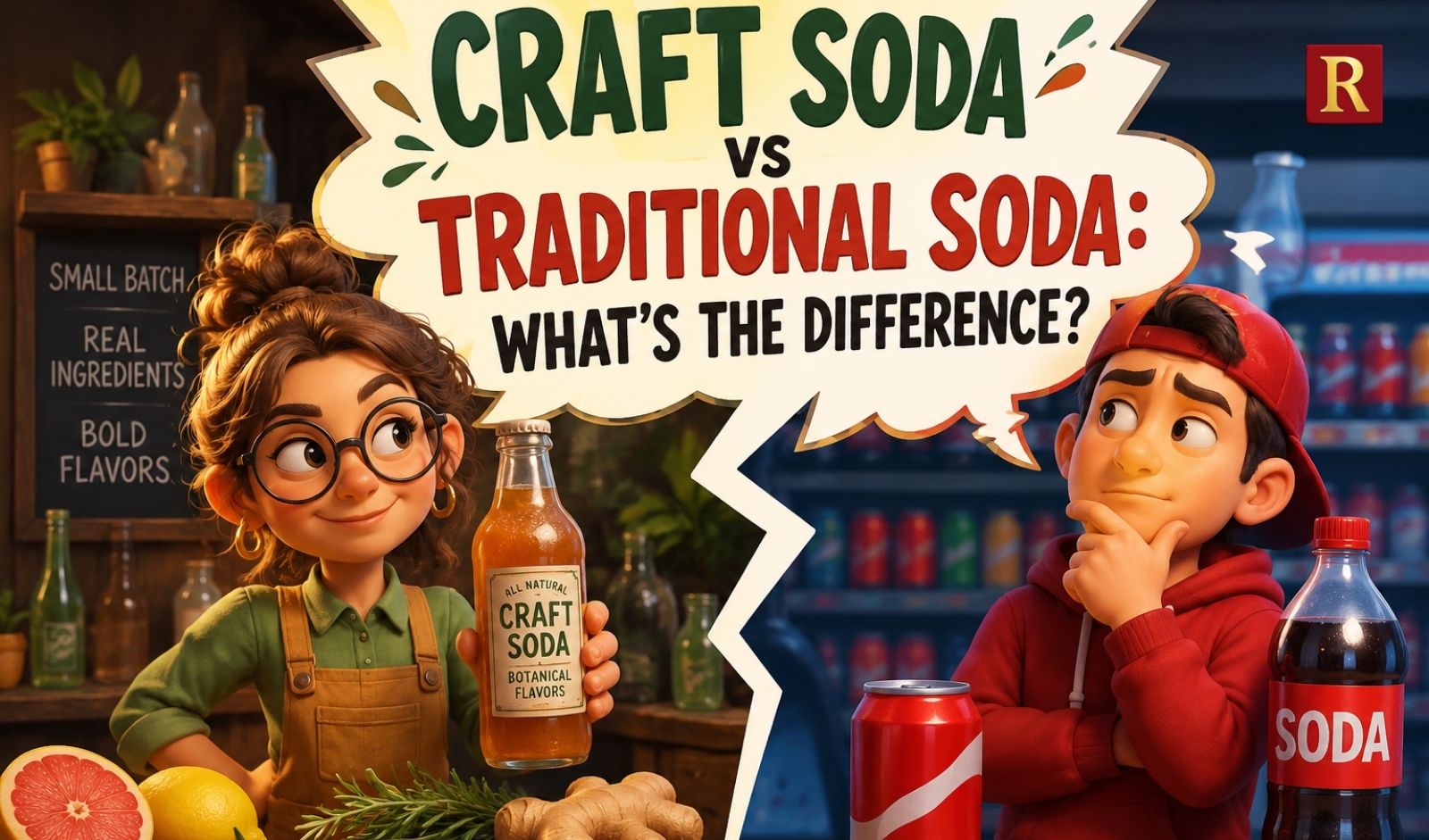
Craft Soda vs Traditional Soda: What's the Difference?
Ultimately, the choice depends on individual preferences, whether consumers prioritize convenience and consistency or seek authenticity, craftsmanship, and a more personalized drinking experience.

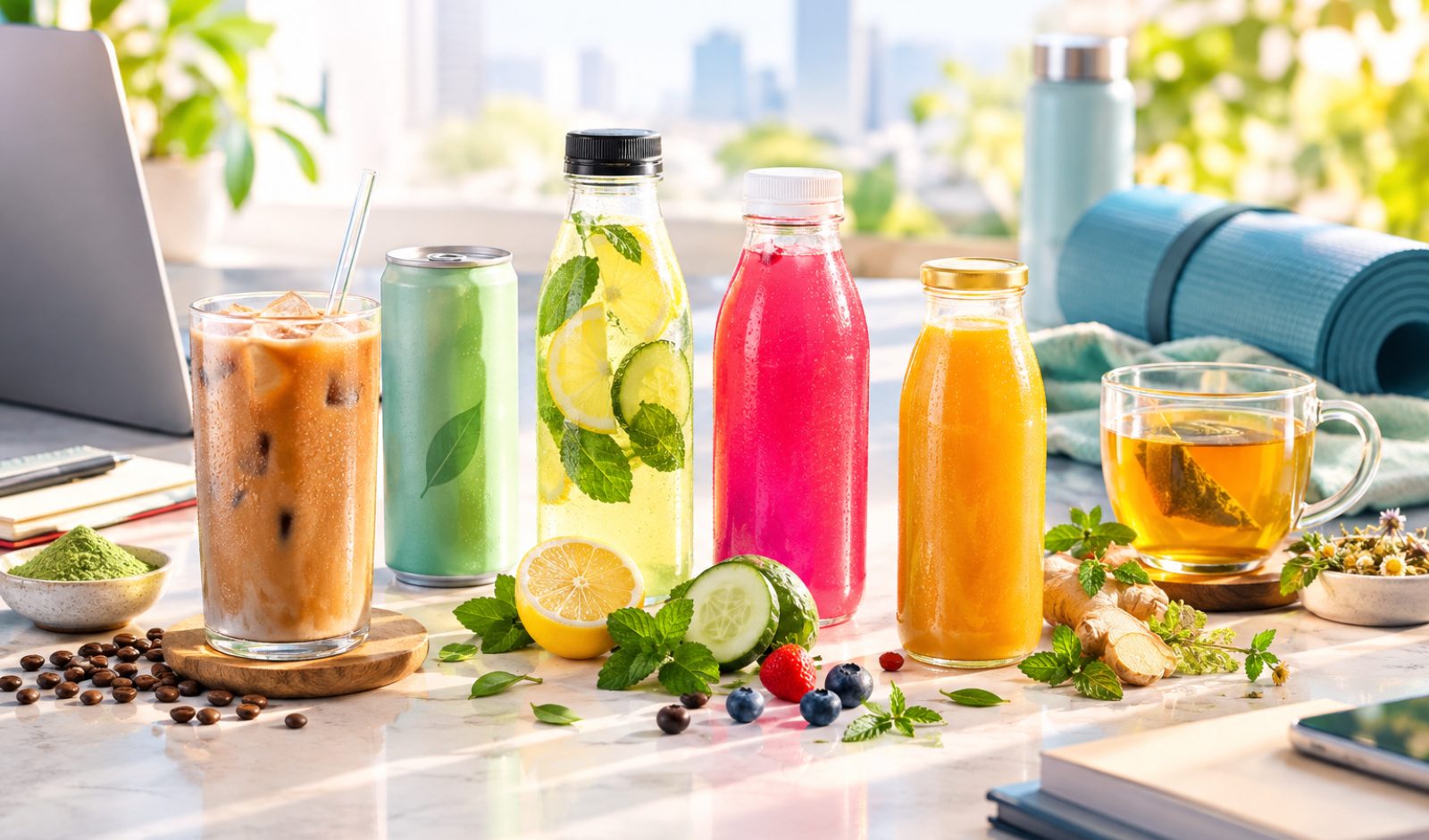
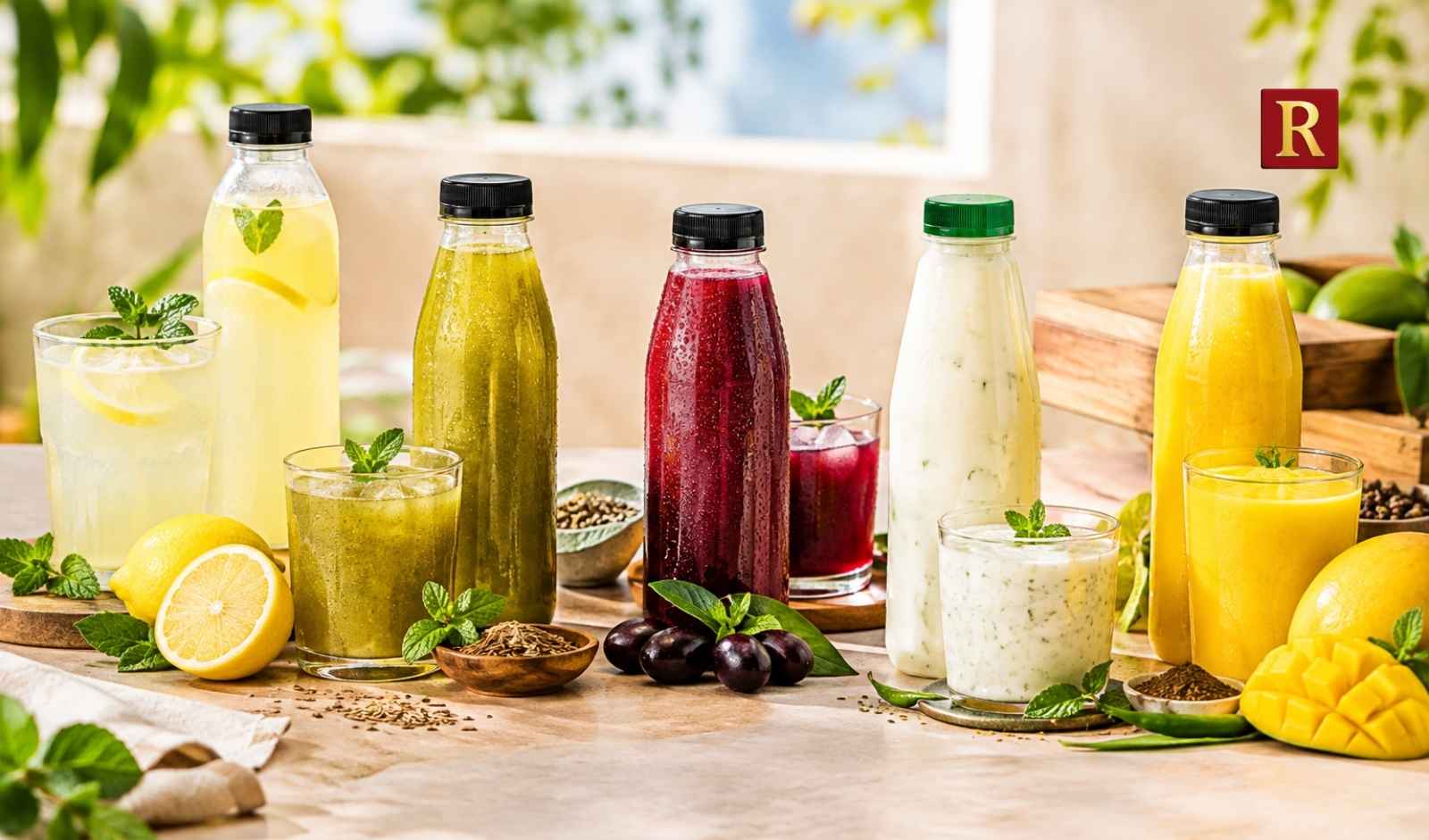
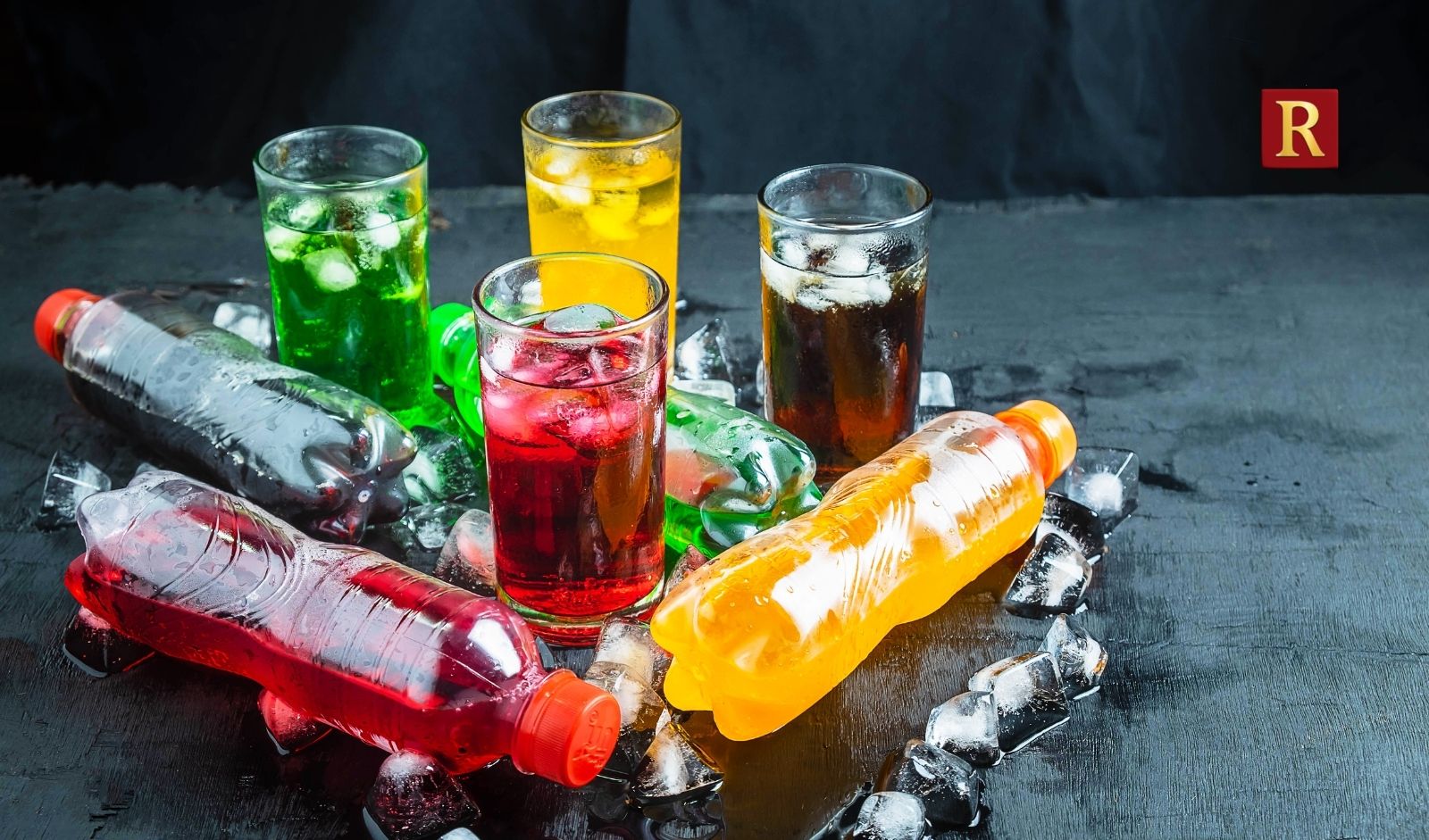
Walk into a supermarket today and you will notice that the soda aisle looks very different from what it did a decade ago. Alongside familiar cola and lemon-lime drinks, there are now colorful bottles filled with unique flavors such as ginger turmeric, blood orange, hibiscus berry, and yuzu citrus.
These beverages belong to the growing craft soda category. Once considered a niche segment, craft soda is now attracting consumers who want more than just a sweet carbonated drink. They are looking for better ingredients, exciting flavors, and brands with a story. But what exactly separates craft soda from traditional soda? While both are fizzy and refreshing, the differences go much deeper than the label.
What Is Craft Soda?
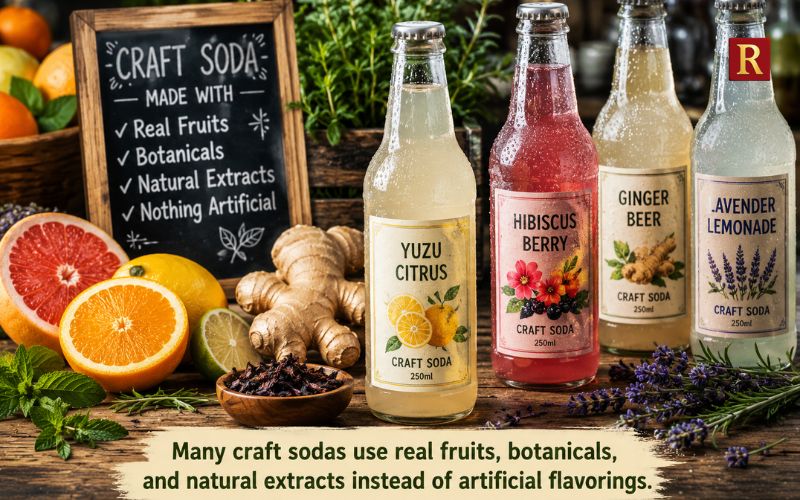
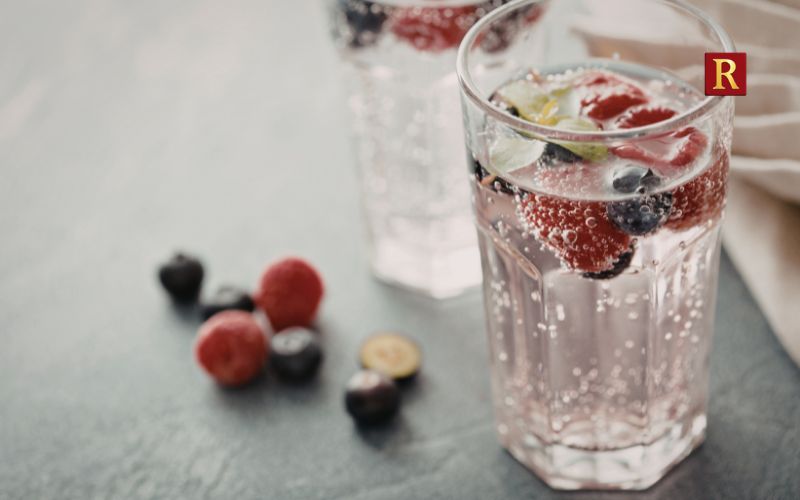
Craft soda is a carbonated soft drink made in smaller batches using carefully selected ingredients. Unlike mass-produced sodas, craft sodas focus on quality, flavor innovation, and authenticity. Many craft soda makers use real fruit juices, botanical extracts, spices, herbs, and natural sweeteners. The goal is not just to create a sweet beverage but to offer a more premium drinking experience. The craft soda movement follows a path similar to craft beer and specialty coffee. Consumers today are more interested in what goes into their drinks and how those drinks are made. Instead of relying on a few standard flavors, craft soda brands experiment with creative combinations that appeal to adventurous consumers.
What Is Traditional Soda?
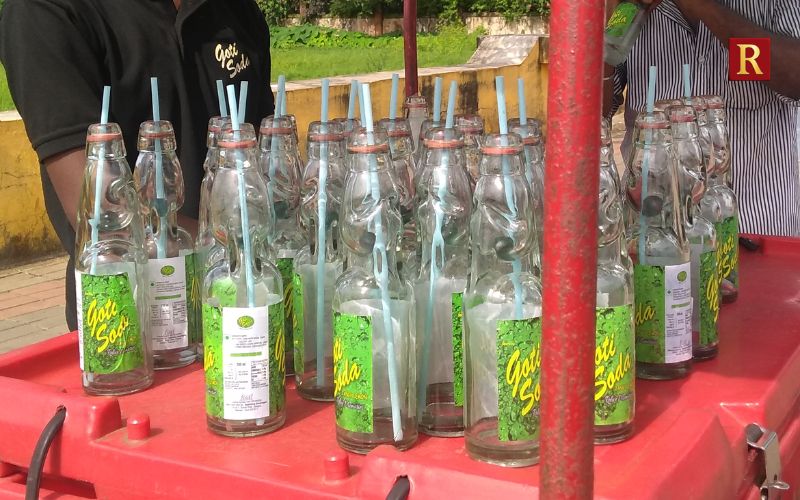
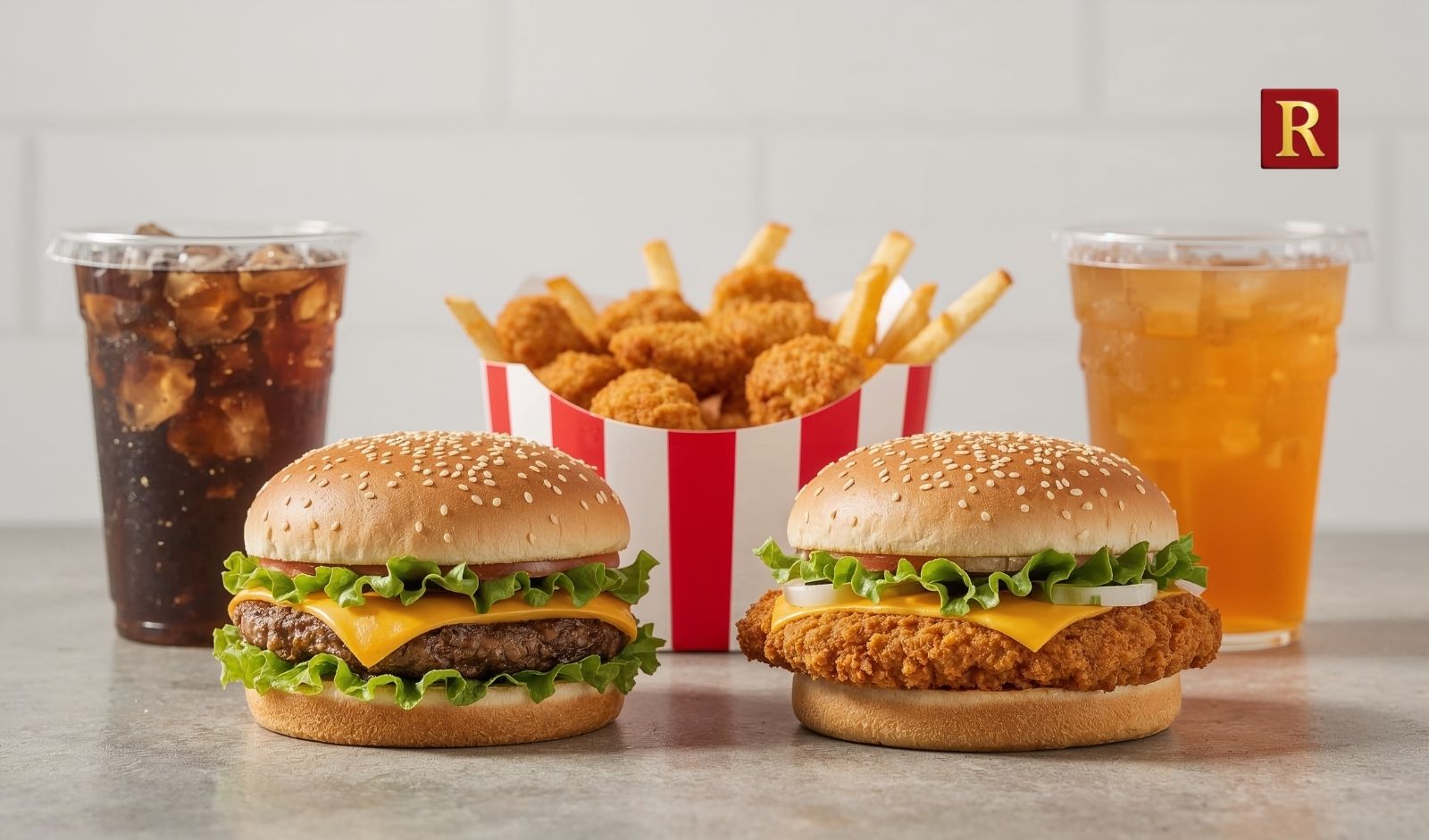
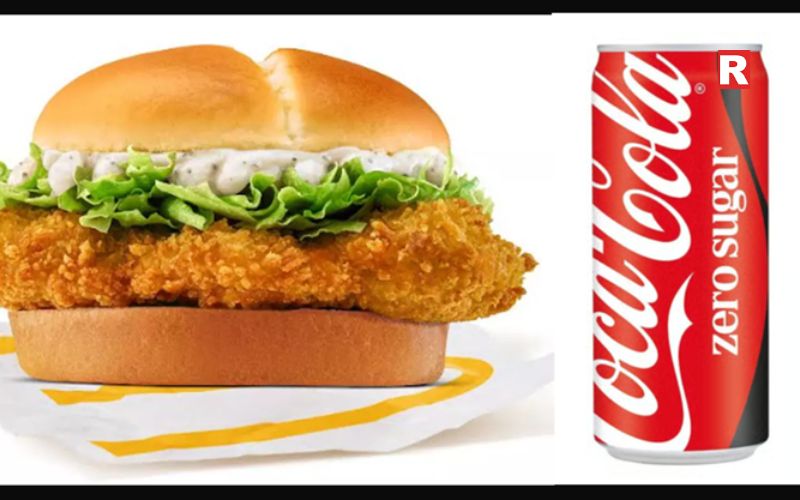
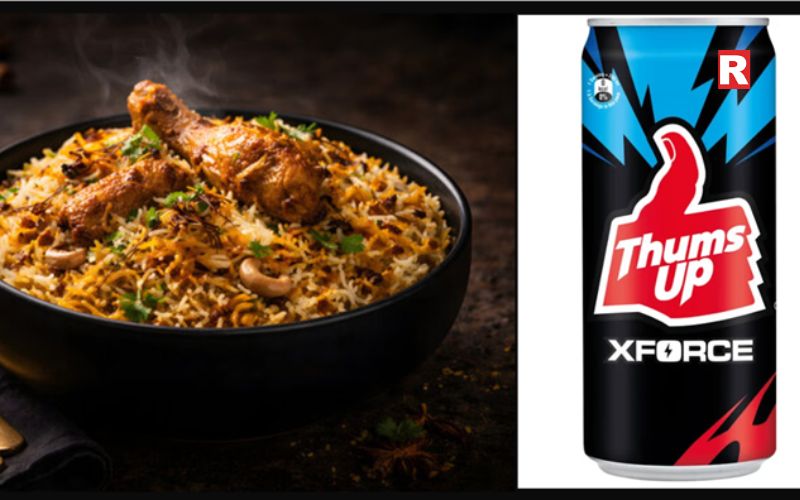
Traditional soda refers to the familiar soft drinks produced by large beverage companies. These products are manufactured on a massive scale and distributed worldwide. Their biggest strength is consistency. Whether someone buys a bottle in Delhi, New York, or London, the taste remains largely the same. Traditional sodas are designed for affordability, convenience, and broad consumer appeal. Popular flavors such as cola, orange, lemon-lime, and root beer have remained market favorites for decades. Because they are produced in huge volumes, traditional sodas can often be sold at lower prices than craft alternatives.
Craft Soda vs Traditional Soda: Quick Comparison
Feature | Craft Soda | Traditional Soda |
|---|---|---|
Production Scale | Produced in small batches | Produced on a mass scale |
Ingredients | Real fruit juices, botanicals, natural extracts | Often contains artificial flavors, colors, and preservatives |
Sweeteners | Cane sugar, honey, stevia, or natural sweeteners | Refined sugar or high-fructose corn syrup |
Flavor Variety | Unique and experimental flavors | Standard and widely recognized flavors |
Taste Profile | Complex and layered taste | Consistent and sweeter taste |
Brand Focus | Craftsmanship, authenticity, and storytelling | Mass appeal and global consistency |
Packaging | Often sold in premium glass bottles or specialty cans | Commonly available in PET bottles and cans |
Price Range | Rs 100 to Rs 300 | Rs 20 and Rs 50 |
Innovation | Frequent seasonal and limited-edition launches | Less frequent flavor experimentation |
Consumer Appeal | Foodies, health-conscious consumers, and beverage enthusiasts | General consumers seeking familiarity |
Availability | Limited distribution through specialty stores, cafés, and restaurants | Available almost everywhere |
Sustainability Focus | Many brands emphasize eco-friendly sourcing and packaging | Varies by company and market |
Health Perception | Often perceived as a cleaner-label option | Often viewed as a traditional indulgent beverage |
Market Positioning | Premium and artisanal | Mainstream and mass-market |
Why Craft Soda Tastes Different
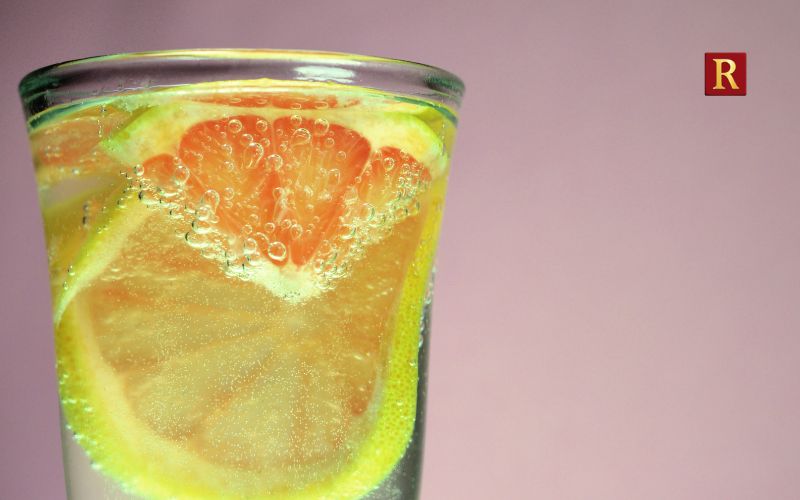
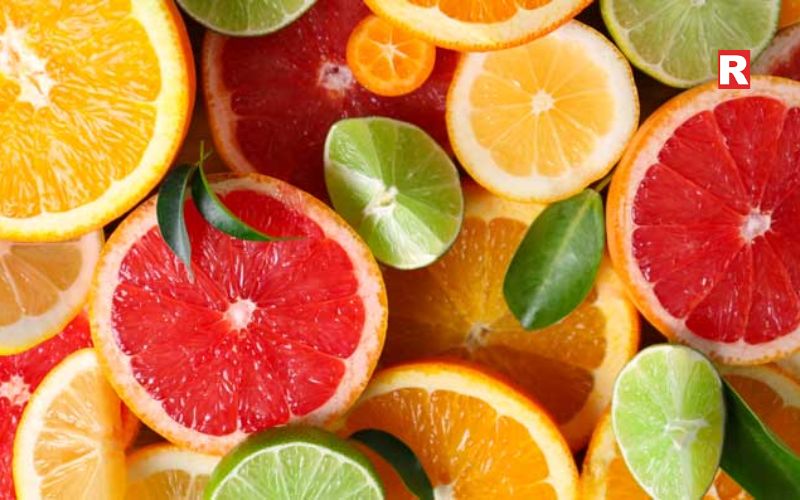
Craft soda is no longer a niche category. According to Grand View Research, the global craft soda market was valued at approximately $700 million in 2024 and is projected to grow at a CAGR of over 5 percent through the next decade. This growth is being driven by consumers looking for beverages made with recognizable ingredients, lower sugar content, and unique flavor experiences. If you have ever tasted a craft soda, you may have noticed that the flavor feels richer and more layered. This happens because craft soda makers often focus on flavor development rather than simply sweetness. For example, a ginger craft soda may contain actual ginger extract that delivers warmth and spice. A citrus soda may use natural fruit oils that create a fresher and more authentic taste.
Popular craft soda flavors include:
- Blood Orange Rosemary
- Ginger Turmeric
- Lavender Lemonade
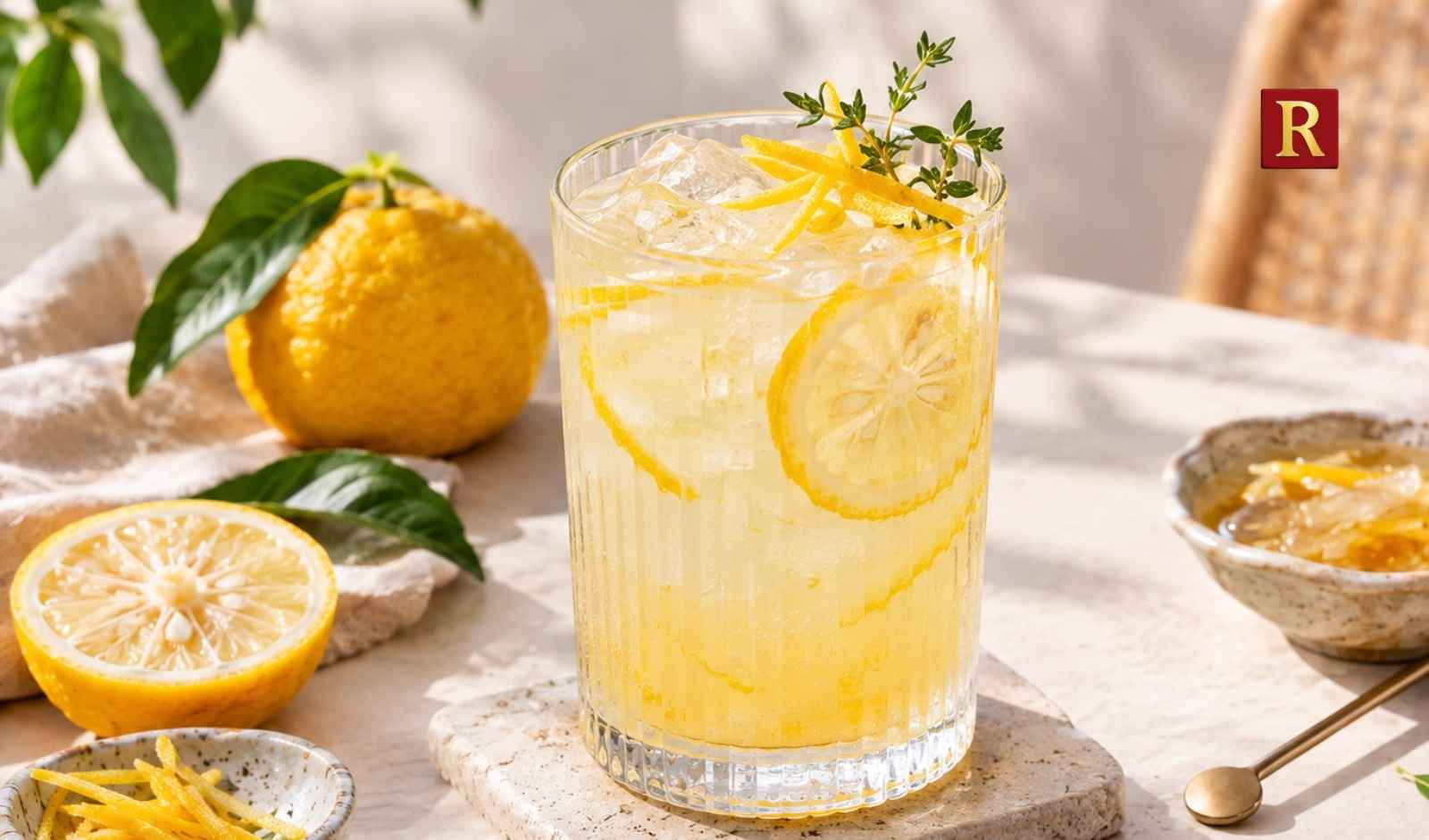
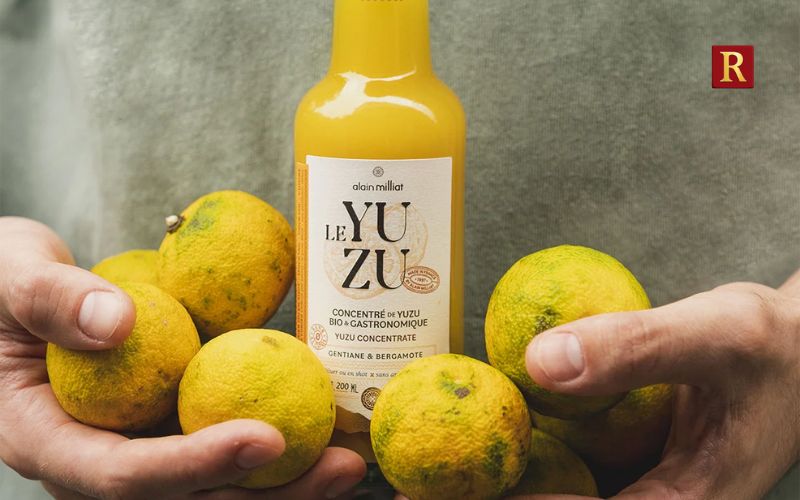
- Yuzu Citrus
- Hibiscus Berry
- Vanilla Cream Soda
These unique flavor combinations offer consumers a chance to explore tastes that are rarely found in traditional soft drinks. For people who enjoy discovering new foods and beverages, craft soda can feel like a more exciting option.
Production Methods Matter
The production process also creates a clear difference between the two categories.
Craft soda producers often manufacture their products in small batches. This allows greater control over ingredients, flavor balance, and carbonation levels. Small-batch production gives brands the flexibility to launch seasonal flavors and limited-edition products.
Traditional soda companies operate on a much larger scale. Their manufacturing facilities produce millions of bottles and cans every day. Large-scale production helps keep costs low and ensures consistent quality, but it can limit experimentation and customization.
This is one reason why craft soda brands are often able to introduce innovative flavors much faster than larger competitors.
Is Craft Soda Healthier?
This is one of the most common questions consumers ask. The simple answer is that craft soda is not automatically healthy. Most craft sodas still contain sugar and calories. However, many consumers view them as a better alternative because they often contain fewer artificial ingredients and more natural components.
Some modern craft soda brands are introducing:
- Reduced-sugar recipes
- Natural sweeteners
- Functional ingredients
- Botanical infusions
Consumption Breakdown
A typical 330 ml traditional cola contains around 35–39 grams of sugar.
The World Health Organization recommends limiting free sugar intake to less than 50 grams per day for adults, with further benefits below 25 grams.
Many newer craft soda brands have launched reduced-sugar variants containing 20–40 percent less sugar than conventional soft drinks.
These products appeal to consumers who want a more balanced beverage without completely giving up the enjoyment of soda. The key is to read the nutrition label rather than assuming that all craft sodas are healthier.
Why Consumers Are Choosing Craft Soda
Consumer preferences have changed significantly over the past few years. People are no longer focused only on price. They are also looking for quality, authenticity, and unique experiences. Craft soda fits perfectly into this trend. Several factors are driving its popularity:
Flavor Exploration: Consumers enjoy trying new and unusual flavors that are not available in mainstream products.
Premium Experiences: Many people are willing to spend a little extra for products that feel special and well-crafted.
Brand Transparency: Consumers want to know where ingredients come from and how products are made.
Social Media Appeal: Creative packaging and unique flavors make craft sodas highly shareable online.
Alcohol Alternatives: Many consumers are reducing alcohol consumption and exploring premium non-alcoholic beverages instead.
Craft sodas have become a popular choice for social gatherings, mocktails, and casual dining occasions.
How Restaurants and Cafés Are Embracing Craft Soda
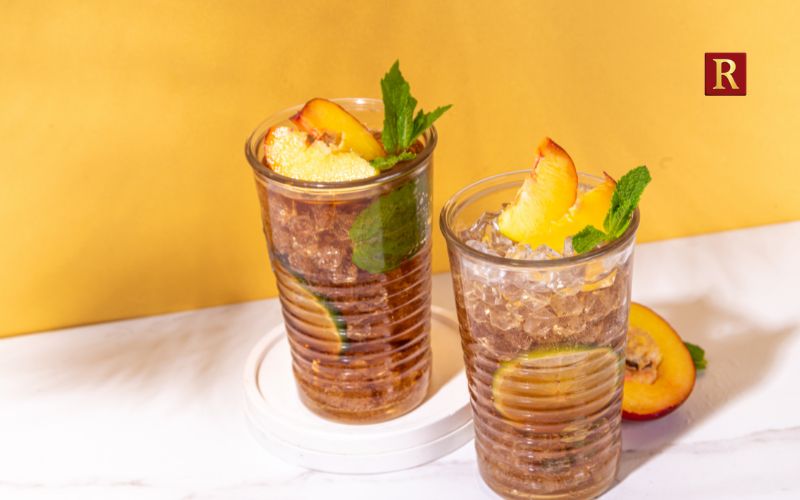
The hospitality industry has played an important role in the rise of craft soda. Restaurants and cafés are increasingly adding premium sodas to their beverage menus. These drinks help create a more elevated customer experience. At first glance, the price difference between craft soda and traditional soda can seem significant. While a regular soft drink may cost anywhere between Rs 20 and Rs 50, a craft soda can cost Rs 100 or more per bottle. Yet many consumers are happy to pay the premium. Craft sodas pair well with a wide range of foods and can be used as the base for signature mocktails. For restaurant operators, they also provide an opportunity to offer something different from standard soft drinks. Customers today appreciate menu items that feel unique and thoughtfully selected. As a result, craft soda has become an attractive addition to many modern dining concepts.
Challenges Facing Craft Soda Brands
Despite its growing popularity, the craft soda segment faces several challenges.
Premium ingredients often increase production costs. Small-batch manufacturing can also make scaling more difficult.
Distribution remains another challenge. Many craft soda brands struggle to achieve the same retail reach as large beverage companies.
Higher prices can also discourage some consumers from making regular purchases.
However, many brands see these challenges as worthwhile because they allow them to maintain quality and authenticity.
The Future!
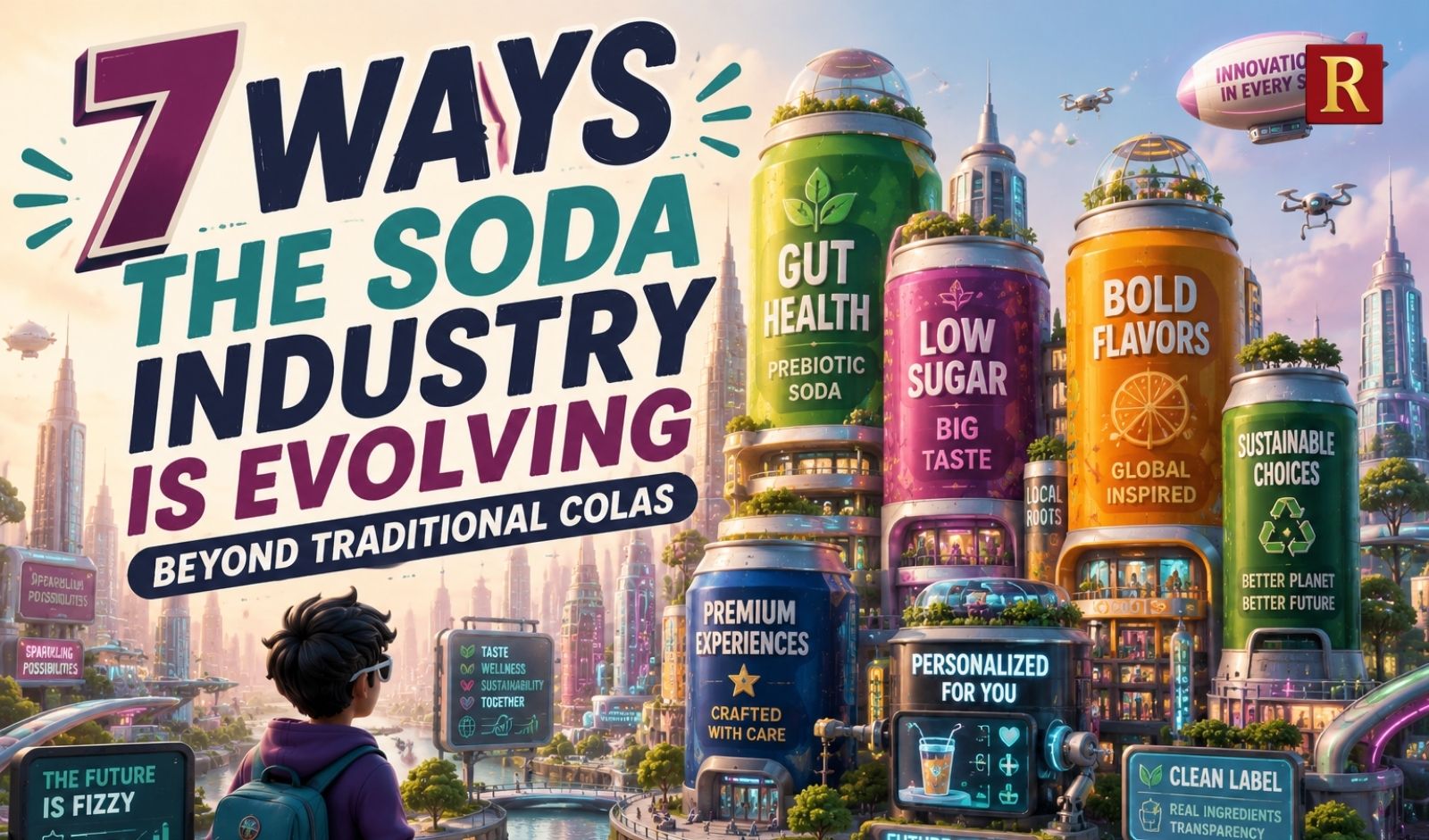
The future of craft soda looks bright as consumers increasingly seek premium beverages made with natural ingredients and distinctive flavors. Growing demand for lower-sugar options, functional ingredients, botanical infusions, sustainable packaging, and regionally sourced ingredients is expected to drive innovation across the category. Craft soda is also benefiting from the rise of premium alcohol-free beverages, making it an appealing choice for consumers looking for sophisticated alternatives to traditional soft drinks. While traditional soda continues to dominate the global market due to its affordability, familiarity, and wide availability, craft soda offers a different kind of experience. It emphasizes creativity, quality ingredients, small-batch production, and unique flavor profiles that appeal to adventurous consumers. As beverage preferences continue to evolve, both craft and traditional sodas are likely to coexist. Ultimately, the choice depends on individual preferences, whether consumers prioritize convenience and consistency or seek authenticity, craftsmanship, and a more personalized drinking experience.
FAQ’s
1. Is craft soda healthier than regular soda?
Not necessarily. Craft soda often contains more natural ingredients and fewer artificial additives, but many products still contain significant amounts of sugar. Always check the nutrition label before purchasing.
2. Why is craft soda more expensive?
Craft sodas are usually produced in smaller batches using premium ingredients such as real fruit extracts, botanicals, and cane sugar. These factors increase production costs compared to mass-produced soft drinks.
3. Does craft soda contain less sugar?
Some craft sodas contain less sugar than traditional sodas, but this varies by brand. Many companies now offer reduced-sugar or naturally sweetened options to meet changing consumer preferences.
4. What are the most popular craft soda flavors?
Popular flavors include ginger beer, blood orange, yuzu citrus, vanilla cream, hibiscus berry, lavender lemonade, and turmeric-based sodas.
5. Is craft soda becoming more popular?
Yes. Market research firms project steady growth in the craft soda segment as consumers increasingly seek premium beverages, clean-label ingredients, and alcohol-free alternatives.
Saptopriya Ghosal
Feature Writer
I am a dedicated media professional with a bachelor's degree in mass communication from the State University of Calcutta and a postgraduate degree from Amity University. My academic journey has equipped me with a profound understanding of storytelling and communication. Passionate about the dynamic world of media, I continually strive to explore new ways to engage and inform through compelling narratives.