
Cloud Kitchen Equipment List (Kitchen Setup Checklist): Everything You Need
As India's food delivery market continues to evolve, cloud kitchens that prioritise efficiency and operational excellence will be better positioned to meet rising customer expectations and scale successfully.


The rise of food delivery has transformed the restaurant industry in India. Today, customers want restaurant-quality meals delivered quickly to their doorstep. This shift has created a massive opportunity for cloud kitchens, also known as ghost kitchens or virtual kitchens. Unlike traditional restaurants, cloud kitchens operate without a dine-in space. Their success depends heavily on operational efficiency, food safety, and consistency. Behind every smooth delivery operation is a well-equipped kitchen designed to handle high order volumes while maintaining quality.
If you are planning to launch a cloud kitchen, choosing the right equipment should be one of your top priorities. The right setup can improve productivity, reduce food waste, maintain hygiene standards, and support long-term growth. This cloud kitchen equipment list serves as a practical kitchen setup checklist to help you build an efficient delivery-first business.
Why Equipment Selection Matters in a Cloud Kitchen
Many first-time operators focus mainly on recipes and branding. However, the equipment you choose directly impacts your business performance.
Proper equipment helps you:
- Prepare food faster.
- Maintain consistency across orders.
- Reduce labour dependency.
- Improve food safety practices.
- Lower maintenance expenses.
- Enhance customer satisfaction.
Since online reviews often depend on delivery speed and food quality, even small operational improvements can make a significant difference.
1. Essential Cooking Equipment for a Cloud Kitchen
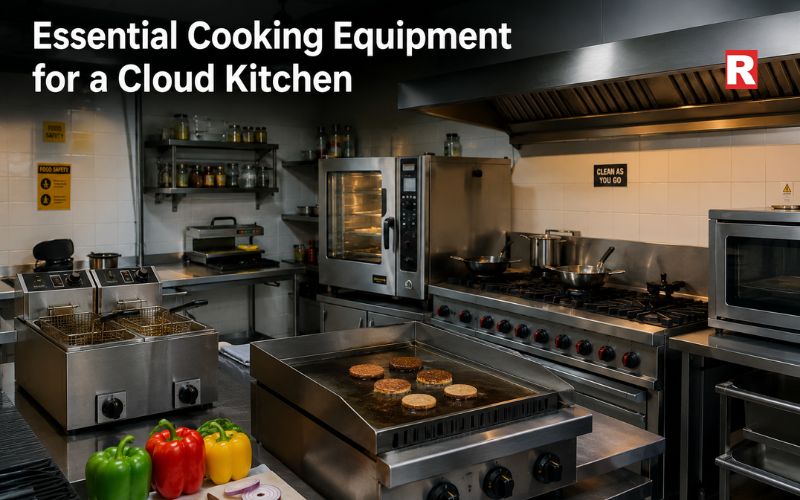
The cooking section is the heart of any cloud kitchen. The equipment you invest in should match your menu, production requirements, and expected order volume. Choosing the right appliances can improve speed, consistency, and overall kitchen efficiency.
Commercial Gas Range or Induction Range: A commercial cooking range is indispensable for preparing gravies, curries, stir-fries, sauces, and other dishes that require continuous cooking. While gas ranges remain a popular choice due to their versatility, induction ranges are gaining traction for their precise temperature control, energy efficiency, and reduced heat generation. Before purchasing, evaluate factors such as the number of burners needed, heat efficiency, ease of cleaning, fuel availability, and long-term operating costs.
Commercial Ovens: Ovens are essential for cloud kitchens specialising in baked goods, pizzas, roasted dishes, and desserts. Common options include convection ovens, combi ovens, and conveyor ovens. Among these, combi ovens stand out because they combine steam and dry heat cooking, enabling chefs to prepare multiple dishes efficiently while preserving texture and flavour.
Deep Fryers: Since fried foods are among the most popular delivery items, commercial deep fryers are a valuable addition to many cloud kitchens. They help maintain consistency, speed up preparation, and deliver evenly cooked products. Deep fryers are commonly used for French fries, fried chicken, appetisers, and snack items. Models with accurate temperature control are recommended as they help improve food quality and extend the lifespan of cooking oil.
Griddles and Flat Top Grills: Ideal for preparing burgers, sandwiches, wraps, pancakes, and breakfast items, griddles provide even heat distribution and allow efficient batch cooking. Their large cooking surface supports faster preparation during peak hours.
Specialty Equipment: Depending on your cuisine, you may require additional appliances such as tandoors, pizza ovens, steamers, shawarma machines, waffle makers, or salamander grills. However, invest only in equipment that aligns with your menu strategy and contributes directly to revenue generation.
2. Essential Food Preparation Equipment for a Cloud Kitchen
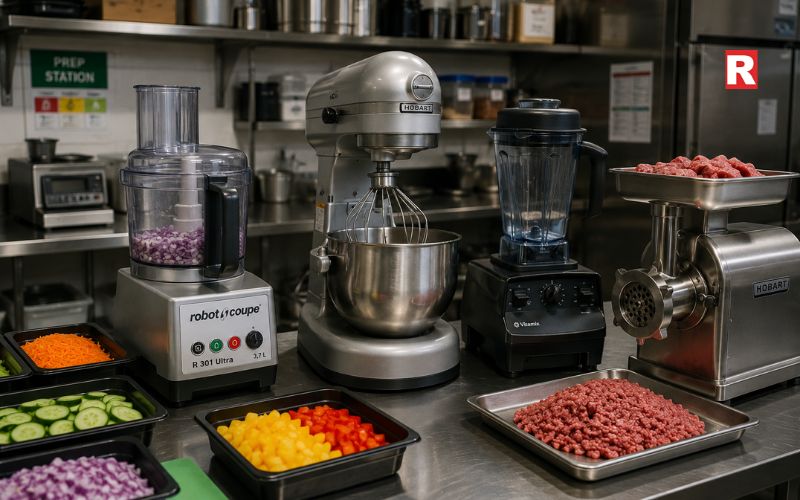
Efficient food preparation plays a major role in determining how quickly orders are processed and dispatched. In a cloud kitchen, where speed and consistency directly impact customer satisfaction, investing in the right prep equipment can significantly improve productivity while reducing manual labour.
Food Processors: Food processors are among the most versatile tools in a commercial kitchen. They simplify repetitive tasks such as chopping vegetables, slicing ingredients, dicing produce, and grating cheese. By automating these processes, food processors save valuable preparation time and ensure uniformity in portion sizes and presentation. This consistency is especially important for brands operating across multiple outlets or handling high order volumes.
Commercial Mixers: Cloud kitchens that prepare fresh dough, batters, sauces, or fillings on a regular basis can benefit greatly from commercial mixers. These machines reduce physical effort while delivering consistent results in every batch. Whether you operate a bakery, pizza brand, or dessert-focused kitchen, selecting a mixer with the appropriate bowl capacity and speed settings can streamline operations during busy service periods and minimise production delays.
Blenders: Commercial blenders are essential for kitchens that offer smoothies, soups, purees, milkshakes, dips, or signature sauces. Unlike domestic models, commercial-grade blenders are designed to withstand frequent and prolonged use. Their powerful motors ensure smoother textures and faster processing times, making them an indispensable addition to modern cloud kitchens seeking operational efficiency.
Meat Grinders: For businesses specialising in burgers, kebabs, meatballs, or other meat-based offerings, commercial meat grinders help maintain freshness and quality control. Grinding meat in-house allows operators to customise fat content, improve flavour profiles, and ensure ingredient transparency. It also reduces dependence on pre-processed products, giving brands greater control over consistency and food safety standards.
Investing in the right food preparation equipment not only enhances kitchen efficiency but also supports better product quality, faster service, and improved customer experiences.
3. Refrigeration Equipment
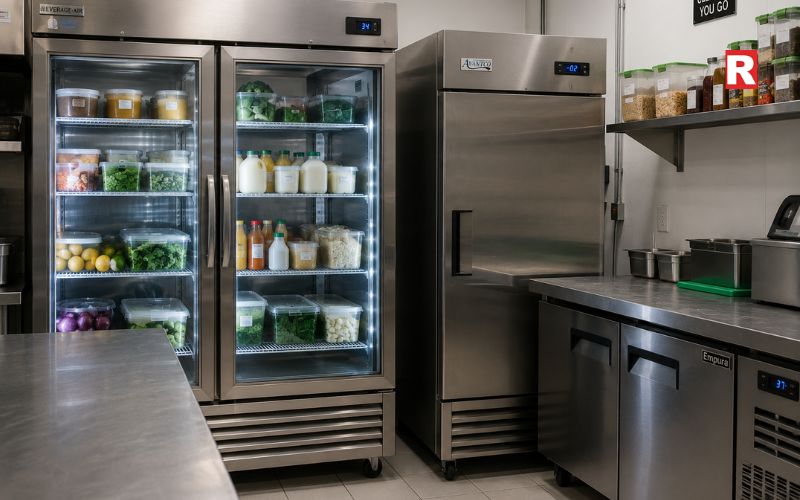
Proper refrigeration is crucial for maintaining food quality, extending shelf life, and ensuring compliance with food safety standards. A well-planned refrigeration system also improves kitchen workflow and minimises ingredient wastage.
Reach-In Refrigerators: These are among the most commonly used refrigeration units in cloud kitchens. They provide organised storage for vegetables, dairy products, sauces, condiments, and pre-prepared ingredients. Their easy accessibility allows kitchen staff to retrieve items quickly, improving efficiency during service hours. Well-organised reach-in refrigerators also help with stock rotation and reduce food spoilage.
Commercial Freezers: Freezers are essential for preserving frozen proteins, ice cream, ready-to-cook products, and emergency backup inventory. They enable cloud kitchens to manage stock levels more effectively and prevent disruptions during peak demand periods. Choosing a freezer with reliable temperature control is critical, as inconsistent temperatures can compromise food safety and product quality.
Under-Counter Refrigerators: These compact refrigeration units are designed to fit beneath workstations, offering convenient access to frequently used ingredients without occupying additional floor space. They are particularly beneficial for smaller cloud kitchens where maximising available space is a priority. By keeping essential items within reach, under-counter refrigerators support faster food preparation and smoother kitchen operations.
4. Storage Solutions for Better Organisation
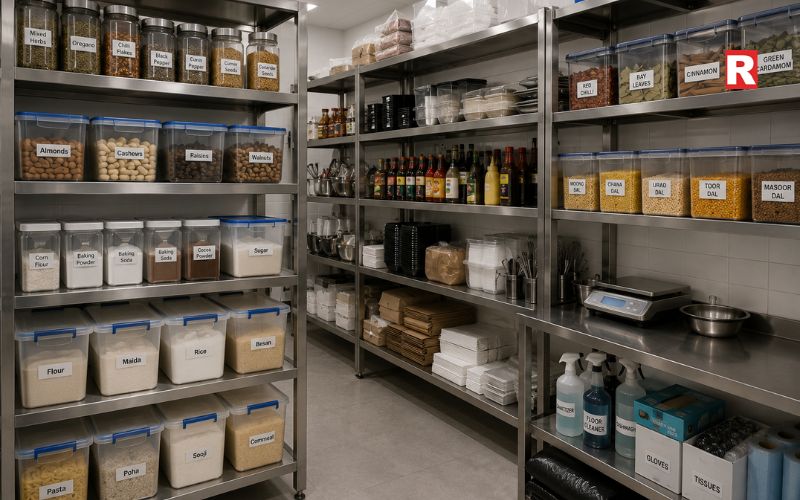
An organised storage system helps cloud kitchens operate more efficiently by improving accessibility, reducing clutter, and supporting food safety practices. Proper storage also minimises ingredient wastage and speeds up daily operations.
Stainless Steel Shelving: Stainless steel shelving units are widely used in commercial kitchens to organise dry ingredients, cleaning supplies, packaging materials, and kitchen tools. Their durability, corrosion resistance, and ease of cleaning make them a hygienic and long-lasting storage solution for busy food preparation environments.
Food Storage Containers: Investing in food-grade storage containers helps maintain ingredient freshness and prevent contamination. Opt for containers that are airtight, stackable, and clearly labelled to simplify inventory management. Proper labelling also supports stock rotation practices and reduces the chances of using expired ingredients.
Ingredient Bins: Bulk ingredient bins provide convenient storage for frequently used staples such as rice, flour, sugar, and pulses. Their easy accessibility allows kitchen staff to retrieve ingredients quickly, improving preparation efficiency and ensuring a smoother workflow during peak operating hours.
5. Ventilation and Exhaust Systems
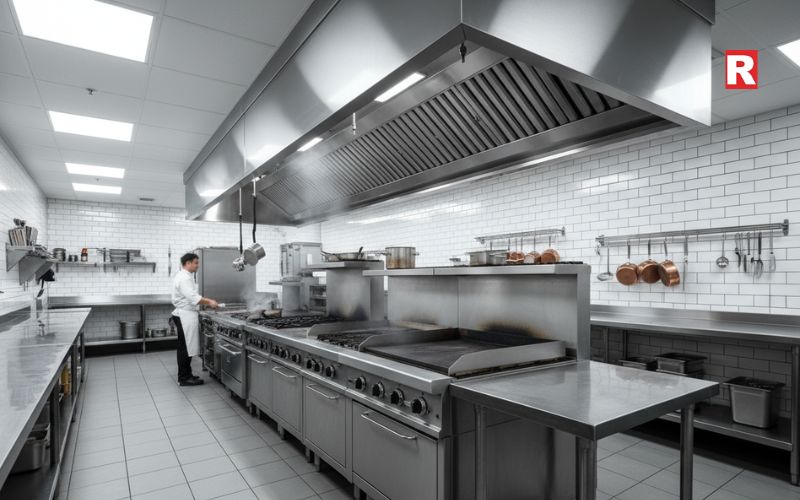
Ventilation is often overlooked during planning, yet it plays an essential role in kitchen safety and employee comfort. Type 1 hoods are typically used above grease-producing equipment such as fryers and grills. Type 2 hoods are suitable for steam-producing appliances. Investing in an efficient ventilation system contributes to a safer and more productive work environment.
A proper exhaust system helps:
- Remove smoke and grease.
- Maintain air quality.
- Control kitchen temperatures.
- Reduce fire hazards.
6. Packaging Station Essentials
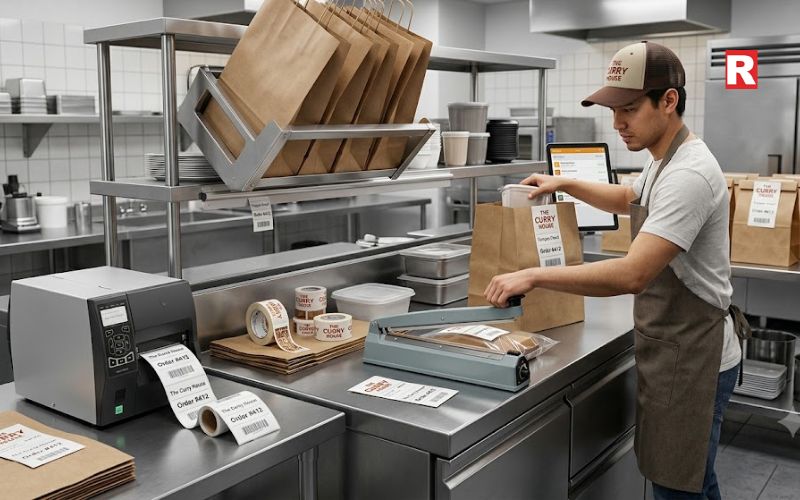
Packaging plays a crucial role in cloud kitchen operations, as food quality must remain intact during transit. A well-organised packaging station ensures faster order dispatch and a better customer experience.
Heat Sealers: Secure packaging and help prevent spills or leaks during delivery.
Label Printers: Used for printing order details, expiry information, and branding labels to minimise delivery errors.
Packaging Counters: Provide a dedicated workspace for assembling and checking orders efficiently.
Delivery Bag Dispensers: Keep delivery bags organised and easily accessible during rush hours.
Packaging Supplies: Essential items include leak-resistant containers, tamper-proof seals, paper bags, and branded stickers that protect food quality while strengthening brand recognition and customer trust.
7. Cleaning and Hygiene Equipment
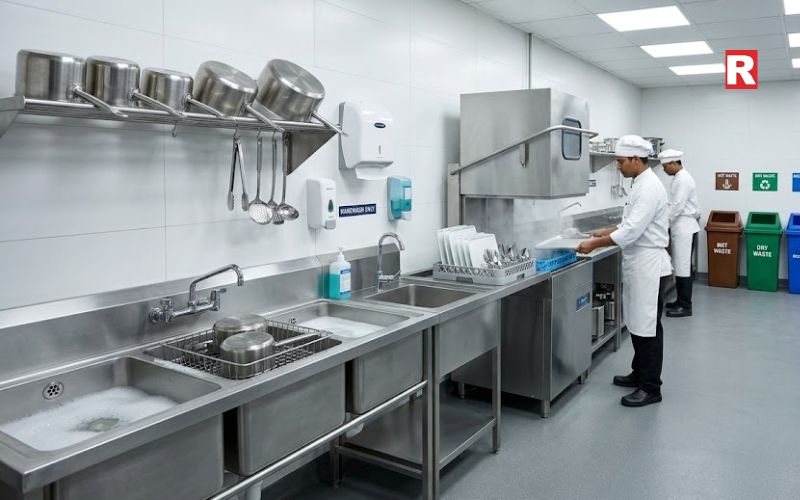
Maintaining high hygiene standards is critical for any food business.
Your cleaning checklist should include:
Three-Compartment Sink: Designed for washing, rinsing, and sanitising utensils and cookware, helping maintain proper cleaning procedures.
Handwashing Stations: Easily accessible handwashing areas encourage employees to practise good hygiene throughout the day.
Commercial Dishwashers: These machines improve cleaning efficiency while ensuring utensils and equipment are sanitised to commercial standards.
Sanitiser Dispensers: Placed strategically around the kitchen, they promote regular hand sanitisation among staff members.
Waste Segregation Bins: Separate bins for wet waste, dry waste, and recyclables support cleanliness, effective waste management, and environmentally responsible kitchen operations.
8. Technology That Supports Cloud Kitchen Growth
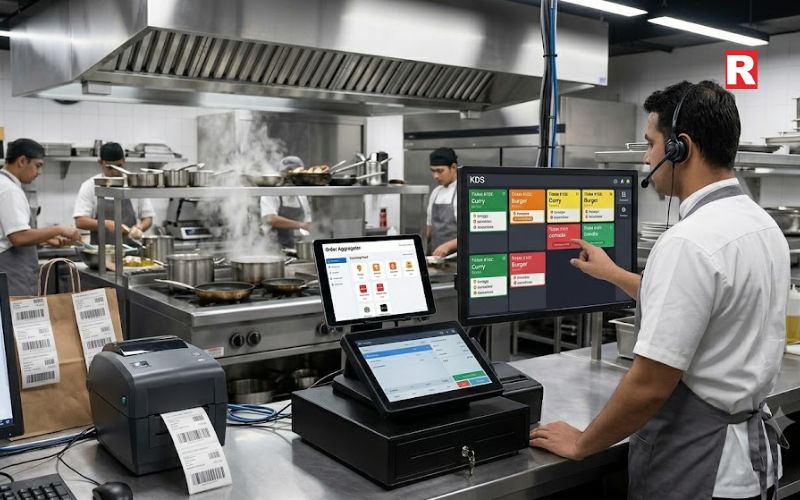
Modern cloud kitchens rely heavily on technology to streamline operations.
Point-of-Sale (POS) Systems: POS platforms help track sales performance, monitor inventory usage, and analyse order trends, enabling operators to make informed business decisions.
Kitchen Display Systems (KDS): These digital screens streamline communication between order management systems and kitchen staff, reducing errors and improving order preparation speed.
Order Aggregator Platforms: By consolidating orders from multiple delivery apps into a single dashboard, these systems simplify operations and minimise the risk of missed orders.
Labelling Systems: Barcode and label printers enhance organisation by ensuring accurate order identification, proper inventory tracking, and efficient order fulfilment.
9. Safety Equipment Every Kitchen Needs
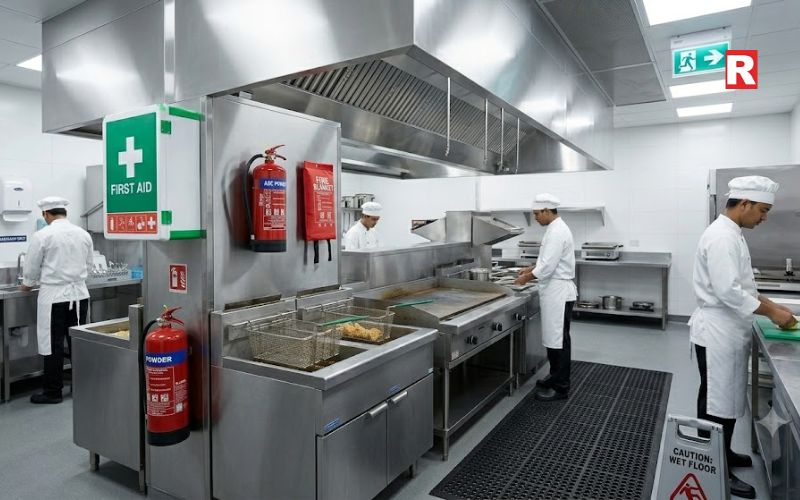
A safe kitchen environment protects employees, minimises operational risks, and safeguards business assets. Every cloud kitchen should be equipped with fire extinguishers and fire suppression systems to handle potential fire emergencies effectively. First aid kits should be readily available to address minor injuries and provide immediate medical assistance when required. Installing anti-slip floor mats in high-traffic areas helps reduce the risk of slips and falls. Additionally, clearly visible emergency exit signage ensures safe evacuation during emergencies. Along with these safety measures, regular staff training is essential to promote preparedness and maintain workplace safety standards.
Factors to Consider Before Buying Equipment
Before making purchasing decisions, evaluate the following:
Production Capacity: Estimate daily order volumes and choose equipment that can handle future growth.
Energy Efficiency: Energy-efficient appliances can lower operating costs over time.
Ease of Maintenance: Equipment that is easy to clean and service minimises downtime.
Food-Grade Construction: Stainless steel equipment is durable and hygienic.
Vendor Support: Reliable after-sales service is just as important as the initial purchase.
Common Mistakes to Avoid
Many new cloud kitchen operators make costly mistakes during setup.
Avoid these common pitfalls:
- Purchasing household appliances instead of commercial equipment.
- Ignoring kitchen workflow design.
- Underestimating refrigeration requirements.
- Overinvesting in unnecessary specialty equipment.
- Failing to create a dedicated packaging zone.
Careful planning during the setup phase can prevent operational challenges later.
Road Ahead!
Launching a cloud kitchen involves much more than creating a great menu. Behind every successful delivery brand is a thoughtfully designed kitchen supported by reliable equipment, efficient workflows, and strong food safety practices. From cooking appliances and refrigeration systems to packaging stations and digital tools, each component contributes to the customer experience. Investing in the right equipment from the beginning can improve productivity, strengthen consistency, and create a foundation for sustainable growth. As India's food delivery market continues to evolve, cloud kitchens that prioritise efficiency and operational excellence will be better positioned to meet rising customer expectations and scale successfully.
Saptopriya Ghosal
Feature Writer
I am a dedicated media professional with a bachelor's degree in mass communication from the State University of Calcutta and a postgraduate degree from Amity University. My academic journey has equipped me with a profound understanding of storytelling and communication. Passionate about the dynamic world of media, I continually strive to explore new ways to engage and inform through compelling narratives.



































































