
Cloud Kitchen Business in Mumbai: Costs, Profit Margins, and Growth Opportunities
Mumbai's growing food delivery market presents strong opportunities for businesses that prioritise operational efficiency, smart planning, and customer satisfaction.

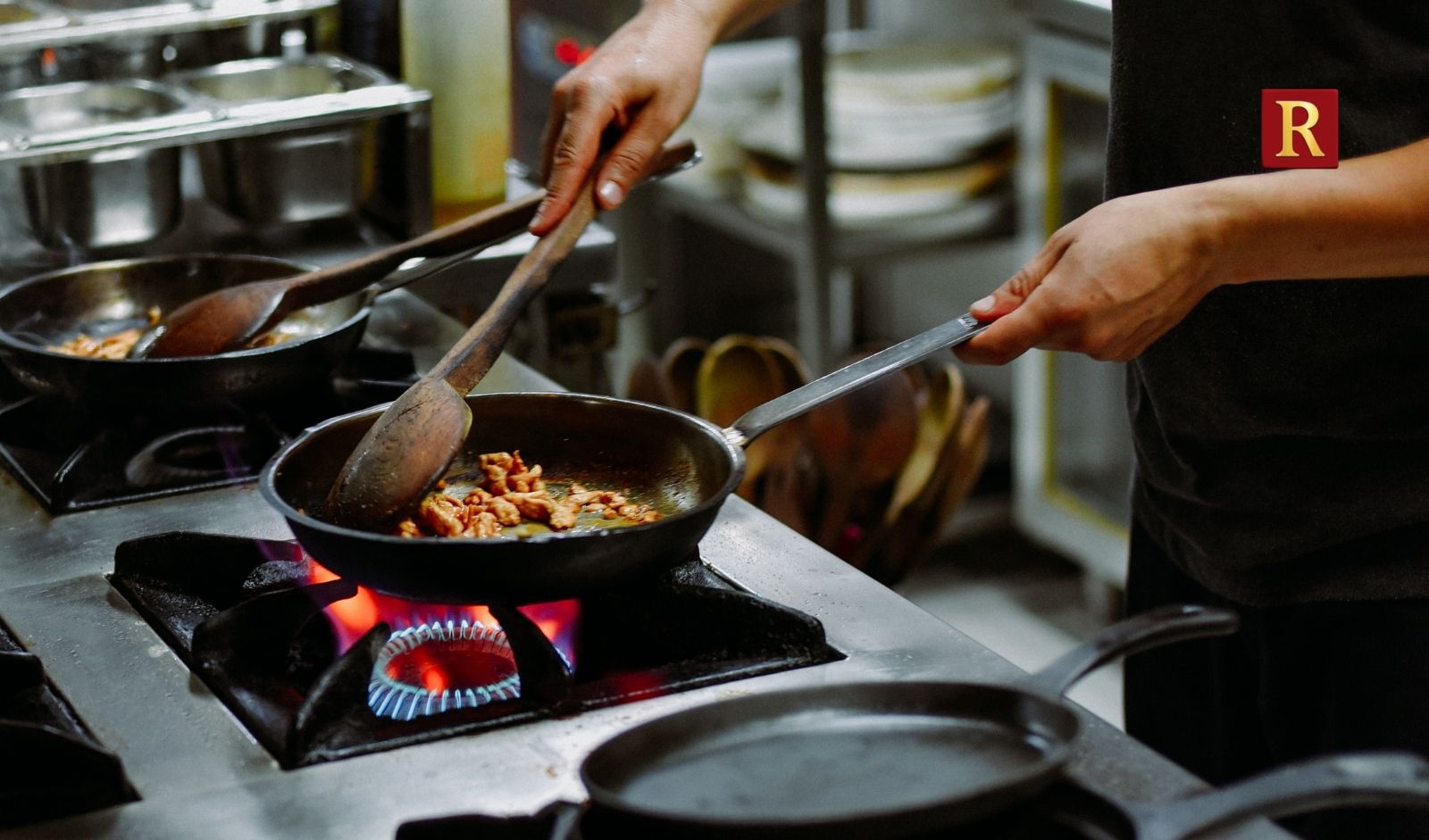
Mumbai has one of India's largest food delivery markets. The city's fast-paced lifestyle has changed how people order food. Working professionals, students, and families are increasingly choosing food delivery over dining out. This shift has created new opportunities for entrepreneurs through cloud kitchens.
A cloud kitchen is a delivery-only food business. It does not require a dine-in space or expensive interiors. Orders are received through food delivery platforms or direct ordering channels. This makes it one of the most affordable ways to enter the food and restaurant industry. If you are planning to start a food business in Mumbai, understanding the costs, technology, licenses, and market trends can help you make better decisions.
Why Mumbai Is a Strong Market for Cloud Kitchens
Mumbai offers several advantages for delivery-first food brands.
- High population density creates consistent food demand.
- Corporate hubs generate regular lunch and dinner orders.
- Consumers are comfortable ordering food online.
- Premium restaurant rentals make delivery-only models more attractive.
- Multiple neighbourhoods support different food categories.
Areas such as Andheri, Bandra, Powai, Lower Parel, Goregaon, Malad, BKC, Thane, and Navi Mumbai are popular delivery zones. These locations have a mix of residential communities, office spaces, and young consumers who actively use food delivery apps. The city's late-night culture also benefits cloud kitchens that serve snacks, biryani, desserts, and comfort food beyond traditional restaurant timings.
What Is a Cloud Kitchen?
A cloud kitchen operates exclusively for food delivery and takeaway. Customers cannot dine at the location.
There are different cloud kitchen models available:
- Single-brand cloud kitchen
- Multi-brand cloud kitchen
- Shared kitchen model
- Home-based cloud kitchen
- Franchise cloud kitchen
The multi-brand model has become particularly popular in Mumbai. One kitchen can operate several food brands using the same infrastructure. For example, a single kitchen may simultaneously sell rice bowls, wraps, desserts, and healthy meals under different brand names. This approach helps increase revenue without significantly increasing operational costs.
How Much Does It Cost to Start a Cloud Kitchen in Mumbai?
The investment depends on the size of the business and the kitchen model.
Expense | Estimated Cost |
Kitchen setup | Rs 1 lakh to Rs 3 lakh |
Equipment | Rs 1 lakh to Rs 2 lakh |
Licenses and registrations | Rs 15,000 to Rs 50,000 |
Branding and packaging | Rs 30,000 to Rs 70,000 |
Monthly rent | Rs 15,000 to Rs 75,000 |
POS software | Rs 500 to Rs 3,000 per month |
Staff salaries | Rs 30,000 to Rs 1 lakh per month |
Marketing | Rs 25,000 to Rs 50,000 |
Estimated startup costs include:
- Home-based cloud kitchen: Rs 50,000 to Rs 2 lakh
- Shared kitchen model: Rs 2 lakh to Rs 5 lakh
- Independent cloud kitchen: Rs 5 lakh to Rs 15 lakh or more
Starting with a smaller setup can help entrepreneurs test demand before making larger investments.
Licenses You Need Before Launching
A cloud kitchen is a food business and must comply with legal requirements.
The most important licenses include:
- FSSAI License
- GST Registration
- Shop and Establishment Registration
- Trade License (where applicable)
- Fire safety compliance
- Municipal approvals based on kitchen size and location
Many delivery platforms require businesses to complete their licensing process before onboarding. Keeping documentation ready can reduce delays during launch.
Technology Plays a Big Role in Success
Running a cloud kitchen is not just about cooking food. Technology helps improve efficiency and profitability.
1. POS System (Point of Sale System)
A POS system is the backbone of a cloud kitchen's daily operations. It helps manage orders from multiple food delivery platforms in one place and improves overall efficiency.
Key functions include:
- Manages orders received from food delivery apps and direct orders.
- Generates bills automatically and reduces manual errors.
- Tracks inventory levels in real time.
- Provides daily, weekly, and monthly sales reports.
- Helps monitor best-selling menu items.
- Supports multiple payment methods for seamless transactions.
- Improves order accuracy and kitchen coordination.
2. Kitchen Display System (KDS)
A Kitchen Display System is a digital screen that displays incoming orders directly to the kitchen staff. It replaces handwritten order slips and helps streamline food preparation.
Key benefits include:
- Displays all incoming orders in real time.
- Reduces communication gaps between the kitchen and order management teams.
- Minimises preparation mistakes and missed orders.
- Improves delivery timelines during peak hours.
- Helps kitchen staff prioritise orders based on preparation time.
- Increases operational efficiency and customer satisfaction.
3. Inventory Management System
Inventory management software helps cloud kitchens monitor ingredients and control food costs. Effective inventory tracking is essential for maintaining profitability.
It helps businesses track:
- Daily ingredient consumption.
- Food wastage and spoilage.
- Stock availability and replenishment requirements.
- Purchase orders and supplier management.
- Food cost percentages for each menu item.
- Shelf life of perishable ingredients.
Benefits include:
- Reduces unnecessary expenses.
- Prevents overstocking and stock shortages.
- Improves kitchen planning and procurement decisions.
4. Analytics Dashboard
An analytics dashboard provides valuable insights into business performance. Cloud kitchens that regularly analyse their data can make smarter operational and marketing decisions.
Important metrics to track include:
- Average order value.
- Total daily and monthly orders.
- Customer ratings and reviews.
- Repeat customer percentage.
- Packaging and delivery costs.
- Peak ordering hours.
- Best-selling and low-performing menu items.
- Revenue and profit trends.
Benefits include:
- Helps optimise menu pricing and promotions.
- Identifies customer ordering patterns.
- Improves inventory planning and staff allocation.
- Supports data-driven business decisions.
- Increases profitability by identifying growth opportunities.
Regularly tracking these metrics can help cloud kitchen owners improve efficiency, reduce costs, and deliver a better customer experience.
Is a Cloud Kitchen Business Profitable?
Cloud kitchens generally require lower investment than traditional restaurants. However, profitability depends on how efficiently the business is managed.
Here are some estimated figures:
Metric | Estimated Range |
Average order value | Rs 250 to Rs 500 |
Gross margin | 60% to 70% |
Net margin | 10% to 25% |
Daily orders | 40 to 150 |
Monthly revenue | Rs 2 lakh to Rs 10 lakh or more |
Food costs, delivery commissions, and marketing expenses directly affect profit margins. Businesses that focus on repeat customers often perform better than those that depend only on new customers.
Popular Food Categories for Cloud Kitchens
Certain cuisines perform well because they travel better during delivery.
Popular options include:
- Biryani
- Rice bowls
- Burgers
- Rolls and wraps
- Pizza
- Healthy meals
- Meal boxes
- Asian cuisine
- Desserts
- Late-night snacks
Food that retains taste, texture, and temperature after delivery generally receives better customer reviews.
Common Challenges Entrepreneurs Face
Starting a cloud kitchen comes with its own set of challenges.
- High Delivery Platform Commissions: Delivery platforms offer visibility but also charge commissions that can affect profitability.
- Competition: Mumbai's food delivery market is highly competitive. Customers have hundreds of options available on delivery apps.
- Packaging Costs: Packaging has become an important part of the customer experience. Leak-proof and premium packaging may increase costs but can improve customer satisfaction.
- Rising Customer Acquisition Costs: Running promotions and advertisements on delivery platforms requires budgeting. Organic growth usually takes time.
- Rental Costs: Although cloud kitchens are cheaper than restaurants, commercial rentals in Mumbai remain relatively high in prime locations.
Smart Tips Before Starting
Many successful cloud kitchen brands begin with a focused strategy.
Some practical tips include:
- Start with a small menu of 8 to 15 items.
- Choose dishes that travel well.
- Track food costs regularly.
- Invest in quality packaging.
- Build direct customer relationships.
- Offer subscription meal plans where possible.
- Use customer reviews to improve menu performance.
Avoid introducing too many menu items during the initial stages. A smaller menu often results in better consistency and operational efficiency.
Emerging Trends in Mumbai's Cloud Kitchen Industry
Consumer preferences continue to evolve. Several trends are shaping the industry.
These include:
- Healthy and protein-rich meal concepts
- Hyperlocal food brands
- Corporate meal subscriptions
- Sustainable packaging solutions
- AI-powered kitchen operations
- Multi-brand cloud kitchens
- Direct ordering through websites and messaging platforms
- Data-driven menu engineering
Delivery-first food businesses are also increasingly using technology to optimise preparation time, reduce waste, and improve customer retention.
Final Thoughts
The cloud kitchen business in Mumbai is becoming a popular choice for food entrepreneurs because it requires lower investment than traditional restaurants and offers significant growth potential. With more consumers ordering food online, the demand for delivery-first brands continues to rise across the city. Cloud kitchens also provide flexibility through different business models, including multi-brand and shared kitchen setups. However, building a successful cloud kitchen requires more than offering good food. Entrepreneurs must focus on managing food and packaging costs, understanding profit margins, using technology for efficient operations, and creating menus that work well for delivery. Tracking customer preferences and maintaining consistent quality are equally important. Mumbai's growing food delivery market presents strong opportunities for businesses that prioritise operational efficiency, smart planning, and customer satisfaction. A well-managed cloud kitchen can become a scalable and profitable venture in today's competitive food industry.
Saptopriya Ghosal
Feature Writer
I am a dedicated media professional with a bachelor's degree in mass communication from the State University of Calcutta and a postgraduate degree from Amity University. My academic journey has equipped me with a profound understanding of storytelling and communication. Passionate about the dynamic world of media, I continually strive to explore new ways to engage and inform through compelling narratives.



































































