Beyond the Pint: Transforming Microbreweries into Experience Destinations
The most forward-thinking establishments design environments specifically engineered to facilitate conversation and connection.


The F&B industry has always been very competitive but microbreweries face a compelling challenge: evolve beyond being mere producers of craft beer or fade into irrelevance. As someone who has witnessed global F&B trends across multiple markets, I've observed that the most successful microbreweries no longer define themselves solely by what's in the glass, but by the holistic experience they deliver to consumers.
The Experience Economy Takes Hold: The craft beer revolution that swept across the United States and Europe has firmly established itself in emerging markets like India, where discerning consumers now expect more than just quality beverages. This shift mirrors what economists Joseph Pine and James Gilmore identified decades ago as the "experience economy" – a progression from selling goods to staging experiences that engage customers on a personal level. Today's consumers, particularly millennials and Gen Z, place higher value on memorable experiences than material possessions. This fundamental shift demands that microbreweries transform into multidimensional destinations that captivate all senses and foster genuine connections.
Community Hubs in a Digital Age: Perhaps counterintuitively, our increasingly digital world has heightened the desire for authentic, in-person social experiences. Successful microbreweries have recognized this opportunity, positioning themselves as community gathering spaces where meaningful interactions flourish naturally. The most forward-thinking establishments design environments specifically engineered to facilitate conversation and connection. Strategic seating arrangements, acoustic considerations, and thoughtful lighting create spaces where people feel comfortable lingering. These design elements aren't merely aesthetic choices – they represent deliberate business strategies that extend visit duration and increase average check size.
Differentiation Through Place-Making: In urban centers worldwide, where competition is fierce, microbreweries must develop distinctive personalities that transcend their beverage offerings. The concept of "place-making" – creating venues with strong identities that resonate emotionally with guests – has become essential. Leading examples incorporate regional elements into their spaces, from locally-sourced construction materials to artwork from neighborhood artists. This approach not only distinguishes the venue visually but also embeds the business within the cultural fabric of its community. The microbrewery becomes not just a place to drink, but a proud representation of local identity.
Programming: The Fourth Dimension: Entertainment programming has emerged as a crucial differentiator for microbreweries seeking to maximize their appeal beyond beer enthusiasts. Live music performances, comedy shows, art exhibitions, and educational brewing sessions transform one-dimensional venues into dynamic cultural spaces. The strategic implementation of programming serves multiple business objectives: attracting diverse customer segments, creating additional revenue streams, and establishing the brewery as a destination worthy of planned visits rather than spontaneous drop-ins. The most sophisticated operators carefully curate their event calendars to align with their brand positioning and target demographic profiles.
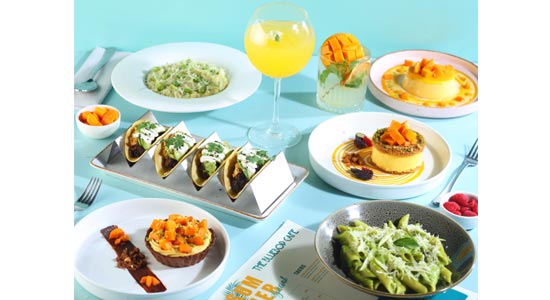
Inclusive by Design: Traditional drinking establishments often inadvertently exclude significant consumer segments. Modern microbreweries recognize this limitation and intentionally design experiences that welcome broader audiences. Comprehensive food menus that accommodate various dietary preferences, non-alcoholic beverage options, and family-friendly spaces during appropriate hours significantly expand the potential customer base. This inclusive approach represents both a values statement and a shrewd business strategy. By creating environments where diverse groups feel welcome, microbreweries position themselves as accessible gathering places for entire communities rather than niche establishments serving narrow demographics.
Narrative as Competitive Advantage: In today's market, where technical brewing excellence has become expected rather than exceptional, brand storytelling provides crucial differentiation. Consumers increasingly care about the values, history, and people behind the products they consume. Effective microbreweries craft compelling narratives around their founding principles, ingredient sourcing philosophies, and community engagement initiatives. These stories, when authentically communicated through physical spaces, digital channels, and staff interactions, create emotional connections that foster loyalty beyond product attributes alone.
The Innovation Imperative: Finally, successful microbreweries understand that stagnation represents their greatest threat. Regular introduction of seasonal offerings, experimental brewing techniques, and cross-industry collaborations create perpetual novelty that rewards repeat visitation. The most astute operators recognize that innovation must extend beyond product development to encompass all aspects of the customer experience. From contactless ordering systems to immersive tasting formats, technological and experiential innovations demonstrate a commitment to continuous improvement that resonates with modern consumers.
In an era where experiences trump products, microbreweries that successfully transform into multidimensional destinations will thrive while those clinging to outdated production-centric models risk obsolescence. The future belongs to those who recognize that they're not merely selling beer – they're crafting memories.
Teja Chekuri
Founder, Fullstack Ventures