
Beyond Salary: What Actually Keeps Restaurant Staff From Quitting
In an industry where turnover remains a constant challenge, the businesses that focus on the complete employee experience—not just the paycheck—are often the ones that build stronger teams and more sustainable growth.

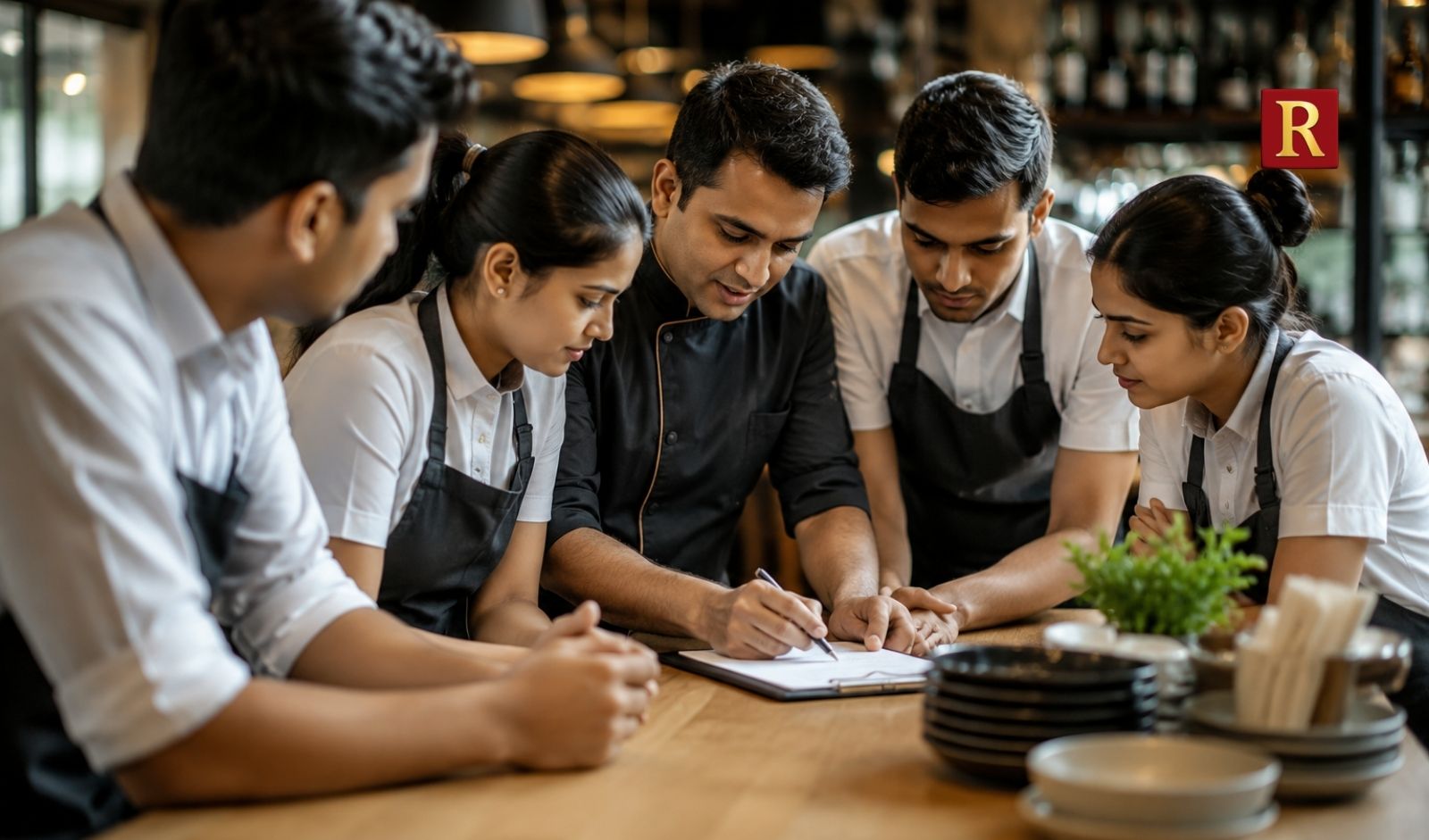
Restaurant owners often assume that higher salaries are the best way to reduce employee turnover. Pay is important, but it is rarely the only reason people stay in a job. Across the restaurant industry, employees frequently leave workplaces because of poor management, unpredictable schedules, lack of growth opportunities, and feeling unappreciated.
For restaurants, staff turnover is expensive. Every employee who leaves takes away experience, knowledge, and productivity. Replacing them requires hiring, onboarding, and training new team members. The result is often higher costs and inconsistent guest experiences. The restaurants that retain employees for longer periods usually focus on more than compensation. They build workplaces where people feel respected, supported, and motivated to grow.
Why Staff Turnover Is a Bigger Problem Than Many Restaurants Realise
The hospitality industry has historically recorded some of the highest employee turnover rates among all sectors. While exact figures vary by market and business type, industry studies have regularly reported annual restaurant turnover rates exceeding 70%. When a server, chef, bartender, or manager leaves, the impact goes beyond an empty position.
Restaurants often face:
- Recruitment costs
- Training expenses
- Reduced productivity
- Increased pressure on existing staff
- Service quality challenges
- Customer satisfaction issues
A busy restaurant cannot deliver a consistent dining experience when employees are constantly changing. Guests notice when service standards fluctuate. Retention, therefore, becomes a business strategy rather than just an HR function.
The Difference Between Hiring Staff and Keeping Them
Competitive salaries help attract candidates. However, retaining employees requires a positive work experience. A restaurant may offer higher pay than competitors, but employees may still leave if they face:
- Frequent schedule changes
- Poor communication
- Lack of support from managers
- Limited career opportunities
- Workplace conflicts
Many restaurant workers evaluate their overall experience, not just their monthly paycheck. This shift is particularly noticeable among younger employees entering the workforce. They increasingly look for flexibility, learning opportunities, and a healthier work environment.
Managers Have More Influence Than Salary
One of the most overlooked drivers of retention is leadership quality. Employees interact with managers every day. Their experience with supervisors often shapes how they feel about the workplace.
Good restaurant managers typically:
- Communicate clearly
- Listen to employee concerns
- Provide guidance
- Offer constructive feedback
- Support professional growth
Poor management creates stress even when salaries are competitive.
Consider two restaurants paying similar wages.
- In the first restaurant, employees receive little feedback, schedules change at the last minute, and concerns are ignored.
- In the second, managers regularly check in with staff, solve problems quickly, and encourage development.
Most employees are more likely to stay with the second employer. Restaurant operators who invest in management training often see improvements in both retention and team performance.
Recognition Can Be a Powerful Retention Tool
Many employees do not expect daily praise. However, they want their efforts to be noticed. Recognition creates a sense of value and belonging.
Simple examples include:
- Celebrating work anniversaries
- Acknowledging outstanding service
- Highlighting team achievements
- Sharing positive customer feedback
- Recognising employees during team meetings
The cost of recognition is often minimal. The impact can be significant. Employees who feel appreciated are generally more engaged and motivated. In restaurants, where shifts can be physically demanding and fast-paced, small gestures of appreciation often make a meaningful difference.
Scheduling Matters More Than Owners Think
One of the biggest frustrations for restaurant employees is scheduling uncertainty. Restaurants operate during evenings, weekends, and holidays. Staff understand this reality. However, problems arise when schedules become unpredictable.
Common issues include:
- Last-minute shift changes
- Unequal shift allocation
- Excessive overtime
- Inadequate notice periods
Fair scheduling helps employees plan their personal lives. For example, a server who receives a schedule two weeks in advance can arrange childcare, studies, or family commitments more easily than someone receiving shifts at the last moment. Many restaurants now use workforce management software to forecast demand and create more balanced schedules. These systems help reduce scheduling conflicts while improving labour efficiency. Fairness is particularly important. Employees are more likely to stay when they believe shifts and opportunities are distributed equally across the team.
Employees Want a Career, Not Just a Job
Many restaurant operators focus heavily on hiring but spend less time discussing career progression. Employees often leave because they cannot see a future within the organisation. Career growth does not always require large promotions.
Opportunities can include:
- Cross-training in different departments
- Leadership workshops
- Skill development programmes
- Mentorship initiatives
- Internal promotion pathways
A restaurant that clearly shows employees how they can advance creates a stronger sense of purpose.
- For example: Server → Senior Server → Shift Supervisor → Assistant Manager → Restaurant Manager
When employees can visualise their future, they are more likely to remain committed.
Training Improves Retention and Performance
Training is often viewed as an onboarding activity. Successful restaurants treat it as an ongoing process.
Builds Employee Confidence: Regular training helps employees feel more capable in their roles. When staff understand processes and expectations clearly, they are more confident when handling customers and daily operations.
Improves Performance and Service Quality: Ongoing learning helps employees work more efficiently, reduce mistakes, and deliver a better guest experience. This directly contributes to smoother restaurant operations.
Develops New Skills: Training allows staff to learn areas beyond their primary role, including customer service, food safety standards, POS systems, and upselling techniques, making them more versatile team members.
Prepares Future Leaders: Leadership and conflict-management training help identify and develop future supervisors and managers from within the organization.
Reduces Hiring Challenges: Restaurants that invest in employee development create a strong internal talent pipeline, reducing reliance on external recruitment for senior positions.
Culture Is Often the Hidden Factor
Restaurant culture is difficult to measure but easy to feel. Employees quickly notice whether a workplace is supportive or toxic.
A positive culture usually includes:
- Respectful communication
- Team collaboration
- Fair treatment
- Inclusion
- Accountability
When employees trust their colleagues and managers, they are more likely to remain loyal to the organisation. Strong workplace cultures also improve teamwork during busy service hours. Employees are more willing to support one another when mutual respect exists. Culture is built through daily actions rather than mission statements on a wall.
Benefits Beyond the Paycheck
Not every restaurant can dramatically increase salaries. However, many can improve the overall employee experience.
Benefits that often matter to restaurant staff include:
- Flexible leave policies
- Staff meals
- Performance incentives
- Wellness initiatives
- Learning opportunities
- Festival bonuses
- Employee recognition programmes
These benefits may not replace salary, but they contribute to overall job satisfaction. For smaller restaurants and independent cafés, thoughtful benefits can create a competitive advantage in attracting and retaining talent.
What Successful Restaurants Do Differently
Restaurants with lower turnover often share several common practices.
They:
- Train managers regularly
- Provide fair and predictable schedules
- Recognise employee contributions
- Invest in skill development
- Create clear career pathways
- Encourage open communication
- Build positive workplace cultures
Most importantly, they treat employee retention as a business priority rather than an HR problem.
The Bottom Line
Salary remains an important part of employee retention. No workplace can ignore fair compensation. However, higher pay alone does not guarantee loyalty. Restaurant employees are looking for stability, respect, growth, recognition, and supportive leadership. They want managers who listen, schedules they can rely on, and opportunities to develop their careers. Restaurants that understand these priorities are often able to retain staff longer, reduce hiring costs, and deliver better guest experiences. In an industry where turnover remains a constant challenge, the businesses that focus on the complete employee experience—not just the paycheck—are often the ones that build stronger teams and more sustainable growth.
Saptopriya Ghosal
Feature Writer
I am a dedicated media professional with a bachelor's degree in mass communication from the State University of Calcutta and a postgraduate degree from Amity University. My academic journey has equipped me with a profound understanding of storytelling and communication. Passionate about the dynamic world of media, I continually strive to explore new ways to engage and inform through compelling narratives.



































































