
Beyond Paneer: India's Vegetarian Treasures That Can Become Your Restaurant's Charm
For far too long, Indian vegetarian cuisine has been seen narrowly in many restaurants, frequently restricting the dining experience to a few well-known dishes that focus mostly on paneer. By encouraging restaurateurs to discover the amazing depth and breadth of India's plant-based customs, this article seeks to shatter that stereotype.

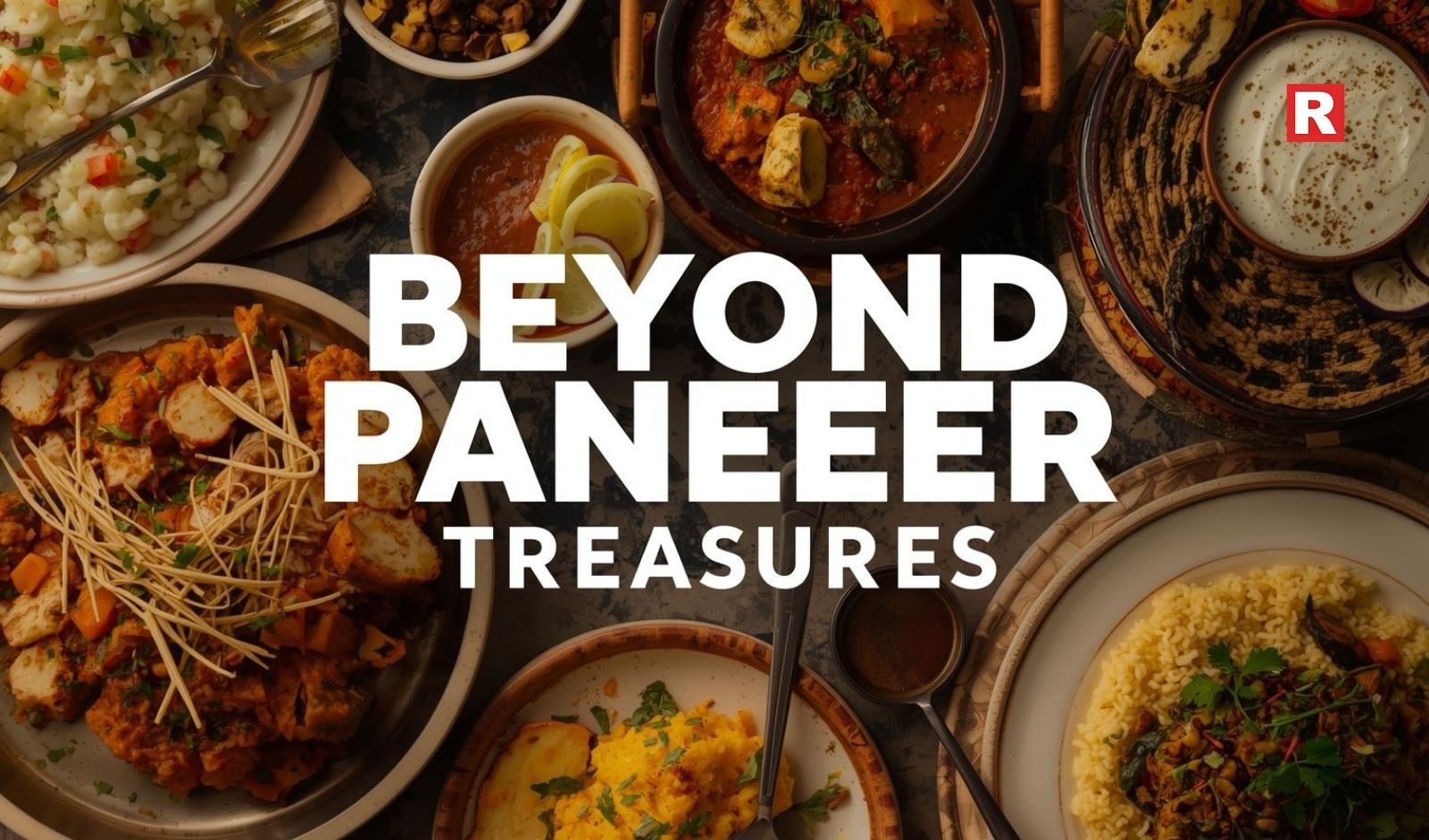
Paneer is usually the vegetarian star in the rich complexity of Indian food. Many restaurateurs who want to provide appealing vegetarian options to their customers turn to this popular item because of its creamy texture and exceptional adaptability. With dishes like Paneer Tikka's smokey char and Shahi Paneer's luscious gravies, this dairy treat has earned a place in people's hearts (and stomachs) all across the world. However, what if we told you that beneath this well-known hero is a wealth of vegetarian ingredients and recipes that are bursting with distinctive tastes, textures, and tales that are just ready to enthrall your guests?
For far too long, Indian vegetarian cuisine has been seen narrowly in many restaurants, frequently restricting the dining experience to a few well-known dishes that focus mostly on paneer. By encouraging restaurateurs to discover the amazing depth and breadth of India's plant-based customs, this article seeks to shatter that stereotype. By breaking out from the norm, you can improve your menu and build a distinctive brand for your restaurant that will appeal to a wider range of adventurous, health-conscious, and ethically aware customers. It's time to learn how India's lesser-known vegetarian treasures can turn your restaurant into a culinary hotspot renowned for its inventive and authentic dishes.
Read more: 5 Cities That Serve the Best Non-Vegetarian Street Food
Why Look Beyond Paneer?
Understanding new trends and customer preferences is essential to remain ahead of the constantly evolving culinary world. There are some strong benefits to expanding your Indian vegetarian menu:
- Market Demand & Health Consciousness: There is no question about the global trend toward veganism, plant-based diets, and healthier food choices. Customers are actively looking for vegetarian solutions that are both inventive and nourishing. You can directly reach this expanding and profitable market group by providing a wider variety of plant-based cuisine.
- Culinary Innovation & Differentiation: Being different is valuable in the cutthroat restaurant industry. By branching out from the typical paneer meals, you can add unique flavors and textures that will give your restaurant a unique edge and make it a topic of conversation among foodies.
- Authenticity & Regional Exploration: Every region of India has its own unique ingredients and cooking methods, resulting in an extraordinarily varied food map. Presenting these lesser-known products and dishes gives customers who yearn for authentic cultural experiences a more realistic look into India's extensive culinary heritage.
- Sustainability and Ethical Sourcing: Compared to dairy production, the production of several traditional Indian vegetables uses less water and resources, making them naturally sustainable. By using these items, your restaurant can attract eco-aware customers and align with eco-friendly policies.
- Allergy & Dietary Needs: Naturally, broadening your menu gives customers with dairy or lactose intolerance additional choices, making the eating experience more welcoming and friendly.
Revealing India's Vegetarian Treasures: Ingredients to Explore
Let's explore some of the amazing vegetarian products from India that ought to take center stage on your menu:
1. Jackfruit (Kathal): The "Vegetarian Meat"
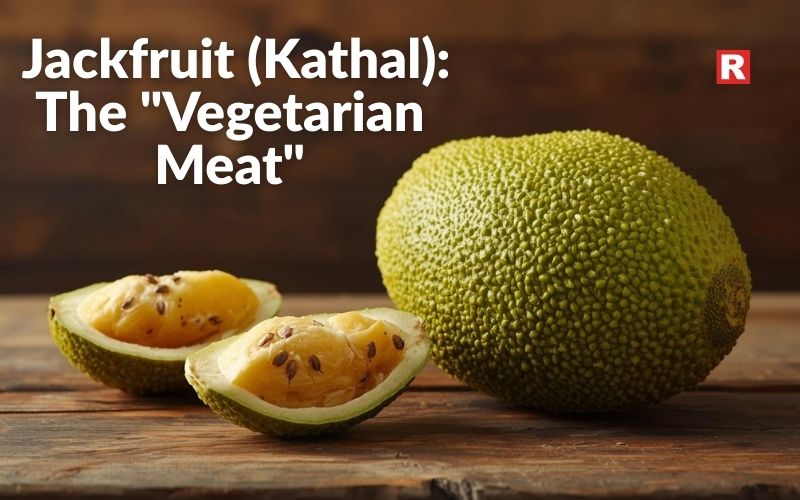
The most fascinating and versatile "meat substitute" from India is probably jackfruit. Its fibrous texture, when young and unripe, makes it a fantastic alternative to shredded chicken or pulled pig. It is ideal for thick curries, biryanis, and even kebabs because of its excellent flavor absorption capabilities.
- Flavor Profile: When young, the flavor profile is mild and absorbing.
- Signature dishes: "Pulled Jackfruit" tacos or Indian-style burgers, Jackfruit Biryani, and Kathal ki Sabzi (hot jackfruit curry).
- Why it's so appealing: Its remarkable ability to replicate the texture of meat will astonish and please even the most die-hard carnivores, promoting your restaurant as a leading cuisine artist.
2. Lotus Stem (Kamal Kakdi / Bhein): Crunchy & Nutty
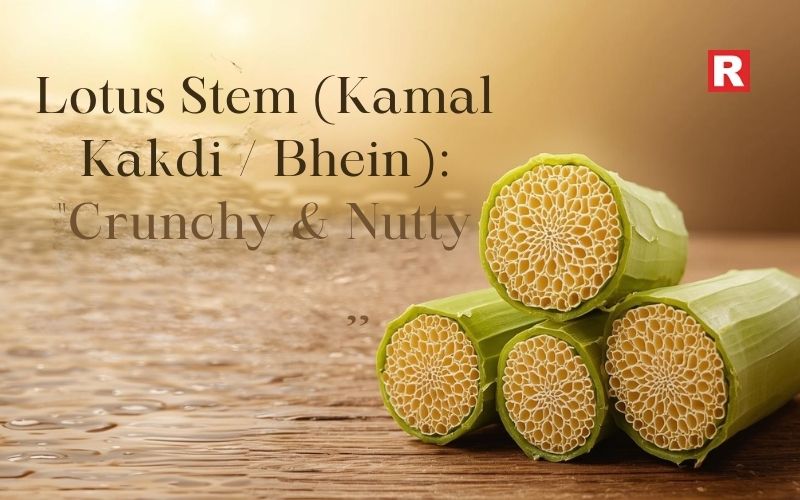
The visually appealing, hollowed-out pieces of lotus stem have a genuinely unique texture: they are crunchy on the outside, slightly soft on the inside, and have a faintly nutty taste. Because of its capacity to absorb spices, it is a widely used ingredient, particularly in Kashmiri cooking.
- Flavor Profile: Earthy, mild, and mildly sweet.
- Signature dishes: Kamal Kakdi Fritters, Crispy Honey Chili Lotus Stem (a well-liked Indo-Chinese appetizer), and Nadru Yakhni, a Kashmiri lotus stem stew.
- Why it's so appealing: It's a remarkable ingredient because of its unique look and delicious texture, which give any recipe an exotic touch.
Know more: Slurping Through India: 6 Iconic Noodles You Can’t Miss
3. Raw Banana (Kachha Kela): The Starchy Chameleon
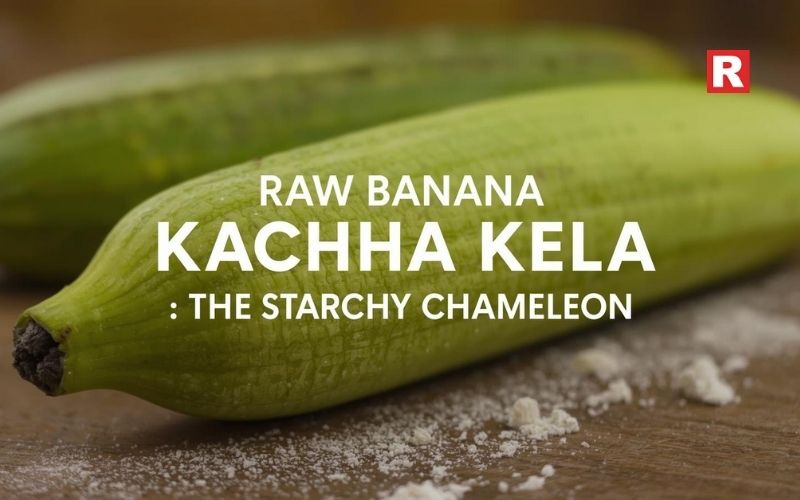
Raw bananas are a common ingredient in many South and East Indian recipes, yet they are occasionally overlooked. They make a great base for a variety of recipes because they are solid and starchy. They have a surprisingly wide variety of uses and can be cooked, fried, or grated.
- Flavor Profile: Subtle, earthy, and neutral.
- Signature dishes: raw banana cutlets, chips, Vazhakkai poriyal (a South Indian raw banana stir-fry), and kela kofta curry.
- Why it's appealing: Its simple appearance conceals its versatility. You can turn it into warm, cozy recipes that provide an alternative to potato-based side dishes.
4. Bottle Gourd (Lauki) & Ridge Gourd (Turai): Humble Heroes

Although they are rarely found on restaurant menus, these gourds are frequently used in Indian home cooking. They are exceedingly light and healthy, and they have a delicate, refreshing flavor. For diners looking for healthier, lighter options, they are ideal.
- Flavor Profile: mild, mildly sweet, and watery.
- Signature dishes: Turai ki Sabzi (ridge gourd curry), Lauki Halwa (dessert), Lauki Kofta (gourd dumplings in sauce), and nourishing dals made with these gourds.
- Why it's appealing: Unlike heavier restaurant meals, these vegetables give a comfortable simplicity that reflects the real "soul food" of Indian families.
What's new: Beyond Toast: 10 Deliciously Easy Bread-Based Snacks
5. Colocasia / Taro Root (Arbi): Earthy & Satisfying
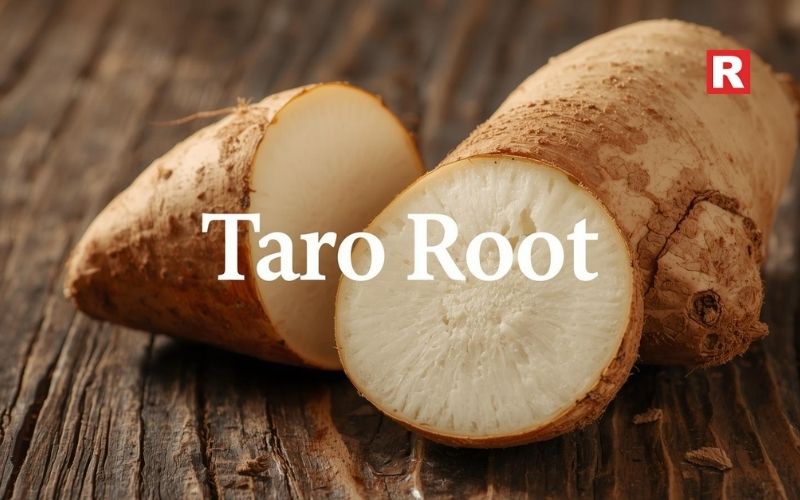
When cooked, arbi, also known as taro root, develops a starchy, slightly sticky texture that can become quite crispy when fried. It also has a satisfyingly fibrous flavor. It's a great addition to gravies and dry dishes.
- Flavor Profile: nutty and earthy.
- Signature dishes: Arbi ki Curry, Arbi ki Sukhi Sabzi (dry spiced colocasia), and Arbi Tuk (crispy fried slices).
- Why it's appealing: Its powerful, grounding flavor and pleasant textural contrast make it a charming addition to a vegetarian main course.
6. Drumsticks (Moringa Pods / Sahjan): The Nutrient Powerhouse

The long, thin pods of the Moringa tree, called drumsticks, are a popular vegetable in South Indian and some West Indian cooking and are frequently acknowledged for the superfood status of its leaves. They have a soft, fibrous pulp that can be scraped out and a distinct, savory, slightly bitter flavor. Rich in vitamins and minerals, drumsticks provide any meal a unique flavor and health boost.
- Flavor Profile: Earthy, savory, slightly bitter, and distinct.
- Signature dishes: drumstick curry, which is frequently made with coconut milk; drumstick fry, which is a simple stir-fry; and sambar, which is a traditional South Indian lentil stew, all of which are served with kadi, a gravy made with yogurt.
- Why it's appealing: Its strong flavor makes a strong impact and gives food a raw, rustic feel. Its amazing nutritional worth might be emphasized to attract health-conscious consumers searching for superfoods. It's a taste of authentic regional Indian cuisine that many people might've never had.
Check out: Top Navratri Dishes You Can Relish Without Guilt
Best White Bread Brands in India
Transforming Your Menu By Integrating These Treasures
Careful preparation and creativity are necessary for the successful integration of these ingredients in your menu:
- Create Unique Menu Items: Don't merely include a generic "vegetable curry." Make special main dishes (like "Kashmiri Nadru Delight" or "Spicy Jackfruit Pulao") that showcase that particular ingredient especially.
- Appetizers & Small Plates: Present unique appetizers and snacks. Consider Arbi Chaat, Raw Banana Fritters, or Crispy Lotus Stem Honey Chili. For diners who want to sample something new without paying for an entire meal, these are excellent starting points.
- Regional Specials: Set aside a portion of your menu to serve vegetarian dishes from a specific area. This offers your customers an engaging and educational experience.
- Fusion Possibilities: Try new things without fear. Indian ingredients may be incredibly versatile when used in fusion recipes, combining with international cooking methods to produce genuinely inventive dishes. Imagine Lotus Stem Risotto or Jackfruit Biryani Arancini.
- Descriptive Menu Language: Use descriptive menu language to inform and persuade customers. Make use of detailed descriptions that draw attention to the distinct flavors, textures, and places of origin of these items. Describe the traditional importance or health advantages.
- Chef Training: Invest in your kitchen staff. To guarantee constant quality and genuine flavor, offer instruction on the preparation, cooking methods, and flavor profiles of these new dishes.
Read this: Easy & Delicious Meal Prep Ideas for a Busy Week
Marketing Your Unique Vegetarian Offerings
The secret to success after diversifying your menu is efficient marketing:
- Storytelling: Use your menu, website, and social media to highlight the cultural significance, health advantages, and special features of these items. People enjoy food with a backstory.
- Visual Appeal: It's essential to have your new dishes professionally photographed. Using top-notch photos for your menu, social media, and internet platforms can draw customers in and tempt them to try it.
- Promotional Events: To present these new products, hold tasting menus, chef's specials, or special "Taste of India's Vegetables" weeks.
- Targeting Demographics: Adapt your advertising to appeal to health-conscious people, vegetarians, vegans, and bold foodies who are constantly looking to try new foods.
It's Just A Start
Indian vegetarianism encompasses much more than just the familiar staples of paneer. The earthy deliciousness of raw bananas, the delicate crunch of lotus stems, and the meaty texture of jackfruit are just a few of the plant-based riches that restaurateurs can embrace to create an unmatched opportunity. You can develop a menu that appeals to a modern, health-conscious, and adventurous customer while simultaneously being incredibly authentic and culinarily innovative. It's an opportunity to set your restaurant apart, share a more comprehensive tale of Indian cuisine, and genuinely establish yourself as a food destination in the cutthroat dining industry. Go beyond paneer and see how your restaurant thrives.
Mahak Sharma
Content Writer
Mahak Sharma is a passionate content writer with 2 years of experience crafting compelling content across various niches, tailoring her writing to suit different audiences and platforms. She is dedicated to producing engaging content for readers so that they can understand and enjoy the articles. Her strengths lie in crafting SEO-friendly, well-structured articles that drive visibility and engagement.



































































