Beyond Matcha: 7 Japanese Drinks Indians Are Starting to Discover
They are exploring the stories, ingredients and techniques behind them. Matcha may have created the curiosity, but these lesser-known drinks could give that curiosity a much wider direction.

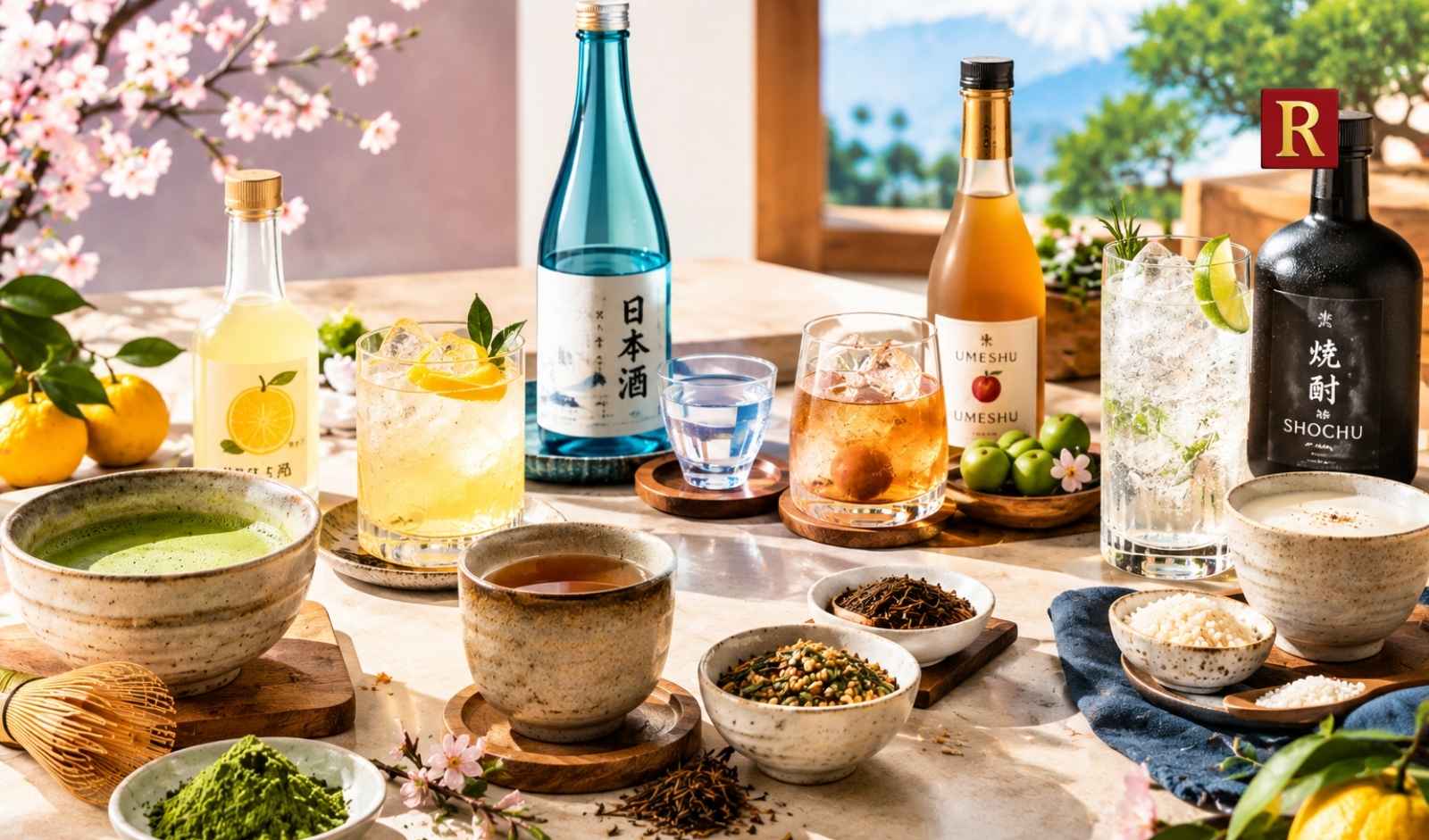
Matcha may be the Japanese drink Indians know best today, but it is no longer the only one attracting attention. Searches for “how to make matcha” in India rose 1300% over the past year, while Hōjicha also reached an all-time high in search interest in 2026. The trend shows that Indian consumers are becoming more curious about Japanese beverages and the different ways they are made and served.
The next stage could be much broader. Hōjicha, Genmaicha, sake, umeshu, shochu and amazake offer very different flavours and drinking experiences. Some are already appearing in Indian cafés, restaurants and bars. Others remain niche, but could gain attention as Japanese food culture becomes more familiar.
Matcha: The Drink That Opened the Door
Matcha is no longer an unfamiliar Japanese ingredient in India. It has moved from speciality cafés into home kitchens, dessert menus and everyday beverage routines. Google Trends data reported in September 2026 showed a 1300% rise in searches for “how to make matcha” in India over the previous year. Searches for matcha and “what is matcha” also increased, while queries for matcha whisks and bowls showed growing interest in making the drink at home.
The difference between matcha and ordinary green tea is important. Matcha is made from finely ground tea leaves, so the powder itself is consumed rather than simply steeped and removed. That has also made matcha highly adaptable. Indian consumers can now find iced matcha, matcha lattes and combinations with fruits such as mango and strawberry. Matcha may have introduced Indians to Japanese tea. The more interesting question is what comes next.
Here are 7Japanese Drinks Worth Knowing
1. Hōjicha: The Roasted Tea With a Different Personality
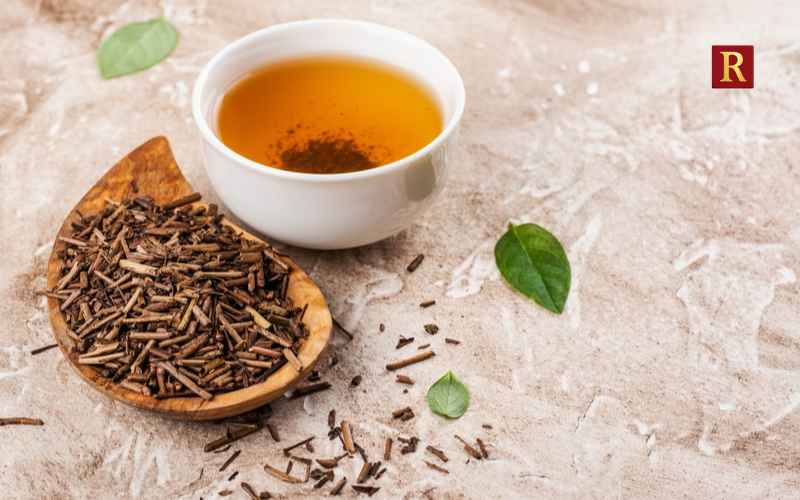
Hōjicha is a Japanese green tea that is roasted. This gives it a brown colour and a warmer flavour than the grassy notes usually associated with green tea. It is often described as nutty, toasted and mellow. The roasting also reduces some of the bitterness that people may associate with green tea. Hōjicha is no longer completely unknown in India. Search interest reached an all-time high in 2026, with Delhi, Haryana, Telangana, Karnataka and Maharashtra among the leading regions for searches between June and August. Indian cafés are also experimenting with it in lattes, desserts and modern tea menus. Its biggest advantage may be familiarity. The roasted taste can remind Indian consumers of toasted grains, nuts or roasted coffee, making it an easier introduction to Japanese tea.
2. Genmaicha: Green Tea Meets Roasted Rice
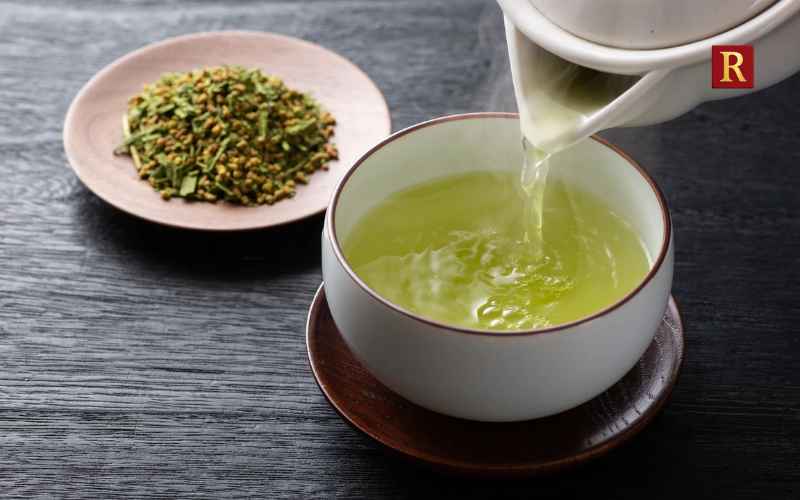
Genmaicha takes a very different approach to tea. It combines Japanese green tea with roasted rice. The rice creates a toasted, slightly nutty flavour. Some versions can even have a gentle popcorn-like aroma. That makes Genmaicha interesting for the Indian market. Roasted flavours are already deeply familiar in Indian food and beverages, from roasted grains to nuts and spices. Genmaicha remains much less visible than matcha or Hōjicha in India. That is exactly what makes it interesting for an emerging-drinks story. For cafés, it also offers several possibilities. It can be served hot or cold, used in tea-based drinks or paired with desserts.
3. Sake: More Than Just “Japanese Rice Wine”
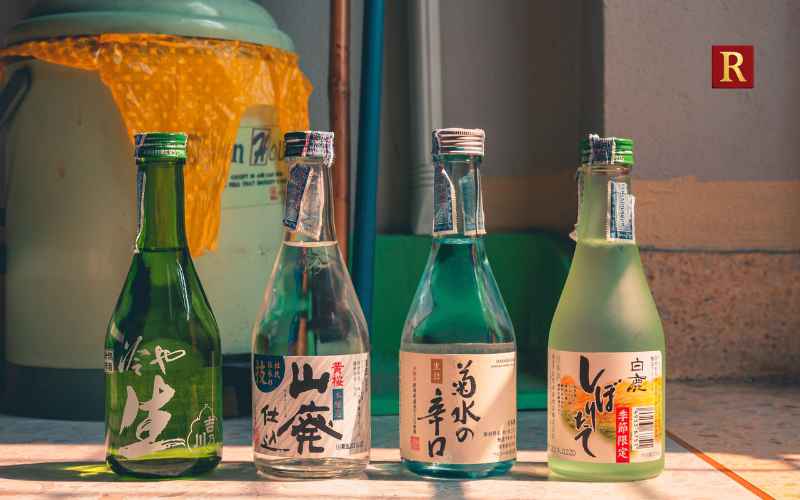
Sake has been present in India for years, particularly through Japanese restaurants and premium dining. But many consumers still misunderstand what it actually is. Sake is brewed rather than distilled. It is made using rice, water, koji and yeast. The rice is polished to different levels depending on the style. For example, ginjo sake uses rice polished to 60% or less of its original grain, while daiginjo uses rice polished to 50% or less. Alcohol levels commonly sit around 15%, although some styles can be stronger. The interesting part is the range. Sake can be dry, fruity, rich, light or sparkling. It can also be served chilled, at room temperature or warm. As Japanese food becomes more familiar in India's premium dining scene, sake has an opportunity to move from a specialist order to a better-understood dining drink.
4. Umeshu: The Sweet-Sour Japanese Liqueur
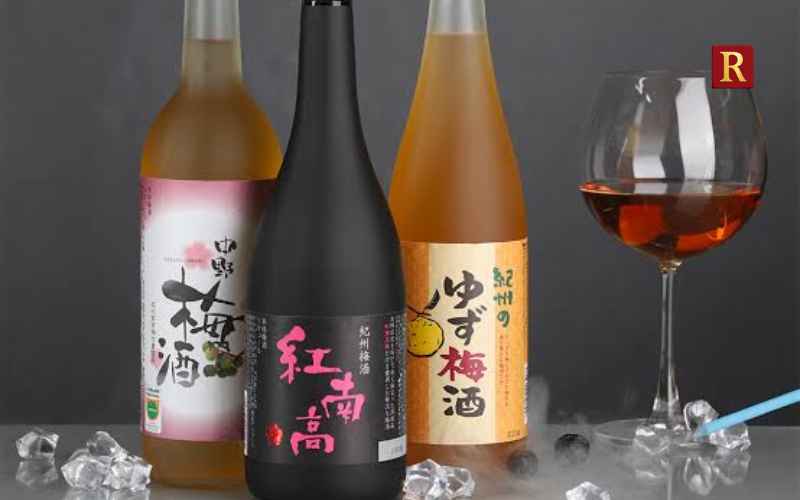
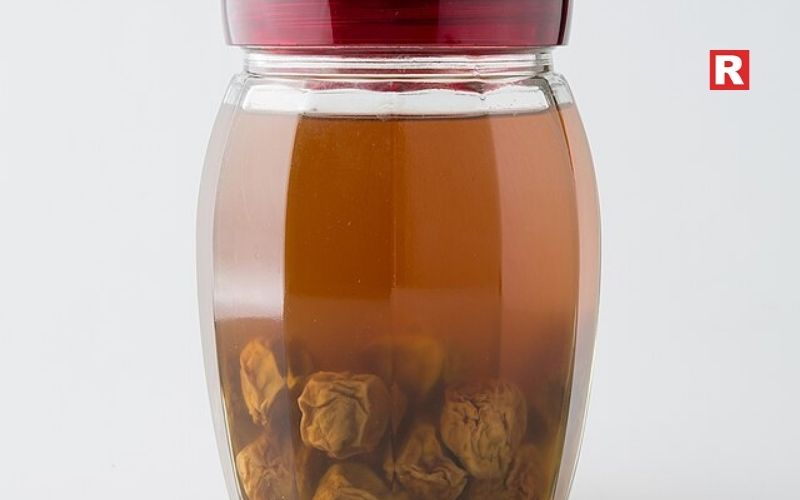
Umeshu is often called Japanese plum wine. Technically, that description is misleading. Umeshu is a fruit liqueur made by steeping ume fruit with sugar and alcohol. It is known for its balance of sweetness and sourness. Its flavour makes it particularly interesting for India because it does not demand the same adjustment as a very dry spirit. Umeshu has already entered the Indian market. It has appeared at restaurants and Japanese beverage tastings, with products expanding beyond Maharashtra into markets including Delhi, Haryana and Karnataka. It can be served on the rocks, with soda or as part of a cocktail. That versatility could be important. Instead of being introduced only as a traditional Japanese drink, umeshu can enter India's growing cocktail culture through familiar formats.
5. Shochu: Japan’s Other Major Spirit
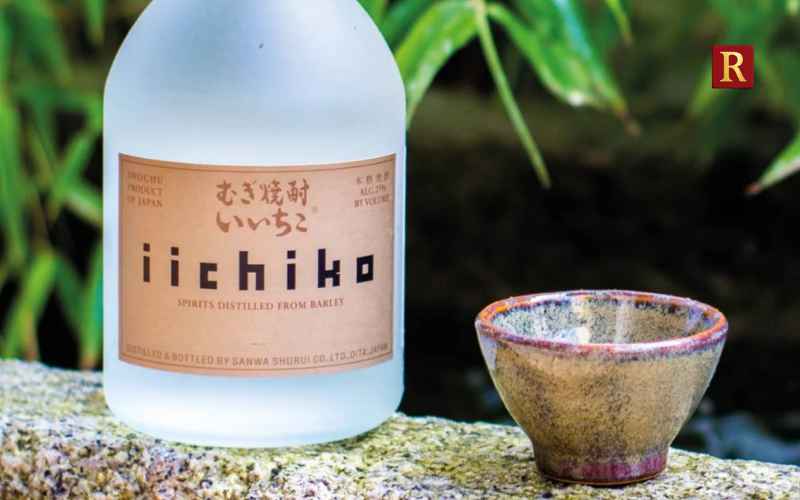
If sake is often misunderstood as a spirit, shochu is sometimes overlooked altogether. The difference is simple. Sake is brewed. Shochu is distilled. Shochu can be made from ingredients including sweet potato, barley, rice, buckwheat and brown sugar. The base ingredient changes the aroma and taste, giving the category considerable variety. It is commonly around 25% alcohol, although strengths vary. One of its most interesting applications is the chūhai, a Japanese highball-style drink made with shochu, soda and flavourings such as citrus or fruit. India's growing interest in cocktails, highballs and Asian spirits gives shochu an interesting opening. It is still niche, but industry tastings in India have already started introducing consumers to the category.
6. Amazake: Japan’s Rice-and-Koji Drink
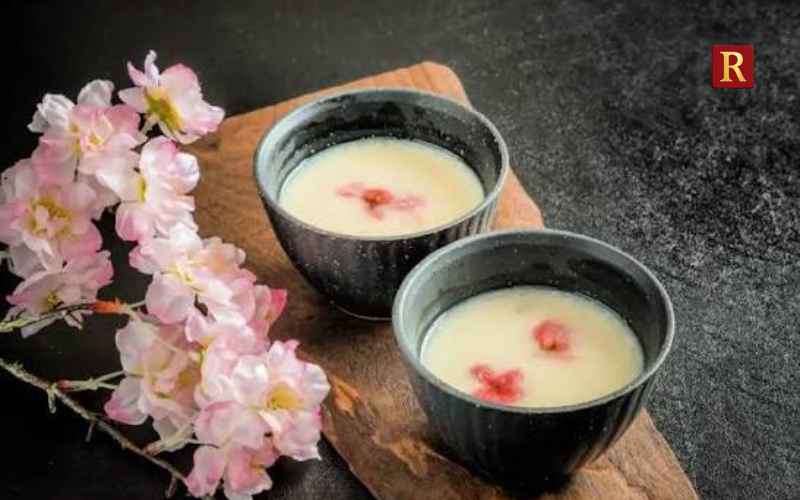
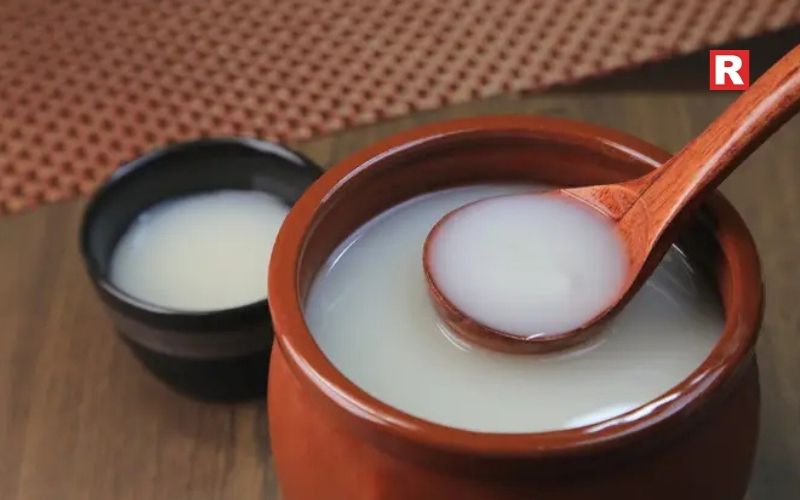
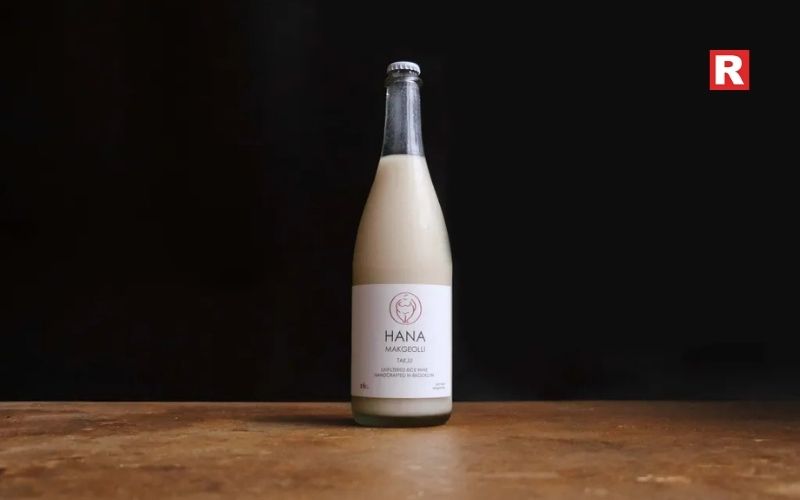
Amazake is perhaps the least familiar drink on this list. The name can be confusing because not every amazake is alcoholic. One traditional style is made using rice koji and is non-alcoholic. Another version can be made using sake lees and may contain some alcohol. Its texture is often thicker than a conventional tea or soft drink, and it has a naturally sweet taste created through the action of koji. This makes amazake interesting beyond Japan's traditional beverage culture. It connects with the wider global interest in fermentation, koji and traditional food processes. In India, amazake is still very niche. But that could also be its opportunity. As consumers become more curious about fermented foods and drinks, products built around rice and koji could find a small but interested audience.
7. Yuzushu: Japan’s Citrus-Led Liqueur
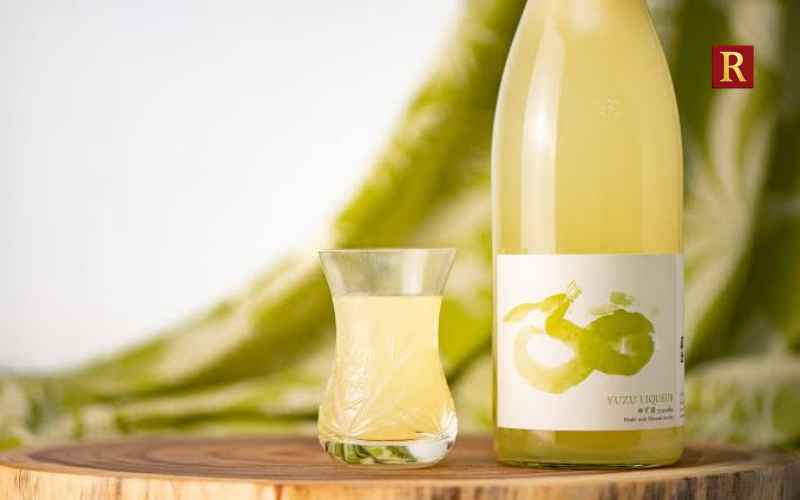
Yuzu is one of Japan's most recognisable citrus flavours. It sits somewhere between the sharpness of lemon and the fragrance of other aromatic citrus fruits. Yuzushu is a Japanese citrus liqueur made by combining yuzu with alcohol. It has a bright aroma and a sweet, tangy profile. For Indian consumers, the appeal is easy to understand. Citrus already plays a major role in Indian drinks, from nimbu soda to cocktails and summer coolers. Yuzushu can be served on its own, with soda or in cocktails. Japanese beverage tastings in India have included yuzu-based drinks alongside sake, umeshu, shochu and other Japanese alcohol categories. That gives yuzu an interesting route into the market: not necessarily as a traditional Japanese drink consumed in its original form, but as a flavour that can work naturally within modern Indian beverage culture.
The Japanese Beverage Story Is Just Beginning
The Japanese beverage story in India is still developing. Matcha has clearly moved ahead, with strong search growth and increasing home preparation. Hōjicha is beginning to attract attention as a roasted alternative. Sake and umeshu fit naturally into the growing Japanese restaurant and premium bar culture, while shochu introduces Indian drinkers to a different kind of Japanese spirit.
Genmaicha and amazake are further from the mainstream, but they show where the conversation could go next.
Cafés have more room to experiment: Hōjicha, Genmaicha and amazake can give cafés alternatives to the now-familiar matcha latte.
Bars can introduce Japanese drinks in familiar formats: Sake cocktails, umeshu highballs and shochu-based drinks can make unfamiliar beverages easier for first-time consumers to try.
Flavour could drive wider interest: Roasted notes, citrus, fruit and mild sweetness may make some Japanese beverages easier to connect with the Indian palate.
Discovery will depend on availability: These drinks still need wider distribution, better consumer awareness and accessible pricing before they can move beyond specialist restaurants, cafés and premium bars.
The bigger change is not simply that Indians are trying more Japanese drinks. It is that Japanese beverage culture is becoming easier to explore in different formats. For cafés, that could mean moving beyond the standard matcha latte. For bars, it could mean experimenting with sake, umeshu and shochu. For consumers, it means there is now much more to discover than one green powder. Matcha may have been the starting point. It does not have to be the whole story.
Final Sip!
India’s interest in Japanese beverages is moving beyond matcha. The next wave is likely to be more diverse, with Hōjicha, Genmaicha, sake, umeshu, shochu, amazake and yuzushu offering different flavours and drinking experiences. Some of these drinks are already appearing on Indian menus, while others remain niche. Their growth will depend on availability, pricing, consumer education and how easily they fit into familiar formats such as lattes, highballs, cocktails and refreshing citrus drinks. What makes this shift interesting is that Indian consumers are not simply discovering Japanese drinks as a category. They are exploring the stories, ingredients and techniques behind them. Matcha may have created the curiosity, but these lesser-known drinks could give that curiosity a much wider direction.
Saptopriya Ghosal
Feature Writer
I am a dedicated media professional with a bachelor's degree in mass communication from the State University of Calcutta and a postgraduate degree from Amity University. My academic journey has equipped me with a profound understanding of storytelling and communication. Passionate about the dynamic world of media, I continually strive to explore new ways to engage and inform through compelling narratives.