7 Korean Alcohols That Prove There’s More to Korea Than Just Soju
If you look beyond soju, you’ll find all sorts of drinks: artisanal brews, herbal infusions, fruit wines, and many more. Each alcohol has its own story. Some were brewed for royalty centuries ago, others are brand new twists for today’s tastes. Every bottle is its own little slice of Korean culture.


If you’ve ever binged a K-drama, you’ve probably noticed that green bottle of soju making its cameo now and then. It’s clear, crisp, and has a slightly sweet flavor. It's no wonder that soju and Korean drinking culture go hand in hand. But here’s the thing: Korea’s got a much deeper, older drinking tradition than just soju.
If you look beyond soju, you’ll find all sorts of drinks: artisanal brews, herbal infusions, fruit wines, and many more. Each alcohol has its own story. Some were brewed for royalty centuries ago, others are brand new twists for today’s tastes. Every bottle is its own little slice of Korean culture.
So, if you’re ready for something beyond the usual, here are seven Korean drinks that prove there’s a whole lot more to discover than just soju.
Read more: 7 Korean Veg Dishes to Try on Your Next Visit
7 Best Korean Alcohols Beyond Soju
1. Makgeolli (Rice Wine, White)
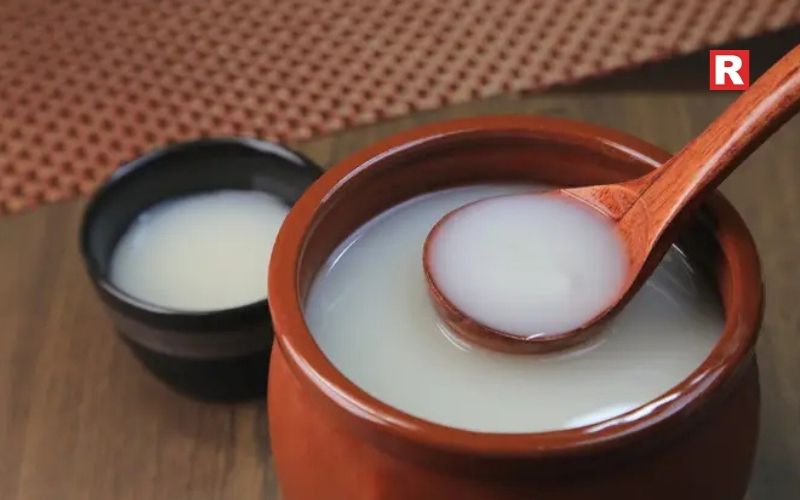
Soju might be the national drink right now, but makgeolli is the old soul. This milky, slightly fizzy rice wine has a history that goes back two thousand years. Farmers brewed it to celebrate harvests and share with their neighbors in the past. Makgeolli looks unrefined. It’s cloudy white, served in bowls, not glasses. But take a sip. It feels smooth, a little bubbly, sweet, and tangy all at once. The secret is nuruk, a natural fermentation starter that gives makgeolli its earthy smell and that gentle buzz (usually 6–9% ABV).
Drink it fresh and cold, usually with pajeon. These are crispy Korean green onion pancakes. There’s even a saying: “Rainy day, pajeon day, makgeolli day.” These days, craft brewers are getting creative, adding honey, banana, chestnut, and even coffee to the mix. Makgeolli now bridges the gap between tradition and trend. It is old-school fermentation with a modern café twist.
2. Cheongju (Rice Wine, Clear)
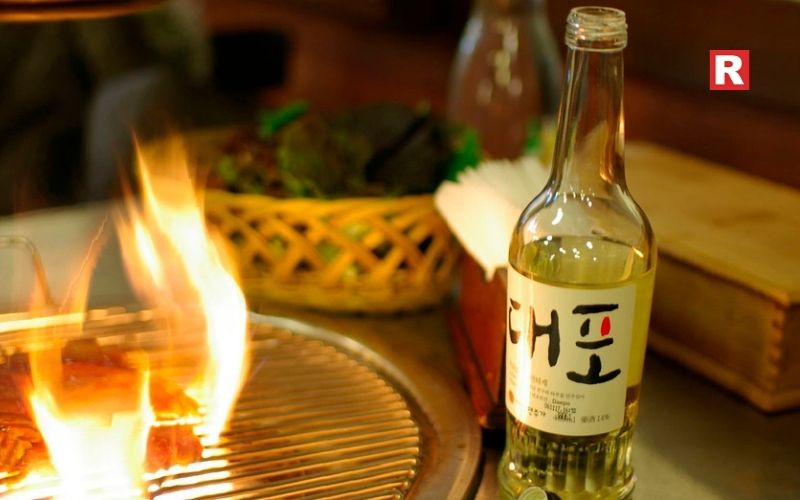
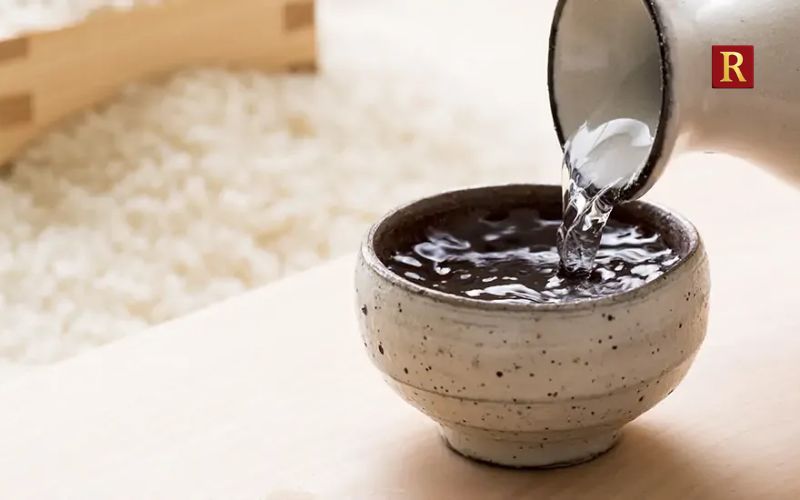
If you like your drinks clear and elegant, then Cheongju is for you. People often call it “Korea’s sake.” It's a filtered rice wine that’s smooth and aromatic. That was once reserved for royal banquets and big ceremonies.
Unlike makgeolli, cheongju is strained clear, almost like white wine, with a crisp finish. It’s a bit stronger with 12% to 15% ABV. You get subtle floral notes and a gentle sweetness that goes so well with things like grilled fish or sashimi.
The taste depends on the quality of rice and water, which is why places like Andong and Gyeongju are famous for their own versions. Cheongju isn’t just a drink; people still use it in ancestral rites to honor their family. So pour a chilled glass, and you’re tasting centuries of history at once. It is graceful, quiet, and surprisingly powerful.
Know more: 10 Authentic Korean Rice Dishes One Must Try On Your Next Visit To Korea
3. Bokbunja-ju (Black Raspberry Wine)
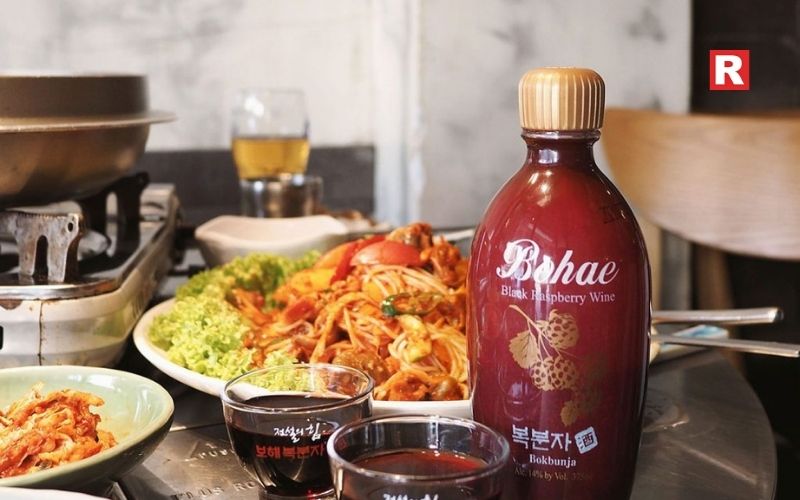
If makgeolli is down-to-earth and cheongju is royal, bokbunja-ju is confidently sensual. Made from wild Korean black raspberries, this wine is deep red, sweet, tart, and full-bodied. It's got the kind of taste that lingers in your mouth after just one glass. It tastes like dessert. It’s jammy, rich, with a velvety finish. People in Korea even joke about its romantic powers and call it “love wine.”
Bokbunja-ju usually falls around 13–15% ABV. Serve it cold, either on its own or with some grilled meat. Its balance of sweet and tart also plays well with spicy dishes. If you’re in Jeonju or Jeju on a summer night, you might spot locals sipping bokbunja-ju as the sun dips. It’s a rich, romantic way to close out the day.
4. Baekseju (Herbal Rice Wine)
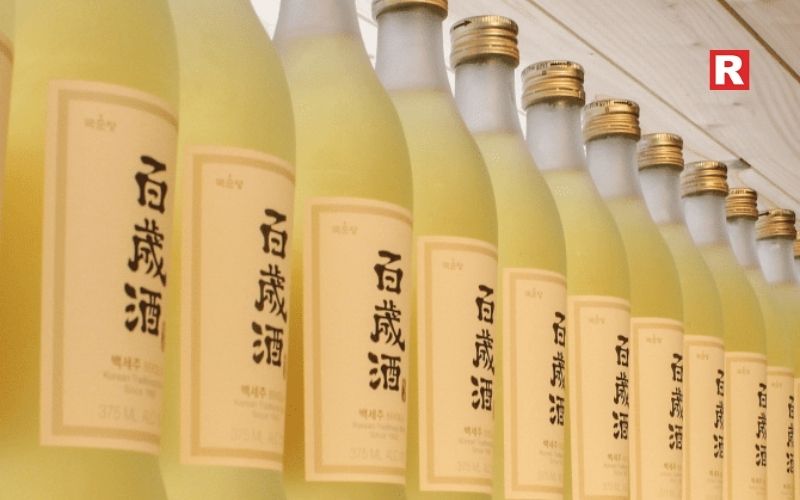
Baekseju means “100-year wine,” and it’s filled with herbs for your health. It’s infused with ginseng, ginger, cinnamon, licorice, and a bunch of other roots and herbs. People say it brings long life, hence the name. At the first sip, it feels smooth, just a little sweet, then that herbal bitterness sneaks up to your taste buds and lingers there. It’s not too strong, just about 13% ABV, but you’ll notice the aroma. It's often compared to Jägermeister, but this herbal liqueur is softer and more balanced.
Baekseju and Korean BBQ are a perfect match. The earthy, spiced flavors work wonders with smoky grilled meat. It’s one of the few traditional drinks to be successfully commercialized for modern drinkers. Kooksoondang’s Baekseju is everywhere in Korea now. It tastes almost medicinal, but in a good way. It feels warm and comforting after a long day.
What's new: Top 5 Korean Menu Design Ideas That Bring Seoul to the Table
5. Munbaeju (Wild Pear)
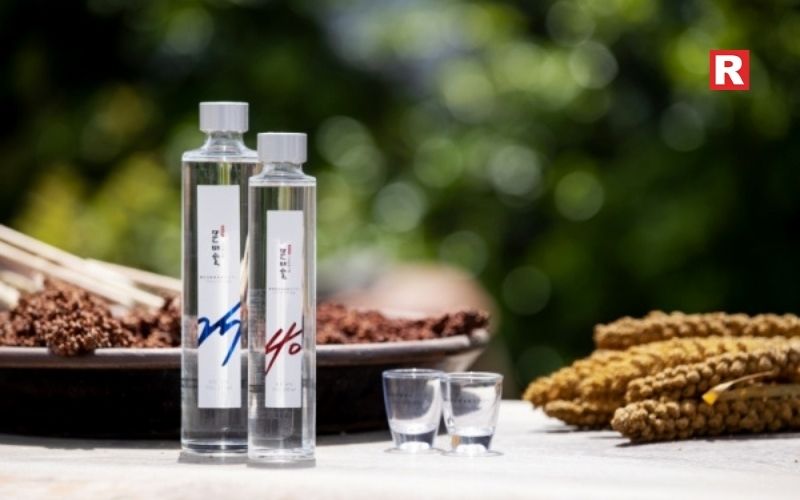
Munbaeju is one of Korea’s oldest and rarest liquors. It is the personification of refinement in a sip. The wild part is that even though it smells like pears, there isn’t a single piece of fruit in it. Instead, it’s made from wheat, barley, and millet, and distilled with care to extract delicate, floral notes.
Way back in the Goryeo Dynasty (918 to 1392), munbaeju was a royal drink. It was something only kings and high officials got to enjoy. These days, it’s officially recognized as an Important Intangible Cultural Property in Korea, a fancy way of saying it’s part of the nation’s heritage. With about 40% alcohol, it is stronger than other Korean alcohols, but it goes down smooth and leaves just a hint of sweetness in your mouth. The best way to drink it is to sip it neat, slowly, and appreciate the craftsmanship.
6. Takju (Cloudy alcohol)
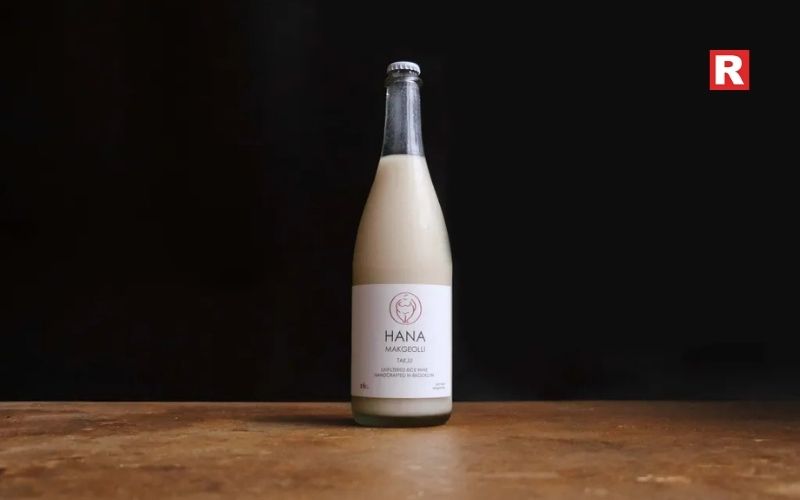
Takju literally translates to “cloudy alcohol. Before makgeolli became famous, there was takju, the original, unfiltered rice brew. It’s thicker, richer, and a bit stronger (around 8–12% alcohol). Takju feels hearty and earthy. It is also called “farmer’s drink” because it’s something you’d drink after a long day in the fields.
Takju is basically makgeolli before it is diluted with water, which means it has a stronger taste and texture. Imagine a creamy, slightly sour drink with a gentle yeasty smell just like the rice field itself, squeezed into your bowl. Traditionally, you serve it in wide, shallow bowls, usually next to spicy dishes like kimchi jjigae (kimchi stew) or grilled mackerel. For a lot of Koreans, takju is nostalgic. It carries memories of village life, shared meals, and laughter echoing across the table. Lately, small breweries have given takju a modern makeover with new rice varieties and aging tricks. So now, you get that same rustic spirit, just with a fresh twist.
7. Maesil-ju (Plum Wine)'
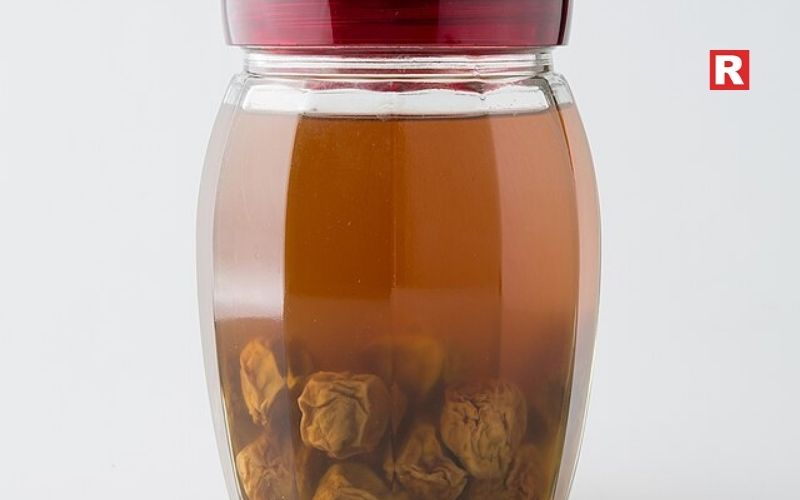
Maesil-ju is everything you want in a summer drink. It is light, sweet, and just tangy enough to keep you coming back. It is made by soaking green plums (maesil) in sugar and alcohol for months, and the result is this golden, fragrant wine with way more going on than you’d expect. It has an alcohol content of around 10–14%. Maesil-ju is the Korean cousin of Japanese umeshu. It’s the same idea, but with a brighter, sharper kick at the end. And its natural acidity is perfect for washing down spicy food. Lots of people pour it over ice on hot nights.
You’ll spot maesil-ju everywhere: from fancy restaurants to convenience stores. The bottles look great, too, which makes them perfect for gifts or souvenirs. And if you’re curious, Chung Ha Maesil and Damso Maeun Maesil are two of the biggest brands of maesil-ju. Younger folks love these brands for their mild, fruity flavor.
Check out: 10 Tibetan Dishes That Will Warm Your Soul
How to Make Momo at Home for a Healthy Treat
Tradition Meets Modern Craft
In recent years, Korea’s traditional drinks have had a real comeback. Young brewers and bartenders are digging up old recipes and playing with local grains, mixing tradition with new techniques.
Walk into a craft bar in Seoul and you might see makgeolli cocktails with ginger syrup, baekseju mojitos packed with mint, or bokbunja spritzers bubbling with sparkling water and fresh lemon. High-end brands like Hwayo are elevating soju into fine-spirit status using slow distilling and oak barrels.
This new mix of old and new is changing how people see Korean alcohol. It’s not just a quirky souvenir anymore, but special beverages that are on par with Japanese sake and European wines.
Korean Drinking Culture: The Ritual of Respect
Drinking in Korea is about way more than getting buzzed. It’s a ritual, tied up in respect and connection.
- Pouring the drink: You never pour your own drink. Always fill someone else’s glass first. It’s a quiet sign of friendship.
- Use two hands: When someone older offers you a drink, take it with both hands.
- Drinking Etiquette: When you drink in front of elders, turn your head aside, just a bit. It’s a small sign of humility.
- Sharing: Above all, share. Korean drinks are made to be poured, passed, and enjoyed together.
Whether you’re in a street tent with skewers sizzling on the grill or a sleek bar in Seoul with jazz in the background, the same rules apply: laughter, good talk, and the sound of glasses coming together.
Learn more: 10 Munchies Ideas for You to Try at Home
A Toast to Korea’s Spirit
Soju may serve as Korea's unofficial cultural ambassador to the rest of the world, but it’s just the beginning of a much deeper, richer story to be told. Each of the seven drinks mentioned in this article signifies a story of the past and present in Korea. It’s the blend of ancient craftsmanship, local materials and ingredients, and modern creativity.
So the next time you raise a glass of soju and become excited about your first sip, remember that these beverages represent a centuries-old drinking tradition. And seeking these drinks out in person and tasting them will give you a taste of the soul of Korea. So, pour yourself and others a glass, and enjoy together.
Mahak Sharma
Content Writer
Mahak Sharma is a passionate content writer with 2 years of experience crafting compelling content across various niches, tailoring her writing to suit different audiences and platforms. She is dedicated to producing engaging content for readers so that they can understand and enjoy the articles. Her strengths lie in crafting SEO-friendly, well-structured articles that drive visibility and engagement.