Beyond Décor and Venues: How Winter Weddings Are Transforming India's Hospitality Industry
Their ability to combine comfortable stays, regional experiences, quality food and efficient event coordination will play an important role in shaping India's destination wedding market.

Winter weddings in India are creating new business opportunities for hotels, resorts and destination hospitality operators. What was once largely about booking a wedding venue, arranging décor and hosting ceremonies has evolved into a multi-day hospitality experience involving accommodation, curated dining, local culture and personalised guest services.
Couples today are looking beyond banquet halls and traditional wedding arrangements. They want destinations where their families and friends can spend quality time, explore local attractions and enjoy different experiences throughout the celebration. This shift is encouraging hotels to expand their wedding offerings beyond event spaces and catering. Winter weddings are becoming an important opportunity to generate revenue through room bookings, food and beverage services, event management and destination-based activities.
Multi-Day Wedding Celebrations Are Changing Hotel Operations
One of the biggest changes in India's wedding market is the move towards multi-day celebrations. Instead of hosting a single wedding function, couples are planning extended programmes that bring families together for several days.
These celebrations can include:
Welcome dinners and family gatherings.
Mehendi and haldi ceremonies.
Sangeet nights and cocktail evenings.
Wedding ceremonies and receptions.
Post-wedding brunches and farewell dinners.
This format creates more business for hotels because guests stay longer and use multiple facilities throughout their visit. It also means managing several functions simultaneously. Event coordination, housekeeping, room allocation, catering and guest transportation need to work together to deliver a smooth experience. Hotels that can provide accommodation, event management and customised food services under one roof have an advantage in attracting wedding bookings.
Why Udaipur and Rishikesh Are Attracting Destination Weddings
Destination selection has become an important part of wedding planning. Couples increasingly want locations that offer attractive landscapes, comfortable weather and experiences that guests can enjoy beyond the wedding ceremonies.
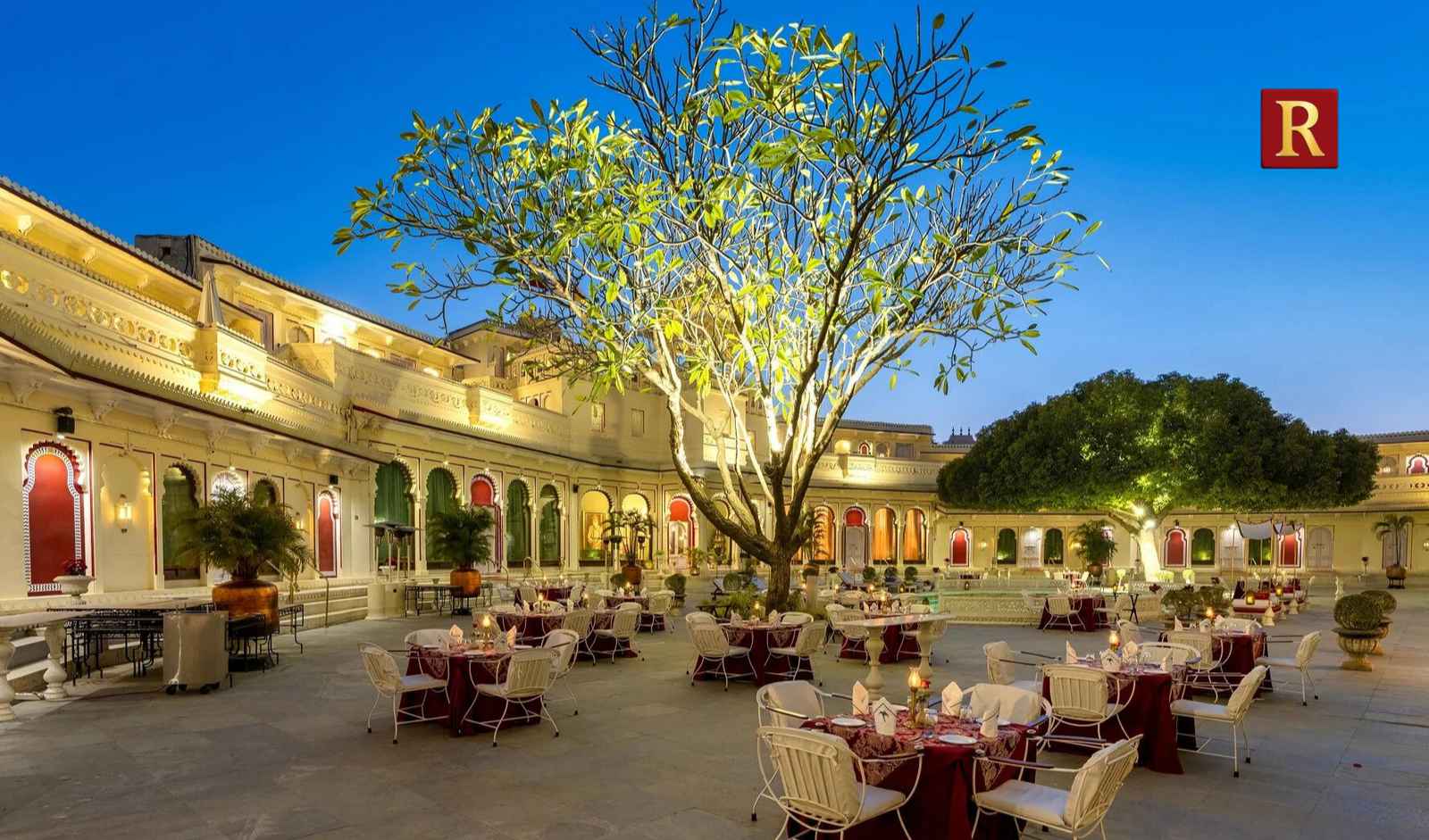
Udaipur: Known for its lakes, heritage architecture and royal properties, Udaipur attracts couples looking for traditional and luxurious wedding settings. Its local cuisine, folk performances and cultural attractions also add value to wedding celebrations.
Rishikesh: The destination offers a different experience through its riverside landscapes, natural surroundings and relaxed atmosphere. It appeals to wedding groups looking for quieter celebrations and nature-led hospitality experiences.
These destinations demonstrate how the location itself has become part of the wedding experience. Guests are not simply travelling to attend a ceremony. They also want to explore local attractions, experience regional food and participate in activities during their stay. This creates opportunities for hotels to develop destination packages that combine wedding functions with local sightseeing, cultural programmes and leisure activities.
Personalised Guest Services Are Becoming Important
Large wedding celebrations bring together guests of different age groups, dietary preferences and travel requirements. Managing these expectations has become an important responsibility for hotels.
Personalised hospitality can include:
Customised room preferences and welcome arrangements.
Special food menus for different dietary requirements.
Dedicated assistance for elderly guests.
Transport facilities for airport and local transfers.
Event schedules and clear communication.
Dedicated wedding hospitality teams.
These services become particularly important because guests are often unfamiliar with the location. Hotels need to ensure that guests can move between venues, attend functions on time and access essential services without difficulty. A well-managed guest experience can also influence how families evaluate a hotel and whether they consider it for future celebrations.
Wedding Catering Is Moving Beyond Traditional Buffets
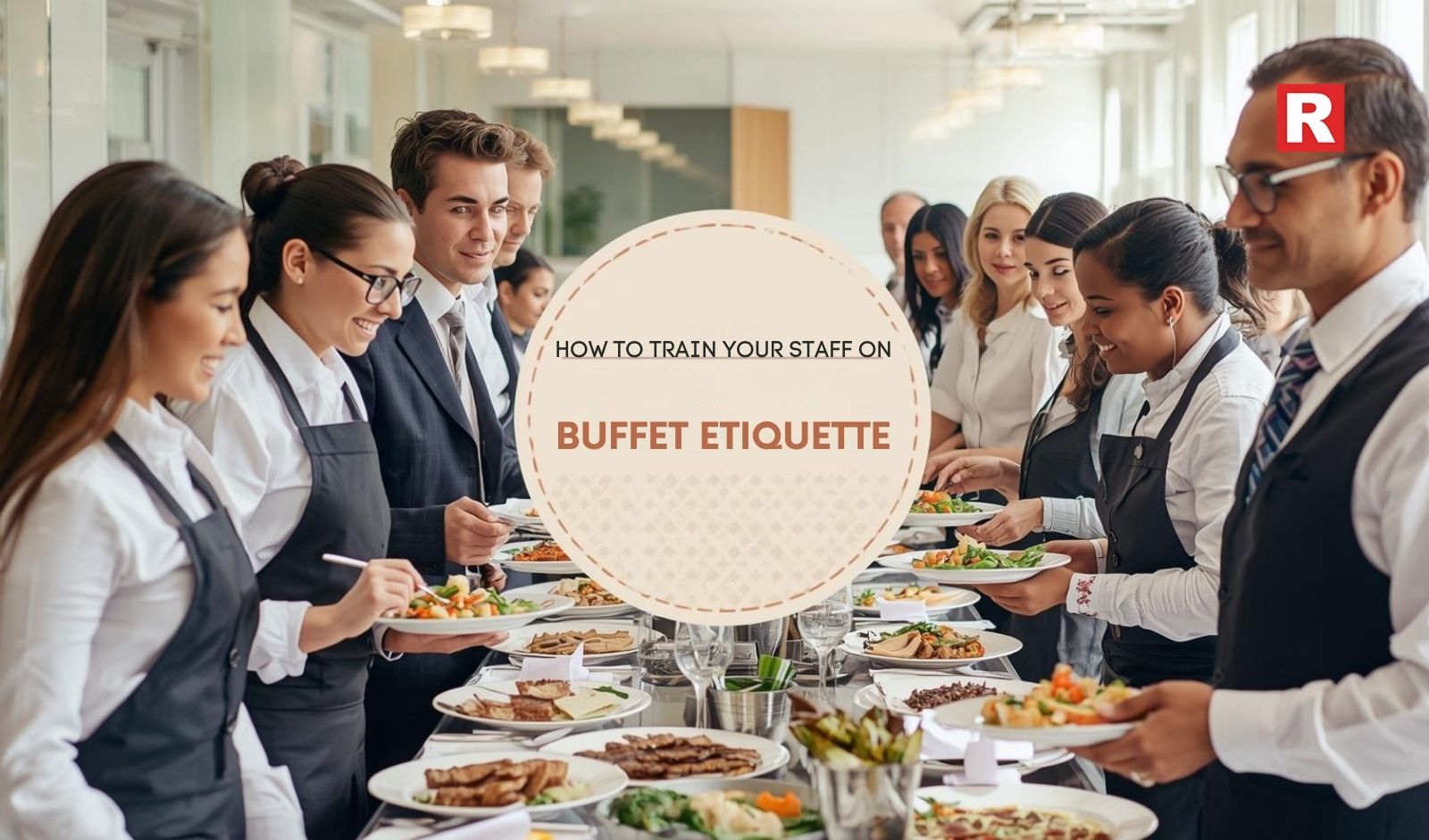
Food remains one of the most important parts of Indian weddings. However, wedding catering is gradually moving beyond conventional buffet arrangements. Hotels are experimenting with regional menus, live cooking stations, themed dining and seasonal ingredients to give guests a different experience at every function. Winter weddings also provide opportunities to highlight ingredients and culinary traditions associated with the destination.
For example:
Rajasthan: Traditional Rajasthani preparations and regional specialities.
Uttarakhand: Garhwali and Kumaoni dishes featuring local ingredients.
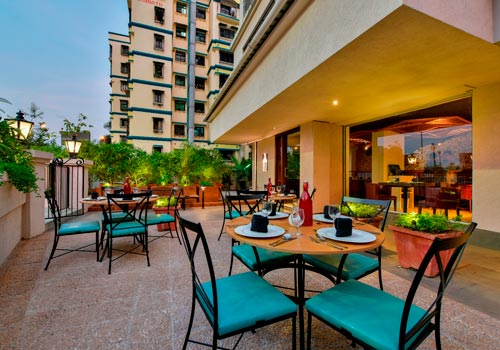
Outdoor dining: Open-air dinners and family breakfast experiences.
Customised menus: Vegetarian, vegan and gluten-free food options.
Hotels must also manage the operational challenges of serving large groups across multiple functions. Food quality, timely service, menu consistency and sufficient kitchen capacity become essential when several events take place within a short period. For hospitality businesses, customised wedding catering can create additional food and beverage revenue while helping properties differentiate their services.
Local Culture Is Becoming Part of Wedding Experiences
Destination weddings are increasingly drawing inspiration from the culture and identity of their locations. Instead of using the same décor, entertainment and themes everywhere, couples are exploring ways to incorporate local traditions into their celebrations.
Hotels can facilitate these experiences through:
Regional folk music and dance performances.
Local handicraft demonstrations.
Heritage walks and cultural tours.
Destination-specific food experiences.
Local art and traditional activities.
A wedding in Udaipur can feature Rajasthani folk performances, traditional cuisine and local handicrafts. In Rishikesh, the natural surroundings and riverside setting can shape the overall celebration. These arrangements also create business opportunities beyond the hotel. Local performers, artisans, food producers, guides and event service providers can become part of the wedding supply chain. This allows destination weddings to generate economic activity across the local hospitality ecosystem.
Technology Is Helping Hotels Manage Large Wedding Events
Planning a destination wedding involves several teams, vendors and guest groups. Managing communication manually can become difficult, particularly when multiple functions are scheduled across different venues. Hotels are increasingly using digital tools to simplify wedding coordination.
Some common applications include:
Digital invitations and online guest registration.
Digital room booking and accommodation management.
Event schedules and function updates.
Communication between guests and hotel teams.
Coordination between front office, housekeeping and food and beverage departments.
Real-time updates on venue locations, dress codes and event timings.
These tools help hotel teams organise information and reduce communication gaps. However, technology cannot replace the role of hospitality staff. Personal assistance, clear communication and trained employees remain essential, particularly during large wedding celebrations.
Sustainable Wedding Planning Is Gaining Attention
Large wedding events can consume considerable quantities of food, electricity, water and decorative materials. As a result, sustainability is becoming an important consideration for couples and hospitality operators.
Hotels can introduce more responsible practices through:
Reducing single-use plastic at wedding functions.
Using energy-efficient lighting.
Including locally sourced ingredients in menus.
Planning food quantities to minimise wastage.
Reusing decorative materials wherever possible.
Managing water and electricity consumption.
Winter weddings also require careful planning for outdoor functions. Heating arrangements, lighting, guest comfort and energy consumption must be considered together. For hotels, sustainable event management can help control resource consumption while meeting the expectations of environmentally conscious customers.
How Winter Weddings Are Creating New Revenue Opportunities for Hotels
The changing wedding format is expanding the number of services hotels can offer. Instead of depending mainly on venue rentals, properties can earn through several connected hospitality services.
Revenue area | Business opportunity |
Accommodation | Multi-night room bookings and group packages |
Food and beverage | Customised menus, live counters and multiple dining functions |
Event management | Wedding coordination and function management |
Transportation | Airport transfers and local travel arrangements |
Local experiences | Heritage tours, cultural activities and destination excursions |
Leisure facilities | Spa, recreation and other guest services |
This business model can benefit both established luxury hotels and smaller properties in emerging wedding destinations. Properties with flexible event spaces, dedicated wedding teams and customised packages can cater to different budgets and celebration formats. Smaller hotels may also find opportunities by offering distinctive local experiences and personalised services that larger properties may not always provide.
What Hotels Need to Prepare for the Winter Wedding Season
The growing demand for destination weddings also brings operational responsibilities. Hotels need to assess whether their facilities and teams can manage extended celebrations without affecting regular guests or service quality.
Some important areas include:
Flexible event spaces: Hotels should have indoor and outdoor arrangements to accommodate different ceremonies and changing weather conditions.
Trained wedding teams: Dedicated employees can coordinate with families, event planners, vendors and hotel departments.
Kitchen capacity: Multiple functions require careful menu planning, sufficient kitchen staff and consistent food quality.
Room management: Group bookings, early check-ins, late check-outs and guest preferences need proper coordination.
Local vendor networks: Partnerships with transport operators, decorators, performers and local experience providers can improve service delivery.
These preparations can help hotels manage larger celebrations while maintaining their regular hospitality standards.
The Bigger Business
Winter weddings are no longer limited to venue bookings, decorations and traditional catering. They are creating demand for complete hospitality experiences that combine accommodation, dining, entertainment, local culture and personalised services. This change offers an opportunity to build longer customer relationships and generate revenue across multiple departments. Destination properties that understand guest expectations and develop strong local partnerships can also attract wedding business beyond conventional metropolitan markets. As couples continue to look for celebrations that offer more than a ceremony, hotels will increasingly become active partners in wedding planning. Their ability to combine comfortable stays, regional experiences, quality food and efficient event coordination will play an important role in shaping India's destination wedding market.
Saptopriya Ghosal
Feature Writer
I am a dedicated media professional with a bachelor's degree in mass communication from the State University of Calcutta and a postgraduate degree from Amity University. My academic journey has equipped me with a profound understanding of storytelling and communication. Passionate about the dynamic world of media, I continually strive to explore new ways to engage and inform through compelling narratives.