
Best Tools for Restaurant Analytics & SEO Performance Monitoring
In today’s highly competitive food industry, restaurants using real-time analytics and digital insights are more likely to stay ahead of competitors.

The restaurant industry has changed rapidly in the last few years. Good food alone is no longer enough to attract customers. Today, restaurants also need strong online visibility, better customer understanding, and smart business decisions backed by data.
Most customers now discover restaurants through Google searches, food delivery apps, Instagram pages, and online reviews. They compare menus, ratings, and photos before deciding where to eat. This is why restaurant analytics and SEO performance monitoring tools have become extremely important for modern food businesses. From small cafés to cloud kitchens and large restaurant chains, every food business can benefit from data-driven tools that improve operations and digital growth.
Why Restaurant Analytics Matters
Restaurant analytics helps restaurant owners understand how their business performs daily through real-time data and reporting. These platforms collect information from websites, POS systems, online orders, reservations, delivery apps, and marketing campaigns to provide a complete business overview. Instead of relying on assumptions, restaurants can make smarter decisions using actual performance data. Analytics tools can identify best-selling dishes, peak customer hours, high-performing marketing campaigns, customer ordering behavior, repeat customer rates, delivery efficiency, and revenue trends. This helps restaurants improve inventory planning, reduce food wastage, optimize staffing, and increase profitability. In India, the growing competition among cloud kitchens, café chains, and quick-service restaurants has increased the demand for analytics platforms. With online food delivery becoming more popular, many restaurant businesses now depend on real-time analytics to improve operational efficiency, customer satisfaction, and long-term business growth.
Why SEO Is Important for Restaurants
SEO, or Search Engine Optimization, helps restaurants appear higher on Google search results.
When people search:
- “Best café near me”
- “Restaurants in Delhi”
- “Best biryani in Mumbai”
- “Late night food delivery”
Google shows businesses that have strong local SEO signals. Restaurants with optimized websites, updated Google Business Profiles, good reviews, and proper keywords usually rank better.
This directly impacts:
- Foot traffic
- Table bookings
- Online orders
- Brand visibility
A restaurant with excellent food but poor SEO often loses customers to competitors with stronger digital presence.
Types of Analytics Restaurants Should Track
These metrics help restaurants improve discoverability online.
Sales Analytics: Sales analytics helps restaurants understand revenue patterns, customer spending habits, and product performance. By tracking daily sales, average order value, best-selling menu items, delivery versus dine-in sales, and seasonal demand, restaurants can improve inventory planning, pricing strategies, and menu optimization while reducing wastage and improving profitability.
Customer Analytics: Customer analytics focuses on understanding customer behavior, loyalty, and purchasing preferences. Restaurants can track repeat customer rates, customer lifetime value, favorite dishes, feedback trends, and ordering frequency to create personalized offers, loyalty programs, and targeted marketing campaigns that improve customer retention and overall dining experiences.
Operational Analytics: Operational analytics helps restaurants improve efficiency, reduce operational costs, and manage resources better. Restaurants can monitor kitchen preparation time, food wastage, staff productivity, inventory movement, and labor costs to streamline operations, improve service quality, and maintain profitability, especially across multiple restaurant locations.
SEO Analytics: SEO analytics measures a restaurant’s online visibility and website performance across search engines and local platforms. Restaurants can track Google keyword rankings, website traffic, click-through rates, local search visibility, Google Maps performance, and online review trends to improve digital discoverability and attract more customers through organic search.
Best Tools for Restaurant Analytics & SEO Monitoring
1. Google Analytics 4
Google Analytics 4 is one of the most powerful free tools for restaurants because it helps track customer behavior across websites and online ordering platforms. It gives restaurants detailed insights into how customers interact with menu pages, reservation systems, and promotional campaigns. Since most restaurant searches now happen through smartphones, GA4 also helps monitor mobile traffic and user journeys more accurately. Restaurants can identify whether visitors come from Instagram, Google Maps, paid ads, or direct searches, helping them improve marketing performance and customer targeting.
Key Features
- Website visitor tracking
- Customer journey analysis
- Mobile traffic insights
- Online ordering performance tracking
- Conversion rate monitoring
Best For: Restaurants with websites, online ordering systems, or digital marketing campaigns.
2. Google Search Console
Google Search Console is an essential SEO monitoring platform that helps restaurants improve their visibility on Google search results. It allows businesses to track keyword performance, identify website indexing issues, and monitor technical SEO problems that may affect rankings. Restaurants can also understand which search terms drive the highest traffic and how users interact with their website listings. This is especially important for local SEO because most customers search for nearby dining options online before visiting a restaurant.
Key Features
- Keyword performance tracking
- Website indexing monitoring
- Mobile usability reports
- Click-through rate analysis
- Technical SEO issue detection
Best For: Restaurants focusing on local SEO and organic Google traffic growth.
3. Google Business Profile
Google Business Profile plays a major role in local restaurant discovery and Google Maps visibility. Most customers first check reviews, ratings, photos, menus, and opening hours before deciding where to eat. An optimized profile helps restaurants appear in “restaurants near me” searches and increases customer trust. Restaurants can also track customer actions such as calls, direction requests, and website clicks directly from their profile dashboard. Regular updates and review responses improve engagement and local SEO performance.
Key Features
- Google Maps visibility
- Customer review management
- Menu and image uploads
- Call and direction tracking
- Local search optimization
Best For: Local restaurants, cafés, cloud kitchens, and multi-location businesses.
4. Semrush
Semrush is a complete SEO and digital marketing platform used by restaurant brands to improve online visibility and monitor competitors. It helps restaurants discover high-performing keywords, analyze competitors, track backlinks, and perform technical website audits. The platform also supports local SEO monitoring, making it useful for restaurants targeting customers in specific cities or regions. Restaurants can identify trending food-related searches and create optimized content to attract more traffic and online orders.
Key Features
- Keyword research tools
- Competitor analysis
- Backlink monitoring
- Technical SEO audits
- Local SEO tracking
Best For: Restaurant chains, hospitality brands, and restaurants investing in content marketing.
5. Ahrefs

Ahrefs is known for its strong backlink analysis and competitor research capabilities. Restaurants can use the platform to discover keyword opportunities, track website authority, and improve SEO strategies through content optimization. It is especially useful for restaurants running blogs, recipe pages, or location-based landing pages. Ahrefs also helps identify backlinks from food blogs, directories, and local publications, which can improve Google rankings and website credibility over time.
Key Features
- Backlink analysis
- Competitor tracking
- Keyword opportunity research
- Website audit tools
- Content gap analysis
Best For: Restaurants focused on content marketing and long-term SEO growth.
6. BrightLocal

BrightLocal is a popular local SEO platform designed to help restaurants improve their visibility in location-based searches and Google Maps results. It is especially useful for restaurants operating across multiple cities or franchise locations because it allows businesses to monitor rankings city-wise and manage local SEO campaigns from one dashboard. Restaurants can track local rankings, manage citations, monitor reviews, and improve Google Maps visibility more effectively. The platform also helps identify inconsistent business information across online directories, which can impact local search performance. BrightLocal provides review monitoring tools that allow restaurants to track customer feedback across multiple platforms in one place. This helps restaurants strengthen their local online presence and maintain better brand consistency.
Key Features
- Local ranking tracking
- Citation management
- Review monitoring
- Google Maps optimization
- Multi-location SEO tracking
Best For: Multi-location restaurants, franchises, and café chains.
7. Hotjar

Hotjar is a user behavior analytics tool that helps restaurants visually understand how visitors interact with their websites and online ordering platforms. Instead of only showing numbers and traffic data, Hotjar provides visual insights through heatmaps, user recordings, funnel tracking, and user interaction reports. Restaurants can identify where customers click most, how far they scroll, and where they leave the website during the ordering process. This is highly useful for improving online ordering experiences and reducing cart abandonment. For example, if users frequently exit during payment checkout, restaurants can simplify the ordering process to improve conversions. Hotjar helps restaurants make customer-focused website improvements using real behavior data.
Key Features
- Heatmaps
- User session recordings
- Funnel tracking
- User interaction analysis
- Conversion optimization insights
Best For: Restaurants with online ordering systems and reservation websites.
8. Toast Analytics
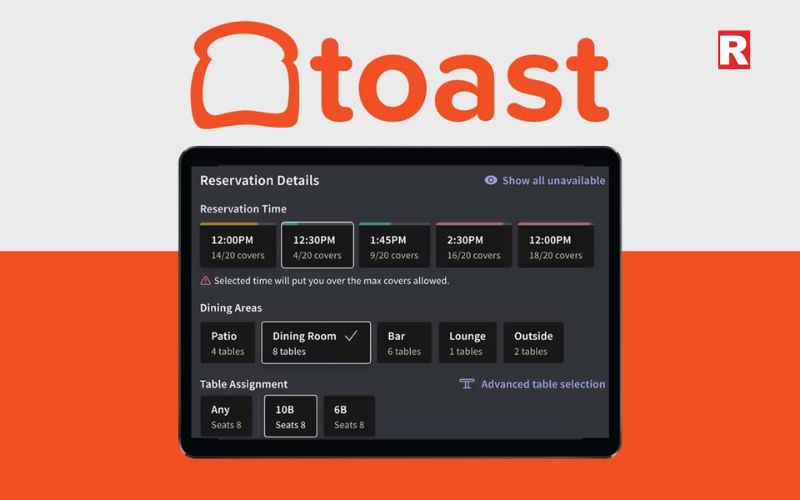
Toast Analytics is a restaurant-focused reporting platform that combines POS data with advanced business intelligence tools. It helps restaurants track sales forecasting, menu performance, staff productivity, and multi-location reporting in real time. Since Toast is built specifically for the restaurant industry, it provides detailed operational insights that help owners make faster and smarter business decisions. Restaurants can identify profitable menu items, monitor peak sales hours, analyze labor costs, and track customer ordering patterns. Multi-location brands can compare performance across branches using centralized dashboards. Toast also supports inventory and operational analysis, making it highly useful for scaling restaurant businesses efficiently.
Key Features
- Sales forecasting
- Menu performance tracking
- Staff productivity analysis
- Multi-location reporting
- POS-integrated analytics
Best For: Growing restaurant brands, QSR chains, and multi-location businesses.
9. Tenzo
Tenzo is an AI-powered restaurant analytics platform designed to help restaurants improve forecasting, labor management, and operational efficiency. The platform combines data from POS systems, reservations, delivery apps, and labor systems into one centralized dashboard. Tenzo offers predictive forecasting, automated reporting, weather-based sales predictions, and labor optimization tools that help restaurants make proactive business decisions. For example, restaurants can predict higher customer demand during weekends, holidays, or rainy weather and adjust inventory or staffing levels accordingly. The platform reduces manual reporting work and provides real-time operational insights for restaurant managers. AI-driven forecasting is becoming increasingly important as restaurants aim to improve profitability while reducing food wastage and labor inefficiencies.
Key Features
- Predictive forecasting
- Automated reporting
- Weather-based sales predictions
- Labor optimization
- Multi-source data integration
Best For: Cloud kitchens, restaurant chains, and data-driven food businesses.
10. Microsoft Clarity

Microsoft Clarity is a free website analytics and user behavior monitoring tool that helps restaurants improve customer experience and online ordering performance. The platform provides heatmaps, session recordings, rage-click tracking, and UX monitoring to identify usability issues on restaurant websites. Restaurants can visually understand how users interact with menus, reservation forms, and checkout pages. Rage-click tracking helps identify frustrating website elements where users repeatedly click without getting results. This allows restaurants to fix technical or design issues that may affect conversions. Since Microsoft Clarity is free and easy to implement, it is especially useful for small restaurants and independent cafés looking to improve website performance without investing heavily in premium analytics tools.
Key Features
- Heatmaps
- Session recordings
- Rage-click tracking
- UX monitoring
- User behavior analysis
Best For: Small restaurants, cafés, and businesses with online ordering websites.
How AI Is Transforming Restaurant Analytics
Artificial intelligence is changing how restaurants operate.
Modern analytics platforms now offer:
- Predictive demand forecasting
- Automated dashboards
- AI review analysis
- Smart inventory planning
- Personalized marketing insights
Restaurants can now predict customer demand based on weather, festivals, holidays, and local events. This improves efficiency and reduces losses. AI also helps restaurants analyze customer reviews faster and identify common complaints or positive feedback.
Common Mistakes Restaurants Make
Many restaurants still fail to use analytics properly.
Common mistakes include:
- Ignoring Google Business Profile
- Not tracking website performance
- Focusing only on social media likes
- Using disconnected software systems
- Ignoring customer reviews
- Not monitoring mobile website speed
Restaurants should focus on meaningful business metrics rather than vanity numbers. Data should support decision-making across operations, marketing, and customer experience.
Final Thoughts
Restaurant success today depends heavily on digital performance because most customers now discover restaurants online before visiting physically. Search engines, food delivery apps, Google Maps, and social media platforms strongly influence customer decisions. This has made analytics and SEO monitoring essential for restaurant growth and long-term profitability. Leading restaurant brands now combine operational intelligence, customer behavior tracking, local SEO optimization, AI-powered forecasting, and real-time reporting to improve business performance. These tools help restaurants understand customer preferences, monitor online visibility, optimize staffing, improve inventory planning, and enhance customer experiences. AI-powered platforms also help predict demand during weekends, festivals, and seasonal periods, reducing food wastage and operational costs. Restaurants that invest in data-driven technologies can improve customer loyalty, increase online orders, strengthen local search visibility, and make faster business decisions. In today’s highly competitive food industry, restaurants using real-time analytics and digital insights are more likely to stay ahead of competitors.
Saptopriya Ghosal
Feature Writer
I am a dedicated media professional with a bachelor's degree in mass communication from the State University of Calcutta and a postgraduate degree from Amity University. My academic journey has equipped me with a profound understanding of storytelling and communication. Passionate about the dynamic world of media, I continually strive to explore new ways to engage and inform through compelling narratives.



































































