
Best Cloud Kitchen Franchise Brands in India
For entrepreneurs, the opportunity is real, especially in emerging cities where food delivery demand is rising quickly. But success depends on more than just opening a kitchen.

India’s food business is changing fast. Customers no longer want to wait in lines or travel for every meal. They want restaurant-style food delivered quickly to their homes. This shift has made cloud kitchens one of the fastest-growing business models in the country. Unlike traditional restaurants, cloud kitchens do not need expensive interiors, premium dining spaces, or large front-end teams. They operate through delivery apps like Swiggy and Zomato and focus completely on food production and fast delivery. Because of lower operating costs and higher scalability, many entrepreneurs now see cloud kitchens as a smarter investment than opening a dine-in restaurant. India’s cloud kitchen market is expected to grow strongly over the next few years as online food ordering becomes a daily habit for millions.
What makes this business even more interesting is technology. Today’s leading cloud kitchen brands use AI-based demand forecasting, POS integrations, centralized procurement systems, inventory automation, and data-driven menu engineering to improve efficiency and reduce wastage. Here are some of the best cloud kitchen franchise and partnership brands shaping India’s delivery-first food industry.
Explore Best Cloud Kitchen Franchise Brands in India
1. Rebel Foods
When people talk about cloud kitchens in India, Rebel Foods is usually the first name that comes up. The company changed the way India looked at delivery-only restaurants. Founded in Mumbai, Rebel Foods operates several successful brands including Faasos, Behrouz Biryani, and Oven Story. The biggest strength of Rebel Foods is its multi-brand kitchen model. One kitchen can operate multiple food brands at the same time. This improves efficiency and increases revenue potential from a single location. Industry reports suggest the company operates hundreds of cloud kitchens globally and continues to expand aggressively into Tier 2 and Tier 3 cities. The company heavily uses data analytics and AI to track customer behavior, demand patterns, and delivery performance. This technology-first approach helps optimize menus and reduce food waste. For entrepreneurs, Rebel Foods represents scale, strong brand recognition, and operational sophistication. However, entering such a system usually requires higher investment and strict operational compliance.
2. Curefoods
Health-focused food delivery is becoming a major trend in India, and Curefoods has positioned itself strongly in this segment. The company owns brands like EatFit, CakeZone, and Nomad Pizza. Curefoods focuses on healthy meals, calorie-conscious menus, protein-rich options, and modern eating habits. This positioning works especially well with urban professionals and younger consumers who want convenience without compromising on nutrition. The company has expanded rapidly across Indian cities and has also attracted strong investor interest. Recent developments, including the acquisition of Krispy Kreme’s India rights, show the company’s aggressive expansion plans. What makes Curefoods attractive is its combination of technology, health positioning, and diversified brand portfolio. Entrepreneurs entering the wellness food category may find this model highly relevant for modern Indian consumers.
3. Biryani By Kilo
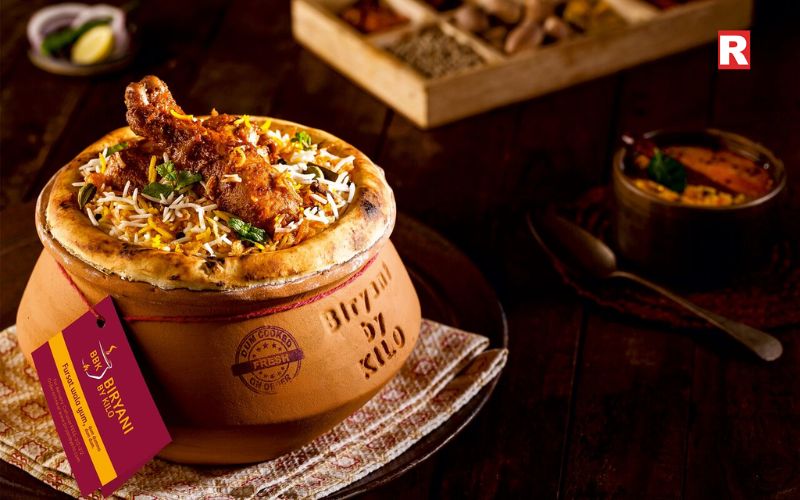
Biryani remains one of India’s most ordered food categories online. Biryani By Kilo built its brand around premium handi-cooked biryani delivered fresh to customers. The company focuses heavily on product consistency, premium packaging, and authentic flavors. Unlike mass-market biryani chains, Biryani By Kilo positions itself as a premium experience. This premiumization strategy has worked well because customers are increasingly willing to spend more on quality food delivery experiences. The brand also benefits from strong repeat ordering, especially during weekends and festive occasions. For franchise partners, the brand offers operational support, centralized systems, and established delivery demand in several Indian cities.
4. BOX8
BOX8 became popular by simplifying Indian meals for delivery. Instead of traditional restaurant-style menus, the company focused on convenient meal boxes, wraps, and combo offerings designed specifically for delivery consumers. Its packaging innovation and affordable pricing helped the brand build strong appeal among young professionals and college students. BOX8 also operates with a strong technology backbone. Delivery optimization, customer analytics, and menu engineering play a major role in its operations. This helps improve efficiency and customer retention. The company’s model works especially well in densely populated urban markets where quick, affordable meals are in constant demand.
5. FreshMenu
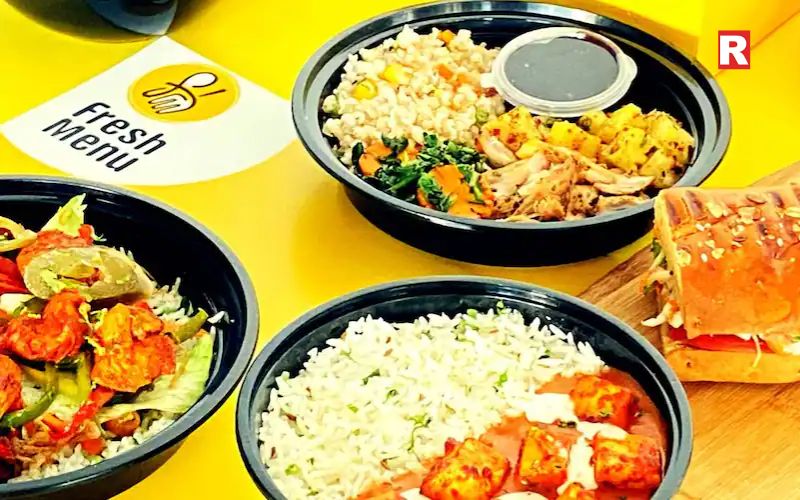
FreshMenu targets customers looking for chef-style meals and gourmet food delivery experiences. The brand became popular among urban millennials who wanted restaurant-quality meals at home. Unlike traditional QSR-focused cloud kitchens, FreshMenu emphasizes curated menus, premium ingredients, and rotating meal options. This gives the brand a more lifestyle-driven positioning. Its success highlights an important shift in India’s cloud kitchen industry. Customers are no longer ordering only fast food. They are increasingly seeking specialized cuisines, gourmet meals, and premium dining experiences at home.
6. Kouzina
Kouzina has emerged as one of the most talked-about cloud kitchen operators in India’s franchise ecosystem. The company runs multiple virtual brands from shared kitchen infrastructure and focuses strongly on scalability. Its model is particularly attractive for entrepreneurs in smaller cities because of lower setup costs and asset-light operations. Kouzina also benefits from rising demand in Tier 2 and Tier 3 markets where organized food delivery is still developing. Many entrepreneurs now prefer entering these cities instead of competing heavily in saturated metro markets. Discussions across online business communities also show growing interest in Kouzina’s model among first-time food entrepreneurs.
Why Cloud Kitchens Are Growing
Cloud kitchens are growing rapidly in India mainly because they are far more cost-efficient than traditional restaurants. A dine-in restaurant usually requires premium real estate, expensive interiors, service staff, and higher utility costs. Cloud kitchens remove these expenses by operating as delivery-only businesses. This allows brands to start with lower investment while focusing entirely on food production and delivery efficiency. The model also supports faster expansion because one kitchen can manage multiple virtual brands at the same time, improving resource utilization and profitability. Technology has further strengthened this sector through smarter operations and customer insights.
- Lower operational costs: No dine-in setup, lower rent, and smaller staff requirements
- Multi-brand efficiency: One kitchen can run pizza, biryani, desserts, and healthy meal brands together
- Faster scalability: Easier expansion into Tier 2 and Tier 3 cities
- Tech-driven operations: AI helps forecast demand, reduce food wastage, and optimize inventory
- Data analytics: Brands track customer preferences and location-wise food demand to improve menus and delivery performance
The Challenges Most People Ignore
Despite the growth, cloud kitchens are not easy businesses.
One major challenge is dependency on delivery aggregators. Swiggy and Zomato commissions can significantly affect margins. Many business owners online openly discuss how discount wars, advertising costs, and platform commissions reduce profitability.
Packaging costs are also increasing. Since cloud kitchens depend entirely on delivery, packaging quality becomes critical for customer experience.
Competition is another big issue. Thousands of brands compete daily on food delivery apps. Visibility often depends on advertising spend, discounts, and ratings.
Several entrepreneurs also mention that success depends heavily on operational discipline, content marketing, and repeat customers rather than only relying on aggregator traffic.
The Bottom Line
Cloud kitchens are no longer a temporary food trend. They are becoming a major part of India’s restaurant industry. The rise of delivery-first dining, digital ordering habits, and convenience-driven consumers has completely changed how food businesses operate. Brands like Rebel Foods, Curefoods, BOX8, and Kouzina are proving that restaurants can scale rapidly without large dining spaces. For entrepreneurs, the opportunity is real, especially in emerging cities where food delivery demand is rising quickly. But success depends on more than just opening a kitchen. Strong operations, smart technology, menu quality, efficient delivery management, and sustainable margins matter the most. India’s next big restaurant success story may not begin with a dining room. It may begin with a delivery kitchen hidden inside a small commercial space, serving thousands of customers every single day.
Saptopriya Ghosal
Feature Writer
I am a dedicated media professional with a bachelor's degree in mass communication from the State University of Calcutta and a postgraduate degree from Amity University. My academic journey has equipped me with a profound understanding of storytelling and communication. Passionate about the dynamic world of media, I continually strive to explore new ways to engage and inform through compelling narratives.



































































