Ancient Flavours, Global Future: How Himalayan Cuisine Is Emerging as the Next Global Trend
Rather than reinventing the cuisine entirely, many chefs focus on preserving authenticity while adapting presentation and sourcing to local markets.

Published by — Surendra Singh Rawat
Executive Chef, India Palace Restaurant, US
Views: 1295 7 MIN READ
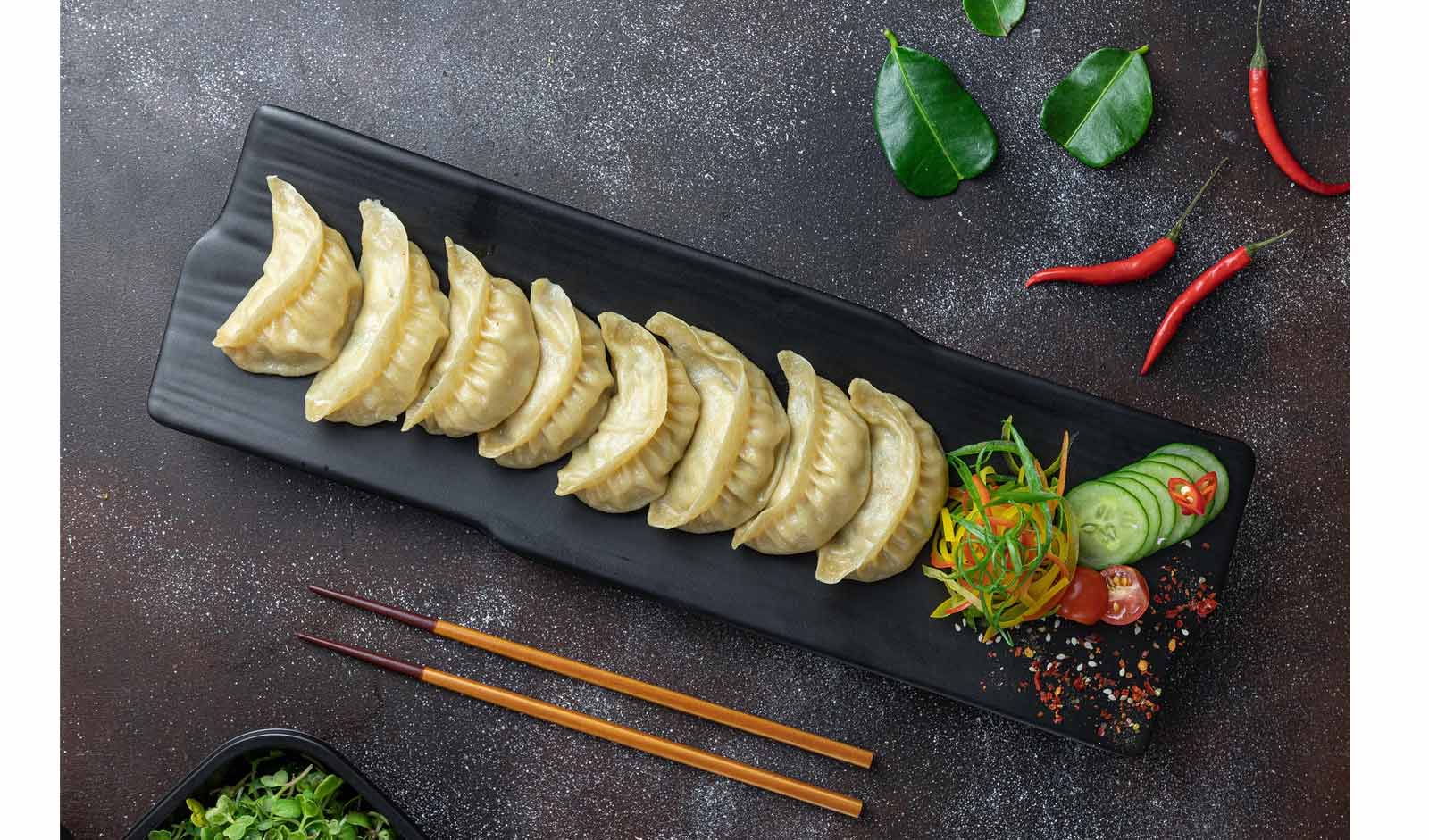
The global culinary landscape has shifted dramatically in recent years. Diners are no longer satisfied with generic “international” menus and are seeking authenticity, sustainability, wellness, and meaningful cultural stories behind their food. Amid this evolution, Himalayan cuisine is steadily gaining international attention, positioning itself as one of the most exciting emerging food trends worldwide.
Stretching across regions of northern India, Nepal, Bhutan, and Tibet, the Himalayan belt is rich in culinary heritage shaped by geography, climate, and tradition. What was once considered remote mountain fare is now being rediscovered as a treasure trove of wholesome flavors and sustainable cooking practices.
A Cuisine Rooted in Sustainability
Long before sustainability became a global buzzword, Himalayan communities lived it. The region’s tough terrain discouraged excess and encouraged seasonal, local eating. Grains like mandua (finger millet), barley and buckwheat, along with lentils, pulses and forest herbs, formed the backbone of daily meals.
With minimal processing, low oil use and a reliance on fresh, locally sourced produce, the cuisine is rooted in simplicity. Today, as diners worldwide prioritise low carbon footprints and ethical sourcing, Himalayan food stands out as a naturally sustainable, farm-to-table model.
Also, plant-based dining is no longer niche; it has become mainstream. Himalayan food traditionally emphasizes lentils, leafy greens, root vegetables, and fermented ingredients. Dishes are hearty yet balanced, relying on spices and herbs for depth rather than heavy creams or excessive fats.
This plant-forward approach appeals strongly to modern diners seeking healthier alternatives without sacrificing flavor. Himalayan cuisine offers nutrient-dense meals rich in fiber, protein, and minerals, qualities that resonate with wellness-conscious audiences in North America, Europe, and beyond.
Wellness and Functional Ingredients
Global consumers increasingly view food as medicine. The Himalayan region has long embraced this philosophy. Ingredients such as turmeric, ginger, garlic, timur (Sichuan pepper), and mountain herbs are valued not just for taste but for their therapeutic properties.
Traditional cooking methods like; slow simmering, fermentation, sun drying preserve nutrients and enhance digestion. In an era where gut health, immunity, and holistic wellness dominate food conversations, Himalayan cuisine fits naturally into the global narrative of functional eating.
Authentic Regional Storytelling
Another reason behind the growing demand is the shift from generic “Indian food” to hyper-regional culinary storytelling. Diners today want specificity, they want to know which valley a dish comes from, what grain grows at a particular altitude, and how communities traditionally prepare their meals.
Himalayan cuisine offers compelling narratives. The harsh winters, terraced farming, community feasts, and monastery influences all shape unique dishes that reflect resilience and cultural depth. Restaurants and chefs worldwide are increasingly spotlighting these regional stories, making the cuisine both educational and experiential.
Perhaps the strongest appeal of Himalayan cuisine lies in its honesty. It is not overly complicated or aggressively fusion-driven. It celebrates balance between spice and subtlety, nourishment and indulgence, tradition and innovation.
In a fast-paced global food scene often dominated by spectacle, Himalayan cuisine offers grounding comfort. It reminds diners of food’s essential purpose: to nourish, to connect communities, and to respect nature.
Influence of Diaspora Chefs
Chefs of Himalayan origin are playing a significant role in bringing this cuisine to global platforms. By introducing tasting menus, curated pop-ups, and seasonal mountain-inspired dishes, they are elevating regional recipes into fine-dining spaces.
Rather than reinventing the cuisine entirely, many chefs focus on preserving authenticity while adapting presentation and sourcing to local markets. This balance between tradition and innovation is helping Himalayan food gain respect among international audiences and hospitality professionals alike.
While still emerging on the global stage, Himalayan cuisine holds immense potential. As awareness grows, more chefs, restaurateurs, and hospitality brands are expected to explore its depth. Educational culinary tours, mountain-inspired wellness menus, and sustainable grain revival projects may further fuel its rise.
The world is searching for food that feels authentic, responsible, and meaningful. Himalayan cuisine, shaped by altitude and ancestry, answers that call beautifully. Its growing global demand signals not just a new trend, but a return to mindful eating rooted in culture and nature.
Surendra Singh Rawat
Executive Chef, India Palace Restaurant, US