
Amla vs Bhringraj: Which One Is Better?
While Amla nourishes and protects hair from damage, Bhringraj focuses on stimulating growth and improving scalp condition. Choosing between the two depends on hair type and goals.

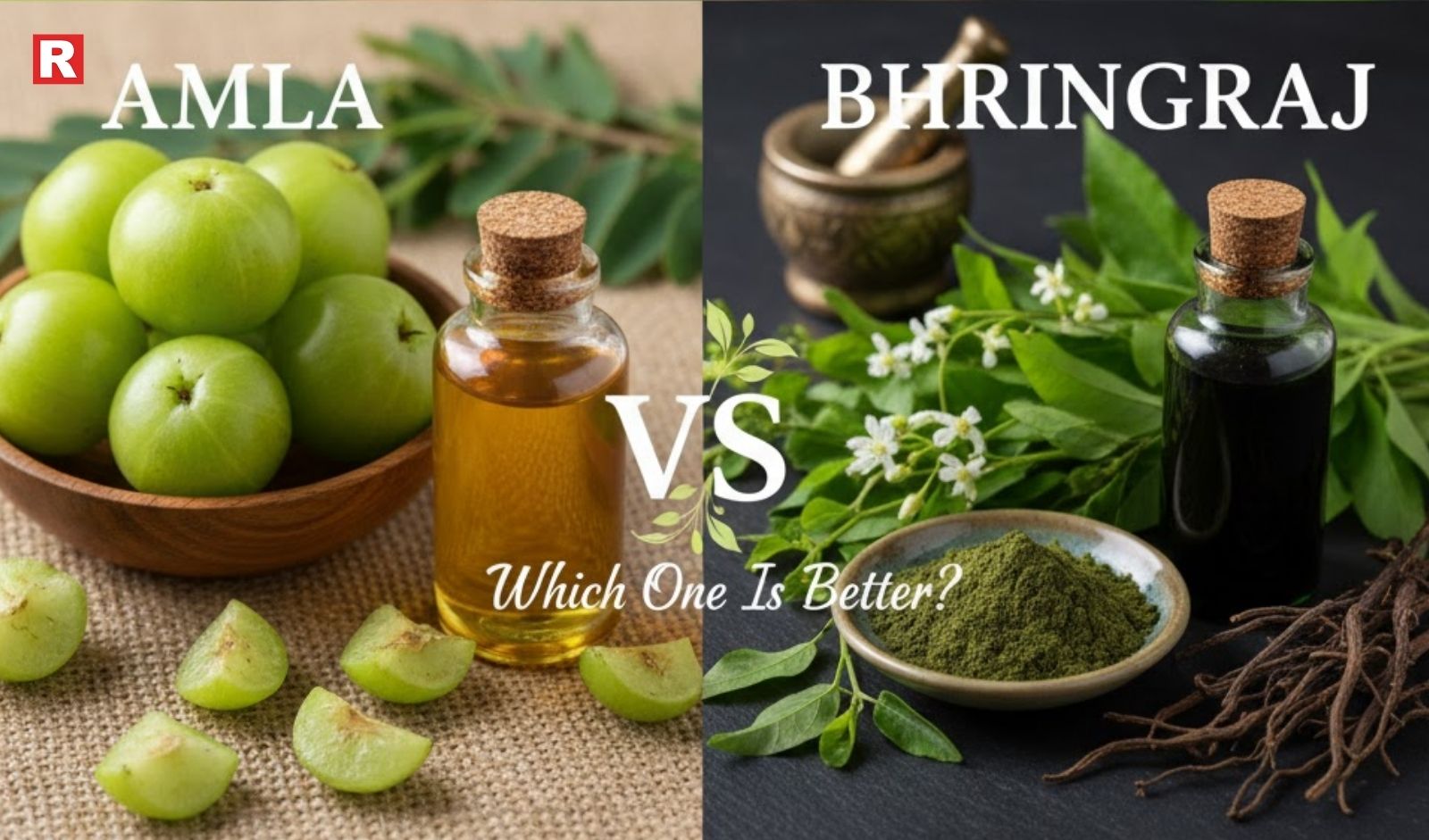
Amla and Bhringraj are two herbs that have been used in India for centuries. Both are popular in Ayurveda and are known for their benefits for hair and overall health. Amla, also called Indian Gooseberry, is rich in Vitamin C and antioxidants. It helps strengthen hair, prevent hair fall, and adds shine. Bhringraj, often called the “King of Herbs” for hair, is famous for promoting hair growth and improving scalp health. It can reduce thinning and slow down premature greying. Many people use these herbs as oils, powders, or supplements to care for their hair naturally. While Amla nourishes and protects hair from damage, Bhringraj focuses on stimulating growth and improving scalp condition. Choosing between the two depends on hair type and goals. Some even use both together to get the best results for strong, healthy, and shiny hair.
Read more: 5 Ways to Use Garden Cress Seeds (Halim) for Stronger Hair and Bones
8 Famous Vegetarian Dishes of Uttar Pradesh and Their Timeless Legacy
What is Amla?
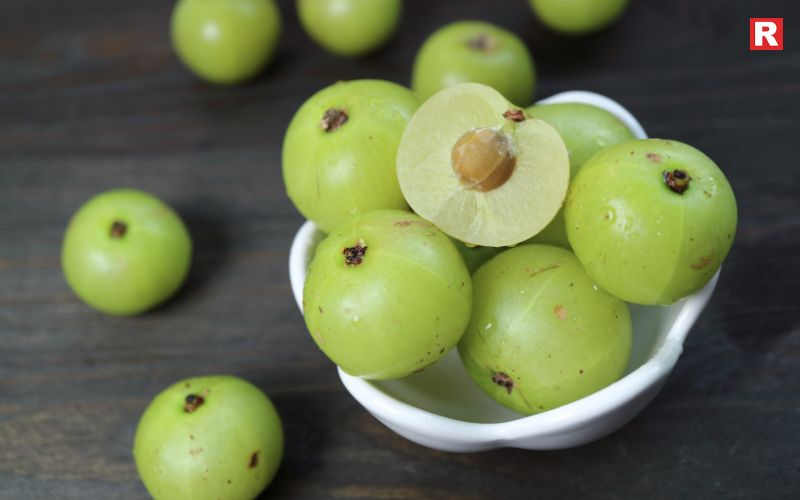
Amla, also known as Indian Gooseberry, has been used in Ayurvedic medicine for centuries. It is rich in Vitamin C, antioxidants, and essential nutrients. Traditionally, Amla is used to support immunity, improve digestion, and keep the skin and hair healthy. For hair, Amla is known to strengthen follicles, reduce hair fall, and promote shine. Regular use can make hair look fuller and more vibrant. It also works well to prevent premature greying due to its natural pigmentation properties. Amla can be found in different forms such as oil, powder, juice, and capsules. Many people mix Amla powder with warm water or curd to make hair masks. Amla oil is often massaged into the scalp to boost blood circulation and nourish the roots deeply.
What is Bhringraj?
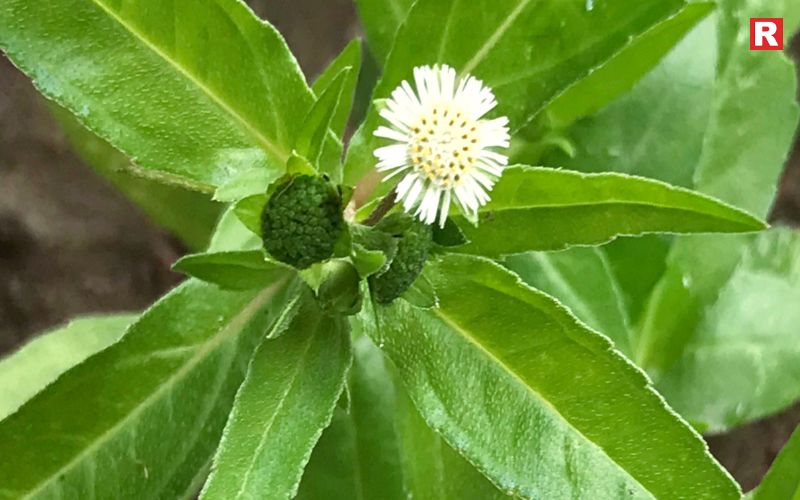
Bhringraj, often called the “King of Herbs” for hair, is another Ayurvedic gem. It is known for stimulating hair growth and improving scalp health. The herb is rich in nutrients like magnesium, iron, and vitamin E, which are beneficial for both hair and overall well-being. Bhringraj oil has been used for generations to prevent hair thinning, slow down greying, and support thicker hair growth. It is especially effective for those with weak or damaged hair. Many also use Bhringraj for its calming properties—it can help reduce stress, which is a common cause of hair fall. Bhringraj is available as oil, powder, and in supplement form. The oil is usually massaged into the scalp and left overnight to allow deep nourishment.
Know more: 5 Foods to Avoid for Better Cholesterol
Hair Benefits Showdown
Both Amla and Bhringraj offer strong benefits, but their effects differ slightly.
Hair Concern | Amla Benefits | Bhringraj Benefits |
|---|---|---|
Hair Growth | Strengthens follicles, supports healthy growth | Stimulates roots, encourages new hair growth |
Hair Fall Control | Rich in antioxidants, strengthens strands | Improves scalp circulation, reduces hair thinning |
Shine and Texture | Adds natural shine and smoothness | Improves texture, makes hair look healthier |
Premature Greying | Natural pigmentation helps delay greying | Supports scalp health, but less direct effect |
Scalp Health | Anti-bacterial properties, keeps scalp clean | Soothes the scalp, reduces dandruff and inflammation |
Amla works best for those who want stronger, shinier hair and protection against greying. Bhringraj is ideal for people struggling with hair fall or slow growth.
Other Health Benefits
Both herbs also support health beyond hair.
Amla:
- Boosts immunity due to its high Vitamin C content.
- Supports digestion and helps detoxify the body.
- Promotes glowing skin and reduces signs of aging.
- Aids in maintaining good vision and heart health.
Bhringraj:
- Supports liver health and helps flush out toxins.
- Known for its calming effect, which can help reduce stress.
- May support better sleep when used in oil massages.
- Helps balance Pitta and Vata doshas in Ayurveda, promoting overall vitality.
If you are looking for a holistic wellness boost along with hair benefits, both herbs can play a valuable role in your routine.
Also check: 10 Uncommon Cucumber Nutrition Facts You Didn’t Know
How to Use Them Effectively
1. Hair Oil Massage: Warm Amla or Bhringraj oil slightly and massage it into your scalp for 5–10 minutes. Leave it overnight and wash it off in the morning. Doing this twice a week can improve scalp health and hair strength.
2. Hair Mask
- For Amla: Mix Amla powder with water, curd, or aloe vera gel to make a smooth paste. Apply it to your scalp and hair. Leave it on for 30 minutes before rinsing.
- For Bhringraj: Mix Bhringraj powder with coconut oil or water to form a paste. Apply it evenly and leave it for 30–45 minutes before washing.
3. Internal Consumption: Amla juice or capsules are often taken daily for immunity and digestion. Bhringraj supplements can support hair and liver health, but it’s best to consult a professional before starting any new supplement.
4. Combination Treatments: Many people get the best results by combining both herbs. For example, using Amla powder in hair masks and Bhringraj oil for massages can offer complete hair care benefits.
Side Effects and Precautions
Both Amla and Bhringraj are natural and generally safe. However, a few precautions can help you use them effectively.
- Always do a patch test before using oils or powders to avoid allergic reactions.
- If you have a sensitive scalp, dilute the oils with a carrier oil like coconut or almond oil.
- Avoid excessive use of Amla if you have low blood sugar or are on medication for the same.
- Pregnant or breastfeeding women should consult a doctor before taking any supplements.
- Use products from trusted sources to ensure purity and avoid chemical additives.
Amla vs Bhringraj: Which One Should You Choose?
The right choice depends on your hair and health goals.
- Choose Amla if you want stronger hair, a natural shine, and protection against premature greying. It also works well for boosting immunity and improving skin health.
- Choose Bhringraj if you are struggling with hair fall, weak roots, or slow hair growth. It is excellent for scalp health and can give visible results over time.
For best results, many people prefer to use both—Amla for internal and external nourishment, and Bhringraj for targeted scalp treatments.
Check more: Olive Oil vs Sunflower Oil: 7 Differences to Spot the Healthy One for You
5 Easy Ways to Make Wheatgrass Juice at Home
10 Awadhi Cuisine Classics You Must Try at Least Once
Stay Healthy and Glowing!
Amla and Bhringraj are both powerful Ayurvedic ingredients with unique benefits. Amla is rich in nutrients that strengthen hair and improve overall health. Bhringraj focuses more on stimulating hair growth and improving scalp health. If your main goal is healthy, shiny hair with long-term benefits, Amla is an excellent choice. If you want faster hair growth and better scalp care, Bhringraj may work better. For complete care, combining both can give the best results. Choosing between them is not about which one is superior overall, but which one aligns better with your personal hair needs and lifestyle.
Disclaimer: The information provided is for general knowledge and educational purposes only. It is not a substitute for professional medical advice. Consult a qualified healthcare professional before using Amla, Bhringraj, or any herbal products, especially if you have existing health conditions.
Saptopriya Ghosal
Feature Writer
I am a dedicated media professional with a bachelor's degree in mass communication from the State University of Calcutta and a postgraduate degree from Amity University. My academic journey has equipped me with a profound understanding of storytelling and communication. Passionate about the dynamic world of media, I continually strive to explore new ways to engage and inform through compelling narratives.


