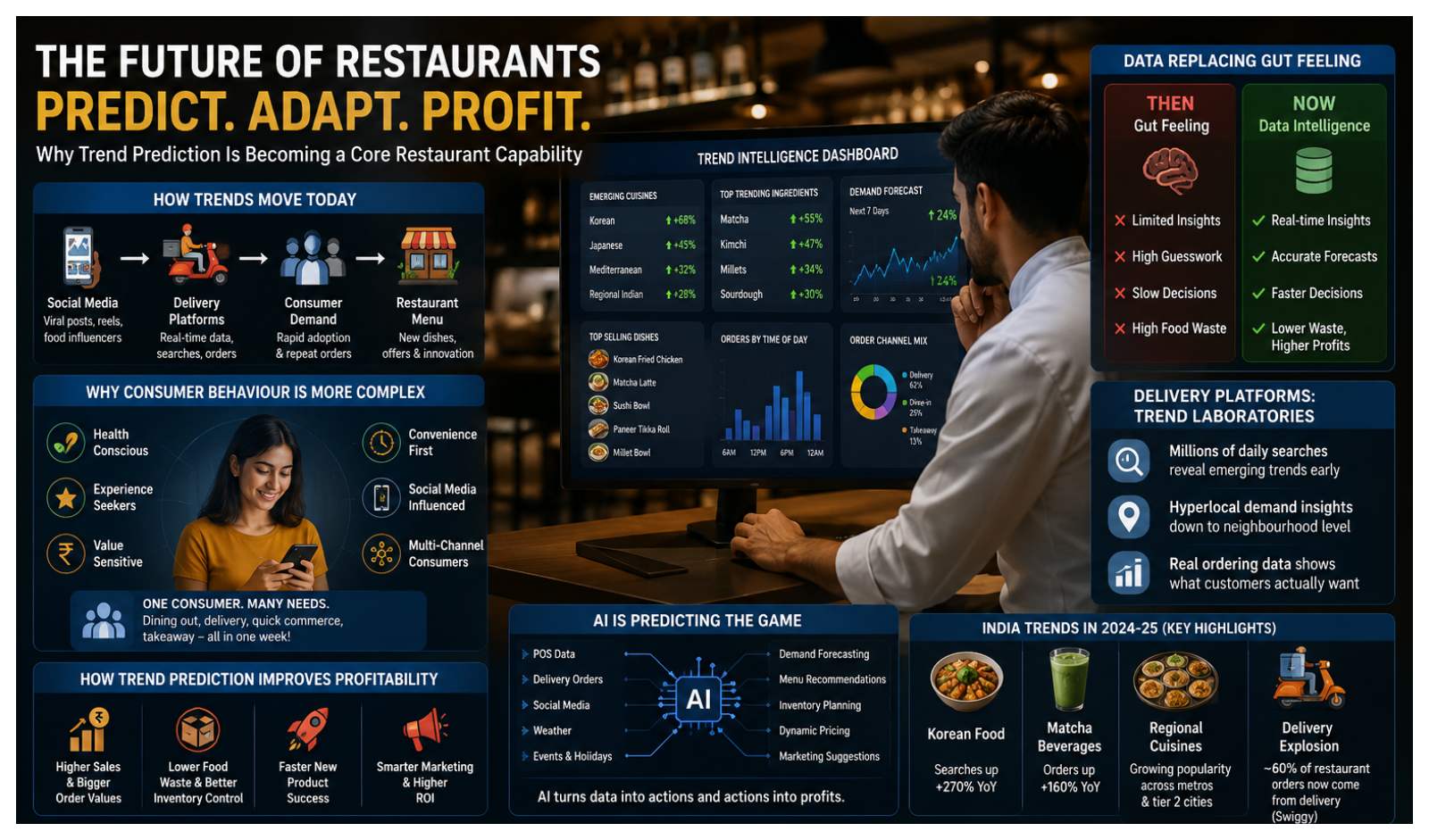
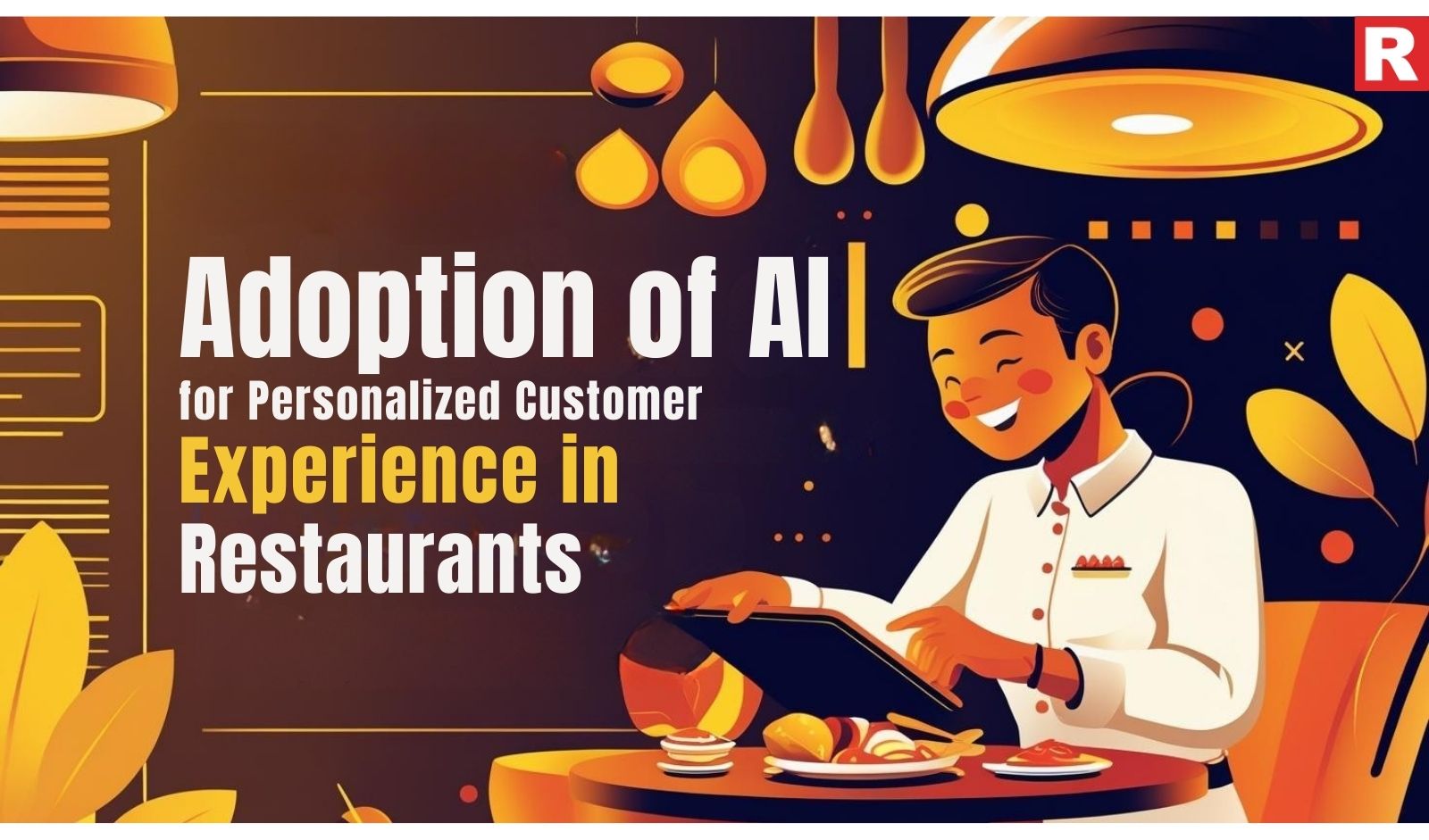
Adoption of AI for Personalized Customer Experience In Restaurants
Today's consumers want a dining experience that feels customized to their own likes, preferences, and habits. They are no longer content with a one-size-fits-all approach. This is the point at which artificial intelligence (AI) is becoming a game-changer and steps into the restaurant industry from the world of science fiction.

In today’s world, restaurant dinners have become not only a place to enjoy food, but also an unforgettable experience. Providing your customers with a personalised experience is a sure way to guarantee success in today’s culinary industry. Today's consumers want a dining experience that feels customized to their own likes, preferences, and habits. They are no longer content with a one-size-fits-all approach. This is the point at which artificial intelligence (AI) is becoming a game-changer and steps into the restaurant industry from the world of science fiction.
From the time a consumer considers making a reservation to their post-meal comments, artificial intelligence (AI) in all of its forms seamlessly incorporates itself into every aspect of the dining experience. AI can predict trends, comprehend personal preferences, and simplify tasks by analyzing large volumes of data. This frees up restaurant employees to concentrate on what they do best: providing authentic, human-centric hospitality.
This thorough guide will examine the significant effects of AI on customizing the dining experience, highlighting particular uses and proving that AI is more than a passing trend but rather a calculated tactic for promoting durable customer loyalty and pushing company expansion.
Read more: Pouring Culture, Craft, and Commerce in a Cup
1. AI-Powered Discovery and Recommendations
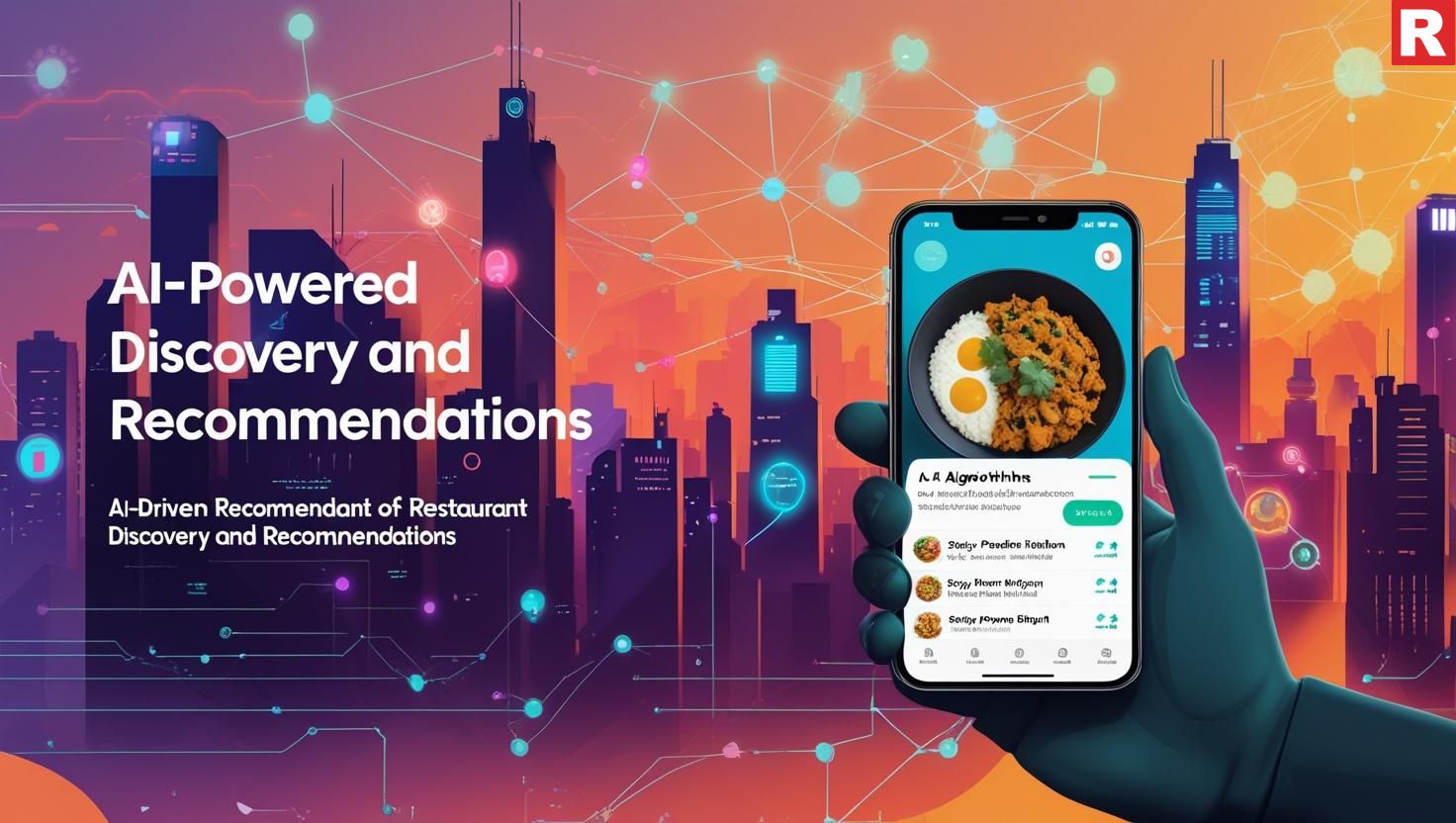
Long before the customer enters the store, the customized experience starts. AI is already in use, guiding prospective customers to your restaurant and luring them in with personalized suggestions.
- Ad Targeting and Predictive Search: AI-powered algorithms examine a user's location, social media activity, and previous search history to present them with highly relevant restaurant advertisements. When a customer searches for "vegan restaurants in the city," for instance, AI can make sure your advertisement for a new plant-based menu item shows up high in their feed.
- AI-Powered Reservation Systems: To help restaurants reach their full potential, advanced reservation platforms employ AI to handle reservations, optimize seating arrangements, and even anticipate cancellations. Based on a customer's previous behavior, many systems can even recommend the best times to eat.
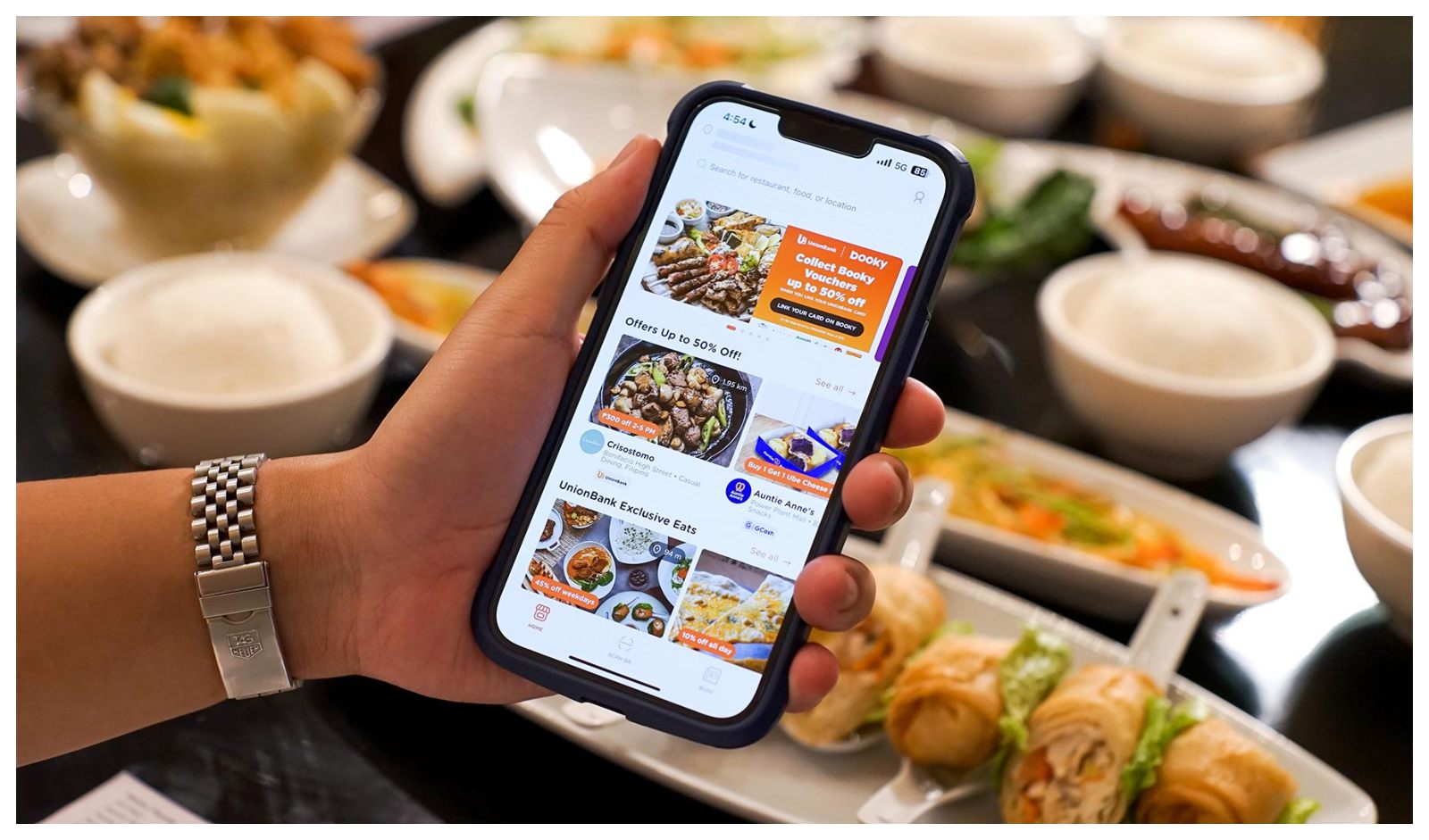
- Personalized App and Website Experiences: AI examines user browsing patterns on your app or website to recommend menu items, special offers, or even table positions based on user preferences. The "Spicy Paneer Biryani" may be highlighted on their webpage for a regular customer who always gets it, coupled with a suggestion for a new, comparable dish.
2. The On-Premise Experience: From AI to A-Plus Hospitality
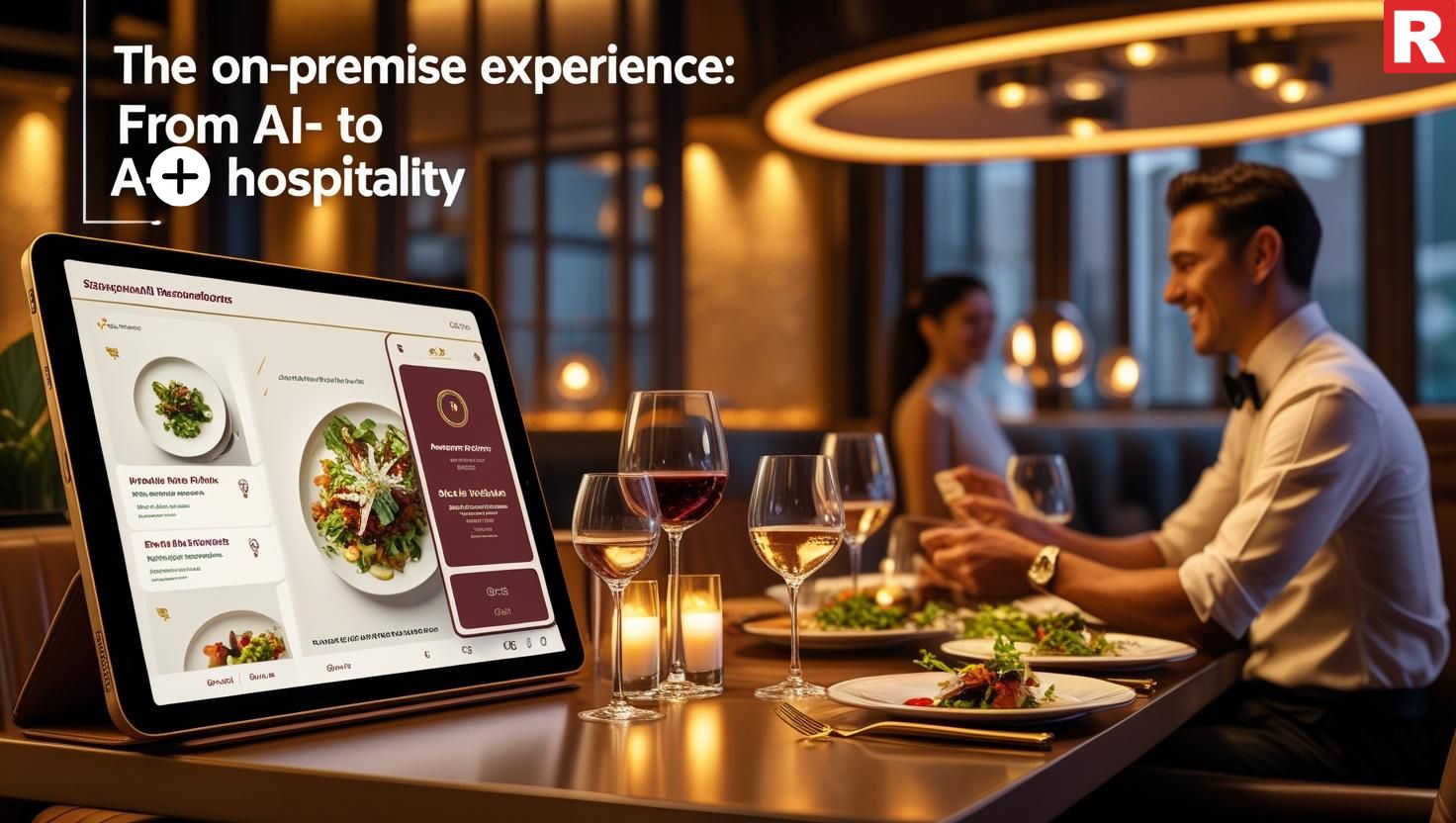
Once a customer arrives at your restaurant, AI improves their dining experience both in the background and in plain view.
- Intelligent Digital Menus: AI can be used to offer personalized recommendations through interactive digital menus on tablets or QR code connections. They can recommend a wine pairing, a new appetizer that a customer would enjoy, or even a dessert that they haven't tasted based on their past orders. This is a subtle yet effective upselling strategy that comes across as supportive rather than aggressive.
- AI-Powered Chatbots and Order Taking: Chatbots that are incorporated into your website or app can answer frequently asked client questions, such as whether a meal contains allergens or how long wait times are. AI-powered screens at certain restaurants let customers place orders, get tailored suggestions, and even pay, enabling up employees to work on more difficult jobs and provide direct customer service.
- Facial Recognition for a Customized Welcome: Although this technology is still in its early stages and raises privacy issues, several restaurants are using facial recognition software to recognize repeat customers. To create a genuinely unique, high-touch experience, a system may notify a host when a returning guest arrives, enabling them to welcome them by name and possibly offer their typical table or drink.
Know more: Street Food vs Fine Dining: What’s Trending in 2025
3. The Back-End Operations: Aiding Staff for Better Service
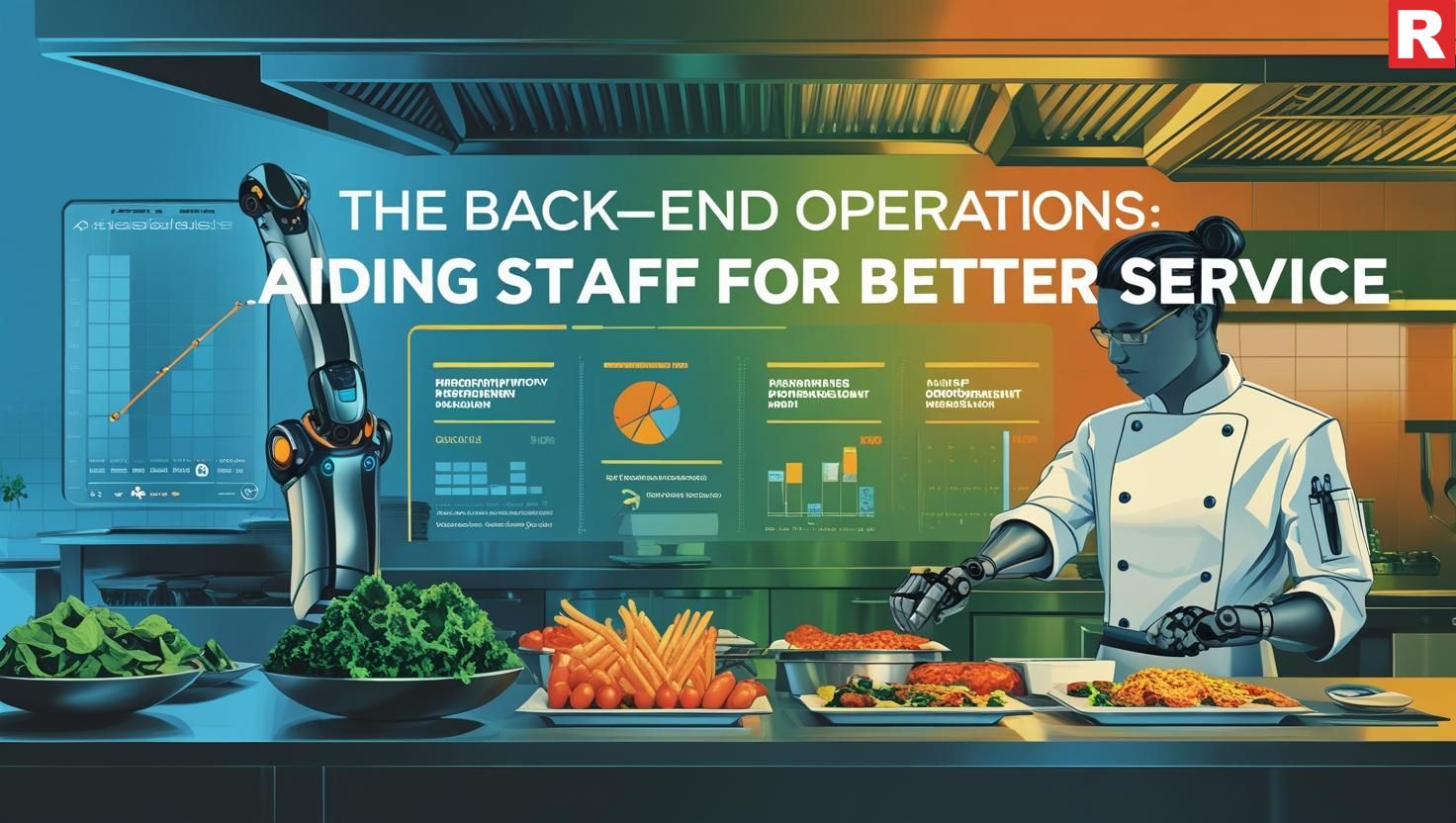
AI isn't just for customers; its most effective uses frequently take place in the background, enabling your employees to provide exceptional customer service.
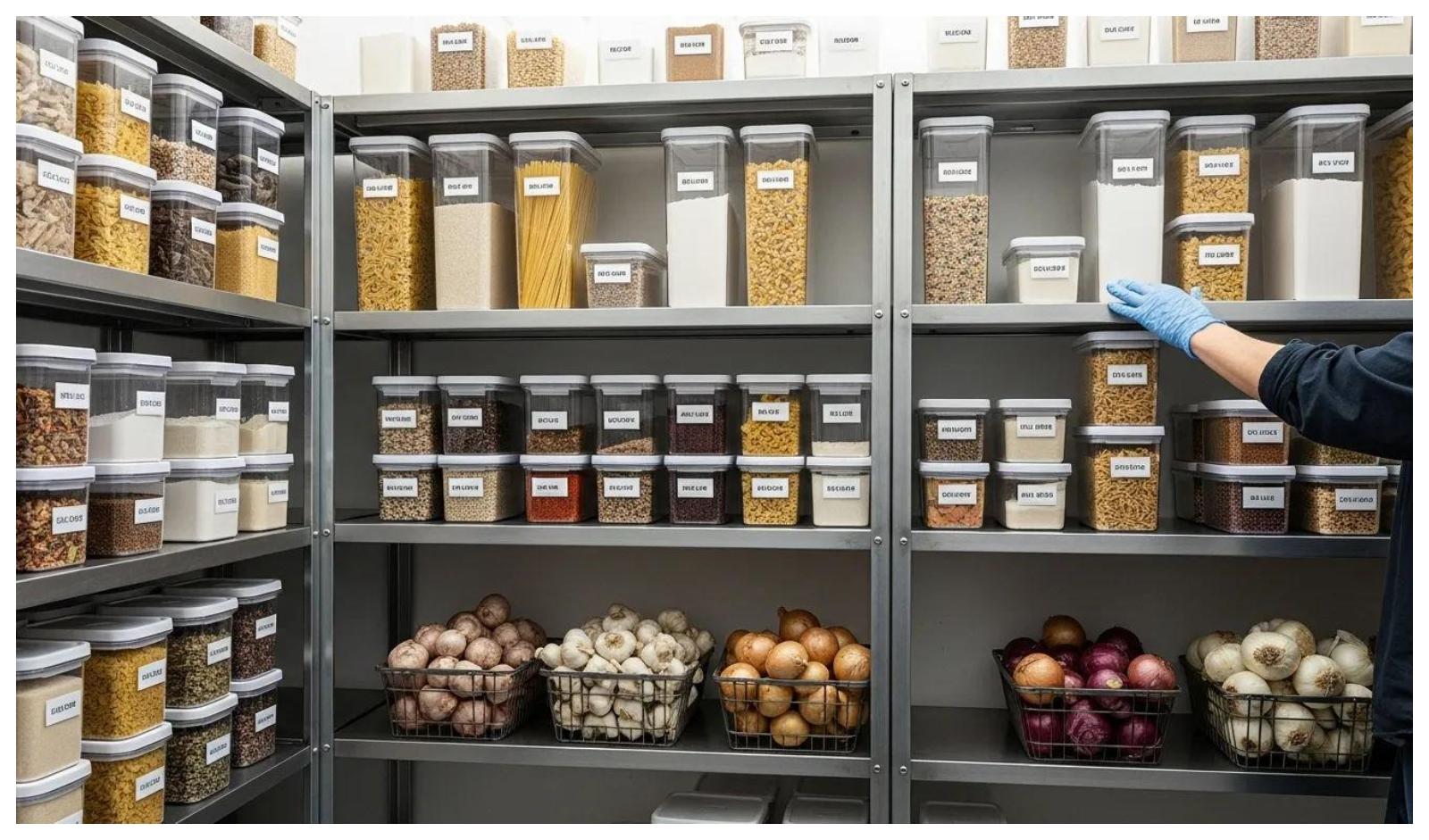
- Predictive Inventory Management: AI predicts which ingredients will be in high demand by analyzing sales data. By doing this, kitchen employees may order more efficiently, wasting less food and guaranteeing that popular menu items are always available. By avoiding the disappointment of a sold-out dish, this convenience has a direct impact on consumer happiness.
- Automated Kitchen Assistants: These devices assist chefs and cooks in maintaining consistency and speed, ranging from robotic arms that can assist with monotonous activities like flipping burgers to AI-powered ovens that precisely time and temperature-control a dish. A great client experience is built on this uniformity.
- Staff Scheduling and Training: AI can improve staff scheduling by predicting customer foot traffic, which will guarantee that you are never overstaffed or understaffed during peak hours. Additionally, AI-powered training modules can offer new workers tailored guidance, accelerating and improving their understanding of the menu and service standards.
What's new: 10 Ways the Restaurant Industry Impacted the Lifestyle of Indians
4. The Post-Dining Experience: Maintaining the Connection
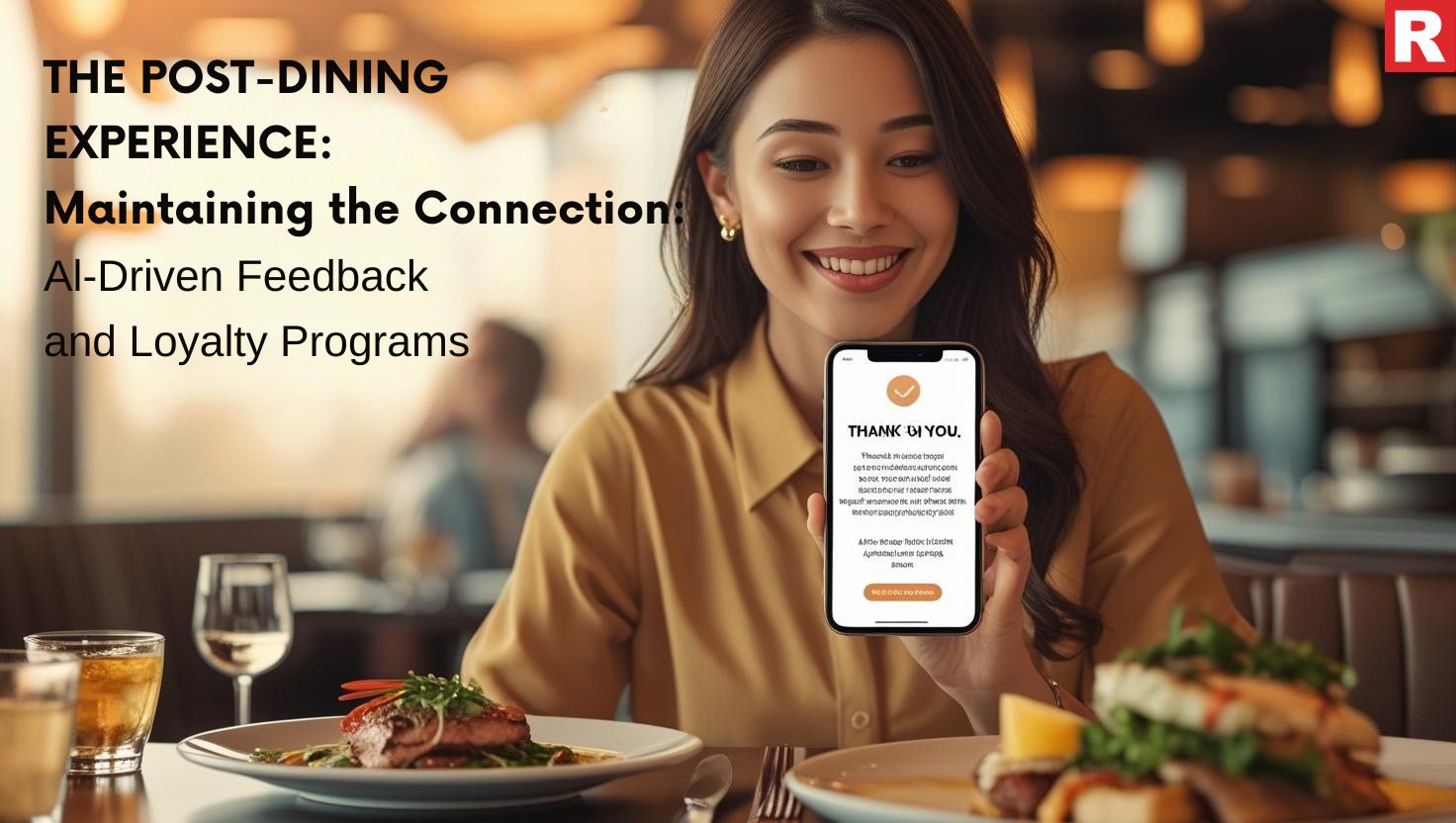
When a consumer leaves your restaurant, the personalized experience continues. AI promotes repeat business by preserving and enhancing the relationship.
- Automated and Customized Feedback Systems: After a customer's visit, AI can send them automated but customized thank-you notes or feedback requests. The contact will feel more meaningful if the messages are customized according to what they ordered or who served them.
- Data-Driven Loyalty Programs: AI generates highly customized rewards by analyzing consumer data from your loyalty program and point of sale system. A customer who often orders coffee might be offered a free latte instead of the typical "buy 10, get one free," while a customer who likes desserts would be given a discount on a new sweet dish. As a result, the incentives seem more worthwhile and significant.
- AI-Driven Customer Service: Systems with AI capabilities are able to examine consumer input to find recurring problems and patterns. In the end, this results in a better experience for potential customers by enabling management to promptly resolve issues, enhance service, and even teach staff on areas that require development.
Check out: How to Reduce Food Wastage in Your Restaurant
Nothing Before Coffee Hits Century, Opens 100th Outlet in Vadodara
Overcoming Implementation Challenges and Ensuring ROI in the Restaurant Scene
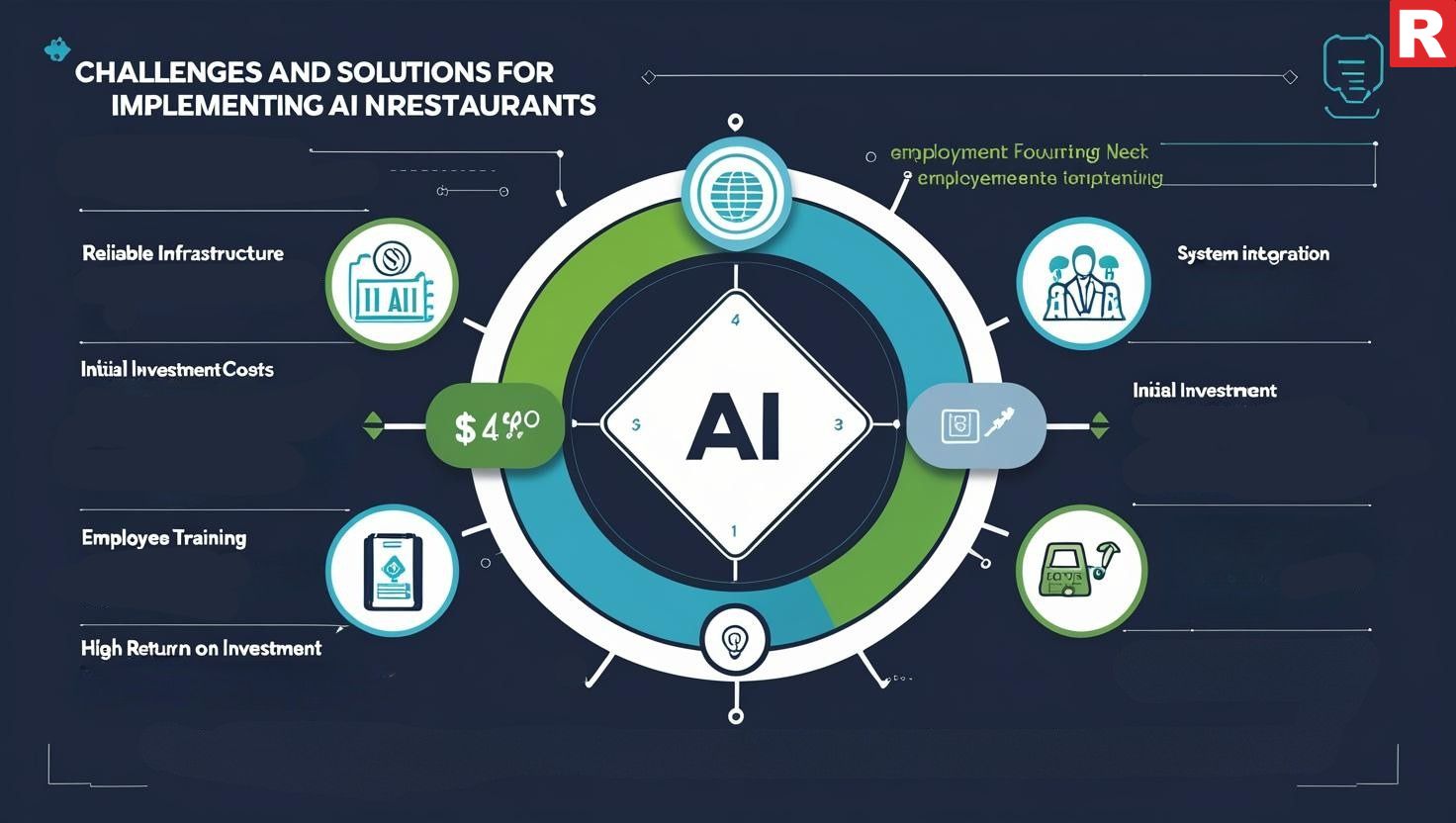
Even while AI has enormous promise to provide individualized client experiences, restaurants may have particular difficulties when putting it into practice. These include securing the dependability of internet infrastructure, which is essential for many AI applications, the initial investment cost, and the requirement for employee training to use new AI-powered tools efficiently. Additionally, it might be challenging to integrate new AI systems with pre-existing CRM and Point of Sale (POS) systems. Restaurants should do the following to get beyond these obstacles and guarantee a high Return on Investment (ROI):
- Start with Specific Use Cases: Rather than attempting to apply AI to every aspect of the business at once, pinpoint the main areas where customization may make the biggest difference, such as loyalty programs or online ordering recommendations. This makes it easier to measure the benefits.
- Give User-Friendly Systems Priority: Select AI platforms with user-friendly interfaces that require less technical know-how from your employees. In-depth instruction and continuous vendor support are also crucial.
- Pay Attention to Data Implementation: Verify that the AI solutions you have selected can be easily integrated with your current technological setup. Working with suppliers who have experience connecting with well-known POS systems may be necessary for this.
- Key Performance Indicators (KPIs) should be measured: Monitor data like recurring business, customer satisfaction ratings, conversion rates from targeted advertisements, and consumer interaction with tailored recommendations. You can use this information to evaluate the return on your AI efforts and make the required corrections.
- Seek Local Support and Expertise: Collaborate with technology suppliers or consultants who are familiar with the unique opportunities and difficulties facing the area's restaurant sector. Throughout the implementation phase, they can offer customized guidance and assistance.
Read this: How to Find Good Staff for Your Restaurant
The Evolving Role of Human Connection in an AI-Enhanced Restaurant
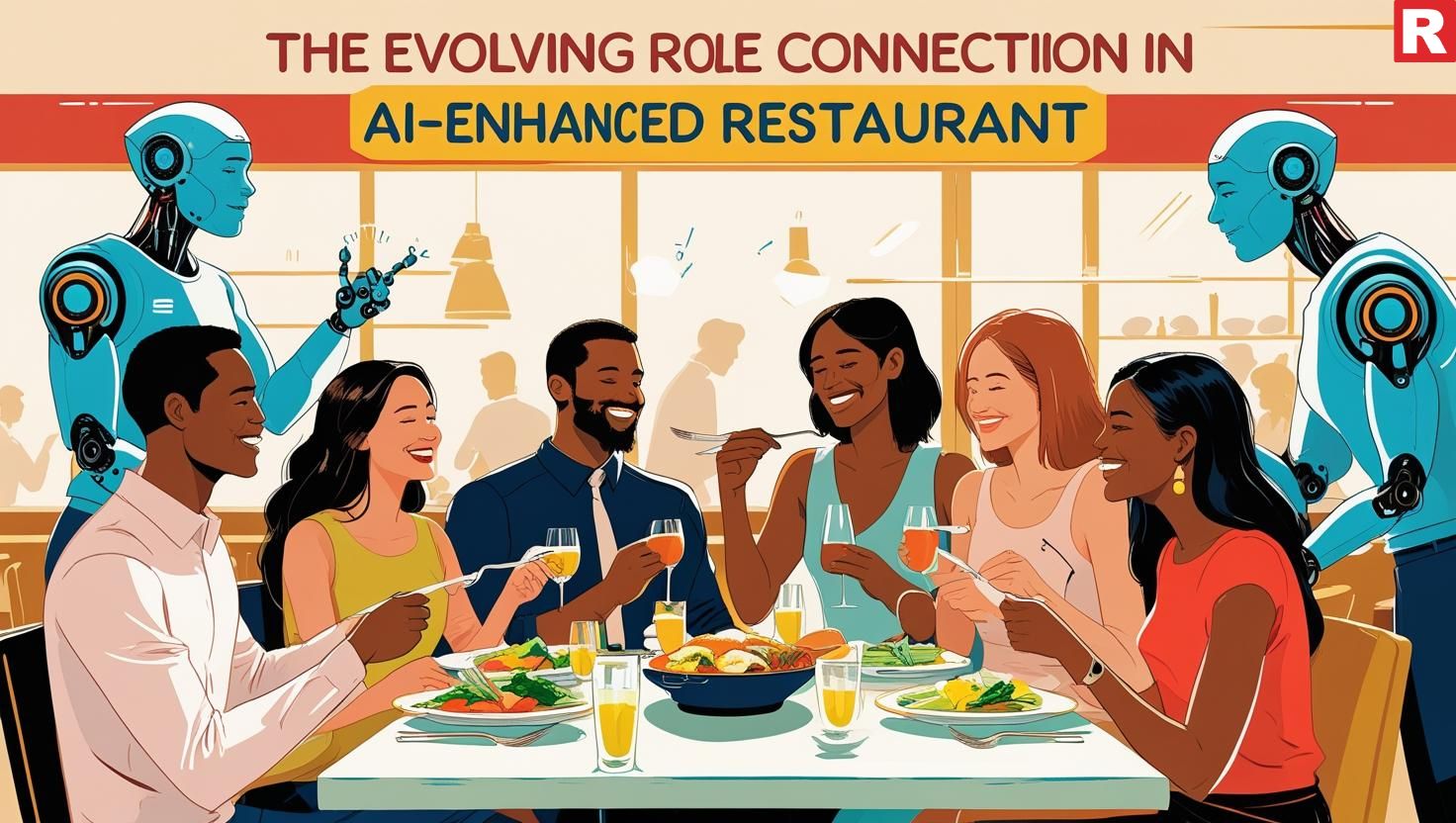
The human aspect is still essential to producing a genuinely remarkable dining experience, even with the growing incorporation of AI. By relieving employees of repetitive duties, AI can actually improve human connection by enabling them to concentrate on developing relationships with customers. Restaurants ought to concentrate on:
- Giving Staff AI Insights: Teach your hosts and servers to use the information AI provides to customize their interactions. For instance, a waitress can make more intelligent recommendations and have a more customized conversation if they are aware of a customer's previous orders.
- Maintaining Genuine Interaction: Remind employees that AI is a tool to help them, not to replace them, to preserve genuine interaction. Encourage them to treat each visitor with warmth, friendliness, and genuineness. Information can be provided by AI, but empathy and real concern cannot be replicated.
- Managing Exceptions and Special Demands: While AI is capable of managing a large number of routine encounters, human staff members are essential for dealing with particular circumstances, efficiently managing complaints, and satisfying specific client demands. What distinguishes a restaurant is its capacity to go above and beyond.
A Collaboration Between Humans and AI
The restaurant industry's adoption of AI is not about substituting computer efficiency for human interaction. Rather, the goal is to establish a strong human-AI collaboration. AI takes care of the data, the forecasts, and the monotonous work, allowing your front desk staff to focus on being more involved, attentive, and truly welcoming. It enables them to remember a customer's preferences, anticipate their wants, and deliver a level of service that was previously unattainable.
Using AI is a smart way for a restaurant to differentiate itself in a crowded market. It enables you to establish a reputation for offering a distinctive, smooth, and highly customized dining experience that converts first-time guests into devoted, repeat customers, in addition to having excellent food.
Mahak Sharma
Content Writer
Mahak Sharma is a passionate content writer with 2 years of experience crafting compelling content across various niches, tailoring her writing to suit different audiences and platforms. She is dedicated to producing engaging content for readers so that they can understand and enjoy the articles. Her strengths lie in crafting SEO-friendly, well-structured articles that drive visibility and engagement.