A to Z List of Restaurant Operations
Managing a restaurant is both an exciting and challenging job. Culinary skills are combined with the requirements of hospitality, finance, marketing, and human resources in this high-stakes, high-reward industry.

Managing a restaurant is both an exciting and challenging job. Culinary skills are combined with the requirements of hospitality, finance, marketing, and human resources in this high-stakes, high-reward industry. The secret to transforming a love of food into a successful and long-lasting business for both aspiring and seasoned restaurateurs is to understand the complex network of daily responsibilities and long-term plans. It's about a symphony of operations, each of which plays a crucial part in the harmony of a successful business. It's not just about what goes on in the kitchen.
This complete article breaks down the restaurant industry from A to Z, offering an extensive checklist and a strategic overview of each crucial task. This list is a valuable tool to help you manage both day-to-day operations and long-term planning for your restaurant, regardless of your level of experience.
A: Atmosphere and Ambiance
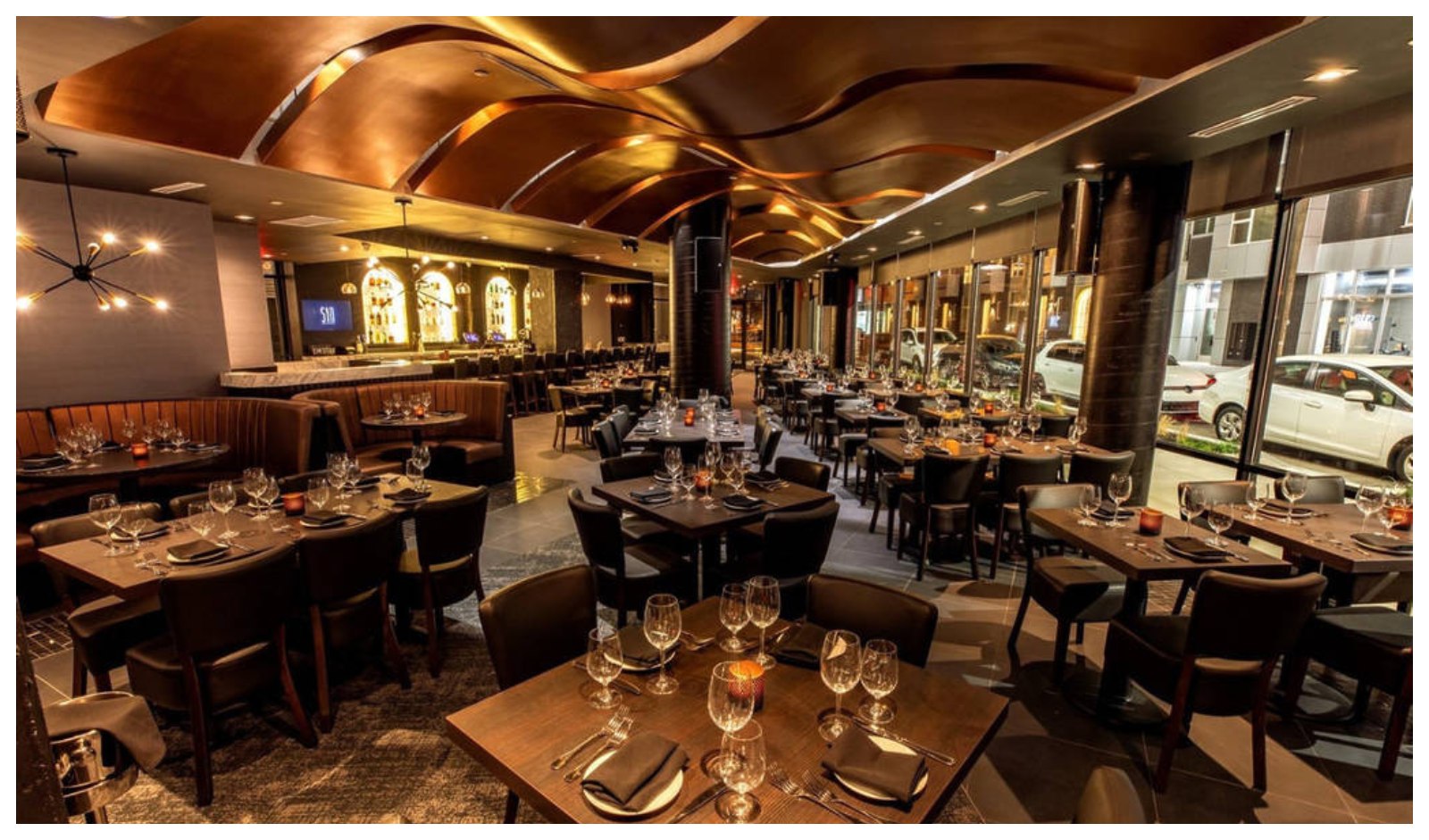
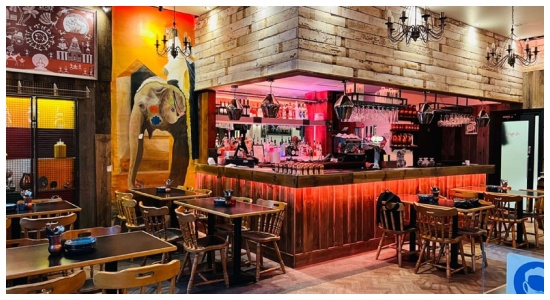
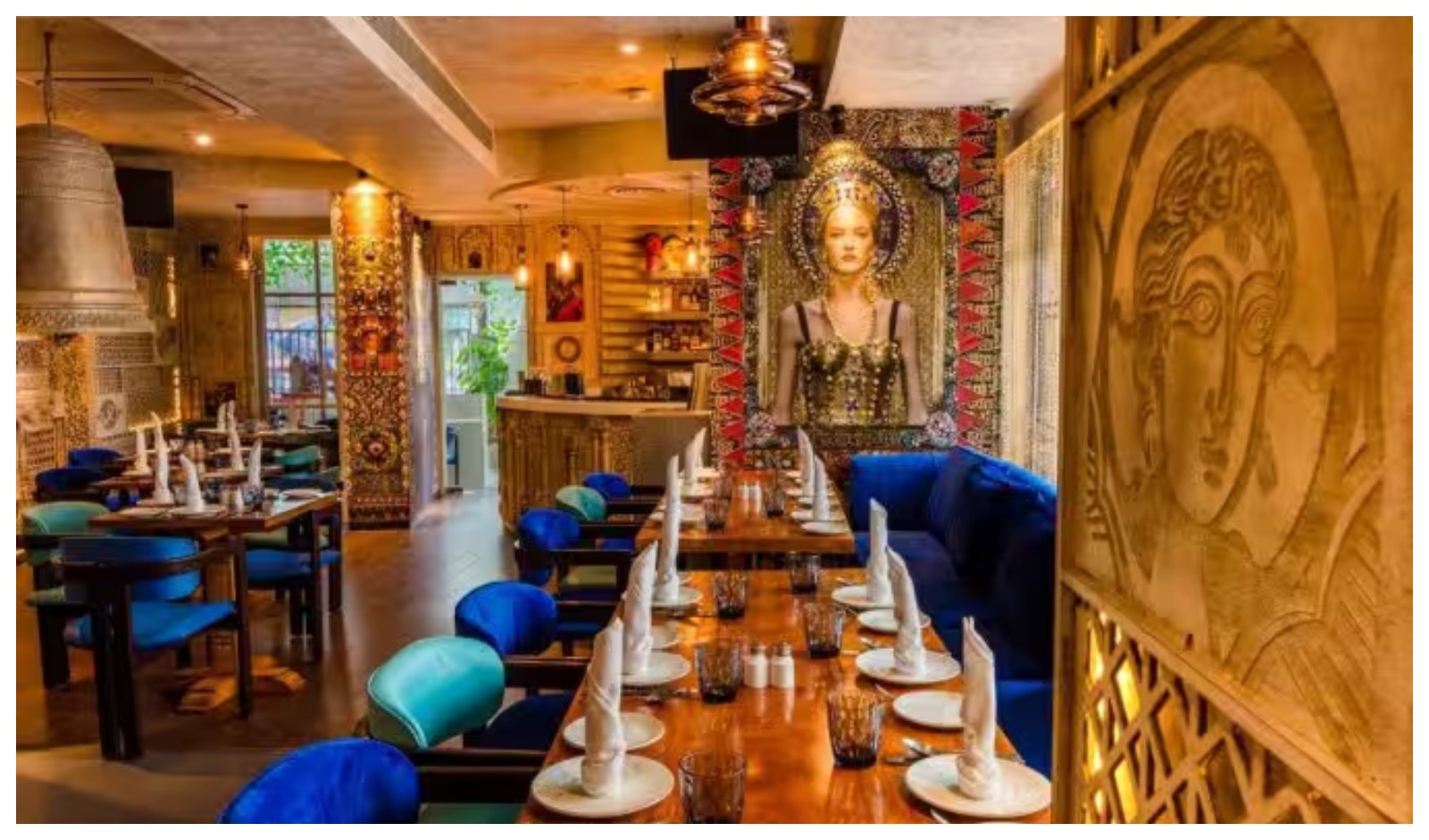
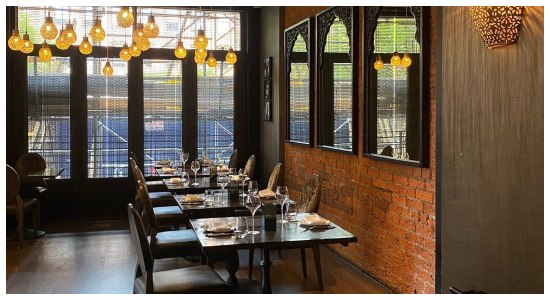
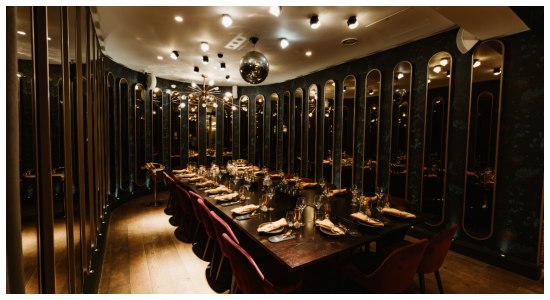
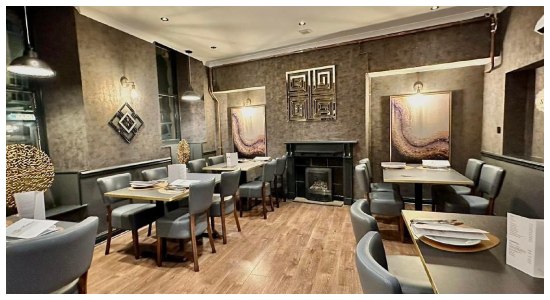
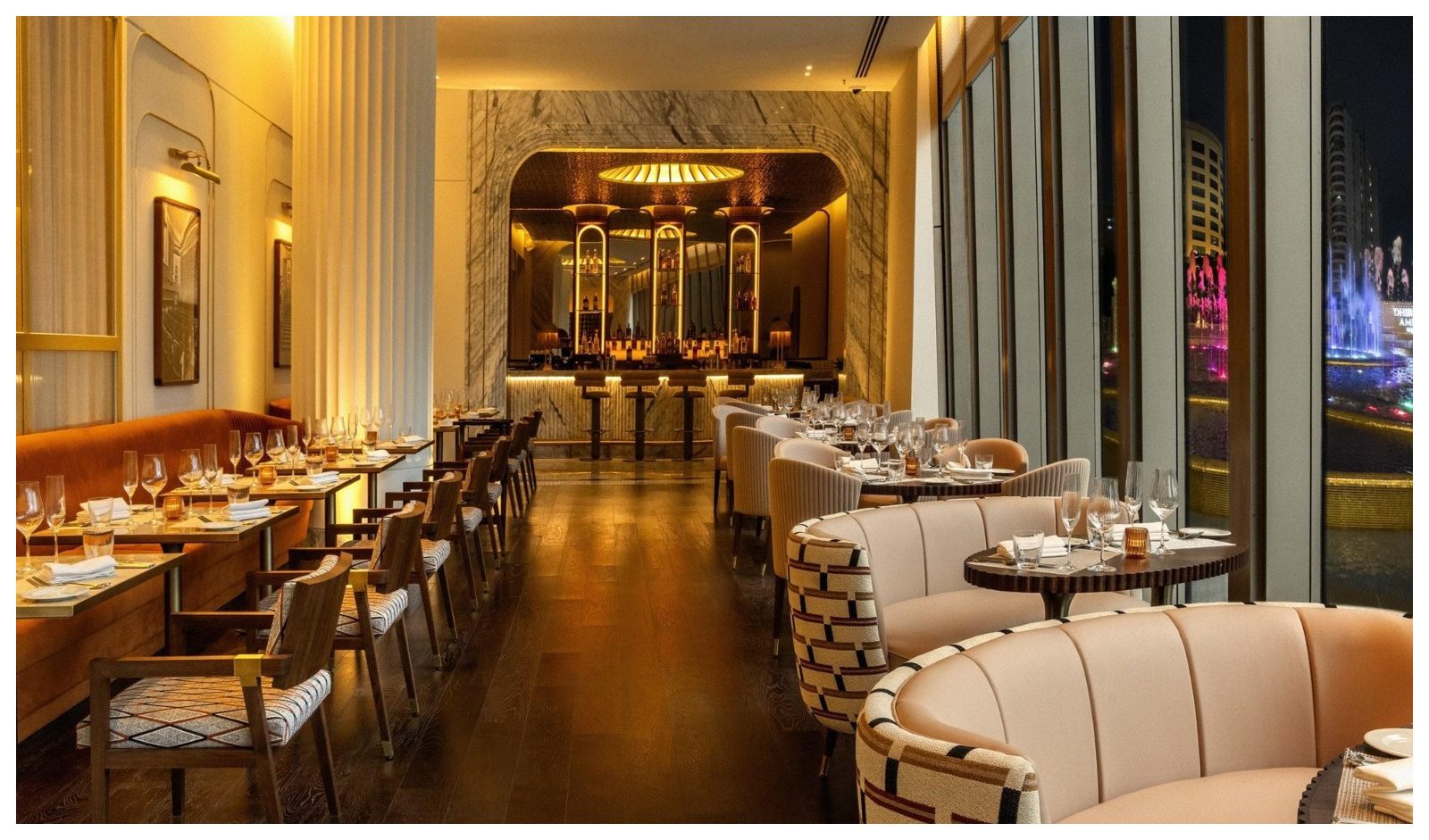
The essence of your restaurant is in its atmosphere. It is a crucial aspect of a diner's experience and the initial impression. This covers the temperature, lighting, music, décor, and seating arrangements. A well-designed ambiance can help you stand out from the competitors as diners seek out a unique place to relax.
Read more: The Top Most Famous Dishes of the World by Country
B: Business plan and Budgeting
A sound business plan and a thorough budget are the foundation of any successful restaurant. Your vision, mission, target market, financial predictions, and a detailed plan for reaching your objectives should all be included in this document. Maintaining cost control and profitability requires regular budget monitoring.
C: Client Support
Providing outstanding customer service is a must. It all comes down to providing visitors with a smooth and unforgettable experience from the moment they arrive until they depart. This involves a warm greeting, attentive staff members, precise order taking, and effective service. It is the single most effective method for creating positive word-of-mouth and fostering loyalty.
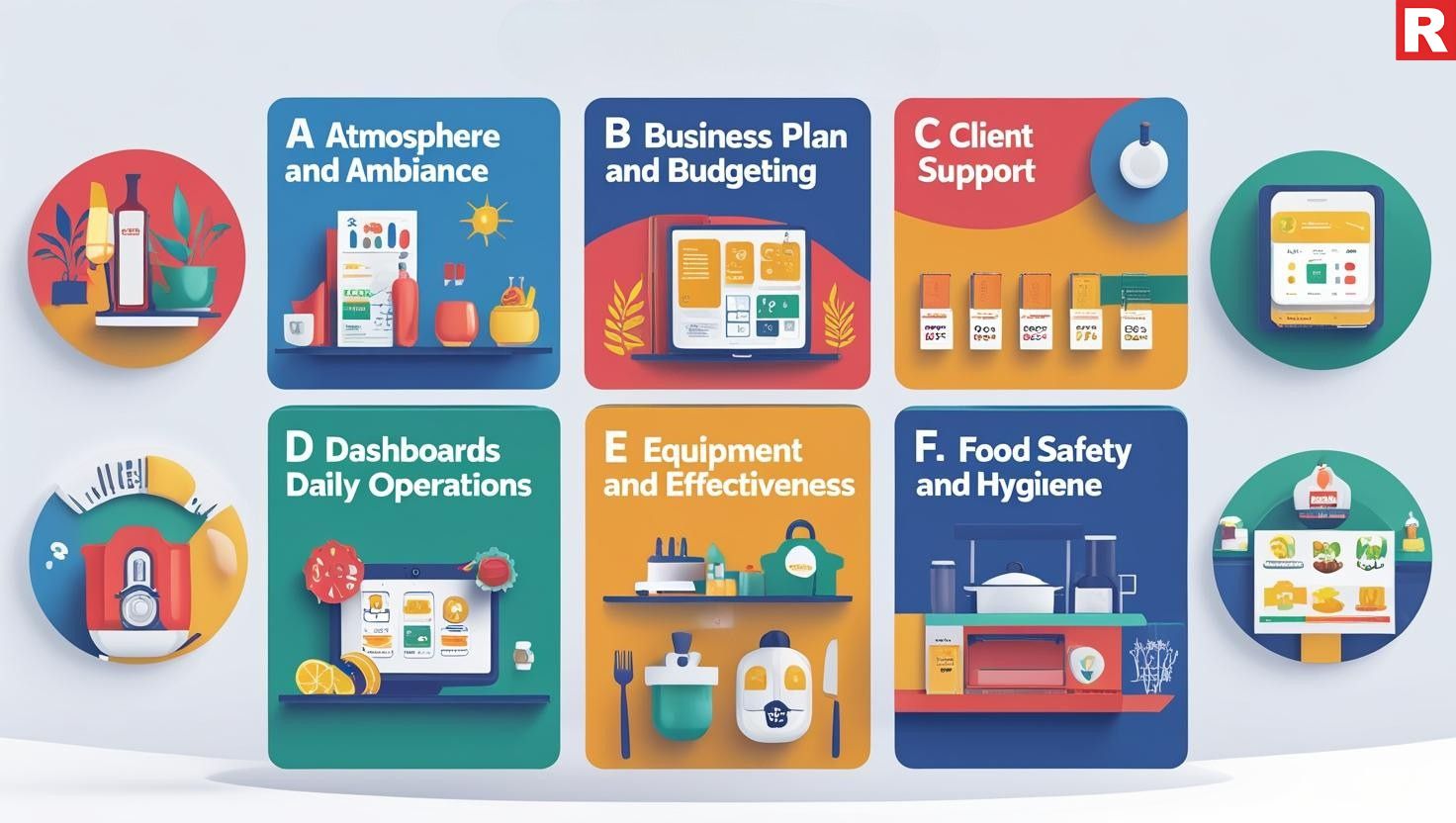
D: Dashboards and Daily Operations
Daily operations include all of the standard chores that keep the restaurant operating, such as closing procedures and opening checklists. To guarantee uniformity and responsibility throughout all shifts, it is essential to use a digital dashboard or an easy checklist to monitor these responsibilities.
E: Equipment and Effectiveness
Your most valuable possession is your kitchenware. Operational effectiveness depends on timely repairs, routine cleaning, and maintenance. Purchasing the appropriate equipment, such as dependable point-of-sale systems or high-quality ovens, can increase production, cut down on waste, and save time.
Know more: Vegan Food Revolution: 6 Dishes Everyone Should Try in 2025
F: Food Safety and Hygiene
Hygiene and food safety are crucial. This requires strict follow-up with all health and sanitation laws, appropriate food handling and storage, and frequent worker training. Your reputation and the trust of your patrons are built on a hygienic kitchen and a secure dining space.
G: Guest Relations and Feedback
Feedback and customer interactions must be actively managed. Customers should be encouraged to discuss both positive and negative experiences. Respond to any comments, particularly those found online, in a timely and professional manner to demonstrate your appreciation for your clients and your dedication to ongoing development.
H: Hiring and Human Resources
The core of your restaurant is your staff. Strategic hiring, thorough training, equal pay, and dispute resolution are all part of human resources. Attracting and keeping top talent requires a friendly and encouraging work environment.
I: Inventory and Supply Chain Management
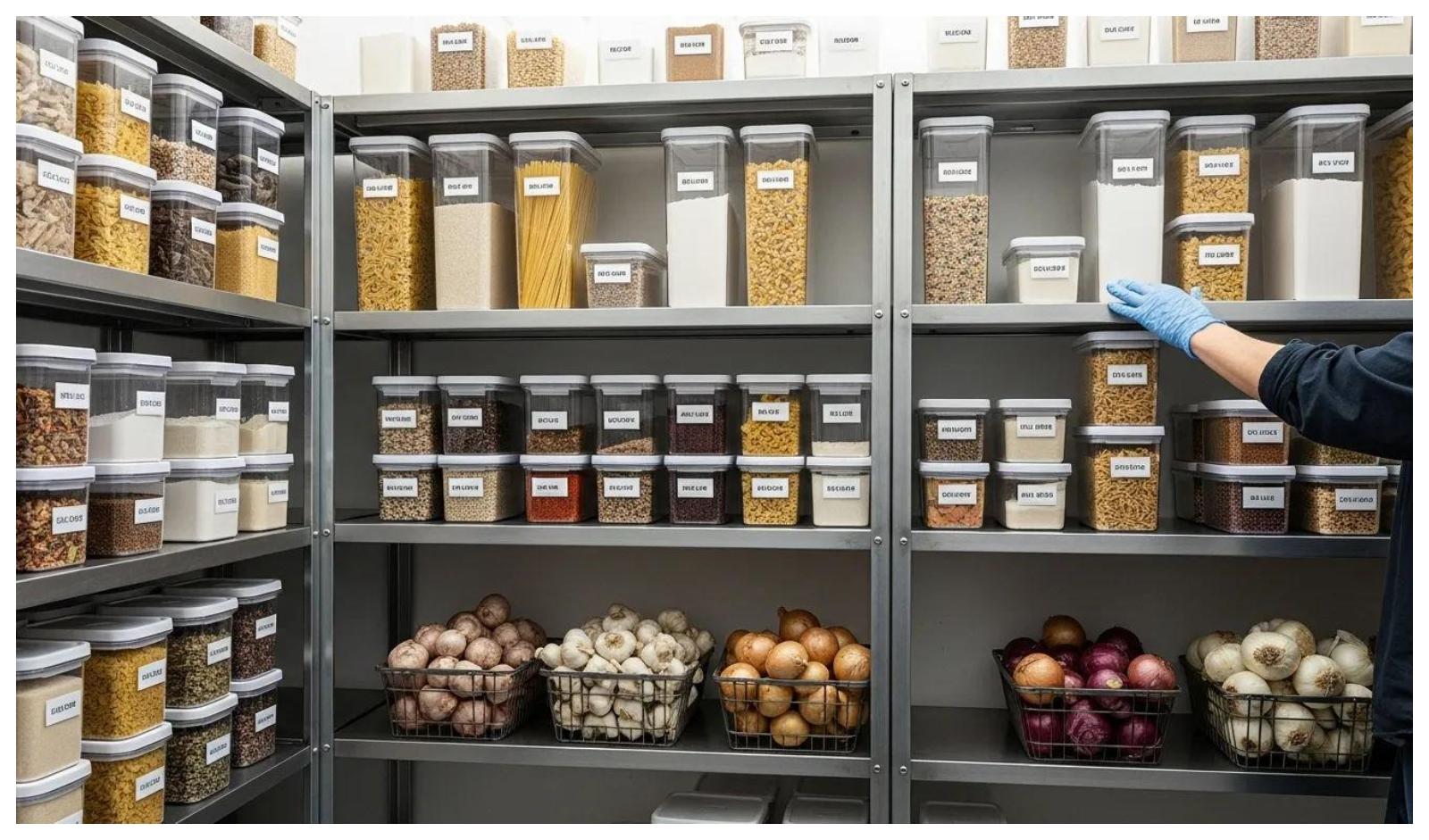
Cost control and food waste reduction depend on effective inventory management. Put in place a "First-In, First-Out" (FIFO) system and monitor stock levels with technology. Establishing solid connections with a trustworthy vendor is essential to a steady supply chain.
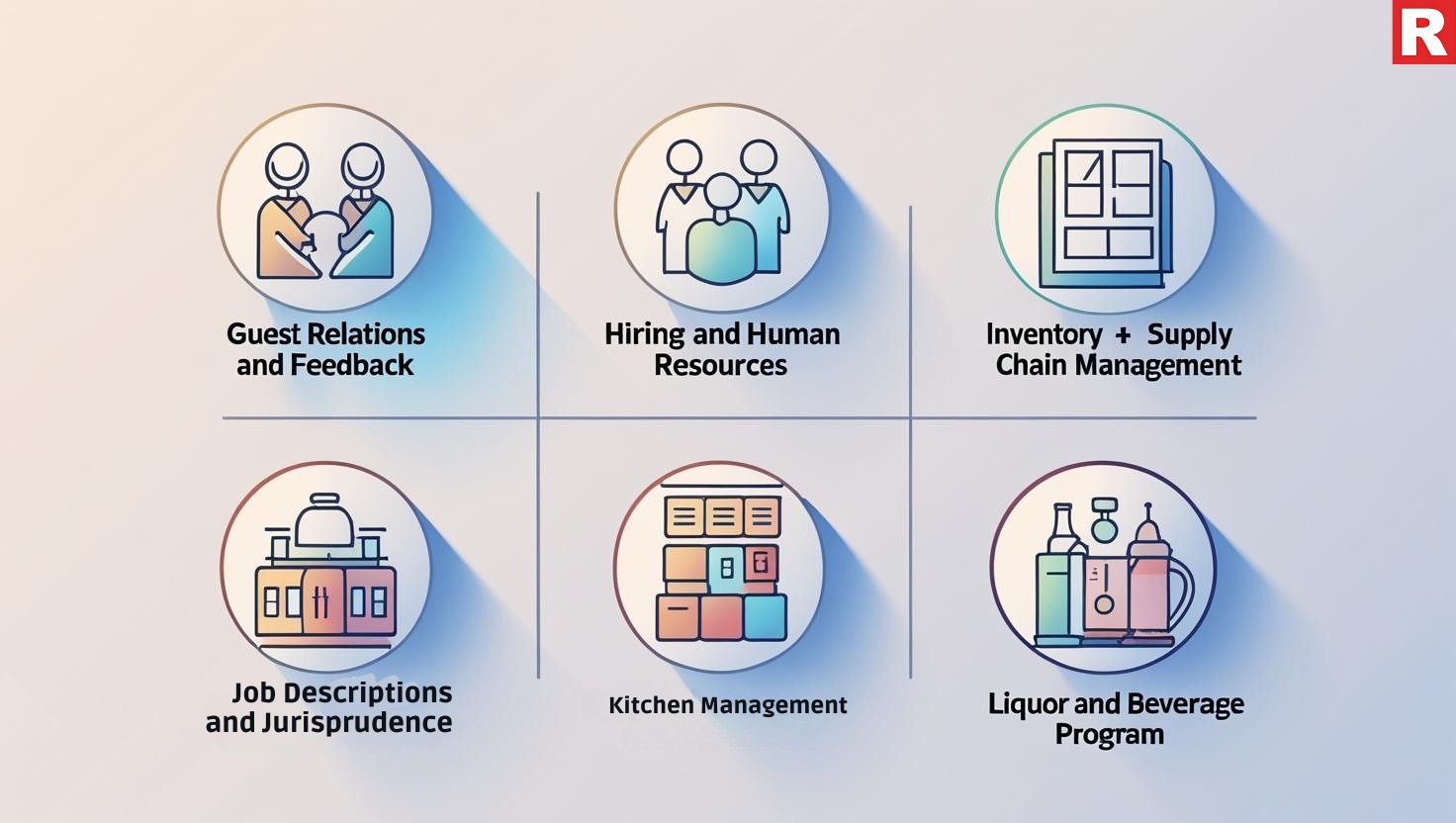
J: Job descriptions and Jurisprudence
Clearly written job descriptions for every role ensure that each employee knows their obligations. Additionally, for legal compliance and moral business practices, a basic awareness of local labor laws and jurisprudence is necessary.
What's new: How to Keep Track of Daily Restaurant Tasks
K: Kitchen Management
The art of managing a kitchen effectively involves striking a balance between efficiency and creativity. It includes scheduling employees, arranging the menu, controlling costs, and making sure that orders flow smoothly during busy times.
L: Liquor and Beverage Program
A well-run liquor and beverage program can be a substantial source of income if you serve alcohol. This covers inventory management, appropriate serving procedures, and a well-chosen variety of drinks that go well with your menu of foods.
M: Marketing and Promotions
To draw in new clients and maintain the interest of current ones, strategic marketing is crucial. Social media marketing, regional ads, email newsletters, and exclusive offers catered to your target market are all included in this.
N: Niche and Concept
What makes your restaurant unique is its concept or specialization. Whether you run a specialty food truck, a casual café, or a fine-dining facility, your menu, atmosphere, and marketing plan are all guided by a distinct idea.
O: Online Ordering and Presence
Having a strong online presence is essential in today's digital environment. This consists of an interconnected online ordering system, a current website, and active social media accounts. Providing delivery and takeout choices can greatly increase your customer base and income.
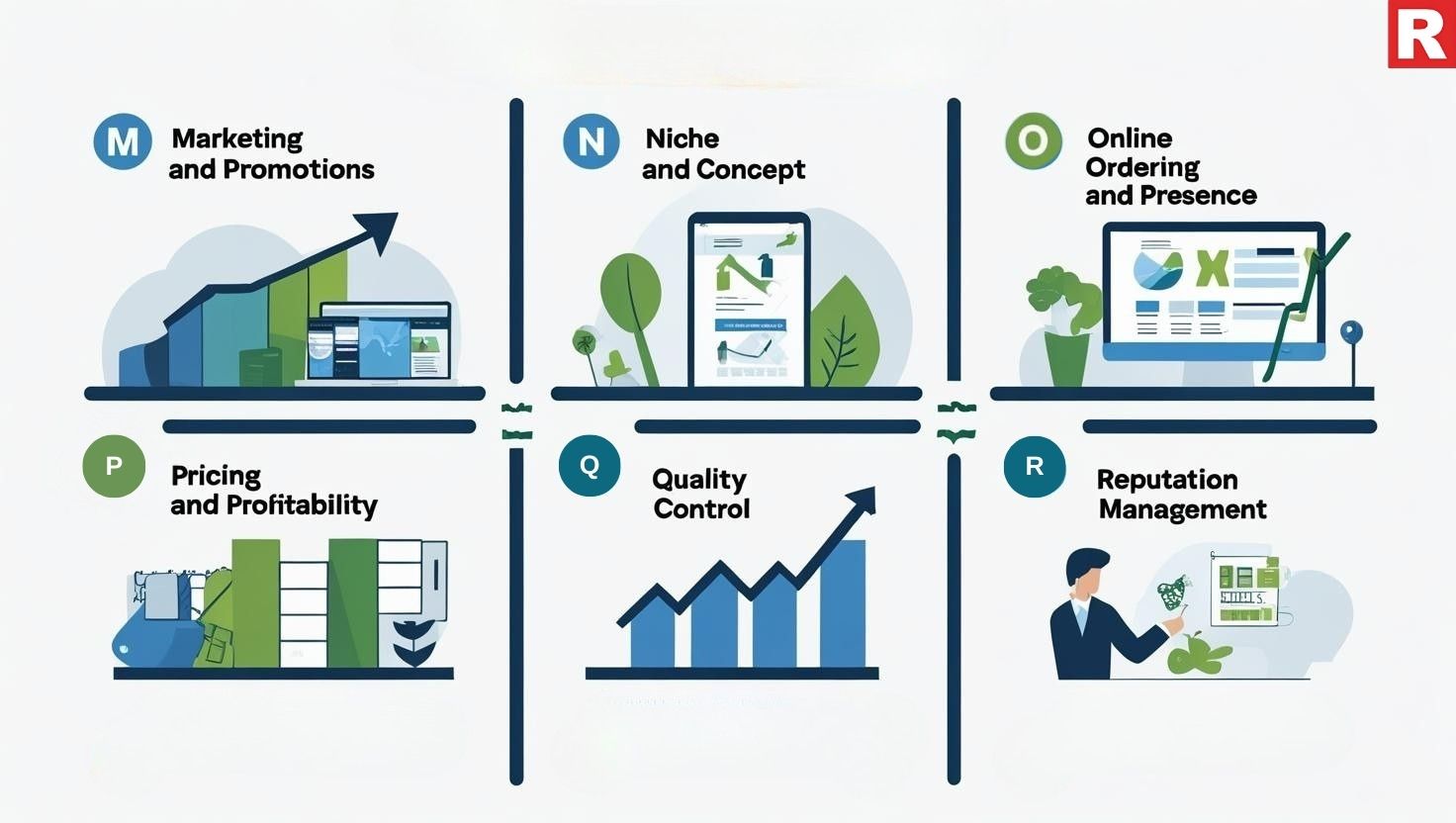
P: Pricing and Profitability
The secret to profitability is strategic pricing. Setting rates that are both competitive and profitable requires careful consideration of labor expenses, food costs, and operating overhead costs. It is important that you regularly analyze your profit and loss statements.
Q: Quality Control
You offer the consumer strict quality control. This holds for all elements of the dining experience, including the consistency of the service and the cleanliness of the plates, in addition to the meal.
R: Reputation Management
Your greatest asset is your reputation. Keep a close eye on social media and online review sites, and reply to all comments in a timely and professional manner. A good reputation can increase brand loyalty and draw in new clients.
S: Scheduling and Staff Training
A team that works well is one that has received proper training. Staff training needs to be a continuous procedure. Effective labor cost management and the proper number of employees on duty to handle consumer traffic are guaranteed by smart scheduling.
T: Trends and Technology
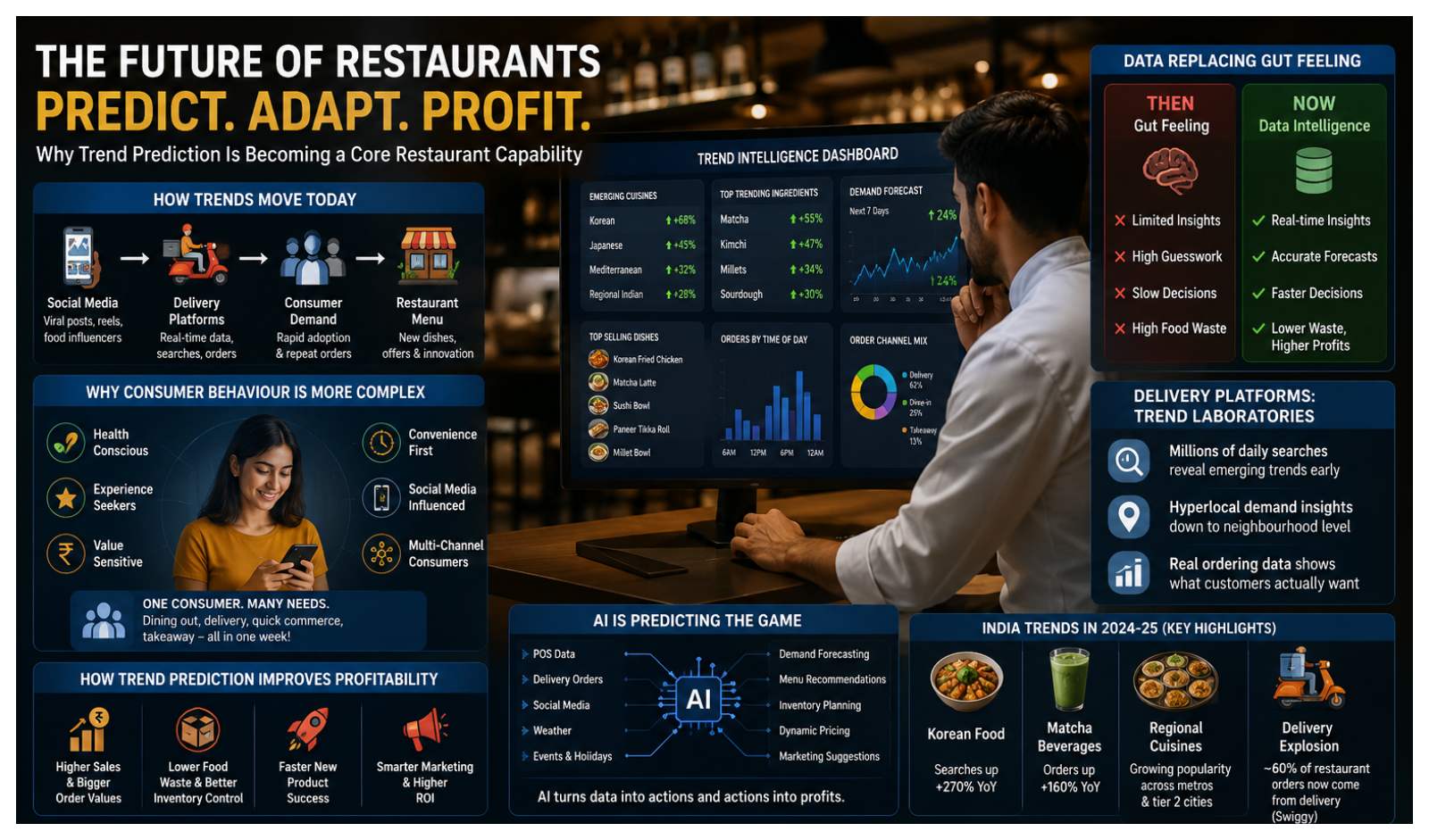
Staying competitive requires keeping updated on industry developments and restaurant technology. This involves installing new point-of-sale (POS) systems, investigating artificial intelligence (AI) for tailored experiences, and adjusting to shifting consumer preferences, such as the need for eco-friendly solutions.
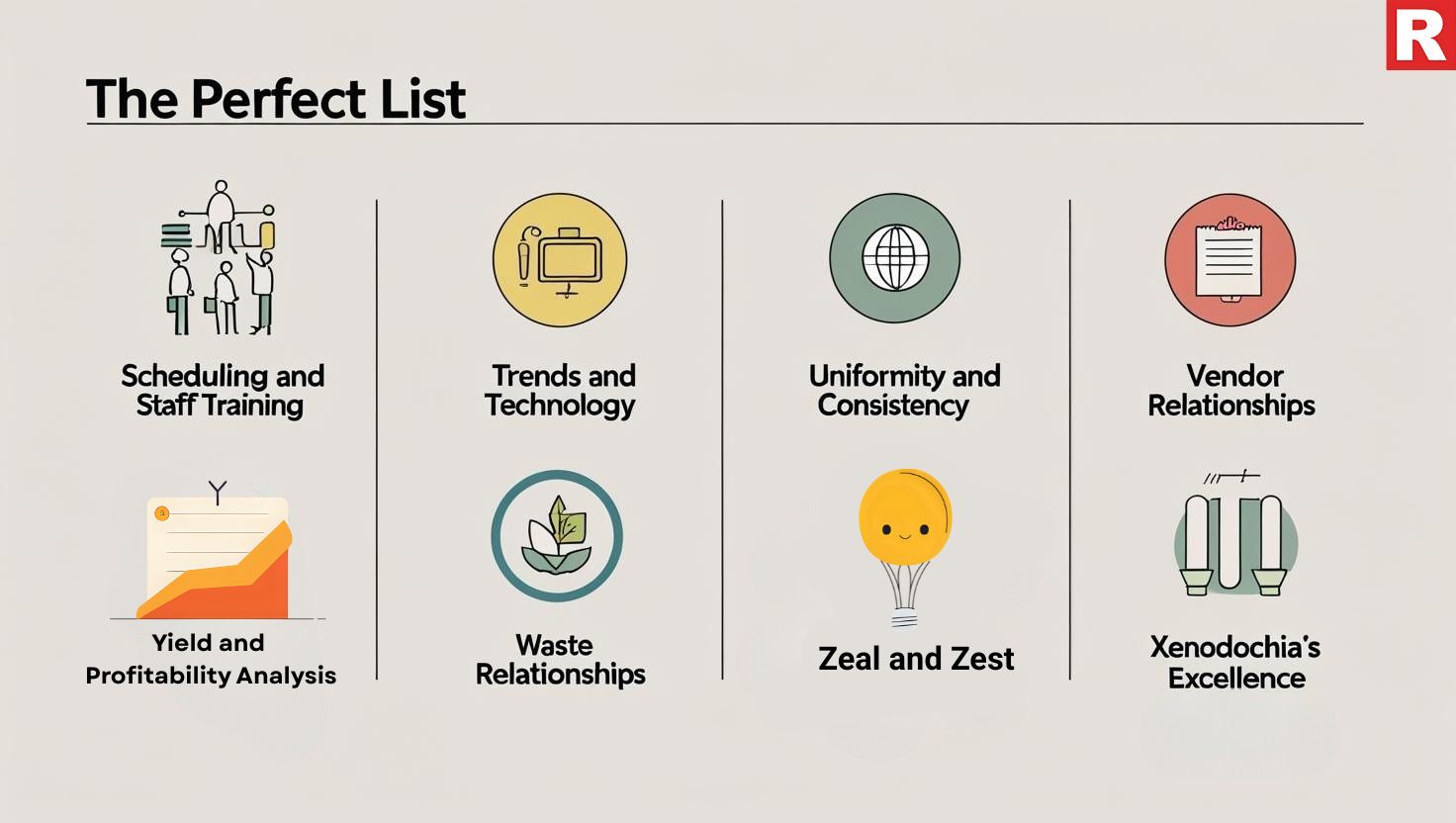
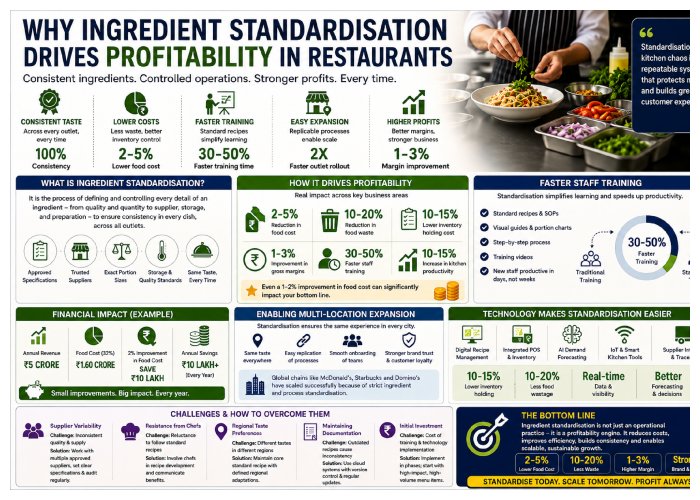
U: Uniformity and Consistency
Building a trustworthy brand requires uniformity and consistency in all processes. Customers expect the same high standards each time they visit your restaurant, whether it's the quality of the service or the taste of the food.
V: Vendor Relationships
A reliable supply chain is built on solid vendor relationships. Consider your suppliers as partners since they may offer you better prices, insightful information, and a steady supply of premium ingredients.
W: Waste Management
Effective waste management is a financial decision in addition to an ethical one. Use techniques to cut down on food waste, like composting, a FIFO system, and clever menu planning, to save money and lessen your impact on the environment.
X: Xenodochia's Excellence (Hospitality)
Xenodochia, which translates to "friendly to strangers," is an ideal way to characterize the hospitality sector. The foundation of your business is your dedication to providing this level of service, that is, making each visitor feel appreciated and welcomed.
Check out: A Beginner’s Guide to Pairing Food with Whisky
Understanding Joint Ownership in the Restaurant Industry
Y: Yield and Profitability Analysis
It's critical to regularly assess your profitability per dish and yield (the amount of food product that may be used). Your menu strategy will be guided by this data-driven approach, which assists you in determining which of your menu items are the most and least profitable.
Z: Zeal and Zest
Lastly, the restaurant depends on your enthusiasm and zeal. The success of a restaurant in India or anywhere else in the world will ultimately depend on your love of cuisine, your commitment to providing excellent service, and your steadfast devotion to your staff and customers.
Advantages of Using This List
- Holistic Overview: The list offers a thorough, A-to-Z look at each aspect of restaurant administration, making sure that no crucial duty or functional area is missed.
- Structured Framework: It helps you transition your business from a reactive to a proactive state by providing a well-defined, well-organized framework for daily, weekly, and long-term responsibilities.
- Enhanced Efficiency: The guide assists you in identifying and putting into practice techniques that simplify operations and eliminate bottlenecks by addressing everything from kitchen workflow to technology adoption.
- Better Consistency: The checklist structure encourages uniformity among all team members and shifts, resulting in a consistently dependable and excellent client experience.
- Enhanced Profitability: The guide offers the resources to optimize revenue and profitability by emphasizing cost control, financial management, and strategic pricing.
- Improved Team Management: It emphasizes how crucial it is to hire, train, and communicate well in order to create a motivated and productive team.
- Reduced Risk: The guide assists you in reducing operational risks and protecting the reputation of your restaurant by going over legal requirements, food safety, and waste management.
- Competitive Advantage: In a congested market, focusing on unique aspects like ambiance, specific themes, and web presence helps you set your restaurant apart.
- Long-Term Planning: It prepares your company for long-term success by encouraging you to think beyond your everyday responsibilities. It includes sections on business planning, vendor partnerships, and exit options.
Read this: Your Guide to Influencer Marketing in Restaurants
A Recipe for Long-Term Success
From A to Z, navigating the complicated details of restaurant management requires constant learning and adjustment. Although this article offers an effective framework, the real secret to success is applying these ideas consistently. You can create a robust and successful restaurant by grasping the principles of atmosphere, budgeting, and customer service, as well as by adopting technology and a data-driven strategy. A restaurant that succeeds at every operational touchpoint stands out in a thriving culinary culture, not only for its food but also for its flawless and remarkable experience. The secret is to view every task, no matter how minor, as an essential part of the vision of your business's name. One flawlessly carried out operation at a time, you can transform a passion into a legacy with unwavering dedication, a commitment to your team, and an unrelenting focus on the consumer.
Mahak Sharma
Content Writer
Mahak Sharma is a passionate content writer with 2 years of experience crafting compelling content across various niches, tailoring her writing to suit different audiences and platforms. She is dedicated to producing engaging content for readers so that they can understand and enjoy the articles. Her strengths lie in crafting SEO-friendly, well-structured articles that drive visibility and engagement.