A Guide to Keeping Your Restaurant Kitchen Bug-Free
A clean and bug-free kitchen is not only a question of hygiene in the dynamic and cutthroat Indian restaurant business; it is an essential component of your brand, a sense of security for your customers, and a key to long-term success. With its high temperatures and humidity, the nation's distinct tropical and subtropical environment makes it the perfect place for a wide variety of pests to breed.

A clean and bug-free kitchen is not only a question of hygiene in the dynamic and cutthroat Indian restaurant business; it is an essential component of your brand, a sense of security for your customers, and a key to long-term success. With its high temperatures and humidity, the nation's distinct tropical and subtropical environment makes it the perfect place for a wide variety of pests to breed. A single sighting of an unwanted visitor, such as a flying insect or a crawling cockroach, can quickly turn off customers, result in health code violations, and permanently harm a restaurant's reputation.
This article will give restaurateurs all over India the know-how and preventive strategies they need to set up and keep a restaurant kitchen that is completely bug-free. In order to safeguard your restaurant space and guarantee a secure, hygienic environment for your staff and your esteemed customers, we will explore the pests and diseases and describe efficient prevention and removal methods.
Read more: Delhi High Court Questions Legality of Restaurant Service Charges in India
Knowing Your Enemy: Common Pests Found in Kitchens
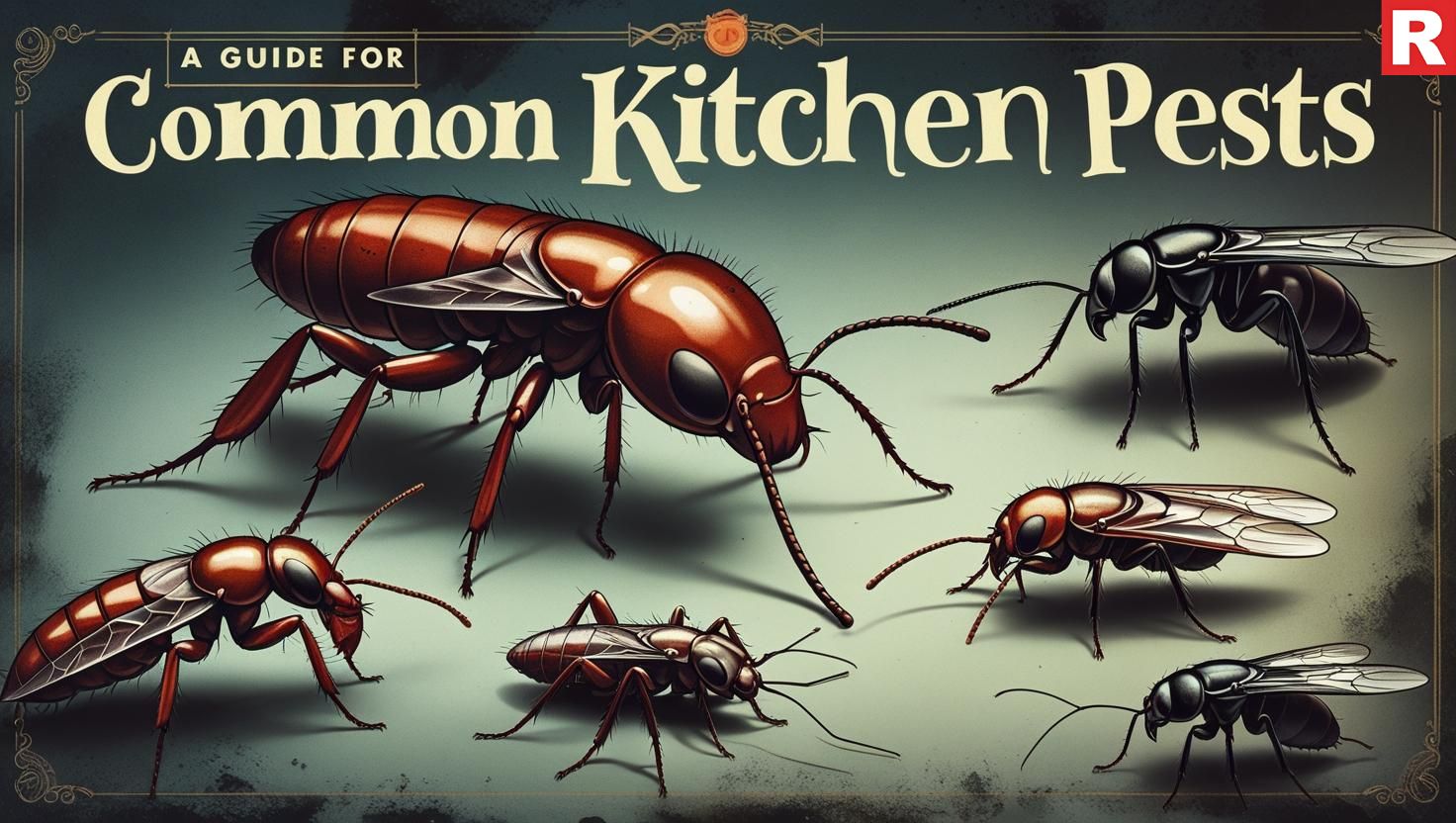
In addition to common pests, Indian restaurateurs need to be on the lookout for certain species and the health hazards they pose.
- Cockroaches: A typical sight in Indian kitchens, the German Cockroach (Blattella germanica) is a small but powerful breeder of cockroaches. Additionally, common is the common American Cockroach (Periplaneta americana). These pests transport and disperse a variety of diseases that cause typhoid fever and diarrhea, including Salmonella and E. coli. They thrive in the warmth and humidity and are drawn to food scraps and wetness.
- Flies: The fruit fly (Drosophila melanogaster) and house fly (Musca domestica) are common flies. Food poisoning-causing microorganisms are spread by flies landing on decomposing materials and later on your food. Their numbers increase during the monsoon, posing a serious risk to human health.
- Ants: The Pharaoh Ant (Monomorium pharaonis), which is renowned for its small size and capacity to contaminate food and infest food packaging, is one of the many ant species found in India. They can be famously hard to get rid of and are attracted to oily and sweet foods.
- Rodents: In Indian cities, the House Mouse (Mus musculus) and the Roof Rat (Rattus rattus) are common. They can chew through building materials, food packaging, and electrical lines. Their urine and droppings contaminate food and surfaces, increasing the danger of hantavirus and leptospirosis.
- Stored Product Pests: These insects, which include the Indianmeal Moth (Plodia interpunctella) and the Rice Weevil (Sitophilus oryzae), flourish in dry items that are kept in storage, such as flour, rice, and spices. They pose a continual risk to your pantry and, if not detected in time, can destroy a lot of stock.
- Viruses and bacteria: There are other dangers than pests. Warm, humid temperatures are perfect for an increase in microscopic diseases, which is a persistent worry. Serious infections caused by food can be brought on by bacteria such as Salmonella, Staphylococcus aureus, and Listeria. These infections are frequently transmitted by pests, poor personal hygiene, and cross-contamination.
Prevention is Key: Your First Line of Protection
Prevention is the best approach to pest management. You can keep your kitchen safe and reduce the need for chemical intervention by creating a fortress against pests.
- Seal Off All Entry Points: Examine your kitchen thoroughly. Use sealant or other long-lasting materials to seal any gaps or cracks in pipes, walls, and flooring. Make sure the screens on all windows and doors are kept up to date, and install door sweeps.
- Strict Waste Management: The primary reason is food waste. Make sure to use trash cans with lids that fit tightly. Empty garbage cans often, particularly at the end of each shift. All trash cans should be routinely cleaned and sanitized. Keep trash cans out of the building's way and don't leave them there overnight.
- Weekly and Daily Cleaning Routines: Pests cannot find nourishment in a kitchen that is kept clean. Establish a strict cleaning routine:
- Every day: Mop and sweep floors, clean under and behind equipment, and wash down all countertops.
- Weekly or biweekly: Completely clean difficult-to-reach places, such as inside grease traps, behind ovens, and refrigerators.
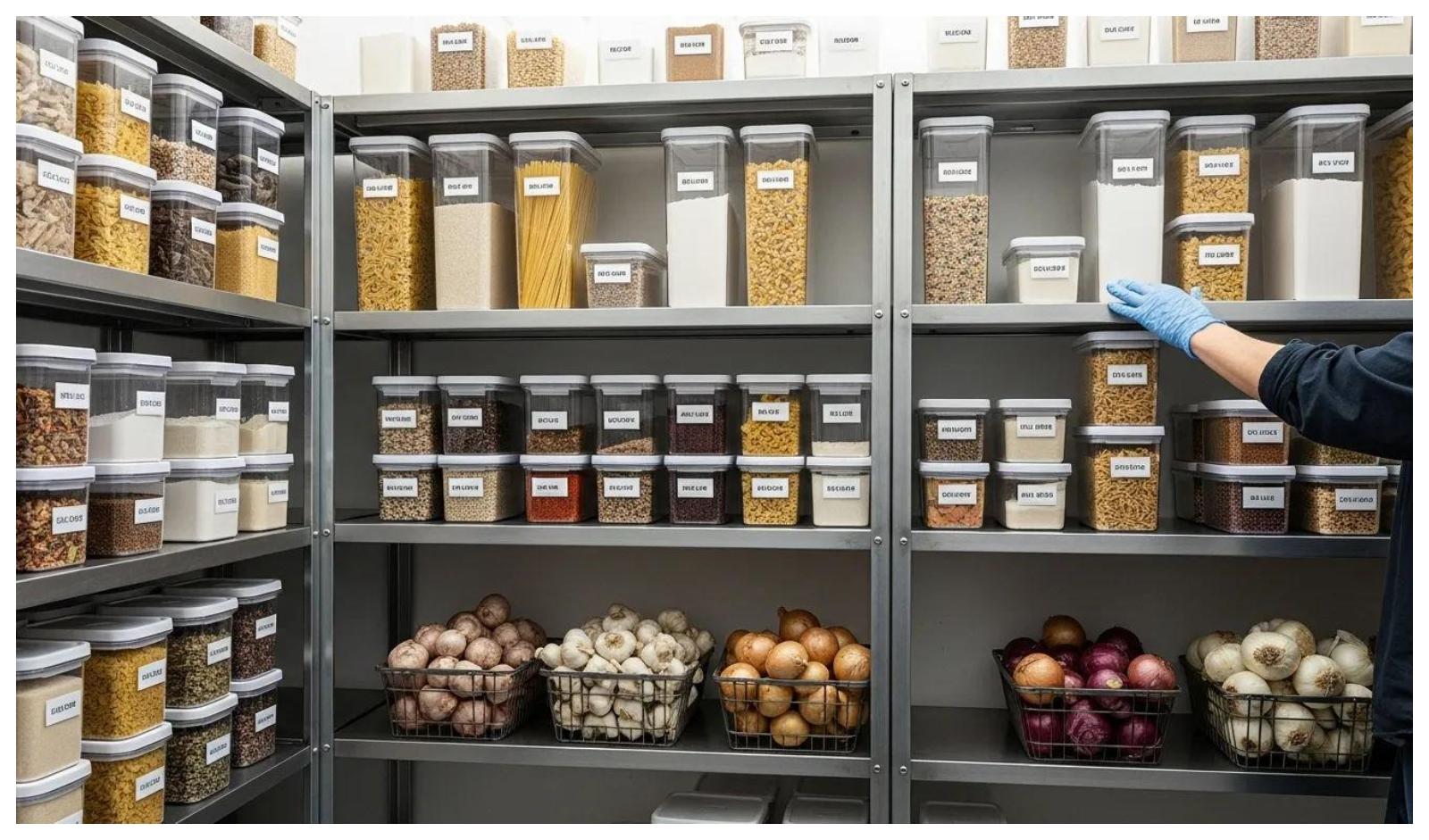
- How to Store Food Properly:
- All grains, spices, and dry items should be kept in sturdy, airtight containers.
- To avoid spoiling, use the "First-In, First-Out" (FIFO) procedure for every ingredient.
- All food should be stored on shelves or pallets at least six inches off the ground.
- Spills in storage rooms should be cleaned up right away.
Know more: The Top Most Famous Dishes of the World by Country
Effective Elimination Techniques
Occasionally, pests may enter your kitchen despite your best attempts to keep them out. To get rid of them before they become a serious infestation, quick and efficient intervention is essential.
1. Non-Chemical procedures: Give non-chemical procedures priority whenever you can, particularly in places where food is prepared:
- Traps: Cockroaches, ants, and rodents can be successfully captured using sticky traps, pheromone traps, and bait stations.
- Baits: You can use non-toxic baits for cockroaches and ants.
- Physical Removal: Ants, cockroaches, and their eggs can be eliminated with the use of a vacuum.
- Steam Cleaning: Insects and their eggs in cracks and crevices can be destroyed by high-pressure steam.
2. Chemical Methods (Use with Caution): Chemical treatments may be required when non-chemical methods prove inadequate. However, in a professional kitchen, these should be used rarely and strictly in accordance with safety regulations:
- Residual Sprays: When pests come into contact with the residue left by these insecticides, they may die. Apply carefully to crevices, cracks, and other hiding places for pests. Make sure that every surface used for food preparation is covered while in use and is cleaned completely afterwards.
- Chemical Baits: For cockroaches and ants, chemical baits are frequently more precise and efficient than sprays.
- Foggers/Bombs: While these are easily accessible, they may not be as effective since the insecticide may not reach pests that are lurking in gaps and crevices. Use it very carefully, make sure there is enough ventilation after usage, and wipe any surfaces that come into contact with food.
- Dusts: Vents and other hard-to-reach places where pests congregate can be treated with insecticidal dusts.
Crucial Points to Remember When Using Chemicals:
- Use goods that are properly labeled for use in commercial kitchens at all times.
- Carefully read and adhere to all label instructions.
- Pesticides should never be sprayed directly on surfaces used for food preparation.
- Before using any chemicals, cover or remove all food, utensils, and equipment.
- Make sure there is enough airflow both during and after application.
- Wash all treated surfaces thoroughly with soap and water after the prescribed waiting period.
- For chemical applications, especially for extensive infestations, think about working with a professional pest control company.
What's new: A to Z List of Restaurant Operations
Staff Training
The first line of defense against pests is your staff. Proper training in early detection and elimination of pests is crucial.
- Hygiene Procedures: Educate employees on the value of keeping things tidy, handling food correctly, and wiping up spills right away.
- Waste Disposal Procedures: Make certain that everyone is aware of and works with the appropriate waste management guidelines.
- Early Detection: Train employees to recognize common pests and the clear symptoms of infestation, such as droppings and sightings.
- Reporting Procedures: Provide a clear procedure that allows staff to notify management right away of any pest observations or issues.
- Personal Hygiene: Stress the value of maintaining good personal hygiene, including washing your hands, to stop the spread of pollutants.
The Importance of Professional Pest Control
Many restaurants find that working with a respectable, expert pest control service is a smart financial decision. These professionals possess the skills, resources, and background necessary to:
- To find possible entrance points and pest issues, and conduct comprehensive inspections.
- Create specialized treatment programs based on your unique requirements and the kinds of pests that are present.
- Employ pest control techniques that are safe and efficient for commercial kitchens.
- Continue to monitor and offer preventative services.
- Provide guidance and suggestions regarding the best ways to prevent pests.
- Keep track of treatment records and make sure rules are followed.
It's critical to pick a pest control business that follows integrated pest management (IPM) guidelines and is aware of the unique requirements of the food service sector. IPM prioritizes long-term prevention and only employs targeted, essential chemical treatments.
Check out: Understanding Joint Ownership in the Restaurant Industry
A Beginner’s Guide to Pairing Food with Whisky
Regular Monitoring and Follow-Up
Keeping your kitchen bug-free requires constant work. Establish a process for routine observation and follow-up:
- Regular Inspections: Keep an eye out for any indications of pest activity in the kitchen and storage rooms by doing your own routine inspections.
- Examine cleaning logs: Check every once in a while to make sure that regular cleaning schedules are being adhered to.
- Keep an eye on traps: If you're employing traps, make sure to check them frequently and replace them as necessary.
- Deal with Problems Quickly: Take prompt action to get rid of any pests you see.
- Talk to Your Pest Control Provider: If you have a contract with a pest control company, keep in touch with them frequently and arrange for follow-up appointments as required.
Read this: How to Keep Track of Daily Restaurant Tasks
Conclusion
Keeping your restaurant kitchen bug-free is a sign of your dedication to food safety, customer welfare, and brand integrity. You can create a clean, safe, and welcoming atmosphere for your team and consumers by putting in place an effective preventative strategy, learning about common pests, using efficient elimination procedures, training your personnel, and taking professional pest control's knowledge into consideration. This commitment to pest management is not only about preventing issues; it's also about establishing an excellent track record and guaranteeing the continued success of your restaurant business.
Mahak Sharma
Content Writer
Mahak Sharma is a passionate content writer with 2 years of experience crafting compelling content across various niches, tailoring her writing to suit different audiences and platforms. She is dedicated to producing engaging content for readers so that they can understand and enjoy the articles. Her strengths lie in crafting SEO-friendly, well-structured articles that drive visibility and engagement.