8 Reasons Raw Honey Is Becoming a Premium Food Ingredient
Its long-term value, however, will depend on authentic sourcing, scientific quality testing and the ability to deliver consistent flavour and quality.

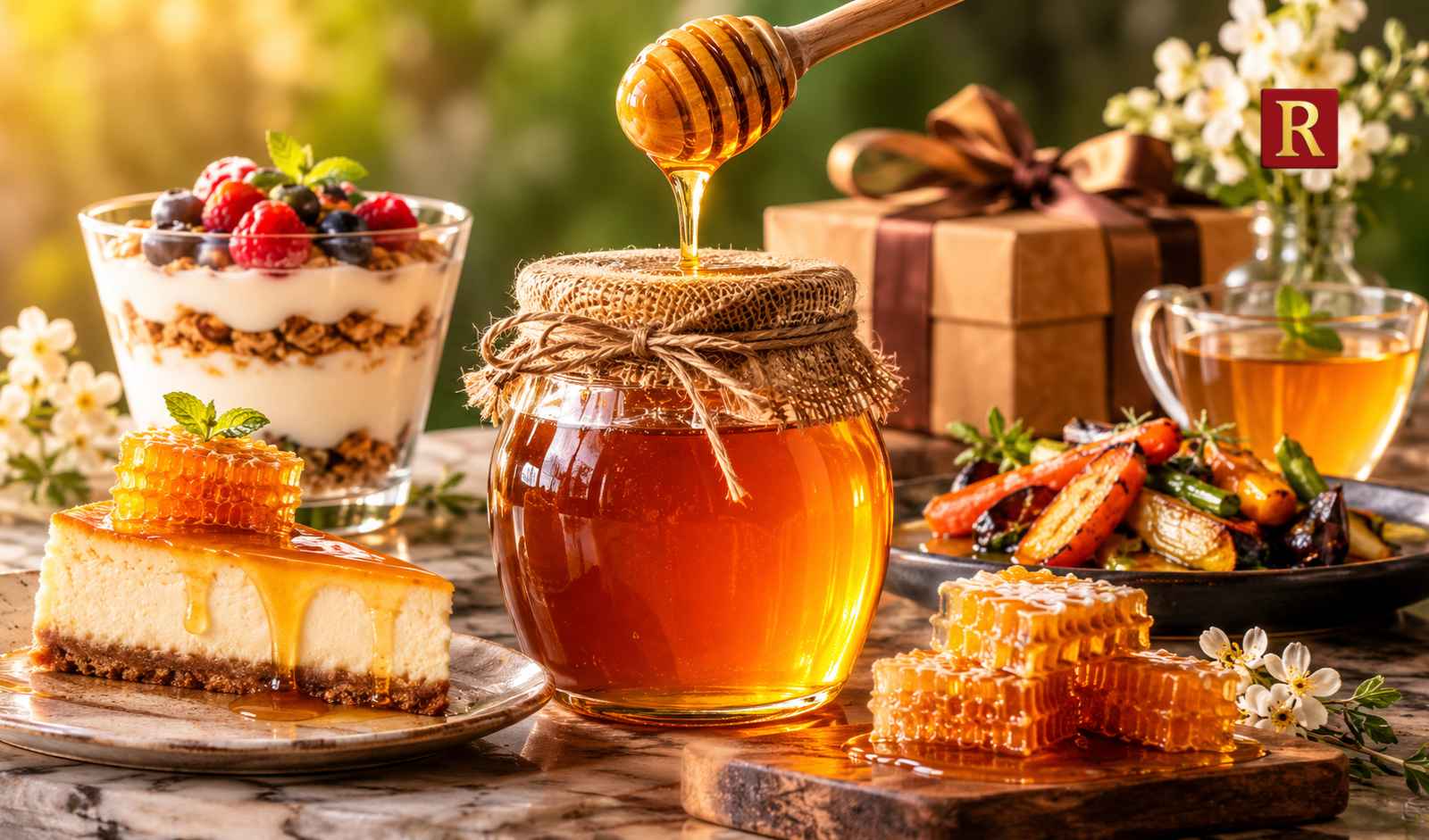
Honey has been part of Indian kitchens for generations, but its role in the food industry is changing. It is no longer limited to breakfast spreads, home remedies or everyday sweetening. Raw honey is finding space in premium desserts, speciality beverages, artisanal bakery products, gourmet sauces and luxury food hampers.
The growing interest in ingredient transparency, regional sourcing and distinctive flavours is creating new opportunities for honey producers and food brands. Consumers are also beginning to explore different honey varieties based on their floral origins, textures, aromas and production methods. For food businesses, this shift presents an opportunity to position honey as more than an alternative to refined sugar. Its botanical identity, processing methods and traceability can help create differentiated products. Here are eight reasons raw honey is becoming a premium food ingredient.
1. Floral Origins Are Giving Honey a Speciality Identity
Not all honey tastes the same. Its flavour, colour, aroma and texture can change depending on the flowers from which bees collect nectar. This variation is helping honey develop an identity similar to speciality coffee and single-origin chocolate. Instead of selling honey as one standard product, brands can introduce varieties based on their floral sources.
Some popular Indian varieties include:
Mustard honey: Offers a distinctive floral sweetness and is commonly associated with mustard-growing regions.
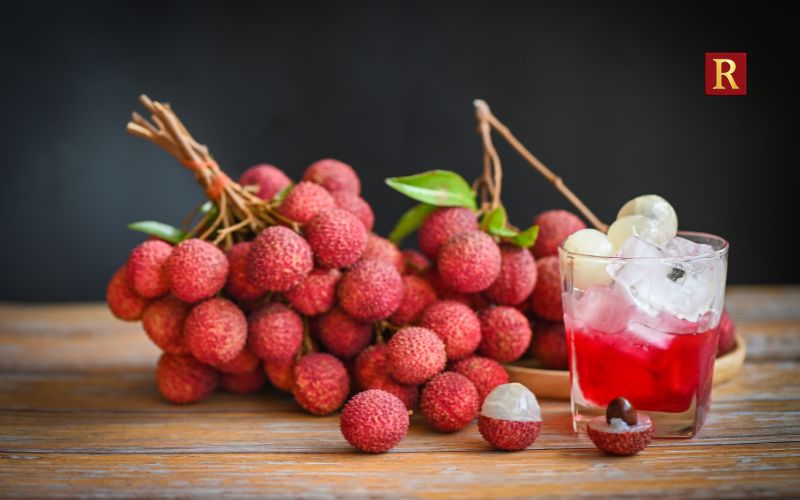
Litchi honey: Known for its delicate flavour and lighter character.
Jamun honey: Often has a deeper colour and distinctive flavour profile.
Eucalyptus honey: Offers a recognisable aromatic character.
Acacia honey: Generally valued for its mild flavour and slower crystallisation.
Premium consumers increasingly look for products with identifiable origins and distinctive characteristics. Floral sourcing gives honey producers an opportunity to communicate where their products come from and what makes each variety different. For example, a brand can introduce a collection of three regional honey varieties rather than offering one standard jar. This creates opportunities for speciality retail, tasting collections and premium food gifting.
2. Minimal Processing Is Creating a Premium Quality Story
Processing methods are becoming an important part of the honey business. Raw honey is generally marketed as honey that has undergone minimal processing, usually involving extraction, settling and coarse straining. Unlike more extensively processed honey, it may retain more naturally occurring pollen and its original sensory characteristics. Heating and fine filtration can influence certain characteristics of honey, including enzyme activity, aroma and pollen content.
What makes minimal processing attractive?
Flavour retention: Limited heating can help preserve delicate floral aromas.
Natural texture: Honey may retain its tendency to crystallise.
Processing transparency: Brands can communicate how honey is extracted and handled.
Product differentiation: Minimal processing can become part of a premium brand identity.
Consumers are paying greater attention to ingredient labels and manufacturing methods. This gives producers an opportunity to explain their processing practices instead of relying only on claims such as natural or pure. However, raw honey is not automatically authentic or safe. Proper handling, laboratory testing and quality control remain essential.
3. Chefs Are Taking Honey Beyond Sweet Dishes
Honey is traditionally associated with desserts, breakfast spreads and beverages. However, premium restaurants are finding opportunities to use it in savoury preparations. Its sweetness, aroma and viscosity make it useful in balancing different flavours.
Where can chefs use raw honey?
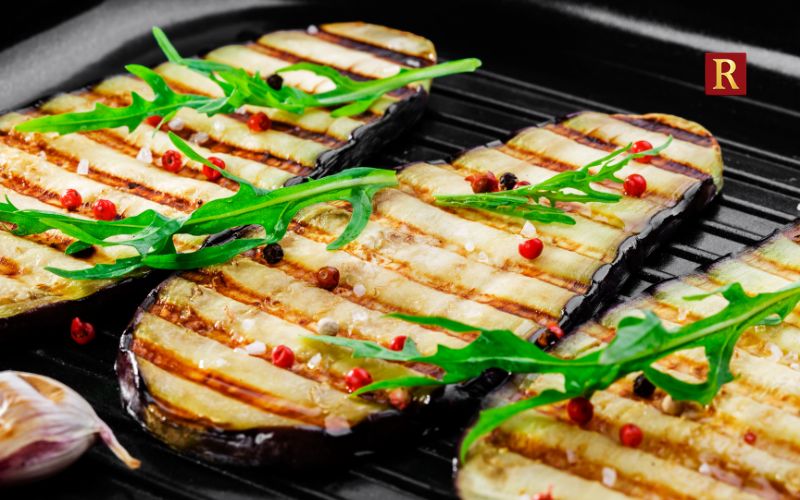
Roasted vegetables: Honey-based glazes can add sweetness and surface caramelisation.
Salad dressings: Honey can balance mustard, vinegar and citrus.
Grilled food: Honey-based marinades can create flavourful coatings.
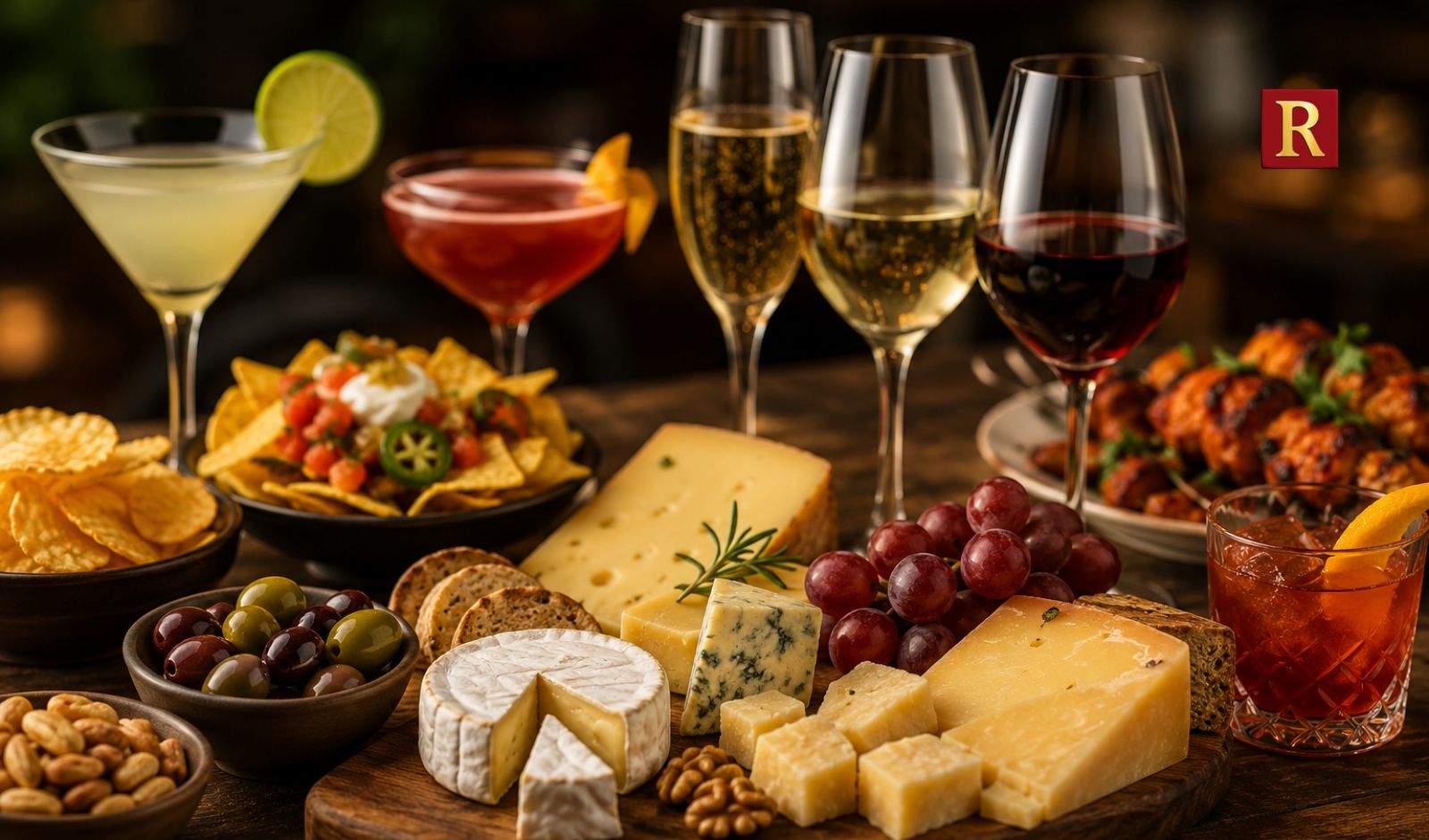
Cheese pairings: Floral honey can complement aged cheese and nuts.
Savoury sauces: Chilli-honey combinations can introduce sweet and spicy flavours.
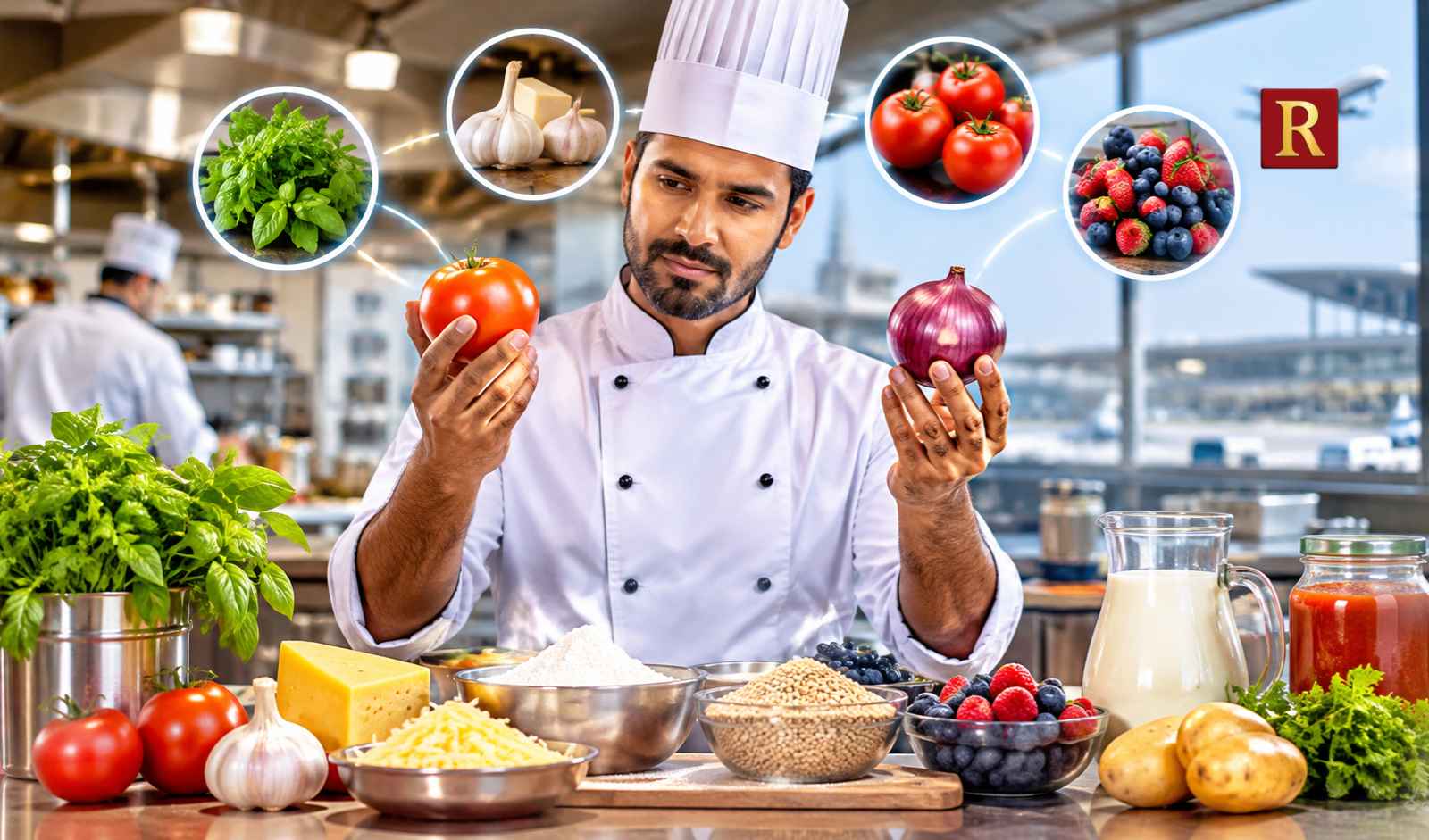
Restaurants can use specific honey varieties to develop signature sauces, dressings and finishing ingredients. For instance, a restaurant could pair a floral honey with a cheese platter or use a stronger honey variety in a chilli glaze. This creates a stronger culinary identity while giving chefs another ingredient to experiment with.
4. Premium Breakfast Products Are Creating New Demand
Breakfast is becoming an interesting category for premium honey applications. Granola, yoghurt bowls, artisanal bread, nut butters and breakfast spreads are creating opportunities for brands to introduce honey as a value-added ingredient. Rather than selling honey separately, manufacturers can incorporate it into ready-to-eat food products.
How is honey entering breakfast products?
Granola: Honey can act as a sweetener and help bind ingredients into clusters.
Nut butters: Honey can add sweetness and create new flavour combinations.
Greek yoghurt: Honey works as a topping alongside fruits, seeds and nuts.
Breakfast bars: It can contribute sweetness and binding properties.
Artisanal bread: Honey can add flavour to selected bakery formulations.
Breakfast products often compete through convenience, ingredient quality and flavour combinations. A granola brand using a distinctive floral honey can communicate a more specific product story than one using generic sweeteners. This also allows manufacturers to experiment with regional ingredients and limited-edition breakfast collections.
5. Speciality Beverages Are Turning Honey Into a Flavour Ingredient
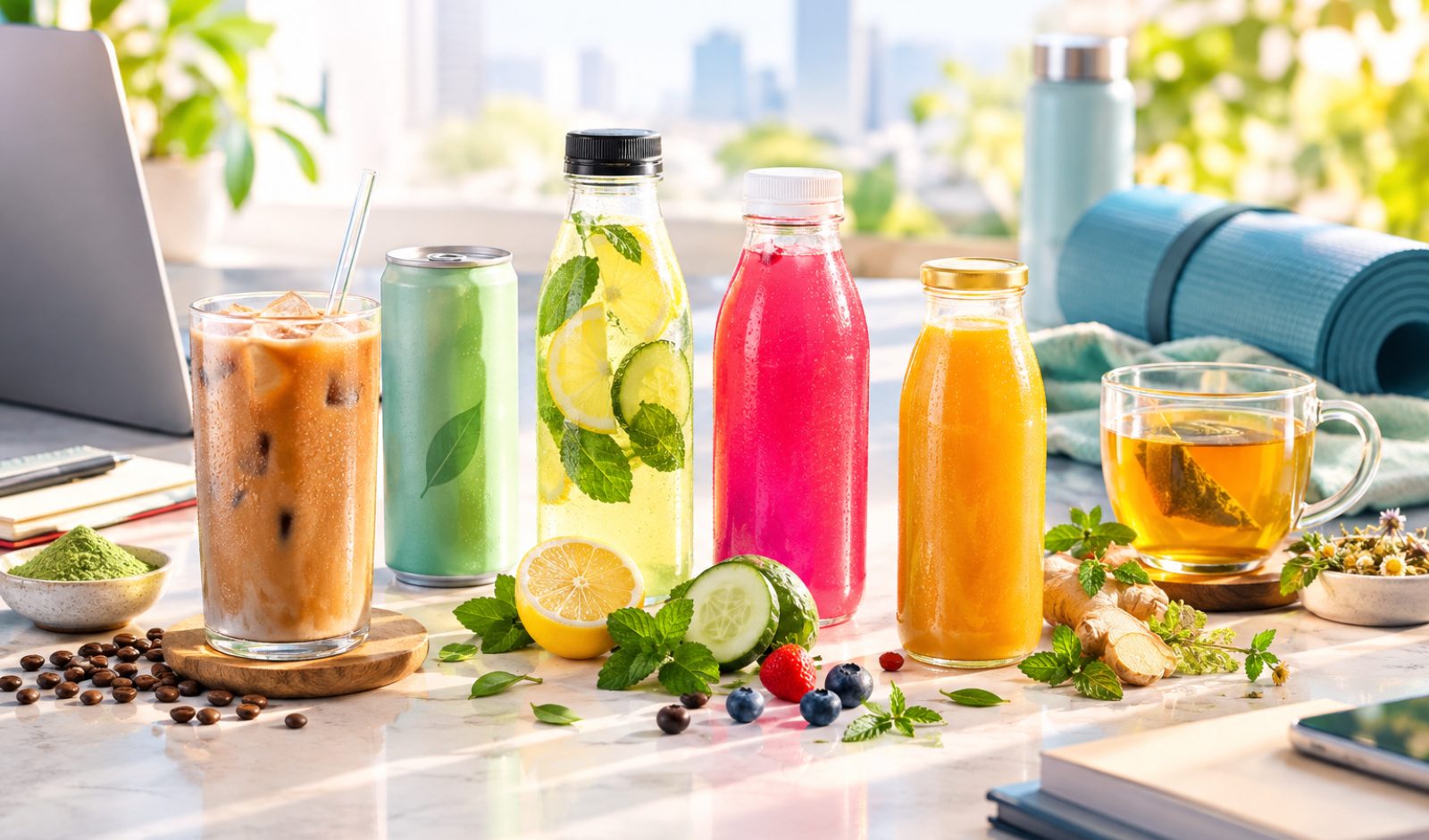
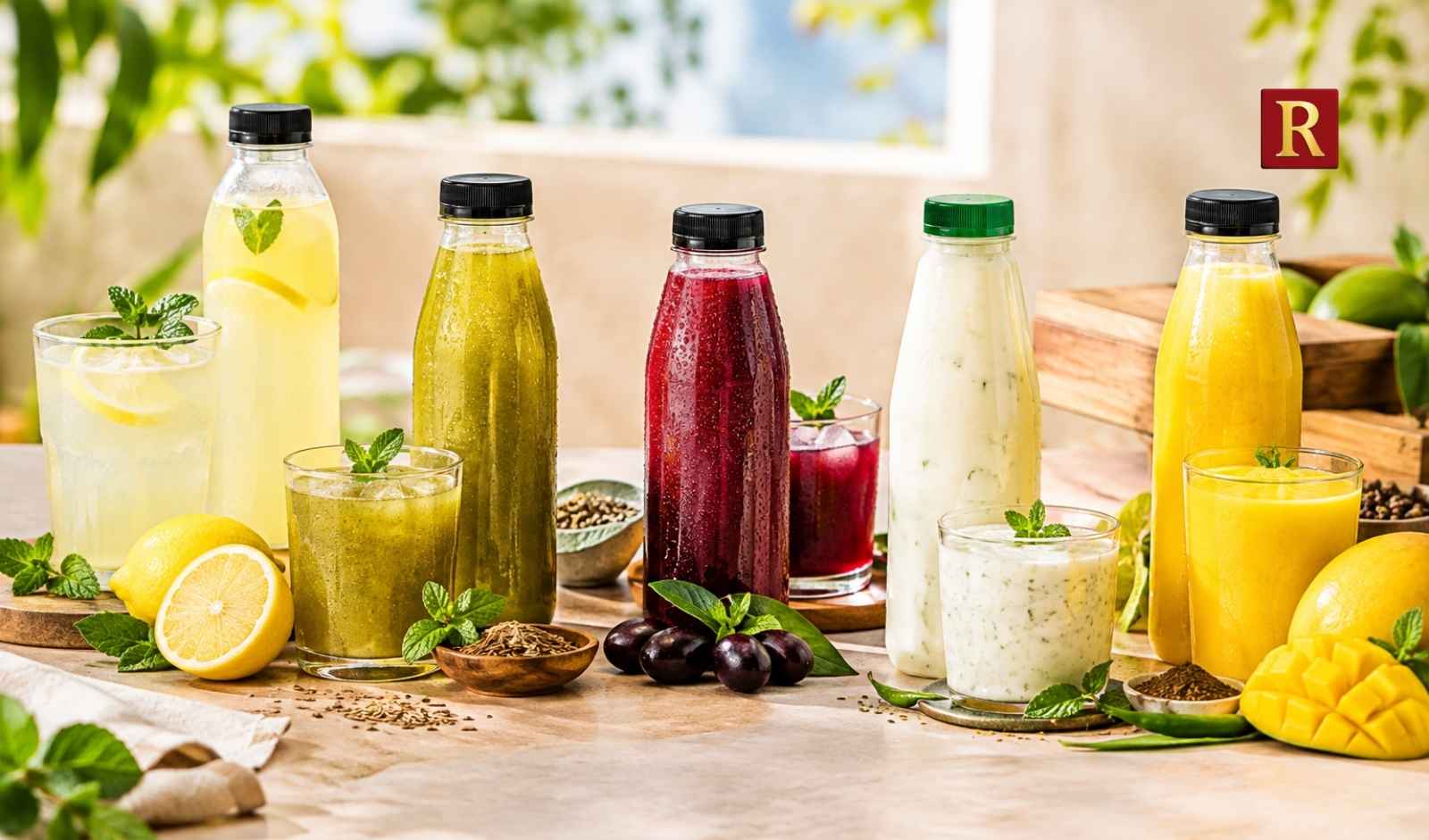
The beverage industry is creating another opportunity for premium honey. Coffee, botanical drinks, speciality teas and non-alcoholic cocktails are increasingly exploring different sweetening ingredients. Honey can contribute more than sweetness because its floral characteristics can influence the overall flavour of a beverage.
Where is honey finding applications?
Cold coffee: Honey can provide a different sweetness profile compared with regular sugar.
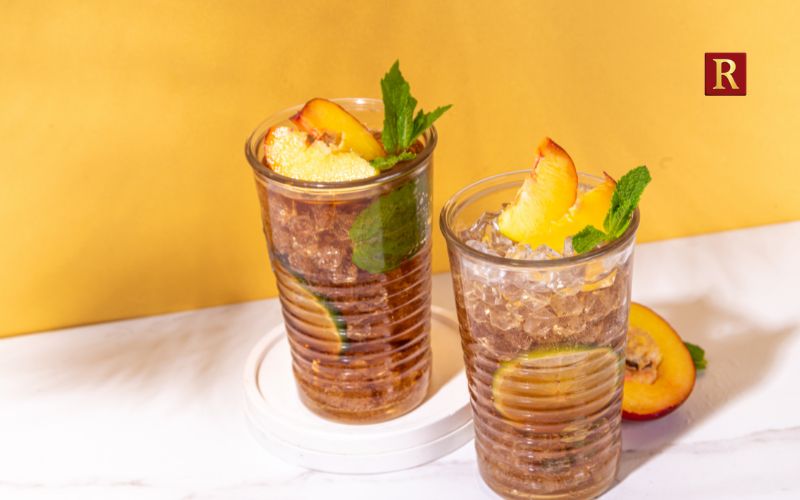
Botanical iced tea: It can complement ingredients such as mint, ginger and citrus.
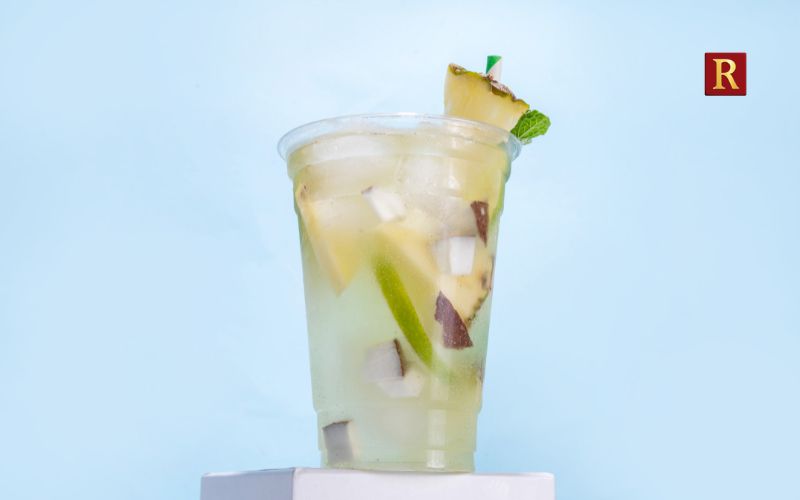
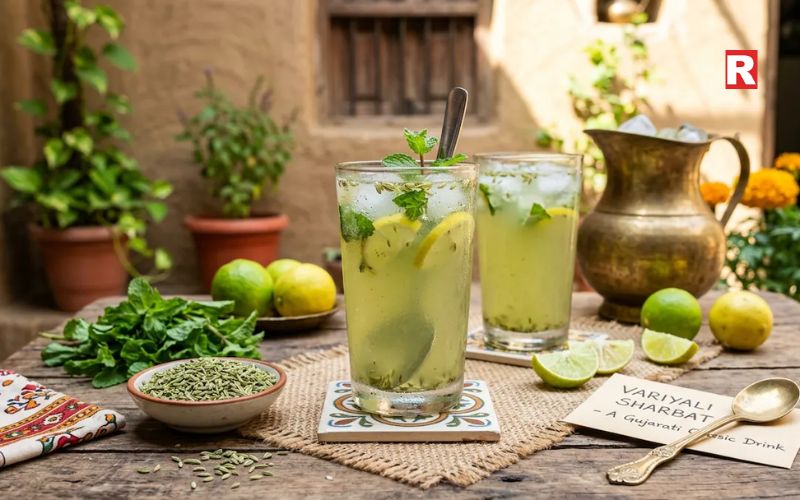
Craft lemonade: Honey can balance the acidity of lemon.
Non-alcoholic cocktails: Floral honey can work with herbs, spices and fruit.
Fermented beverages: Honey can serve as a fermentable sugar source in certain beverage formulations.
Honey contains different proportions of fructose and glucose. These sugars influence sweetness perception, viscosity and crystallisation behaviour. Its flavour also varies depending on its botanical origin. For beverage manufacturers, this creates opportunities to develop signature drinks using specific honey varieties rather than treating honey as a standard sweetener.
6. Traceability Is Becoming an Important Part of Premium Pricing
Authenticity is one of the biggest challenges in the honey industry. Consumers cannot always identify the floral origin, processing history or quality of honey simply by looking at its colour and texture. This makes transparent sourcing and scientific testing particularly important. Premium honey brands are increasingly using product information to establish consumer confidence.
What should transparent honey sourcing communicate?
Geographical origin: Where was the honey collected?
Floral source: Which flowers supplied the nectar?
Harvest season: When was the honey collected?
Producer information: Who is responsible for sourcing and production?
Laboratory testing: What quality and authenticity checks were conducted?
Brands can use QR codes on packaging to provide information about individual batches. A customer scanning the code could access details about the harvest location, beekeeper, floral source and laboratory testing. This approach can make the product experience more transparent while helping producers distinguish their offerings in the premium food market. Scientific methods such as pollen analysis, stable isotope testing and NMR analysis can also support honey authenticity assessments.
7. Artisanal Desserts Are Giving Honey a Luxury Identity
Premium dessert brands are exploring honey as a distinctive flavour rather than using it only as a substitute for sugar. Its floral notes can complement ingredients such as nuts, cream, chocolate, citrus and spices. This is creating opportunities for bakeries, patisseries, chocolatiers and restaurant dessert menus.
How are dessert brands using honey?
Honey panna cotta: Combines creamy textures with floral sweetness.
Honey ice cream: Offers an alternative flavour profile to conventional vanilla and chocolate.
Baklava: Uses honey-based syrup alongside nuts and pastry.
Honey cheesecakes: Introduces a distinctive sweetness to creamy desserts.
Chocolate pralines: Combines honey with cocoa, nuts and other flavour ingredients.
Honeycomb desserts: Uses the texture of honeycomb-inspired preparations to create visual and sensory appeal.
Dessert businesses can build limited-edition collections around different honey varieties. For example, a patisserie could create a seasonal dessert using litchi honey or a nut-based dessert featuring a stronger forest honey. This gives honey a more recognisable identity and allows businesses to experiment with regional flavours.
8. Premium Gifting Is Expanding Honey's Commercial Identity
Honey is also finding opportunities in the premium gifting market. Traditionally sold in standard jars, it is increasingly suitable for curated food hampers and speciality gift collections. Its association with regional sourcing, natural production and culinary versatility makes it suitable for festive and corporate gifting.
What can premium honey gift collections include?
Single-origin honey jars.
Honey tasting collections featuring different floral varieties.
Honey paired with artisanal cheese.
Premium nuts and dried fruits.
Honey-based spreads and gourmet condiments.
Regional food collections featuring locally sourced ingredients.
Instead of competing through the price of a single jar, producers can create curated collections with different flavours and product combinations. Packaging, storytelling and product selection can increase the perceived value of these collections. For Indian brands, this creates opportunities during Diwali, wedding seasons, corporate gifting periods and other festive occasions.
What Makes Raw Honey Different From Regular Processed Honey?
Understanding processing and quality differences is important for consumers and food businesses evaluating premium honey.
| Parameter | Raw or minimally processed honey | More extensively processed honey |
| Heating | Usually limited | May involve controlled heating |
| Filtration | Generally coarse straining | May involve finer filtration |
| Pollen content | More naturally occurring pollen may remain | Fine filtration may reduce pollen |
| Crystallisation | Can crystallise naturally | Processing may delay crystallisation |
| Flavour | May retain distinct floral characteristics | Can have a more uniform sensory profile |
The exact differences depend on the producer and processing methods. Raw honey should not automatically be considered superior to every processed honey product.
Why Honey Quality Testing Matters for Premium Brands
As honey enters higher-value food categories, quality verification becomes essential.Its appearance alone cannot establish authenticity. Laboratory testing helps producers evaluate important quality parameters.
Some important indicators include:
| Quality parameter | What it indicates |
| Moisture content | Influences fermentation risk and storage stability |
| HMF levels | Can indicate excessive heating or prolonged storage |
| Diastase activity | Helps assess enzyme activity and possible heat exposure |
| Fructose and glucose | Helps understand sugar composition |
| Electrical conductivity | Supports differentiation between certain honey types |
| Pollen analysis | Helps investigate botanical origin |
For Indian food businesses, compliance with FSSAI honey standards and appropriate laboratory testing should remain central to product development. Another interesting point is crystallisation. Natural honey can crystallise because of its glucose content and other physical characteristics. Crystallisation alone does not mean that honey is spoiled or adulterated.
India's Honey Market Has Opportunities Beyond Everyday Consumption
India has a diverse honey-producing ecosystem supported by different climatic conditions and flowering plants. According to APEDA's 2024–25 production data, India produced approximately 152,000 metric tonnes of honey.
Some of the major producing states include:
| State | Share of production |
| Uttar Pradesh | 16.74% |
| West Bengal | 15.85% |
| Punjab | 13.91% |
| Bihar | 12.35% |
| Rajasthan | 8.84% |
This regional diversity creates opportunities for producers to develop differentiated products around floral sources and geographical identities. However, premiumisation will depend on more than production volumes. Consistent quality, reliable sourcing, transparent labelling and consumer awareness will determine how successfully Indian honey brands can enter higher-value categories.
Final Words!
Raw honey is gradually developing a stronger identity in the premium food industry. Its appeal is no longer limited to natural sweetness. Floral origins, minimal processing, traceability and distinctive flavour profiles are creating opportunities across restaurants, bakeries, speciality beverages, breakfast products and gourmet gifting. For food brands, the opportunity lies in building products around these characteristics rather than simply positioning honey as another alternative to refined sugar. As consumers become more interested in ingredient origins and product transparency, honey could find a larger place in India's premium food market. Its long-term value, however, will depend on authentic sourcing, scientific quality testing and the ability to deliver consistent flavour and quality.
Saptopriya Ghosal
Feature Writer
I am a dedicated media professional with a bachelor's degree in mass communication from the State University of Calcutta and a postgraduate degree from Amity University. My academic journey has equipped me with a profound understanding of storytelling and communication. Passionate about the dynamic world of media, I continually strive to explore new ways to engage and inform through compelling narratives.