8 Indian Spices That Can Transform Non-Alcoholic Drinks
As non-alcoholic beverage menus continue to evolve, Indian spices could become an important part of how restaurants create their own flavour identity.

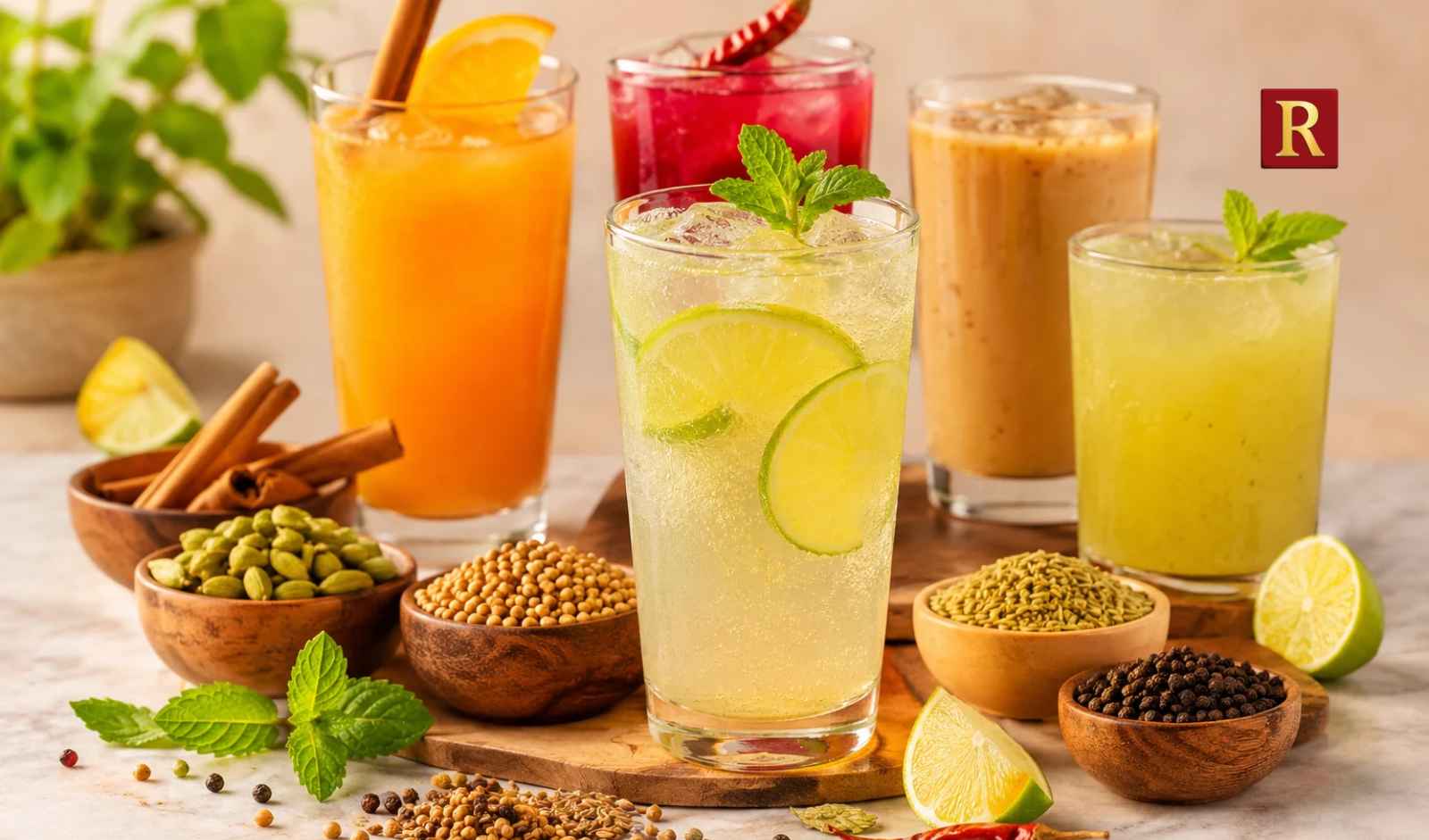
Indian spices are finding a new place in modern beverage menus. Ingredients traditionally used in curries, pickles and everyday cooking are now offering fresh possibilities for mocktails, sparkling drinks, iced teas and botanical coolers. From the floral aroma of cardamom to the sharp heat of black pepper, these spices can give non-alcoholic beverages more depth, complexity and character.
As restaurants, cafés and bars experiment with alcohol-free beverage options, familiar Indian ingredients can become an important source of flavour innovation. Instead of relying entirely on imported syrups, artificial flavourings and conventional fruit combinations, beverage developers can use spices to create distinctive drinks with a recognisable Indian identity. The opportunity lies in understanding how each spice behaves in a liquid. Some contribute fragrance, others bring sweetness, warmth, acidity-enhancing contrast or pungency. When balanced correctly, they can turn an ordinary fruit drink into a signature beverage.
Why Indian Spices Are Becoming Interesting Ingredients for Non-Alcoholic Drinks
The growing interest in non-alcoholic beverages is encouraging restaurants to rethink their drink menus. Consumers are exploring alternatives to conventional soft drinks and sugary mocktails, while hospitality businesses are looking for ways to make their beverage offerings more distinctive.
Indian spices offer several possibilities.
Distinctive flavour: Spices introduce floral, earthy, citrusy, herbal and smoky notes.
Local sourcing: Many ingredients are already available through domestic spice suppliers.
Menu differentiation: Unusual combinations can help restaurants develop signature drinks.
Versatility: The same spice can work in iced tea, soda, fruit coolers and zero-proof cocktails.
Flavour complexity: Spices can introduce layers of aroma and taste without requiring multiple artificial flavourings.
For beverage developers, the real opportunity is to treat spices as primary flavour ingredients rather than occasional garnishes.
8 Indian Spices That Can Transform Non-Alcoholic Drinks
1. Green Cardamom: Bringing Floral Notes to Sparkling Drinks
Flavour profile: Floral, sweet, citrus-like and aromatic
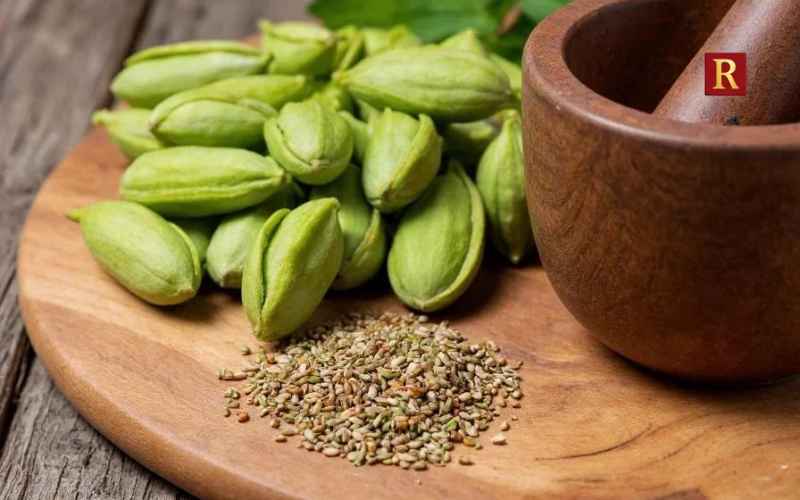
Green cardamom is commonly associated with Indian desserts, tea and traditional sweets. However, its aromatic character makes it equally interesting for contemporary non-alcoholic beverages. Its essential oil contains compounds such as 1,8-cineole and alpha-terpinyl acetate, which contribute to its distinctive fragrance. These aromatic qualities can complement fruits with delicate flavours.
How beverage developers can use it:
Cardamom and pear sparkling water.
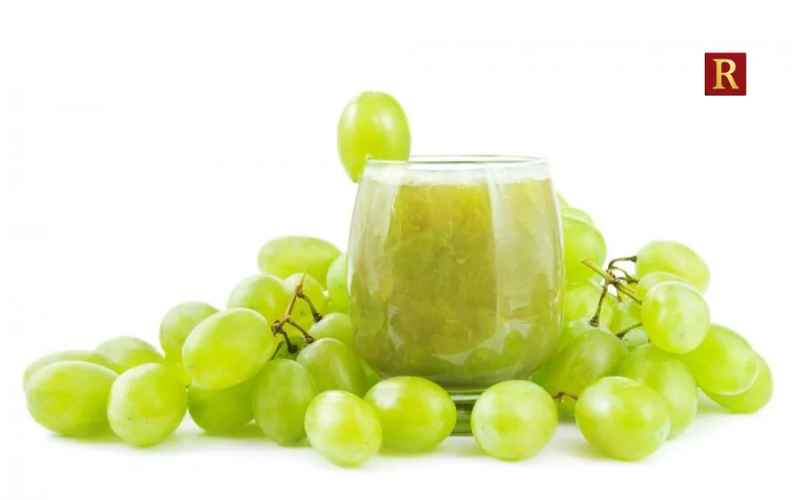
White grape and cardamom cooler.
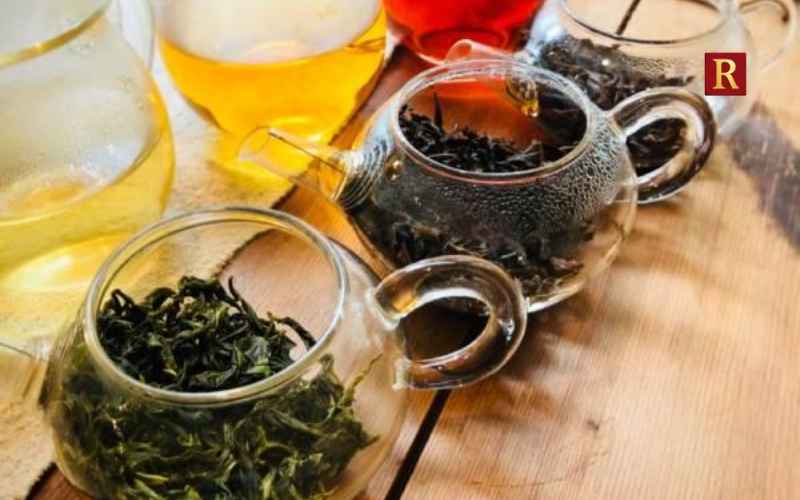
Cardamom-infused cold-brew white tea.
Cucumber and cardamom botanical spritz.
Pair lightly crushed green cardamom with pear juice, lime and sparkling water. The fruit provides sweetness while cardamom adds a floral finish. Cardamom can become the foundation of a premium botanical drink that feels different from conventional fruit-based mocktails.
2. Coriander Seeds: Creating a Citrus-Like Beverage Experience
Flavour profile: Citrus-like, woody, floral and mildly sweet
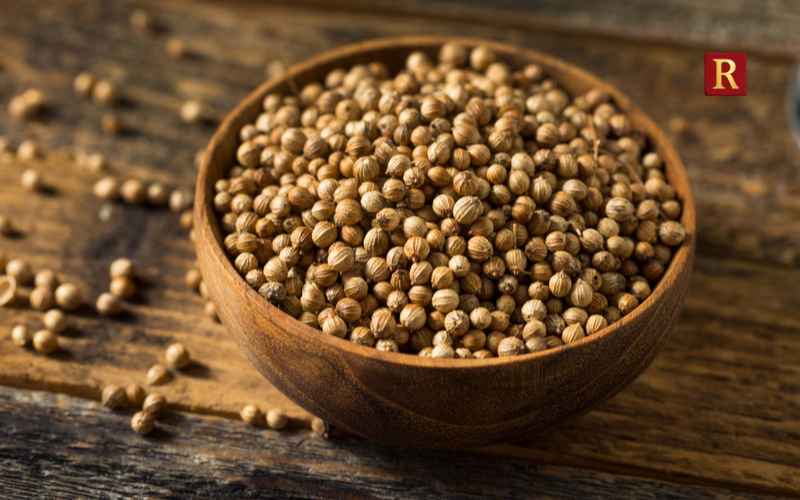
Coriander seeds have an interesting place in beverage development because their flavour is considerably different from fresh coriander leaves. They offer a warm, slightly citrus-like aroma that works particularly well with fruit and sparkling water. Linalool is one of the important aromatic compounds in coriander seeds and contributes to their floral character.
How beverage developers can use them:
Coriander and orange sparkling soda.
Pineapple and coriander cooler.
Gondhoraj lime and coriander tonic.
Coriander-infused botanical iced tea.
Lightly toast coriander seeds, prepare a controlled infusion and combine it with gondhoraj lime juice and sparkling water. Coriander seeds can help beverage brands develop distinctive botanical mixers using an ingredient that is already familiar in Indian kitchens.
3. Fennel Seeds: Adding Natural Sweetness and Freshness
Flavour profile: Sweet, herbal, anise-like and refreshing
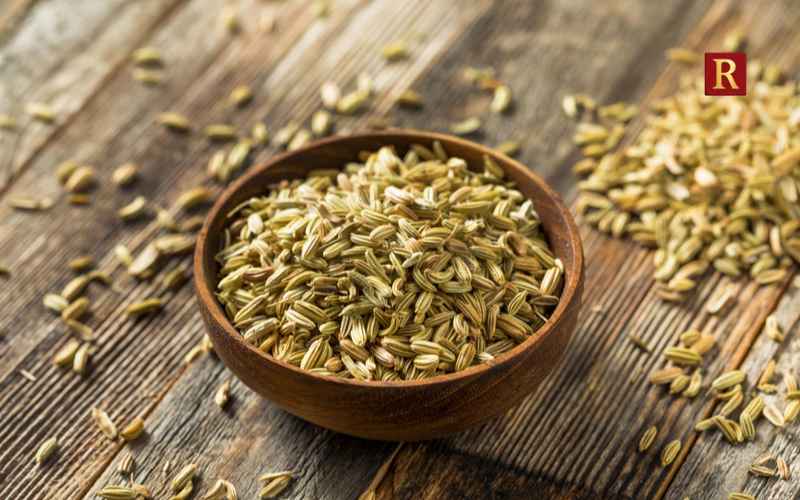
Fennel, popularly known as saunf, is traditionally consumed after meals and used in Indian cooking. Its sweet, aromatic profile also makes it suitable for cold beverages. Anethole is a major compound responsible for fennel's characteristic sweet, licorice-like flavour.
How beverage developers can use it:
Fennel and green apple cooler.
Saunf-infused iced tea.
Fennel and lime sparkling water.
White peach and fennel spritz.
Combine a chilled fennel infusion with white peach, lime and sparkling water. The result can offer a delicate sweetness with an herbal finish. Fennel can introduce sweetness and aromatic complexity, allowing beverage developers to experiment with lower-sugar flavour profiles without assuming that the spice itself replaces sugar.
4. Cumin: Giving Fruit Drinks a Savoury Twist
Flavour profile: Earthy, nutty, warm and slightly smoky
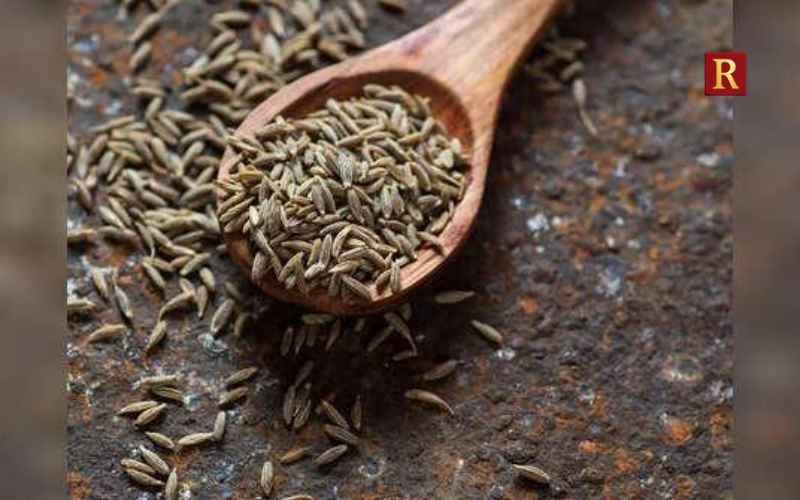
Cumin, or jeera, is already an important ingredient in Indian summer beverages such as jaljeera. However, its application can extend beyond traditional preparations. Roasting cumin develops its toasted aroma and creates a deeper flavour profile. This makes it an interesting ingredient for fruit-based savoury drinks.
How beverage developers can use it:
Roasted cumin and watermelon cooler.
Cumin and lime sparkling soda.
Pineapple and cumin spritz.
Cumin-infused tomato cooler.
Combine roasted cumin infusion with fresh watermelon juice, lime and a small amount of black salt. The sweetness of watermelon balances cumin's earthy character. Cumin can help restaurants develop contemporary versions of traditional Indian savoury beverages and create alternatives to heavily sweetened mocktails.
5. Black Pepper: Adding Heat and Complexity to Fruity Drinks
Flavour profile: Pungent, woody, warm and sharp
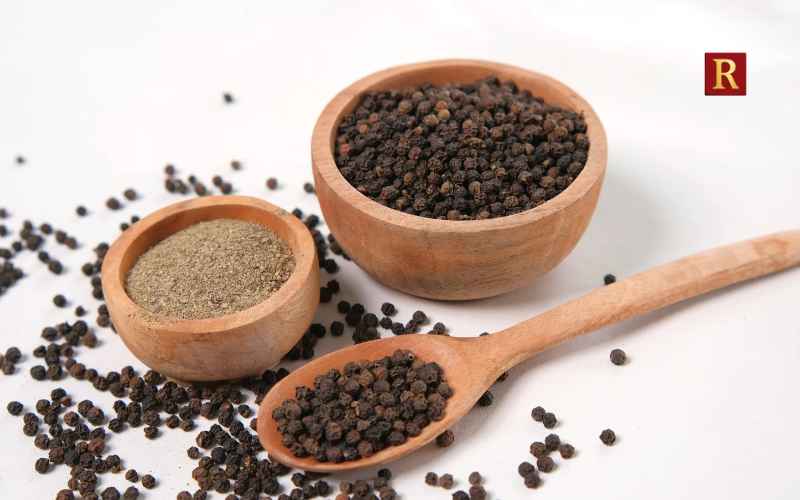
Black pepper is usually associated with savoury dishes, but its sharpness can create an interesting contrast in fruit-based beverages. It introduces gentle heat and a lingering finish, making drinks more complex without requiring multiple ingredients. Piperine is the primary compound responsible for black pepper's pungency, while its volatile oils contribute to its characteristic aroma.
How beverage developers can use it:
Black pepper and pink guava spritz.
Pineapple and pepper soda.
Pepper-infused grapefruit cooler.
Black pepper and lemon iced tea.
Combine pink guava juice, freshly cracked black pepper, lime and sparkling water. The sweetness of guava balances the pepper's sharpness. Black pepper can give familiar fruit-based mocktails a more sophisticated flavour profile and help create signature sweet-and-spicy beverages.
6. Ajwain: Introducing an Unconventional Herbal Flavour
Flavour profile: Herbal, pungent, thyme-like and slightly bitter
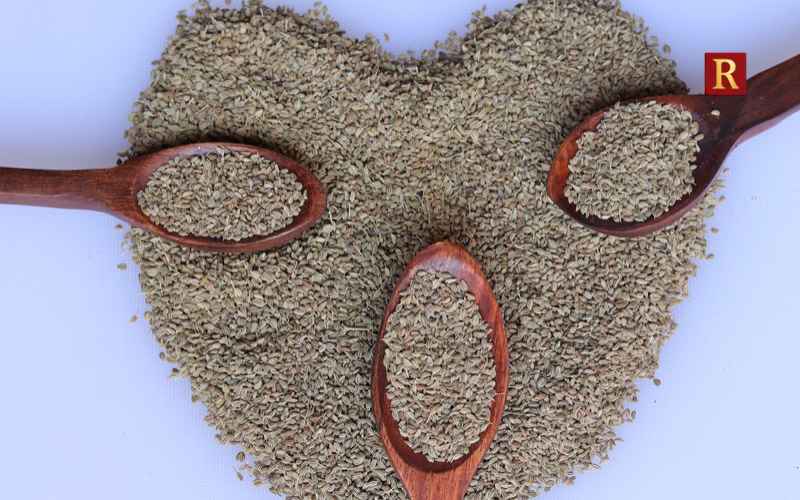
Ajwain, or carom seeds, is one of the more unusual ingredients that beverage developers can explore. It is traditionally used in Indian cooking, but its strong herbal aroma can also work in carefully developed savoury beverages. Thymol is a major aromatic constituent of ajwain and contributes to its distinctive smell and flavour.
How beverage developers can use it:
Ajwain and kokum cooler.
Cucumber and ajwain soda.
Ajwain-infused tomato spritz.
Kokum and lime botanical drink.
Combine a mild ajwain infusion with kokum extract, lime and sparkling water. Kokum provides a tangy base, while ajwain introduces a distinctive herbal finish. Ajwain can help bars move beyond conventional fruit-based mocktails and introduce more experimental Indian-inspired beverages. However, its flavour is intense. Small, measured quantities are essential to prevent it from overpowering the drink.
7. Cinnamon: Bringing Warmth to Chilled Beverages
Flavour profile: Sweet, woody, warm and aromatic

Cinnamon is widely used in desserts, hot chocolate, coffee and traditional beverages. Its potential in cold drinks is equally interesting, particularly when combined with citrus fruits, apples and other naturally sweet ingredients. Cinnamaldehyde is one of the major compounds responsible for cinnamon's characteristic aroma.
How beverage developers can use it:
Cinnamon and apple cold brew.
Orange and cinnamon sparkling soda.
Cinnamon-infused iced coffee.
Cinnamon and kokum cooler.
Prepare a controlled cinnamon infusion and combine it with fresh orange juice, lime and sparkling water. The citrus notes balance the spice's warmth. Cinnamon can help cafés develop dessert-inspired cold beverages and seasonal drink menus without limiting its use to winter preparations.
8. Dried Red Chilli: Creating a Sweet-and-Spicy Finish
Flavour profile: Pungent, earthy, fruity or smoky, depending on variety
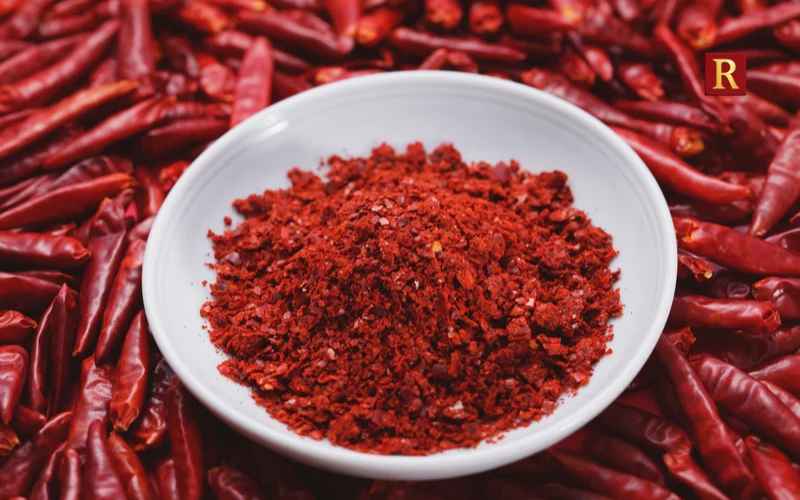
Dried red chilli may appear unconventional in a non-alcoholic beverage menu, but its heat can create an interesting contrast with naturally sweet fruits. Different chilli varieties offer different flavour experiences. Kashmiri chilli is known for its colour and relatively mild heat, while hotter varieties can deliver a more intense pungency. Capsaicin is the compound responsible for chilli heat.
How beverage developers can use it:
Kashmiri chilli and mango soda.
Chilli and watermelon spritz.
Smoked chilli lemonade.
Chilli and guava cooler.
Combine mango pulp, lime juice, sparkling water and a carefully measured Kashmiri chilli infusion. The fruit provides sweetness while chilli creates a gentle warming finish. Chilli-based beverages can introduce a sweet-heat flavour category to mocktail menus, particularly for customers interested in bold and unconventional combinations.
How Different Indian Spices Change the Flavour of Non-Alcoholic Drinks
Not every spice performs the same function in an alcoholic beverage. Some provide aroma, while others introduce pungency, sweetness or earthy flavours. The following comparison can help restaurants understand which ingredients suit different beverage concepts.
Spice | Main flavour contribution | Best beverage application |
Green cardamom | Floral and aromatic | Sparkling drinks and iced tea |
Coriander seeds | Citrus-like and herbal | Botanical sodas and tonics |
Fennel | Sweet and anise-like | Fruit coolers and iced tea |
Cumin | Earthy and toasted | Savoury coolers |
Black pepper | Sharp and pungent | Fruit spritzers |
Ajwain | Strong herbal notes | Kokum and savoury drinks |
Cinnamon | Warm and woody | Cold coffee and citrus drinks |
Dried red chilli | Spicy and pungent | Mango and guava beverages |
How Restaurants Can Extract Flavours From Indian Spices
Using spices in beverages requires more than adding them directly to a glass. The extraction technique determines how much flavour, aroma and intensity enters the finished drink. Restaurants can experiment with several preparation methods.
1. Cold Infusion
Cold infusion involves soaking whole or lightly crushed spices in chilled water.
Suitable for cardamom, fennel and coriander.
Produces a relatively delicate flavour.
Useful for iced teas and botanical beverages.
Requires controlled preparation and refrigeration.
2. Hot Infusion
Hot infusion uses warm or hot water to extract aromatic compounds from spices.
Suitable for cinnamon, cardamom and ajwain.
Helps develop stronger flavour.
Useful for preparing beverage concentrates.
Requires careful control of temperature and steeping time.
3. Dry Roasting
Roasting whole spices before infusion develops their toasted and earthy characteristics.
Suitable for cumin and coriander.
Creates deeper aromatic notes.
Works well in savoury beverages.
Excessive roasting can introduce burnt flavours.
4. Spice Syrups
Spice syrups combine water, sugar and selected spices to create concentrated flavour bases.
Suitable for cinnamon, cardamom and chilli.
Easy to measure across multiple servings.
Useful for standardising restaurant recipes.
Requires appropriate storage and shelf-life controls.
5. Spice Concentrates
Restaurants can prepare measured spice extracts and use them in different beverages.
Helps maintain consistency.
Reduces repeated preparation.
Makes seasonal menu development easier.
Requires standardised recipes and food-safety controls.
What Makes a Good Spice-Based Non-Alcoholic Drink?
A successful beverage needs a balance of different sensory elements. Adding too many spices can make a drink unpleasant, while insufficient flavour extraction can make it taste ordinary. Restaurants should focus on five important elements.
Aroma: The first impression often comes from the fragrance of the beverage. Cardamom, coriander and fennel can provide distinctive aromatic notes.
Acidity: Lime, lemon and kokum can introduce acidity, helping balance sweetness and spice intensity.
Sweetness: Fruit juices, fruit purées and measured syrups can balance pungent ingredients such as pepper and chilli.
Mouthfeel: The texture should complement the flavour. Carbonation, fruit pulp and tea extracts can create different drinking experiences.
Finish: The lingering flavour after drinking is important. A mild peppery or herbal finish can make a signature beverage more memorable.
Challenges in Using Indian Spices in Beverages
Despite their potential, spices also create certain formulation and operational challenges.
Overpowering Flavour: Too much spice can dominate the drink and affect its overall taste. Restaurants should use measured quantities and controlled extraction methods.
Sediment in Drinks: Ground spices can leave particles at the bottom of the glass. Filtering infusions before serving helps maintain a smoother texture.
Inconsistent Taste: Variations in spice quality and preparation can affect flavour between batches. Standardised recipes and measurements help maintain consistency.
Loss of Aroma: Exposure to air, moisture and heat can reduce the freshness of spices. Airtight storage in suitable conditions helps preserve their aromatic qualities.
Excessive Heat: Ingredients such as black pepper and dried chilli can make beverages too pungent. Controlled quantities and repeated taste testing are important.
Short Shelf Life: Spice-infused beverages may develop quality and microbial stability issues during storage. Proper refrigeration, hygiene practices and shelf-life testing are essential.
Cloudy Appearance: Some spice extracts can affect the clarity of beverages. Appropriate filtration and controlled extraction can improve their appearance.
Restaurants should also pay attention to spice quality, supplier consistency and allergen or ingredient disclosures where relevant.
The Future
Indian spices have the potential to become more than supporting ingredients in contemporary beverage menus. Their different flavour characteristics offer restaurants and beverage developers an opportunity to create drinks that combine regional culinary traditions with modern beverage techniques. Cardamom can introduce floral notes to sparkling drinks, coriander can create botanical complexity, fennel can bring aromatic sweetness, while cumin, ajwain, pepper and chilli can introduce savoury and spicy dimensions. For the hospitality industry, the bigger opportunity lies in developing consistent recipes, experimenting with local ingredients and building signature beverages that customers cannot easily find elsewhere. As non-alcoholic beverage menus continue to evolve, Indian spices could become an important part of how restaurants create their own flavour identity.
Saptopriya Ghosal
Feature Writer
I am a dedicated media professional with a bachelor's degree in mass communication from the State University of Calcutta and a postgraduate degree from Amity University. My academic journey has equipped me with a profound understanding of storytelling and communication. Passionate about the dynamic world of media, I continually strive to explore new ways to engage and inform through compelling narratives.