8 Ideas Restaurants Can Borrow From Japanese Izakaya Culture
The opportunity is to make each visit feel worth repeating—not simply because the food tastes good, but because the entire experience gives customers something to come back for.


Japanese izakayas offer an interesting lesson for restaurant owners: a successful dining experience is not always about serving a large meal. It can be about how customers discover dishes, share food, interact with staff and spend time together. An izakaya is a casual Japanese establishment where people gather to enjoy food and drinks in a relaxed setting. The menu often includes small plates, grilled skewers, fried snacks, pickles and other dishes that customers can order throughout the evening. Some izakayas are neighbourhood drinking spots, while others feature elaborate menus and contemporary dining experiences.
For Indian restaurants, the opportunity lies in adapting the thinking behind this format rather than simply copying Japanese dishes or interiors. Small-plate menus can encourage customers to explore more flavours, seasonal specials can give regulars a reason to return, and visible cooking can make food preparation part of the experience. Here are eight ideas from Japanese izakaya culture that restaurant owners can adapt to their own businesses.
8 Ideas Restaurants Can Borrow From Japanese Izakaya Culture
1. Turn Small Plates Into a Bigger Ordering Experience

A traditional restaurant menu often encourages customers to select a starter, a main course and a dessert. Izakaya dining offers a different approach. Guests can order several small dishes, share them across the table and add more as the evening progresses. Grilled yakitori skewers, edamame, fried chicken, tofu preparations and pickled vegetables are examples of dishes found in izakaya menus. Their appeal lies partly in the opportunity to try different flavours without committing to one large portion. Indian restaurants can apply this approach through regional tasting plates, mini kebabs, small portions of seasonal vegetables or combinations of chaats. A restaurant specialising in Indian regional cuisine, for instance, could offer a tasting board featuring three dishes from the same region. However, small portions need careful financial planning. Restaurants should calculate ingredient costs, preparation time and contribution margin before introducing a new format. Ingredients used across multiple dishes can help reduce inventory complexity, while a menu with too many unique components can increase wastage and kitchen pressure. The opportunity is to make menu exploration easier while giving customers more reasons to discover the restaurant's range of flavours.
2. Make Seasonal Specials a Reason to Return

Seasonality is an important part of Japanese food culture. The concept of shun refers to enjoying ingredients when they are at their seasonal peak. It connects food with the time of year, regional availability and the natural characteristics of ingredients. Restaurants can use a similar approach to keep their menus relevant throughout the year. Instead of making permanent additions that increase menu complexity, they can introduce limited-time dishes around ingredients that are readily available. For Indian restaurants, this could mean monsoon corn preparations, winter greens, summer mango desserts or regional dishes built around seasonal produce. A café could introduce a rotating seasonal beverage, while a casual-dining restaurant could feature a limited-time menu highlighting local ingredients. The operational advantage is that seasonal menus allow restaurants to test customer interest before committing to permanent additions. However, procurement costs, supplier reliability and ingredient shelf life must be considered. A seasonal special can become more than a promotional item. When customers know the menu changes regularly, they have a tangible reason to revisit and discover what is new.
3. Make the Kitchen Part of the Dining Experience

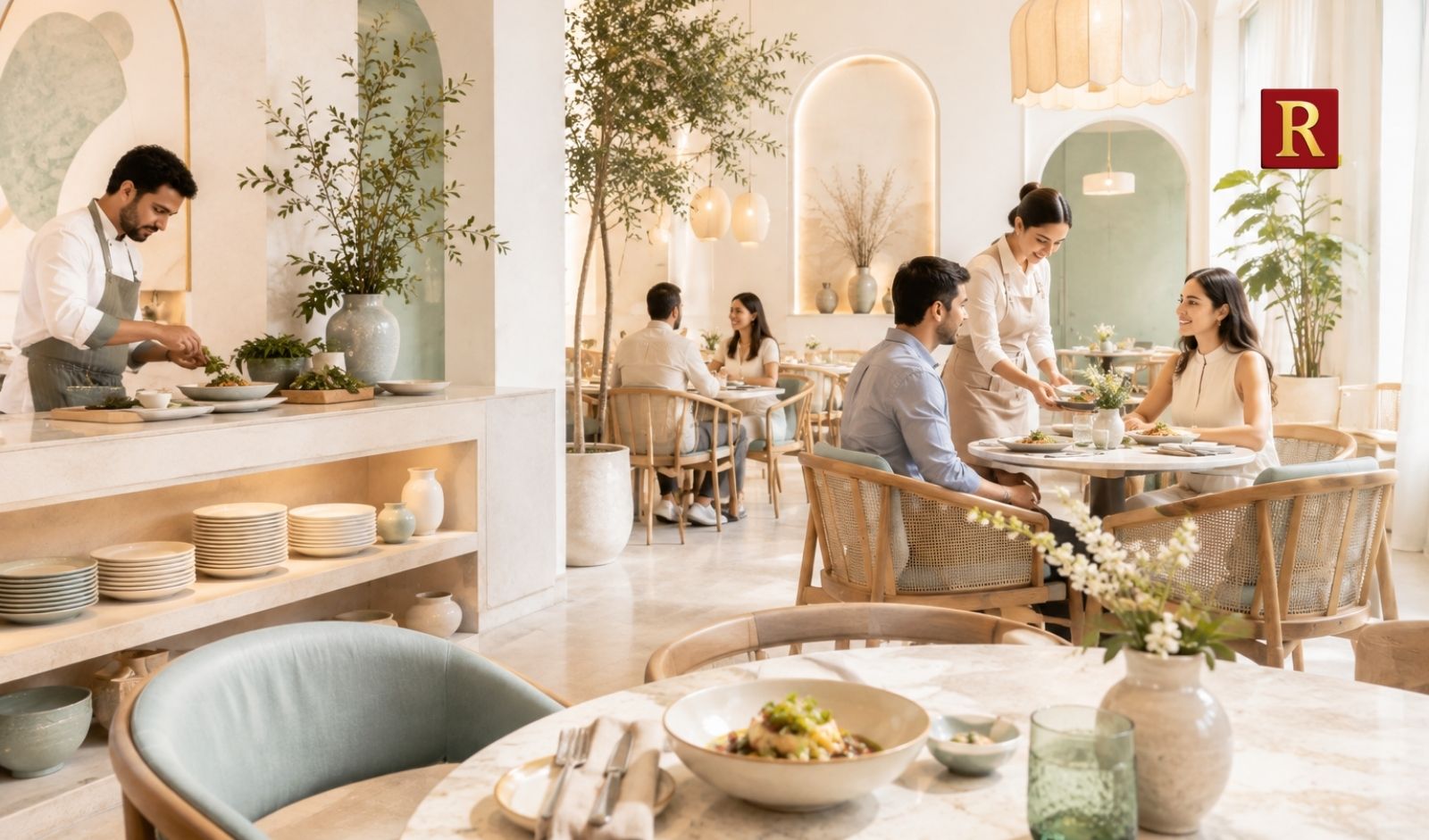
In many izakayas, the counter is more than a place to sit. It can give diners a direct view of the chef preparing food, grilling skewers and finishing dishes. This creates a closer connection between the kitchen and the customer. Indian restaurants can use the same principle without rebuilding their entire dining spaces. A visible tandoor, a live kebab station, a dosa counter or a coffee preparation area can turn an everyday process into part of the meal. The idea works best when the cooking itself adds value to the experience. Watching a chef finish a dish, seeing ingredients come together or smelling food being grilled can make the preparation feel like an extension of the product. However, an open kitchen also requires practical planning. Ventilation, heat management, hygiene, equipment placement and staff movement must be considered before introducing a live station. The kitchen should remain efficient even when customers are watching. For restaurant owners, the lesson is to identify which parts of food preparation deserve to be visible. A well-designed counter can communicate craftsmanship and give diners a reason to remember the restaurant beyond its interiors.
4. Design for Conversation, Not Just Table Turnover

Izakayas are often associated with informal social occasions, from after-work gatherings to relaxed meals with friends. Their atmosphere encourages people to sit together, share food and enjoy an unhurried experience. Restaurants can borrow this principle by designing spaces around different kinds of customers. Communal tables may suit groups, smaller tables can accommodate couples, and counter seating can make solo diners feel comfortable without requiring an entire table. The design should also reflect the restaurant's commercial model. A neighbourhood café may benefit from spaces where customers can spend time over coffee, while a busy urban restaurant may need a balance between comfortable seating and efficient table turnover. Restaurant owners can track metrics such as average dining duration, revenue per available seat-hour, average order value and occupancy during peak periods. These measures help determine whether longer visits generate enough additional spending to justify the space and time used. The objective is not to make every guest stay longer. It is to create an environment suited to the occasion, where customers feel comfortable and the restaurant can operate profitably.
5. Use the First Few Minutes to Set the Tone

Some izakayas serve an initial small appetiser called otōshi. Depending on the establishment, it may accompany a disclosed table charge rather than being a complimentary dish. It is part of the dining custom in certain Japanese drinking establishments. The broader lesson for restaurants is that the opening moments of a visit can help establish the character of the experience. An Indian restaurant could offer a small welcome bite, a house-made accompaniment or a tasting portion that introduces its signature ingredients. A regional restaurant might serve a small sample of a local speciality, while a café could offer a taste of its house-made spread or seasonal beverage. The key is to make the gesture purposeful. A welcome item should reflect the restaurant's identity, be easy for the kitchen to prepare and have a manageable cost per customer. Restaurants should also communicate any mandatory charge clearly before customers order. This approach is not about giving away food without a plan. It is about using the first taste to introduce the menu, demonstrate attention to detail and establish a positive expectation for the rest of the meal.
6. Sell the Pairing, Not Just the Dish

Food and drinks are closely connected in izakaya dining. Customers may order grilled dishes, fried snacks or other small plates alongside beer, sake, shochu or non-alcoholic options. The combination encourages guests to think about how different flavours work together. Indian restaurants can adapt this idea by creating thoughtful food-and-beverage pairings rather than relying only on standard drink recommendations. For example, a restaurant could pair smoky kebabs with a citrus-based cooler, spicy chaats with a refreshing house-made drink, or regional snacks with suitable teas. Restaurants serving alcohol can develop additional pairings according to the menu, local regulations and responsible service practices. These combinations should be designed around flavour, texture, spice intensity and the weight of the dish. Staff also need to understand why a pairing works so that their recommendations feel useful rather than like an attempt to increase the bill. Restaurants should measure the performance of pairing menus through attachment rates, contribution margins and customer feedback. The goal is to improve the dining experience while identifying combinations customers genuinely enjoy. A well-designed pairing can also give the restaurant a more distinctive identity, particularly when the combinations use regional ingredients or house-made beverages.
7. Give the Menu a Strong Sense of Place

Japanese izakayas can reflect the ingredients, dishes and drinking traditions of their local regions. Seasonal specials and regional food offerings help distinguish one establishment from another, even when the basic dining format is similar. Indian restaurants have an opportunity to apply the same thinking to the country's diverse culinary traditions. Instead of trying to serve everything, a restaurant could build a menu around a particular region, ingredient or cooking style. For example, a restaurant could focus on Malvani seafood, Assamese ingredients, Awadhi preparations or Northeast Indian produce. Its menu, sourcing decisions and storytelling could all reinforce that identity. This approach requires more than adding regional dish names to a menu. Restaurants need reliable suppliers, consistent recipes, accurate descriptions and staff who can explain the ingredients and preparation methods. They must also consider whether certain ingredients are available throughout the year or require seasonal substitutions. A clear regional identity can help restaurants differentiate themselves in crowded markets. It gives customers a specific reason to visit and provides a framework for developing future specials without constantly introducing unrelated dishes. The bigger lesson from izakaya culture is that a restaurant does not necessarily need a larger menu to stand out. A more focused menu with a compelling sense of place can be just as valuable.
8. Give Every Meal a Thoughtful Ending

In Japan, dishes such as rice, noodles and ochazuke—rice served with tea or broth—can feature towards the end of a meal. The exact sequence varies by establishment and dining occasion, but these dishes illustrate how a meal can move beyond its main plates towards a satisfying finish. Indian restaurants can apply the same principle by treating the final part of a meal as a deliberate menu decision rather than an afterthought. A restaurant could offer a small bowl of regional rice, a light broth, a traditional dessert or a tea-based drink as a finishing option. A café might create a compact selection of small desserts, while a casual-dining restaurant could develop a final course around a regional speciality. The choice should fit the food already served. After a meal of rich, spicy dishes, some customers may prefer a lighter finish rather than another heavy dessert. Others may want a traditional sweet or a final beverage. From an operational perspective, restaurants should examine preparation time, portion size, ingredient utilisation and how late orders affect kitchen capacity. The final course should be easy to execute consistently without slowing service unnecessarily. A thoughtfully designed ending gives customers one more opportunity to experience what makes the restaurant different. It can also create a natural moment for staff to recommend a signature item without making the interaction feel forced.
What Indian Restaurants Can Learn?
The most useful lesson from izakaya culture is not that every restaurant should introduce small plates, open kitchens or Japanese-inspired interiors. It is that the dining experience can be designed as a series of connected moments, from the first taste to the final course. Restaurants can begin by testing one idea at a time. A small-plate menu can be evaluated through contribution margins and items ordered per customer. Seasonal specials can be measured through sales, wastage and repeat purchases. Open-kitchen concepts can be assessed through customer feedback and operational efficiency. These experiments should be supported by point-of-sale data, customer feedback and clear cost calculations rather than assumptions about what diners will enjoy. For Indian restaurant operators, adapting these principles to local ingredients, regional food traditions and customer expectations can create a more distinctive dining experience. The opportunity is to make each visit feel worth repeating—not simply because the food tastes good, but because the entire experience gives customers something to come back for.
Saptopriya Ghosal
Feature Writer
I am a dedicated media professional with a bachelor's degree in mass communication from the State University of Calcutta and a postgraduate degree from Amity University. My academic journey has equipped me with a profound understanding of storytelling and communication. Passionate about the dynamic world of media, I continually strive to explore new ways to engage and inform through compelling narratives.