7 Ways the Soda Industry Is Evolving Beyond Traditional Colas
Brands that embrace innovation while staying connected to consumer needs will be better positioned to thrive in the years ahead. The next generation of soda is not just about refreshment. It is about delivering value, experience, and purpose in every sip.

For decades, the soda industry revolved around one thing: cola. The category was dominated by a handful of iconic brands that became household names across the world. From family gatherings to movie nights, cola was often the beverage of choice.
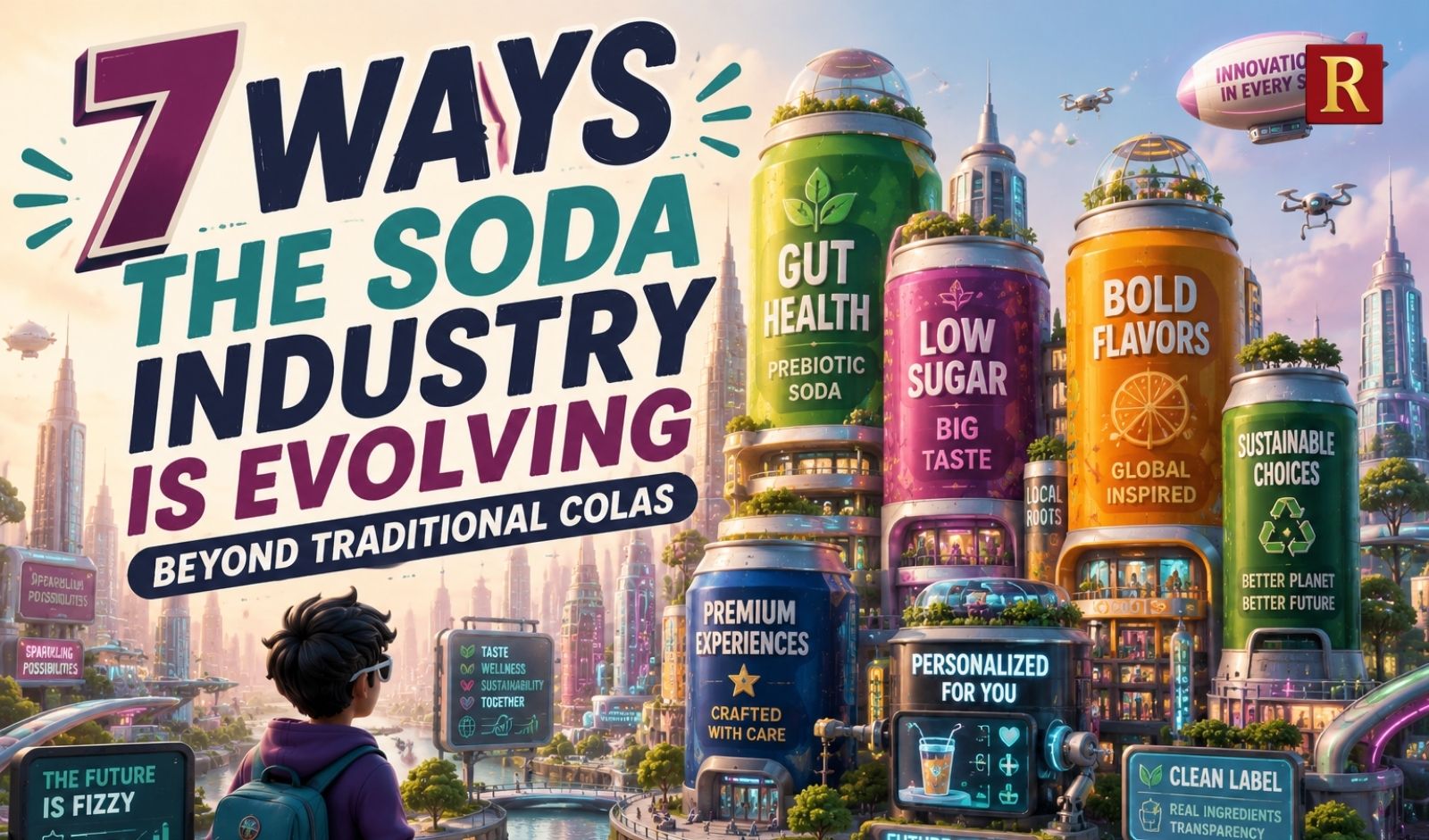
However, the soda market is undergoing a major transformation. Today's consumers are looking for more than just sweetness and fizz. They want beverages that align with their lifestyles, support their wellness goals, and offer unique experiences. As a result, soda brands are rethinking ingredients, flavors, packaging, and even the role that carbonated drinks play in everyday life. From functional ingredients to regional flavors, the future of soda looks very different from its past. Here are seven ways the industry is evolving beyond traditional colas.
What Restaurants and Cafes Can Learn From Modern Soda Trends
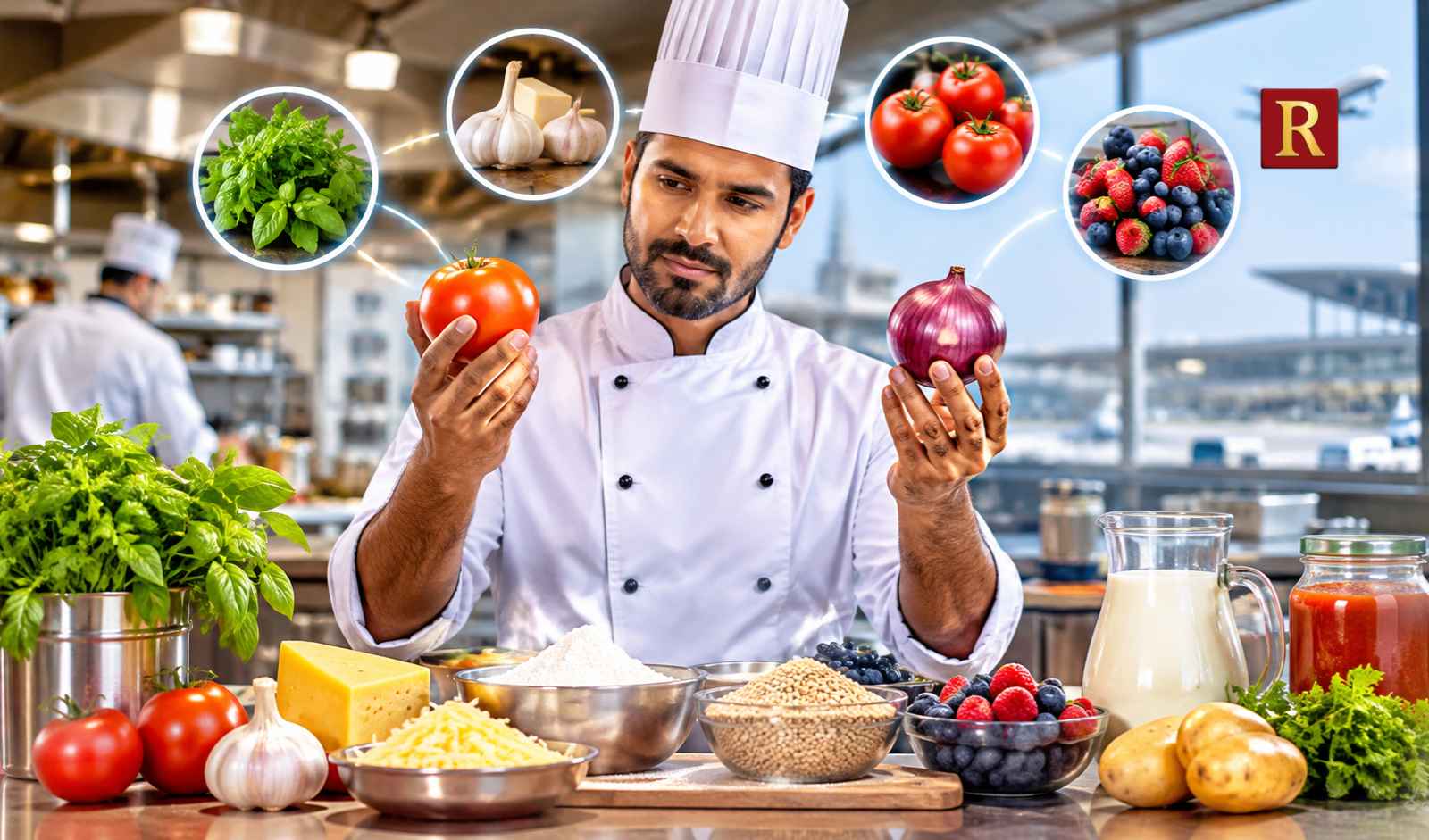
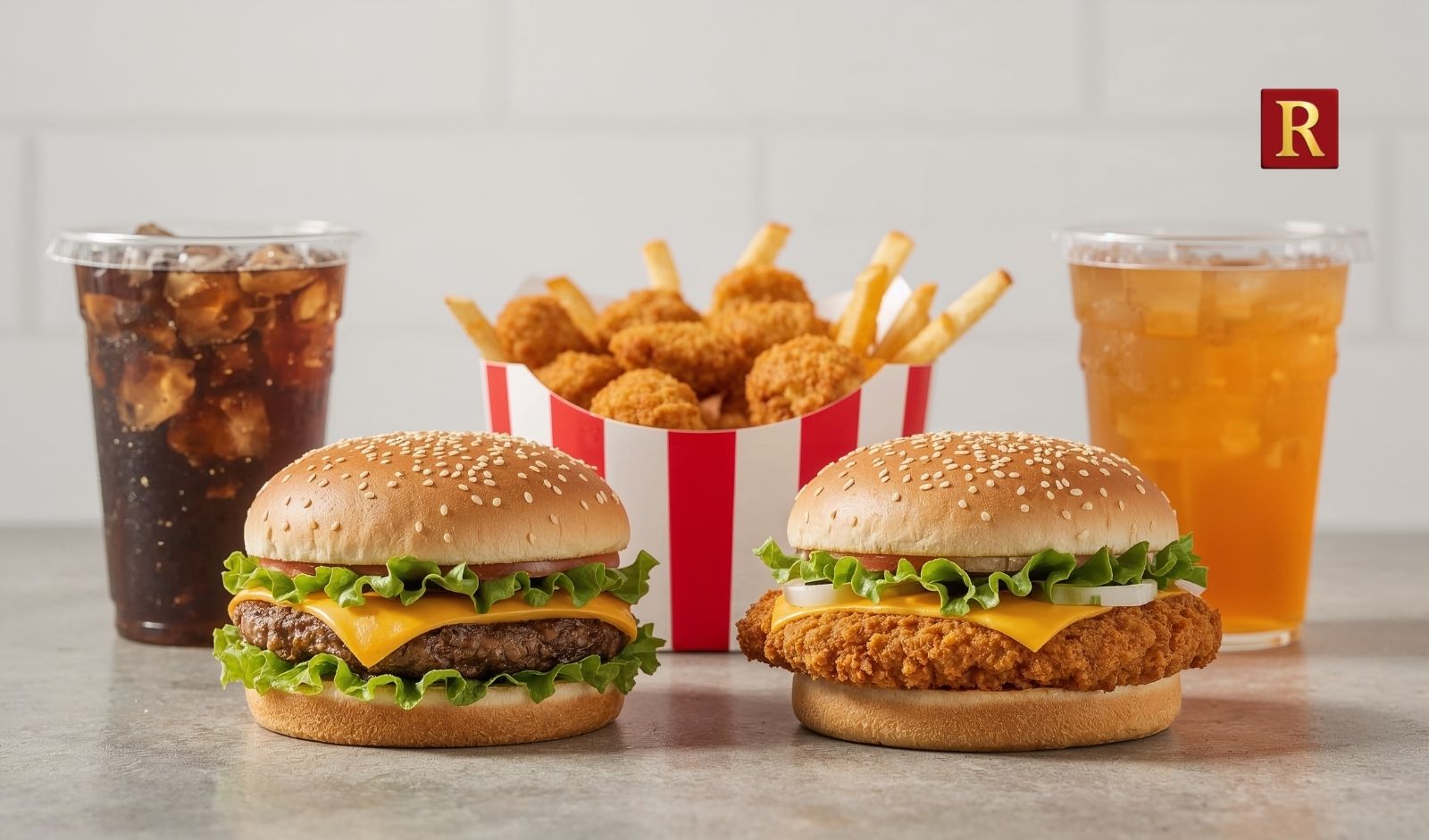
The evolution of the soda industry offers valuable lessons for restaurants, cafes, and foodservice operators. Today's consumers are looking for beverages that do more than simply complement a meal. They want drinks that align with their lifestyles, health goals, and taste preferences.
One key takeaway is the growing demand for healthier options.
Flavor innovation is another opportunity. Limited-edition beverages, seasonal specials, and locally inspired soda creations can help restaurants stand out in a competitive market.
Premiumization is also reshaping beverage expectations. Customers are willing to pay more for high-quality drinks made with natural ingredients, craft techniques, or functional benefits.
Customization is equally important. Just as consumers enjoy personalizing coffee orders, many appreciate having beverage choices tailored to their preferences.
As beverage trends continue to evolve, operators who adapt quickly will be better positioned to meet changing consumer demands and drive additional revenue through innovative drink offerings.
7 Ways the Soda Industry Is Evolving
1. Functional Sodas Are Moving Into the Mainstream
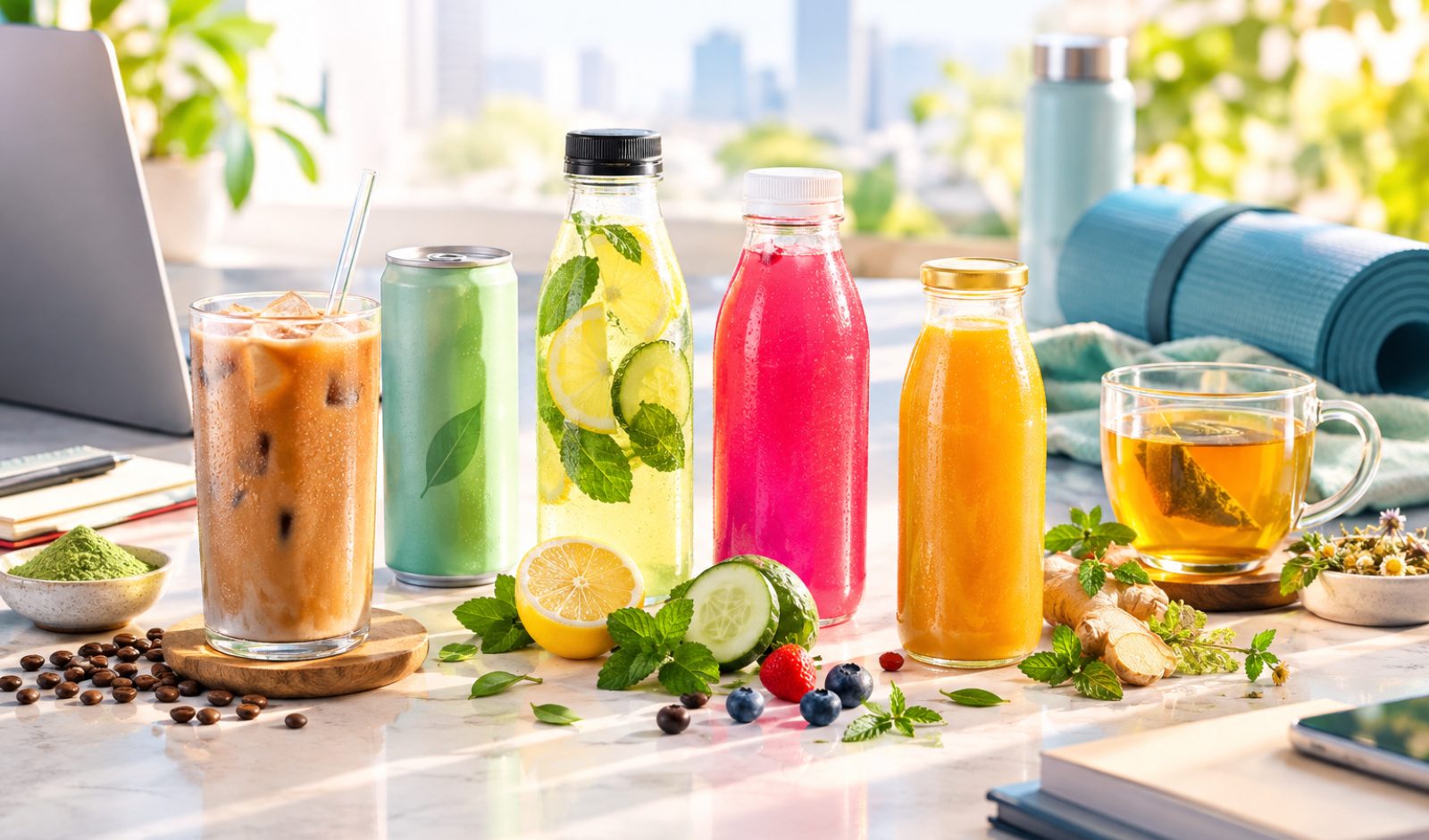
One of the biggest changes in the soda industry is the rise of functional beverages. Consumers increasingly expect drinks to offer benefits beyond hydration and refreshment. Modern soda brands are introducing ingredients such as prebiotics, probiotics, vitamins, minerals, and botanical extracts. These additions allow companies to position their products as part of a wellness-focused lifestyle. Prebiotic sodas have become especially popular. Prebiotics are plant fibers that help feed beneficial bacteria in the gut. By combining these ingredients with carbonation and appealing flavors, brands are creating a new category that sits between traditional soft drinks and health beverages. This trend has attracted significant investment from major beverage companies, showing that functional soda is no longer a niche segment but a rapidly growing part of the market.
2. The Industry Is Going Beyond Zero Sugar
A few years ago, offering a zero-sugar version of a soda was considered innovative. Today, it has become an expectation. Consumers still want lower sugar options, but they are also paying closer attention to ingredient quality. Simply removing sugar is no longer enough. Many shoppers now examine nutrition labels, sweetener sources, and calorie counts before making a purchase. To meet these expectations, beverage companies are experimenting with natural sweeteners, cleaner formulations, and balanced flavor profiles. The goal is to deliver the same satisfying taste while reducing ingredients that consumers are actively trying to avoid. This shift reflects a broader movement toward mindful consumption. People are becoming more selective about what they drink and are seeking products that support long-term wellness rather than simply reducing calories.
3. Gut Health Has Become a Major Innovation Driver
Digestive wellness is one of the fastest-growing areas in the food and beverage industry. As awareness about gut health increases, soda brands are finding new ways to participate in the trend. Many consumers now understand that gut health can influence digestion, immunity, and overall well-being. This has created strong demand for beverages that support a healthy digestive system. The science behind this trend is relatively simple. Probiotics are beneficial live microorganisms, while prebiotics act as food for those microorganisms. Together, they help support a balanced gut environment. As a result, brands are incorporating gut-friendly ingredients into carbonated beverages without compromising on flavor. The success of these products demonstrates that consumers are willing to embrace healthier alternatives when they deliver both taste and functionality.
4. Regional and Exotic Flavors Are Taking Center Stage
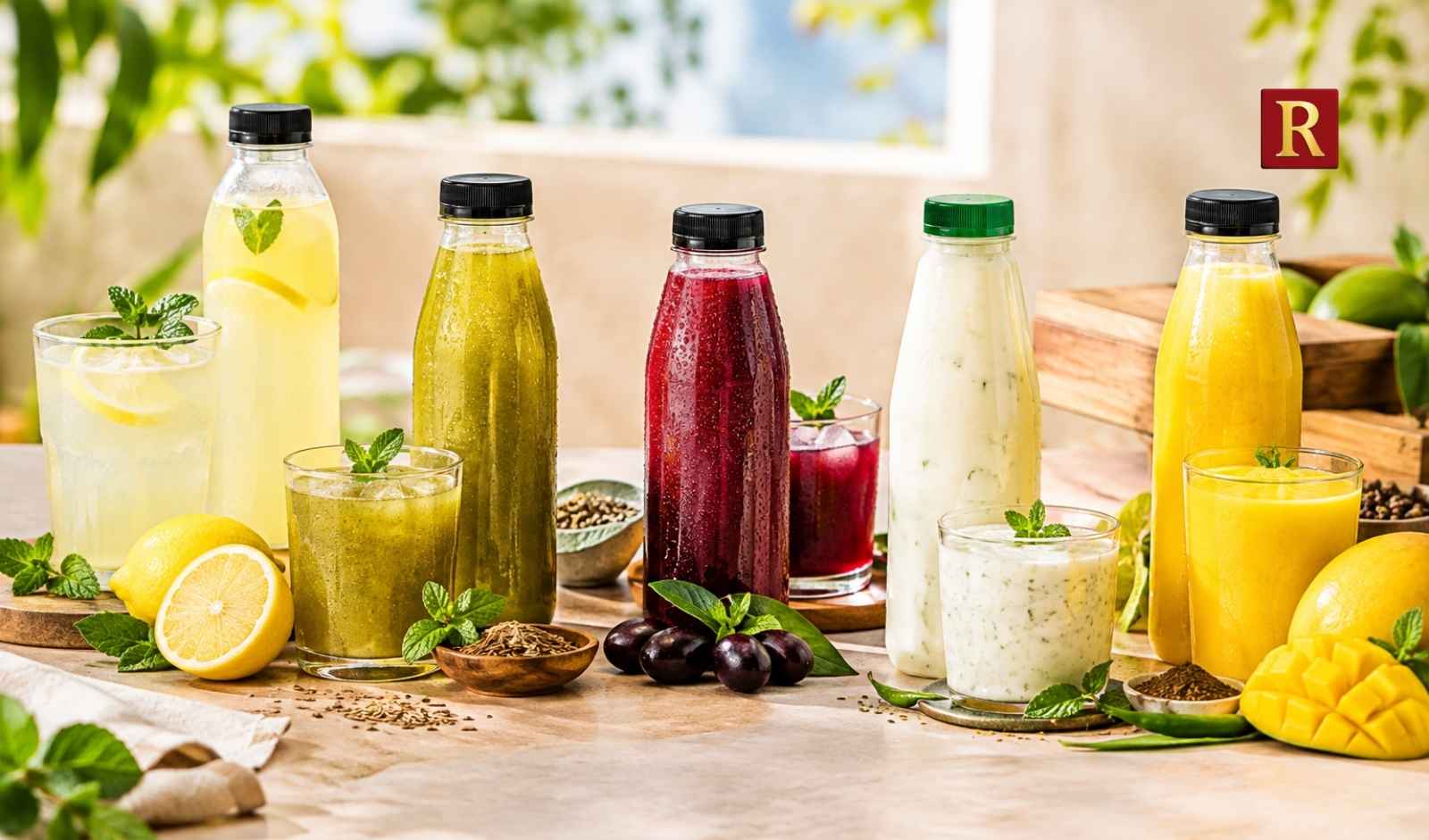
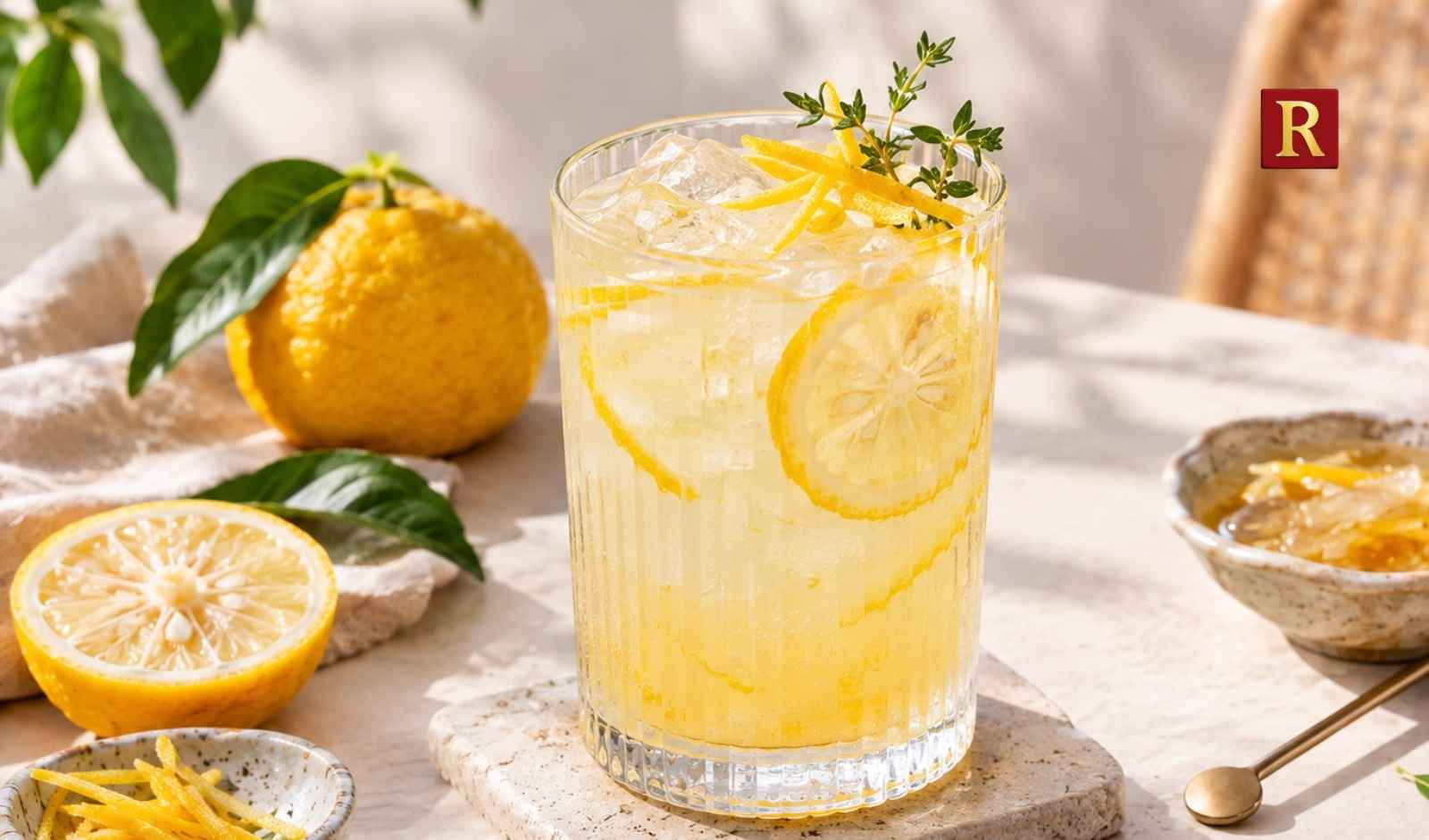
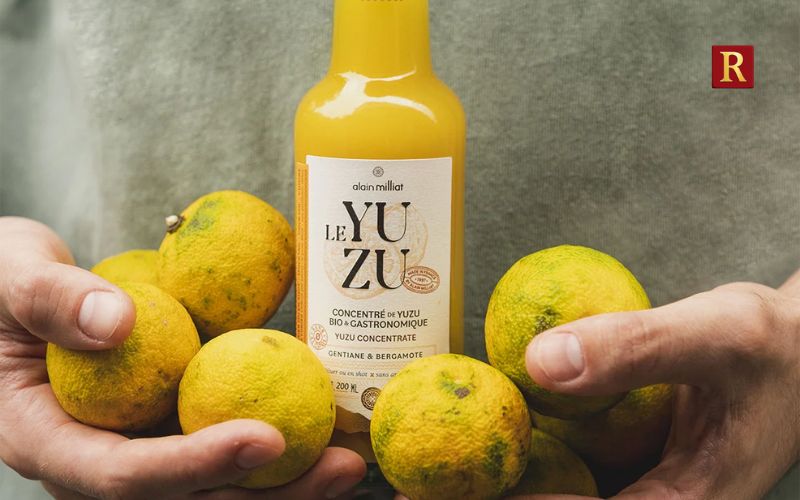
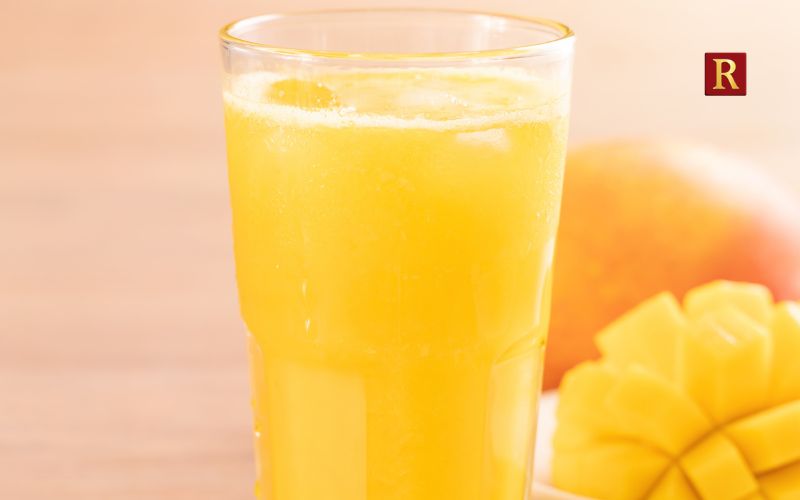
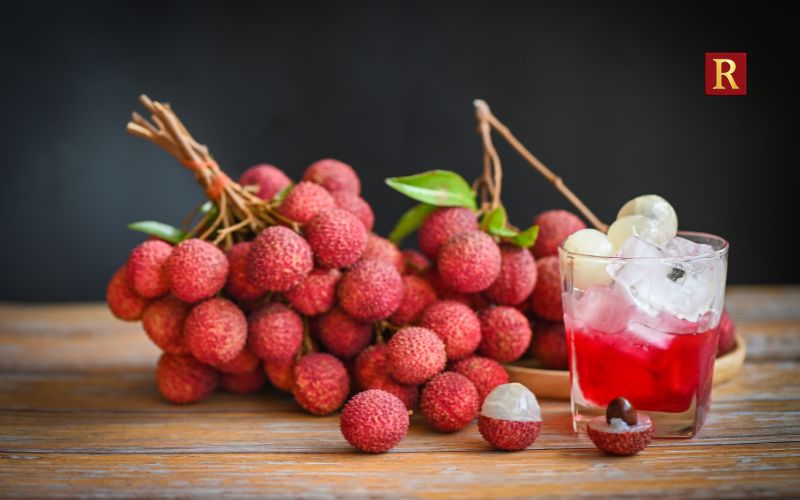
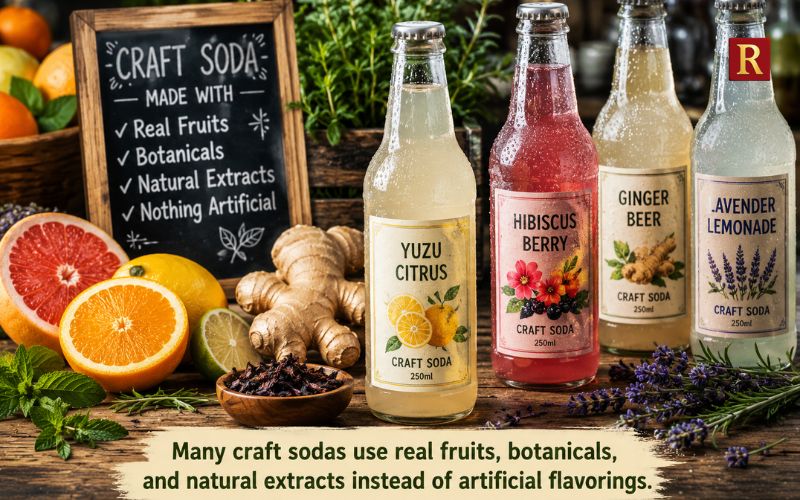
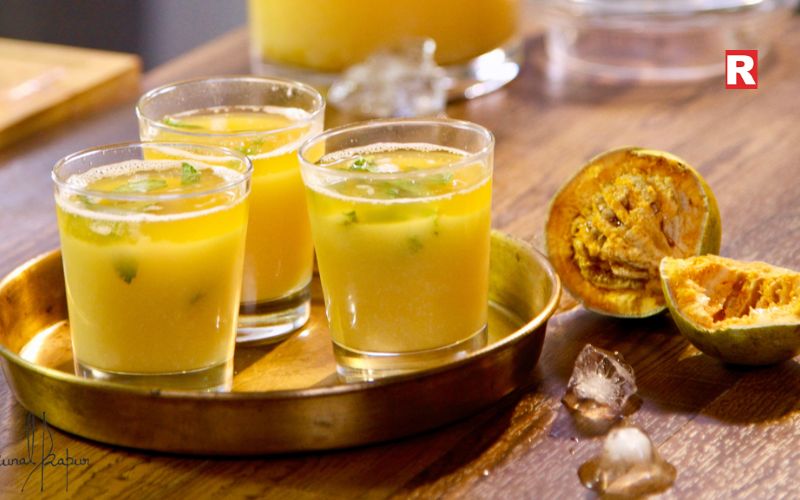
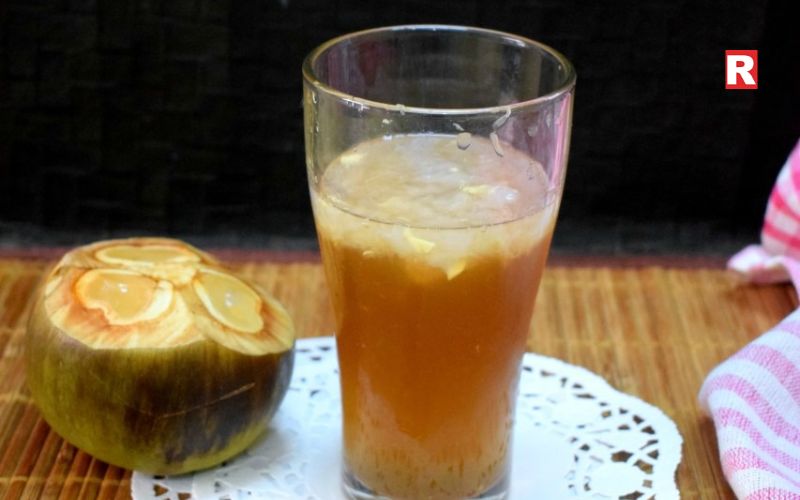
Traditional cola flavors continue to have loyal consumers, but many shoppers are now looking for something new and exciting. This has encouraged soda companies to explore regional ingredients and global flavor inspirations. Fruits, spices, herbs, and botanicals that were once rarely seen in carbonated drinks are now becoming key points of differentiation. Flavors such as lychee, mango, tamarind, yuzu, passion fruit, and mixed botanical blends are helping brands stand out in a crowded marketplace. In India, this trend is particularly relevant. Consumers are increasingly open to beverages inspired by local tastes and ingredients. Brands that successfully combine familiar flavors with modern beverage formats often create stronger emotional connections with customers. Flavor innovation also appeals to younger consumers who actively seek novelty and enjoy experimenting with new products.
5. Personalization Is Shaping the Future of Soda
Consumers today expect personalized experiences across many aspects of their lives, and beverages are no exception. Technology is helping soda companies better understand consumer preferences and develop products that cater to specific tastes. Data analytics, artificial intelligence, and consumer insights are enabling brands to identify emerging flavor trends more quickly than ever before. Personalization can take many forms. Some brands offer customizable flavor combinations, while others create targeted products designed for specific consumer groups. Advanced beverage dispensing systems are also allowing customers to mix flavors and create unique drink experiences. This approach increases engagement while giving consumers greater control over what they drink. As personalization becomes more common, it is likely to play a larger role in shaping future product development strategies.
6. Premium Sodas Are Creating New Market Opportunities
Premiumization is another major trend transforming the soda industry. Consumers are increasingly willing to spend more on beverages that offer superior ingredients, distinctive flavors, and elevated experiences. Premium soda brands often focus on quality rather than mass appeal. They use carefully selected ingredients, unique flavor combinations, and sophisticated packaging to attract consumers seeking something different. Many of these products borrow ideas from craft beverages. Small-batch production, natural ingredients, and artisanal positioning have become important selling points. Premiumization also benefits manufacturers by allowing them to improve margins in a highly competitive market. Instead of competing solely on price, brands can compete on quality, innovation, and storytelling. As consumer preferences continue to evolve, premium sodas are expected to capture a larger share of the beverage industry.
7. Sustainability and Clean Labels Are Influencing Buying Decisions
Modern consumers want transparency from the brands they support. This expectation is driving significant changes across the soda industry. Clean-label products are becoming increasingly popular. Consumers often look for shorter ingredient lists, recognizable ingredients, and fewer artificial additives. At the same time, sustainability has become a critical priority. Beverage companies are investing in recyclable packaging, responsible sourcing practices, and environmentally conscious production methods. Balancing these goals can be technically challenging. Soda manufacturers must maintain carbonation, flavor consistency, and shelf stability while reducing artificial ingredients and improving sustainability credentials. Despite these challenges, companies recognize that transparency and environmental responsibility are becoming important factors in building consumer trust. Brands that successfully combine product quality with sustainable practices are likely to gain a competitive advantage in the years ahead.
The New Consumer Checklist Before Buying a Soda
The modern soda shopper evaluates products differently than previous generations. While taste remains important, consumers now consider several additional factors before making a purchase.
Sugar Content: Many consumers check the sugar content first. They are actively seeking beverages that offer great taste without excessive amounts of added sugar.
Functional Benefits: Products that contain ingredients such as prebiotics, vitamins, minerals, or botanical extracts are gaining attention. Consumers increasingly want beverages that provide added value beyond refreshment.
Ingredient Transparency: Shoppers are paying closer attention to ingredient labels. Shorter ingredient lists and familiar ingredients often create greater trust and confidence in a product.
Natural Sweeteners: Consumers are becoming more selective about how beverages are sweetened. Many prefer options that use naturally derived sweeteners rather than artificial alternatives.
Calorie Count: Low-calorie beverages continue to attract consumers who are mindful of their daily intake but still want an enjoyable drinking experience.
Sustainability Credentials: Packaging plays an increasingly important role in purchasing decisions. Recyclable materials, environmentally friendly packaging, and responsible sourcing practices can positively influence consumer perception.
Flavor Innovation: Consumers are no longer satisfied with only traditional cola flavors. Unique fruit blends, botanical infusions, and regional flavor profiles often encourage trial and repeat purchases.
This new checklist highlights how consumer expectations have expanded. Today's successful soda brands must balance taste, wellness, transparency, sustainability, and innovation to remain relevant in a rapidly evolving beverage market.
Looking Ahead!
The soda industry is entering one of the most exciting periods in its history. While traditional colas remain important, they are no longer the only drivers of growth. Consumers are seeking beverages that reflect their changing lifestyles and priorities. Functional ingredients, digestive wellness, low-sugar formulations, regional flavors, personalization, premium experiences, and sustainability are reshaping the category from the ground up. For beverage companies, this evolution presents both challenges and opportunities. Brands that embrace innovation while staying connected to consumer needs will be better positioned to thrive in the years ahead. The next generation of soda is not just about refreshment. It is about delivering value, experience, and purpose in every sip.
Saptopriya Ghosal
Feature Writer
I am a dedicated media professional with a bachelor's degree in mass communication from the State University of Calcutta and a postgraduate degree from Amity University. My academic journey has equipped me with a profound understanding of storytelling and communication. Passionate about the dynamic world of media, I continually strive to explore new ways to engage and inform through compelling narratives.