
7 Ways Technology Is Changing the Dining Experience
The goal is not simply to adopt new technology but to use it strategically to create faster, smoother, and more memorable dining experiences.

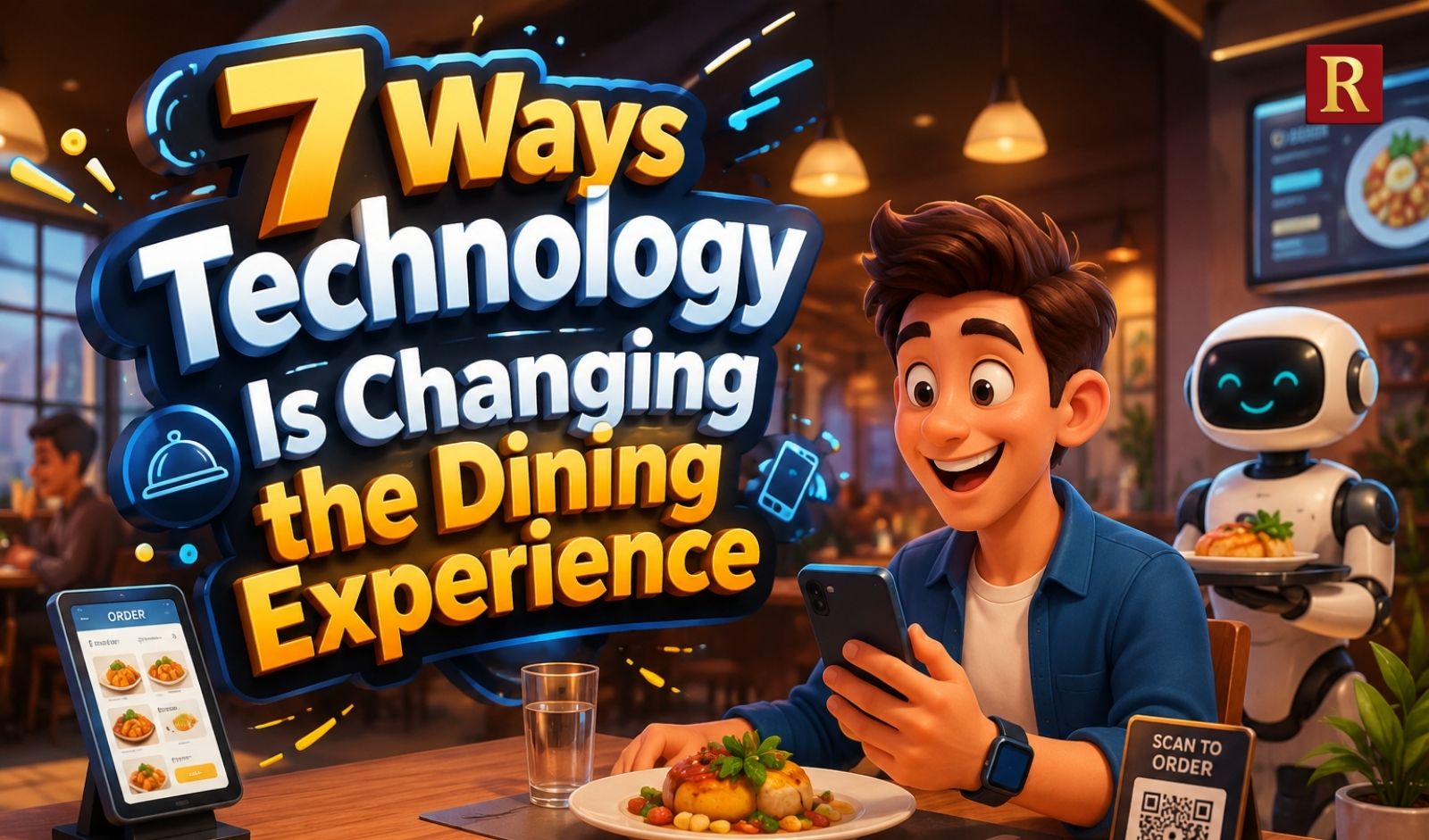
The restaurant industry is evolving faster than ever. A few years ago, dining out was mostly about food, service, and ambiance. Today, technology has become an important part of the customer journey. From the moment people search for a restaurant online to the time they pay their bill, digital tools are shaping every interaction.
Modern consumers expect convenience, speed, and personalization. They want quick service without compromising on quality. Restaurants that embrace technology are finding new ways to meet these expectations while improving efficiency behind the scenes. As consumer behavior continues to change, technology is no longer a luxury for restaurants. It has become a necessity. Here are seven ways technology is transforming the dining experience for both customers and restaurant operators.
Explore 7 Technologies Changing the Dining Experience
1. QR Code Menus Are Making Dining More Convenient
The traditional printed menu is slowly being replaced by digital alternatives. QR code menus became popular during the pandemic, but their benefits have ensured they remain relevant even today. Customers can simply scan a code using their smartphones and access the menu instantly. Restaurants can update prices, add new dishes, or remove unavailable items without printing new menus. Digital menus also allow restaurants to provide additional information. Customers can view ingredient details, allergen information, nutritional values, and food images before placing an order. For diners, this creates a smoother experience. For restaurants, it reduces operational costs and offers greater flexibility. Many restaurants are also integrating QR menus with ordering systems, allowing guests to place orders directly from their tables without waiting for staff assistance.
2. Artificial Intelligence Is Personalizing Customer Experiences
Personalization has become a major trend across industries, and restaurants are following the same path. Artificial Intelligence (AI) helps restaurants understand customer preferences and purchasing behavior. By analyzing past orders and dining habits, AI-powered systems can recommend dishes that match individual tastes. For example, a guest who regularly orders vegetarian meals may receive recommendations for newly introduced plant-based dishes. Customers celebrating birthdays or special occasions may receive personalized offers and discounts. AI is also improving customer communication. Chatbots can answer common questions, manage reservations, and provide instant support without requiring human intervention. This level of personalization helps customers feel valued while increasing customer loyalty and repeat visits.
3. Contactless Payments Are Creating Faster Checkouts
Waiting for the bill can sometimes be the most frustrating part of a dining experience. Contactless payment technology is solving this problem. Today, customers can pay using mobile wallets, UPI applications, NFC-enabled cards, and smartphone payment systems. The process takes only a few seconds. For restaurants, contactless payments improve operational efficiency. Transactions are completed faster, reducing queues and speeding up table turnover. Digital payment systems also reduce the chances of billing errors and provide better transaction tracking. In countries like India, where digital payment adoption has grown rapidly, customers now expect seamless payment experiences. Restaurants that offer multiple payment options are often viewed as more customer-friendly and technologically advanced.
4. Smart Ordering Systems Are Reducing Wait Times
Long waiting periods can negatively affect customer satisfaction. Smart ordering systems help restaurants serve guests more efficiently. Many quick-service restaurants now use self-ordering kiosks. Customers can browse menus, customize orders, and complete transactions without waiting in line. Some restaurants offer mobile ordering through apps or web platforms. Customers can place orders before arriving and collect their food when it is ready. Table-side ordering systems are also becoming common. Guests can place orders directly from tablets or mobile devices, reducing dependency on manual order taking. These technologies minimize communication errors and improve order accuracy. They also allow restaurant staff to focus more on hospitality and customer engagement rather than administrative tasks.
5. Kitchen Automation Is Improving Accuracy and Efficiency
Technology is not only transforming the front of the house. It is also revolutionizing restaurant kitchens. Kitchen Display Systems (KDS) have largely replaced traditional paper tickets. Orders placed through POS systems are automatically displayed on digital screens in the kitchen. This reduces miscommunication between servers and kitchen staff. Orders are processed faster and with greater accuracy. Advanced kitchen systems can prioritize orders based on preparation time and customer demand. Some restaurants also use automated inventory tracking systems that monitor ingredient usage in real time. When an item is sold, inventory levels are automatically updated. This helps restaurant operators avoid stock shortages and reduce food waste. Kitchen automation also improves consistency, especially during busy hours when large volumes of orders need to be managed efficiently.
6. Data Analytics Is Helping Restaurants Make Better Decisions
Restaurants generate a large amount of data every day. Technology helps convert this information into actionable insights. Data analytics tools allow restaurant operators to understand customer behavior, sales trends, and menu performance. For example, restaurant owners can identify which dishes generate the highest profits and which items receive the least demand. This information helps optimize menu design and pricing strategies. Analytics also assists with demand forecasting. By studying historical data, restaurants can predict peak hours and plan staffing requirements more effectively. Better forecasting reduces unnecessary labor costs while ensuring adequate staffing during busy periods. Data-driven decision-making allows restaurants to operate more efficiently and respond quickly to changing customer preferences.
7. Immersive Technologies Are Redefining Dining Experiences
The next phase of restaurant innovation focuses on creating memorable experiences. Augmented Reality (AR) menus allow customers to view realistic 3D representations of dishes before ordering. This helps diners make more informed choices and increases confidence in their selections. Some restaurants are experimenting with robotic servers that assist staff by delivering food and clearing tables. While robots are not replacing human hospitality, they help improve operational efficiency. Interactive dining tables, smart lighting systems, and connected dining environments are also becoming more common in premium hospitality settings. These technologies enhance engagement and create unique experiences that encourage customers to return. As technology continues to evolve, immersive dining is expected to become a key differentiator for restaurants looking to stand out in a competitive market.
Balancing Innovation with Human Hospitality
While technology offers numerous advantages, restaurants must remember that hospitality remains a people-driven industry. Customers appreciate convenience and efficiency, but they also value genuine interactions. A warm greeting, attentive service, and personalized care cannot be fully replaced by digital systems. The most successful restaurants are using technology to support their teams rather than replace them. Automation handles repetitive tasks, allowing staff members to focus on creating meaningful customer experiences. This balance between technology and human connection is becoming the foundation of modern hospitality.
The Challenges Restaurants Must Consider
While technology offers many benefits, restaurants must address a few challenges before adopting new solutions:
High Implementation Costs: Advanced POS systems, AI tools, and automation software require significant investment and ongoing maintenance.
Data Privacy Risks: Restaurants collect customer information through apps, loyalty programs, and online orders, making data security essential.
Staff Training Needs: Employees must be trained regularly to use new technologies efficiently and avoid operational disruptions.
Over-Automation Concerns: Too much automation can make the dining experience feel impersonal and reduce customer engagement.
Maintaining Human Hospitality: Guests still value warm interactions, personalized recommendations, and attentive service.
Technology should enhance hospitality, not replace it. The most successful restaurants use digital tools to improve efficiency while allowing staff to focus on creating meaningful guest experiences. As customer expectations evolve, finding the right balance between innovation and human connection will remain a key factor in long-term success.
The Future of Dining
The future of dining will be shaped by innovation, personalization, and convenience. AI-powered recommendations, predictive ordering systems, smart kitchens, and immersive experiences will continue to influence how restaurants operate. Consumers are becoming increasingly digital-first, and their expectations will continue to rise. Restaurants that adapt to these changes will be better positioned to attract and retain customers. Technology is no longer just improving restaurant operations. It is redefining the entire dining journey. From discovery and ordering to payment and loyalty, every touchpoint is becoming smarter and more connected. For restaurant operators, the opportunity is clear. The goal is not simply to adopt new technology but to use it strategically to create faster, smoother, and more memorable dining experiences. Those who successfully combine innovation with exceptional hospitality will shape the future of the restaurant industry.
Saptopriya Ghosal
Feature Writer
I am a dedicated media professional with a bachelor's degree in mass communication from the State University of Calcutta and a postgraduate degree from Amity University. My academic journey has equipped me with a profound understanding of storytelling and communication. Passionate about the dynamic world of media, I continually strive to explore new ways to engage and inform through compelling narratives.



































































