7 Things a Red Food Warning Label Could Tell Indian Consumers
A red label would not tell you that a food is "good" or "bad". It would tell you that one part of its nutritional profile deserves attention.

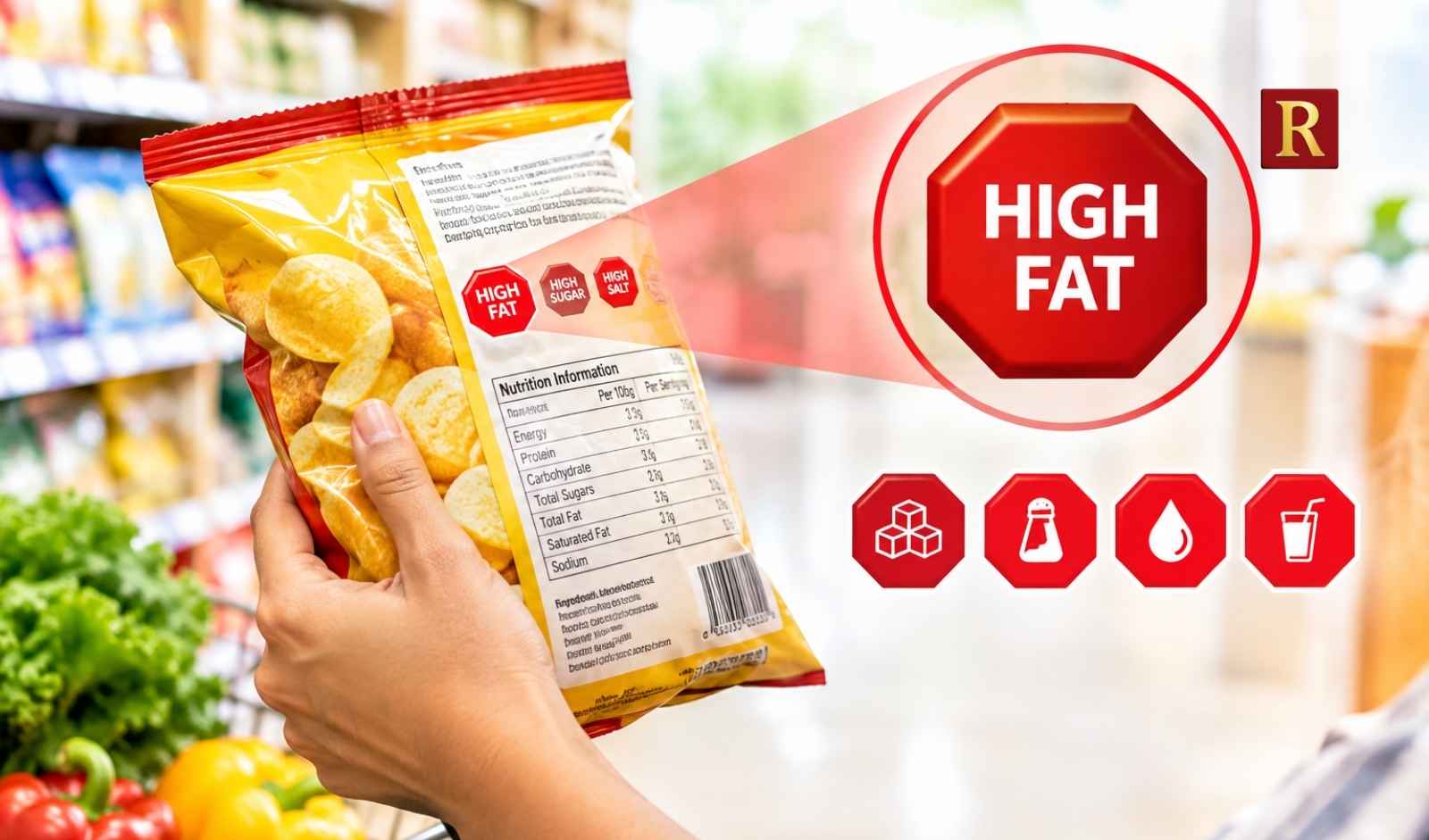
India could soon see a very visible change on packaged food. The Food Safety and Standards Authority of India (FSSAI) has proposed red, hexagonal warnings on the front of food packs to highlight products high in nutrients such as added sugar, fat and salt. The proposal is not yet a final labelling rule. The Supreme Court is still examining how the system should work. On September 10, 2026, the Court questioned FSSAI's initial plan to apply warnings first only to products high in two or more nutrients. FSSAI then said it would consider warnings for products high in even one nutrient. The Court has also sought more clarity on implementation.
If implemented, the label could change how Indians read a biscuit packet, breakfast cereal, namkeen, instant noodle pack or beverage. But a red warning would not mean that a food is poisonous or unsafe. It would be a quick nutrition signal. Here are seven things it could tell consumers.
7 Red Food Warning Labels
1. A Red Label Could Tell You What Needs a Closer Look
Most food information is currently placed on the back or side of a package. Consumers have to find the nutrition table, understand the numbers and then compare products. Front-of-pack labelling is designed to make that process faster. FSSAI's proposal describes the red hexagon as a simple and prominent warning for products high in specified nutrients of concern. The proposed labels include terms such as "HIGH FAT", "HIGH SALT" and "HIGH SUGAR". A "HIGHLY SWEETENED BEVERAGE" warning has also been proposed for relevant drinks. This matters because supermarket decisions can be quick. A shopper may spend only a few seconds looking at a packet. The World Health Organization has noted that front-of-pack systems work as supplementary nutrition information and are intended to help consumers understand products more easily at the point of purchase. The red label, therefore, would not replace the nutrition table. It would act as the first signal to look more closely.
2. "High Sugar" Does Not Mean Every Type of Sugar Is the Same
Sugar is one of the most misunderstood parts of a food label. A product can contain naturally occurring sugars and added sugars. These are not the same thing. The ICMR-National Institute of Nutrition's Dietary Guidelines for Indians, 2024, specifically discuss added sugars. They include sugars and syrups added during processing or preparation, with examples such as sugar, jaggery, honey, glucose, fructose and dextrose. That distinction becomes important when looking at products marketed with words such as "fruit", "natural" or "made with grains". For example, a fruit itself and a sweetened packaged fruit drink should not automatically be viewed as nutritionally identical simply because both use fruit-related language. A proposed warning could help consumers move beyond the large claims printed on the front.
- The useful question would become: What nutrient is actually high in this product?
That is a better way to read the packet than assuming that one word such as "natural" or "multigrain" tells the whole story.
3. "High Salt" Can Reveal Something You Cannot Judge From Taste Alone
Salt is another important part of the debate. Indian consumers encounter packaged salty foods in many forms. Namkeen, instant noodles, savoury biscuits, sauces, packaged soups and ready-to-eat foods can all contribute to salt intake. The ICMR-NIN Dietary Guidelines also identify salt as a nutrient of concern and discuss the role of processed and packaged foods in dietary patterns. The interesting point is that taste is not always a reliable way to compare products. Two products may not taste equally salty, yet their nutritional composition can still be different. A clear front warning could make salt easier to notice before purchase. For a shopper comparing two packets of noodles or two savoury snacks, this creates a simple second step: Look at the warning. Then compare the nutrition information. The goal is not to tell people that every salty food must disappear from their diet. It is to make the amount of a nutrient easier to notice.
4. "High Fat" Needs More Explanation Than a Red Symbol
This may be the most important point for consumers. A red warning about fat should not be interpreted as meaning that all fats are equally harmful. Food labels can distinguish between different types of fat, including saturated and unsaturated fats. The current Indian debate is also focused on how nutrient thresholds should be defined and applied. FSSAI's proposal submitted to the Supreme Court refers to added saturated fat, added sugar and salt as the nutrients of concern for its proposed system. That technical detail matters. A shopper should not see a warning and conclude that the entire product has no nutritional value. Nor should the absence of a warning be treated as proof that a product is automatically healthy.
- The red label would answer one question: Is the product high in a specified nutrient according to the regulatory threshold?
It would not answer every question about the food.
5. A Red Warning Could Make Marketing Claims Easier to Question
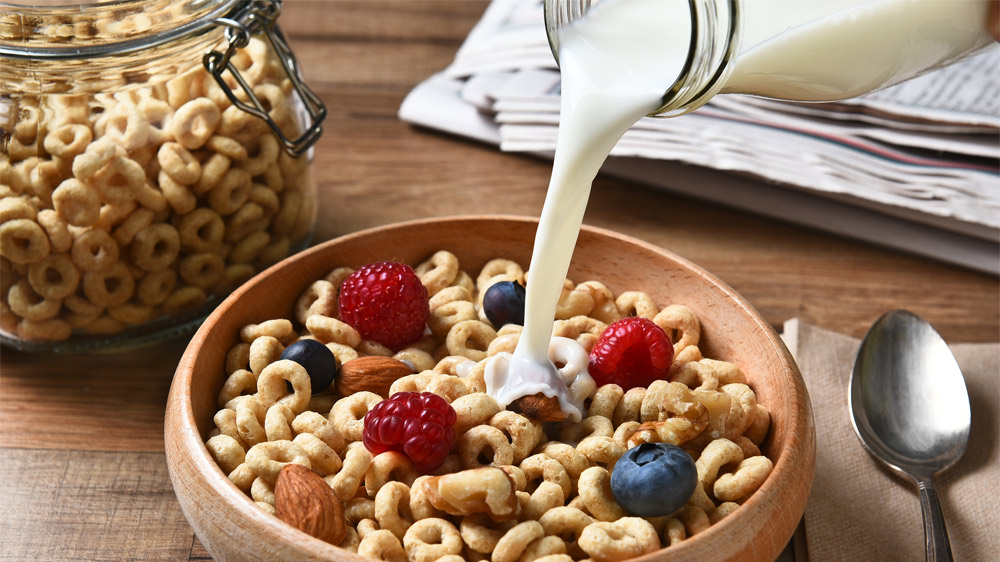
Food packaging is designed to attract attention. Words such as "wholesome", "energy", "natural", "fibre-rich" or "made with grains" can influence how consumers view a product before they read its nutrition panel. This creates an interesting role for front-of-pack warnings. Imagine a cereal box carrying a large health-oriented message on the front. Now imagine the same box carrying a prominent warning about a nutrient of concern. The consumer sees both messages at the same time. That could make shoppers more likely to ask what is actually inside the product. The issue is important because front-of-pack labelling is not supposed to function as a complete nutrition assessment. WHO describes it as supplementary information that works alongside mandatory nutrient declarations.
- In simple terms, the front could tell you: "Look here."
- The back can then tell you: "Look closer."
6. A Red Label Would Not Mean the Food Is Unsafe
This distinction needs to remain clear. A nutrition warning is not the same as a food safety warning. If a packet carries "HIGH SUGAR", that does not mean the food is contaminated. "HIGH SALT" does not mean it is adulterated. "HIGH FAT" does not mean the product is illegal. The warning would indicate that the product crosses a defined nutrient threshold. This is why the final design and wording matter so much. FSSAI has proposed using a red hexagonal shape and placing the warning prominently on the front. The proposed text would also use a font size one point larger than the nutrition information table on the back. The Supreme Court has, however, said that several practical aspects of the proposal still need clarification. These include the rollout and the exact operation of the warning system. So consumers should not treat the proposed design as a final rule yet.
7. The Label Could Change What Food Companies Put Inside the Packet
The biggest impact may eventually happen before a consumer even reaches the supermarket. If a warning becomes highly visible, food companies may have a stronger reason to reformulate products. This could mean looking at the amount of added sugar, saturated fat or salt used in a recipe. The World Health Organization identifies reformulation as one of the potential effects of front-of-pack labelling policies.
This is where the policy becomes bigger than packaging.
- A consumer sees a red warning.
- A manufacturer sees a reason to reconsider a recipe.
- Over time, that could affect how packaged foods are developed and marketed.
However, the result will depend on the final Indian rules, the nutrient thresholds and how effectively the system is implemented.
Why This Debate Matters in India
The discussion comes against a significant metabolic-health burden. The ICMR-INDIAB national study included 113,043 people. It found a weighted prevalence of 11.4% for diabetes, 15.3% for prediabetes, 35.5% for hypertension, 28.6% for generalised obesity and 39.5% for abdominal obesity. These numbers do not mean that front-of-pack warnings can solve these problems. They show why clearer information about food composition has become an important public-health discussion. The ICMR-NIN Dietary Guidelines for Indians, 2024, also place attention on nutrients such as fat, sugar and salt and discuss the nutritional concerns associated with different types of processed foods. For India, the challenge is therefore not simply putting a red symbol on a packet. The bigger challenge is making sure consumers understand what the symbol means.
The Interesting Part: One Red Label Cannot Tell the Whole Story
A useful way to think about a future warning label is as a four-step reading system.
- Step 1: Look at the front. Check whether a warning is present.
- Step 2: Identify the nutrient. Is it sugar, salt or fat?
- Step 3: Read the nutrition table. Look at the actual numbers.
- Step 4: Check the ingredients and portion. Understand what the product contains and how much you are likely to eat.
This matters because a warning label would not tell you everything. It would not tell you how much protein or fibre a product contains. It would not tell you whether the food fits your personal diet. It would not replace the ingredient list. It would simply make one important part of the nutrition information harder to miss.
India's Red Label Is Still Being Shaped
The proposal has already changed during the current legal process. FSSAI initially proposed a first phase covering products high in at least two of the specified nutrients, followed by a second phase for products high in one. The Supreme Court questioned why a product high in just one nutrient should initially escape the warning. On September 10, FSSAI told the Court it would consider applying warnings to products high in any one nutrient. The Court has asked for further clarity, and the matter remains under consideration. That means consumers may eventually see a red warning on packaged foods, but the final format, thresholds and implementation timeline should not be presented as settled until the regulatory process is completed. For shoppers, the most useful lesson is simple. A red label would not tell you that a food is "good" or "bad". It would tell you that one part of its nutritional profile deserves attention. And that may be exactly what front-of-pack labelling is meant to do: make an important number visible before the packet disappears into the shopping bag.
Saptopriya Ghosal
Feature Writer
I am a dedicated media professional with a bachelor's degree in mass communication from the State University of Calcutta and a postgraduate degree from Amity University. My academic journey has equipped me with a profound understanding of storytelling and communication. Passionate about the dynamic world of media, I continually strive to explore new ways to engage and inform through compelling narratives.