7 Summer Drinking Rituals from Around the World
From India's tangy mango coolers to Paraguay's herbal infusions, these drinks are more than seasonal favourites. They tell stories of culture, community, and the simple joy of sharing a refreshing sip on a hot day.


As temperatures rise, every culture has its own way of embracing the season. In many parts of the world, summer beverages have evolved into cherished rituals that go beyond hydration. While modern refrigerators and ready-to-drink beverages have changed how we consume refreshments, many traditional summer drinking rituals continue to thrive. These customs offer a glimpse into local ingredients, climate adaptations, and centuries-old hospitality practices.
From India's tangy mango coolers to Paraguay's herbal infusions, these drinks are more than seasonal favourites. They tell stories of culture, community, and the simple joy of sharing a refreshing sip on a hot day.
Explore 7 Summer Drinking Rituals
1. India's Aam Panna: The Ultimate Summer Cooler
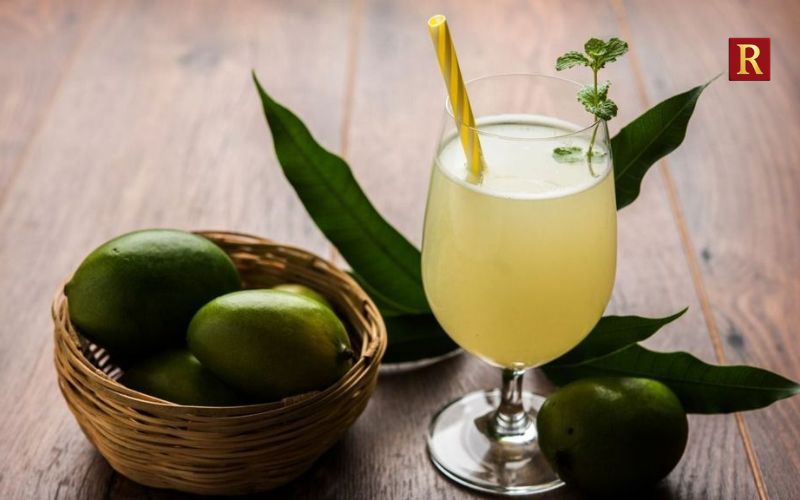
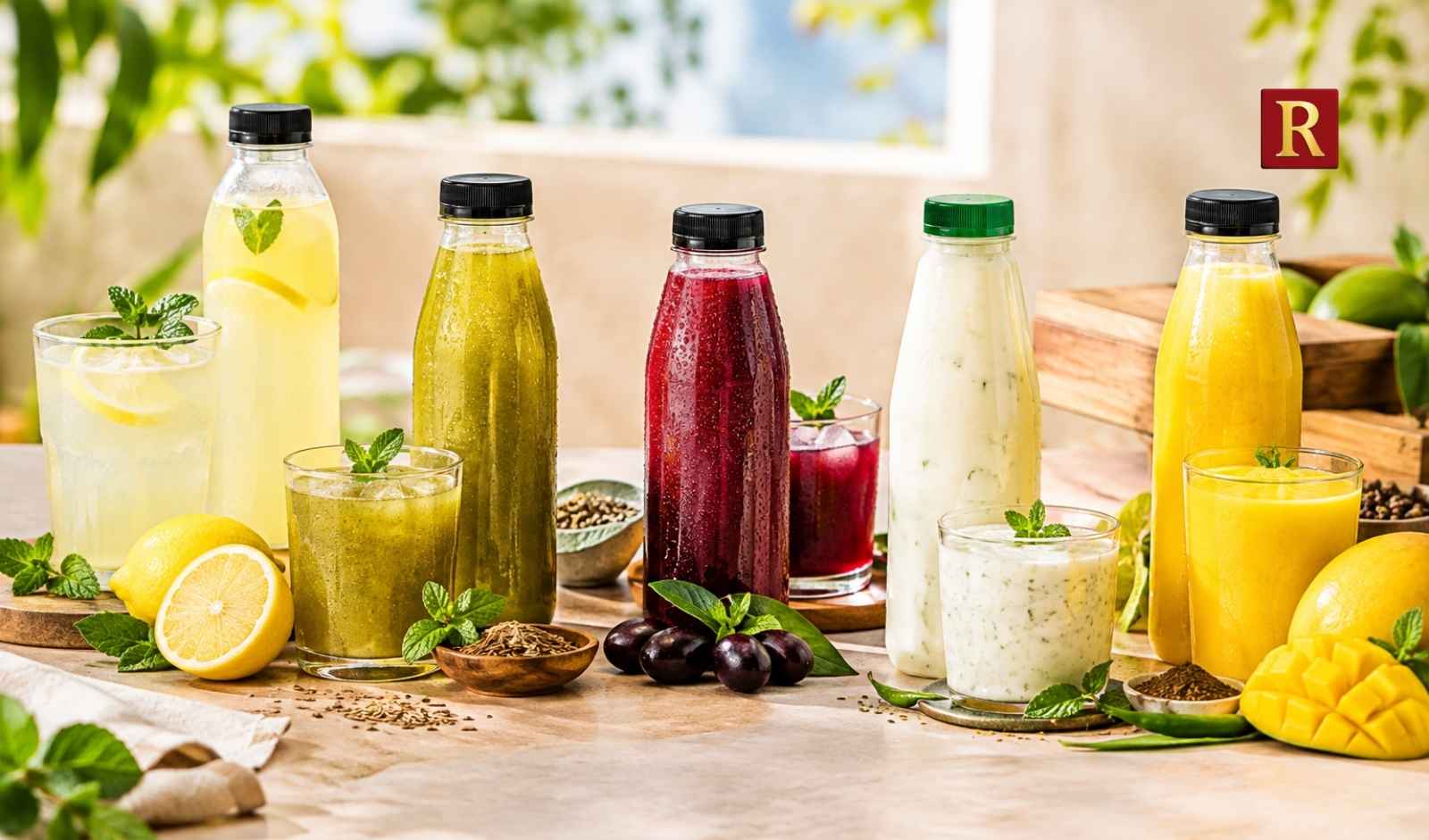
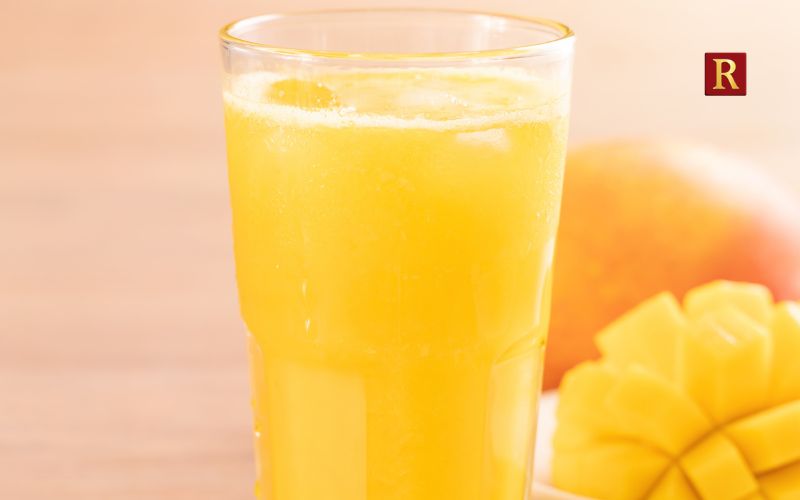
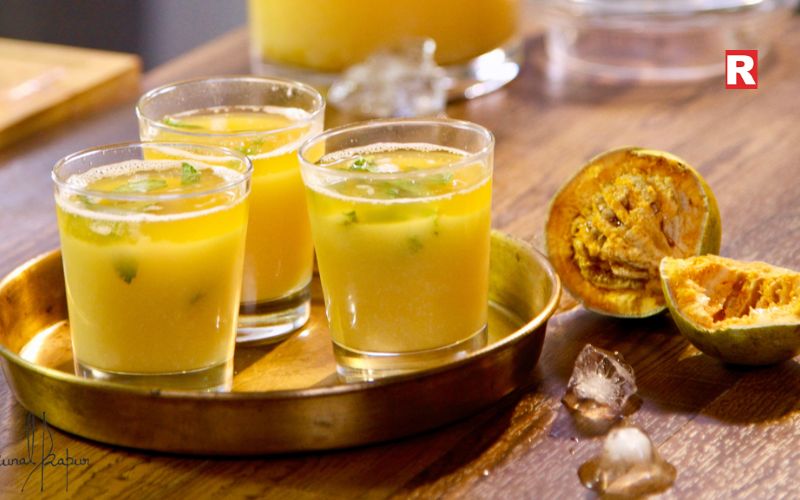
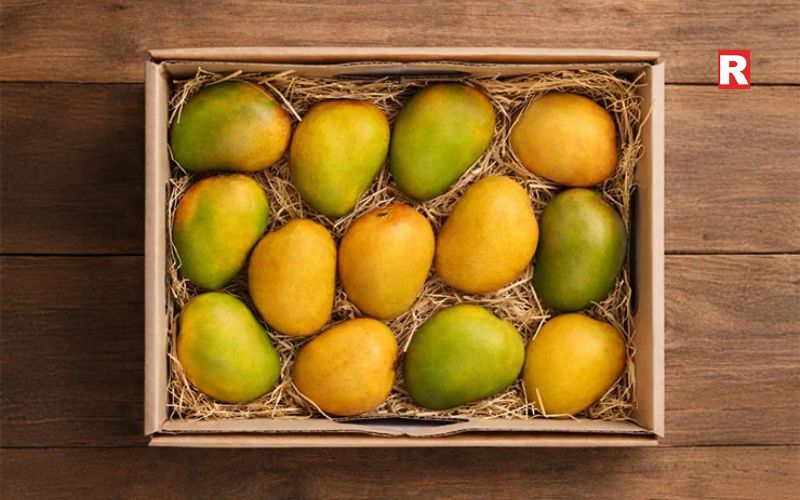
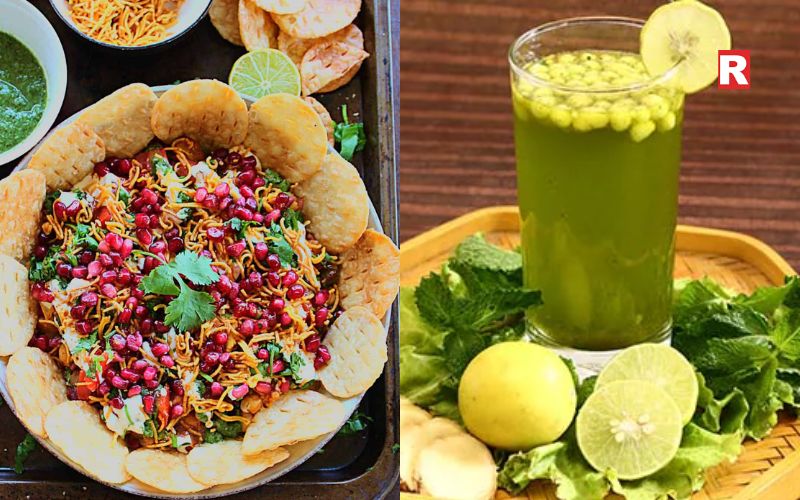
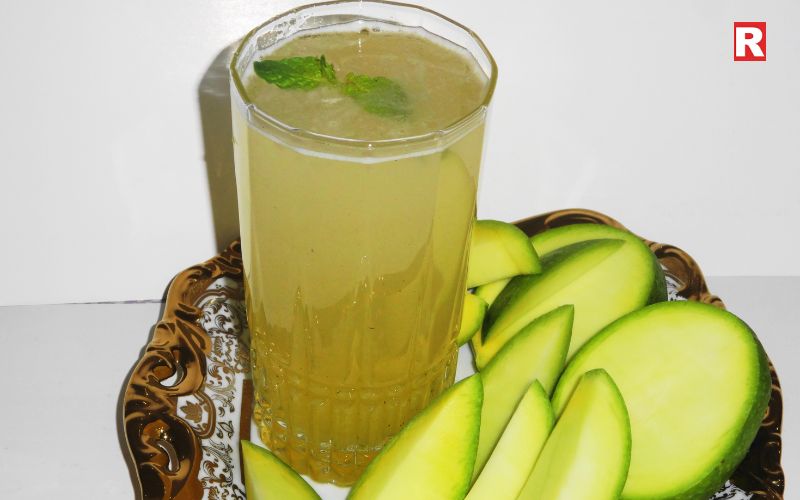
For many Indians, the arrival of summer is closely tied to mango season. Before packaged electrolyte drinks became common, households relied on aam panna to beat the heat. Made from raw green mangoes, this refreshing beverage combines mint leaves, roasted cumin powder, black salt, and a touch of sweetness. The mangoes are usually boiled or roasted before being blended into a concentrated mixture that can be stored and diluted when needed. Growing up in India often means remembering a glass of chilled aam panna waiting after a long afternoon outdoors. Grandmothers would prepare large batches, believing it protected the body from extreme heat. There is practical wisdom behind this tradition. Raw mangoes contain vitamin C, while black salt helps replenish minerals lost through sweating. Roasted cumin supports digestion, making the drink both refreshing and functional. Even today, many families continue this ritual as a way of preserving culinary heritage while staying cool naturally.
2. Italy's Aperitivo: An Evening Ritual of Connection
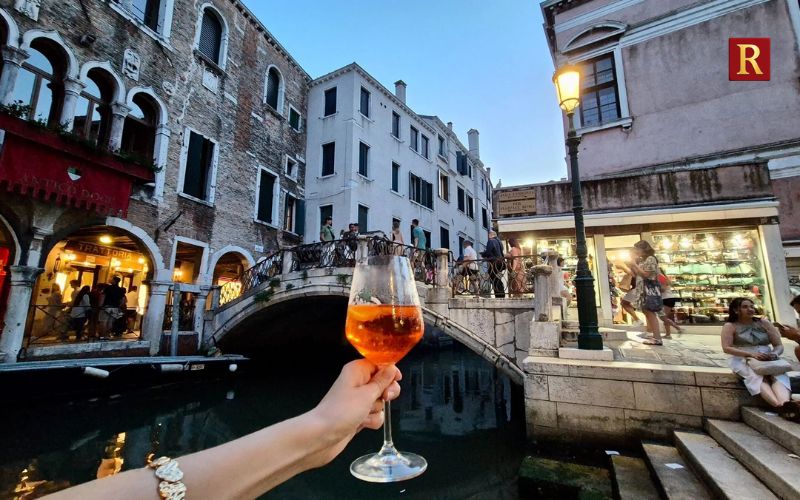
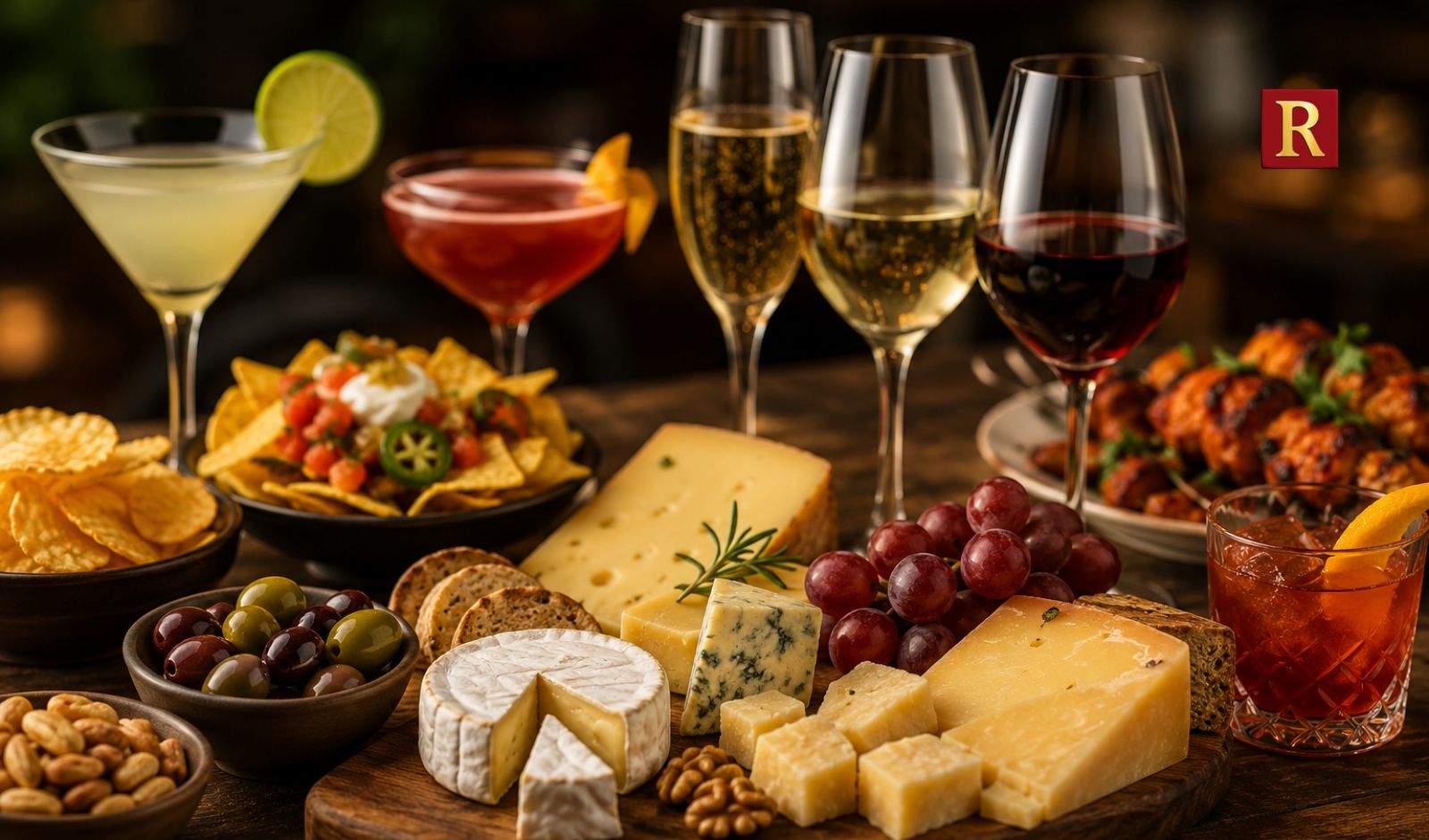
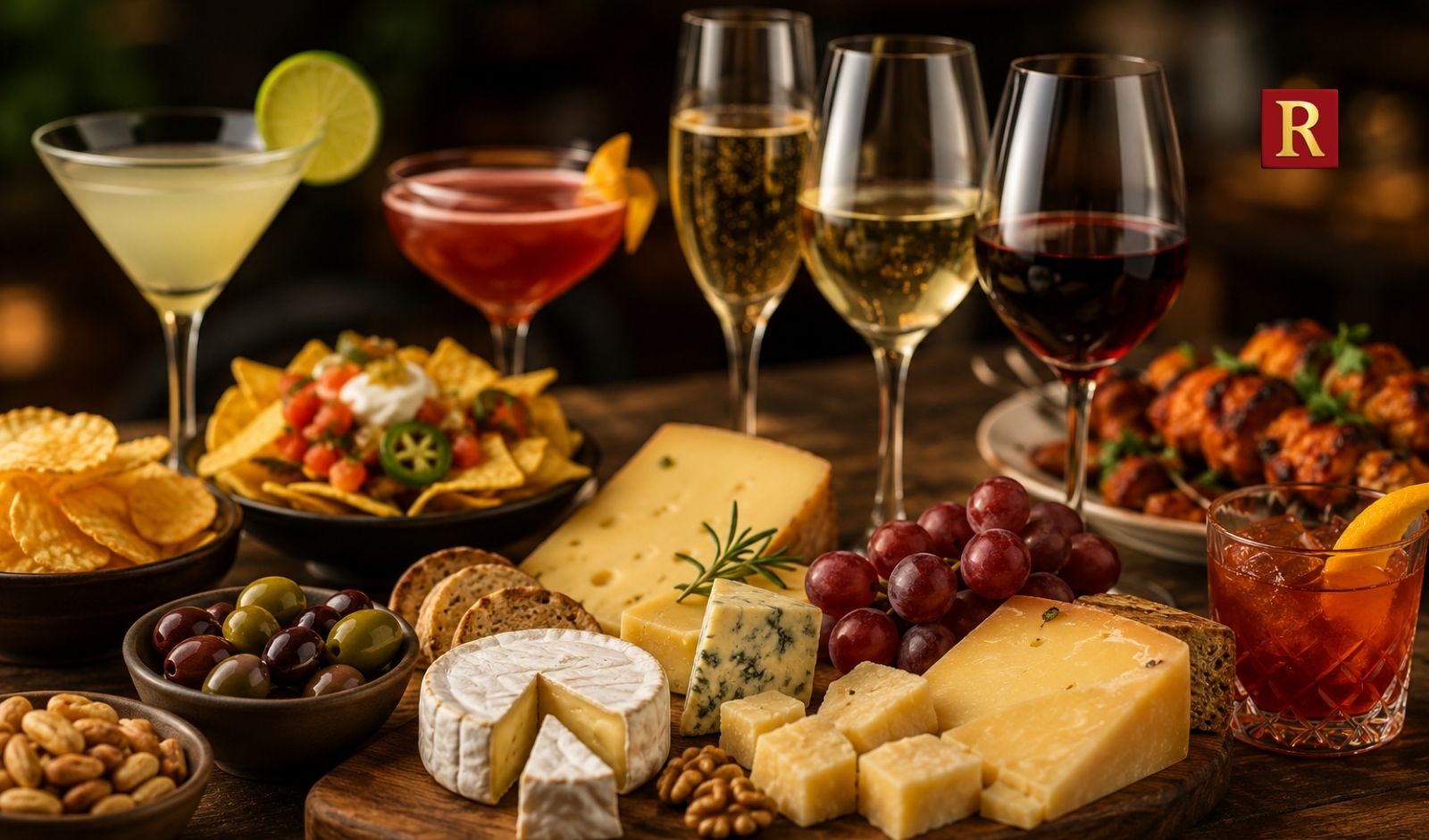
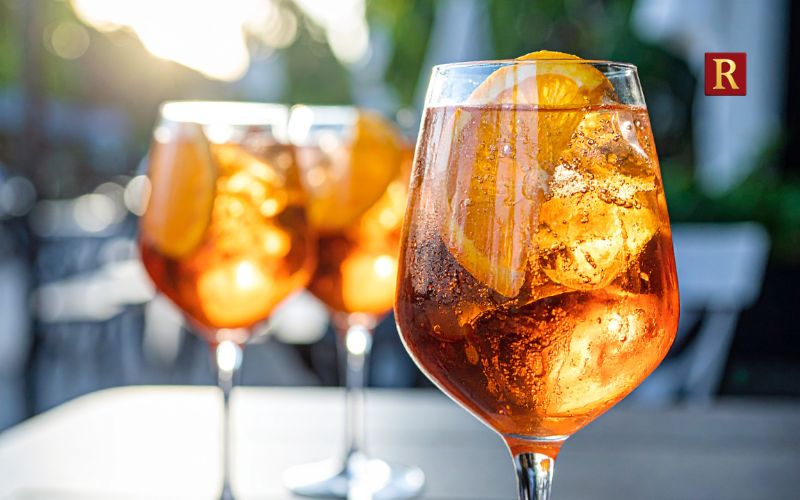
In Italy, summer evenings often begin with aperitivo. This pre-dinner tradition usually takes place between late afternoon and early evening. Friends, colleagues, and family members gather at cafés or outdoor terraces to enjoy light drinks accompanied by small bites. Popular choices include spritz-based cocktails and non-alcoholic bitter beverages served with olives, nuts, or simple appetisers. The true essence of aperitivo lies in slowing down. It is a moment to pause after work, catch up with loved ones, and transition into the evening. Unlike hurried dining habits, this ritual celebrates conversation and presence. The drink becomes secondary to the experience itself. As cities around the world embrace outdoor dining cultures, the Italian approach to summer socialising continues to inspire people seeking meaningful connections.
3. Paraguay's Tereré: A Shared Symbol of Friendship
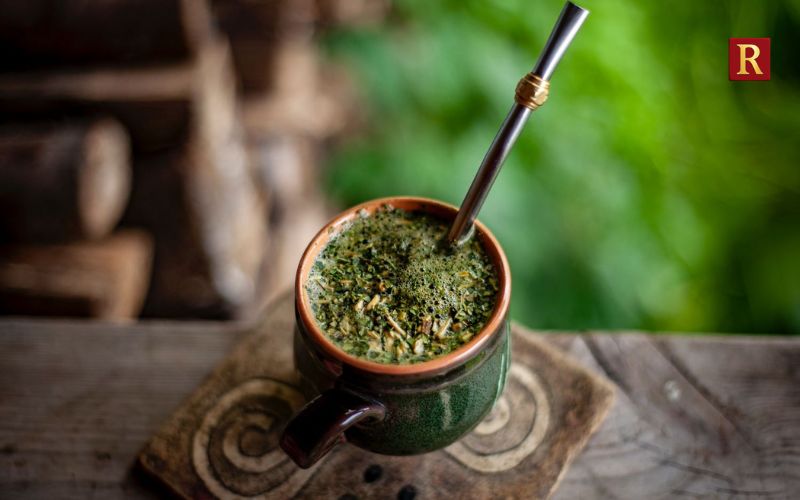
Few summer traditions highlight community as beautifully as Paraguay's tereré ritual. Tereré is prepared using yerba mate leaves steeped in ice-cold water. The drink is traditionally served in a shared cup using a metal straw called a bombilla. What makes this custom unique is the communal aspect. The same vessel circulates among participants, symbolising trust and companionship. Many Paraguayans enhance tereré with medicinal herbs believed to offer cooling effects. The herbs may vary depending on local preferences and family traditions. Despite modern lifestyles, tereré remains deeply rooted in daily life. It transforms ordinary moments into opportunities for conversation and togetherness.
4. Britain's Pimm's Tradition: The Taste of Summer Events
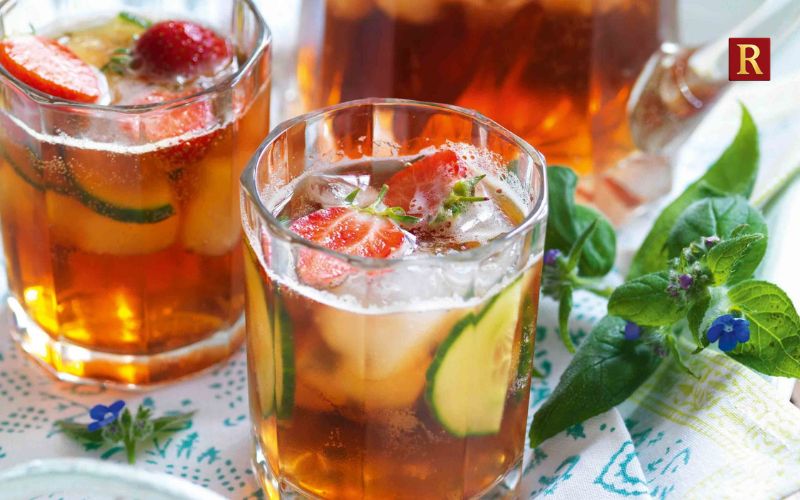
In the United Kingdom, certain drinks instantly evoke memories of summer gatherings. Pimm's has become one such seasonal icon. The fruit-filled beverage is especially popular during garden parties, outdoor celebrations, and sporting events. It is commonly prepared by mixing Pimm's No. 1 with lemonade and adding slices of cucumber, strawberries, oranges, and mint. The result is light, refreshing, and visually appealing. For many Britons, sipping Pimm's while watching tennis has become a cherished summer experience. The drink reflects the country's fondness for leisurely social occasions held under the rare appearance of sunshine. Its enduring popularity demonstrates how beverages can become closely associated with national identity and seasonal traditions.
5. Mexico's Agua Fresca: Celebrating Seasonal Abundance
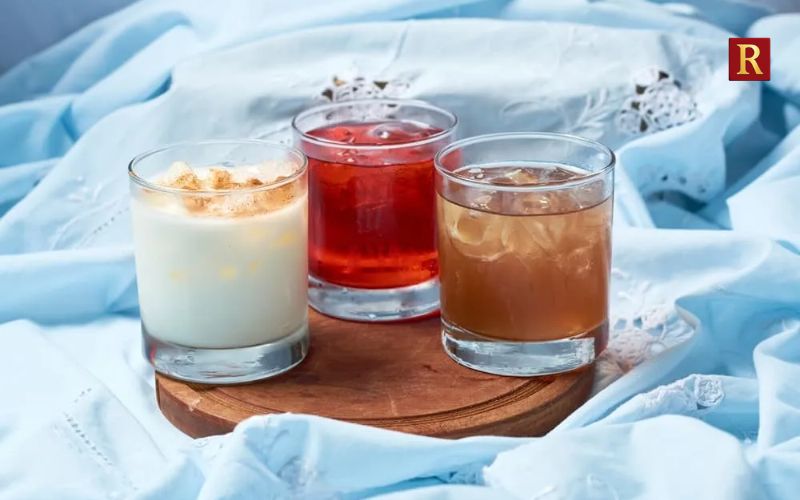
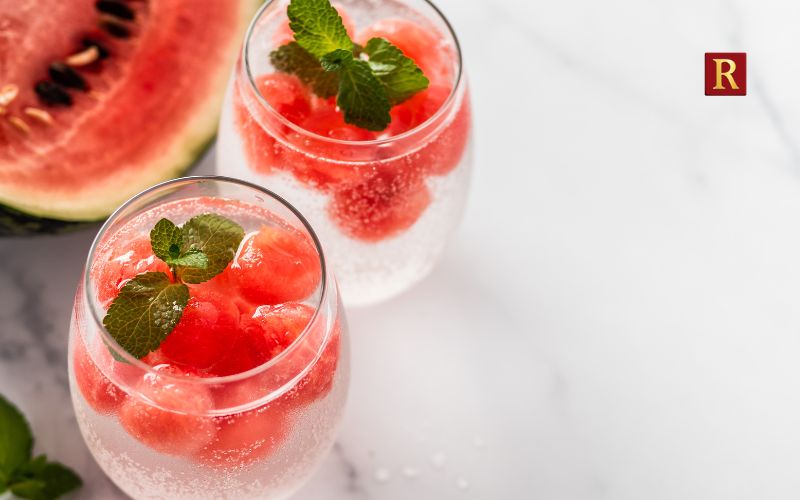
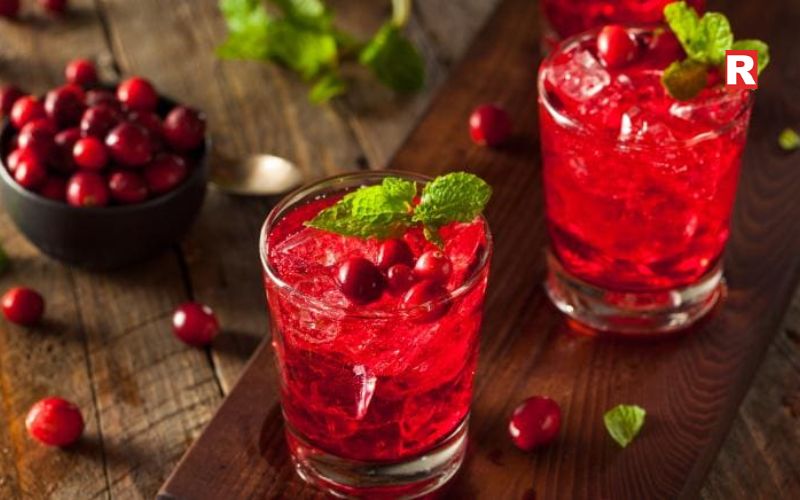
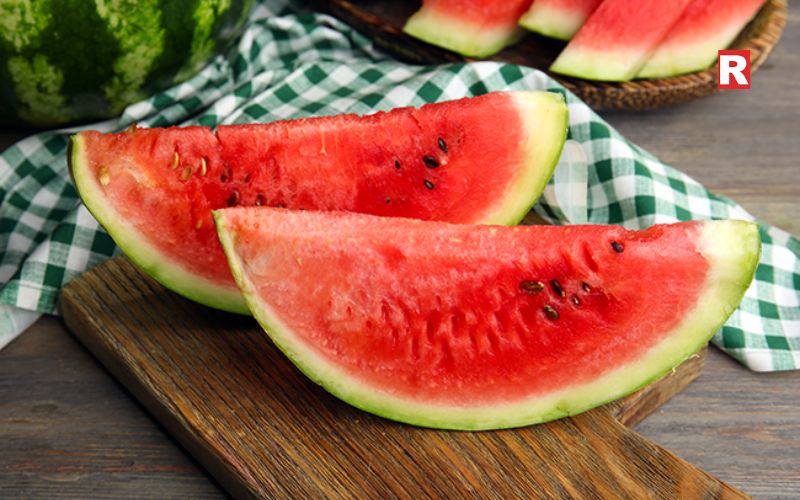
Mexico's vibrant food culture extends naturally into its summer beverages. Agua fresca, which translates to "fresh water," refers to fruit-infused drinks made using simple ingredients. Street vendors and home cooks prepare countless variations using seasonal produce. Watermelon, tamarind, cucumber, and hibiscus are among the most popular choices. One of the most beloved versions is agua de jamaica, made from dried hibiscus flowers. The drink offers a tart flavour profile and a deep ruby colour that stands out on any table. What makes agua fresca special is its accessibility. It transforms readily available fruits into refreshing beverages that can be enjoyed by everyone. The tradition highlights the importance of seasonality and resourcefulness in Mexican cuisine.
6. Japan's Cold Tea Traditions: Finding Balance in Simplicity
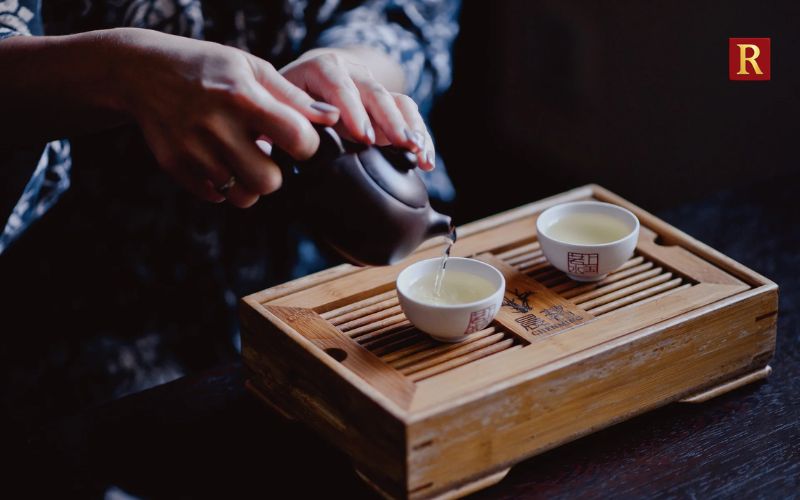
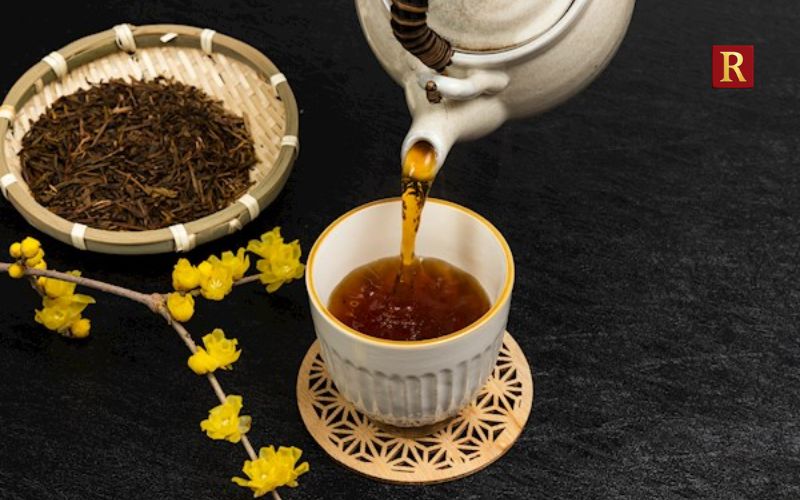
Japanese summer drinking customs often reflect mindfulness and precision. Cold-brewed green tea and mugicha, or roasted barley tea, are staples during warmer months. These beverages are commonly served at home, in restaurants, and alongside meals. Mugicha holds a special place in many households. Since it contains no caffeine, people of all ages can enjoy it throughout the day. Cold brewing green tea produces a smoother taste by reducing bitterness. The process requires patience, reinforcing the Japanese appreciation for intentional preparation. These beverages demonstrate how simplicity can create a deeply satisfying experience. Rather than relying on excessive sweetness, they celebrate subtle flavours and thoughtful craftsmanship.
7. Spain's Sangria Gatherings: Sharing Joy One Pitcher at a Time
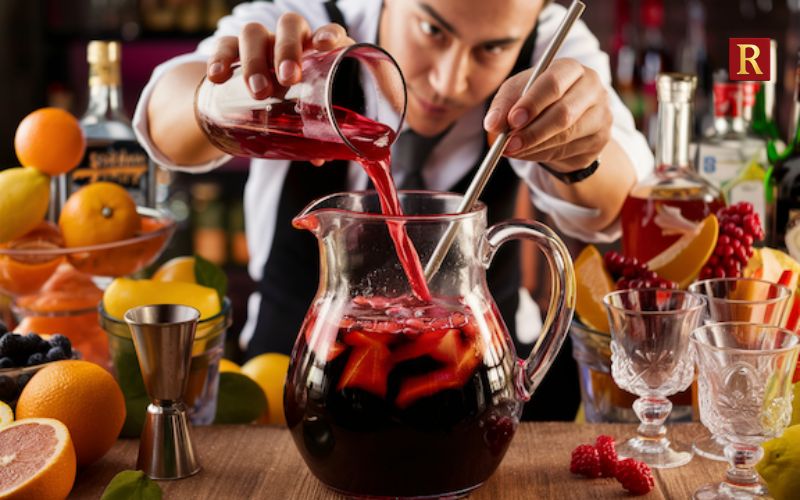
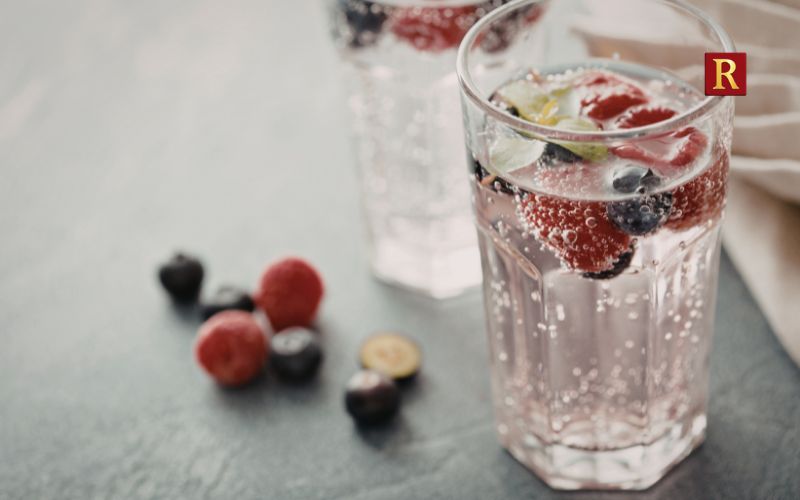
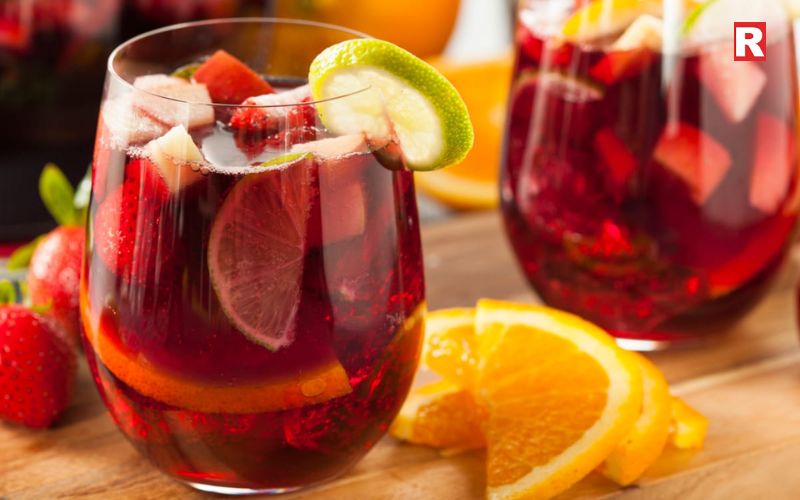
Spain's long summers encourage outdoor celebrations that often stretch late into the evening. Sangria has become synonymous with these festive occasions. Traditionally prepared with wine, chopped fruits, and a touch of sweetness, the beverage is designed for sharing. Families and friends gather around large pitchers during festivals, weekend lunches, and neighbourhood celebrations. Different regions have their own interpretations, adding local ingredients to personalise the drink. At its heart, sangria represents hospitality. Preparing a large batch signals that everyone is welcome at the table. The ritual reflects Spain's broader cultural emphasis on togetherness and enjoying life's simple pleasures.
What Makes a Great Summer Ritual Drink?
Not every refreshing beverage becomes a cultural tradition. The summer drinks that evolve into rituals often share a few important characteristics. They are practical, meaningful, and deeply connected to the communities that create them.
Hydration That Supports the Body: Summer rituals usually emerge in response to hot weather. These drinks are designed to help people stay refreshed and cope with rising temperatures. For example, India's aam panna contains black salt and raw mango, ingredients traditionally used to replenish minerals lost through sweating. Mexico's agua fresca uses water-rich fruits that naturally contribute to hydration.
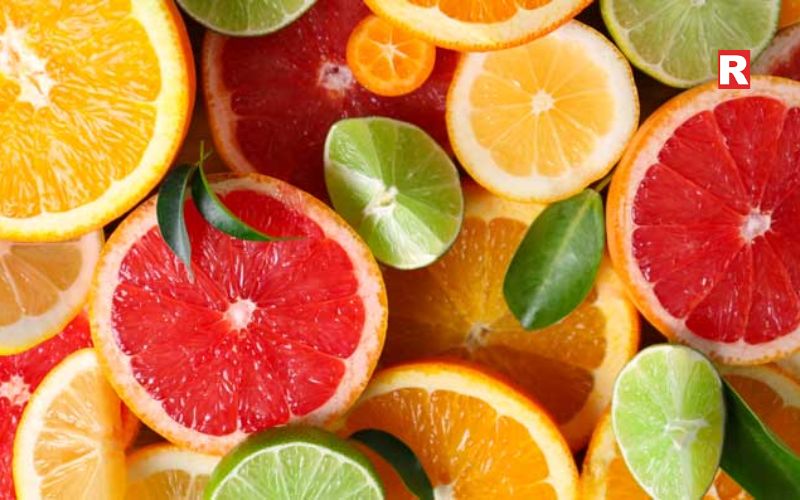
Seasonal and Local Ingredients: The best summer traditions celebrate what is naturally available during the warmer months. Raw mangoes dominate Indian kitchens in early summer. Watermelons and hibiscus flourish in many parts of Mexico. Citrus fruits feature prominently in Mediterranean beverages.
A Sense of Togetherness: Many of these drinks are meant to be shared. Paraguay's tereré is passed from person to person in a communal cup. Spain's sangria is often served in large pitchers during family gatherings. Italy's aperitivo encourages friends and colleagues to pause and connect before dinner. The ritual surrounding the drink often matters as much as the beverage itself.
Functional Benefits Beyond Taste: Traditional summer drinks frequently offer more than just flavour. Roasted cumin in aam panna is valued for its digestive properties. Yerba mate used in tereré contains naturally occurring antioxidants and caffeine. Cold-brewed teas in Japan provide a lighter taste while preserving beneficial plant compounds. For generations, communities have combined culinary wisdom with practical health considerations to create beverages suited to the season.
Simplicity and Accessibility: One reason these rituals endure is because they are easy to recreate. Most traditional summer drinks rely on readily available ingredients and uncomplicated preparation methods. Families can make them at home without specialised equipment.
A Reflection of Cultural Identity: Perhaps the most important element is the emotional connection these beverages create. A glass of aam panna may remind someone of summer holidays spent with grandparents.
These drinks carry traditions, memories, and values. They become symbols of hospitality, celebration, and belonging.
The Secret Ingredient: Meaning
What truly makes a great summer ritual drink is not an exotic ingredient or a complicated recipe. It is the meaning attached to it. The most memorable beverages are those that bring comfort during hot days, encourage people to gather around the table, and preserve stories worth sharing. In a world filled with endless beverage choices, these timeless traditions remind us that sometimes the most refreshing experiences are also the most human.
Your Summer Sip!
Although these traditions originate from different parts of the world, they share common themes. They prioritise seasonal ingredients. They encourage social interaction. They preserve cultural knowledge passed down through generations. In today's fast-paced environment, these rituals remind us that refreshment is not solely about quenching thirst. Sometimes, it is about slowing down, gathering with others, and appreciating the stories behind what we drink. Whether it is the tangy comfort of aam panna on a scorching Indian afternoon or the communal spirit of tereré shared among friends, these customs reveal something universal. The world's favourite summer drinks are often the ones that bring people closer together. And perhaps that is the most refreshing tradition of all.
Saptopriya Ghosal
Feature Writer
I am a dedicated media professional with a bachelor's degree in mass communication from the State University of Calcutta and a postgraduate degree from Amity University. My academic journey has equipped me with a profound understanding of storytelling and communication. Passionate about the dynamic world of media, I continually strive to explore new ways to engage and inform through compelling narratives.