
7 Restaurant Trends That Didn't Last Long
The thing with trends is that they keep emerging, and new ones are introduced. Therefore, if a trend is too old or not making enough money, it is replaced by a new one. For every trend that gains momentum and becomes routine, numerous others briefly gain popularity before fading away to little more than a hint of nostalgia.

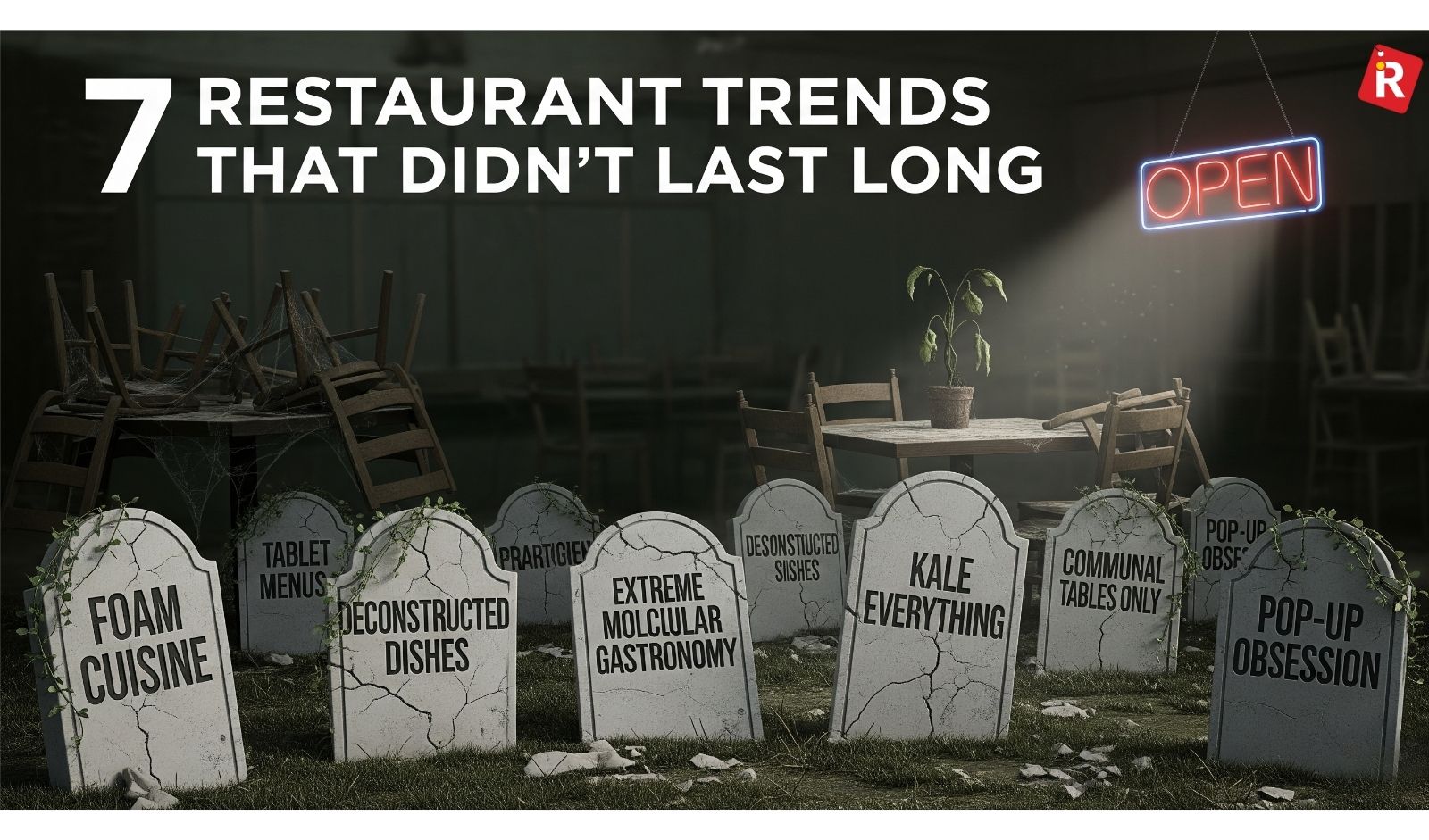
Restaurants continually strive to introduce new initiatives and incorporate emerging market trends. They do so to attract more customers, which in turn brings in customers to the restaurant, albeit temporarily. The thing with trends is that they keep emerging, and new ones are introduced. Therefore, if a trend is too old or not making enough money, it is replaced by a new one. For every trend that gains momentum and becomes routine, numerous others briefly gain popularity before fading away to little more than a hint of nostalgia.
In this article, we’ll examine the elements that led to the initial attractiveness and eventual downfall of some of the more well-known restaurant trends in India that didn't survive long. Knowing these short-lived trends can help present and future restaurateurs by highlighting the value of sustainability, real value, and adjusting to changing customer tastes in a market that is constantly changing.
Read more: Burma Burma Opens Three New Outlets in Delhi-NCR
The Allure of Innovation: Why Trends Emerge
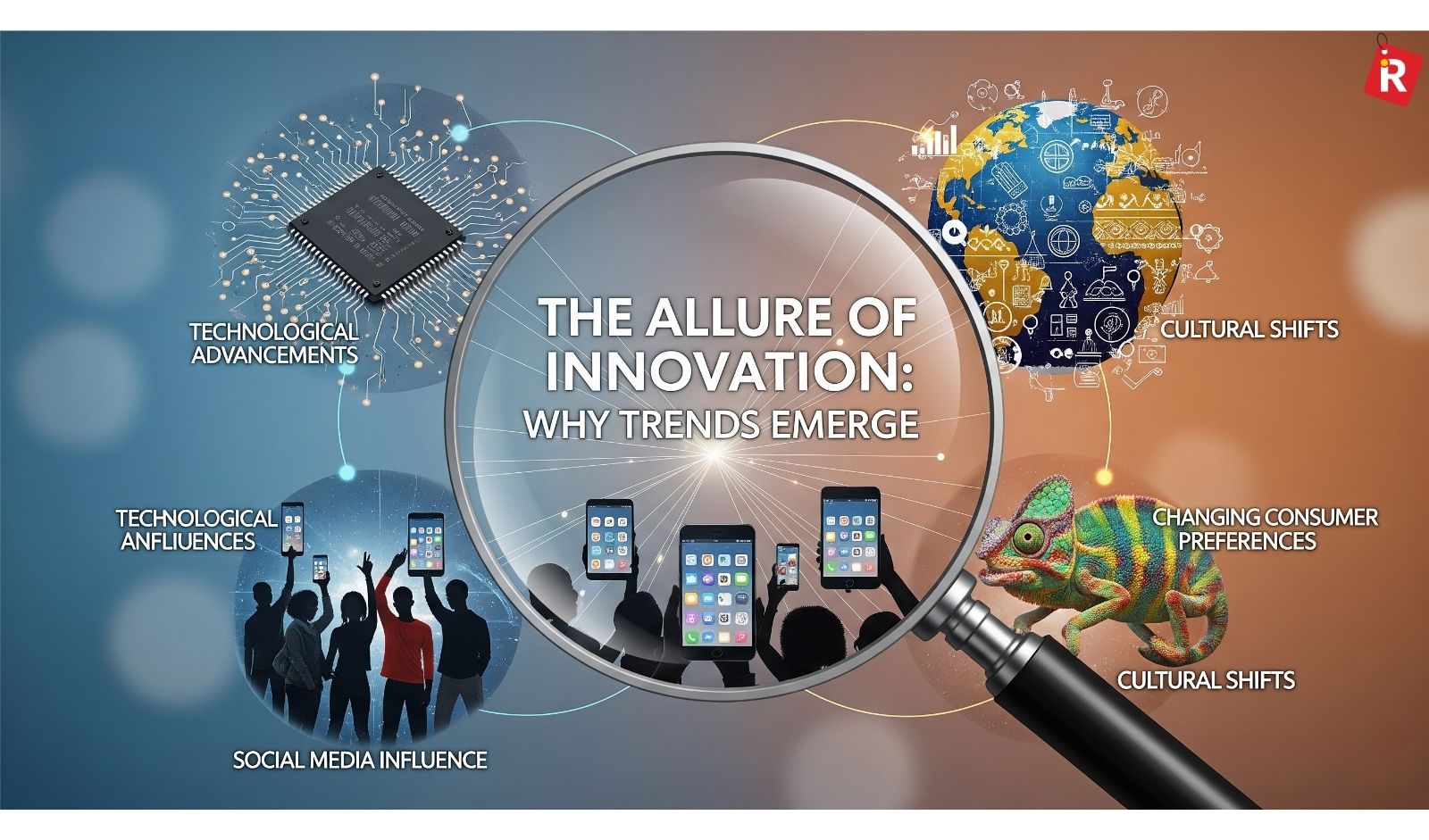
Before we take a look at the trends that have died down, we need to know how trends emerge. Several factors contribute to the culinary trends.
- Social Media Buzz: In the digital age, a dish or dining experience that is visually beautiful or technically engaging has the potential to go viral very quickly, creating a great deal of attention and driving initial customers. Twitter (X) and Instagram are two examples of platforms that are effective in boosting the adoption of trends.
- Celebrity Promotion: When a well-known celebrity or influencer supports a certain dish or dining method, it can immediately generate interest by lending legitimacy and appeal. Fans also want to try the dish that their favorite celebrity tried, creating a new trend.
- Perceived Health Benefits: Trends frequently take advantage of the current health consciousness in people by promoting foods or dietary practices that are thought to be advantageous, even when the scientific evidence supporting them is occasionally questionable.
- Comfort and Nostalgia: On the other hand, some trends offer the customers a desire for simpler times or well-known tastes, providing a cozy and sentimental experience.
- Scarcity and Exclusivity: Trendsetters may adopt products early on due to a sense of urgency and exclusivity created by time-limited promotions or difficult-to-access experiences.
- Innovation and Experimentation: Chefs are always pushing beyond the limits of what is possible to cook, and occasionally their daring attempts catch the public's attention, at least temporarily.
Know more: How Awards Can Drive Diners to Your Restaurant
7 Notable Restaurant Trends in India With a Short Lifespan
Here are some of the notable restaurant trends that were popular in India for a while but could not make a permanent place for themselves.
1. Molecular Gastronomy Lite
The Trend: Many Indian restaurants, inspired by the avant-garde culinary trend, developed "lite" versions of molecular gastronomy. This included the use of methods such as spherification, foams, and edible "air" to produce visually appealing dishes.
Why It Didn't Last: While the initial visual appeal was evident and sparked social media hype, many restaurants struggled to execute these approaches consistently and with actual nutritional value. Often, the emphasis was on the "stunt" rather than the taste or the entire dining experience. The idea of being extremely experimental and potentially costly without a significant flavor benefit also limited widespread acceptance. The Indian palate, while open to new ideas, ultimately values taste and well-known flavor combinations.
2. Gourmet Burger Mania
The Trend: India saw a boom in "gourmet" burger restaurants, following worldwide trends. They had gourmet patties, handcrafted buns, unusual toppings, and artistic presentations, going above and beyond the typical fast-food options.
Why It Didn't Last: Although high-quality burgers are still in demand, hyper-specialized gourmet burger restaurants frequently struggled with both pricing and customer traffic. Despite their popularity, burgers are frequently thought of as a more informal eating choice. For everyday dining, this view wasn't necessarily supported by the expensive prices of some gourmet burgers. Furthermore, a single, luxury fast-food item's long-term domination proved challenging due to the wide variety of regional and international cuisines that appeal to the Indian palate.
3. American Diner Replicas
The Trend: Many restaurants tried to replicate the retro look, complete with checkerboard flooring, old artifacts, and menus that featured milkshakes, enormous quantities, and comfort food staples, after being inspired by vintage American diners.
Why It Didn't Last: Despite the initial appeal of the theme's originality, many of these restaurants found it difficult to both satisfy Indian palates and accurately depict the spirit of American diner culture. Too bland or out of proportion to the perceived value, the food frequently failed to live up to expectations. Operational expenses were also increased by importing particular ingredients and maintaining the complex theming. In the end, a lot of diners favored either more regional eating options or genuine international experiences.
Check out: 6 Common Ingredients Used in South Indian Cuisines
Top Beers to Try on This International Beer Day
4. Frozen Yogurt Frenzy
The Trend: In Indian cities, frozen yogurt franchises and independent shops quickly expanded in the middle of the 2010s. Its original popularity was driven by its customizable aspect, supposed health benefits (in comparison to ice cream), and choice of toppings.
Why It Didn't Last: There was fierce competition as the frozen yogurt industry soon became overcrowded. The originality of the element faded, and the high sugar and calorie content of the toppings occasionally overpowered the apparent health benefits. Due to its frequent dependence on heavy foot traffic in desirable areas, the business model was prone to variations in real estate prices and shifting customer preferences. Furthermore, for a large portion of the year, the Indian climate prefers warmer deserts.
5. Food Trucks
The Trend: Gourmet food trucks, which served cuisines from mobile kitchens, became a popular idea in metropolitan India. Along with an addition of culinary experience, they offered affordability and comfort.
Why It Didn't Last: Although food trucks are still in use today, the first generation of "gourmet" food trucks had many difficulties. Permit and parking-related regulatory barriers were major obstacles. Some found it challenging to maintain constant quality and hygiene in a mobile system. Operations in various regions of India were also greatly impacted by the monsoon season. The "gourmet" food truck concept failed to carve out an appropriate spot for itself between traditional street sellers and well-known restaurants, although street food is still an essential part of Indian culture.
6. Themed Cafes
The Trend: Intending to create lasting memories with coffee and snacks, cafes with extremely specific themes—from board games and novels to certain fandoms or travel destinations—have appeared in numerous cities.
Why It Didn't Last: Although these cafes initially drew in particular crowds, their long-term success frequently relied on elements other than the theme, like the quality of the food and drinks, the level of service, and the general atmosphere. If the main services weren't appealing enough to keep clients, the theme's freshness might fade. Furthermore, it could be expensive and time-consuming to maintain the particular theming and continuously update the experience.
7. DIY Food Concepts
The Trend: There was a temporary increase in the number of restaurants that offered a wide range of "Do-It-Yourself" alternatives, allowing customers the chance to personalize everything from bowl meals with a variety of ingredients to pasta sauces and pizza toppings.
Why It Didn't Last: Although many people find personalization appealing, its introduction has resulted in problems with food waste, uneven quality control, and longer preparation times. Some diners may find the sheer volume of options overwhelming. It was difficult and expensive for restaurants to keep a large supply of fresh ingredients on hand for essential customization.
What's new: Functional Mushrooms: The Next Big Trend in Beverages and Food Innovation
What Restaurateurs should learn for long-term success
The rise and fall of these trends offer valuable lessons for those looking for success in the Indian culinary scene.
- Focus on Core Quality and Value: While uniqueness may draw in customers at first, sustained success depends on continuously providing top-notch cuisine, first-rate service, and an appealing selling point that encourages return business.
- Adapt to Local Palates: For long-term success in India, it is critical to understand and accommodate local taste preferences, even as it is necessary to embrace global influences.
- Operational Efficiency and Cost Management: It can be challenging to maintain trends that call for complex procedures, pricey ingredients, or high overheads over the long term.
- Genuine Experience and Authenticity: Diners are frequently able to spot flimsy tricks. It's crucial to design a dining experience that is sincere and true to their values and tastes.
- Sustainability Beyond Trends: In the restaurant industry, true sustainability is developing a strong business plan that can adjust to shifting customer tastes and market conditions.
- The Power of Connection and Personalization: Creating a solid link with your customer base by providing them with individualized experiences and sincere interaction can encourage loyalty that goes beyond trends.
Read this: How "Swicy" Dishes Can Transform Your Restaurant's Menu
As new trends emerge and fade, the Indian restaurant business will continue to evolve. Building a solid foundation that includes quality, value, knowing the local market, and developing a sincere relationship with diners is the key to long-term success, even if restaurateurs must remain informed and adjust to shifting consumer tastes. The trends that last are those that skillfully combine innovation with timeless ideas of hospitality and culinary excellence, turning into a treasured aspect of India's rich and dynamic food culture rather than merely a passing trend.
Mahak Sharma
Content Writer
Mahak Sharma is a passionate content writer with 2 years of experience crafting compelling content across various niches, tailoring her writing to suit different audiences and platforms. She is dedicated to producing engaging content for readers so that they can understand and enjoy the articles. Her strengths lie in crafting SEO-friendly, well-structured articles that drive visibility and engagement.



































































