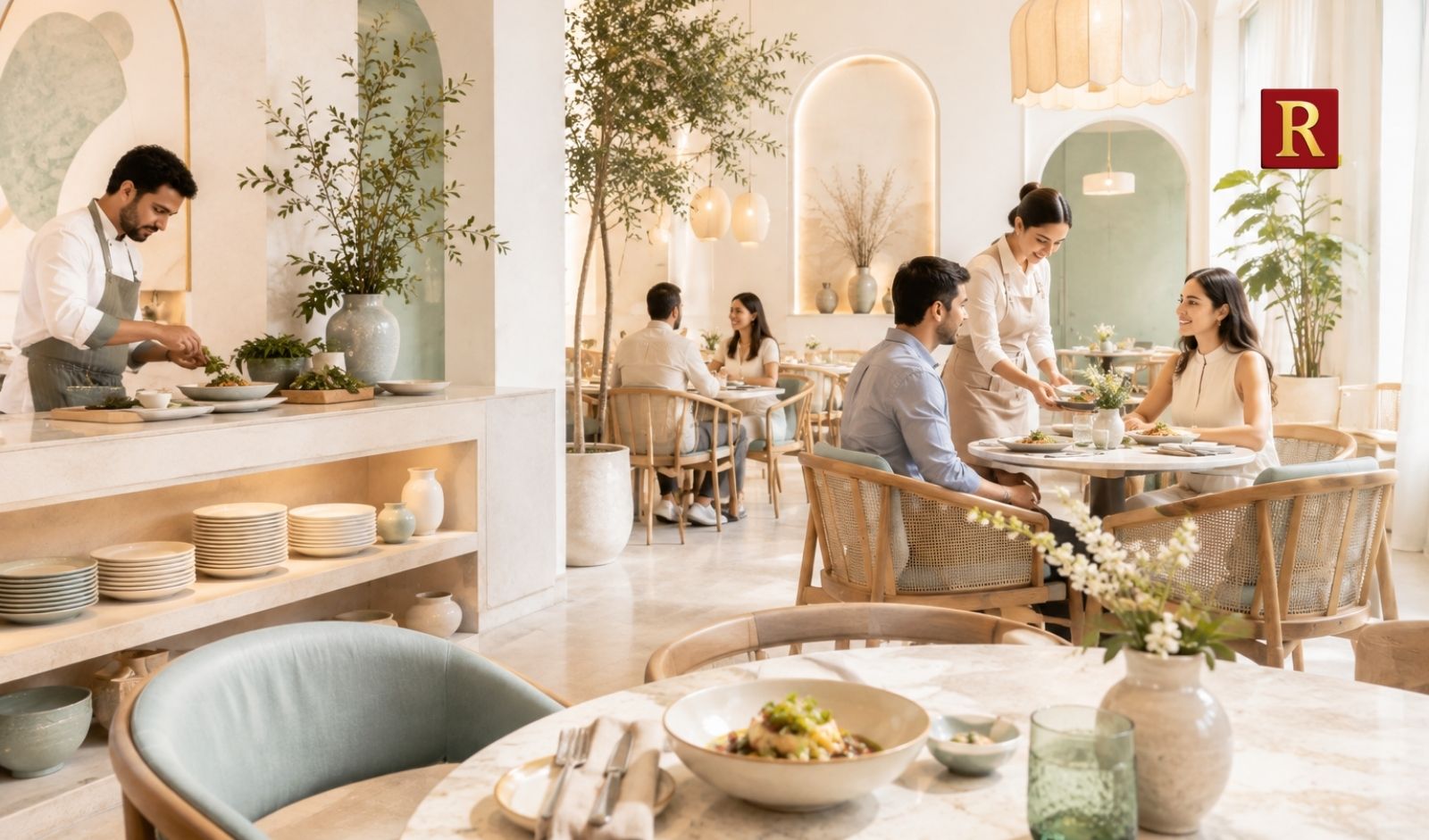
7 Restaurant Features That Make a Place Feel More Premium
When these details work together, diners may not be able to explain exactly why a restaurant feels better. They simply experience a space that is comfortable, considered and consistent. And that is often what premium dining is really about.


A restaurant can look expensive without feeling premium. The difference often comes down to details that diners notice through comfort, ease and consistency. Good lighting, controlled noise, comfortable seating, thoughtful materials and smooth service can shape how people experience a space.
Research on upscale restaurants has found that facility aesthetics, lighting, layout and service staff can influence customer satisfaction and loyalty. Another study of 10 middle- and upscale full-service restaurants found that restaurant atmospherics could influence satisfaction, return intentions, positive word-of-mouth and willingness to pay more. For restaurant owners, this makes premium positioning less about adding more décor and more about designing the entire guest experience carefully. Here are seven features that can make a restaurant feel more premium.
1. Layered Lighting That Makes the Food and Room Look Better
Lighting is one of the first things guests experience when they enter a restaurant. A premium space rarely depends on one bright ceiling light. Instead, it uses layers of illumination. Ambient lighting provides general visibility. Task lighting helps guests see their food and menus. Accent lighting draws attention to artwork, architecture or a bar. Decorative fixtures can add character without becoming the main attraction. The colour temperature also matters. Warm light can create a relaxed dining environment, while excessive brightness can make a restaurant feel more like a cafeteria or office. The goal is not simply to make a restaurant darker. It is to control glare, shadows and brightness at different points in the room. Research into restaurant environments has found that lighting can influence how customers perceive the physical environment, particularly when combined with other elements such as aesthetics and service. For Indian restaurants, this is especially useful when the menu depends on visual presentation. Rich curries, grilled dishes and desserts should be visible without harsh overhead lighting washing out their appearance.
- Premium detail: Use dimmable lighting and different lighting levels for lunch, dinner and late-evening service.
2. Better Acoustics So Conversations Stay Comfortable
A beautiful restaurant can quickly lose its premium feel if guests have to shout across the table. Acoustics are often overlooked during restaurant planning. Stone, glass, concrete and other hard surfaces can reflect sound. When a restaurant becomes busy, conversations, cutlery, music and kitchen sounds can build into a constant layer of noise. A 2015 field study examined 112 restaurants in Singapore and found relationships between restaurant acoustics, physical characteristics and interior materials. The research also found that higher menu price levels were negatively correlated with loudness in its sample. This does not mean a premium restaurant should be silent. Dining spaces need energy. The objective is to control reverberation so that conversation remains easy. Designers can use upholstered furniture, acoustic ceiling systems, fabric panels, timber treatments with acoustic backing and other sound-absorbing surfaces.
- Premium detail: A restaurant should sound lively from across the room but comfortable at the table.
3. Comfortable Seating With Enough Personal Space
Luxury is difficult to enjoy when a chair hurts after 30 minutes. Seating affects how long guests can comfortably stay, especially in restaurants where meals include multiple courses. Chair height, back support, cushioning, table height and legroom all matter. Spacing matters too. Tables placed too close together can make diners feel as if they are sharing conversations with neighbouring groups. Restaurant planning therefore involves more than fitting in the maximum number of tables. Operators need to balance revenue-generating covers with guest comfort, staff circulation and accessibility. Accessibility should also be part of this planning. India's IS 4963:2024 standard includes provisions for accessible restaurant environments, including wheelchair-usable tables and manoeuvring space.
- A premium restaurant should therefore ask a simple question: Can every guest move, sit and dine comfortably?
- Premium detail: Invest in the points guests physically interact with most, including chairs, table edges, handles and service areas.
4. Materials That Look Good, Feel Good and Last
Premium design is not about putting marble on every surface. A better approach is to create a clear material palette. Wood, stone, metal, glass, fabric and textured finishes can work together when their colours, proportions and textures are controlled. The tactile experience is important. Guests touch menus, tables, chairs, cutlery, door handles and washroom fixtures. These high-contact points can influence perceptions of quality. There is also an operational side to material selection. Restaurant surfaces face spills, heat, moisture, frequent cleaning and heavy daily use. A material that looks beautiful but stains easily may become a maintenance problem. This is where premium design meets restaurant management. Use visually distinctive materials in guest-facing areas, but prioritise durability, cleanability and safety in high-wear zones.
- Premium detail: A Rs 1,000 decorative object may get attention once. A well-made chair can improve the experience every time a guest visits.
5. A Thoughtful Entrance That Creates a Transition
The dining experience starts before guests reach their table. A restaurant entrance should help people move naturally from the street or shopping area into the dining environment. The façade, doorway, host desk, waiting area, lighting and sightlines all contribute to that transition. A badly planned entrance can create immediate friction. Guests may not know where to wait. Queues can block the doorway. Waiting customers can end up standing beside occupied tables. A well-planned entrance separates guest movement from service movement as much as possible. This is particularly important for busy urban restaurants where peak-hour traffic can be intense. The entrance should communicate the restaurant's identity without trying too hard. A clear sign, well-lit doorway, organised host station and comfortable waiting area can be more effective than excessive decoration.
- Premium detail: Give guests a clear place to arrive, wait, check in and move toward their table without interrupting another guest's meal.
6. A Washroom That Matches the Dining Experience
The washroom may be away from the dining room, but it still contributes to the overall impression of a restaurant. Guests notice cleanliness, odour, ventilation, lighting, mirrors, fixtures, water availability and maintenance. A restaurant with sophisticated interiors can quickly lose credibility if its washroom is poorly maintained. This is not only about aesthetics. Food safety and hygiene are operational responsibilities. FSSAI's Hygiene Rating Scheme covers restaurants and other food-service establishments. The current scheme uses a 1-to-5-star scale, with 5 stars classified as "Excellent" and 4 stars as "Very Good." FSSAI's hygiene requirements also emphasise food safety management systems, good hygiene practices and suitable facility conditions. Its published audit checklists include considerations such as adequate working space, cleanable premises, non-toxic and impermeable materials and non-slip flooring. For operators, the lesson is straightforward: a premium washroom should be designed for both appearance and maintenance.
- Premium detail: Choose finishes and fixtures that can stay clean and functional through heavy daily use.
7. Service That Looks Effortless
The final feature is not a piece of furniture or an interior finish. It is service. Premium restaurants usually make good service feel natural. Guests should not have to repeatedly call for attention, search for staff or wonder what happens next. That requires careful operational planning behind the scenes. Front-of-house and back-of-house areas need to work together. Staff need clear routes between the kitchen, service stations and dining tables. Table clearing should not interfere with another guest's experience. Food should move efficiently from the kitchen pass to the table. The physical environment and service team are closely connected. Research on upscale restaurants found that service staff, along with aesthetics and lighting, can influence customers' perceptions of their restaurant experience. This is why premium restaurants should not design the dining room separately from the service operation.
- Premium detail: The best service often feels invisible because the operational work behind it has been planned properly.
Premium Does Not Always Mean More Expensive
There is a useful difference between a restaurant that looks premium and one that feels premium.
Looks Premium | Feels Premium |
Large decorative fixtures | Comfortable lighting |
Expensive-looking materials | Durable, well-maintained finishes |
Designer chairs | Ergonomic seating |
Loud background music | Controlled acoustics |
Elaborate entrance | Easy guest flow |
Decorative washroom | Clean and functional facilities |
Highly visible service | Smooth, well-timed service |
This distinction matters because restaurant owners do not need to redesign every square metre to improve perceived quality. A better strategy is to identify the moments that matter most to guests. The chair they sit on. The light above the table. The noise around them. The distance between tables. The cleanliness of the washroom. The time it takes to receive attention from staff. These are small details, but together they shape the restaurant's servicescape.
The Real Premium Advantage Is Consistency
A premium restaurant is ultimately a system. The lighting needs to support the food. The seating needs to support the length of the meal. The acoustics need to work when the restaurant is full, not just when it is empty. Materials need to survive daily operations. The washroom needs to be maintained throughout service. Staff movement needs to support, rather than interrupt, the guest experience. That is what makes premium positioning more than an interior-design exercise. For restaurant operators, the smartest investment may not always be another decorative feature. It could be better acoustic treatment, more comfortable chairs, improved lighting controls or a more efficient service layout. When these details work together, diners may not be able to explain exactly why a restaurant feels better. They simply experience a space that is comfortable, considered and consistent. And that is often what premium dining is really about.
Saptopriya Ghosal
Feature Writer
I am a dedicated media professional with a bachelor's degree in mass communication from the State University of Calcutta and a postgraduate degree from Amity University. My academic journey has equipped me with a profound understanding of storytelling and communication. Passionate about the dynamic world of media, I continually strive to explore new ways to engage and inform through compelling narratives.