7 Questions to Ask Before Turning a Family Recipe Into a Food Business
A family recipe becomes a promising food business when customers are willing to pay for it, trust its quality and return for it again.

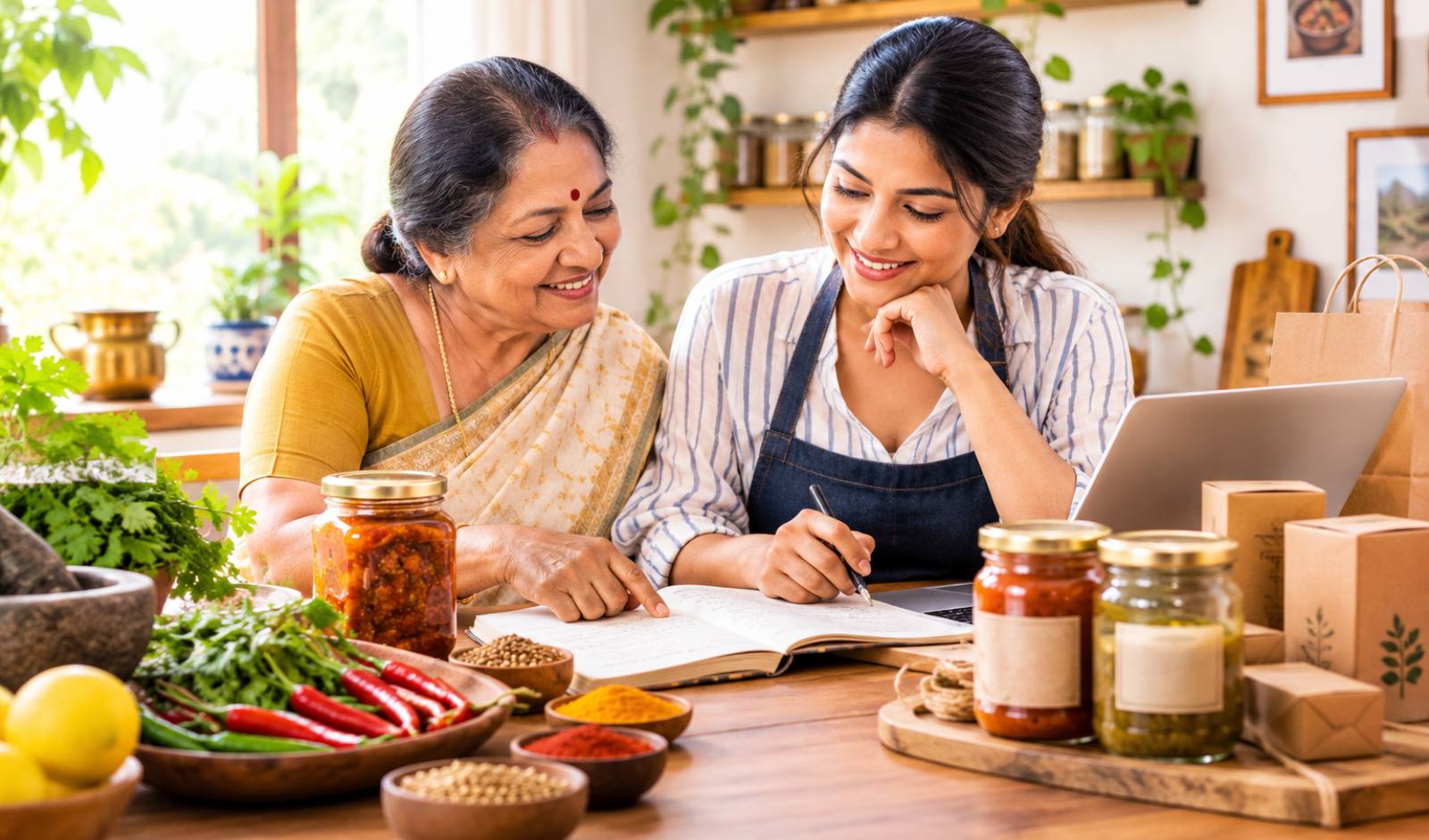
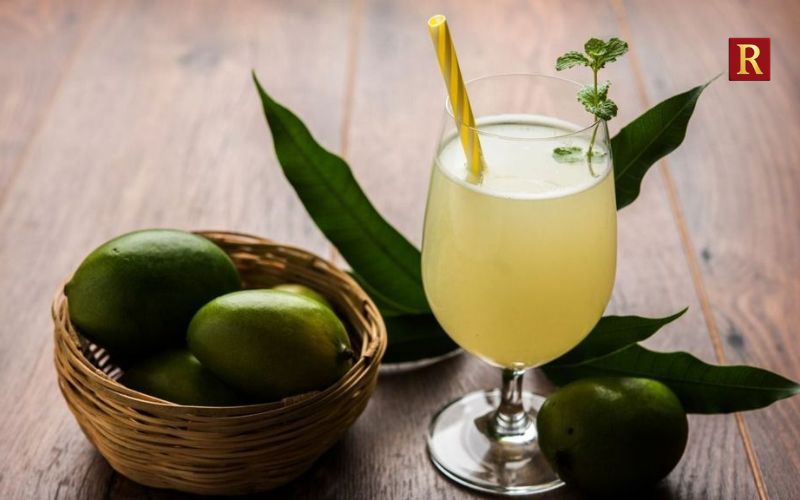
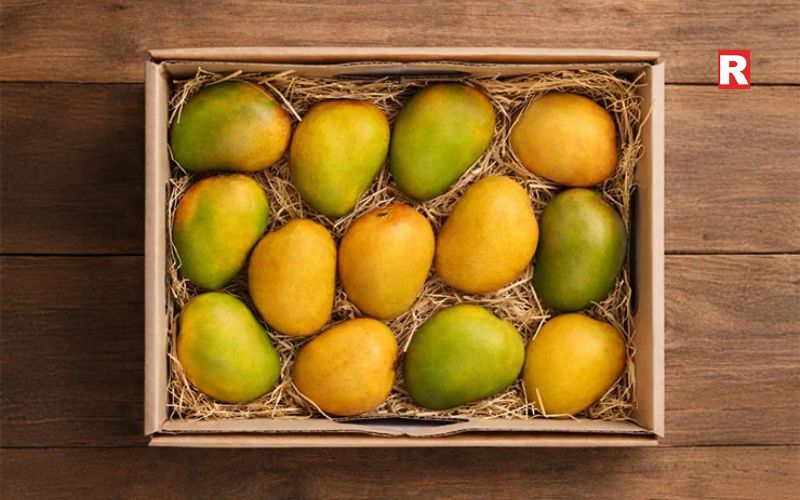
A family recipe can be more than a favourite dish. It can become the foundation of a food brand, a restaurant speciality or a packaged product that reaches customers across India. From homemade mango pickle and regional chutneys to traditional sweets and family spice blends, recipes passed down through generations can offer something many commercial products struggle to replicate: a distinctive taste with a story behind it.
However, a recipe that works beautifully in a home kitchen may not work equally well in a commercial setting. Ingredients cost money. Customers expect consistent quality. Products need suitable packaging and safe storage. Production must also generate enough revenue to cover expenses. The challenge is not simply to sell a dish that people love. It is to turn that dish into a product that customers are willing to buy repeatedly. Before investing in equipment, packaging or marketing, aspiring food entrepreneurs should ask seven important questions. The answers can help them decide whether their family recipe is ready for the market and what needs to change before the first sale.
1. Is Your Family Recipe Special Enough for Customers to Pay For It?
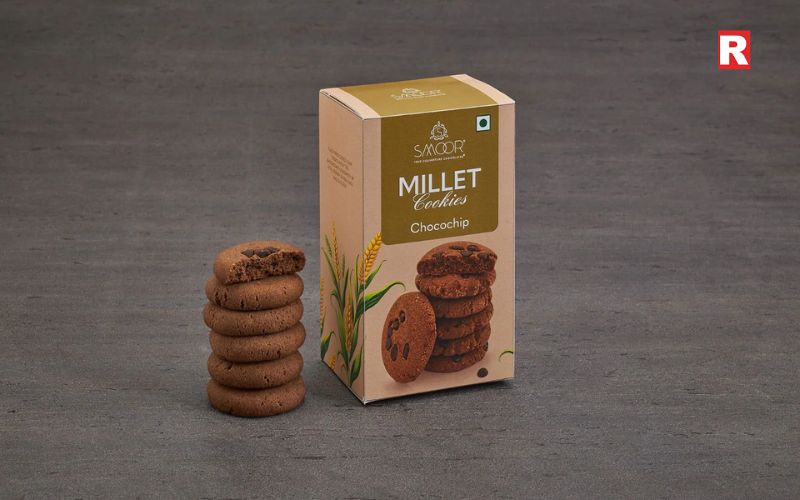
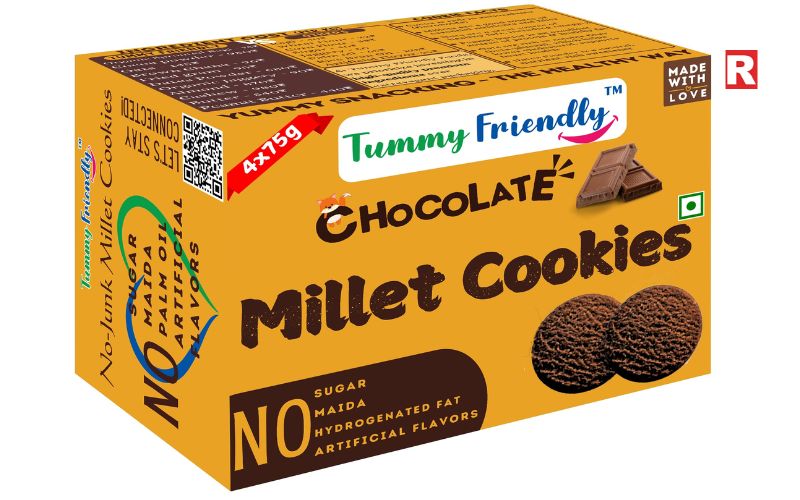
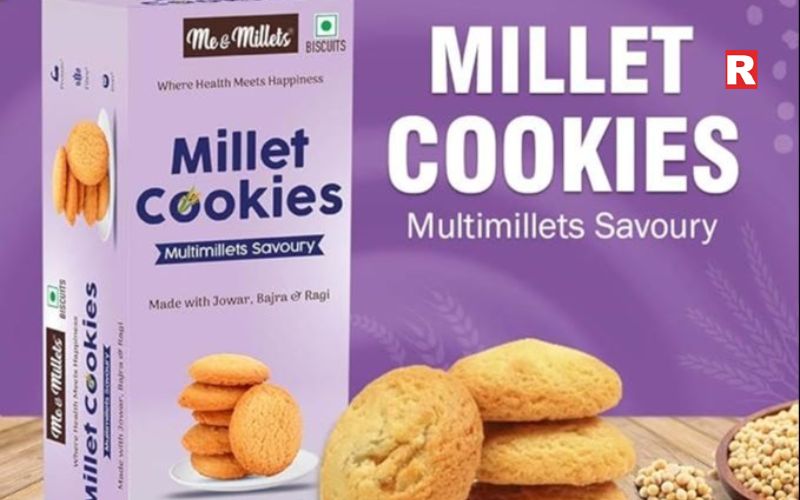
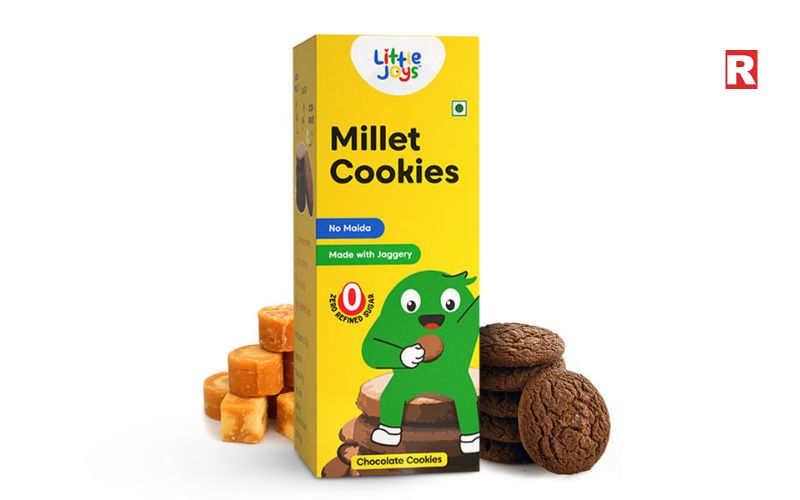
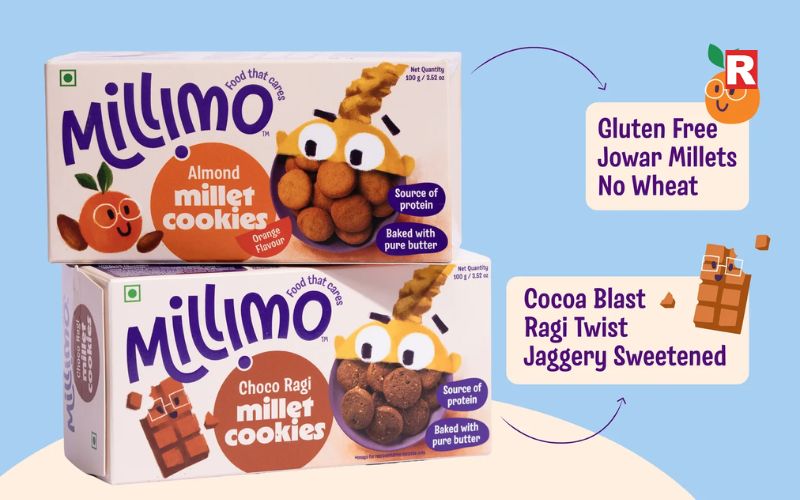
The first question is not whether people enjoy the recipe. It is whether the recipe offers something customers cannot easily find elsewhere. A family may be known for its mango pickle, homemade namkeen, regional curry paste or festive sweets. But commercial success depends on how that product meets a customer's needs. For example, a family making traditional Bengali kasundi could target customers looking for regional condiments. A homemade millet snack could appeal to buyers seeking alternatives to conventional packaged snacks. The opportunity comes from identifying the product's distinctive qualities and the people who value them.
Before launching, consider three things:
- Product differentiation: Does the recipe offer a distinctive flavour, regional identity, ingredient combination or preparation method?
- Target customers: Who is most likely to buy it? Consider their food preferences, location, spending habits and buying occasions.
- Willingness to pay: Would customers purchase it at a price that covers production and selling costs?
Conduct small taste tests with people outside the family. Ask what they like, what they would change and how much they would realistically pay. Compare their responses with competing products. The objective is to establish whether the recipe has a market beyond personal relationships. Compliments can create confidence, but paid orders provide stronger evidence of demand.
2. Can You Reproduce the Same Taste Without the Original Cook?
Many family recipes rely on experience rather than written instructions. Someone might add spices until the aroma feels right or cook onions until they reach a particular colour. These techniques can produce excellent food, but they become difficult to manage when multiple people prepare the same product. Commercial production requires consistency. Customers who purchase a jar of chutney today should experience a similar flavour when they purchase it again next month. The solution is recipe standardisation. Start by documenting the ingredients and preparation method. Replace vague measurements such as a handful of peanuts or a pinch of turmeric with quantities measured in grams. Record cooking time, temperature, ingredient order and final product yield.
Next, prepare several trial batches using the documented process. Compare their taste, aroma, texture, appearance and moisture levels. Record any differences and identify the likely causes. This process also helps determine whether an ingredient can be substituted without changing the product significantly. Consider a family spice blend that uses chillies from a particular region. Different harvests may vary in heat and colour. The business needs a method to manage these variations while maintaining the intended flavour. The goal is not to remove the cook's skill. It is to make that skill repeatable.
3. What Does One Sale Actually Leave Behind After Every Cost Is Paid?
A recipe can be popular and still lose money. This happens when entrepreneurs calculate the cost of ingredients but overlook packaging, labour, delivery and other business expenses. Before fixing a selling price, calculate the complete variable cost of producing and selling one unit. Consider a hypothetical 250 g jar of homemade pickle.
Cost component | Cost per jar |
Ingredients | Rs 35 |
Jar, lid and label | Rs 15 |
Labour and utilities | Rs 10 |
Other variable costs | Rs 20 |
Total variable cost | Rs 80 |
Selling price | Rs 120 |
Contribution per jar | Rs 40 |
These figures are illustrative, not industry averages. Actual costs will depend on ingredients, production volume, packaging and sales channels. In this example, the business retains Rs 40 per jar towards fixed expenses and profit. Rent, equipment, marketing, administration and other overheads still need to be paid. If monthly fixed expenses total Rs 20,000, the business would need to sell 500 jars at this contribution level to cover those expenses, assuming the contribution and fixed costs remain unchanged. This is the break-even point. Founders should also account for wastage, unsold inventory, discounts, platform commissions and retailer margins where applicable. A product sold directly through pre-orders may have different economics from one sold through a supermarket. The key question is simple: Can the recipe remain affordable to customers while generating enough contribution to sustain the business?
4. How Long Will the Recipe Remain Safe and Enjoyable Outside the Family Kitchen?
A dish prepared at home is often consumed shortly after cooking. A commercial product may travel through several locations before reaching the customer. This changes the food-safety challenge. A homemade curry, a dry spice mix and an oil-based pickle have different storage requirements. Their shelf lives depend on factors such as moisture, acidity, processing, ingredients, packaging and storage conditions. Traditional preparation methods alone do not establish how long a product can be stored safely. Before commercialising the recipe, determine whether it is intended for immediate consumption, refrigeration or storage at room temperature.
Work with a qualified food technologist or appropriate testing laboratory to assess relevant microbiological and quality parameters. Shelf-life validation should reflect the actual product, packaging and expected storage conditions. Packaging also needs careful consideration. A jar may look attractive but still leak during transport. A snack packet may allow moisture to enter, affecting its texture. Products containing fats or oils may develop rancid flavours if storage and packaging are unsuitable. For packaged foods, applicable labelling requirements must also be considered, including ingredient declarations, allergen information, dates and storage instructions where required. FSSAI's provide the relevant regulatory framework. A recipe's history of successful preparation at home is valuable, but commercial food safety must be established for the product being sold.
5. Which Business Model Best Protects the Recipe's Quality?
Not every family recipe should become a packaged product. Some work better when prepared fresh, while others may be suitable for retail distribution after appropriate testing and process development. The business model should reflect the recipe's characteristics. Made-to-order food can work well for fresh sweets, festive delicacies and meals with a short consumption window. Pre-orders can help control production and reduce unsold stock. Direct-to-consumer products may suit chutneys, spice blends, snacks and other products that can be safely packaged for their intended storage conditions. Customers can order through a website, social media or other suitable channels.
Retail and wholesale distribution can provide access to a wider customer base. However, founders must account for retailer margins, packaging requirements, production capacity, inventory and payment cycles. For example, a delicate milk-based sweet may be better suited to a local delivery model than nationwide shipping. A validated dry masala blend may have greater potential for distribution across different regions. Entrepreneurs should also consider how the recipe responds to larger production batches. Some products require specialised equipment, controlled temperatures or different mixing methods to maintain their original characteristics. The best model is not necessarily the one that reaches the most customers. It is the one that can deliver the right product consistently at a sustainable cost.
6. Who Owns the Recipe, the Brand and the Right to Change It?
Family food businesses often begin informally. One person knows the recipe, another manages production and someone else provides the money. Problems can emerge when the business starts generating revenue. Who owns the brand? Who makes decisions about ingredients? How will profits be shared? What happens if a family member wants to leave? These questions are easier to resolve before the business grows. Document the roles and contributions of everyone involved. Agree on financial responsibilities, profit-sharing arrangements, decision-making authority and the process for resolving disagreements. It is also important to distinguish between the recipe and the brand built around it. Depending on the circumstances, a business may be able to protect its brand name, logo, original packaging design or confidential production methods through appropriate legal measures.
However, a traditional recipe does not automatically become exclusive intellectual property simply because someone starts selling it. The commercial challenge can be particularly sensitive when a founder wants to modify a traditional dish for a wider audience. Reducing the spice level or changing the texture may attract new customers, but it can also weaken the product's original identity. Before making such changes, establish which characteristics are essential to the recipe and which can be adapted. Preserving the family's culinary identity and building a commercially viable product do not have to be competing goals. They require clear decisions about what should remain unchanged.
7. What Must Be Proved Before You Start Producing at Scale?
The final question is whether the recipe has been tested under real business conditions. Instead of immediately investing in a large kitchen, expensive equipment or thousands of packages, start with a controlled pilot. Produce a limited quantity, sell it to a defined group of customers and measure the results.
Track more than the number of orders.
- Paid demand: How many people purchase the product without relying on personal relationships?
- Repeat purchases: Do customers return after their first order?
- Product consistency: Do different batches meet the same quality standards?
- Customer feedback: Are there recurring complaints about flavour, portion size, packaging or price?
- Financial performance: Does each sale generate the expected contribution?
- Operational capacity: Can the business meet demand without compromising food safety or quality?
Repeat purchases deserve particular attention. A customer may buy a traditional sweet once out of curiosity or nostalgia. Buying it again suggests that the product has delivered enough value to justify another purchase. Founders should also confirm the relevant food-business registration or licensing requirements before commercial sales begin. In India, FSSAI'sl provides the official route to check eligibility and apply for the appropriate registration or licence. Regulatory requirements depend on the business activity and applicable rules, so entrepreneurs should verify the latest requirements rather than rely on outdated online advice. Scale only after the business demonstrates consistent quality, customer demand and workable unit economics. The aim is to reduce uncertainty before committing more capital.
A Practical Checklist Before Launching a Family Recipe Business
Before moving from the home kitchen to commercial production, review the following:
- Identify the target customer and the product's unique selling point.
- Test willingness to pay among people outside the family.
- Document the recipe using standardised measurements and processes.
- Calculate ingredient, labour, packaging, delivery and other variable costs.
- Determine suitable packaging, storage conditions and validated shelf life.
- Agree on family roles, financial arrangements and brand ownership.
- Verify applicable FSSAI and labelling requirements.
- Run a small pilot and measure repeat purchases, customer feedback and contribution per unit.
Preserve the Flavour, Prove the Business
Turning a family recipe into a food business is an opportunity to preserve culinary traditions while introducing them to a wider audience. But a meaningful story and a memorable flavour are only the starting points. The recipe must also deliver consistent quality, meet food-safety requirements, justify its price and work within a sustainable business model. Its ownership and production process need to be clear, and customer demand must be tested before major investments are made. For aspiring food entrepreneurs, the smartest first step is not necessarily opening a restaurant or launching a packaged brand. It is proving that the recipe can succeed beyond the family table. A family recipe becomes a promising food business when customers are willing to pay for it, trust its quality and return for it again.
Saptopriya Ghosal
Feature Writer
I am a dedicated media professional with a bachelor's degree in mass communication from the State University of Calcutta and a postgraduate degree from Amity University. My academic journey has equipped me with a profound understanding of storytelling and communication. Passionate about the dynamic world of media, I continually strive to explore new ways to engage and inform through compelling narratives.