7 Hygiene Checks That Matter Even in a Five-Star Restaurant
The difference in a professional kitchen is how consistently those principles are built into daily operations. The strongest hygiene systems are not necessarily the ones that are most visible to diners.

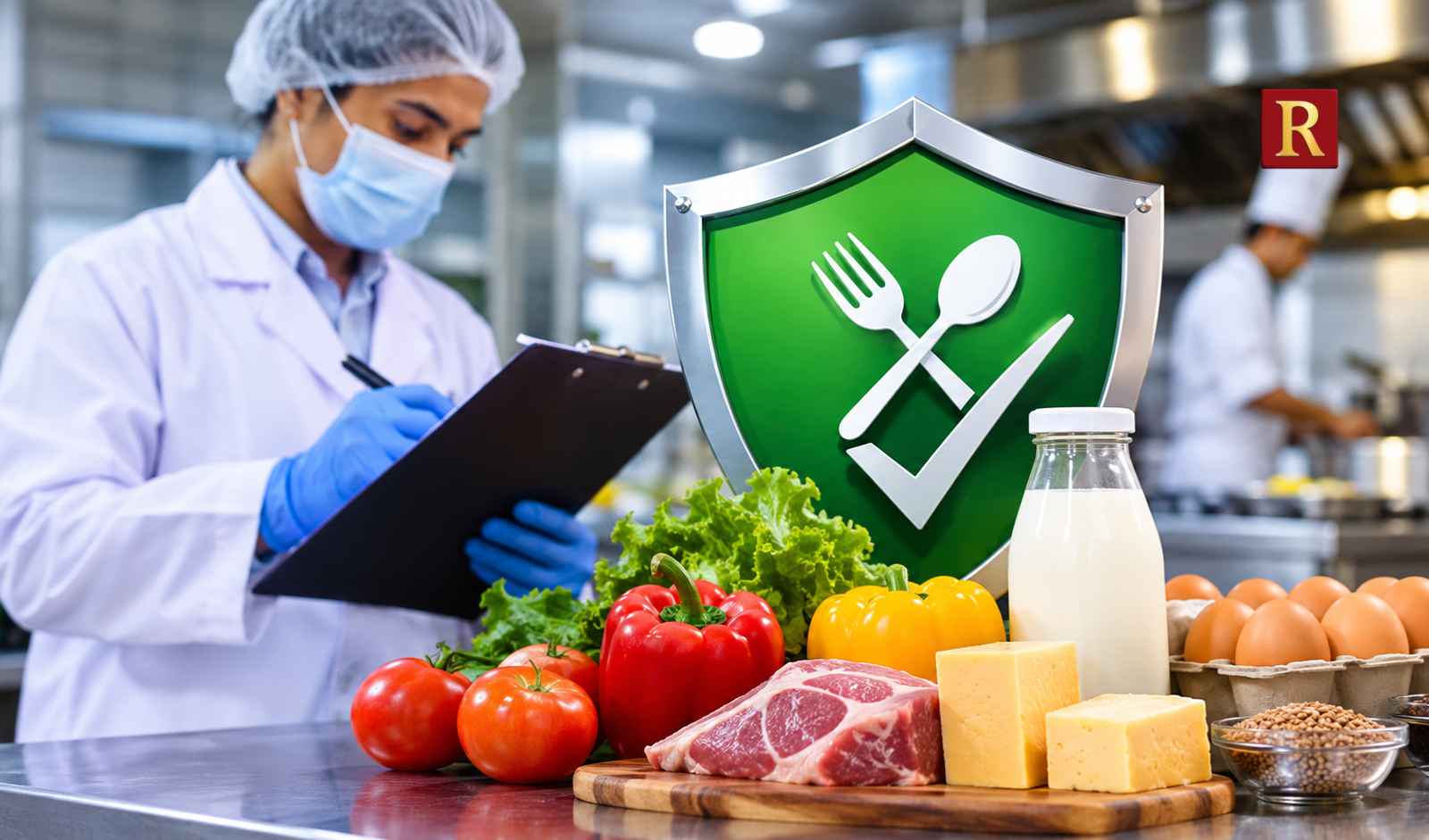
A five-star restaurant can have polished tables, spotless uniforms and an impressive kitchen. But food safety depends on much more than what a guest can see. Temperature records, ice handling, cleaning schedules, pest control and calibrated equipment are some of the checks that matter behind the scenes. In India, FSSAI's hygiene audit checklists also look at these operational details, along with food-handler hygiene and maintenance records.
For a professional kitchen, the important question is not only whether an area looks clean. It is whether the restaurant can measure, monitor and prove that its food-safety controls are working.
7 Hygiene Checks that Deserve Attention
1. Are refrigerator temperatures actually being monitored?
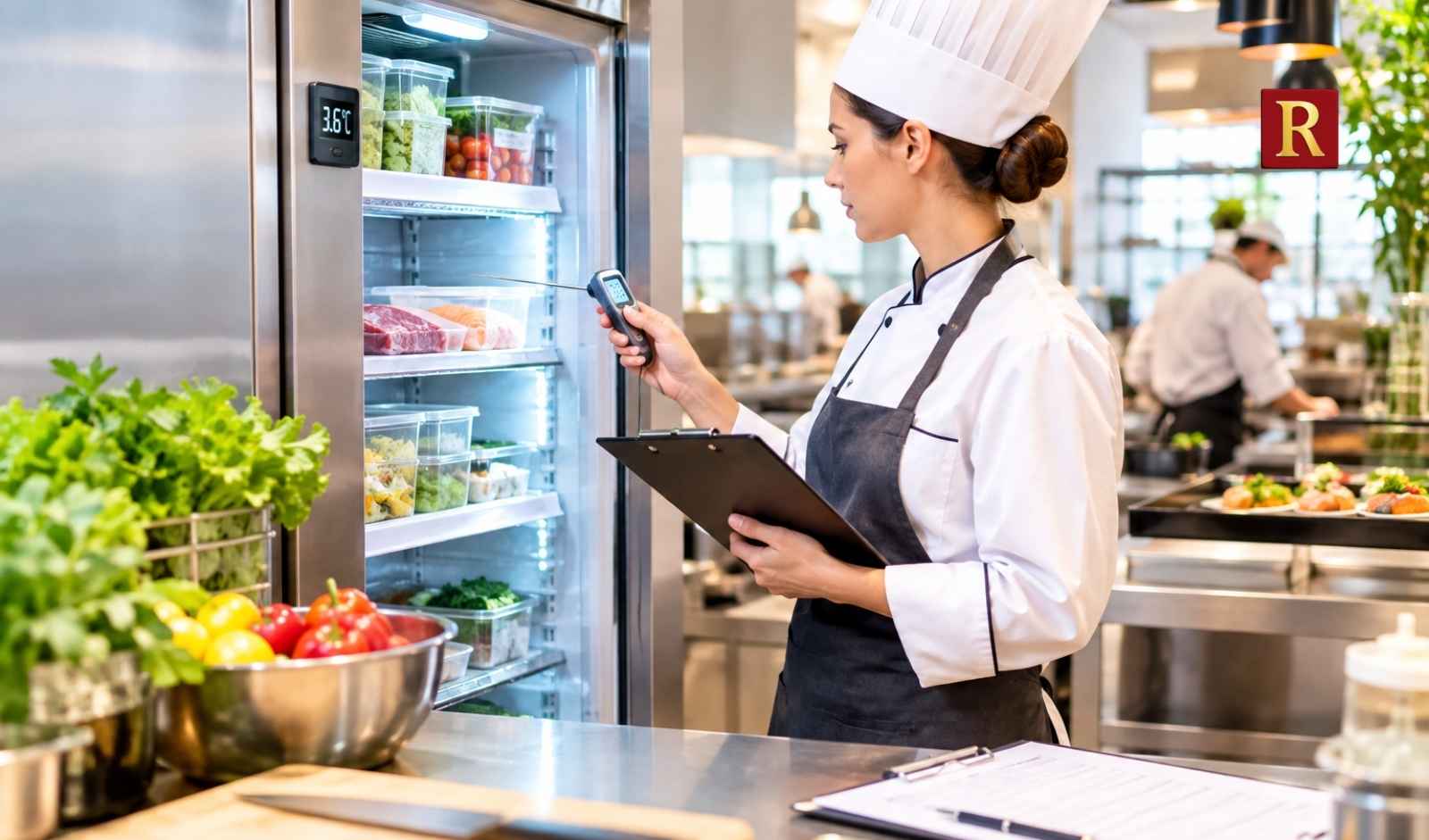
A cold refrigerator is not automatically a safe refrigerator. Professional kitchens need systems to monitor the temperature of chilled and frozen storage. This becomes particularly important for meat, seafood, dairy products and prepared foods. The World Health Organization recommends keeping perishable food refrigerated, preferably below 5°C, while hot food should be kept above 60°C when being held for service. For a restaurant, this means relying on more than a quick touch of a refrigerator door. Temperature records can show whether equipment has remained within its required operating range. If a reading moves outside the restaurant's established limit, staff need to know what action to take. This is where HACCP, or Hazard Analysis and Critical Control Point, becomes useful. Codex describes HACCP as a system that identifies hazards, establishes control points and sets monitoring and corrective-action procedures.
- The real check: Is the temperature being measured, recorded and acted upon when necessary?
2. Is the ice machine being treated like a food-safety zone?
Ice is easy to overlook because it does not look like food. But once it goes into a cocktail, soft drink or glass of water, it becomes part of what the customer consumes. WHO specifically includes water and ice among potential sources of contamination and recommends using safe water and raw materials. A professional kitchen should therefore pay attention to the water source, ice-machine cleanliness, ice storage and the way staff handle ice. The scoop should not be treated like an ordinary kitchen utensil. It needs to be protected from contamination. The ice itself should also be kept away from hands and other materials that could introduce contaminants. This is especially relevant in luxury restaurants where ice may be used in large volumes for cocktails, chilled seafood presentations, desserts and other preparations.
- The real check: Is the ice supply controlled with the same care as other food-contact materials?
3. Can raw food cross paths with ready-to-eat food?
Cross-contamination can happen even inside a highly organised kitchen. Raw poultry, meat, seafood and eggs can carry harmful microorganisms. If they come into contact with ready-to-eat food, the contamination can move into a dish that will not receive another cooking step. WHO recommends separating raw and cooked foods and using separate equipment and utensils where appropriate. The control therefore involves more than having different chopping boards. Kitchen managers need to consider the entire workflow.
- Where is raw chicken stored?
- Where is salad prepared?
- Which route does a chef take from the raw-food section to the plating area?
- Are containers clearly identified?
- Are knives and boards cleaned and sanitised between uses?
These small details matter because contamination can travel through hands, utensils, containers and food-contact surfaces.
- The real check: Is the kitchen controlling the movement of contamination, not just separating ingredients?
4. Is the kitchen cleaning or actually sanitising?
A surface can look clean and still require further sanitation. Cleaning generally focuses on removing dirt, food residue and other visible material. Food-safety systems also require attention to sanitation and the control of microorganisms. Codex recommends documented cleaning and disinfection programmes that identify what needs to be cleaned, who is responsible, the method, frequency and monitoring arrangements. FSSAI's hygiene audits similarly check whether equipment and food premises are cleaned according to a cleaning schedule and programme. That schedule can cover much more than counters. Think about refrigerator handles, slicers, mixers, taps, cutting boards, storage containers and other frequently touched surfaces. A recent FSSAI audit example also recorded a case where equipment had been cleaned but not sanitised as one of the minor non-conformities.
- The real check: Does the kitchen have a documented cleaning and sanitation system, and is it actually followed?
5. What is happening around drains, waste and pests?
The most important hygiene areas are not always the most attractive ones. Drains, waste-storage areas and damp sections of a kitchen can influence pest control and sanitation. FSSAI's checklist specifically examines pest-control programmes, signs of infestation, drains, grease and cockroach traps, and periodic removal of food waste. Codex also describes pests as a major threat to food safety and recommends systematic pest-control measures. This means pest control should not simply mean calling an external agency when insects appear. A professional programme should also look at why pests could enter or survive in the first place. That includes waste accumulation, standing water, gaps, poorly maintained drains and access points.
- The real check: Is the restaurant preventing the conditions that attract pests, rather than only reacting when they appear?
6. Are food handlers following hygiene controls?
A clean uniform does not tell the entire story. Food handlers are an important part of the food-safety system because hands, clothing, jewellery, wounds and personal behaviour can introduce contamination. FSSAI's hygiene checklist includes personal cleanliness, handwashing, suitable protective clothing and restrictions on food handling by people with illness or open wounds. WHO also advises professional food handlers with symptoms such as fever, diarrhoea or vomiting, or visible infected skin lesions, to report the issue to their employer. Gloves also need to be understood correctly. A glove is not a replacement for good hand hygiene. A contaminated glove can transfer contamination to food just as a contaminated hand can. In a busy kitchen, the important issue is therefore behaviour.
- When are hands washed?
- When are gloves changed?
- How are wounds covered?
Are employees trained to avoid touching ready-to-eat food unnecessarily?
- The real check: Are hygiene rules part of everyday kitchen behaviour, rather than just part of staff training?
7. Are the thermometers and measuring devices accurate?
One of the most technical checks can also be one of the easiest to overlook. A thermometer may display a temperature, but the kitchen still needs confidence that the reading is accurate. This is why calibration matters. FSSAI's hygiene checklist specifically includes periodic calibration of measuring and monitoring devices. A recent FSSAI audit example found that calibration records for a chiller were not available, even though the establishment had other hygiene controls in place. The principle is simple. If a kitchen is using a thermometer to decide whether food is being stored safely, the thermometer needs to provide a reliable measurement. Codex also identifies calibration and records review as part of verification of a HACCP system. This is where food safety moves from appearance to evidence.
- The real check: Can the kitchen demonstrate that the instruments used to monitor safety are accurate and properly maintained?
What Happens When Something Goes Wrong?
Food safety is not a system where every check will always produce a perfect result. Equipment can fail. Temperatures can rise. A cleaning task can be missed. A pest-control record can expire. What matters is what happens after a deviation is detected. Codex HACCP principles require monitoring, corrective action, verification and documentation.
For example, if a refrigerator records an unsafe temperature, the response should go beyond simply adjusting the thermostat. The kitchen may need to identify affected food, assess what happened, isolate or discard products when necessary, correct the equipment problem and record the action taken. This creates an important distinction between having hygiene rules and having a working food-safety system.
The Bigger Check
Luxury dining can involve premium ingredients, complex menus and sophisticated equipment. But the fundamentals remain the same. WHO's Five Keys to Safer Food are straightforward: keep clean, separate raw and cooked food, cook thoroughly, keep food at safe temperatures, and use safe water and raw materials.
The difference in a professional kitchen is how consistently those principles are built into daily operations. The strongest hygiene systems are not necessarily the ones that are most visible to diners. They are the ones supported by temperature records, cleaning schedules, pest-control programmes, trained staff, calibrated equipment and documented corrective action. A spotless dining room creates the first impression. Food-safety systems are what protect the meal behind it.
Saptopriya Ghosal
Feature Writer
I am a dedicated media professional with a bachelor's degree in mass communication from the State University of Calcutta and a postgraduate degree from Amity University. My academic journey has equipped me with a profound understanding of storytelling and communication. Passionate about the dynamic world of media, I continually strive to explore new ways to engage and inform through compelling narratives.