7 Frozen Food Products Changing What Indian Consumers Keep at Home
As households balance cooking from scratch with time-saving alternatives, the frozen-food category has an opportunity to become a more regular part of meal planning, rather than something consumers reach for only when they need a quick snack.

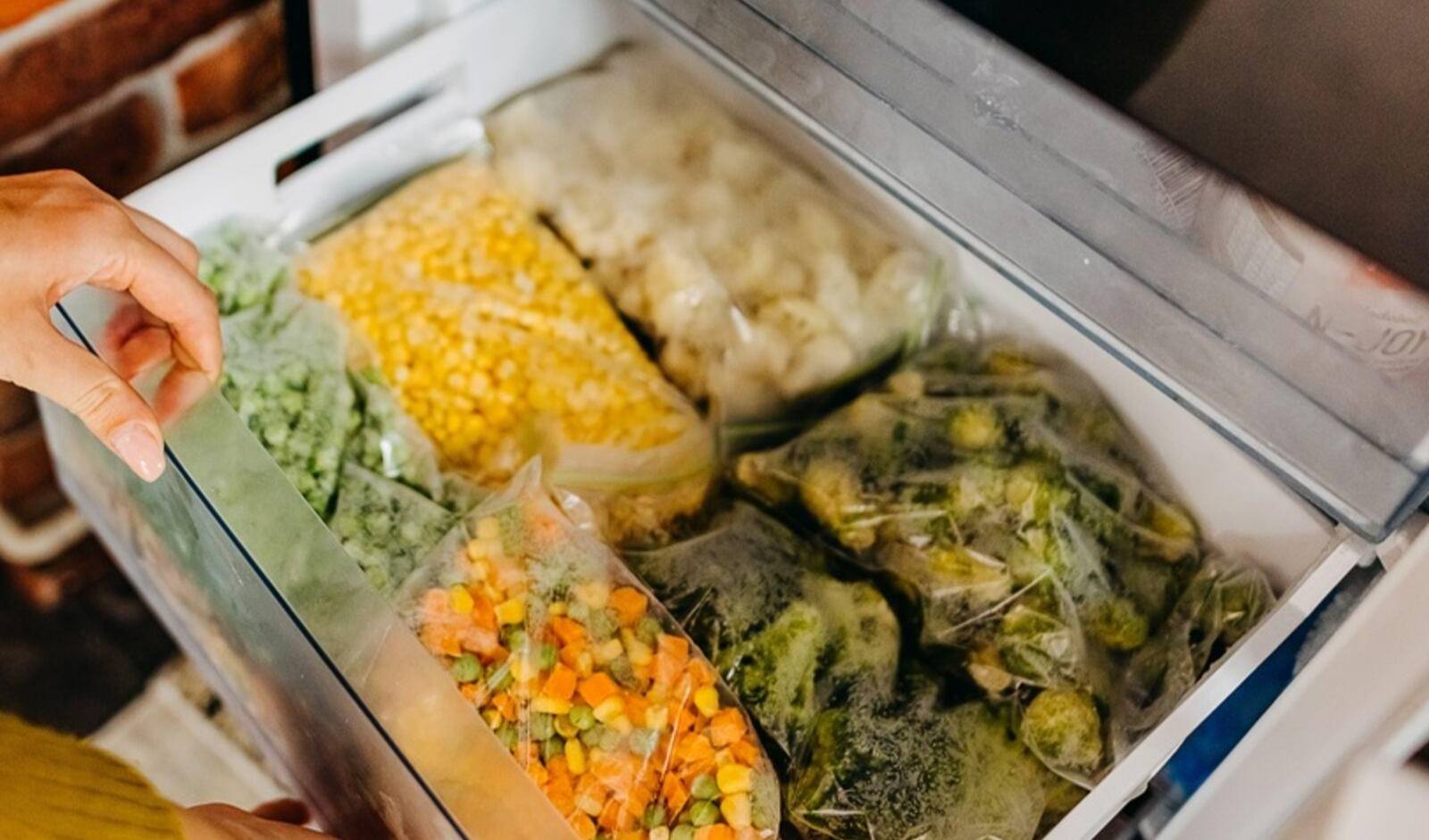
India's freezer is becoming more than a place to store ice cream, frozen peas and leftover food. From ready-to-cook momos to frozen parathas and kebabs, packaged frozen foods are finding new roles in everyday Indian kitchens. The change reflects a practical shift in how people plan meals. Working professionals need quick breakfasts, families want convenient evening snacks, and younger consumers increasingly look for ways to recreate restaurant-style food at home. Frozen products offer a way to prepare these meals with less chopping, mixing and advance preparation.
The category is also attracting attention from food retailers. Fortune India has reported a growing frozen food market, while industry coverage of quick-commerce sales points to increasing demand for frozen ready-to-cook products. These developments suggest that consumers are exploring frozen foods beyond traditional staples, although the extent of adoption varies across households and regions. Here are seven frozen food products changing what Indian consumers keep in their freezers and how they use them.
7 Frozen Food Products Changing Indian Household Habits
1. Frozen Vegetables Are Becoming Everyday Cooking Essentials
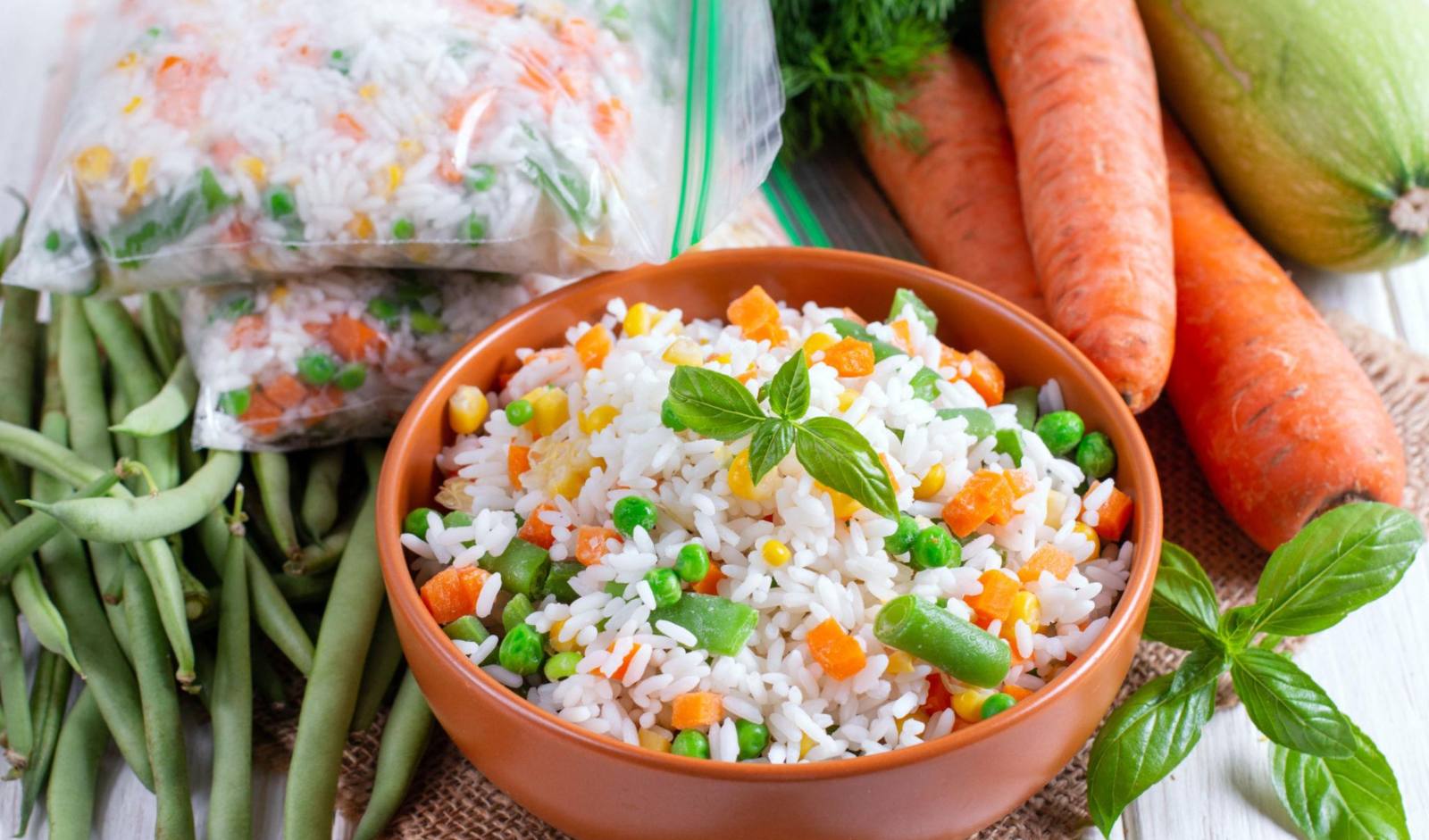
Frozen peas, sweet corn, carrots and mixed vegetables are among the most practical products to keep at home. They allow consumers to prepare dishes such as pulao, fried rice, poha, upma and vegetable curry without washing, peeling and chopping every ingredient. Their appeal lies in flexibility. A handful of frozen peas can add vegetables to a meal, while a mixed-vegetable pack can become the base for a quick dinner when fresh produce is unavailable. Freezing technology also makes these products easier to portion. Individually Quick Frozen (IQF) vegetables, for example, are frozen as separate pieces rather than as one solid block. This helps consumers take out the amount they need while keeping the remainder frozen. Frozen vegetables can also help households manage their grocery supplies, particularly when they buy fresh produce in larger quantities than they can use. However, the actual reduction in food waste depends on purchasing and storage habits. For food brands, this category represents an opportunity to go beyond basic peas and corn with convenient combinations designed for specific dishes, such as pulao mixes, stir-fry vegetables and soup ingredients.
2. Frozen Parathas and Indian Breads Are Simplifying Daily Meals
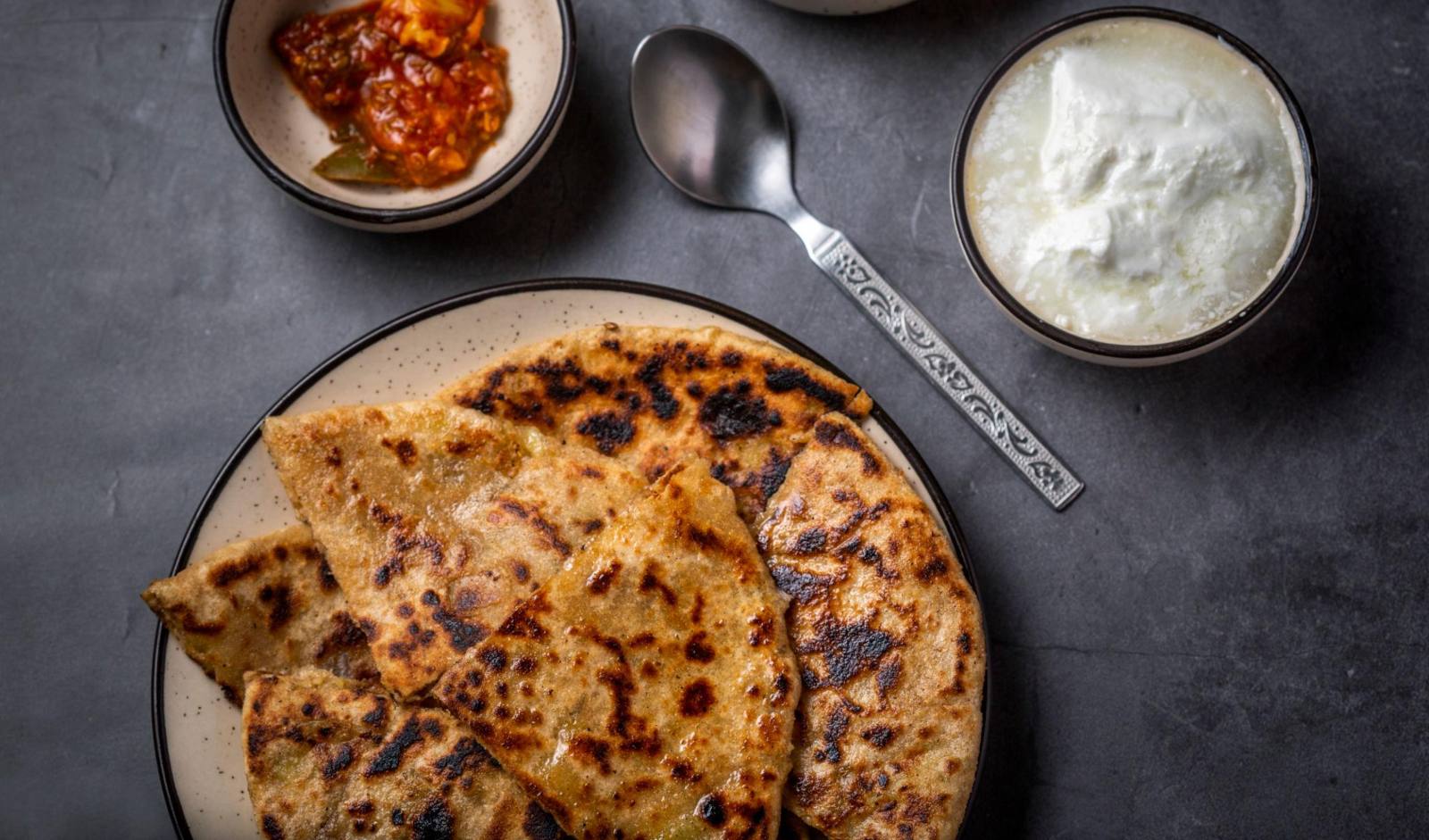
Breakfast preparation can become challenging when several people in a household have different schedules. Frozen parathas, rotis and other Indian flatbreads offer a convenient starting point for a meal without requiring dough preparation and rolling from scratch. A frozen paratha can be served with curd and pickle for breakfast, used as a wrap for lunch or paired with leftover curry for dinner. This makes the product useful across several eating occasions rather than just one meal. The technical distinction matters, too. Some frozen breads are partially cooked and need further cooking, while others are designed primarily for reheating. Consumers should follow the cooking instructions on the pack rather than assuming that every product can be prepared in the same way. Brands can make these products more relevant by offering different sizes, fillings and portion options for individuals, couples and families. Multigrain varieties and regional flatbreads can also appeal to consumers looking for alternatives to plain parathas. For households, the appeal is straightforward: a familiar Indian meal becomes easier to assemble, even when there is little time to prepare every component.
3. Frozen Momos Are Bringing Street-Food Cravings into the Home
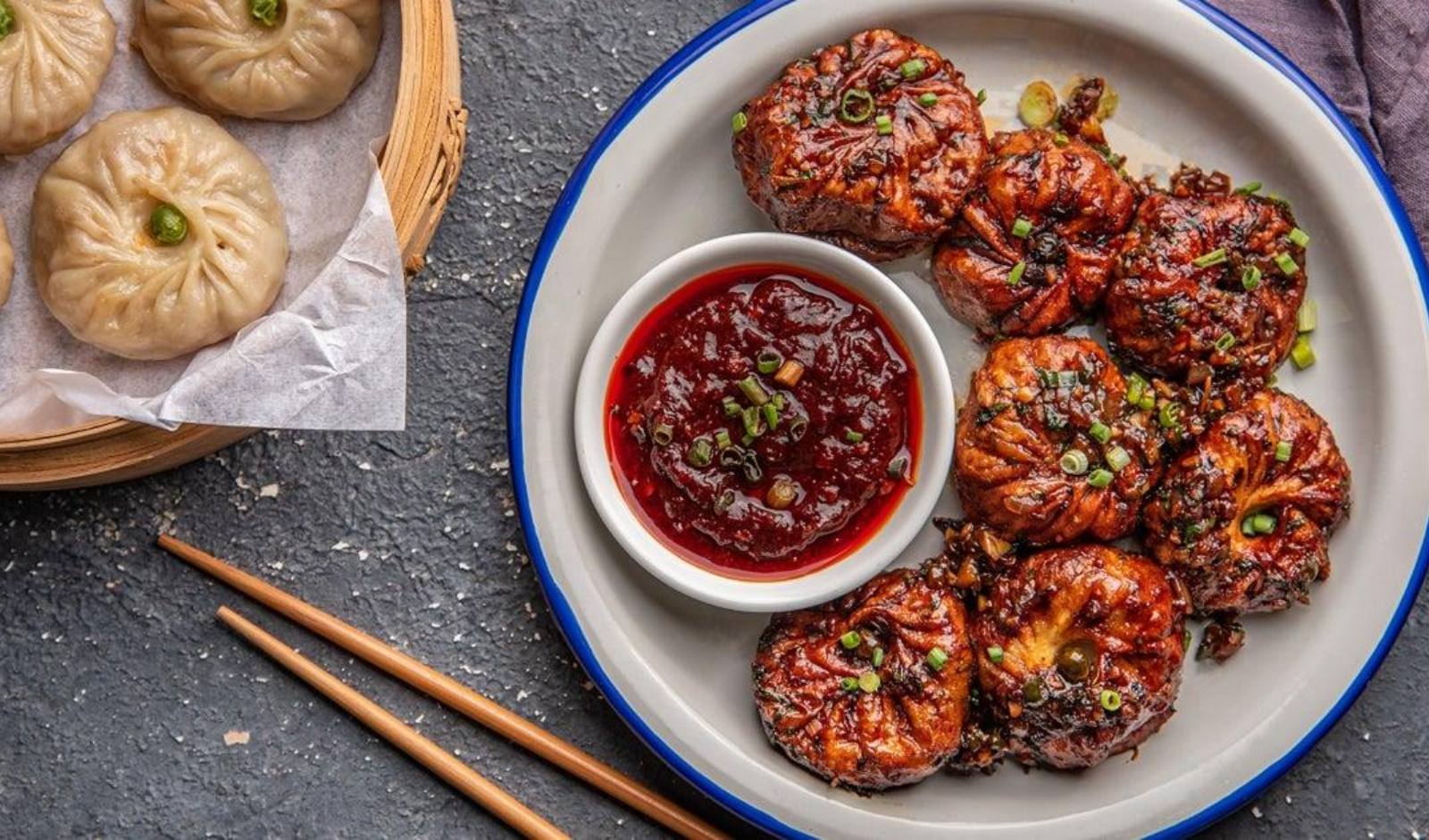
Momos have moved beyond street-food stalls into cafés, food courts and restaurant menus. Frozen momos bring the same familiar format into home kitchens, allowing consumers to steam or pan-fry dumplings without preparing the wrappers and fillings themselves. Their versatility makes them particularly interesting. Consumers can serve them with chilli chutney as an evening snack, add them to a soup or toss cooked momos in a spicy sauce for a more substantial dish. The product also offers brands room to experiment with fillings. Vegetable, paneer, chicken and other varieties can cater to different dietary preferences, while variations in wrapper thickness, filling texture and seasoning can help distinguish products in a crowded category. There is a technical consideration, however. Frozen momos must be cooked according to the manufacturer's instructions, particularly when they contain raw meat or poultry. Steaming time and cooking requirements can vary by product and size. The bigger shift is the movement of street-food occasions into the home. Consumers can keep a familiar snack ready for an evening craving without depending on a takeaway order or a nearby vendor. For frozen-food brands, regional sauces, varied fillings and convenient pack sizes can make this category even more relevant.
4. Frozen Samosas and Aloo Tikkis Are Becoming At-Home Entertaining Essentials
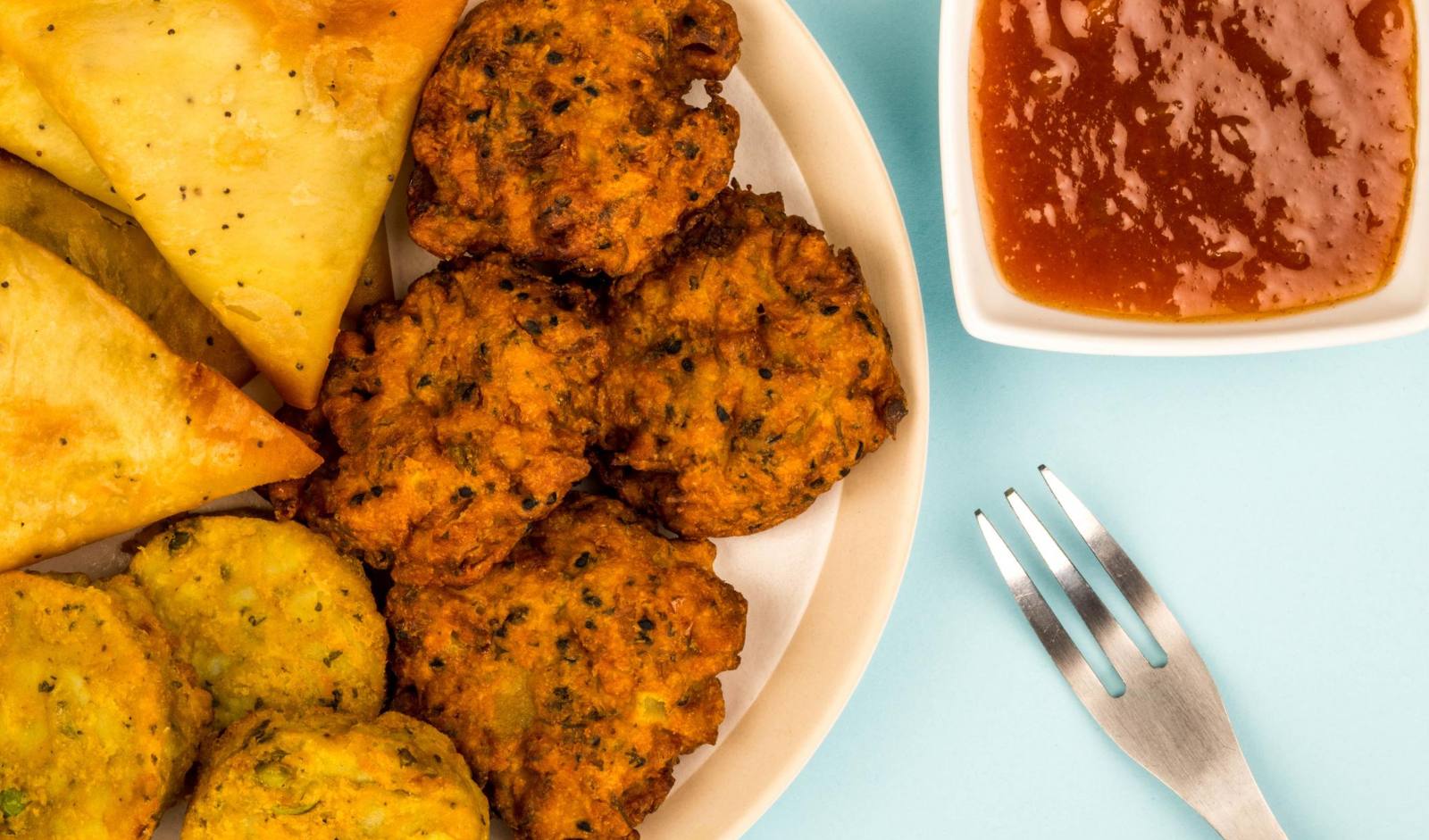
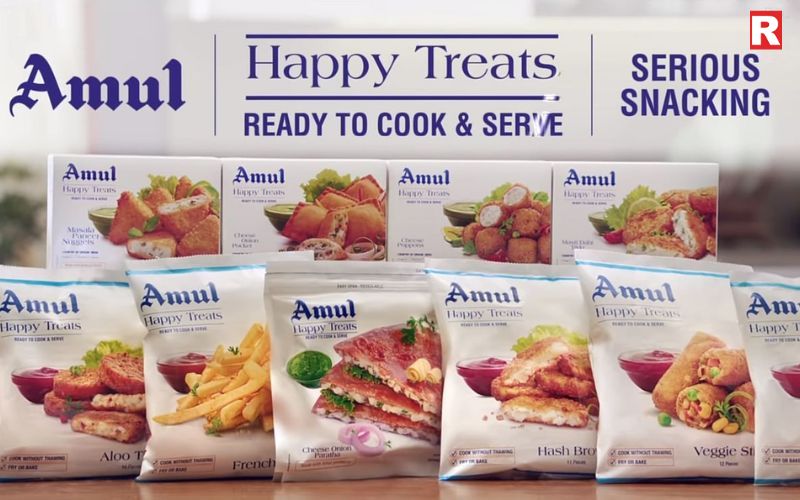
Unexpected guests, weekend gatherings and evening tea create demand for snacks that can be prepared quickly. Frozen samosas and aloo tikkis meet this need by reducing the preparation involved in making popular Indian snacks from scratch. Their usefulness extends beyond serving them as they come. Aloo tikki can become the base of a burger or chaat, while mini samosas can be served alongside chutneys as part of a larger snack platter. This gives households several ways to use the same product. The category also illustrates how cooking appliances influence frozen-food choices. Products specifically designed for an oven or air fryer offer alternatives to deep-frying, although cooking results depend on the product, equipment and instructions. Consumers should not assume that every frozen snack is suitable for every cooking method. For brands, the opportunity lies in designing products for specific occasions. Smaller snack packs can suit individuals and couples, while larger assortments can cater to families and gatherings. The business angle is equally relevant. Frozen snacks are not just competing with homemade preparations; they are also competing with takeaway orders and freshly prepared snacks from local shops. Convenience, portion size, taste and price can all influence the final purchase.
5. Frozen Fries and Onion Rings Are Making Café-Style Snacks Easier to Prepare
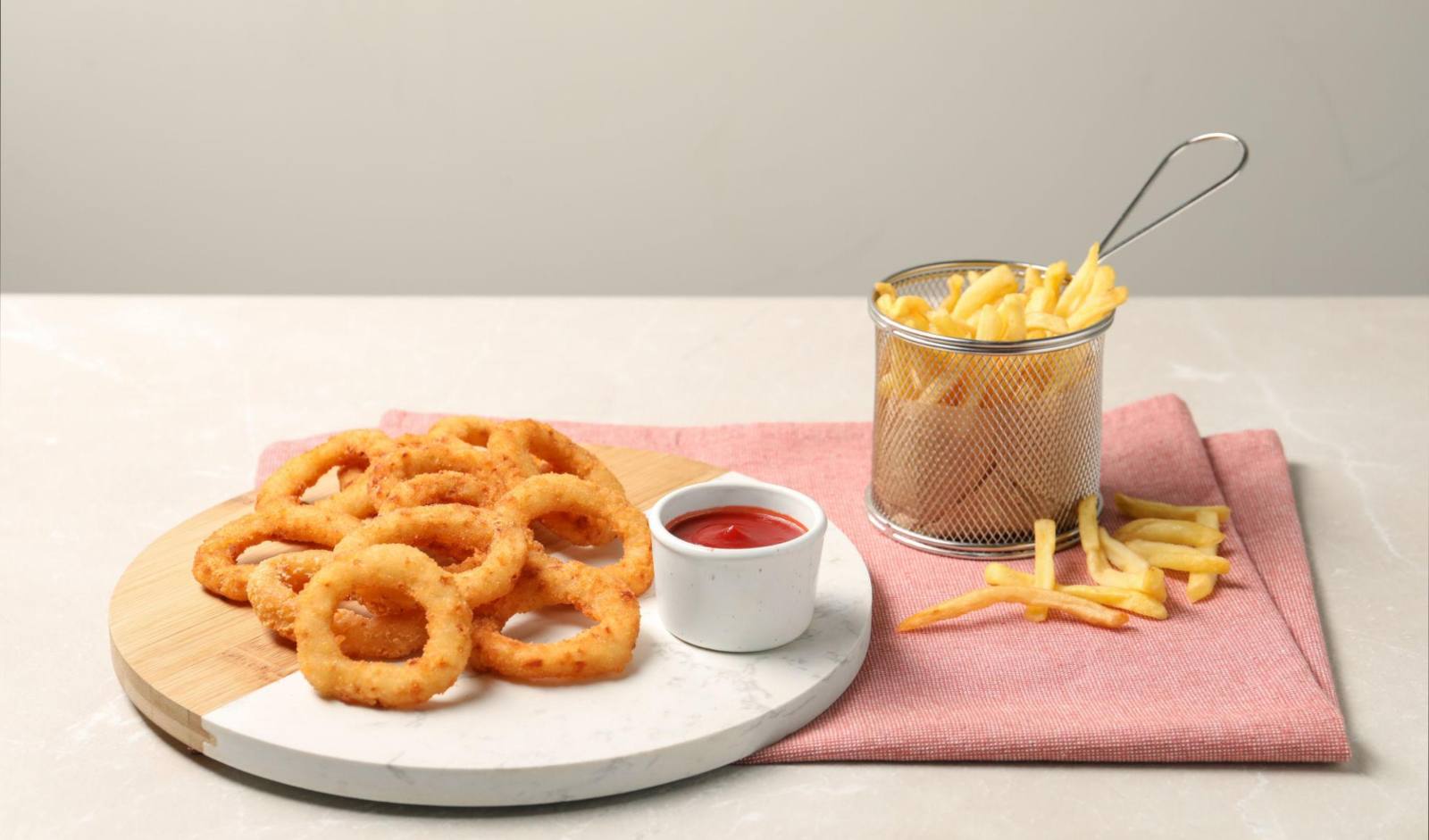
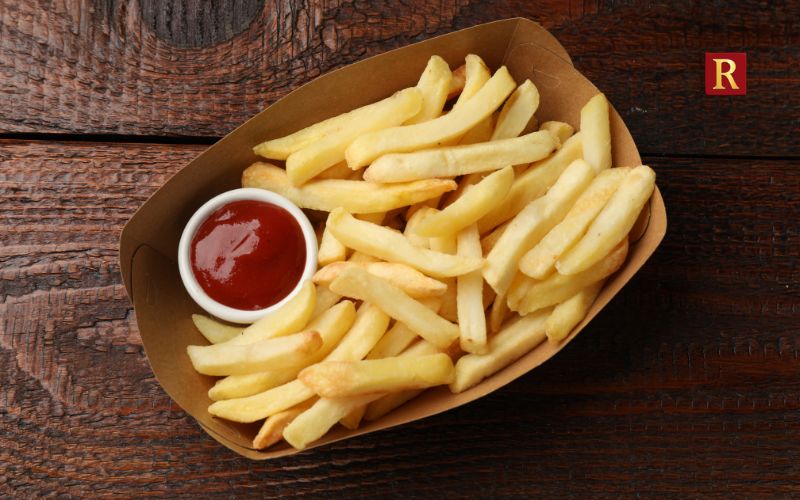
French fries and onion rings have become familiar accompaniments to burgers, sandwiches and casual meals. Keeping them frozen allows consumers to recreate some of these café-style eating experiences without having to prepare potatoes or onions from scratch. These products can also be used in more creative ways. Fries can be topped with paneer, vegetables, cheese or spices, while onion rings can accompany homemade burgers and wraps. A simple side dish can therefore become the centre of a snack occasion. The growing use of air fryers adds another dimension. For products designed for air-fryer preparation, consumers can achieve a crisp exterior without submerging the food in oil. Results depend on the product formulation and appliance settings, and air-frying does not automatically make a product nutritionally balanced. Texture is an important technical consideration. Frozen potato products are processed to help deliver a consistent cooking result, but overcrowding an air-fryer basket can prevent hot air from circulating properly and lead to uneven crispness. For manufacturers, this category offers opportunities in different cuts, seasoning options and portion sizes. For consumers, it provides a convenient way to recreate familiar restaurant-style snacks at home.
6. Frozen Kebabs and Nuggets Are Becoming Versatile Meal Components
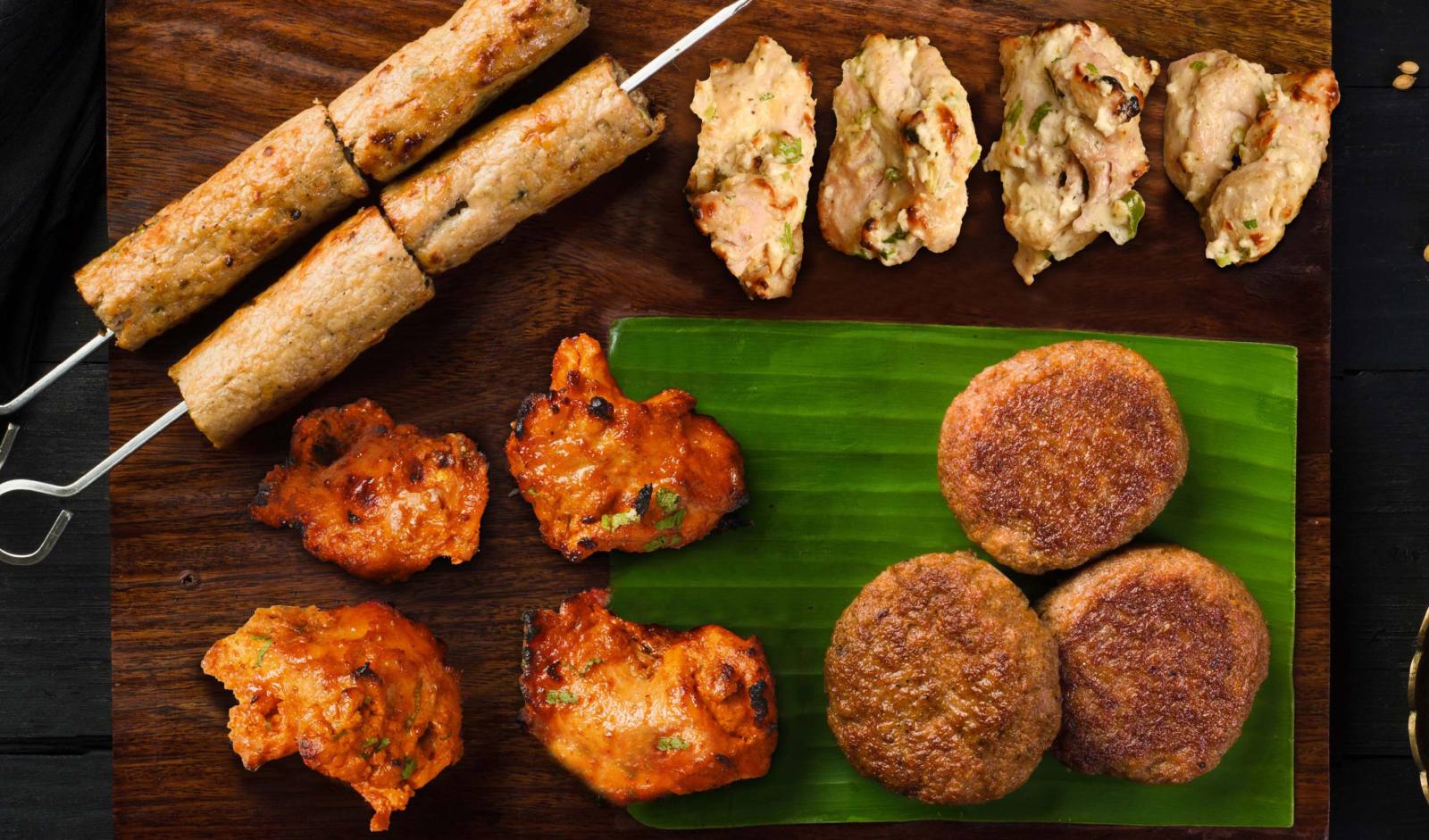
Frozen kebabs and nuggets are often associated with snacks, but their role in household meal planning can be much broader. They can serve as fillings for wraps, additions to rice bowls or the main component of a quick dinner with vegetables and flatbread. For example, cooked seekh kebabs can be served in a roll with onions and chutney, while nuggets can accompany homemade sandwiches. Vegetarian alternatives can offer similar flexibility for consumers who do not eat meat. This versatility is important because consumers increasingly need products that work across multiple occasions. A pack that can be divided into several portions may be more useful than a product intended for a single large serving. However, frozen meat products require careful attention to preparation. Some are raw, some partially cooked and others fully cooked. The appearance of a product does not reliably indicate whether it is ready to eat, so the label and cooking instructions must be followed. The category also raises an important question about value. Consumers may compare protein content, serving size, ingredient lists and the cost of a complete meal rather than looking only at the price of the pack. For food manufacturers, products that combine convenient preparation with clear ingredient information and flexible serving options can appeal to consumers seeking quick meals without relying on the same dishes every day.
7. Frozen Seafood Is Making Planned Home-Cooked Meals More Convenient
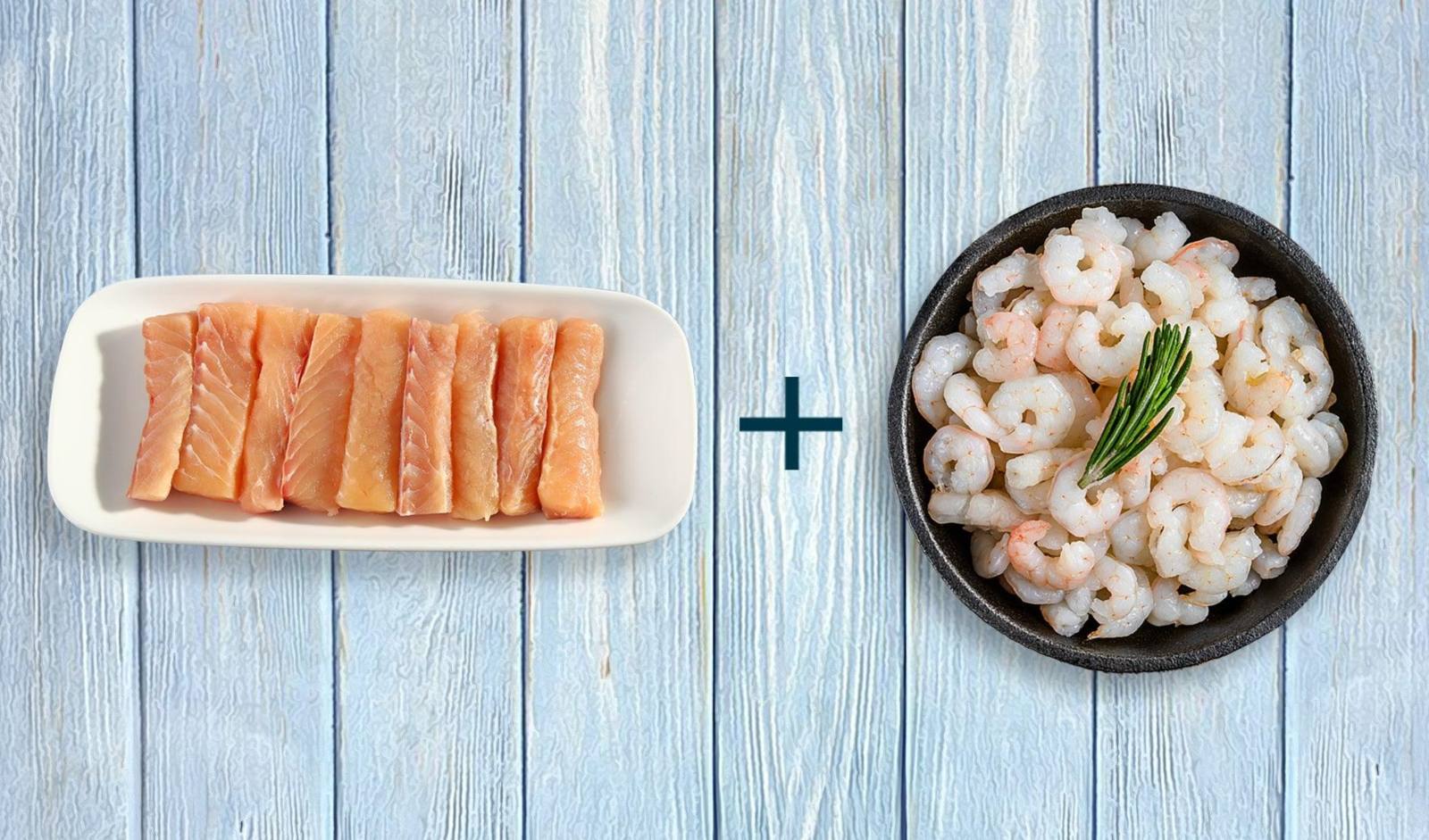
Frozen prawns and fish portions can help consumers plan meals without needing to buy fresh seafood on the same day. They are particularly useful for dishes such as prawn pulao, fish curry and grilled fish, where the main ingredient can be stored until needed. Portion-controlled packs can also make seafood easier to manage in households that cook it occasionally. Instead of purchasing a larger quantity for immediate use, consumers can select a pack suited to a particular meal. The category requires more attention to sourcing and storage than many plant-based frozen products. Consumers should check that packaging is intact, follow the stated storage temperature and thaw seafood according to the manufacturer's instructions. Raw seafood should also be handled separately from ready-to-eat foods to reduce cross-contamination. For brands, convenience alone may not be enough to persuade consumers to buy frozen seafood regularly. Clear information about the species, sourcing, portion size, storage and preparation can help consumers make more informed purchasing decisions. The wider opportunity is to make seafood a more manageable part of planned home cooking, particularly for consumers who want to prepare a special meal without organising an additional shopping trip.
What Indian Consumers Should Consider Before Stocking Their Freezers
The growing variety of frozen foods raises a more practical question: how useful is a product once it enters the household kitchen? Beyond convenience and taste, its real value depends on when consumers eat it, how many ways they can use it, what an entire meal costs and whether they can store it properly.
The seven-day freezer test: Frozen food becomes more useful when it fits into everyday routines. Parathas can simplify breakfast, frozen vegetables can rescue a rushed lunch, and momos or nuggets can provide an after-school snack. Kebabs can become a quick dinner, while samosas and tikkis can help prepare a weekend snack platter. The idea is to stock products for different occasions rather than buying several items that serve the same purpose.
The second-life test: A frozen product offers greater value when it can be used beyond its most obvious role. Frozen vegetables can go into pulao, kebabs can become wrap fillings, and aloo tikkis can be turned into burgers or chaat. This flexibility gives households more meal options without requiring them to buy a different product for every recipe.
The value-per-meal test: A low-priced pack does not necessarily translate into an economical meal. Consumers should consider the number of usable portions, accompaniments, cooking oil, energy costs and the price of comparable homemade or takeaway alternatives. A meaningful comparison looks at the total cost of serving a meal, not simply the price printed on the packet.
The freezer reality check: Storage is an important part of the purchasing decision. Consumers need to consider available freezer space, pack sizes, household electricity use and how quickly a product will be consumed. Frozen foods should be transported and stored at the temperatures specified by the manufacturer, and products should not be purchased if their packaging or temperature condition raises concerns. Buying more than a household can use also risks waste, even when the product has a long stated storage life.
Ultimately, the smartest freezer is not necessarily the one filled with the most products. It is the one stocked with foods that suit a household's schedule, budget, cooking habits and storage capacity. For frozen-food brands, helping consumers understand these everyday uses may be just as important as introducing new flavours and product formats.
About India's Changing Food Habits!
The growing variety of frozen foods reflects a change in how consumers approach everyday cooking. Frozen vegetables support routine meal preparation, frozen breads simplify familiar Indian meals, and momos, kebabs and fries make it easier to recreate popular snacks at home. Seafood, meanwhile, gives consumers another way to plan meals around ingredients that may not be purchased every day. Convenience is only one part of this shift. Product variety, portion sizes, cooking appliances, taste and value for money can all influence what consumers choose to keep in their freezers.
For food manufacturers and retailers, the opportunity is to develop products that fit actual household routines rather than simply expanding the number of items available. Products designed for specific meals, clearly labelled cooking instructions and practical pack sizes can help frozen foods become more useful in everyday kitchens. The modern freezer is not replacing the Indian kitchen. It is changing how consumers prepare for it. As households balance cooking from scratch with time-saving alternatives, the frozen-food category has an opportunity to become a more regular part of meal planning, rather than something consumers reach for only when they need a quick snack.
Saptopriya Ghosal
Feature Writer
I am a dedicated media professional with a bachelor's degree in mass communication from the State University of Calcutta and a postgraduate degree from Amity University. My academic journey has equipped me with a profound understanding of storytelling and communication. Passionate about the dynamic world of media, I continually strive to explore new ways to engage and inform through compelling narratives.