
7 Dining Concepts That Are Reshaping India's Restaurant Industry
Behind many successful restaurant innovations lies a strong technological foundation. Technology helps businesses improve efficiency, reduce costs, and enhance customer experiences.

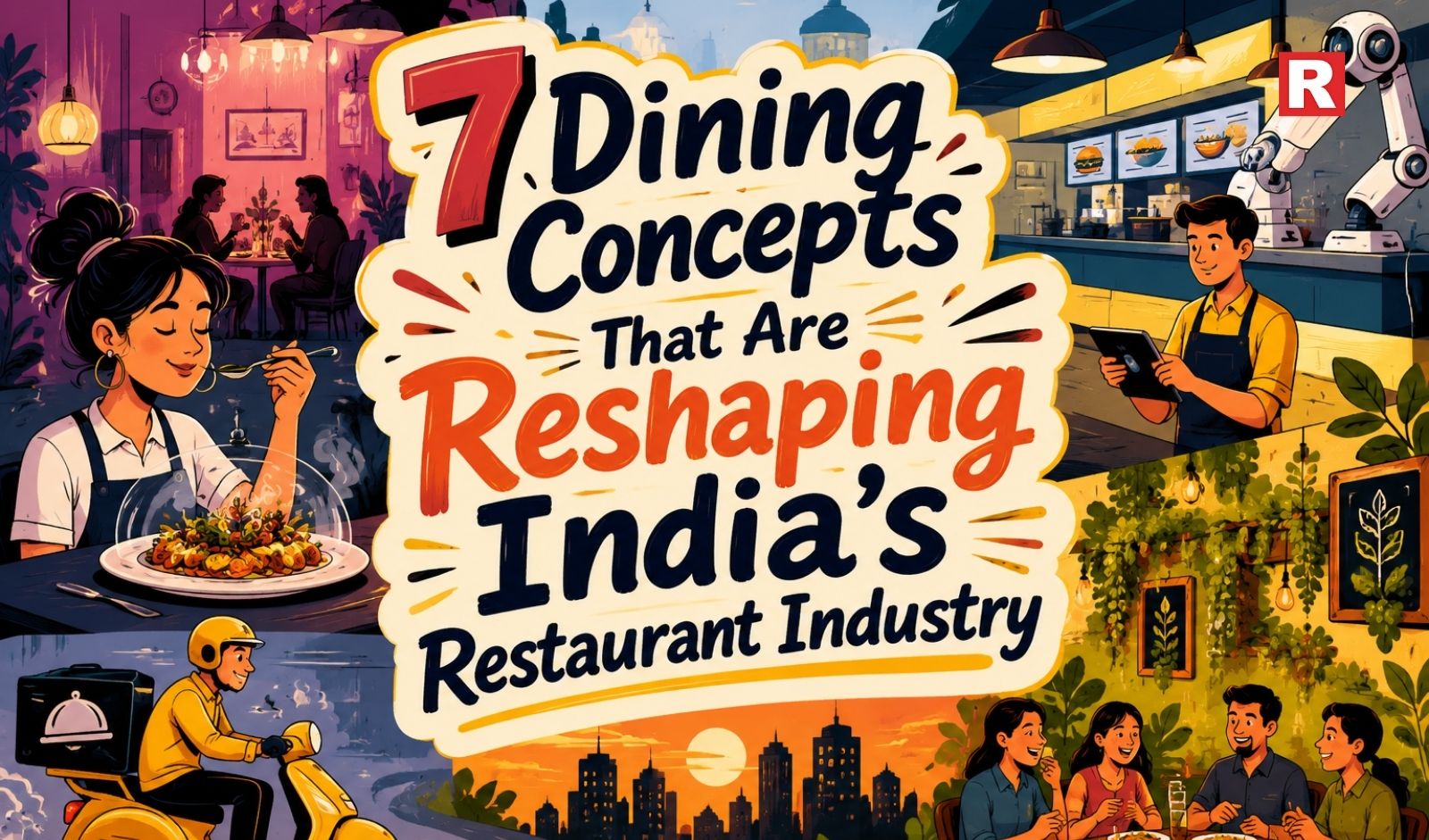
India's restaurant industry is evolving faster than ever. The days when diners simply looked for good food and convenient locations are long gone. Today's consumers want experiences, personalization, speed, sustainability, and flexibility. Restaurants that adapt to these changing expectations are finding new ways to attract customers and stay profitable. From delivery-first models to immersive dining experiences, these seven concepts are redefining the future of eating out in India.
Why India's Dining Landscape Is Changing
Several factors are driving the evolution of India's restaurant sector.
Digital Adoption: Food delivery apps, mobile payments, and online reservations have made dining more accessible and convenient.
Changing Consumer Expectations: Millennials and Gen Z consumers are prioritising experiences and authenticity over routine dining experiences.
Urbanisation and Lifestyle Shifts: Busy schedules and rising disposable incomes have created demand for flexible dining options.
Growing Focus on Sustainability: Consumers are paying closer attention to ethical sourcing, waste reduction, and environmentally responsible practices.
Against this backdrop, several dining concepts are emerging as clear winners.
Explore 7 Dining Concepts
1. Experiential Dining: Where Meals Become Memories
Experiential dining is changing how people view restaurants. Diners are no longer paying only for the food on their plates. They are investing in memorable moments. These restaurants focus on creating immersive experiences through unique interiors, interactive menus, live entertainment, open kitchens, and themed storytelling. The goal is to engage customers emotionally and encourage them to spend more time at the venue. For younger consumers, especially millennials and Gen Z, the overall atmosphere often influences restaurant choices just as much as the menu itself. A beautifully designed space that offers a one-of-a-kind experience can quickly become a talking point on social media.
Why it works:
- Encourages repeat visits
- Creates stronger brand loyalty
- Generates organic word-of-mouth marketing
- Supports premium pricing strategies
2. Cloud Kitchens: Redefining Restaurant Economics
Cloud kitchens have transformed the restaurant business model by eliminating the need for expensive dine-in spaces. These delivery-only operations focus entirely on preparing food for online orders. With lower rental costs and minimal front-of-house expenses, cloud kitchens provide an efficient way for entrepreneurs to enter the food industry. Many operators also run multiple virtual brands from a single kitchen, maximizing productivity and revenue. Technology plays a crucial role in their success. Integrated POS systems, kitchen display screens, inventory management software, and delivery platform partnerships help streamline operations.
Key advantages:
- Lower investment requirements
- Faster expansion opportunities
- Improved operational efficiency
- Ability to test multiple cuisines under one roof
3. Hybrid Restaurants: Balancing Dine-In and Delivery
As consumer preferences continue to shift, many restaurants are embracing hybrid models that combine traditional dining with delivery services. This approach allows businesses to diversify their revenue streams while maintaining a physical presence. Customers who prefer dining out can enjoy the in-restaurant experience, while those seeking convenience can order from home. The hybrid model also provides greater resilience during market fluctuations. Restaurants can adapt quickly to changing demand patterns without relying solely on one channel.
Why operators prefer this model:
- Multiple sources of income
- Better brand visibility
- Greater flexibility during economic changes
- Enhanced customer reach
4. Chef's Tables and Supper Clubs: The Rise of Exclusive Dining
Personalized dining experiences are gaining popularity among Indian consumers seeking something beyond the ordinary. Chef's tables and supper clubs offer intimate settings where guests interact directly with chefs and enjoy specially curated menus. Seating is often limited, creating a sense of exclusivity. These experiences focus on craftsmanship, storytelling, and seasonal ingredients. Diners gain insight into culinary techniques and the inspiration behind each dish, turning the meal into an educational and emotional journey. For chefs, these concepts provide creative freedom. For guests, they offer authenticity and connection.
What makes them appealing:
- Limited and exclusive access
- Personalized culinary experiences
- Direct engagement with chefs
- Premium dining appeal
5. Food Halls: Bringing Variety Under One Roof
Food halls are becoming increasingly popular in India's urban centres. Unlike traditional food courts, food halls curate diverse culinary brands within a shared dining environment. This concept caters to groups with varying tastes. One person can enjoy Asian cuisine while another opts for regional Indian specialties, all within the same space. Food halls also create opportunities for emerging food entrepreneurs. Smaller brands can establish a presence without bearing the costs associated with standalone restaurants.
Benefits of food halls:
- Wide variety of cuisines
- Strong community atmosphere
- Lower operational barriers for vendors
- Increased footfall through shared spaces
6. Sustainable Dining: Consumers Are Choosing Responsibly
Sustainability is becoming an important factor in dining decisions. Increasing awareness about environmental issues has encouraged restaurants to adopt more responsible practices. Farm-to-table concepts emphasize locally sourced ingredients, reducing dependence on long supply chains. Seasonal menus not only support local farmers but also ensure fresher produce. Many restaurants are also focusing on reducing food waste, using eco-friendly packaging, and improving resource efficiency within their kitchens. As consumers become more conscious about their choices, sustainability is evolving from a niche practice into a business necessity.
Sustainable practices gaining traction include:
- Local ingredient sourcing
- Seasonal menu planning
- Food waste reduction initiatives
- Environmentally friendly packaging solutions
7. Technology-Driven QSRs: The Future of Convenience
Quick Service Restaurants (QSRs) have always prioritized speed. Today, technology is helping them deliver even greater convenience and personalization. Digital ordering kiosks, mobile applications, contactless payments, and loyalty programmes have become standard features across many QSR brands. Artificial intelligence and customer analytics are helping businesses understand purchasing habits and create tailored promotions. Meanwhile, automated kitchen systems are improving consistency and reducing preparation times. Consumers increasingly expect seamless experiences, and technology-enabled QSRs are meeting those expectations effectively.
Technology trends shaping QSRs include:
- Self-service ordering kiosks
- Mobile ordering platforms
- AI-powered recommendations
- Smart kitchen management systems
How Technology Is Supporting Modern Dining Concepts
Behind many successful restaurant innovations lies a strong technological foundation. Technology helps businesses improve efficiency, reduce costs, and enhance customer experiences.
Important Technologies Shaping the Industry
Artificial Intelligence: AI helps predict demand patterns, personalise promotions, and optimise pricing strategies.
Data Analytics: Restaurants can identify customer preferences and refine menu offerings using real-time insights.
Integrated POS Systems: Modern POS platforms simplify order management across multiple channels.
Customer Relationship Management (CRM) Tools: CRM solutions enable restaurants to build stronger relationships through targeted communication and loyalty initiatives.
The Future!
India's restaurant industry is entering a new phase of innovation. Consumer expectations are changing faster than ever before. People want convenience without compromising quality. They seek memorable experiences alongside great food. They appreciate personalization and increasingly value sustainability. The dining concepts reshaping the industry reflect these priorities. Experiential dining focuses on creating emotional connections. Cloud kitchens maximize operational efficiency. Hybrid models offer flexibility. Chef's tables deliver exclusivity. Food halls celebrate variety and community. Sustainable restaurants address environmental concerns. Technology-driven QSRs redefine convenience. For restaurant businesses, staying relevant requires continuous adaptation. Success will depend not only on what is served on the plate but also on how the entire dining journey is designed. As India's foodservice landscape continues to evolve, one thing is clear: the future belongs to restaurants that are willing to innovate while keeping customer needs at the centre of every decision.
Saptopriya Ghosal
Feature Writer
I am a dedicated media professional with a bachelor's degree in mass communication from the State University of Calcutta and a postgraduate degree from Amity University. My academic journey has equipped me with a profound understanding of storytelling and communication. Passionate about the dynamic world of media, I continually strive to explore new ways to engage and inform through compelling narratives.



































































