7 Differences Between Matcha, Hōjicha and Other Japanese Tea Formats
Rather than treating Japanese tea as a single beverage category, cafés can explore its different formats to create distinctive drinks, desserts and premium dining experiences.

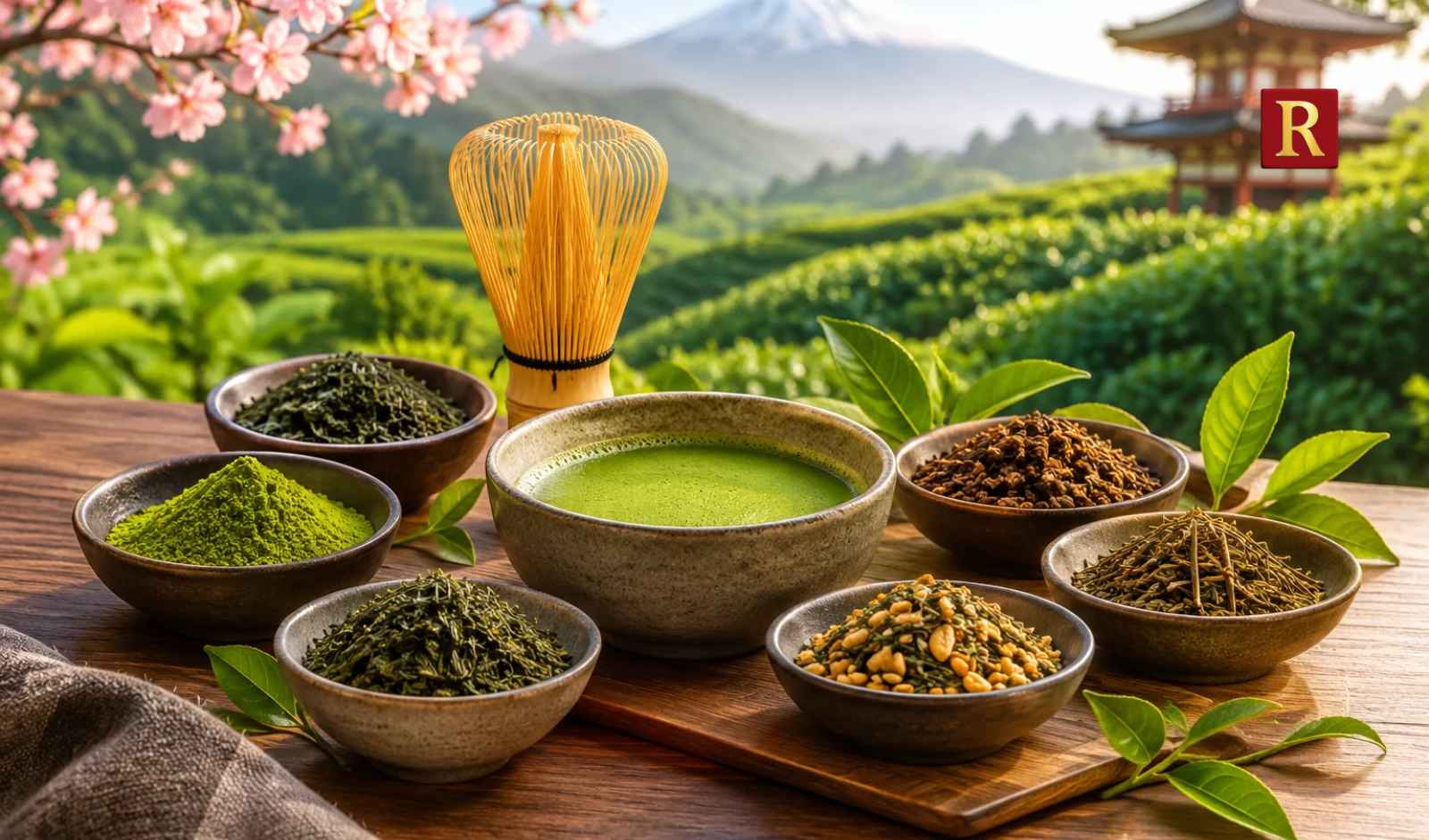
Matcha may be the most recognisable Japanese tea, but it represents only one part of Japan's diverse tea culture. From the roasted flavours of hōjicha to the deep umami of gyokuro and the nutty notes of genmaicha, Japanese tea offers several formats with different production methods, flavour profiles and preparation techniques.
These differences are also creating opportunities for cafés, restaurants and beverage brands to explore new ingredients beyond conventional green tea. Japanese tea varieties can be used in lattes, cold brews, desserts, mocktails and premium tea experiences, giving businesses more ways to develop distinctive beverage menus. Most Japanese teas come from the same plant, Camellia sinensis. However, cultivation, shading, harvesting and processing determine how each variety tastes and performs in a beverage.
Differences Between Matcha, Hōjicha and Other Japanese Tea Formats
1. Cultivation Methods
One of the biggest differences between Japanese tea varieties begins in the tea garden. Some varieties grow under direct sunlight, while others are covered to reduce exposure before harvesting. These cultivation techniques influence the tea's flavour, aroma and composition.
Matcha: Made from tencha leaves grown under shade for several weeks before harvesting. Shading helps develop its characteristic umami flavour and vibrant green colour.
Gyokuro: Shade-grown for an extended period, generally around 20 days or more, to develop a sweeter and more concentrated umami profile.
Sencha: Grown in open sunlight, producing a fresh, grassy and slightly astringent flavour.
Shading influences the balance of amino acids, including theanine, and catechins in tea leaves. This helps develop the savoury character associated with shaded teas. Cultivation techniques influence the final flavour, quality and positioning of Japanese tea. For premium beverage brands, understanding these differences can help with ingredient selection and product development.
2. Processing Techniques
Processing is another important factor that separates Japanese tea varieties. Even when teas originate from the same plant, their manufacturing techniques can produce completely different beverages. Steaming, rolling, drying, grinding and roasting each contribute to the final tea's characteristics.
Matcha: Tencha leaves are steamed, dried without rolling, sorted and ground into a fine powder.
Sencha: Leaves are steamed, rolled and dried to preserve their characteristic needle-like shape.
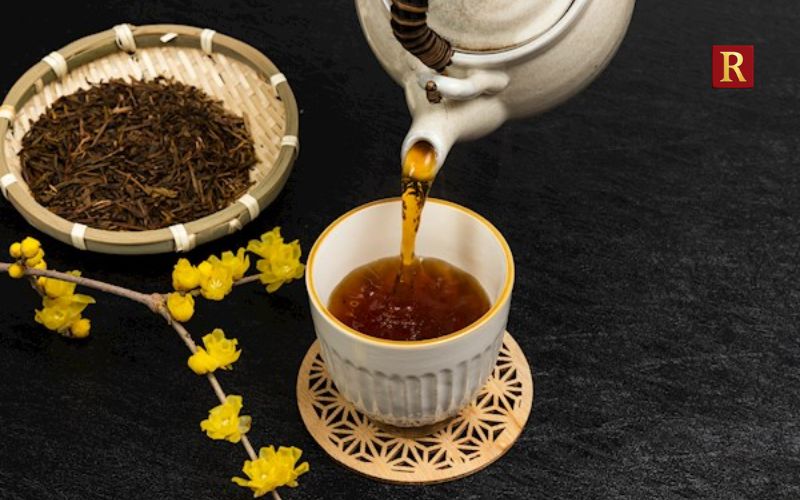
Hōjicha: Processed green tea is roasted at high temperatures to create a toasted aroma and brown colour.
The roasting process makes hōjicha particularly different from conventional Japanese green teas. Heat develops its distinctive toasted notes, making it suitable for both traditional tea preparation and contemporary café beverages. Processing determines whether a tea works better as a powder, loose-leaf infusion, roasted ingredient or blended beverage component.
3. Flavour Profiles
Japanese tea varieties offer different sensory experiences. Some have fresh vegetal flavours, while others deliver roasted, nutty or savoury notes. These differences make Japanese tea a versatile ingredient for speciality beverage development.
Matcha: Earthy, vegetal, creamy and umami-rich, with varying levels of bitterness.
Hōjicha: Toasted, nutty, mellow and sometimes reminiscent of caramel.
Sencha: Fresh, grassy, vegetal and pleasantly astringent.
Other varieties also offer distinctive profiles. Gyokuro is known for its sweet and savoury umami character, genmaicha combines green tea with roasted rice flavours, while kukicha offers mild, slightly sweet and woody notes. Bancha generally has a straightforward, earthy profile. The flavour also depends on the tea cultivar, harvest season, growing region, processing and brewing method. These flavour differences give cafés an opportunity to develop beverages for different customer preferences instead of relying entirely on matcha-based drinks.
4. Brewing Methods
Japanese tea varieties require different brewing temperatures and preparation methods to bring out their best flavours. Using excessively hot water with delicate green tea can extract more bitterness and astringency. Understanding these requirements is important for maintaining beverage quality and consistency.
Matcha: Whisked with hot water using a bamboo whisk called a chasen, rather than steeped and strained.
Gyokuro: Brewed slowly using relatively cool water to highlight its sweetness and umami.
Sencha: Steeped in moderately hot water to balance freshness and astringency.
Hōjicha is generally prepared with hotter water to bring out its roasted aroma, while genmaicha can also be steeped in hot water to release the flavours of green tea and roasted rice. Kukicha is usually brewed at moderate temperatures to maintain its mild and delicate character. These are practical starting ranges. Brewing temperature and steeping time can vary depending on the tea grade and producer's recommendations. Why it matters: For cafés, the brewing process directly affects beverage consistency. Different temperatures, steeping times and preparation equipment can change the flavour of the final drink.
5. Caffeine Content
Caffeine is another factor that differentiates Japanese tea formats. The amount depends on the type of tea, leaf selection, serving size and preparation method. Some varieties are consumed as powdered leaves, while others are steeped and strained, creating differences in how tea compounds enter the final beverage.
Matcha: Since the powdered leaves are consumed rather than strained, the entire tea material becomes part of the drink.
Hōjicha: Roasting changes its chemical composition and aroma. It is often considered a lower-caffeine alternative, although the actual amount depends on the leaves used.
Gyokuro: Shade-grown leaves and concentrated brewing can produce a relatively high-caffeine infusion.
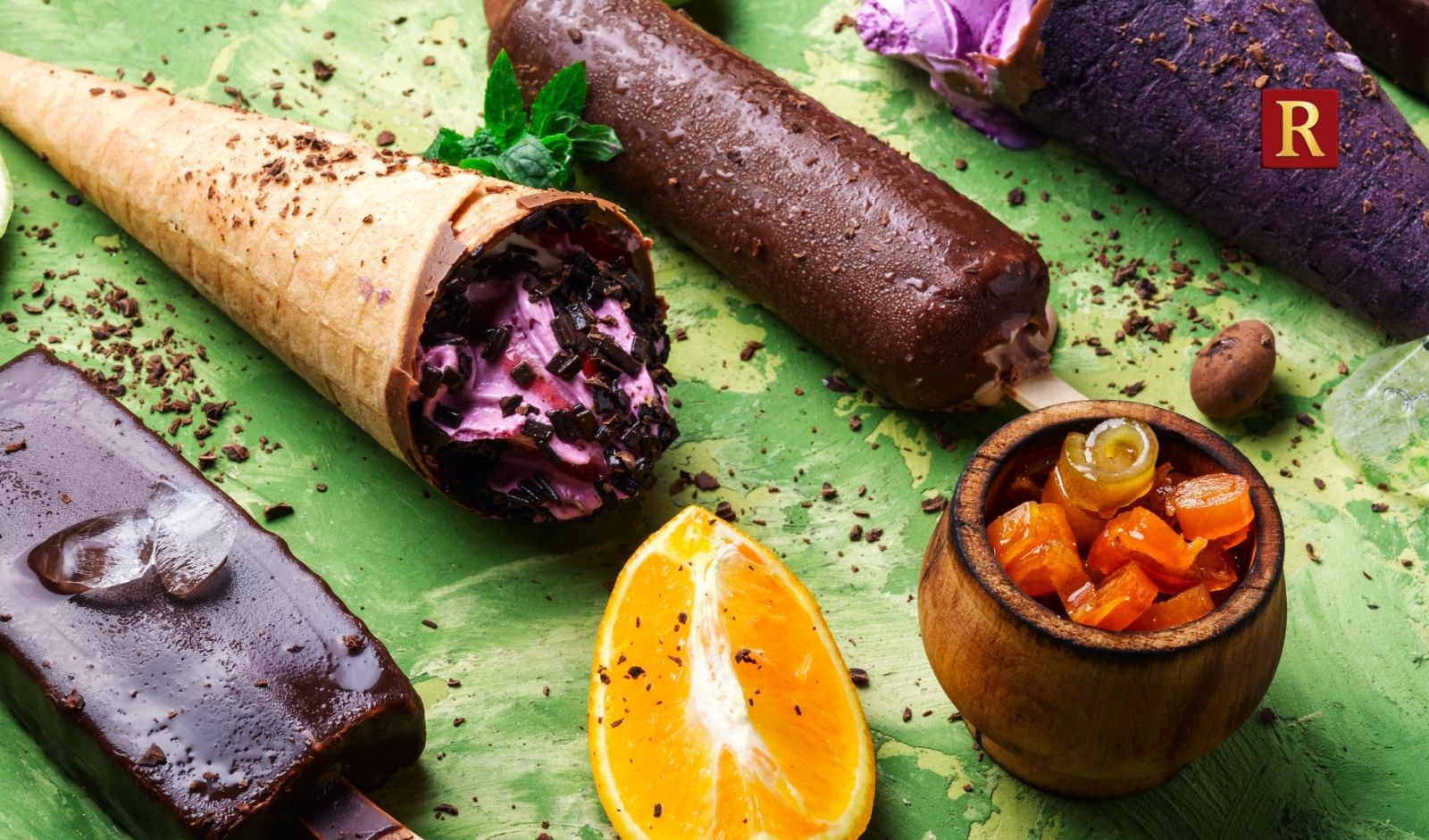
Sencha generally offers a moderate caffeine profile depending on its grade and brewing conditions. Genmaicha contains roasted rice alongside green tea, while kukicha's caffeine content varies according to the proportion of stems and leaves used. Hōjicha has a distinctive roasted flavour that works well in milk-based beverages. It offers an alternative to the grassy and vegetal taste of matcha. Cafés can explore iced hōjicha lattes, roasted tea frappes, hōjicha-flavoured ice creams, tea-infused puddings and chocolate desserts. Beverage brands can develop different consumption occasions around Japanese tea rather than positioning every product as an energy-focused or matcha-based drink. However, hōjicha is not caffeine-free, and its caffeine content varies with the base tea and preparation.
6. Culinary Applications
Japanese tea is increasingly interesting as a culinary ingredient because its different flavour profiles can complement a wide range of food and beverage applications. From bakery products to cold beverages, each variety offers opportunities for restaurants and cafés to experiment with new menu concepts.
Matcha: Its vibrant green colour and umami-rich taste make it suitable for lattes, iced drinks, tiramisu, cheesecakes, ice creams, chocolate and bakery products.
Hōjicha: Its toasted character works well in milkshakes, roasted tea lattes, chocolate and caramel desserts, puddings and soft serve.
Sencha: Its fresh vegetal profile makes it suitable for iced green tea, citrus-based drinks, cold brews and light tea-infused mocktails.
Other varieties also offer interesting culinary applications. Genmaicha's roasted rice notes can complement savoury food pairings, speciality tea blends and rice-inspired desserts. Gyokuro's concentrated umami profile can support premium tea-tasting menus, Japanese-inspired fine dining and delicate seafood pairings. Restaurants can use Japanese tea as an ingredient across multiple menu categories. This creates opportunities for product differentiation and signature beverage development.
7. Premium Positioning
Japanese tea formats offer different possibilities for premiumisation. Their value depends on cultivation, harvest, processing, grade, origin and product consistency. Matcha has strong recognition in international café culture, while gyokuro is associated with specialised cultivation and premium tea experiences. Hōjicha and genmaicha offer different opportunities because of their distinctive roasted flavours.
Matcha: Its strong consumer recognition and versatility make it suitable for premium lattes, desserts and speciality beverage powders.
Hōjicha: Its roasted flavour creates opportunities for contemporary café beverages, bakery products and milk-based drinks.
Gyokuro: Its shade-grown cultivation and distinctive umami profile make it suitable for luxury tea service and premium dining experiences.
Businesses can also explore sencha for refreshing cold drinks, genmaicha for nutty flavour combinations and kukicha for lighter tea infusions. This allows cafés to create a broader Japanese tea menu rather than relying on a single popular format. A diversified tea menu can help businesses introduce new beverage categories, experiment with premium ingredients and build distinctive product offerings while catering to customers with different flavour preferences.
Matcha vs Hōjicha vs Other Japanese Teas: Key Differences at a Glance
The following table summarises the major differences between popular Japanese tea formats.
Comparison factor | Matcha | Hōjicha | Sencha | Gyokuro | Genmaicha |
Main ingredient | Tencha | Roasted green tea | Green tea leaves | Shade-grown green tea | Green tea and roasted rice |
Cultivation | Shaded | Depends on base tea | Sun-grown | Shade-grown | Depends on base tea |
Processing | Steamed, dried and ground | Roasted | Steamed and rolled | Steamed, rolled and dried | Green tea blended with roasted rice |
Colour | Bright green | Brown | Green | Deep green | Yellowish to golden green |
Flavour | Umami and vegetal | Toasted and nutty | Grassy and fresh | Sweet and savoury | Nutty and roasted |
Preparation | Whisked | Steeped | Steeped | Steeped | Steeped |
Common application | Lattes and desserts | Lattes and desserts | Iced tea and infusions | Premium tea service | Tea blends and food pairing |
Note: The characteristics of hōjicha and genmaicha depend on the base tea used in their production.
What Should Cafés Consider Before Adding Japanese Tea to Their Menus?
Understanding tea varieties is only the first step. Businesses also need to consider how these ingredients will perform in commercial beverage preparation.
Here are some important factors:
Ingredient quality: Check the tea's origin, grade, harvest and processing details before sourcing.
Flavour compatibility: Match the tea profile with milk, sweeteners, fruits and other ingredients.
Brewing consistency: Standardise water temperature, tea quantity and steeping time.
Storage requirements: Protect tea from moisture, heat, light and strong odours to preserve freshness.
Cost per serving: Calculate ingredient usage and wastage before finalising menu prices.
Customer familiarity: Introduce less familiar formats through tasting portions, signature beverages and clear menu descriptions.
Recommended Brewing Temperature Comparison
Japanese tea | Suggested temperature | Preparation |
70–80°C | Whisked | |
Gyokuro | 50–60°C | Steeped |
Sencha | 70–80°C | Steeped |
Hōjicha | 90–100°C | Steeped |
Genmaicha | 90–100°C | Steeped |
Kukicha | 70–80°C | Steeped |
Bancha | 80–90°C | Steeped |
Final Word!
Japanese tea culture extends far beyond matcha. From the roasted character of hōjicha and genmaicha to the refreshing taste of sencha and the concentrated umami of gyokuro, each format offers a different drinking and culinary experience. For India's café and restaurant industry, these varieties present an opportunity to explore new beverage ingredients and develop more specialised menus. As businesses experiment with premium teas, understanding their cultivation, processing and preparation will become increasingly important. Rather than treating Japanese tea as a single beverage category, cafés can explore its different formats to create distinctive drinks, desserts and premium dining experiences.
Saptopriya Ghosal
Feature Writer
I am a dedicated media professional with a bachelor's degree in mass communication from the State University of Calcutta and a postgraduate degree from Amity University. My academic journey has equipped me with a profound understanding of storytelling and communication. Passionate about the dynamic world of media, I continually strive to explore new ways to engage and inform through compelling narratives.