6 Dining Trends to Watch out This Season
Every Indian state takes great pride in showcasing its own culinary legacy, which is distinguished by a particular combination of spices, cooking methods, and flavors.


The restaurant industry is a crucial component of the larger hospitality sector, with a primary focus on providing food services and a dining. The restaurant business is a thriving, dynamic sector in India that reflects the nation's varied culinary traditions and delectable cuisine. India offers a vast variety of dining experiences, from inexpensive street food vendors to upscale fine dining venues, thanks to its diverse regional cuisines.
The restaurant business, which serves the diverse tastes and preferences of India's enormous population, is essential in forming the country's cultural fabric. It provides a venue for gastronomic research, celebration, and social contact in addition to serving delicious food. Restaurants provide a sense of community by bringing people together, whether it's for a fulfilling meal, memorable occasions, or both.
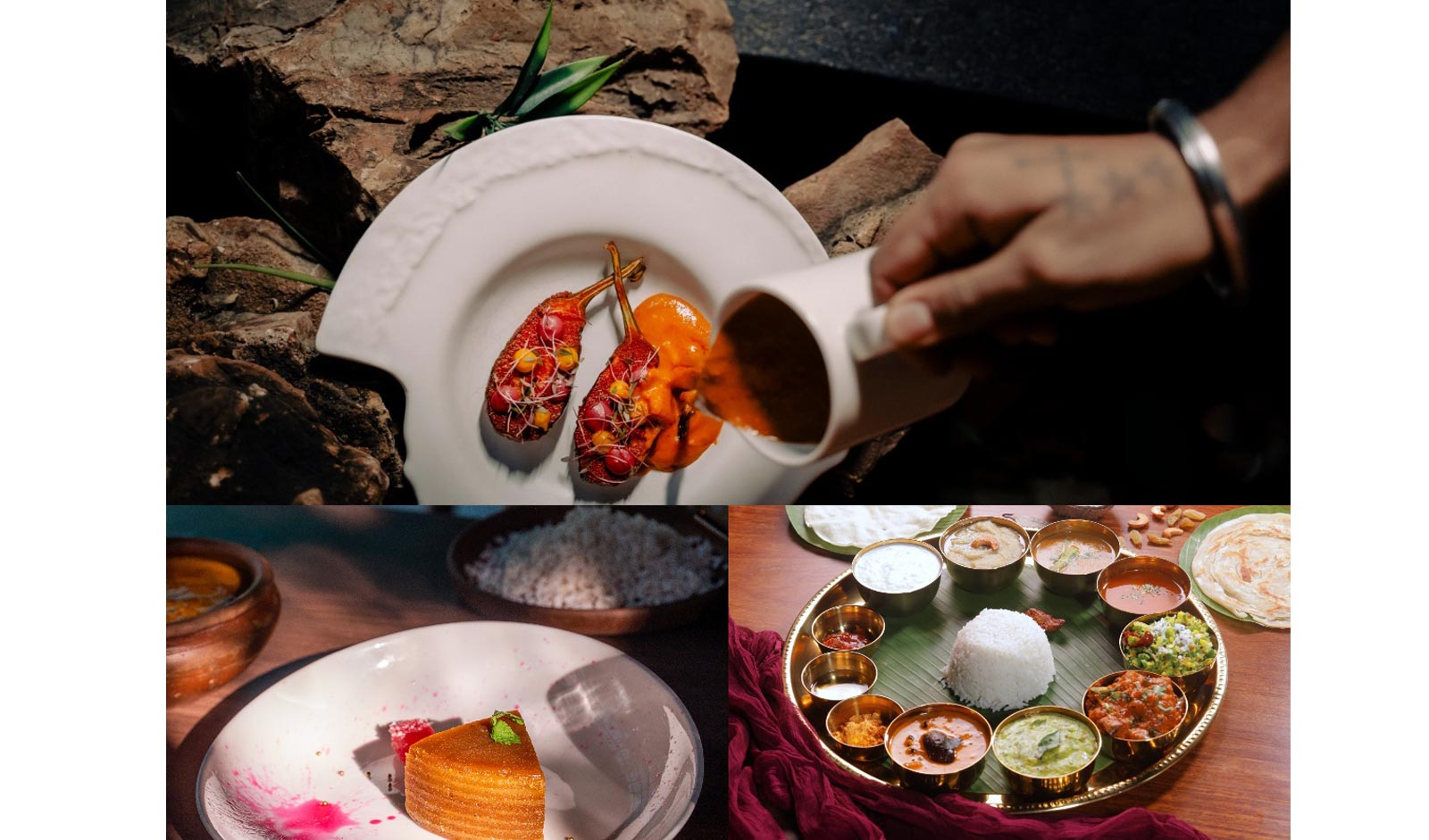
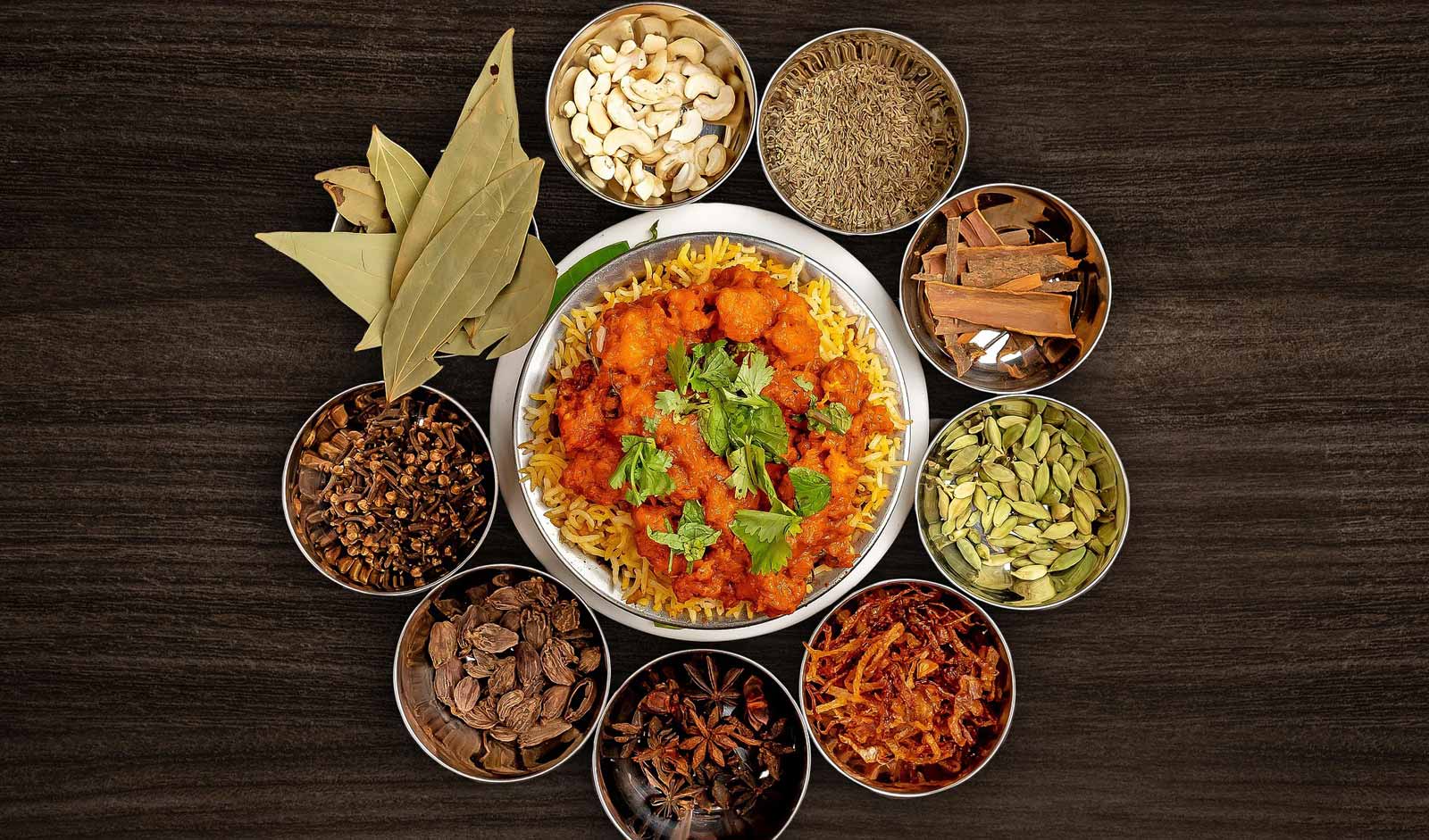
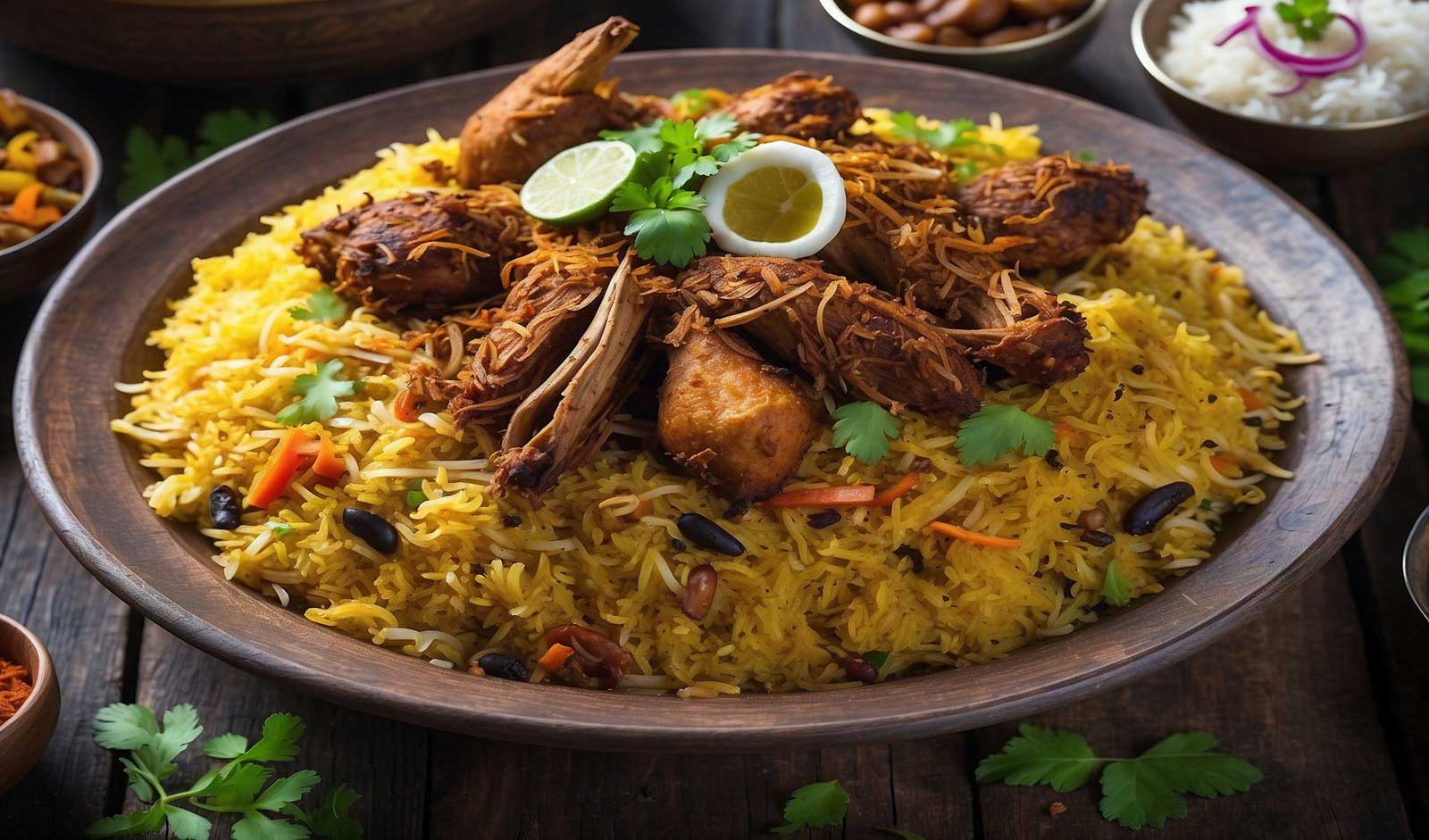
The variety of cuisine offered by Indian restaurants is genuinely astounding. Its wide range of flavors and cuisines is among its most impressive features. Every Indian state takes great pride in showcasing its own culinary legacy, which is distinguished by a particular combination of spices, cooking methods, and flavors. There are distinctive foods from each region of the country that have made their way onto restaurant menus, such as the rich and creamy curries of Punjab, the hot and acidic specialties of Andhra Pradesh, and the aromatic and layered biryanis of Hyderabad.
Technological breakthroughs, shifting societal norms, and shifting consumer preferences are all driving ongoing change in the restaurant industry. Technology integration, sustainable practices, delivery and takeaway, health-conscious menu items, cloud kitchen, personalization and customisation, etc. are some of the major trends reshaping the restaurant business.
6 Dining Trend Changing the Way People have been eating out:
“The restaurant industry is an ever-changing ecosystem shaped by changing consumer preferences, technological advancements, and global events. In 2024, several emerging trends are influencing how restaurants operate, market themselves, and cater to customer needs. The industry is witnessing a dynamic shift from innovative technologies to sustainable practices,” shared Prasuk Jain, Founder, Amazonia.
Technology is at the Top: One of the most significant trends in the restaurant industry is increasing technology integration into various operations. From digital menus and contactless ordering to advanced point-of-sale systems, technology is streamlining processes and enhancing the overall dining experience. Mobile apps allow customers to place orders, make reservations, and even pay for their meals seamlessly. Artificial intelligence and data analytics are used to personalize menus and promotions based on customer preferences, creating a more engaging and efficient dining experience.
Organic and Plant Based Options Grow: Many restaurants are embracing plant-based and vegetarian options to cater to the growing demand for these choices and as a commitment to sustainability. The use of eco-friendly packaging materials and efforts to minimize carbon footprints are becoming integral parts of a restaurant's branding strategy. In 2024, sustainability is not just a trend; it's a necessity that aligns with consumer values and expectations.
Pop-up restaurants: Themed dining events and chef collaborations are gaining popularity, allowing customers to taste the culinary world in new and exciting ways. Social media user reviews and influencers amplify these experiences as customers share their unique dining adventures, contributing to the restaurant's marketing efforts.
Health and Wellness Influence Menu Choices: Consumers seek nutritious options that align with their dietary preferences and health goals. Restaurants are responding by incorporating more diverse and health-conscious menu items, including gluten-free, low-carb, and plant-based choices. In addition, transparency in ingredient sourcing and nutritional information is becoming a standard practice as consumers are increasingly interested in making informed food choices. Restaurants that prioritize health and wellness meet customer expectations and position themselves as responsible and caring establishments.
Consumerism: While, Ayush Jatia, founder of Si Nonna's - The Original Sourdough Pizza, said, “With increased disposable income, consumers have a greater desire to eat out, so health and taste are no longer mutually exclusive. Therefore, consumers place a strong emphasis upon authenticity and quality while making a choice to eat out. Restaurants are increasingly prioritizing locally sourced ingredients as the provenance of the ingredients that go into making the food they love as well as how they are made have become important criteria for today’s consumer. Similarly, with the growth of the eating out market and the increase in the frequency of dining out occasions, consumers are opting for more all-day restaurants that offer a wider array of snackable options that satisfy their need for satiation, taste and value. At Si Nonna’s, along with pizzas, a consumer can find a host of other dishes which include Pannozzi, Calzones & Salads. Another interesting trend emerging is customer customization, where customers can enjoy food tailored just for them with toppings, dips, etc. This approach meets the growing demand for unique food experiences among consumers as well as enhancing the flavor of food specifically tailored to each consumer’s likes and dislikes.”
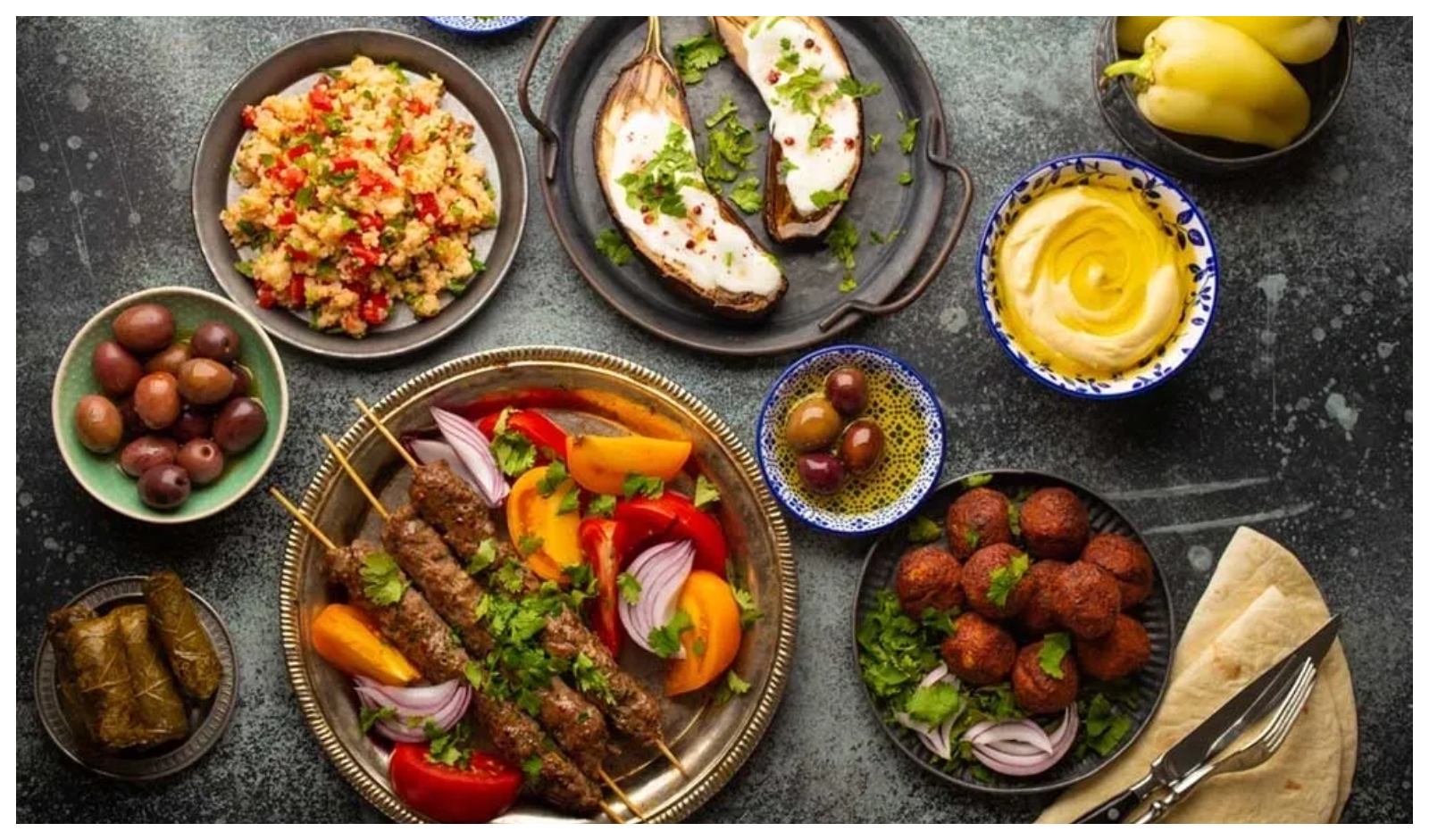
Back to the Roots: Chef Gaurav, R &D incharge, Jhol said, “People are eager to know about regional food a lot these days. They want to know about the tribal food or coastal food which is clearly a trend. People want to break the monotony of eating the same stuff and go back to the roots.”
Speaking about the trends, Chef Michael Swamy said, “People are more into South American food and local food these days. For me, I am taking the adivasi cuisine for the foreigner in the jungles. I am serving the local adivasi food to them in the five-star dimension.”
Vijetha Iyer
Content Editor
Working as a Content Editor with Restaurant India. I have worked in various sectors like food and beverage sector, chemicals, pharma, nutraceuticals, now specially focusing on restaurant side. But my core knowledge was always on content. Be it writing poems to verses, I always loved writing and have been exploring my career on the same. In Restaurant India, I deliver insightful stories, take interviews of various brands and update the audiences about the newest happenings in the restaurant industry.