
5 Unique Theme Ideas That Make Your Restaurant Stand Out
When a theme is carried out well, a meal becomes an experience. It evokes feelings, tells a story, and provides customers with an excellent reason for picking your restaurant over the many others.

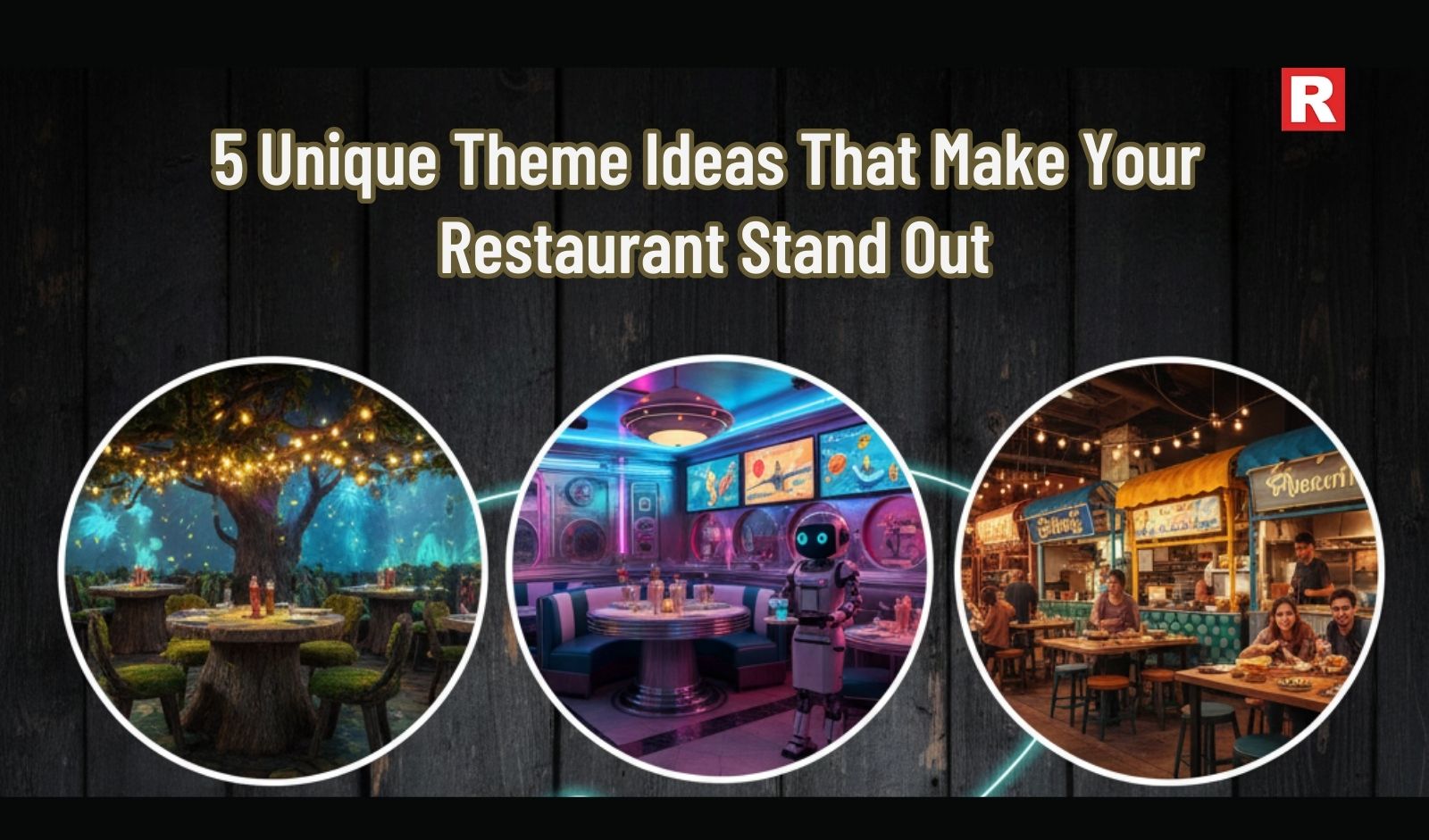
You've worked tirelessly to create your dishes, hone your service, and create a warm and inviting space. Yet, is "great food and good service" enough to draw customers in and cultivate an engaged customer base in the highly competitive Indian restaurant industry of today? The Indian restaurant industry is already flooded with several restaurants competing for the title of the best. In such a situation, restaurant owners who want to succeed must see beyond the obvious and harness the potential of a unique concept.
When a theme is carried out well, a meal becomes an experience. It evokes feelings, tells a story, and provides customers with an excellent reason for picking your restaurant over the many others. It all comes down to creating an unforgettable experience that begins the minute they enter your restaurant and lasts long after the last bite.
This article is intended especially for progressive restaurant owners and managers of India who are prepared to transform their business from "just another restaurant" to a destination that people will remember. We'll go over five original theme concepts that can help your restaurant stand out, along with helpful advice and practical strategies to help you put them into practice.
Read more: How to Choose the Perfect Spooky Theme for Your Restaurant
Why Theme Matters More Than Ever
Diners are seeking more than simply food in an era where social media and experiencing new things rule the day. They are also seeking stories, moments to share, and a break from the ordinary dining experience. In such a culture, an engaging theme can provide:
- Differentiation: It makes your restaurant stand out from the competition by carving out an area of specialty in a crowded market.
- Brand Identity: It makes your brand more desirable to your target audience and more easily recognizable.
- Improved Customer Experience: It transforms a meal into an adventure, elevating the eating experience.
- Marketing Gold: It offers an enormous amount of content for PR, social media, and word-of-mouth advertising.
- Enhanced Loyalty: Experiences help customers become more loyal than merely enjoying delicious meals.
- Pricing Power: Premium prices are frequently justified by exceptional customer experiences.
Theme Idea 1: The "Secret Supper Club" - Exclusivity as an Experience
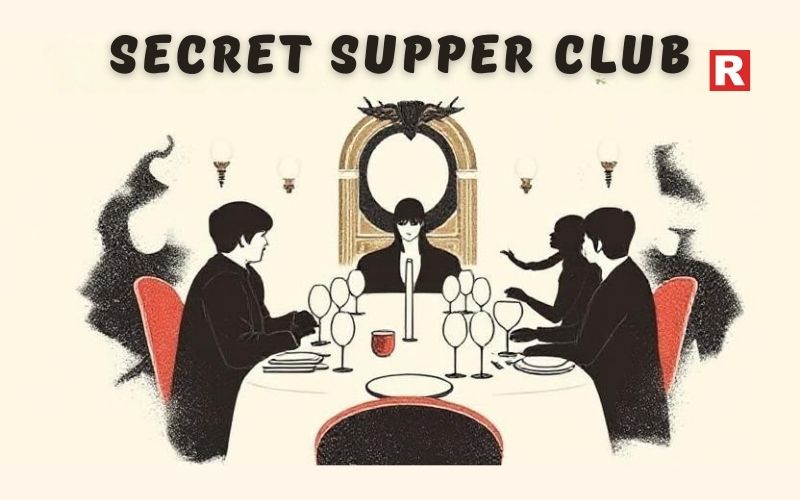
The appeal of the secret and exclusive is more powerful than ever in a society where people are always connected. The topic of "Secret Supper Club" appeals to this need for exclusivity, closeness, and a feeling of belonging. A private dining area is only one aspect of this; suspense and restricted access are the foundations of a whole operational strategy.
Concept Deep Dive:
Consider a restaurant that isn't clearly visible on the street. Bookings can be made by invitation, recommendation, or a secret internet booking gateway that requires a "password" that is updated every month. It may be a permanent, unmarked venue, or the location could change over time. A surprise until guests are seated, the fixed-price meal is frequently seasonal. The ambiance is refined, conversation-friendly, and intimate.
Elements to Consider:
- Location: An unmarked door, a secret passageway, an old industrial building, or even temporary pop-up sites. Less noticeable is preferable.
- Booking System: An email list for "members," an internet portal with a changing password, or collaborations with service providers like concierges. Emphasize exclusivity and scarcity.
- Marketing: Make extensive use of influencer partnerships (with strict restrictions until after the event), word-of-mouth, and focused social media campaigns that tease but do not reveal everything. Your best ally is a teaser.
- Menu: A changing tasting menu with several courses that highlight creative cooking. The narrative can include information about the origin of the ingredients (e.g., "tonight's mushrooms foraged locally"). It is necessary to communicate dietary restrictions well in advance.
- Service: Knowledgeable, specialized employees who have a role in the "secret." They enhance the sense of drama by acting as guides rather than merely servers.
- Ambiance: Minimalist décor that exudes refinement and interest, soft seating, handpicked music (possibly live, subdued jazz), and dim lighting. There should not be any noticeable advertising in the dining area.
Why It Stands Out: This theme immediately evokes feelings of privilege and curiosity. Customers feel as though they are finding a hidden treasure, which generates strong word-of-mouth advertising and an engaged customer base. It provides a diversion from the usual as well as a unique discussion topic.
Target Audience: Foodies, wealthy diners, those looking for unusual experiences, privacy-conscious people, and social media influencers searching for unique material are the target audience.
Know more: How to Set a Goan-Themed Restaurant
Theme Idea 2: The "Culinary Time Machine" - A Journey Through Eras
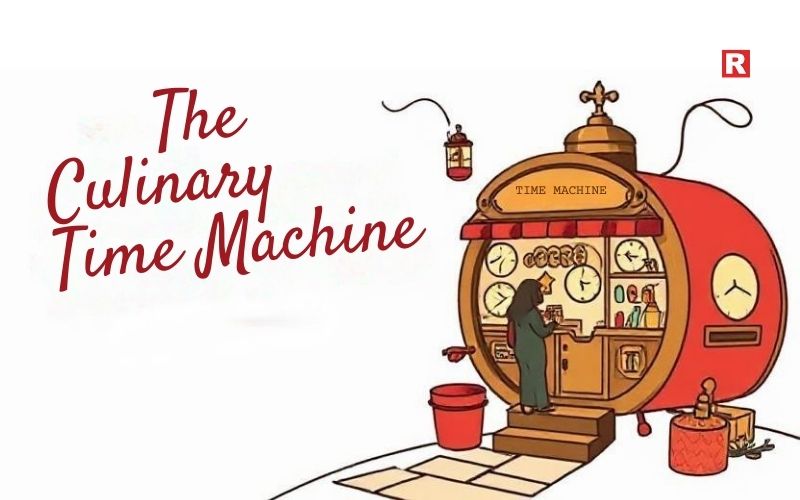
All people are drawn to history, nostalgia, and the romance of past times. The "Culinary Time Machine" concept immerses guests in a particular era of history, providing an experience that transcends simple décor. From the cuisine and beverages to the attire and entertainment, it's all about precisely re-creating the physical atmosphere of a selected era.
Concept Deep Dive:
Choose a specific time period to explore in your concept deep dive, such as the lavish courts of the Mughal Empire, a regal feast from the Rajput kingdoms, an elegant party during the British Colonial era, a bustling cafe in Bombay in the 1950s with Bollywood influences, or even the old, spiritual atmosphere of Vedic times. Everything is in keeping with this time period, including the background music, waiter uniforms, and menu language. The cuisine itself should either be a modern, enhanced version of period cuisine or true to the time period.
Elements to Consider:
- Selecting an Era: Research is crucial. Which cultural customs, culinary traditions, and artistic movements characterized this era? Make sure there is sufficient information to create a rich experience.
- Interior design: This is very important. Find genuine or replica wall coverings, lighting fixtures, furniture, and décor. Retrofits should be avoided at all costs.
- Menu Development:
- Authenticity: Is it possible to bring back real recipes from that era?
- Adaptation: How may classic recipes be improved while preserving their core using contemporary methods and ingredients?
- Presentation: In that time period, how was food served? Think about vintage platters, particular glassware, or even meals for groups during particular times.
- Drink Program: Wines, cocktails, or even non-alcoholic drinks that are suited for the time.
- Staff Training & Attire: Uniforms must reflect the time period. Staff should be knowledgeable about the historical background and may even use language or mannerisms that are appropriate for the time period (without being overly dramatic).
- Entertainment: The options include period-specific games, live music from the time period (e.g., classical Indian music, Ghazals, Qawwali, traditional folk dances), or even storytelling.
- Marketing: Make use of the nostalgic appeal. Make use of period-appropriate language, images, and typography in your advertisements. Emphasize the immersive experience you provide.
Why It Stands Out: This theme gives customers a completely immersive experience that lets them spend an evening in another world. It appeals to people who value history, freshness, and a distinctive kind of entertainment to go with their meal, and is very Instagrammable.
Target Audience: History buffs, families seeking an entertaining and informative activity, couples searching for a special date night, organizers of themed parties, and anybody with nostalgia for a certain time period.
What's new: Dishwasher vs. Three-Compartment Sink: Which is Right for Your Restaurant?
Theme Idea 3: "The Storyteller's Kitchen" - Culinary Narratives on a Plate
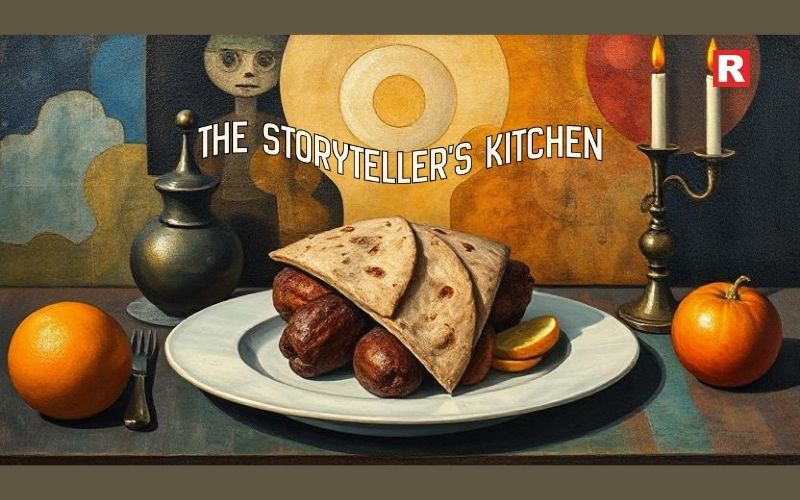
The journey of ingredients from farm to table, family customs, cultural history, and travel memories are all intrinsically linked to food. By incorporating captivating tales into every aspect of the dining experience, the "The Storyteller's Kitchen" theme makes the most of this potential. This idea emphasizes the human element in the food as well as its origins and tradition.
Concept Deep Dive:
The diner is informed of the story behind each dish on the menu. This might be the story of the fisherman who caught the fish, the farmer who farmed the food, the recipe passed down from the chef's grandmother, a dish that was inspired by a trip, or the cultural value of an ingredient. This story is supported throughout the restaurant's atmosphere, possibly via the use of maps, old photos, or handcrafted implements in the décor.
Elements to Consider:
- Menu Design:
- Dish names: They are vague phrases that relate to the story itself.
- Descriptions: In-depth, narrative explanations of each dish's history, inspiration, or significance, along with a list of its main ingredients.
- QR Codes: Provide links to brief essays or films on your website that tell the backstories of particular foods or ingredients.
- Ingredient Sourcing: Prioritize using ingredients that are ethically, locally, or traditionally procured. Develop a connection with your vendors and highlight their achievements.
- Open Kitchen/Chef's Table: If at all possible, an open kitchen lets customers see the "story in the making." The culinary staff can communicate directly and exchange ideas at a chef's table.
- Decor & Ambiance: Vintage cookbooks, framed stories of local producers, maps showing the origins of ingredients, "storytelling corners" with cozy seats, and literary themes. Music that generates a feeling of cultural heritage or travel.
- Server Training: Staff need to be knowledgeable about the backstories of every dish and be fascinating storytellers themselves. They might enhance the dinner experience by exchanging stories.
- Interactive features: It includes "story cards" for guests to submit their personal food memories or a "dish of the month" contest where customers can vote on the winner's backstory.
- Marketing: Highlight the genuineness of your ingredients and recipes, as well as the human connection. Make use of wonderfully appealing phrases and imagery.
Why It Stands Out: This subject engages diners on a personal level. People who like transparency, honesty, and a deeper understanding of their food will find it appealing. It turns eating into an emotional and intellectual adventure, making it a very memorable and meaningful experience.
Target Audience: It includes foodies, travelers, morally concerned diners, anyone interested in cultural history, and everybody who enjoys a meal with a backstory.
Check out: Best Theme Idea for a Rooftop Restaurant: A Starlit Bohemian Escape
Best Theme Cafes to Explore in 2025: Where Coffee Meets Imagination
Theme Idea 4: "The Sensory Lab" - Engaging All Five Senses (and Beyond)
Taste and appearance are the main priorities of most restaurants. This is elevated to a new level by the "The Sensory Lab" theme, which carefully creates an experience that actively appeals to all five senses and possibly a sixth sense of surprise and inquiry. The goal is to create an engaging, multi-layered environment with purposefully crafted sensory inputs.
Concept Deep Dive:
This topic could appear in a restaurant where customers dine in total darkness to enhance scent and flavor, in a setting where each course is accompanied by shifting sounds and projections, or in a location with touch-sensitive interactive features. To improve the whole experience, deliberate sensory manipulation is essential.
Elements to Consider:
- Soundscape: In addition to background music, think about ambient sounds that change as the meal progresses, sound effects that are triggered by particular dishes, or even just silence for particular courses.
- Aroma: Mild woodsmoke, citrus, fresh herbs, or even little aromatic "palate cleansers" in between courses are examples of diffused fragrances that go well with food.
- Lighting & Visuals: Food displayed on glowing plates, dynamic lighting that shifts color or intensity, or projected images on tables or walls that produce abstract patterns or moving art.
- Texture & Touch: Different textures in tablecloths, cutlery, and chairs. Dishes with a variety of textures (soft, chewy, silky, and crunchy). Hand-held dishes or edible "pebbles" are examples of interactive elements.
- Taste (The Core): Unexpected ingredient pairings, creative flavor combinations, and molecular cooking methods. Experiment with texture and temperature.
- Mystery & Surprise (The Sixth Sense): Unexpected components, amusing displays, and foods that defy expectations.
- Technology integration: It includes augmented reality components that disclose secret facts about food, interactive tablet menus, and projection mapping.
- Server as Facilitator: Employees lead guests through the sensory experience while explaining the purpose of each sensory component.
Why It Stands Out: This theme provides a genuinely innovative and remarkable dining experience. Because of its bold creativity, it appeals to daring diners seeking something genuinely unique. It creates a lot of buzz and offers countless chances for innovative marketing.
Target Audience: They include tech enthusiasts, artists, designers, adventurous foodies, people looking for unusual "experience" items, and anybody else who wants to think outside the box when it comes to eating.
Read this: How to Train Your Staff to Spot Bad Seafood in Five Easy Steps
Theme Idea 5: "The Global Crossroads" - A Culinary Fusion of Cultures
Through the creation of a unique fusion experience, the "Global Crossroads" theme honors the diverse weave of various cuisines in a world growing more interconnected by the day. Offering a few different international cuisines isn't enough; what's needed is a careful blending of culinary traditions to produce something completely original and fascinating.
Concept Deep Dive:
Select two or more unique culinary traditions that can be harmoniously combined despite their differences by sharing certain underlying ideas or flavor characteristics. Such as "Japanese-Peruvian Nikkei," "Tex-Mex with a Mediterranean Twist," and "Nordic-Asian Fusion." A lively, multicultural ambiance can be created by gently combining aspects of many cultures in the décor, music, and even staff dress.
Elements to Consider:
- Selecting a Cuisine: Learn about the origins and components of the cuisines you have selected. Determine which contrasting and similar components can be effectively combined. Stay clear of random pairings that don't make sense in the kitchen.
- Menu Design:
- Harmonious Fusion: Instead of just putting the flavors and cooking methods of the two cultures next to each other, create recipes that truly enhance them.
- Innovation in Ingredients: Incorporate lesser-known components from one culture into recipes of a different origin.
- Presentation: Combine different presentation techniques. For example, serve a Latin American item in an Asian-inspired cuisine.
- Interior design: A unique fusion of diverse cultural decor components. Aim for elegant integration rather than superficial or stereotypical depictions. For instance, colorful Peruvian textiles are combined with minimalist Japanese style.
- Drink Program: Create concoctions using flavors and spirits from both areas. A wine list including selections from geographically important regions.
- Music & Ambiance: A carefully selected playlist that delicately combines musical genres from the selected cultures to produce a lively yet unified ambiance.
- Staff Diversity & Knowledge: By describing the foods' origins and inspirations, staff members who represent or are informed about the fused cultures can enhance the experience.
- Marketing: Highlight the delightful fusion of cultures and the daring culinary adventure. Emphasize the unique ingredients and flavor qualities.
Why It Stands Out: This concept appeals to diners who are becoming more daring and knowledgeable about the world. It celebrates diversity, gives something new, and pushes the limits of cuisine. It establishes your restaurant as a center for unusual cuisines and a culinary innovation.
Target Market: Travelers, cultural explorers, adventurous foodies, people with a variety of palates, and urban diners looking for unique and interesting cuisine.
You might also like: 5 Key Features a Restaurant Pizza Oven Should Have
Conclusion
The restaurant business in India is a vibrant mix of tastes and experiences. Restaurant owners need to embrace innovation and look beyond tradition if they want to succeed. By carefully choosing a unique theme, you're doing more than just delivering food; you're telling a story, setting the mood, and providing a memorable experience that your customers will find very meaningful.
Whatever your preference is, the hushed exclusivity of a Secret Supper Club, the nostalgic voyage of a Culinary Time Machine, the moving tales of a Storyteller's Kitchen, the cutting-edge stimulation of a Sensory Lab, or the colorful tapestry of a Global Crossroads, authenticity, consistency, and an unwavering attention to detail are crucial if you want to succeed.
Mahak Sharma
Content Writer
Mahak Sharma is a passionate content writer with 2 years of experience crafting compelling content across various niches, tailoring her writing to suit different audiences and platforms. She is dedicated to producing engaging content for readers so that they can understand and enjoy the articles. Her strengths lie in crafting SEO-friendly, well-structured articles that drive visibility and engagement.



































































