5 Key Features a Restaurant Pizza Oven Should Have
A superb pizza oven does more than just cook; it also crafts. It gives each crust the desired char, ensures a properly melted cheese blanket, and highlights the varied flavors of your toppings.

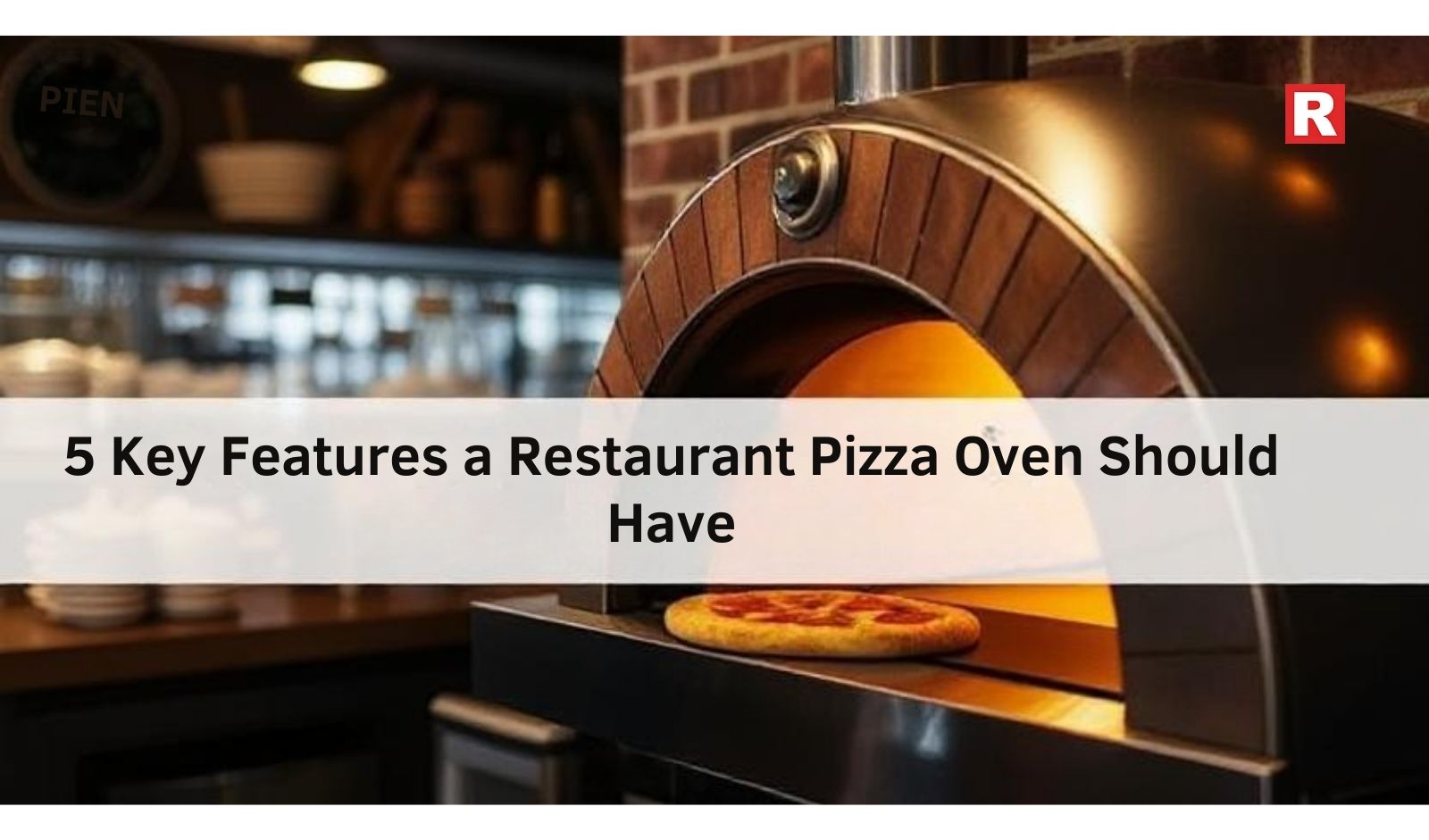
The simple pizza has transcended its Italian roots to become a global sensation, and it has also become very popular in India. Pizzerias are popping up everywhere, from bustling cities to peaceful towns, all seeking that perfect slice. But what exactly differentiates a good pizza from a superb one? While ingredients and technique are important, the unsung hero and heart of any great pizza shop is unquestionably the pizza oven.
For Indian restaurateurs looking to take advantage of the expanding pizza market, investing in the appropriate oven is more than an option; it's a strategic must. A superb pizza oven does more than just cook; it also crafts. It gives each crust the desired char, ensures a properly melted cheese blanket, and highlights the varied flavors of your toppings. Without a decent oven, even the best dough and freshest ingredients might fall flat, resulting in inconsistent quality, customer disappointment, and, eventually, a failing business.
This full article is aimed at Indian restaurateurs. We'll go over why a good pizza oven is essential, how to evaluate its quality, and then thoroughly examine the 5 key features that every restaurant pizza oven should have to ensure your establishment stands out in India's competitive culinary environment.
Read more: Top 7 Tips for Efficient Energy Management in A Restaurant Kitchen
Why a Good Pizza Oven is Non-Negotiable for Indian Restaurants
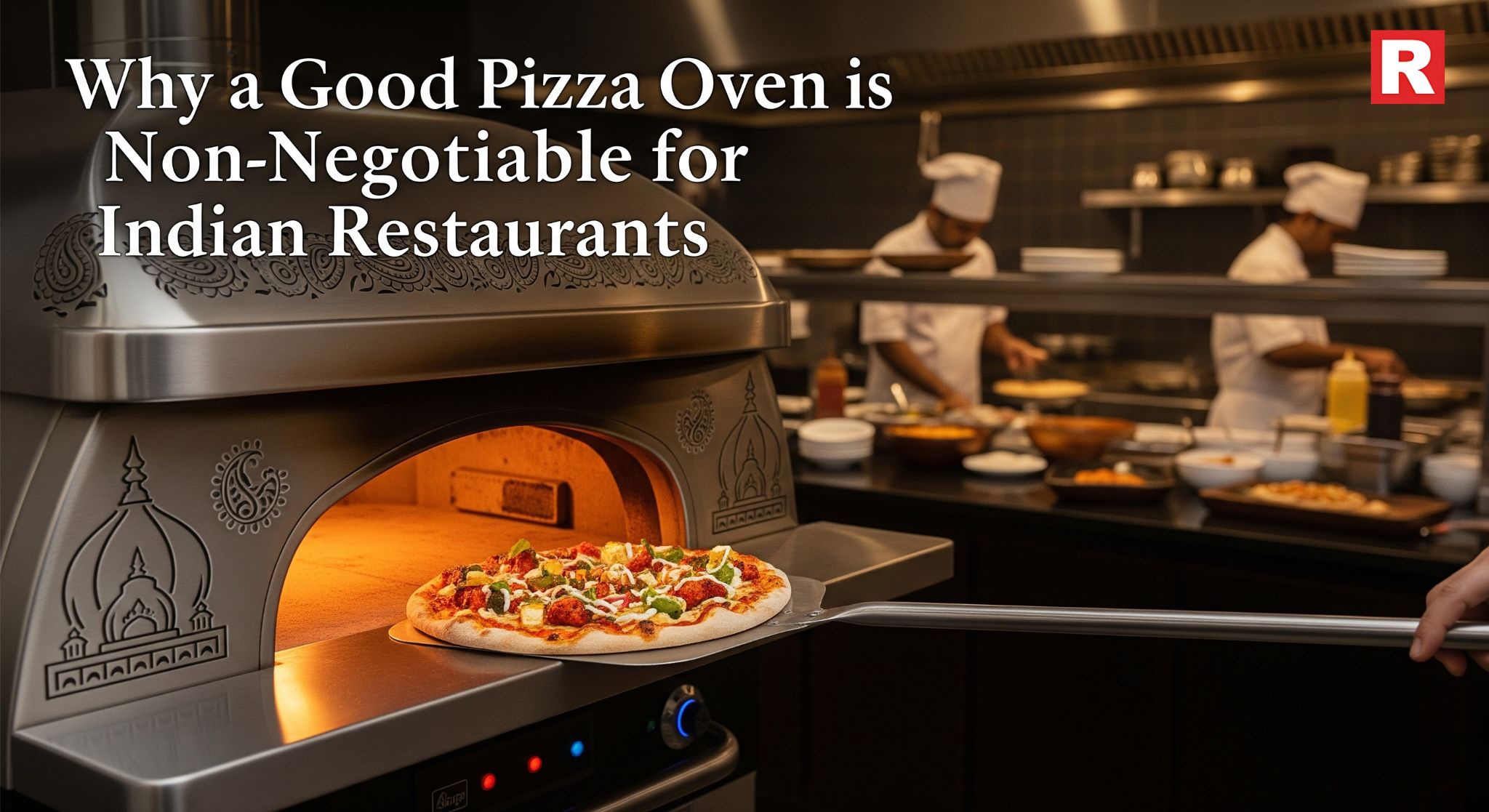
In India, where dining out is a common activity with family and friends, there are high expectations for quality and consistency. For pizza, this means:
- The Perfect Crust: Indians value texture. An excellent oven achieves the perfect balance of crispy outside and chewy, airy inside - the characteristic of a delicious pizza. It allows the dough to rise quickly (oven spring), resulting in the desired airy crust.
- Flavor Development: Intense, steady heat caramelizes the sugars in the dough, producing rich flavors that an average oven cannot match. It also brings out the greatest flavors in toppings.
- Speed and Efficiency: In a high-volume market, speed is critical. An excellent oven cooks pizzas quickly and efficiently, resulting in shorter wait times, satisfied customers, and efficient kitchen operations.
- Consistency is King: Customers expect to have the same excellent pizza every time. A high-quality oven keeps accurate temperatures, minimizing hot spots and ensuring even cooking across every pizza and order.
- Versatility and Menu Expansion: Many modern pizza ovens can also handle other baked items, flatbreads (such as Indian naan or roti if specifically constructed), roasted vegetables, and even baked sweets, allowing for menu diversity.
- Energy Efficiency (Cost Savings): While the initial expenditure may be higher, a well-insulated, efficient oven can significantly decrease long-term energy expenses, which is an important issue for Indian businesses.
How to Assess the Quality of a Pizza Oven
Before we get into features, how do you know if an oven is genuinely "good"?
- Temperature reach and Retention: Can it continuously attain and maintain extremely high temperatures (for example, 600-900°F or 315-480°C) even during peak hours?
- Heat Distribution: Is the heat even across the entire cooking surface? Are there any evident hot and cold spots?
- Recovery Time: How quickly does the oven recover to its ideal temperature after removing a pizza and inserting a new one?
- Build Quality: Look for strong construction, long-lasting materials (stainless steel, fireproof brick), and great insulation.
- User-friendliness: How easy is it to use, clean, and maintain? Is there a convenient control scheme?
- Fuel Efficiency: How much fuel (gas, wood, or electricity) does it require to reach and sustain the temperature?
Know more: How Health Regulations are Reshaping India's Dining Scene
5 Key Features a Restaurant Pizza Oven Should Have
1. High & Consistent Operating Temperature with Rapid Recovery
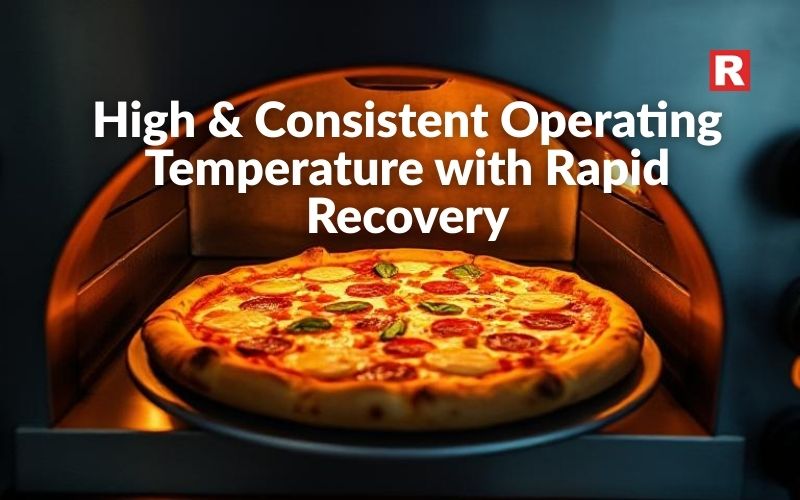
This is likely the single most important characteristic. Authentic Neapolitan-style pizza, for example, requires temperatures above 900°F (480°C) to cook in just 60-90 seconds. While not all Indian pizzerias strive for Neapolitan style, high heat is required for any superb pizza.
Why it's crucial for Indian Restaurateurs:
- The "Maillard Reaction" and Carmelization: Intense heat quickly browns the crust (Maillard reaction), resulting in those desirable char areas and revealing complex, savory flavors. This is what gives pizza its characteristic flavor and scent.
- Perfect Oven Spring: High heat causes the dough's moisture to quickly change into steam, puffing up the crust edges (the cornicione) and creating a light, airy feel that Indians love.
- Speed for Volume: India's dining culture often involves huge gatherings and peak-hour rushes. A quick-cooking oven means more pizzas served faster, which reduces wait times and increases table turnover.
- Preventing Soggy Pizzas: Low oven temperatures extend cooking time, drying out toppings, and frequently result in a soggy, undercooked crust. High heat ensures that the base is crisp before the toppings are overcooked.
- Fuel Type Considerations:
- Wood-fired ovens provide the greatest temperatures, a distinct smoky flavor, and visual appeal. Although it requires expert handling and ventilation.
- Gas-fired ovens provide excellent temperature control, heat up quickly, and are frequently less expensive to operate. Some can replicate wood-fired flavor by adding wood chips.
- Electric ovens are the most consistent and simple to use, although they may struggle to attain the extremely high temperatures required for some pizza types. Ideal for small operations or certain pizza styles.
How to Assess: Look for ovens that can reach at least 600°F (315°C) for standard pizza and 800-900°F (425-480°C) for true Neapolitan. Inquire about its "BTU rating" for gas or "kilowattage" for electric, and specifically about recovery time, which is how quickly it recovers after opening the door or loading a cold pizza.
2. Superior Insulation and Durable Construction Materials
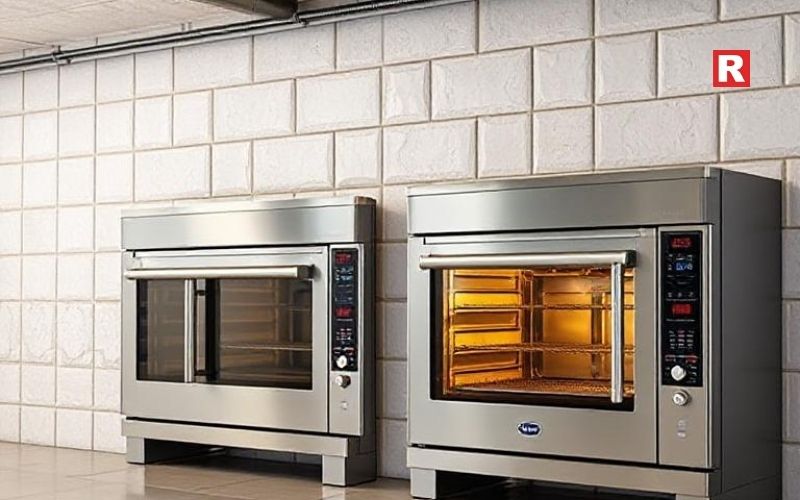
A pizza oven is a long-term investment. Its ability to hold heat and tolerate prolonged high-temperature operation has a direct impact on its efficiency, durability, and consistency.
Why it's crucial for Indian Restaurateurs:
- Energy Efficiency: Well-insulated ovens retain heat better, requiring less fuel to maintain temperature, resulting in significant savings on power or gas bills - a major operational cost in India.
- Consistent Baking: Maintaining a consistent interior temperature, independent of exterior kitchen conditions or frequent door openings, guarantees that each pizza cooks evenly. Poor insulation causes temperature variations, resulting in unevenly baked pizzas.
- Durability and Longevity: An oven made of high-quality, heat-resistant materials (such as high-density ceramic fiber insulation, fireproof brick for the hearth, and heavy-gauge stainless steel exterior) will withstand the rigors of a busy Indian commercial kitchen for years, reducing repair costs and downtime.
- Safety: Good insulation keeps the oven's outside cool, lowering the risk of burns for kitchen staff - an important safety factor.
- Heat Retention: This is especially significant for ovens that use stored heat (such as classic brick ovens). Excellent insulation keeps the oven hot for an extended period of time, even when the heat source is lowered or shut off.
How to Assess: Refer to the oven's specifications for insulation thickness and material type. Examine the build quality: does it feel robust? Inquire about the guarantee for structural parts. For wood-fired ovens, the thickness and quality of the dome material are critical.
What's new: 10 Surprising Health Benefits of Having Plant-Based Diet
3. Optimal Heat Distribution (Convection, Conduction, and Radiant Heat)
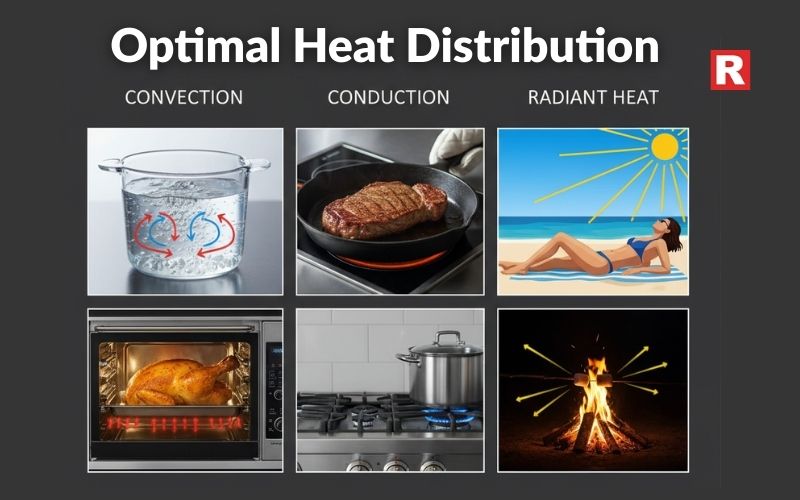
A true great pizza oven uses a balanced blend of all three heat transfer processes to cook a pizza correctly.
- Conduction: Direct heat from the heated oven floor (baking stone/hearth) cooks the crust's bottom.
- Convection: Hot air circulates within the oven, cooking the toppings evenly.
- Radiant Heat: The dome and flame (in wood/gas ovens) emit intense radiant heat, which cooks the top of the pizza by melting cheese and charring the dough.
Why it's crucial for Indian Restaurateurs:
- Even Cooking: Avoids burnt crust bottoms with undercooked toppings, and vice versa. A balanced heat distribution guarantees that the pizza's top, bottom, and edges all cook at the same time and evenly.
- Crispy Bottom, Melted Top: The stone's powerful conductive heat produces a crisp base, while the radiant and convective heat from above properly melts cheese and cooks toppings without drying them out.
- The "Puffy Crust" Effect: With balanced heat, the border (pizza crust edge) puffs up elegantly and browns evenly, resulting in the desired artisanal look and texture.
- Versatility: Ovens with excellent heat distribution are more adaptable, able to handle a variety of pizza styles (thin crust, pan pizza, deep dish) and other baked goods with satisfactory outcomes.
- Reduced Turning: With even heat, the pizza requires less continuous turning, saving time and effort for the kitchen staff, particularly during peak hours.
How to Assess: In demos, check to see if the pizzas are cooking uniformly. Look for features such as numerous heating elements (in electric ovens), adjustable flame controls (in gas ovens), and a unique dome design in wood-fired ovens that optimizes heat circulation. Inquire about the material and thickness of the baking surface (such as fireproof stone or brick).
4. Adequate Capacity and Door Opening Size
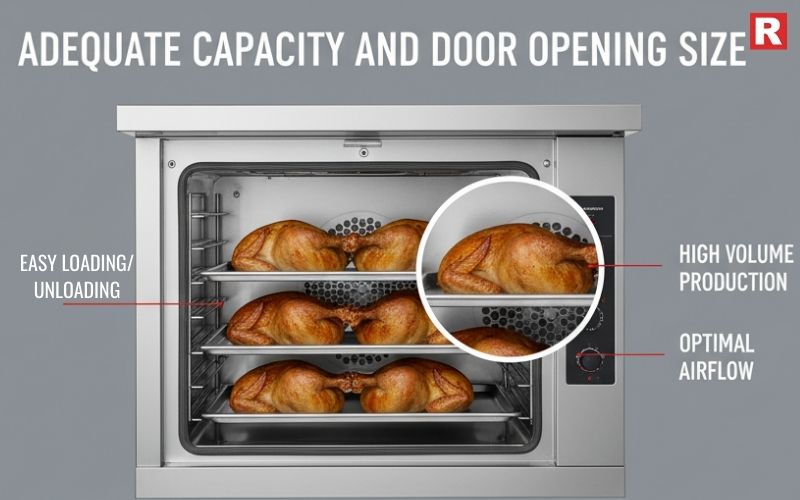
The oven's physical dimensions, particularly its interior cooking space and the size of its mouth/door opening, must be compatible with your restaurant's operational requirements.
Why it's crucial for Indian Restaurateurs:
- Efficiency during peak hours: A larger cooking surface allows you to bake more pizzas at once. Plenty of space is critical for a busy Indian restaurant expecting significant attendance, particularly on weekends or during festivals, to meet demand and avoid long wait times.
- Pizza Size Versatility: The inside dimensions should comfortably hold the largest pizzas you want to provide, as well as enough space to rotate them.
- Ease of Operation: With a sufficiently broad and tall door opening, employees can simply insert, retrieve, and rotate pizzas with their peels without scratching the edges or straining with clearance. A tiny entrance can result in leakage or uneven cooking.
- Ergonomic and Safety: A properly sized opening improves comfort for the pizza chef by decreasing strain and boosting visibility.
- Future Growth: Think about your future expansion ambitions. It is typically preferable to invest in an oven with slightly more capacity than you now require to support future development without the need for an urgent upgrade.
How to Assess: Specify your expected peak-hour output (pizzas per hour) and the largest pizza size you'll serve. Measure the oven's internal deck size and door opening.
Check out: 5 Ways AI is Changing the Indian Restaurant Industry
Top Rajasthani Dishes to Try This Festive Season
5. User-Friendly Controls and Easy Maintenance/Cleaning
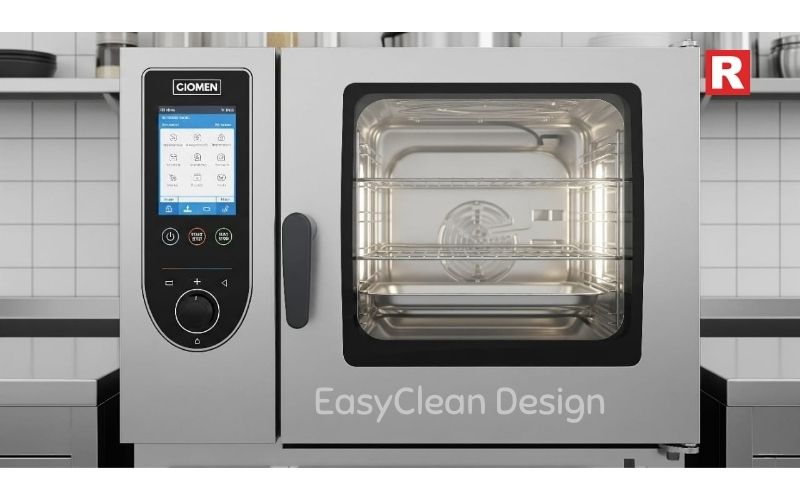
A cutting-edge oven is only as good as its usability. In a fast-paced Indian kitchen, simple controls and easy maintenance are essential.
Why it's crucial for Indian Restaurateurs:
- Reduced Training Time: With simple, straightforward controls, new employees can be trained quickly and efficiently, lowering operating friction.
- Consistency and Precision: With digital temperature displays, timers, and easily adjustable settings, cooks can retain perfect control over the baking process, resulting in consistent pizza quality regardless of who operates the oven.
- Operational Efficiency: Ovens with self-cleaning modes (for some electric/gas models), easy-to-remove ash trays (for wood-fired versions), and smooth, wipeable surfaces considerably minimize daily cleaning time.
- Hygiene and food safety: A difficult-to-clean oven can become a breeding ground for bacteria, lowering food quality and potentially violating health codes. Surfaces are easy to clean, and internal components are easily accessible, ensuring that high hygiene standards are met.
- Longevity: Proper and regular cleaning extends the oven's life by preventing buildup and rust. Staff are encouraged to keep the oven in good working order thanks to user-friendly maintenance features.
How to Assess: Look for ovens with clear digital displays, user-friendly dials or touchscreens, and easy-to-clean components. Request that the supplier demonstrate the cleaning techniques.
Read this: What are Food preservatives and how to identify them on labels in India
Conclusion
For Indian restaurateurs, the path to creating the ideal pizza is exciting, but it all starts with a foundational investment: the correct pizza oven. It's more than simply a piece of equipment; it's the furnace in which your ingredients turn into a culinary masterpiece, the engine that pushes your kitchen's efficiency, and the silent partner in establishing your restaurant's brand.
When you prioritize high and consistent temperatures, superior insulation, optimal heat distribution, adequate capacity, and user-friendly features, you're not just purchasing an oven; you're investing in consistency, speed, quality, and, ultimately, the unforgettable taste that will make your Indian pizzeria a popular destination. Make intelligent choices and let your oven bake your way to success!
Mahak Sharma
Content Writer
Mahak Sharma is a passionate content writer with 2 years of experience crafting compelling content across various niches, tailoring her writing to suit different audiences and platforms. She is dedicated to producing engaging content for readers so that they can understand and enjoy the articles. Her strengths lie in crafting SEO-friendly, well-structured articles that drive visibility and engagement.