
5 Food Business Ideas You Can Start Without Opening a Full Restaurant
The Food Business Industry in India is growing bigger day by day. This has given rise to several new restaurants popping up every day. But let’s be real. Not every new restaurant works well, and most new startups fail just after two to three months of opening.

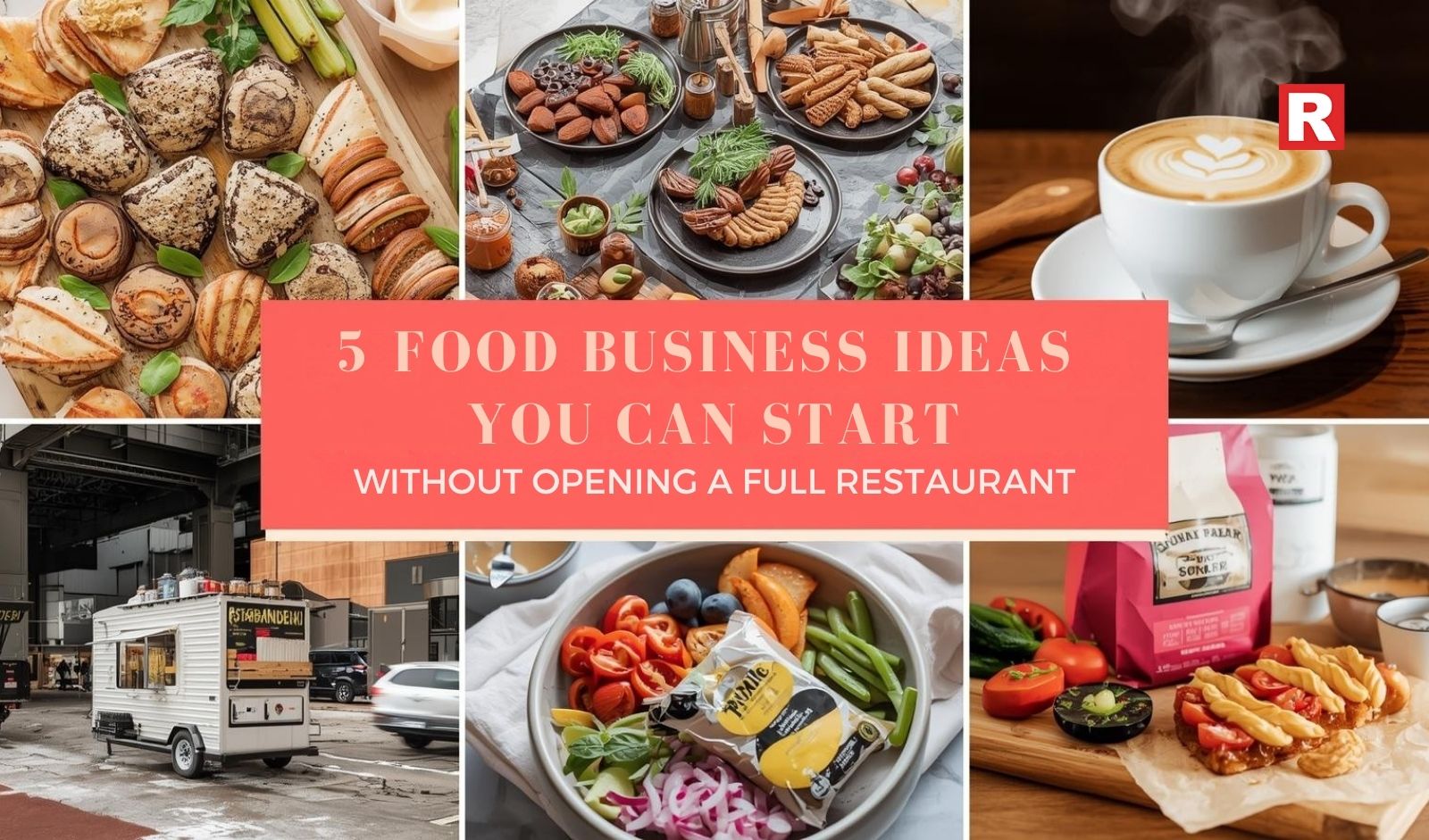
The Food Business Industry in India is growing bigger day by day. This has given rise to several new restaurants popping up every day. But let’s be real. Not every new restaurant works well, and most new startups fail just after two to three months of opening. For people who want to work in the food industry someday, this will seem quite disheartening. After all, using your skills to run a successful business where people enjoy your food is a dream of many young cooking enthusiasts. But there are several other options to enter the food industry besides restaurants.
And in this article, we will be talking about just this. As the food industry has grown, many new and innovative types of food business ideas have come forward. Ranging on the resources you have, you can open your choice of business where you do not need to pay any overhead costs or sign any lease contracts. This article will introduce you to five food business ideas that do not require much capital and can help you achieve your culinary dream without opening a fully fledged restaurant.
Read more: Beyond the Kitchen: 5 Essential Qualities Required to Start a Food Business
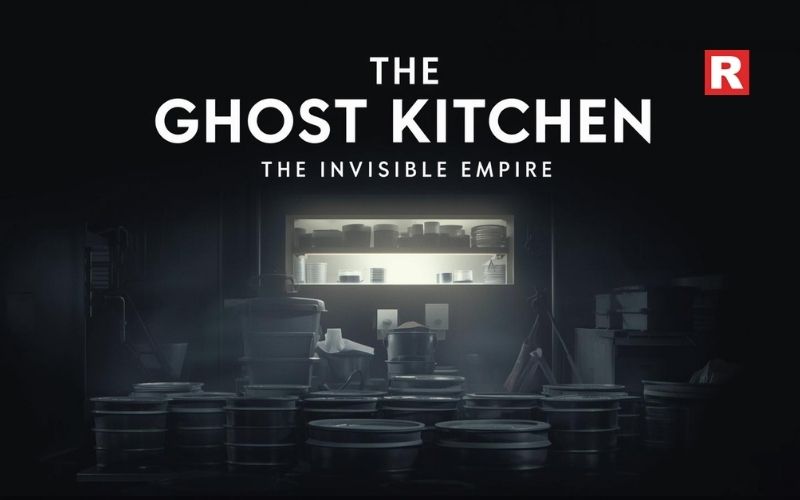
1. The Ghost Kitchen: The Invisible Empire
Startup Costs: ₹3 Lakhs - ₹15 Lakhs
A ghost kitchen is a delivery-only food business. There is no physical store, dining room, or waitstaff. Your entire operation is from your kitchen, where you cook the dishes that are ordered through apps like Swiggy, Zomato, or Dunzo and deliver them personally or via these third-party food aggregators.
What’s the Benefit: You have cut down on the single biggest cost in the food industry: prime real estate. Your entire focus and budget can go into the quality of your ingredients and mastering the delivery experience. You can operate from a licensed commercial kitchen, a shared commissary, or even from a home kitchen, wherever the regulations allow.
How to Make It Work:
- Niche Down to Stand Out: Don’t try to cook everything. Firstly, try to master a few dishes from the niche you’re good at. Are you the best at loaded gourmet fries? The pizza parlor with the perfect sourdough crust? The go-to for authentic, regional Thai curries? A focused menu means less waste, lower costs, and a brand that is easy to remember.
- Good Packaging: In a ghost kitchen, your packaging is your greatest problem. You should choose a packaging that can keep food hot, crisp, and secure. A soggy pakora or a leaked gravy will only give you a one-star review. Invest in high-quality, functional, and eco-friendly containers that keep the food secure during travel.
- Market in the Digital World: For a ghost kitchen, the best way to meet with potential customers is via social media. Use Instagram Reels and TikTok to show close-ups of your cooking process. Run "limited time only" specials. Collaborate with local food influencers. Your digital presence is your storefront.
Know more: How “Food Near Me” & “Open Now” Searches are Changing Restaurant Business Models
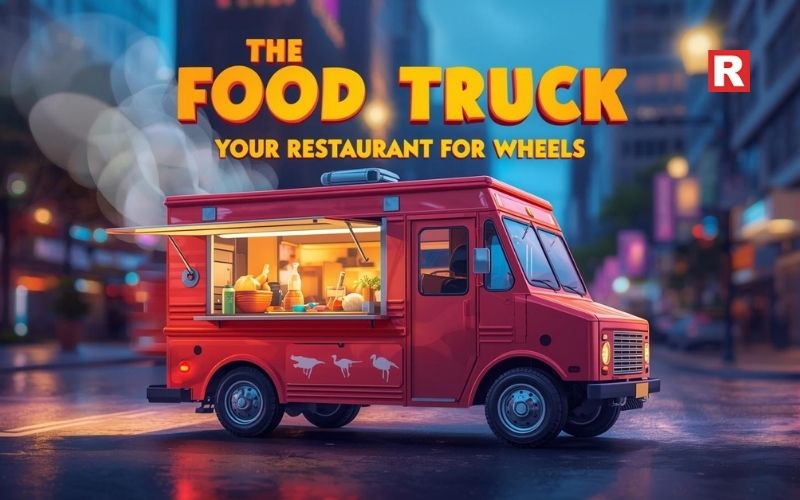
2. The Food Truck: Your Restaurant on Wheels
Startup Costs: ₹8 Lakhs - ₹25 Lakhs
This is a mobile kitchen that brings your food directly to your customers. You can park it at office parks during lunch, at breweries in the evening, and at festivals on the weekend.
What’s the Benefit: A food truck offers incredible flexibility and a lower startup cost than a one-spot business. You can test different neighborhoods to find your perfect customer base. Follow what the customers of different areas demand, and also create a "destination" buzz wherever you park.
How to Make It Work:
- Create a Signature Star: Your menu needs a main dish that will be your food truck’s signature. Think of the most successful food trucks. Do your research on them. All food trucks had one amazing thing they were especially known for. What’s your star? Try to find that and brand your food truck according to that.
- Master Location Scouting: Your success is tied to your parking spot. Build relationships with business parks, event organizers, and breweries. A consistent weekly spot builds a loyal customer base.
- Be the Social Butterfly: Your customers need to know where you are! Use social media relentlessly. Post your weekly schedule every Monday. Use Instagram Stories with geotags to show your real-time location. A hungry customer should be able to find you in minutes.
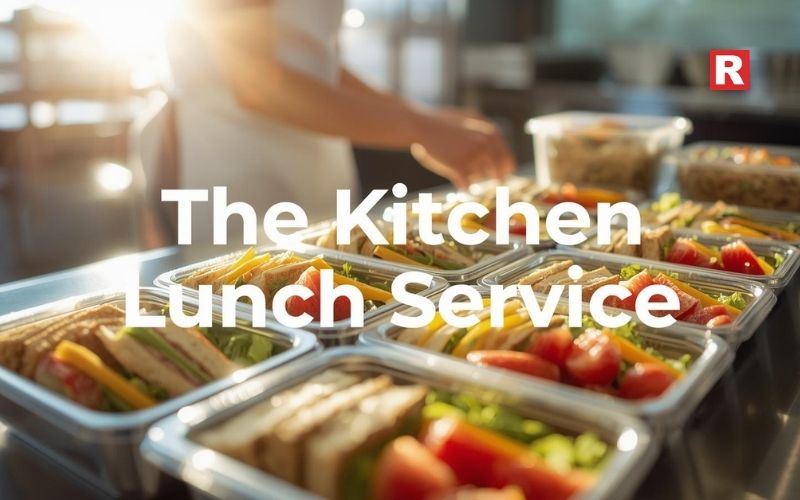
3. The Kitchen Lunch Service: The Office Hero
Startup Costs: ₹50,000 - ₹5 Lakhs
Preparing home-cooked lunch for busy office workers who do not have the time to make one themselves is what we call a kitchen lunch service. You prepare fresh, homestyle lunches and deliver them directly to offices or a central pickup point. You’re solving the daily "what’s for lunch?" dilemma for busy professionals.
What’s the Benefit: This model creates predictable, recurring revenue. You get large, bulk orders, which are more efficient than cooking for individual, one-off customers. Also, you become an essential service for your customers.
How to Make It Work:
- Find Your First Clients: Start with your own network. So, try to find office workers or contact offices that can make use of your service. Word-of-mouth is powerful here.
- Create a Simple, Rotating Menu: Offer a weekly menu with 2-3 options per day (e.g., one vegetarian, one non-vegetarian). You can also create a Thali-style system. This simplifies ordering for you and gives customers variety.
- Perfect the Subscription Model: The goal is to move from one-off orders to weekly or monthly subscriptions. Offer a discount for offices that commit to a monthly plan. This gives you financial stability and makes planning a breeze.
What's new: How Taglines and Slogans Affect Your Restaurant Business
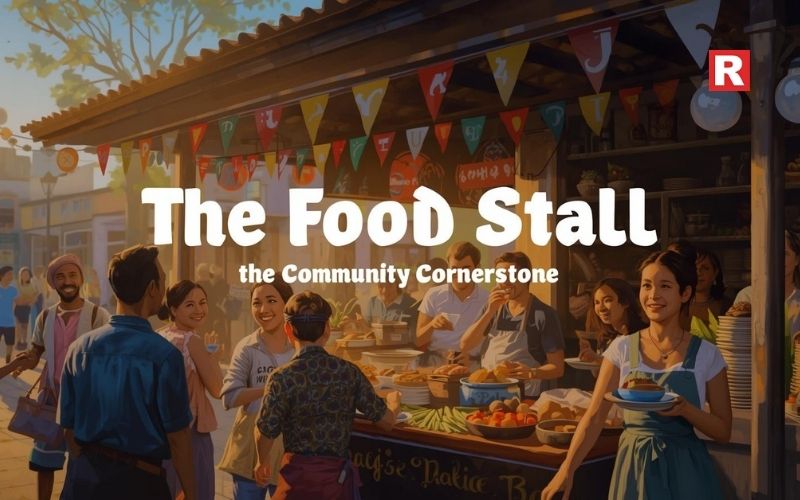
4. The Food Stall: The Community Cornerstone
Startup Costs: ₹1 Lakh - ₹8 Lakhs
This business model makes a semi-permanent stall in a high-foot-traffic area like a weekend flea market, a permanent food court, or a mall food hall.
What’s the Benefit: The startup costs are relatively low, and it’s a fantastic way to build a brand and get immediate customer feedback. Also, it offers the vibe of a restaurant without the big rent. You can also benefit from the collective footfall of the market or hall.
How to Make It Work:
- Create an Irresistible, Quick Bite Menu: Your food should be easy to eat while walking. Think about food items like sliders, momos, dosa rolls, loaded nachos, or single-serving desserts. Visual appeal is crucial. As they say, people eat with their eyes first.
- Design a Vibrant, Creative Stall: Your stall is your brand’s face. Invest in a great banner, clear menu boards, and warm lighting. A clean, attractive stall draws people in.
- Engage and Build a Following: Talk to your customers. Offer samples. Ask what they think about your food, the environment, or anything they want to point out. This business requires you to engage with the customers more, so you can turn a one-time buyer into a repeat fan.
Check out: 7 Strategies Restaurants Can Use to Triple Karwa Chauth Revenue
GST Registration for A Restaurant Business: How It Works
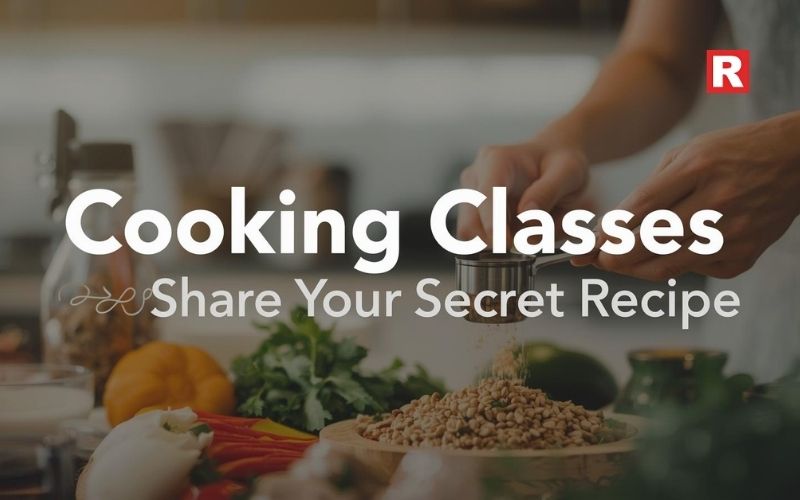
5. Cooking Classes: Share Your Secret Recipe
Startup Costs: ₹20,000 - ₹3 Lakhs
Several others like you might like cooking, but don’t know how to cook professionally. Or, maybe a person wants to learn how to cook. Some might even want to learn as a hobby. This is what you’ll do: teach them. You can teach small groups how to cook at the start. This can be done in your own home kitchen, a rented community space, or even virtually.
What’s the Benefit: This business sells an experience, not just a meal. The profit margins on ingredients are high, and people are willing to pay a premium for a fun, social, and educational night out. It requires your knowledge, not just your cooking speed. You need to be slow and teach your students the right way to “cook”
How to Make It Work:
- Pick a Theme: Don’t just offer a "general cooking class." Get specific. Host a "Perfect Pasta from Scratch" night, a "Street Food of Delhi" workshop, or a "Vegan Baking 101" class. Themes are easier to market to the people.
- Create a Seamless Experience: From the welcome drink to the printed recipes they take home, every detail matters. Provide all the ingredients, pre-measured where possible, and high-quality equipment.
- Market to Your Audience: Partner with local companies for corporate team-building events. Promote "Date Night" classes for couples. Offer parent-child baking sessions on weekends. Use platforms like Airbnb Experiences to reach a travel-savvy audience.
Learn more: How to Turn Cricket Fever into Restaurant Revenue
Your Recipe for Success Starts Now
What’s the common ingredient in all of these ideas? They do start small, stay slow for a while, but they can grow big eventually if you make the right business decisions. Also, they help you make genuine connections with the customers. Remember, you’re not just selling any product; you’re selling your skills, your story, your food, and most of all, a solution to their needs.
So, before you decide which food business you want to go for, take a look at your skills and the resources you have. Choose whichever business is right with you, as in the end, your main goal is to show your culinary skills. And take this article as a guide that will help you in deciding the business that is best for you. Good luck!
Mahak Sharma
Content Writer
Mahak Sharma is a passionate content writer with 2 years of experience crafting compelling content across various niches, tailoring her writing to suit different audiences and platforms. She is dedicated to producing engaging content for readers so that they can understand and enjoy the articles. Her strengths lie in crafting SEO-friendly, well-structured articles that drive visibility and engagement.



































































