3 Key Trends Changing the Dining Behaviors
The market is expected to reach ₹9–10 lakh crore by 2030, with a projected CAGR of 11.19% through 2028, hitting $79.65 billion.


As the restaurant industry is booming in India, there is a huge consumer shift seen among the customers. India's restaurant industry is growing rapidly, driven by rising incomes, evolving consumer tastes, and the expansion of food delivery platforms. The market is expected to reach ₹9–10 lakh crore by 2030, with a projected CAGR of 11.19% through 2028, hitting $79.65 billion.
What’s pushing the growth?
With the influence of social media, Millennials and Gen-Z are actively seeking healthier food options as there is a growing awareness of dietary preferences like keto, vegan, and gluten-free. Along with this, Quick Service Restaurant (QSR) chains are expanding across India, with brands exploring diverse business models to boost profits with minimal investments and higher footfall. Additionally, increased cultural exposure among the consumers has fueled a rising demand for experiential dining experiences.
Healthy, Simple Food is in Demand:
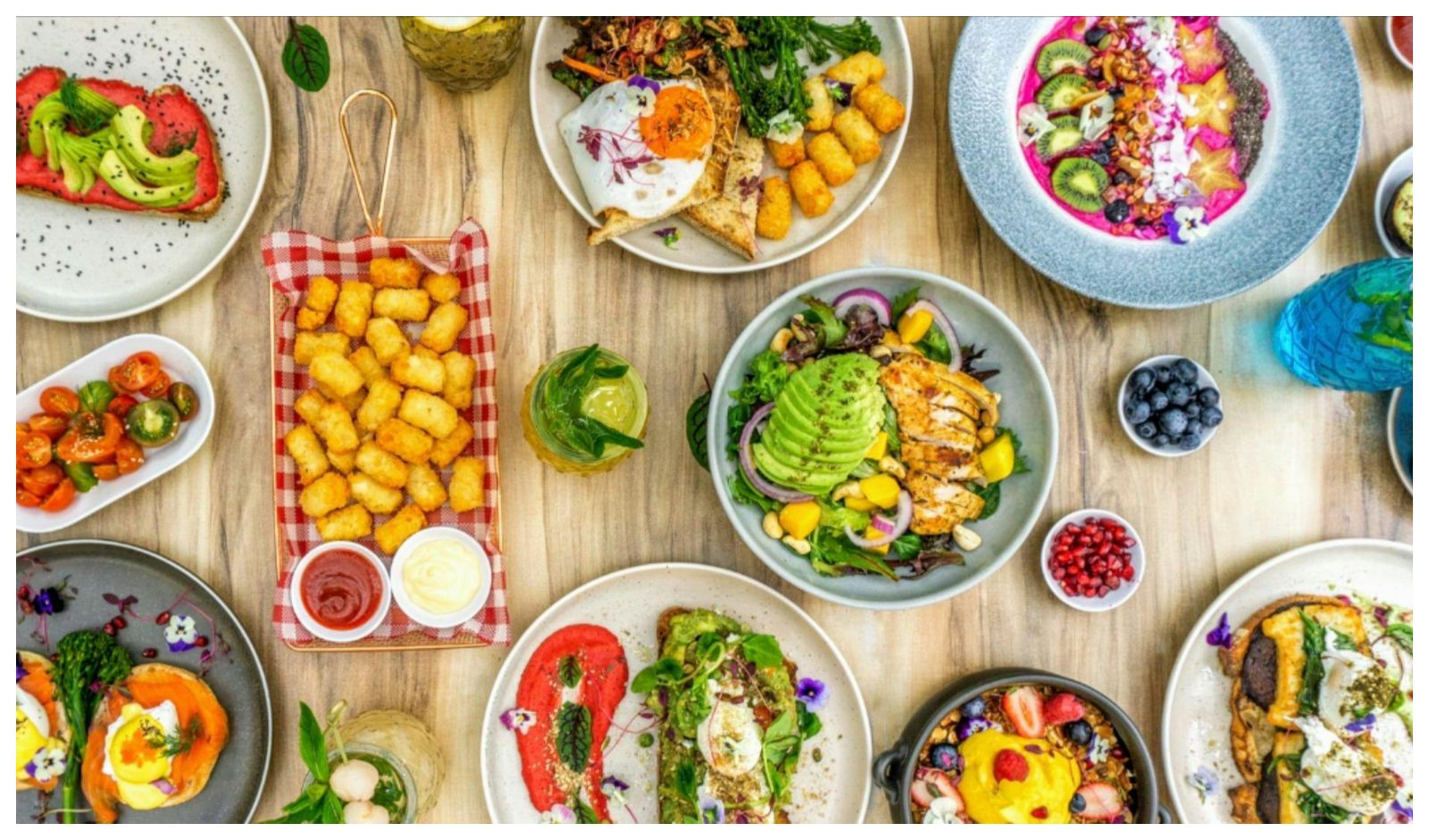
Health and well-being are becoming more and more important to consumers, driving the demand for healthier alternatives in restaurants and an emphasis on mindful eating techniques. This trend includes a desire for more sustainably and ethically sourced food, as well as a rise in interest in vegan, vegetarian, and gluten-free options. Around 50-60% of restaurants in India do offer a healthy menu option which clearly shows the shift in consumers.
“Healthy food, Asian, millets and Japanese are a trend seen in the industry. People are more health conscious and are responsible in what they eat. Sustainable food has become a trend in moving forward and it’s going to stay. Zero-waste cooking is one of the major things in which everybody is focused on and ensures there is less wastage of the product we use in the kitchen,” added Chef Vikas, Executive chef, The Westin.
The main factors driving this trend are consumers as they are well-travelled and they are curious to know about what they are consuming, the ingredients used and the calorie-deficit per servings. It’s all about consuming quality food while focusing on health.
Smaller Portions is a Key Trend:
Consumers prefer smaller portions as they like to try different dishes focusing on mindful eating. There are restaurants in India who charge people for wastage by weighing the waste in weighing machine. On an average, restaurants can save 30-40% on total food costs through portioned servings, primarily by reducing wastage and optimizing inventory and this helps in increasing profits.
Expressing his views, Rahul Shetty, MD, The Stables and Peninsula Hospitality Group shared, “As people are becoming health conscious, healthy food will be trending. Smaller portions will be a must.”
For restaurants, this often means faster table turnover, improved inventory management, and the flexibility to showcase a broader range of dishes without raising food costs. It also promotes a community dining experience, encouraging sharing and enriching the overall ambiance.
Technology will lead:
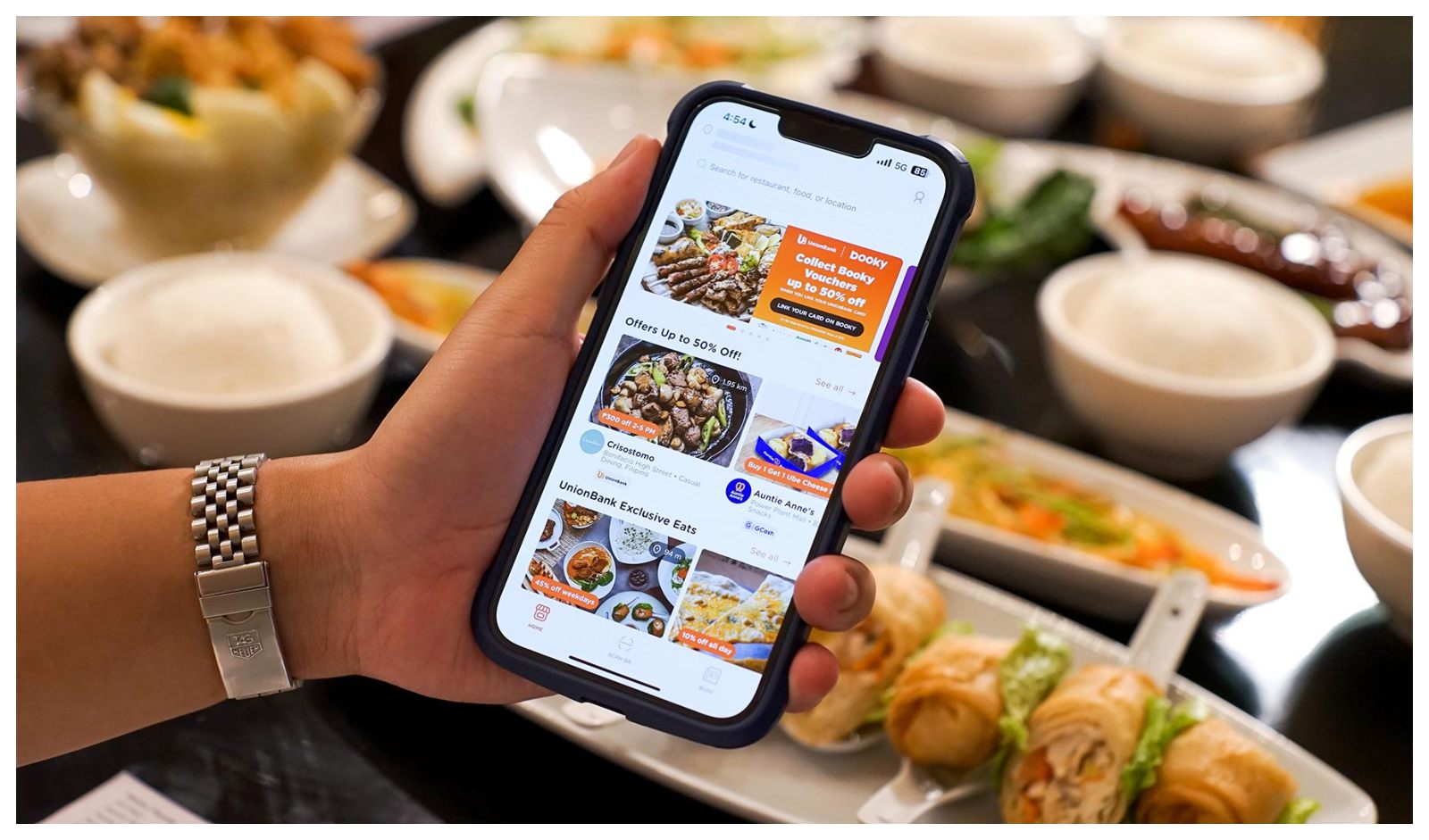
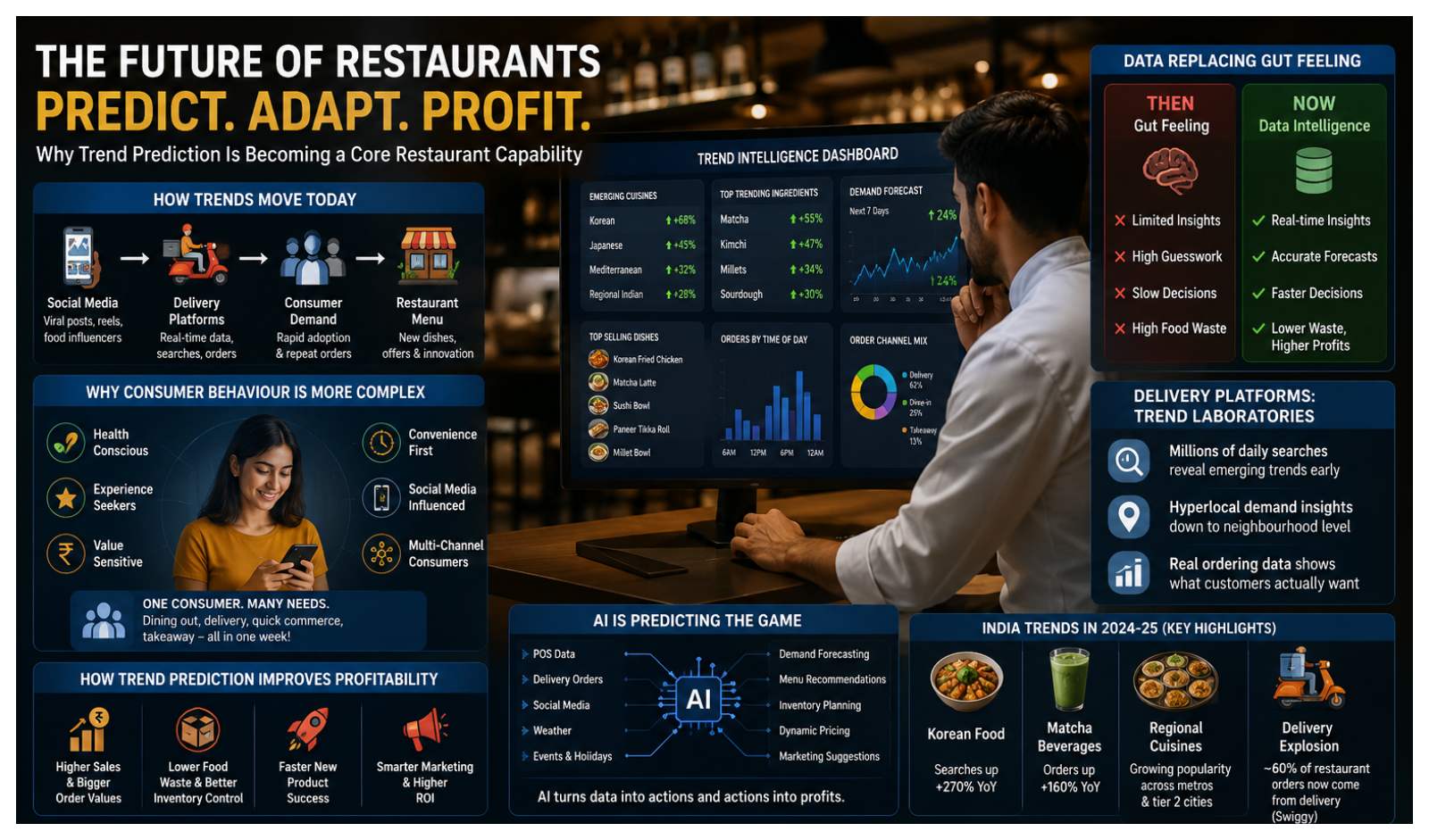
Personalized promotions, AI-powered recommendations, digital menus, and online ordering are just a few examples of how restaurants are using technology to improve the dining experience. This trend makes it possible to customize experiences according to personal tastes, which increases pleasure and engagement.
Commenting on this, Aksha Kamboj, Executive Chairperson, Aspect Global Ventures Pvt Ltd that has recently launched 25 QSR chain of Nom Nom Express said, “Contactless ordering to customizable meals will be on trend, the goal is to be responsive as possible. Technology will play an important role in restaurant business.”
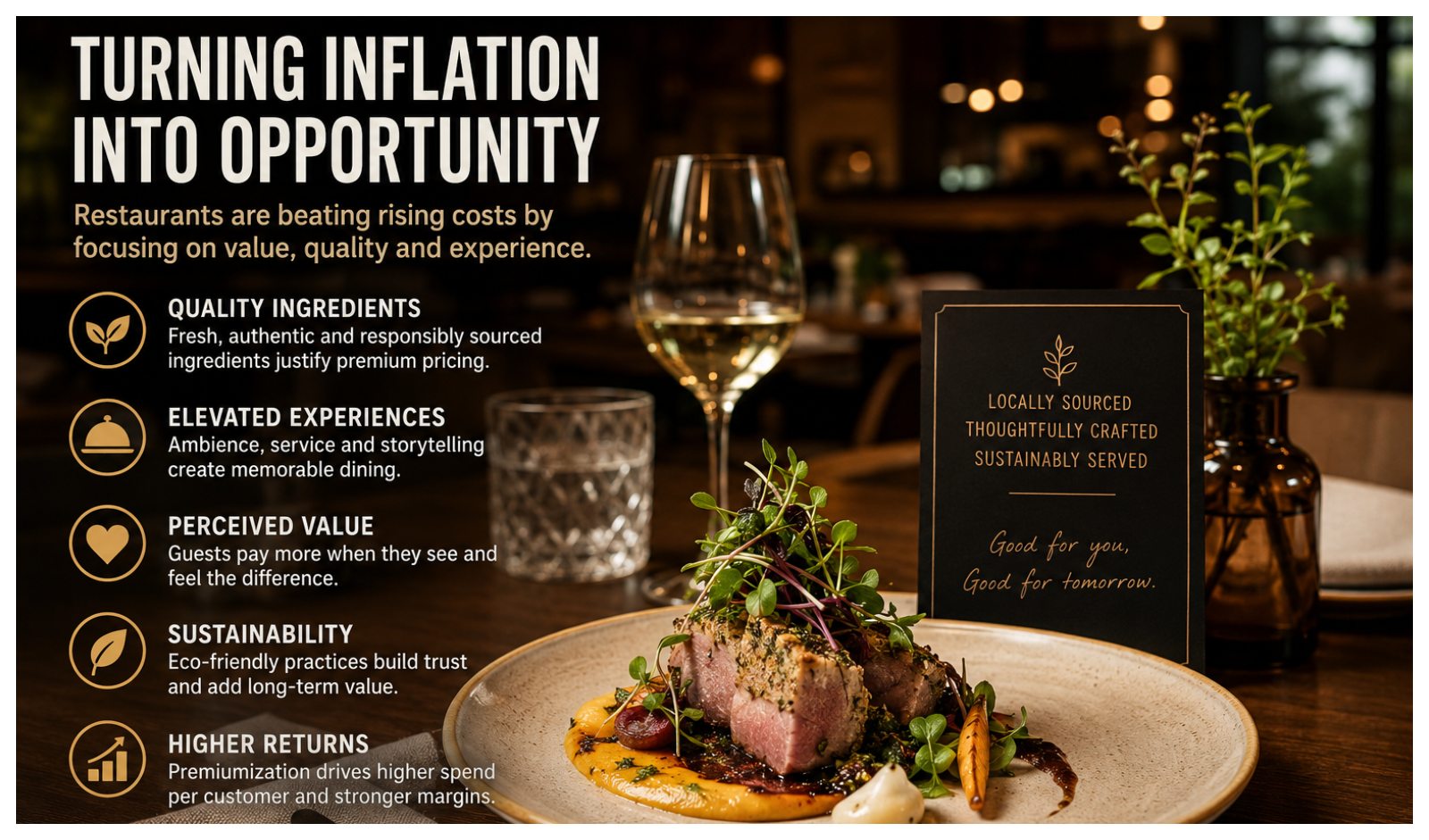
At the same time, growing awareness of climate impact and ethical sourcing is influencing consumer choices—diners increasingly value how and where their food is sourced.
Sustainability is becoming a key differentiator. While, these trends are shaping the future, restaurants need to rethink about their supply chains, minimize the plastic usage, and clearly demonstrate the ethical practices to build a lasting customer loyalty.
Vijetha Iyer
Content Editor
Working as a Content Editor with Restaurant India. I have worked in various sectors like food and beverage sector, chemicals, pharma, nutraceuticals, now specially focusing on restaurant side. But my core knowledge was always on content. Be it writing poems to verses, I always loved writing and have been exploring my career on the same. In Restaurant India, I deliver insightful stories, take interviews of various brands and update the audiences about the newest happenings in the restaurant industry.