12 Refreshing Drinks Beyond Aam Panna and Jaljeera
Whether you prefer fruity, creamy, savoury, or spice-infused flavours, there is a traditional cooler waiting to become your new favourite.

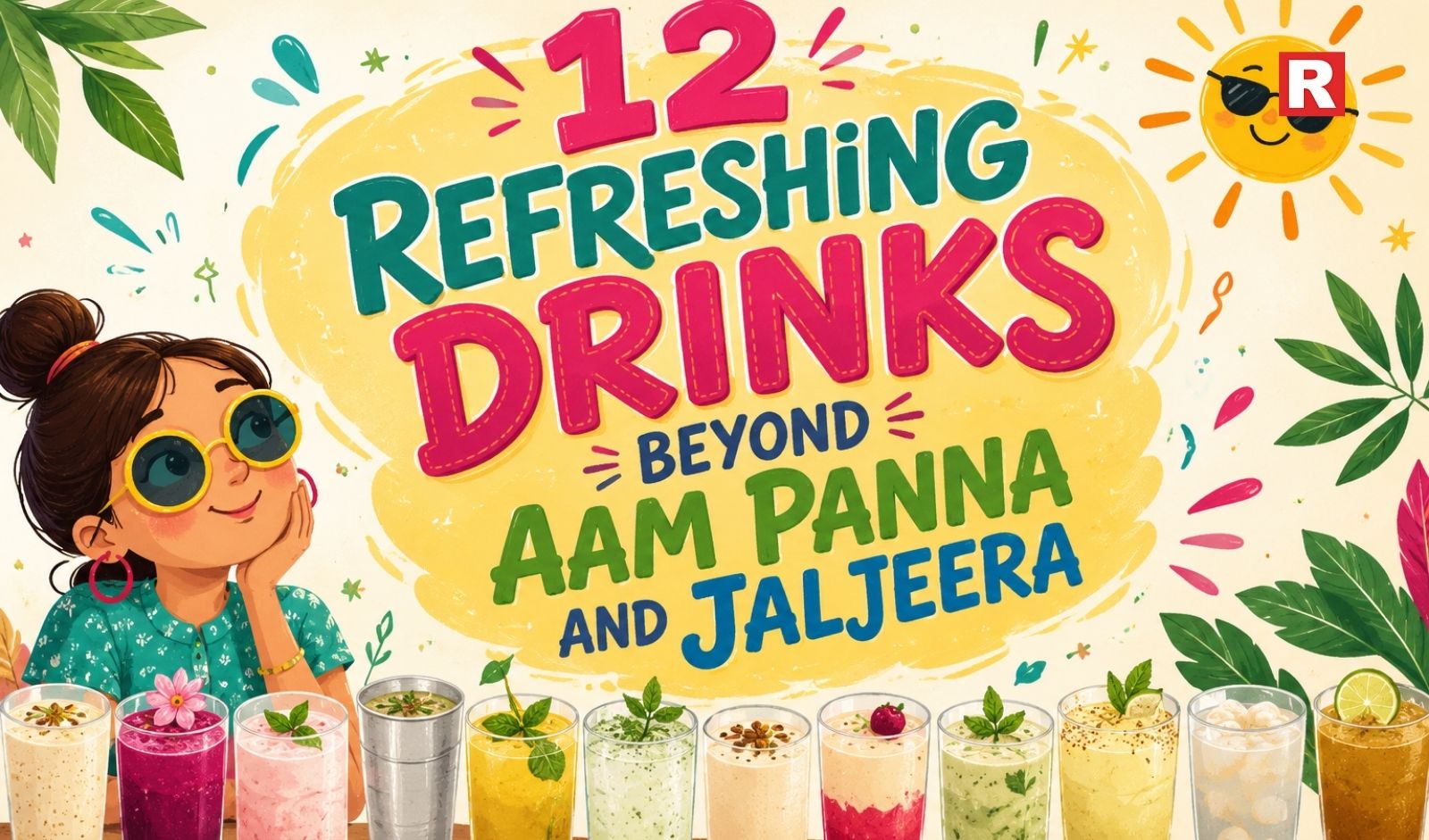
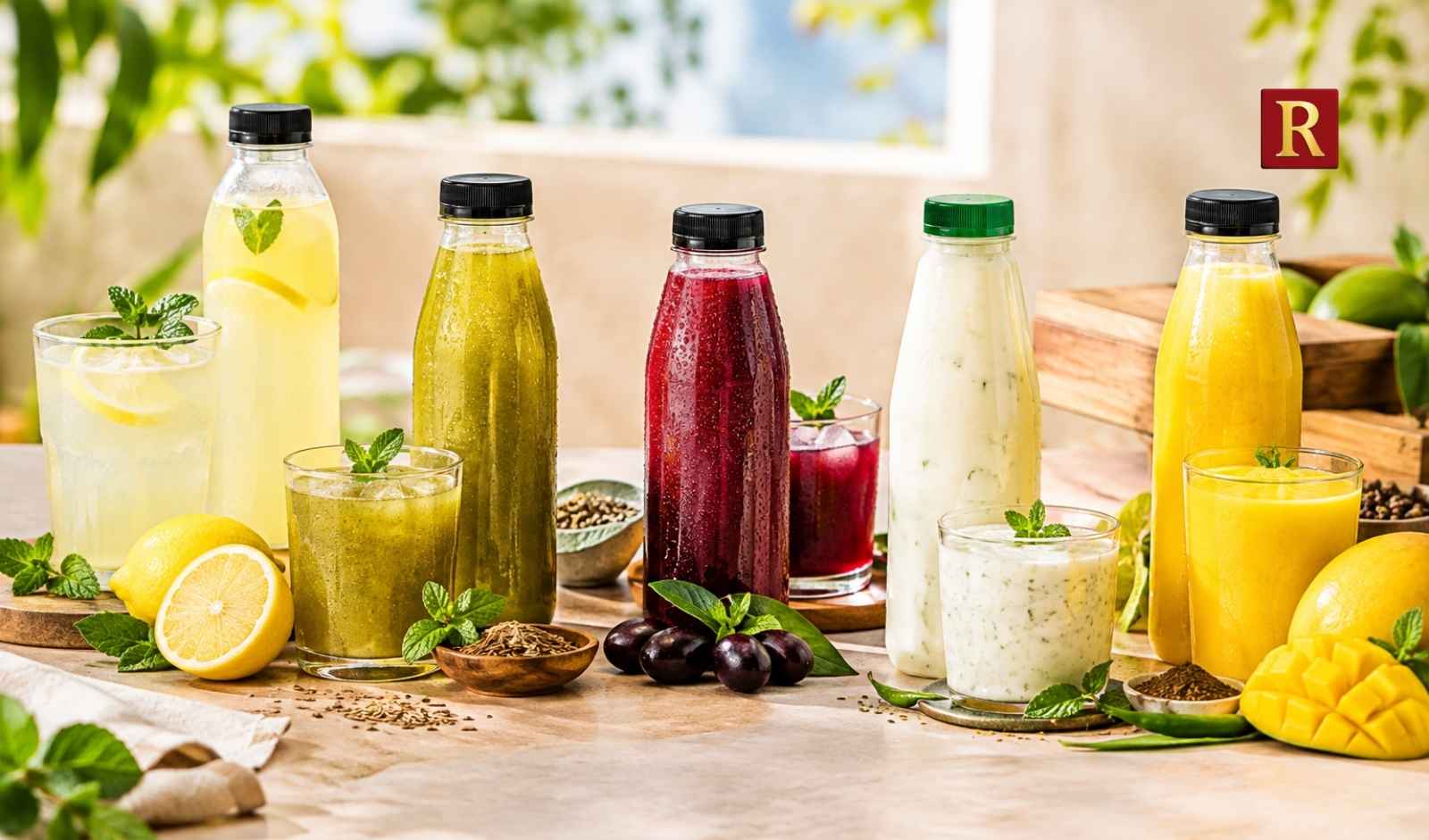
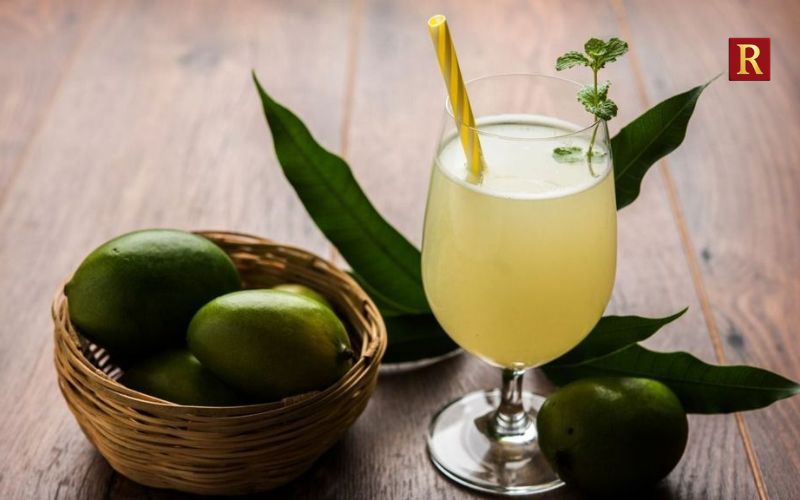
India's summers are intense. The scorching heat often pushes people to look for quick relief in the form of chilled drinks. While aam panna and jaljeera remain household favourites, India's culinary landscape offers a treasure trove of refreshing beverages that deserve equal attention. Long before packaged drinks lined supermarket shelves, different regions of the country had their own cooling recipes crafted using local ingredients and seasonal wisdom. These drinks are more than thirst quenchers. They reflect culture, geography, and traditions passed down through generations. If you're looking to expand your summer beverage menu, these 12 refreshing drinks beyond aam panna and jaljeera are worth trying.
Explore 12 Refreshing Drinks
1. Kokum Sherbet
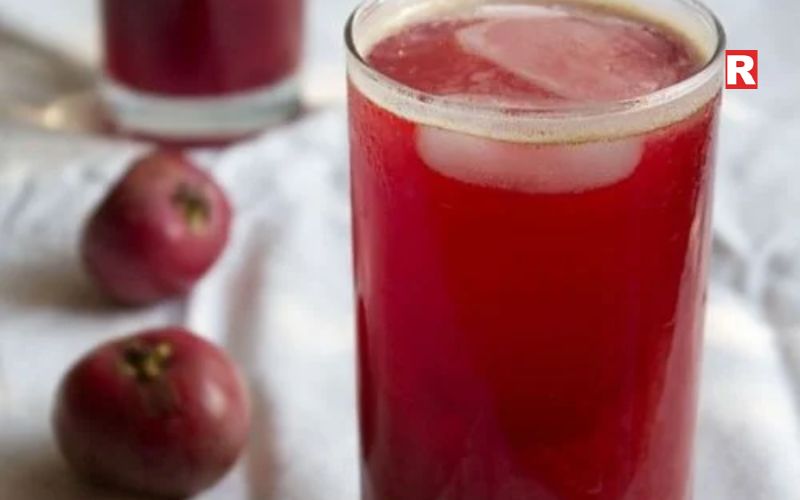
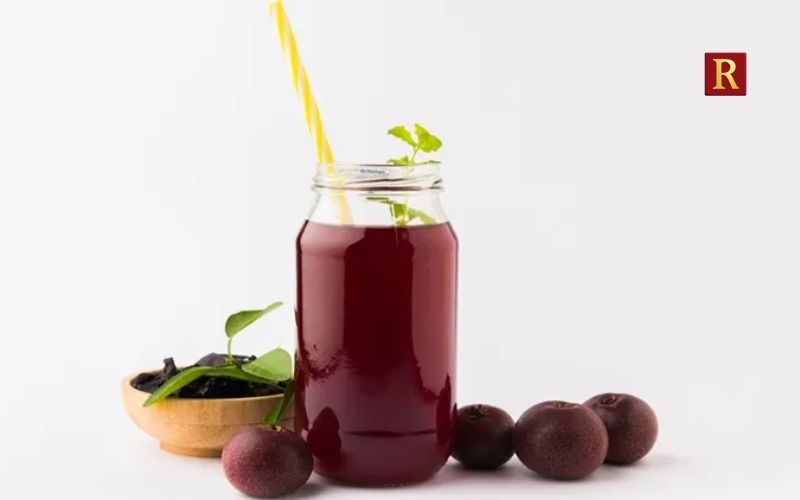
Popular across Maharashtra and Goa, kokum sherbet is one of India's most underrated summer drinks. Made using the deep purple kokum fruit, this beverage delivers a balance of sweet, tangy, and salty flavours. The drink is usually prepared by soaking dried kokum peels and mixing the extract with sugar or jaggery, black salt, and roasted cumin powder. The result is a vibrant cooler that feels incredibly refreshing on hot afternoons. If you've only associated summer with mango-based drinks, kokum sherbet can be a delightful surprise for your taste buds.
Why people love it:
- Tangy and refreshing taste
- Easy to prepare at home
- A staple in Konkan households during summer
2. Sol Kadhi
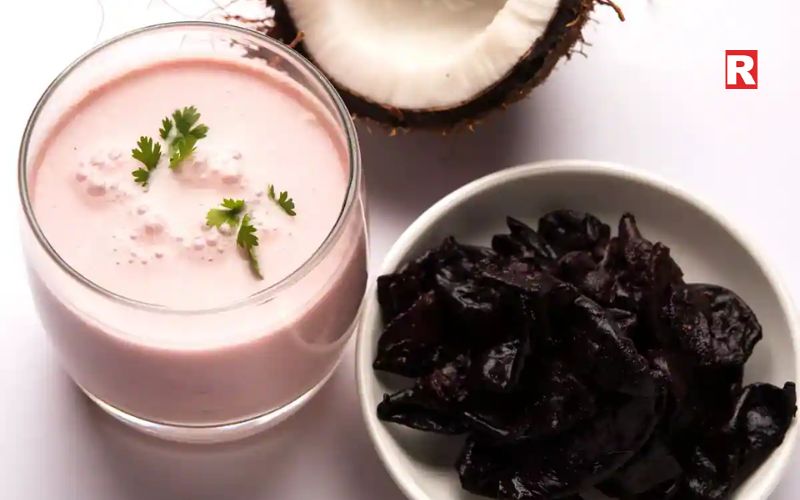
At first glance, sol kadhi may look like an unusual summer drink, but one sip explains why it has remained a coastal favourite for generations. Prepared using kokum extract and coconut milk, sol kadhi is often served after meals in Goa and the Konkan region. It has a creamy texture balanced by subtle tanginess. Many seafood restaurants have started introducing sol kadhi to modern menus, helping this traditional drink gain nationwide popularity.
Key ingredients:
- Kokum
- Coconut milk
- Garlic
- Green chillies
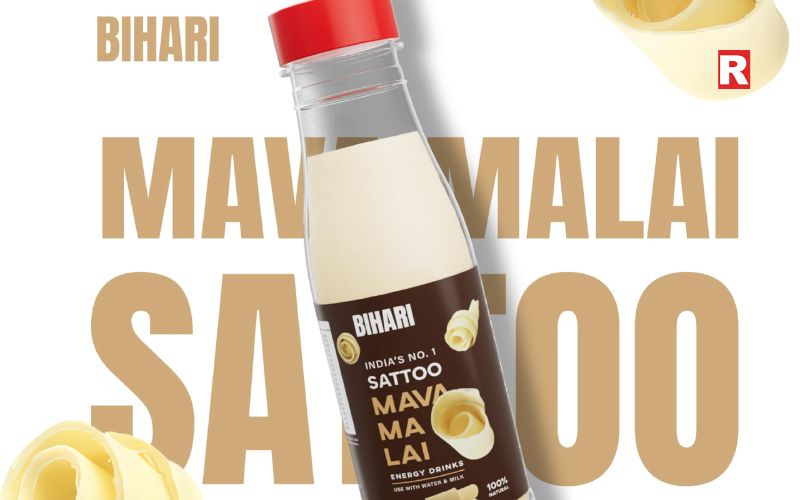
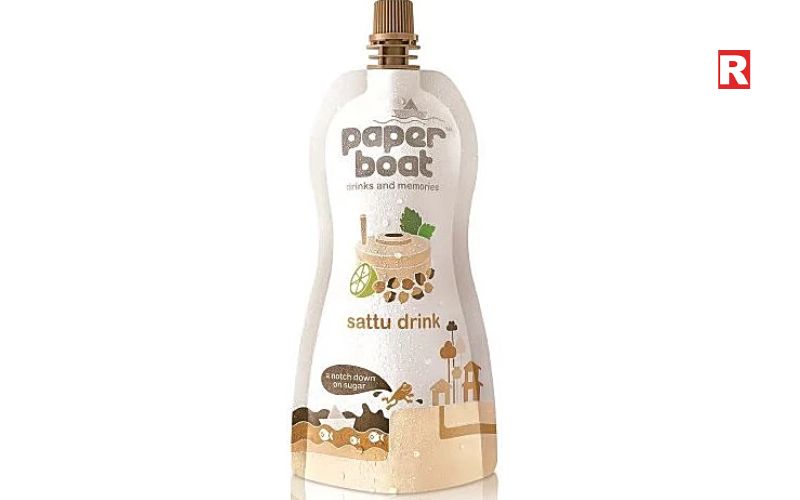
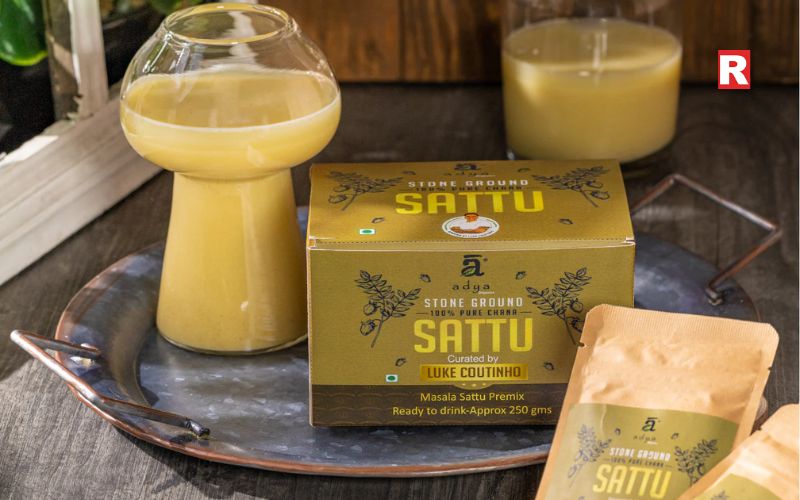
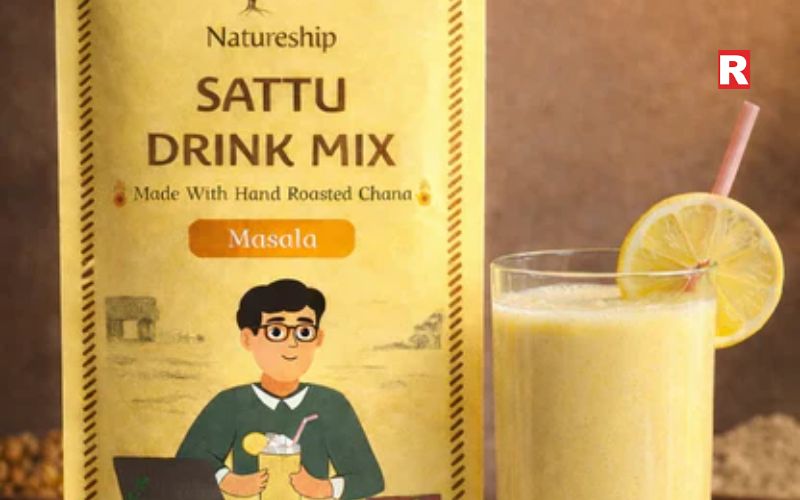
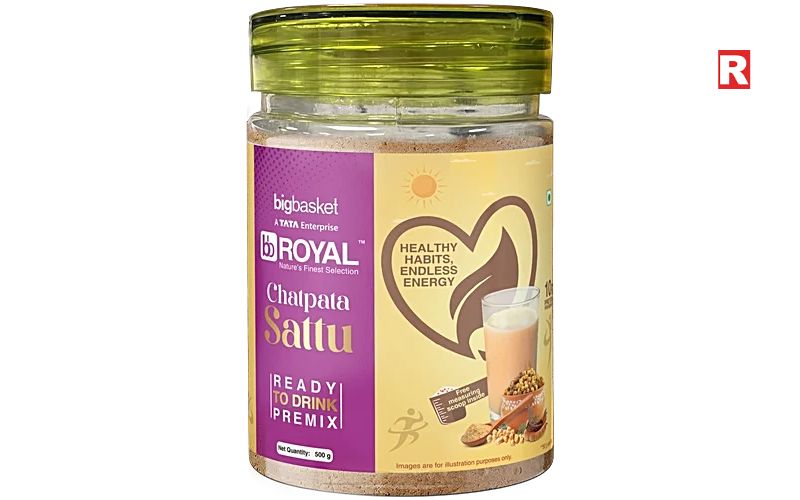
3. Sattu Sharbat
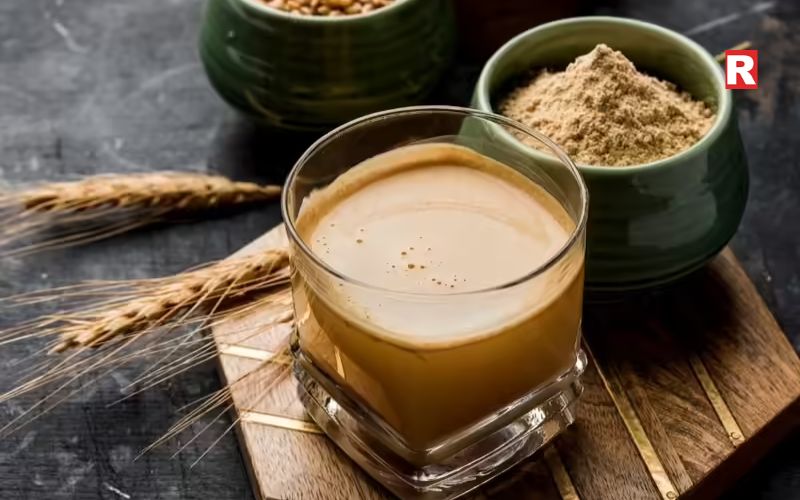
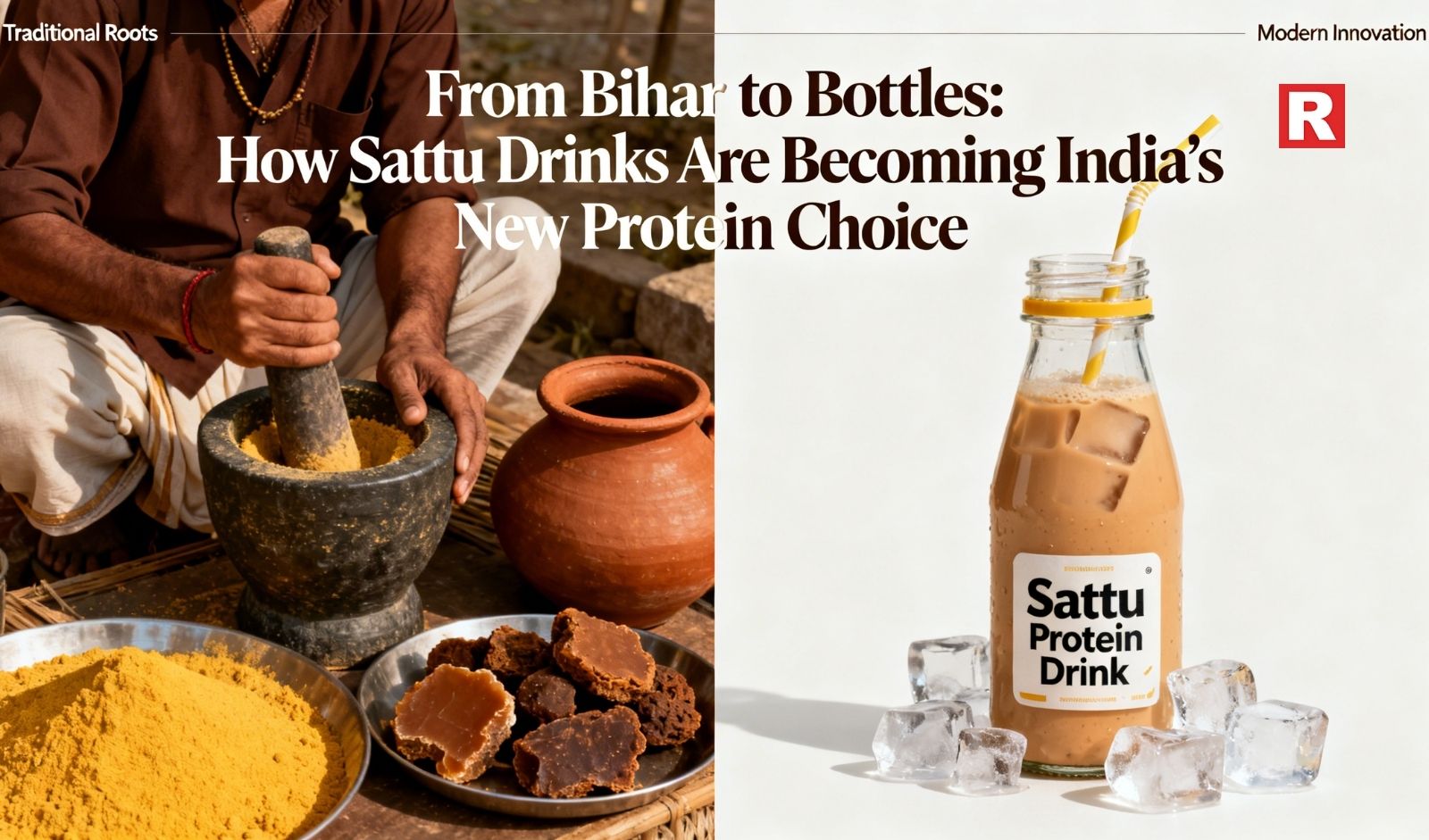
Bihar's contribution to summer wellness comes in the form of sattu sharbat. Made from roasted gram flour, this drink is filling, nutritious, and incredibly cooling. Unlike sugar-heavy beverages that offer only temporary relief, sattu sharbat provides sustained energy. It is commonly consumed by farmers and labourers during peak summer months. The savoury version includes lemon juice, roasted cumin powder, and black salt.
What makes it special:
- Rich in plant-based protein
- Keeps you fuller for longer
- Affordable and easy to prepare
4. Neer Mor
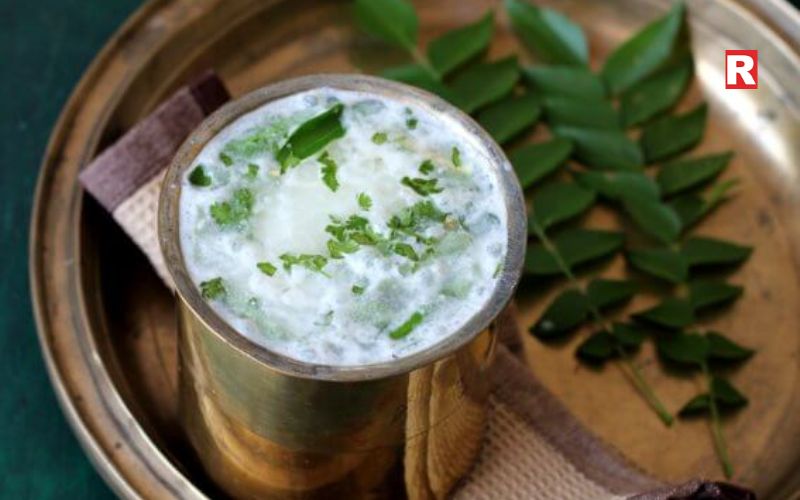
Neer mor is Tamil Nadu's traditional spiced buttermilk. Light, flavourful, and hydrating, this drink has been a summer essential in South Indian homes for decades. Fresh buttermilk is blended with ginger, curry leaves, green chillies, and salt to create a cooling beverage that pairs beautifully with hot weather. During temple festivals, large batches of neer mor are often distributed among devotees.
Best enjoyed:
- During afternoon heat
- Alongside South Indian meals
- After outdoor activities
5. Panakam
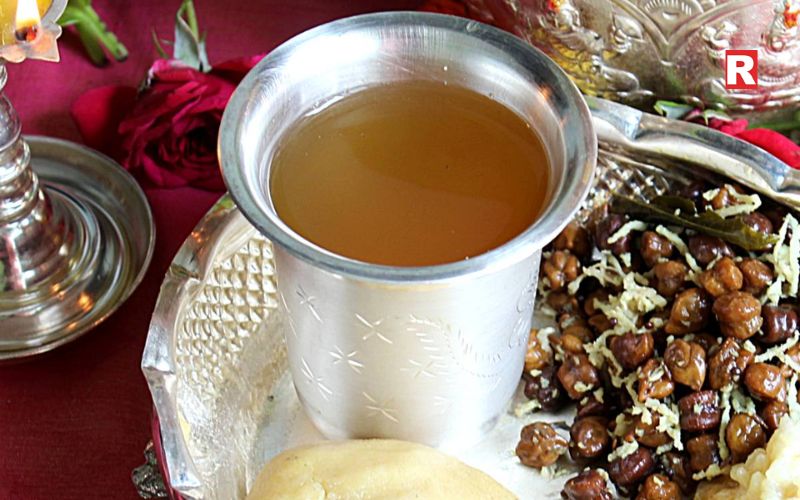
Panakam proves that simple ingredients can create extraordinary flavours. Traditionally prepared during festive occasions in Andhra Pradesh and Karnataka, this drink combines jaggery with aromatic spices. Dry ginger powder and cardamom elevate the flavour, while black pepper adds a mild kick. Despite its festive associations, panakam works wonderfully as an everyday summer cooler.
Key ingredients:
- Jaggery
- Dry ginger powder
- Cardamom
- Black pepper
6. Bel Sharbat
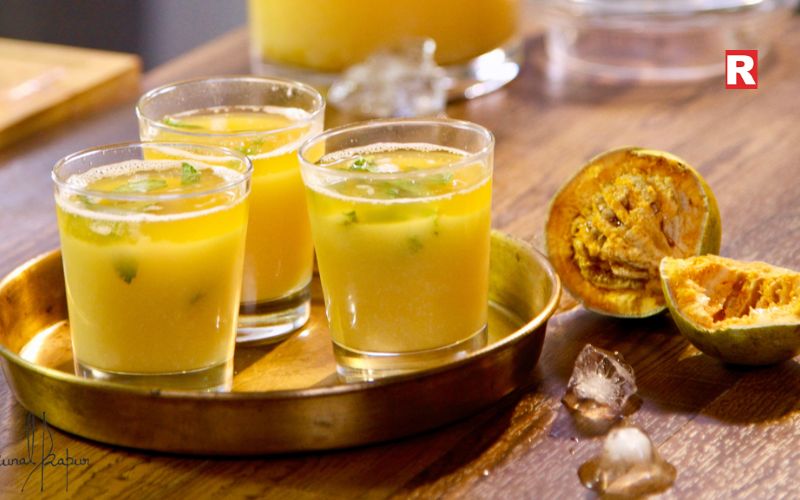
Bel sharbat is one of India's oldest summer beverages, especially popular across North and Eastern regions. Prepared using the pulp of ripe bael fruit, this drink carries a naturally sweet taste with subtle earthy notes that set it apart from conventional fruit coolers. The fruit is typically cracked open, and its pulp is blended with chilled water before being strained for a smooth consistency. For many families, preparing bel sharbat marks the arrival of peak summer. Despite changing beverage trends, this traditional cooler continues to hold a special place in households that value seasonal ingredients and time-tested recipes.
Why it's worth trying:
- Unique taste profile
- Seasonal speciality
- Deep roots in traditional food culture
7. Gond Katira Cooler
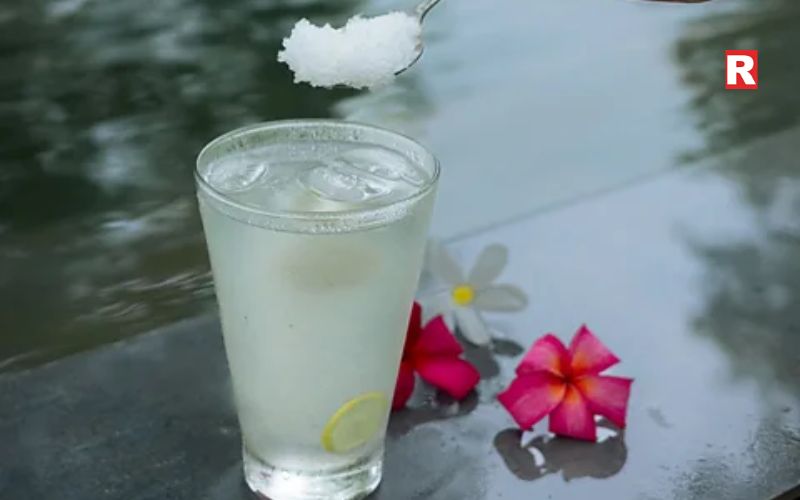
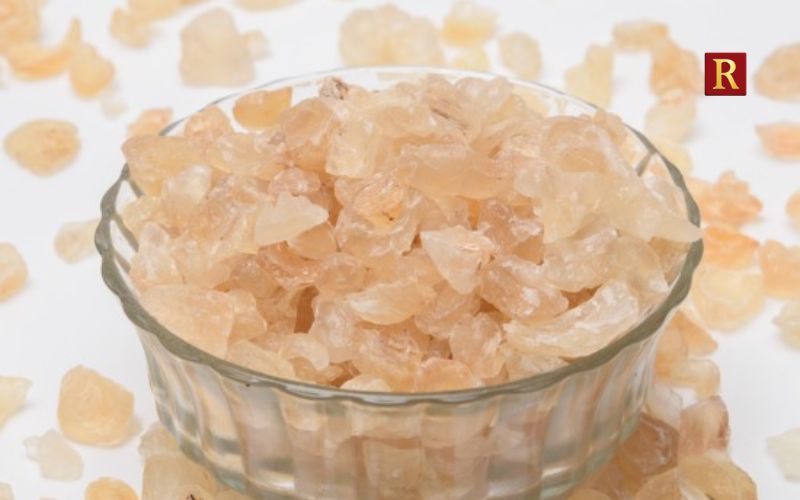
Gond katira cooler has evolved from a traditional home remedy into a trendy summer beverage embraced by a younger audience. Derived from the sap of certain trees, gond katira transforms into translucent, jelly-like crystals after soaking in water. These crystals are incorporated into a variety of cooling drinks, creating an interesting texture that distinguishes them from other refreshments. Across generations, this ingredient has been used in Indian kitchens during warmer months. Today, its popularity has expanded through innovative recipes that blend traditional wisdom with modern presentation and flavours.
Popular additions:
- Rose syrup
- Basil seeds
- Chilled milk
8. Nungu Sherbet
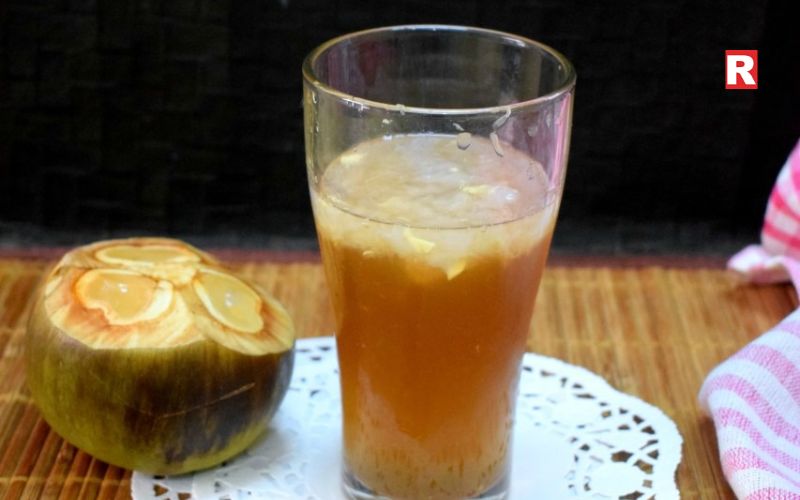
Nungu sherbet showcases the simplicity and freshness that define many South Indian summer beverages. Nungu, commonly known as ice apple, is harvested from palmyra palm trees and is widely enjoyed in Tamil Nadu during the hotter months. The fruit's delicate sweetness and soft consistency make it an ideal ingredient for chilled refreshments. Vendors selling fresh nungu are a familiar sight across the region, attracting locals and travellers alike. Since the fruit is available only for a limited period each year, its arrival is eagerly anticipated as a seasonal delicacy.
What you'll love:
- Light and hydrating
- Naturally sweet flavour
- Distinctive texture
9. Phalsa Sharbat
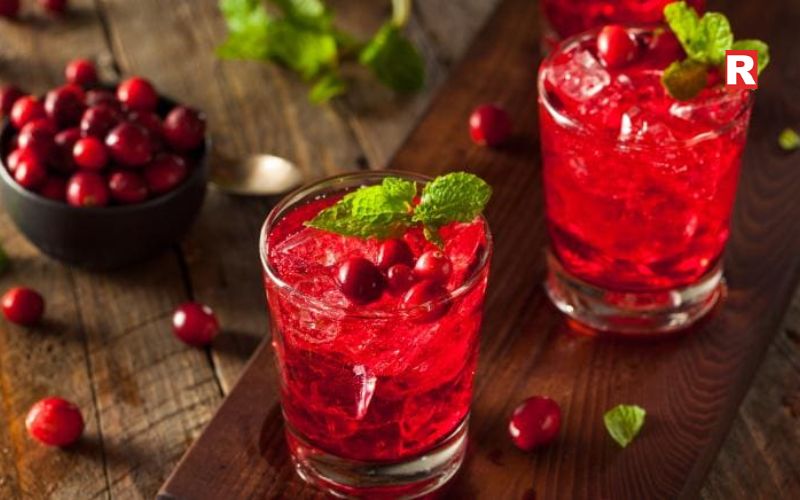
Phalsa sharbat celebrates one of India's lesser-known summer fruits. These small purple berries possess a distinctive flavour that balances sweetness with a pleasant tartness. Although phalsa may not receive the same attention as mangoes or other mainstream fruits, those familiar with its taste often await its brief seasonal appearance. The berries are transformed into a vibrant cooler that captures the essence of summer in every sip. With increasing interest in regional produce and forgotten ingredients, phalsa sharbat is gradually reclaiming its place among India's cherished traditional beverages.
Taste profile:
- Fruity
- Tangy
- Slightly sweet
10. Variyali Sharbat
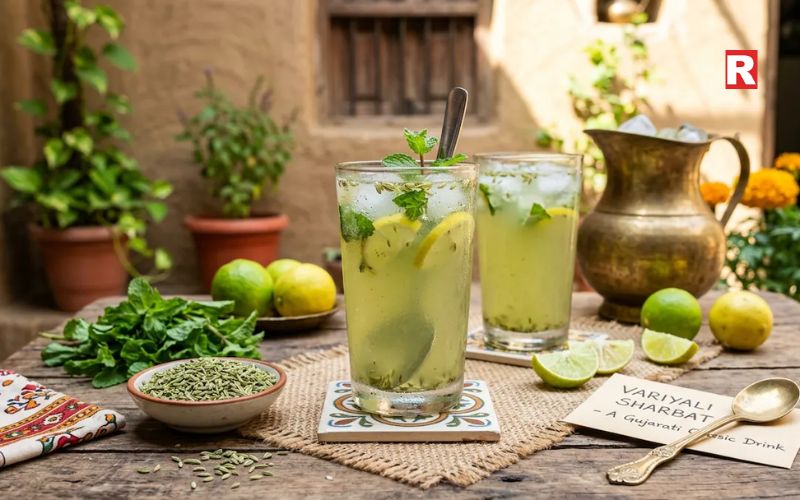
Variyali sharbat highlights Gujarat's creative approach to summer refreshments by placing fennel seeds at the centre of the recipe. Fennel's naturally aromatic character lends this beverage a unique flavour profile that differs significantly from fruit-based coolers. The drink has been enjoyed for generations and remains a familiar feature in many Gujarati households during warm weather. As consumers continue exploring regional Indian cuisines, beverages such as variyali sharbat are gaining recognition beyond their traditional boundaries. Its subtle herbal notes offer a refreshing alternative to more commonly consumed summer drinks.
Main ingredients:
- Fennel seeds
- Sugar
- Lemon juice
- Water
11. Sambaram
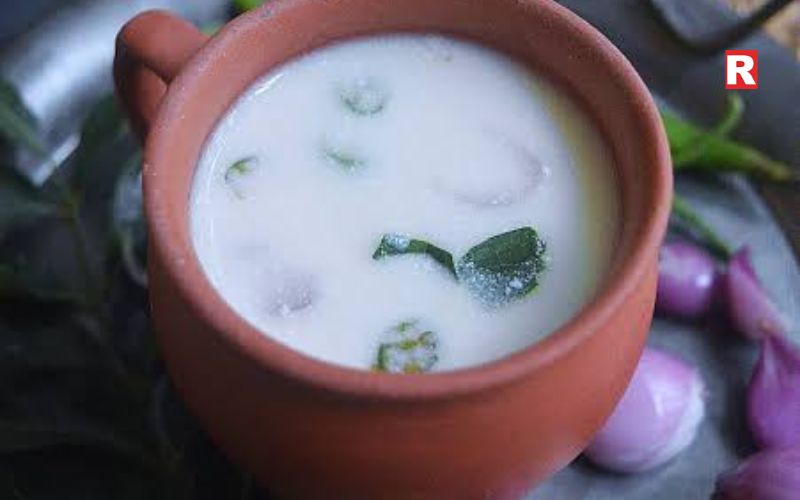
Sambaram is Kerala's beloved spiced buttermilk beverage that effortlessly combines simplicity with flavour. Prepared using everyday ingredients found in most South Indian kitchens, it has become a practical solution to the state's hot and humid climate. The addition of aromatic herbs and spices gives sambaram its distinctive identity while enhancing the overall drinking experience. It is commonly served alongside meals and frequently prepared in large batches for gatherings and celebrations. Its enduring popularity reflects Kerala's preference for refreshing beverages that complement the region's vibrant culinary traditions.
Why locals love it:
- Refreshing and light
- Complements spicy meals
- Quick to prepare
12. Sugarcane and Ginger Juice
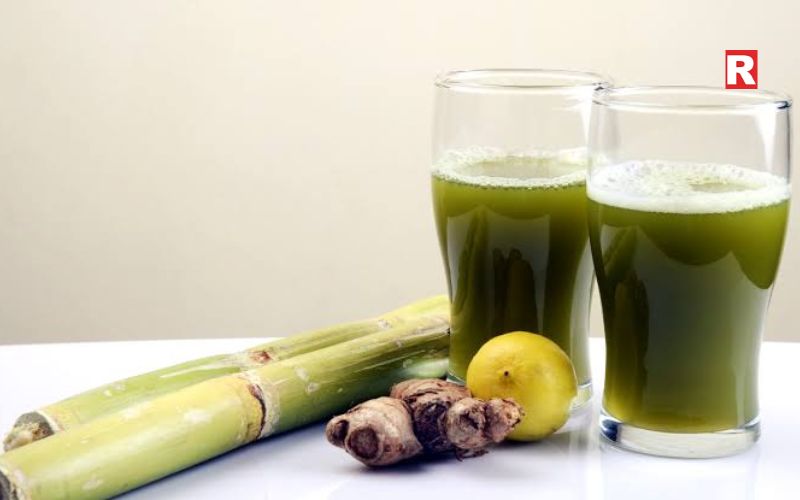
Sugarcane and ginger juice remains one of India's most recognisable street-side refreshments. The sight of sugarcane stalks being fed through traditional juice machines evokes a sense of nostalgia for many people. The natural sweetness of freshly extracted sugarcane juice pairs beautifully with the sharp warmth of ginger, creating a balanced and invigorating beverage. Found in bustling cities and small towns alike, this drink continues to attract customers seeking immediate relief from soaring temperatures. Its enduring appeal lies in its freshness, simplicity, and deep connection to everyday Indian summer experiences.
Best served:
- Freshly pressed
- Well chilled
- With a hint of lemon
Why These Drinks Matter Today
These refreshing beverages remind us that India's culinary wisdom extends far beyond popular favourites. Exploring regional summer drinks is not only a treat for the palate but also a way to appreciate the country's rich traditions, local ingredients, and enduring food heritage.
Traditional drinks are making a comeback: Consumers are increasingly embracing regional recipes as they seek authentic and nostalgic food experiences.
Restaurants are reviving heritage beverages: Modern eateries are reinventing traditional coolers, introducing them to younger and urban audiences.
Home kitchens are preserving culinary traditions: Families are rediscovering age-old recipes that have been passed down through generations.
Local ingredients define these beverages: Seasonal fruits, spices, herbs, and grains give each drink its distinctive regional identity.
They reflect India's diverse food culture: Every beverage tells a story about local climates, traditions, and community practices.
These drinks celebrate seasonal eating habits: Their ingredients are often harvested during summer, making them naturally suited for the season.
Traditional coolers offer refreshing alternatives: They provide variety beyond commonly consumed summer beverages like aam panna and jaljeera.
Regional beverages deserve wider recognition: Many lesser-known drinks remain hidden despite their rich cultural significance and unique flavours.
Exploring them supports culinary preservation: Trying traditional recipes helps keep India's diverse food heritage alive.
Sometimes, the best discoveries are timeless: The most memorable summer drinks are often those cherished quietly for decades.
Happy Summer!
India's summer beverage culture is far more diverse than the familiar glasses of aam panna and jaljeera. From the tangy notes of kokum sherbet in the Konkan region to the nourishing goodness of sattu sharbat in Bihar, every drink reflects the ingredients, climate, and traditions of its place of origin. These regional coolers were created long before modern soft drinks became popular, yet they continue to hold their relevance even today.
Exploring these beverages is not just about trying something new; it is also about appreciating the culinary wisdom passed down through generations. Many of these drinks rely on simple, seasonal ingredients and offer flavours that are both comforting and refreshing. They remind us that some of the best solutions to summer heat have always existed within our local food traditions. So, this season, give your regular summer staples a break and discover the rich variety that India's beverage heritage has to offer. Whether you prefer fruity, creamy, savoury, or spice-infused flavours, there is a traditional cooler waiting to become your new favourite. After all, the perfect summer drink might not be the one you already know—it could be the one you've never tasted before.
Saptopriya Ghosal
Feature Writer
I am a dedicated media professional with a bachelor's degree in mass communication from the State University of Calcutta and a postgraduate degree from Amity University. My academic journey has equipped me with a profound understanding of storytelling and communication. Passionate about the dynamic world of media, I continually strive to explore new ways to engage and inform through compelling narratives.