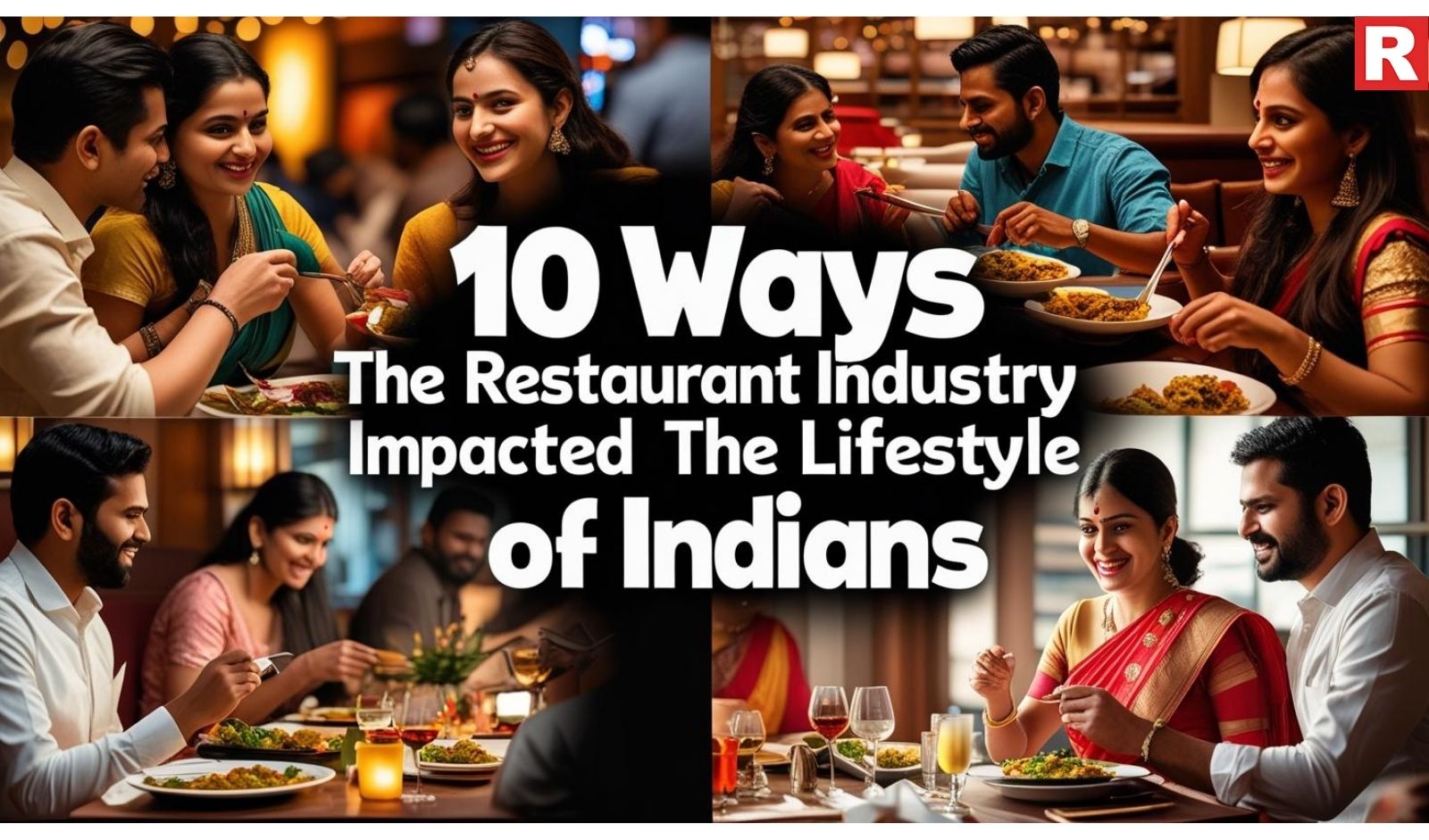
10 Ways the Restaurant Industry Impacted the Lifestyle of Indians
Eating out was a rare occurrence, usually associated with celebrations, vacations, or pilgrimages. But the growing restaurant industry, from the modest roadside dhabas that line the highways to the upscale cafes and fine-dining restaurants that thrive in the city's center, has brought about a significant change in how Indians eat, interact with one another, and even view their own culture.

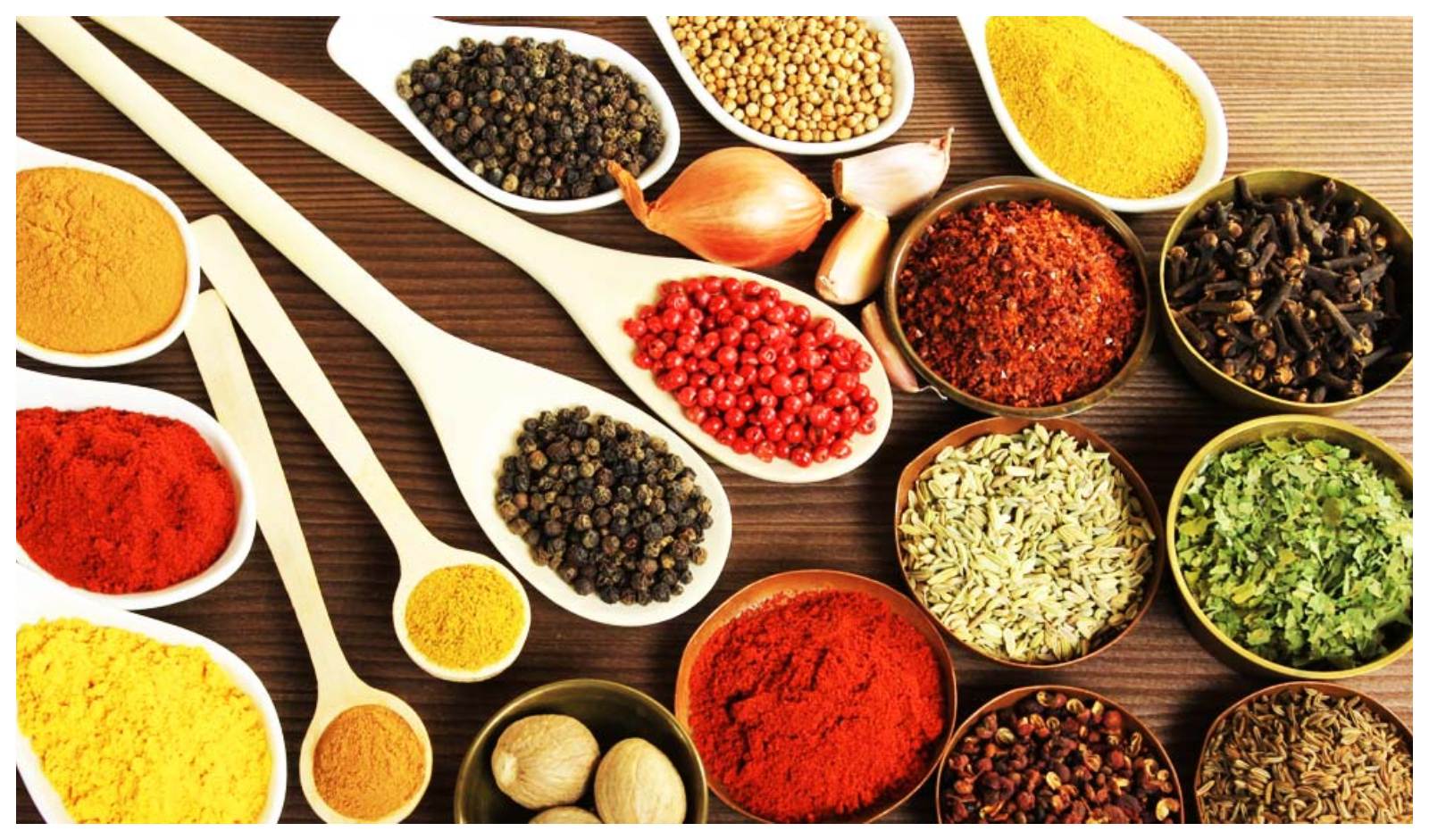
For many generations, the traditional recipes and fragrant spices that were passed down through family kitchens dominated India's cooking scene. Meals were made with care and shared in the cozy embrace of home as part of their daily life. Eating out was a rare occurrence, usually associated with celebrations, vacations, or pilgrimages. But the growing restaurant industry, from the modest roadside dhabas that line the highways to the upscale cafes and fine-dining restaurants that thrive in the city's center, has brought about a significant change in how Indians eat, interact with one another, and even view their own culture.
This article looks into the multiple ways the restaurant sector has permanently impacted the lifestyle of Indians, with a particular emphasis on the shifting dynamics witnessed in metropolitan locations, but also reflecting broader national patterns.
Read more: Street Food vs Fine Dining: What’s Trending in 2025
1. Redefining the Social Norm: Eating Out as a Lifestyle
The transformation of dining from a largely family affair to a major social activity is arguably the most significant effect of the restaurant sector. Restaurants are becoming the standard location for a wide range of social interactions in Indian cities:
- Family Get-Togethers and Festivities: Forget about the laborious chore of preparing lavish dinners at home. Families celebrating birthdays, anniversaries, and promotions increasingly fill restaurants. A hassle-free approach to remembering memorable occasions is provided by the celebration atmosphere, varied menus that cater to a wide range of tastes, and convenience. A new custom of family connection outside the home has been formed as a result.
- Business & Professional Networking: In developing business areas, restaurants are serving as unofficial corporate settings. Strategic dinners and business lunches at reputable restaurants have become essential for business networking, closing deals, and building relationships in a laid-back yet elegant environment.
- Courtship and Dating: The romantic scene has also changed dramatically. Dining out has been a staple of contemporary Indian romance in major cities, offering a neutral and stimulating venue for developing relationships. This includes stylish restaurants that set the tone for deeper connections as well as quiet cafés ideal for first dates.
- Friendship and Recreation: For many Indians, socializing with friends over coffee at a café or having a laid-back dinner at a family restaurant has become a regular part of life. Restaurants provide a fun and practical setting for relaxing, interacting, and making memories.
2. Expanding Palate and Global Awareness
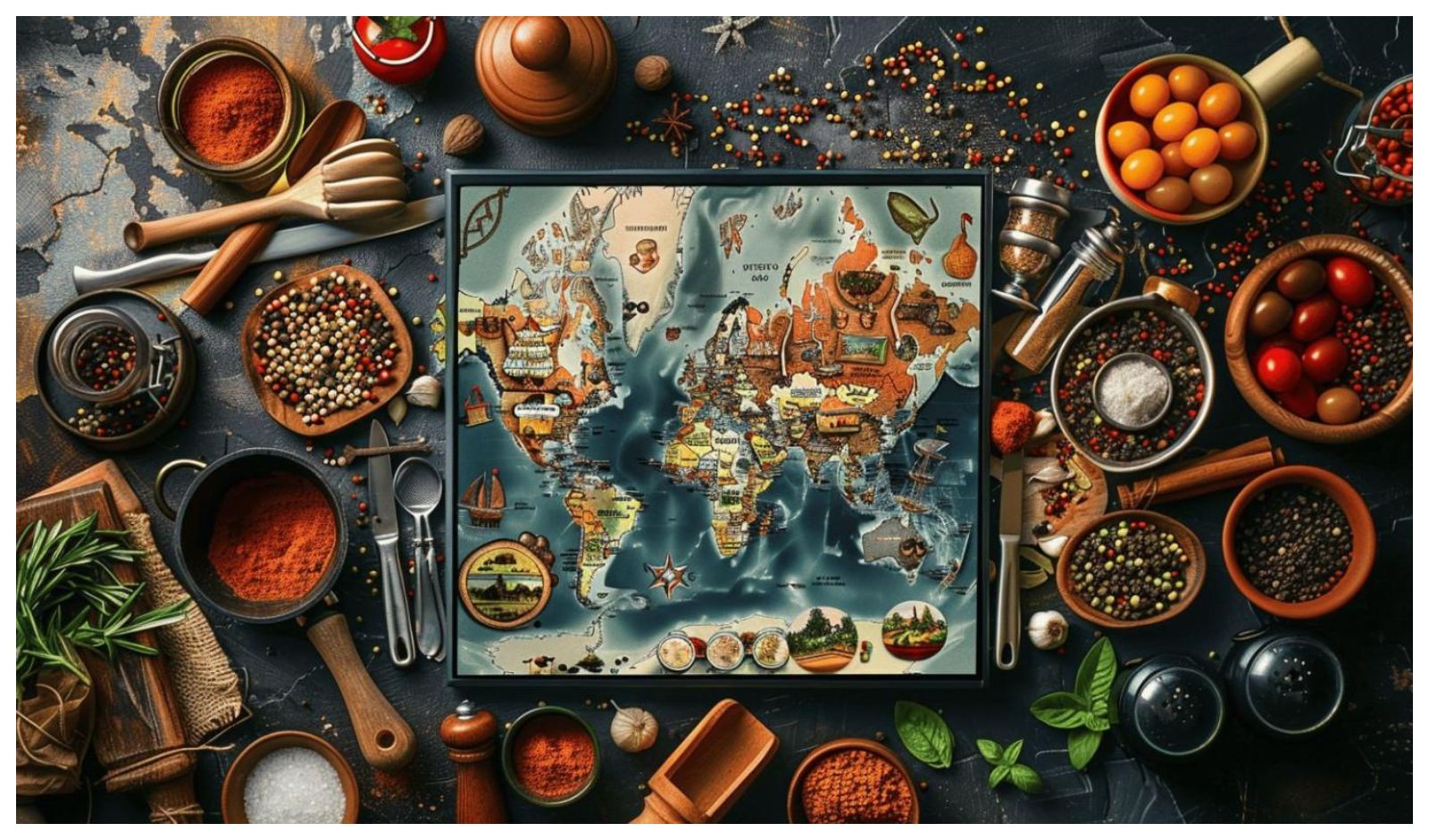
Regional and global barriers have been broken down by the restaurant sector, which has served as a potent catalyst for culinary research and the introduction of new cuisines to the Indian palate:
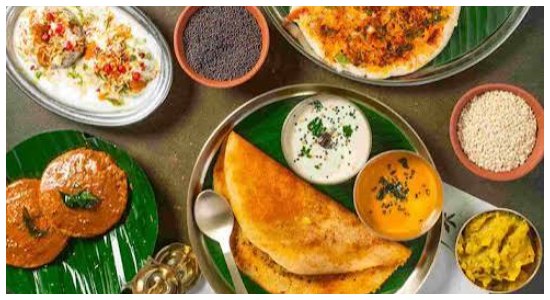
- Investigating Regional Indian Cuisines: Locals can now travel around India's culinary landscape without ever leaving the city. A deeper understanding of India's diverse culinary heritage is fostered by dining at restaurants that specialize in South Indian dosas, Punjabi butter chicken, Gujarati thalis, and Bengali sweets.
- The Allure of Global Cuisine: The Restaurant industry reflects how Indian tastes are becoming more and more international. Restaurants are offering American burgers, Chinese noodles, Italian pasta, and even more exotic dishes like Thai, Mexican, and Japanese. International cuisines are now more approachable and recognizable due to this exposure, which has also expanded culinary boundaries.
- The Rise of Fusion and Innovation: Fusion cuisine is an exciting trend that is the result of the interaction of local customs and international influences. In order to appeal to a more daring and urban audience, restaurants are increasingly experimenting with creative combinations, fusing Indian ingredients and techniques with international trends.
Know more: The Secret Sauce to Building Tomorrow’s Restaurant: Lessons from the Pathbreakers
3. The Convenience Culture: Adapting to Modern Lifestyles
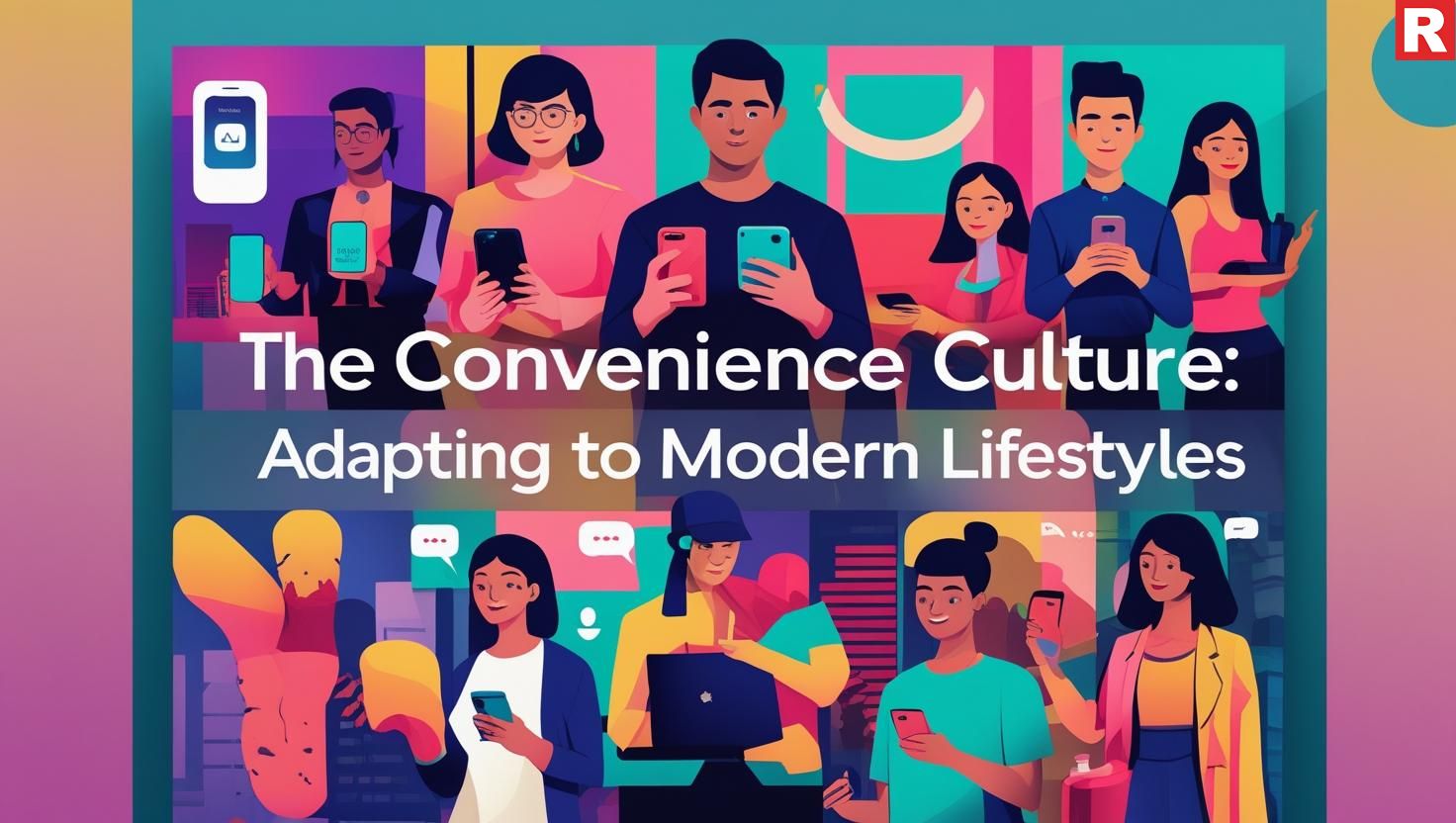
The restaurant business has grown to be an essential component of the economy in a fast-paced metropolitan setting, where time is of the essence:
- Catering to Busy Professionals: Making complex meals at home every day can be difficult due to the rising number of dual-income households and hectic work schedules. For daily meals, restaurants and the rapidly expanding food delivery services provide a quick and easy option.
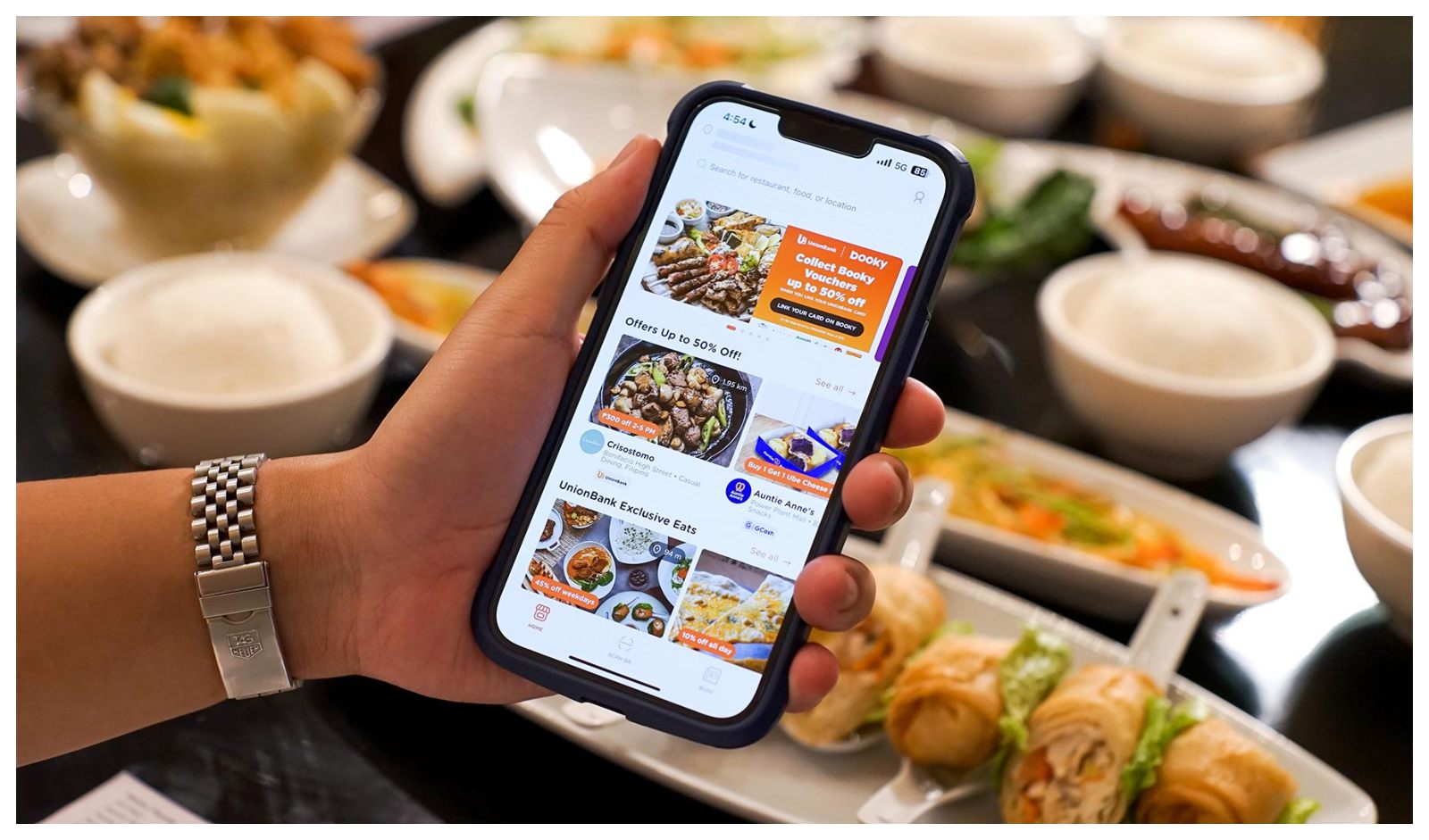
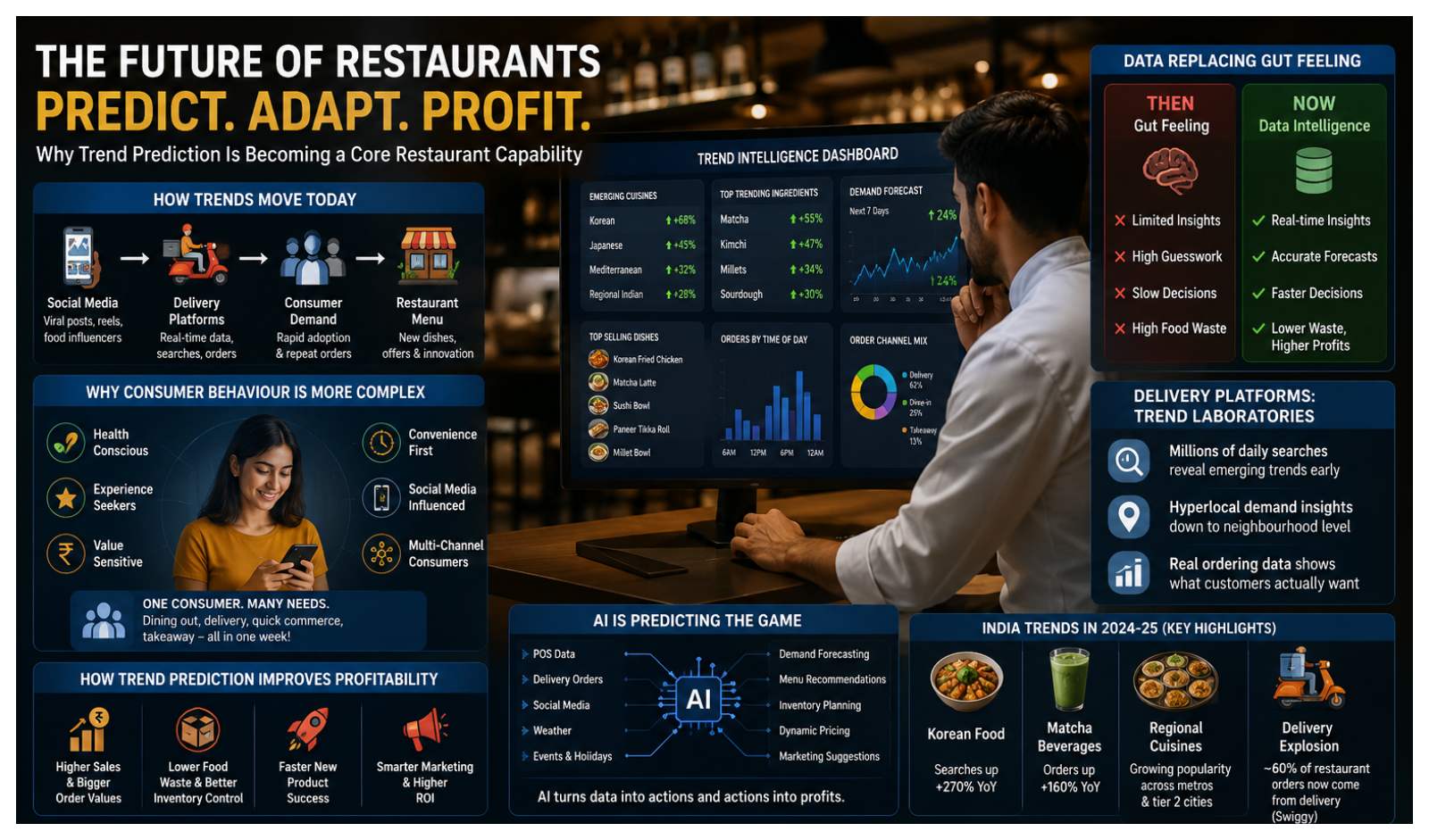
- The On-Demand Cuisine Ecosystem: The way people receive restaurant food has been completely transformed by food delivery applications. With only a few smartphone touches, one can now order a wide range of cuisines, revolutionizing dining patterns and enabling people to enjoy restaurant-caliber meals in the convenience of their own homes, workplaces, or other locations.
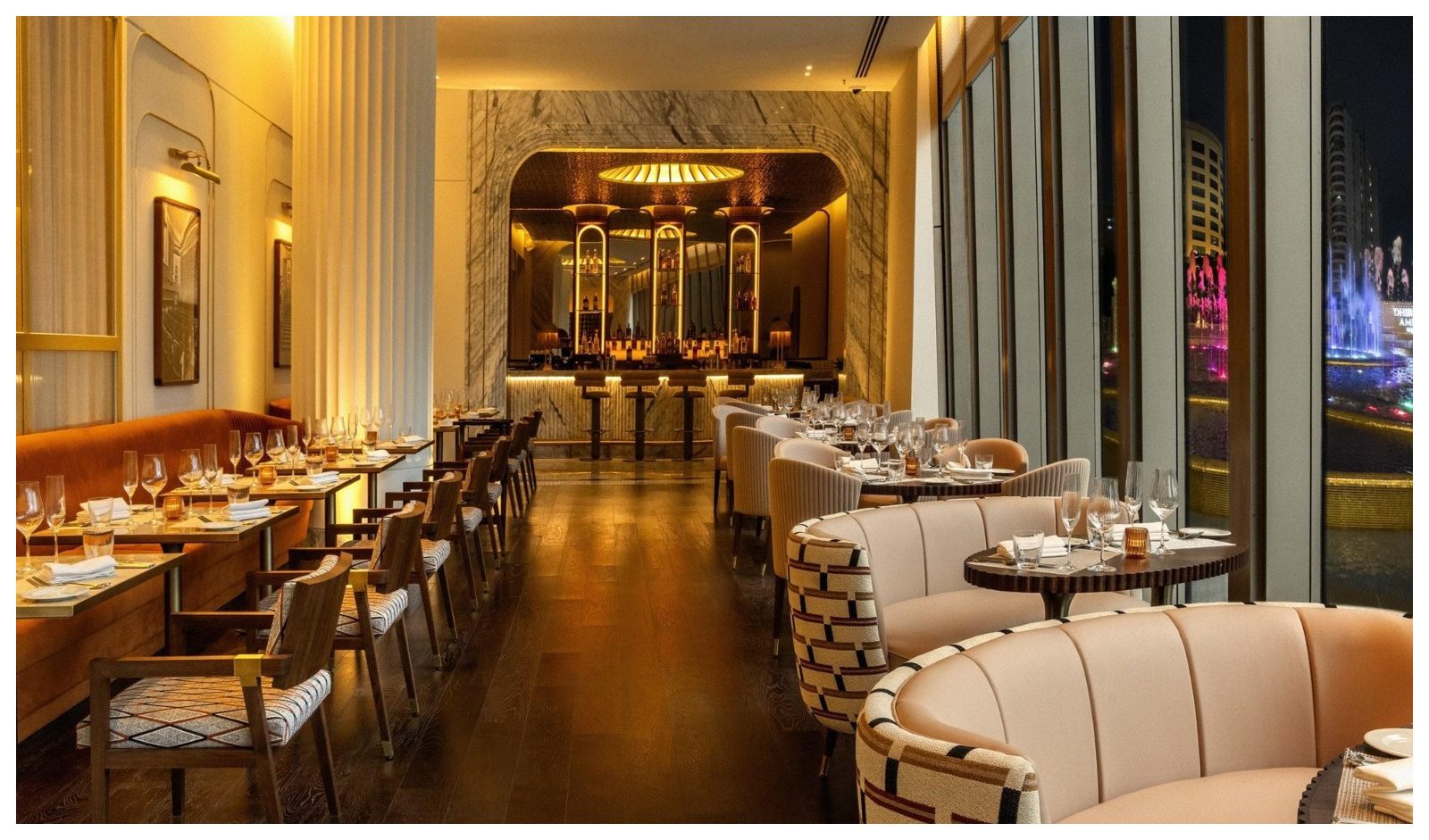
- Different Price Points: The Restaurant industry offers a wide range of prices, from mid-range restaurants and high-end fine-dining establishments to inexpensive street food vendors and family-friendly restaurants, guaranteeing that convenience and culinary diversity are within the reach of a large segment of the population.
4. Shifting Social Norms and Etiquette
In Indian society, the growing popularity of eating out has also gradually changed cultural customs and manners:
- Dress Codes and Occasions: Going to select restaurants frequently requires following a dress code, which influences wardrobe choices and changes eating out into a sense of occasion.
- Table manners and dining customs: Although eating with one's hands is a common part of traditional Indian dining, exposure to a variety of cuisines and restaurant formats has made the use of cutlery more common, resulting in a mix of dining customs depending on the situation.
- Public Conduct and Conversation: Compared to private meals at home, dining in a public setting such as a restaurant frequently involves different conversational dynamics, with discussions frequently focusing on the cuisine, atmosphere, and overall surroundings.
5. Economic Empowerment and Entrepreneurship
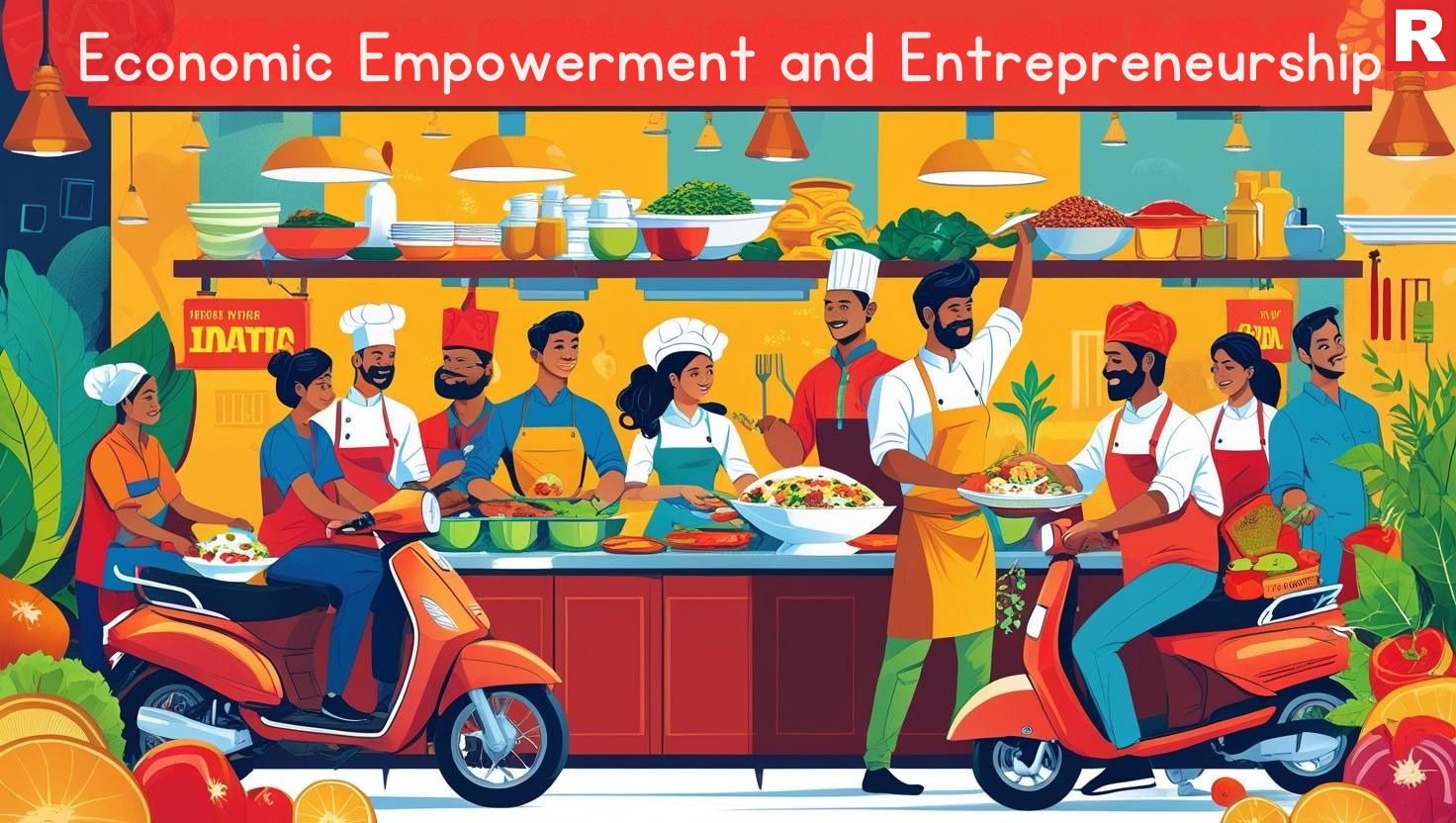
In India, the restaurant sector is a major source of entrepreneurship and economic growth:
- Job Creation: The industry supports a wide range of skill levels and makes a significant contribution to the local economy by offering work opportunities to a large number of people, including managers, delivery riders, kitchen workers, chefs, and waiters.
- Support for Allied Industries: A network of connected businesses, such as food suppliers, farmers, packaging makers, and transportation services, is fueled by the success of restaurants, which multiplies the economy.
- Promoting Entrepreneurial Spirit: The restaurant industry is a desirable path for prospective business owners due to its comparatively lower entry obstacles when compared to some other industries. This has resulted in a thriving and varied culinary scene that is driven by passion and innovation.
6. Sustainability and Health Consciousness
The restaurant sector is being impacted by the evolving standards of Indian customers, especially the younger generation:
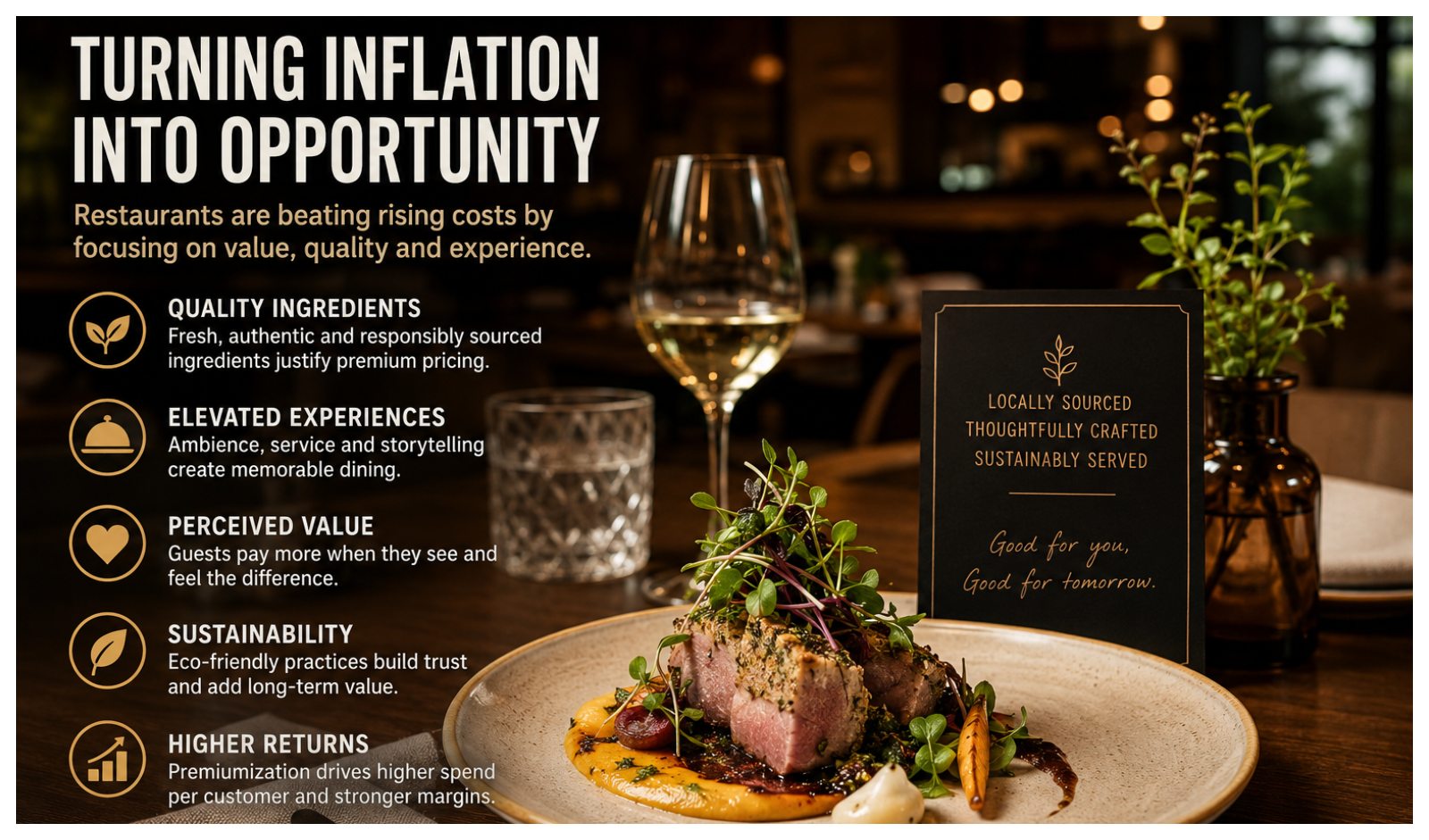
- Growing Sustainability Awareness: Demand for restaurants that use eco-friendly packaging, reduce food waste, and source local ingredients is rising. Restaurants are slowly adjusting to this increased awareness.
- Better Menu Selections: As health consciousness has grown, a lot of restaurants are now providing vegetarian, vegan, and low-calorie menu alternatives to accommodate a greater variety of dietary requirements and preferences.
What's new: How to Reduce Food Wastage in Your Restaurant
7. The Rise of the "Foodie" Culture and Social Media Influence
- Creation of the "Foodie" Identity: A new cultural identity has emerged as a result of the wide variety of dining options available: the "foodie," an enthusiastic explorer in the world of food.
- Social Media as a Platform: With customers posting pictures of visually appealing food and restaurant décor, social media platforms have emerged as the main resource for recording food explorations.
- Symbiotic Relationship: In order to draw in this new generation of customers, restaurants are concentrating on producing "Instagrammable" content, which in turn generates free, buzz-generating advertising.
8. Fostering Entrepreneurship and Innovation
- Reduced Barriers to Entrance: The restaurant industry is a beehive of entrepreneurship due to the comparatively low barriers to entrance for small-scale businesses.
- Diverse company Models: As a result, new and creative company models such as food trucks, cloud kitchens, and distinctive themed cafes have emerged.
- Alternate Career Paths: By encouraging a culture of innovation in technology, service, and cuisine, the sector offers a new generation of workers an alternate career route.
Check out: How to Find Good Staff for Your Restaurant
5 Foods to Avoid for Better Cholesterol
9. A Catalyst for Cultural Exchange and Acceptance
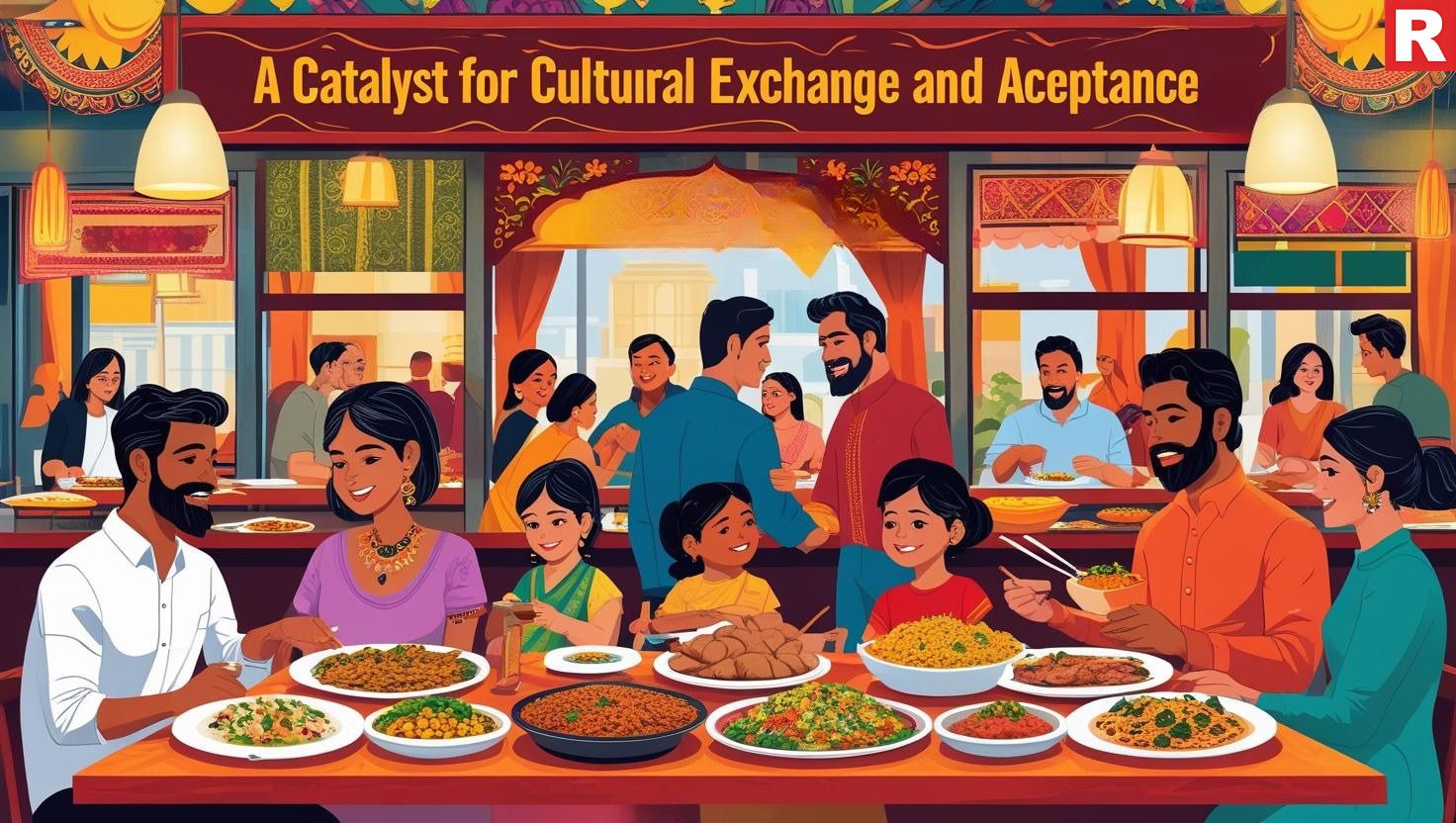
- Informal Centers for Exchange: Since sampling foods from throughout the world frequently draws interest in the cultures that produce them, restaurants have evolved into unofficial hubs for cross-cultural interaction.
- Taking Down Barriers: Being exposed to a variety of cuisines and dining traditions promotes a more international perspective and aids in the removal of cultural barriers.
- Expanding Cultural Acceptability: One sign of this expanding cultural acceptability is the rising appeal of specialized culinary events and international food festivals.
10. The Changing Role of Women in Society
- Professional Culinary Avenues: Women can now follow their cooking passions professionally, surpassing their traditional household role, thanks to the expansion of the restaurant business.
- Economic Independence: The sector gives women new chances to advance their careers and achieve financial independence.
- Enhancing the Culinary Scene: As more women take up leadership roles and run restaurants, they are challenging gender stereotypes and contributing a variety of skills and viewpoints to the culinary scene.
Read this: GST Registration for A Restaurant Business: How It Works
Conclusion
Without a doubt, the restaurant business has become an essential component of Indian culture, especially in cities. Beyond merely supplying food, it is now an essential component of economic activity, cultural interchange, social connection, and the adjustment to contemporary values and lifestyles. One mouthwatering dish at a time, restaurants have transformed the way Indians live, connect, and experience their world through everything from family get-togethers to professional meetings, from discovering international cuisines to embracing convenience. Without a question, the thriving restaurant scene will continue to have a big influence on how its citizens live as it develops and grows.
Mahak Sharma
Content Writer
Mahak Sharma is a passionate content writer with 2 years of experience crafting compelling content across various niches, tailoring her writing to suit different audiences and platforms. She is dedicated to producing engaging content for readers so that they can understand and enjoy the articles. Her strengths lie in crafting SEO-friendly, well-structured articles that drive visibility and engagement.