10 Tibetan Dishes That Will Warm Your Soul
Often called “Roof of the World,” the Tibetan people survive in a high-altitude environment. This has led to the creation of a cuisine that is simple, sustainable, and still heartwarming. So, forget any fleeting flavors, Tibetan food is designed to be adaptable.

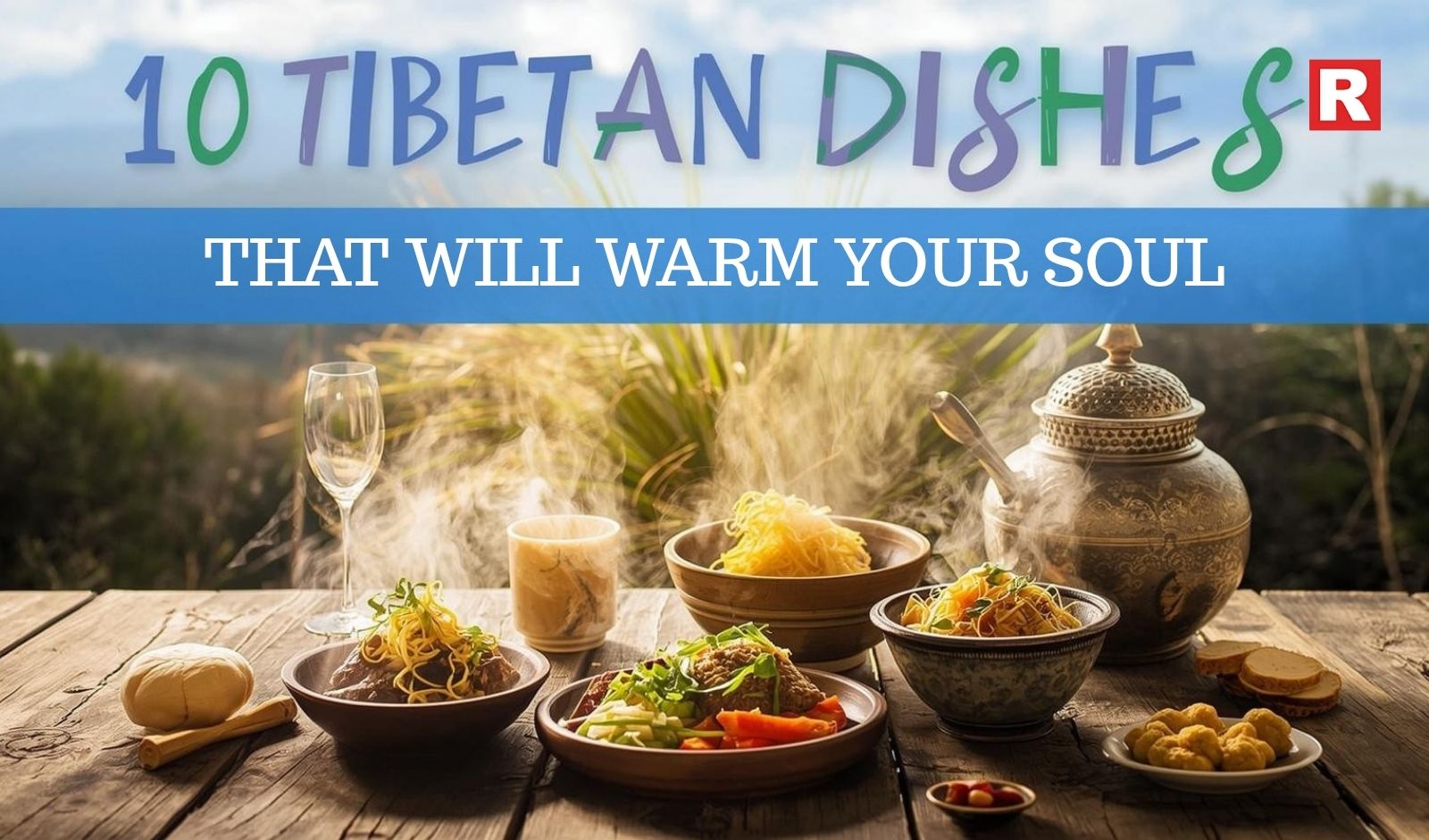
One of the most geographically and climatically challenging regions of the world, Tibet, is a place with food that will warm your heart completely. Often called “Roof of the World,” the Tibetan people survive in a high-altitude environment. This has led to the creation of a cuisine that is simple, sustainable, and still heartwarming. So, forget any fleeting flavors, Tibetan food is designed to be adaptable.
Tibetan cuisine is not something with exotic spices or complex preparations, but it surely has the top three elements of its homeland: barley, yak meat, and dairy. Every dish here has a more important purpose than just fulfilling your taste buds. The food here is made to fuel your body against the bone-chilling cold and to offer a deep comfort that can truly warm your soul.
If you want to visit Tibet and gain a deep understanding of its culture, then you definitely need to try its authentic cuisine. This article serves as a guide, introducing 10 Tibetan dishes that can be found here. So, prepare to go on a journey where every bite you take will give you a taste of Tibet.
Read more: 10 Authentic French Cuisine Dishes You Must Try
Main Ingredients of Tibetan Cuisine
Tibetan cuisine stands out because of the ingredients' ability to withstand the harsh, high-altitude climate of the plateau. There are three key ingredients used heavily in Tibetan cuisine:
- Highland Barley (Yarlung Tsampa): The ultimate staple of Tibetan Cuisine is Highland Barley (Yarlung Tsampa). It is the foundation of the diet, roasted and ground into a flour known as Tsampa, which provides long-lasting energy and is frequently consumed with butter tea.
- Yak and Mutton: Meat is a crucial source of calories and protein because agriculture is limited. The most popular meat is yak meat (which is chewy and lean). It is also used in stews, soups (Thukpa), and dumplings (Momos).
- Dairy (Yak Cheese and Butter): The female yak (dri) is an essential source of milk products. Dried curds (chhurpi) serve as a tough, durable protein source, and yak butter is added to the classic salty Po Cha (Butter Tea) for warmth and vitality.
The 10 Tibetan Dishes You Need to Try
1. Thukpa
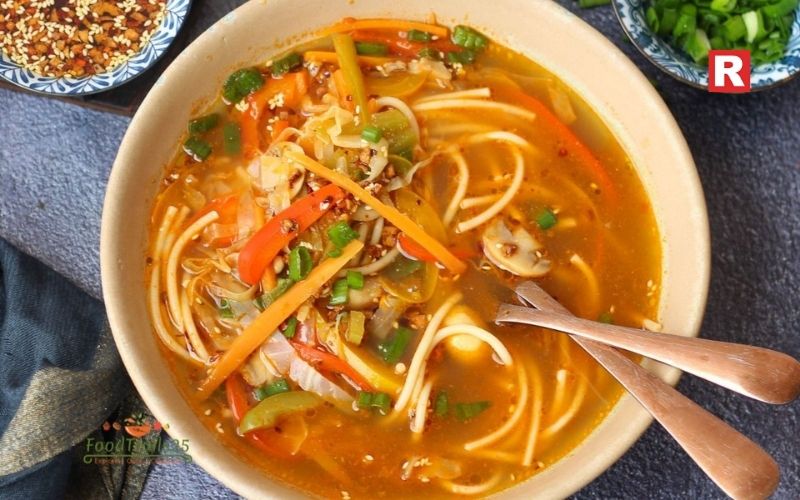
The foundational term for Tibetan noodle soup is Thukpa. It is the highest state of comfort and can be found in every home, teahouse, and monastery.
What Makes Thukpa Soul-Warming: The dish is known for its flavorful, light, slow-cooked bone broth, which is typically made from yak or mutton. It contains shredded meat and simple, high-altitude vegetables like radish, cabbage, and occasionally spinach.
Cultural Significance: It represents the region's warmth and nourishment since it is a full meal in a single bowl. It serves as a vital barrier against the cold and is frequently the first and last meal of the day.
2. Thenthuk
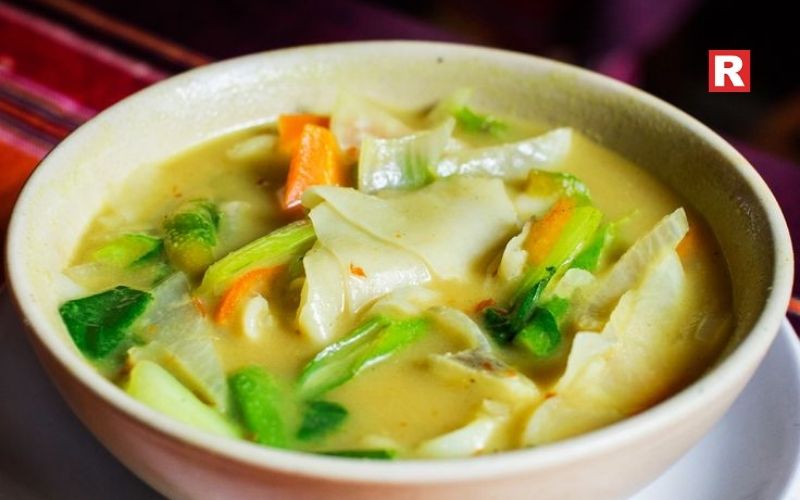
Thenthuk is a noodle soup made with hand-pulled noodles, unlike Thupka, where the noodles are pre-made.
What Makes it Unique: The noodles steal the show. Thenthuk uses flat, hand-pulled or hand-ripped pieces of dough that are dropped straight into the simmering broth, as opposed to the round, expanded noodles of basic Thukpa. As a result, the noodles have a deliciously chewy, uneven texture.
The Experience: Creating Thenthuk is frequently a group activity that strengthens ties within the family. Because it provides a heavier, more filling meal during the bitterest winter months, its thick broth and chewy texture make it especially popular.
Know more: A Close Look at Goa's Diverse Cuisine
3. Mokthuk
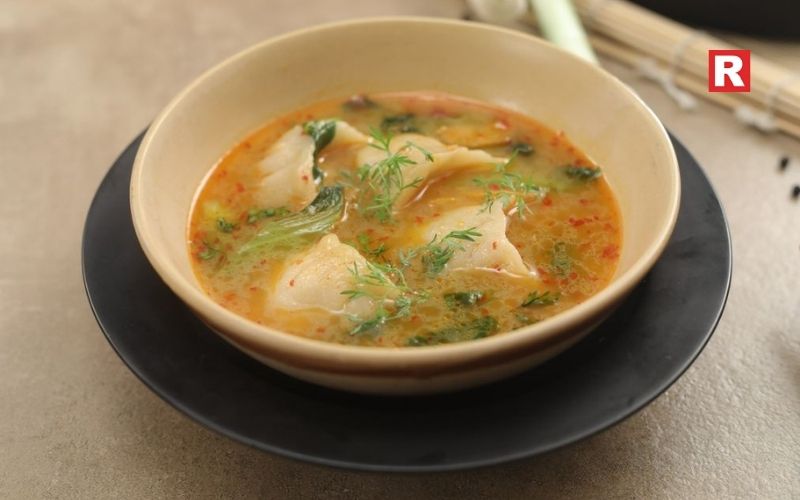
Momos and thukpa, the two most popular dishes in the area, are skillfully combined to create mokthuk.
What Makes It a Fusion: This dish consists of smaller momos (dumplings), also known as tsi-tsi momos, that are immersed in a flavorful, transparent soup broth.
Best for the Soul: It combines the warming, rehydrating properties of the broth with the rich, meaty satisfaction of momos. It's a great, well-balanced lunch or dinner because it's lighter than consuming an entire plate of steamed momos.
4. Momo
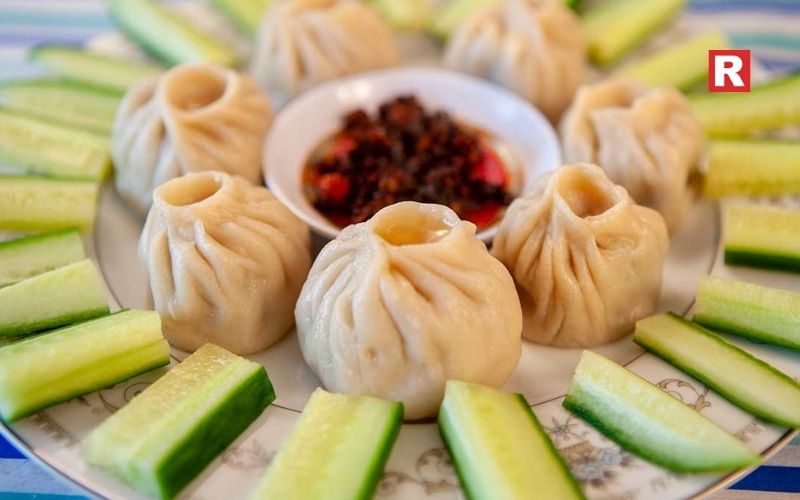
Momo is the most well-known Tibetan export and a genuine representation of Himalayan cuisine.
The Perfect Filling: While seasoned yak or mutton is the traditional filling, modern versions frequently use beef, chicken, or a strong vegetable mixture (such as cilantro, onion, and cabbage). The main feature of these momo is the meat juice that is released during the steaming process.
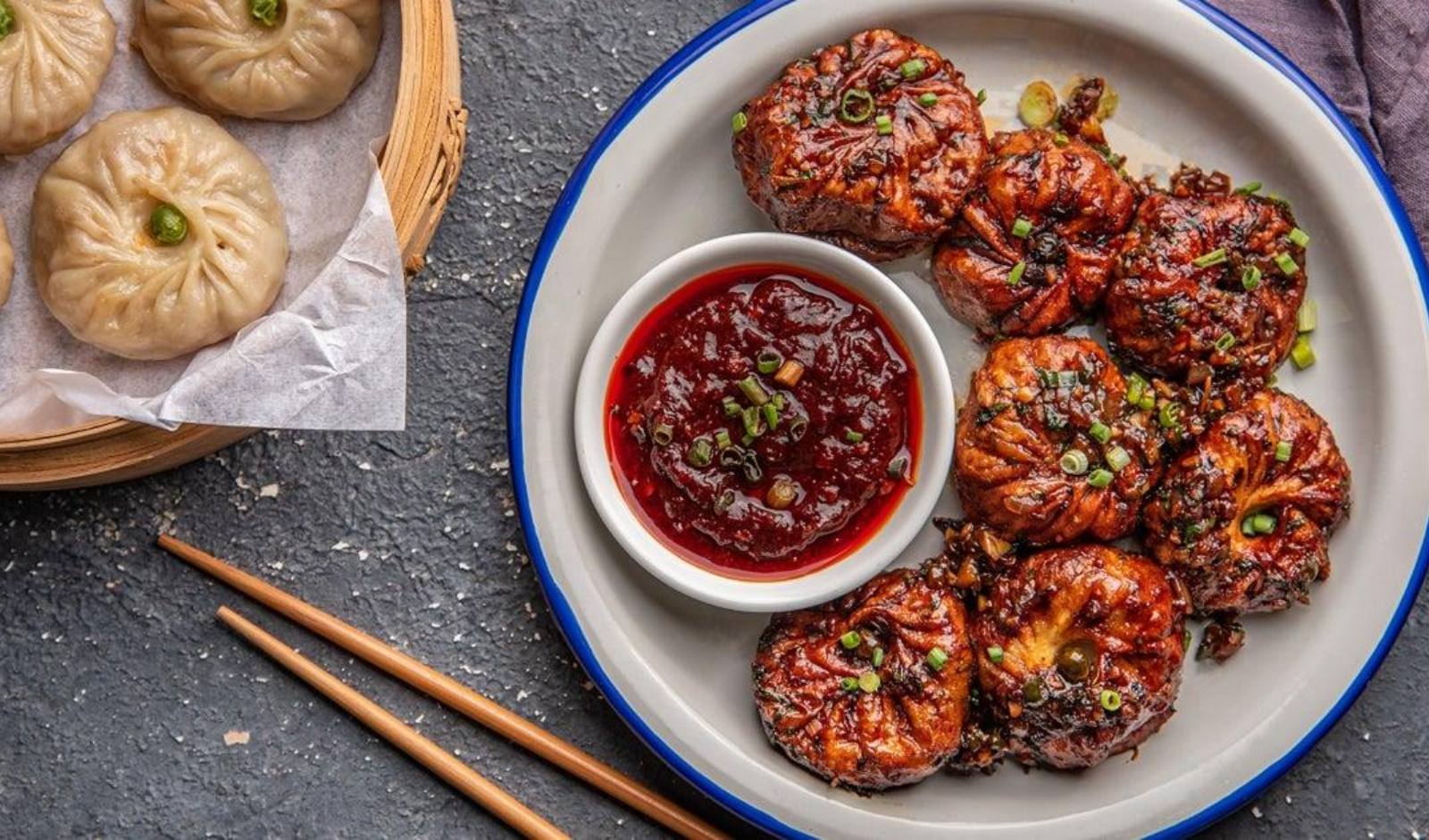
Serving and Sauce: Although steamed momo are the most popular, fried (Kothey or C-Momo), and souped (Mokthuk) varieties are also well-liked. Sepen, a spicy, vibrant red tomato-chili dipping sauce, is always served with them.
Cultural Connection: Families get together to fold hundreds of dumplings for feasts and festivities, which makes preparing momo a social occasion.
5. Sha Phaley (Shabhaley)
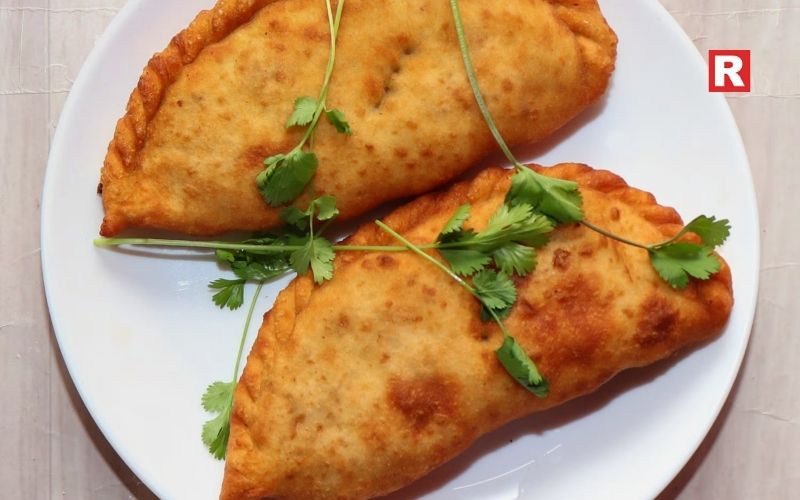
Sha Phaley is a tasty fried pastry which directly translates to "meat bread".
The Comfort Factor: A round or semi-circular dough pocket is filled with a savory, minced meat filling (typically beef or mutton combined with onions and cabbage) and deep-fried or pan-fried until crispy and golden brown.
Why It Warms the Soul: It offers a satisfying balance between a hot, juicy, and savory interior and a crispy, slightly chewy exterior. Often served for lunch, it is a perfect portable snack or meal.
What's new: 10 Famous Non-Vegetarian Dishes of Lucknow That Define Royal Awadhi Cuisine
6. Tsampa
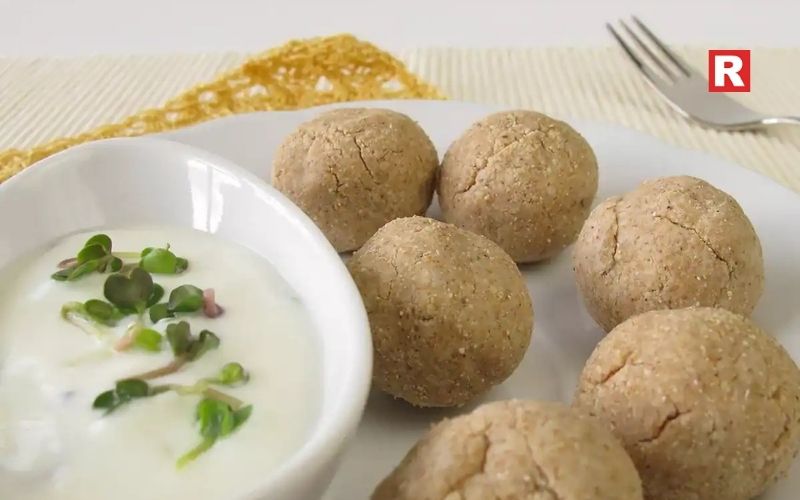
Perhaps the most important dish in the Tibetan diet is Tsampa, which represents their close connection to the land and tenacity.
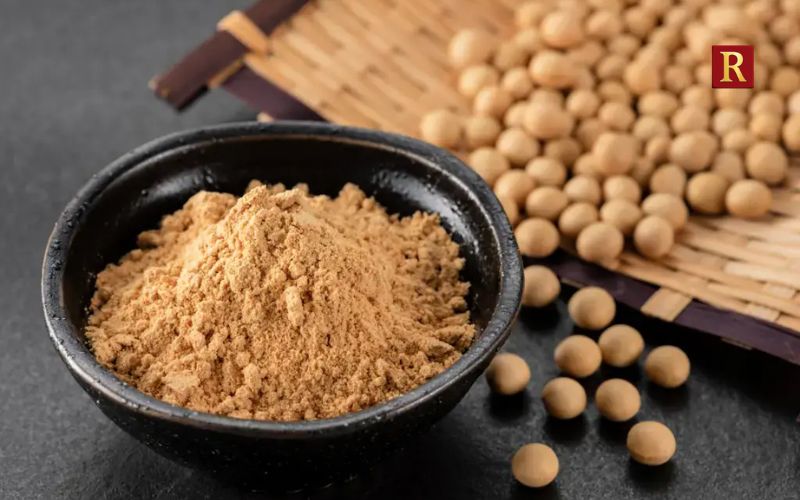
Tsampa: It is a type of flour made from roasted highland barley. It is the most convenient food for travelers and nomads because it doesn't need to be cooked, since it has already been roasted.
How to Eat It: Traditionally, a wooden bowl is used to manually combine a pinch of tsampa, a few spoonfuls of butter tea, and crumbled dry cheese (Chhurpi). The dough ball, known as Pa, is created by kneading the mixture and is later consumed. A filling, high-energy, and incredibly portable meal can be made with this easy preparation method.
Cultural Connection: Tsampa has great importance in Buddhism and is frequently thrown into the air as a good-luck gesture during Buddhist ceremonies and rituals.
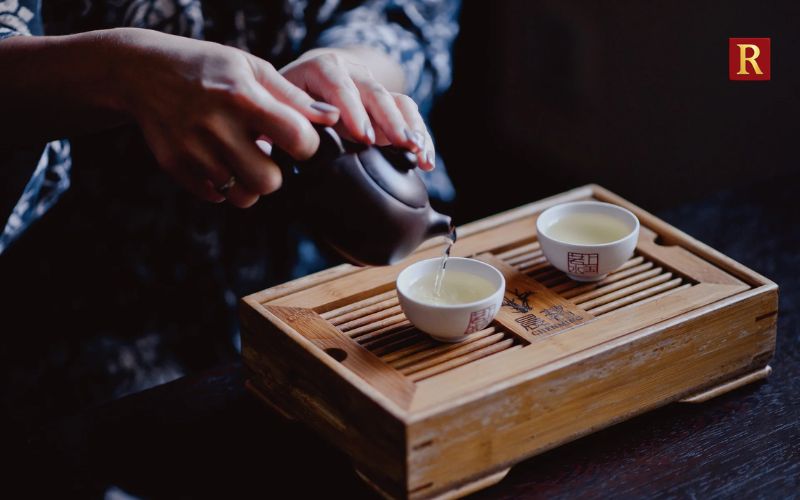
7. Butter Tea (Po Cha)
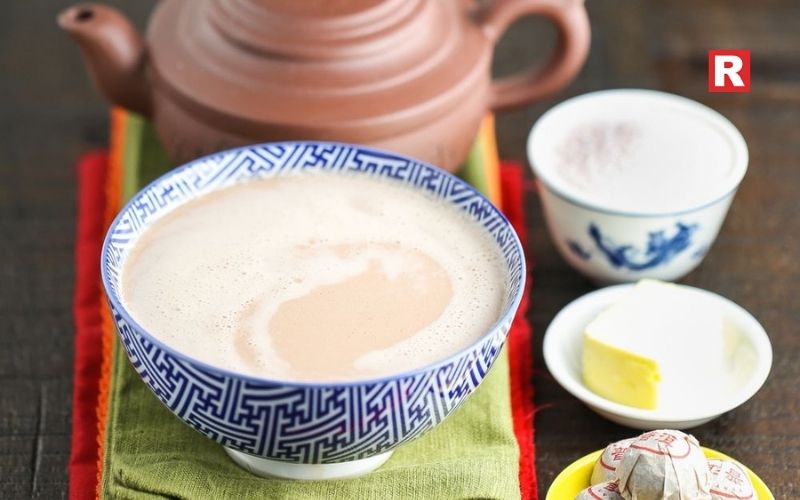
Po Cha is more than just a drink; it's a vital source of nutrients for survival in high-altitude areas.
The Unique Blend: It is a unique blend of salt, yak butter, and brick tea (boiled for hours to produce a powerful extract called chaku), all of which are churned in a wooden churn called chandong. In modern times, a food processor can be used for the churning process.
Why it's a Soul Warmer: Yak butter gives the body a huge boost in calories and fat, which is essential for insulation and long-lasting energy. In the severe weather of the area, the fat also helps avoid dry lips and cracked lips. It is a regular, calming companion that is always served hot.
Customs of Hospitality: When a guest is served Po Cha, the host regularly refills the bowl after each sip to guarantee the guest's cup is never empty as a custom of hospitality.
8. Shabta
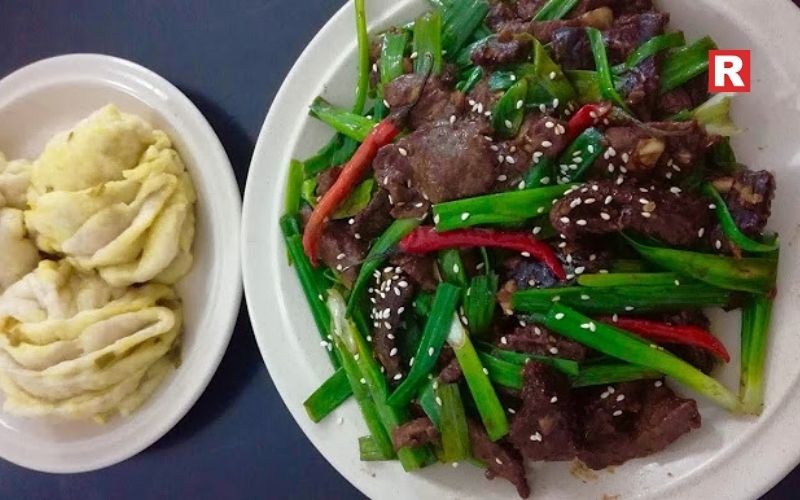
Shabta is a tasty and vibrant stir-fry that serves as a refreshing substitute for soup.
The Flavor Profile: It consists of thin marinated meat slices (yak or mutton) stir-fried with tomatoes, bell peppers, onions, and a lot of fresh green chilies.
Pairing: Tingmo's (steamed bread) bland, fluffy texture is the ideal match for Shabta's richness and spice. It's a simple yet powerful dish that showcases the Tibetan use of flavorings like garlic and ginger.
9. Tingmo
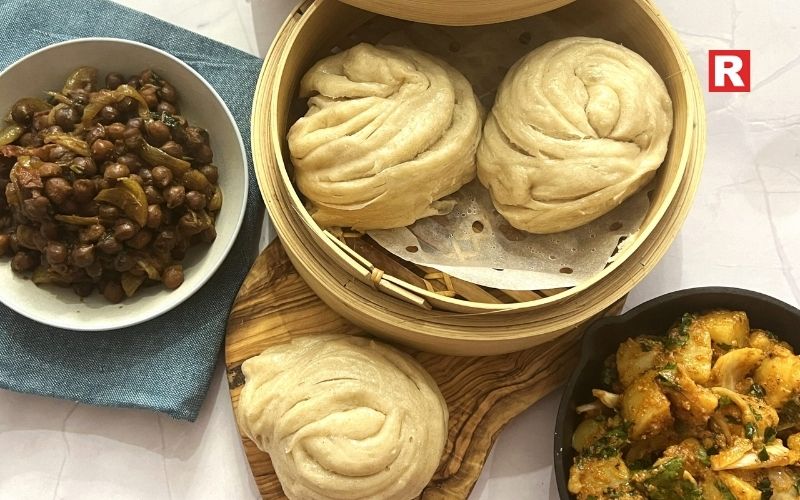
Almost all meat and curry dishes are served with Tingmo, the traditional Tibetan steamed bread.
Simplicity and Function: These are simple, yeast-based steamed buns that have been twisted into beautiful, folded shapes. They are very light and airy and have a hint of sweetness.
How It Warms the Soul: They are intended to be consumed hot, right out of the steamer. To ensure that no flavor is wasted, their fluffy texture is ideal for soaking up the leftover sauces and broths from curries, stews, and Shabta.
Check out: The 7 FSSAI-Approved Food Colors for Indian Restaurants & Caterers
Thai Food: 8 Thai Cuisine Dishes You Shouldn’t Miss
10. Khapse
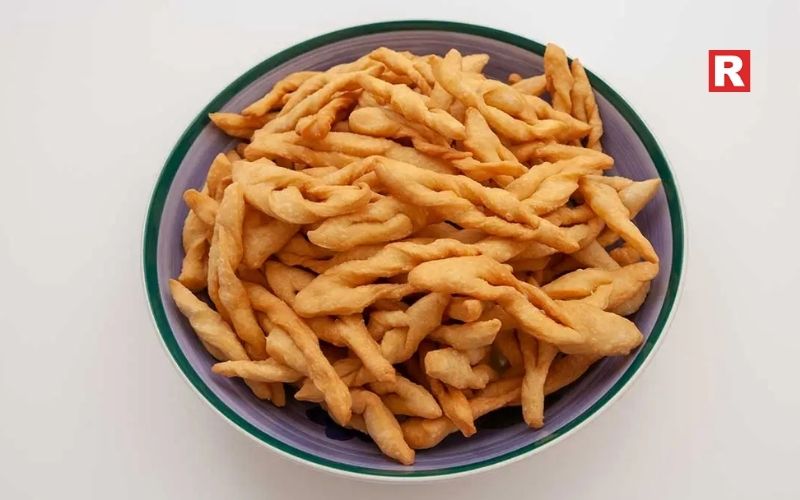
Traditionally made for celebrating the Tibetan New Year (Losar), Khapse are exquisite, elaborate cookies.
Look and Feel: Made of flour, butter, sugar, and eggs, these biscuits are twisted, ribbon-like, and deep-fried. They vary from basic ribbon twists to enormous, complicated geometric formations called Bungug (donkey ears).
Symbolism: Despite being a sugary treat, their presence represents wealth and good fortune for the upcoming year. They symbolize a time of happiness and community well-being and are widely distributed among family and friends throughout the multi-day Losar celebrations.
The Warmth of Tibetan Cuisine
The warmth found in Tibetan food, which is provided by both heat and vital nutrients, is a survival tactic against the Himalayan cold. This focus on deep, lasting warmth is reflected in its key characteristics:
- Calorie-Dense Staples: The primary food sources are made to provide long-lasting energy. In Po Cha (Butter Tea), yak butter supplies essential fats for insulation and instant warmth.
- Thick Broths: Slow-simmered bone broths (mutton or yak) are served hot in soups like Thukpa and Thenthuk, which hydrate and thaw the body from the inside out.
- Roasted barley (Tsampa): When eaten as a firm dough (Pa), this grain is easily digested and serves as a slow-burning fuel source that maintains a high level of energy in an environment with low oxygen levels.
- Steamed Dough: Steaming preserves moisture and heat in foods like tingmo and momos. They provide hearty, satisfying nourishment and are served hot and fresh.
- Simple Spice Heat: The dishes use warming aromatics like ginger, garlic, and onions in meat dishes and stews to create internal warmth, but the flavor isn't very spicy.
Learn more: 10 Best Street Foods of Mumbai, Maharashtra: Where Every Bite Tells a Story
A Taste of the Pleatues
The extensive dishes of Tibet show that it is more than just a menu; it is a philosophy of the people. It shows how food dishes can be resourceful and nutritious in a place where food is scarce. Every dish, whether it is Po Cha, Tsampa, or Shabta, is engineered to nourish and fill the people.
The plateaus, mountains, and lives of people, along with this extensive menu, will give you a taste of life that you can never find in the busy life of cities. So next time you are tired of your busy city life and want an experience to fulfill your soul, then visit Tibet. Or you can also try making these dishes in the comfort of your home. Whichever it is, you’ll definitely feel warmth from the food.
Mahak Sharma
Content Writer
Mahak Sharma is a passionate content writer with 2 years of experience crafting compelling content across various niches, tailoring her writing to suit different audiences and platforms. She is dedicated to producing engaging content for readers so that they can understand and enjoy the articles. Her strengths lie in crafting SEO-friendly, well-structured articles that drive visibility and engagement.