
10 Restaurant Marketing Ideas That Are Wasting Your Money
Every rupee spent on marketing must yield a measurable return in the fiercely competitive Indian food and beverage sector. However, many restaurateurs, from a tiny cafe to a huge fine-dining restaurant in a big city, fall into the trap of using marketing techniques that actively deplete their cash flow in addition to being ineffectual.

Every rupee spent on marketing must yield a measurable return in the fiercely competitive Indian food and beverage sector. However, many restaurateurs, from a tiny cafe to a huge fine-dining restaurant in a big city, fall into the trap of using marketing techniques that actively deplete their cash flow in addition to being ineffectual. On the surface, these tactics frequently appear to be the proper thing to do, but a closer examination shows they are just expensive diversions.
This detailed article will highlight ten typical restaurant marketing strategies that are ineffective and offer practical, affordable solutions that are suited to the Indian market. We will assist you in locating your business's marketing leaks and redirect your funds to strategies that increase sales, foster true client loyalty, and guarantee continuous profitability.
Read more: The Boom of Quick Dining in Modern Cities
1. Excessive Reliance on Aggregator Discounts (Zomato & Swiggy)
The Problem: There is no denying the temptation of a speedy sale on websites like Zomato and Swiggy. However, relying too much on deep discounts (such 50% off or buy one, get one free) might be disastrous for your finances. When combined with steep discounts, these sites' high commissions have the potential to transform a profitable order into a loss. Additionally, this tactic draws in "discount hunters" who aren't committed to a brand and will go to the next restaurant that offers a better bargain. In short, you are teaching your customers that they should never purchase your meal at full price.
The Solution: Instead of using these platforms as your main marketing tool, use them strategically. Offer special combination meals or loyalty points for regular orders in place of major discounts. Converting these customers into direct, loyal customers should be your priority. With each delivery order, include a tiny card with a great offer for their next direct order from your phone number or website. Instead of competing solely on price, concentrate on presenting your own unique value proposition.
2. Generic, Un-Targeted Social Media Advertising
The Problem: It would be like throwing a handful of biryani into a crowd and praying it lands on the right person if you were to invest money in a broad social media advertising campaign without first identifying your target audience. It is a huge waste to display advertisements to every Facebook user if you are a premium dessert shop. You are spending money on views and clicks from consumers who aren't interested in your offering.
The Solution: Ads on social media should be used with extreme care. Facebook, Instagram, and other platforms allow highly targeted advertising. Users can be targeted according to their location (for example, within 5 km of your business), hobbies (for example, "foodie," "fine dining," or "coffee lover"), age, and even actions (for example, often traveling or liking competitor pages). This maximizes your return on ad expenditure by guaranteeing that your advertising is viewed by the individuals who are most likely to become customers.
Know more: Top Mood-Boosting Foods That Make You Happy
3. Paying for Fake Reviews and Bot Followers
The Problem: Given the intense competition on Zomato, Swiggy, and Google Reviews, there is a huge temptation to purchase 5-star reviews or thousands of fake followers. But this is a risky and shortsighted strategy. Consumers are growing more skilled at identifying fake reviews, such as when there is an unexpected spike in 5-star ratings with generic remarks. Additionally, having a large number of followers but no interaction (likes, comments, or shares) makes you appear extremely suspicious and reduces your credibility.
The Solution: Gain followers and reviews naturally. Concentrate on providing a remarkable eating experience. After a delicious meal, teach your employees how to courteously request reviews. To demonstrate that your brand is active and reliable, reply to all reviews, both favorable and unfavorable. Genuine reviews—even ones that include both constructive and positive criticism—create a lot more trust than a series of fake 5-star ratings.
What's new: How to Make a Failing Restaurant Successful Again
4. Lavish Print Ads in Local Newspapers
The Problem: In India's increasingly digital society, placing pricey print advertisements in local newspapers is frequently an outdated and unproductive strategy. The demise of print media is a worldwide problem. You have no method to gauge the ad's efficiency or return on investment (ROI), and the reach and engagement are both extremely low. It's a "spray and pray" strategy that offers less responsibility.
The Solution: Redirecting this budget to digital alternatives is the answer. Make a specialized digital marketing investment. Establish a powerful Google My Business profile, which functions as a free online billboard. To promote your business, work with regional digital news sources or run targeted social media advertisements. These techniques have a far wider audience and, most importantly, let you monitor your progress.
5. Overspending on Interior Design Without a USP
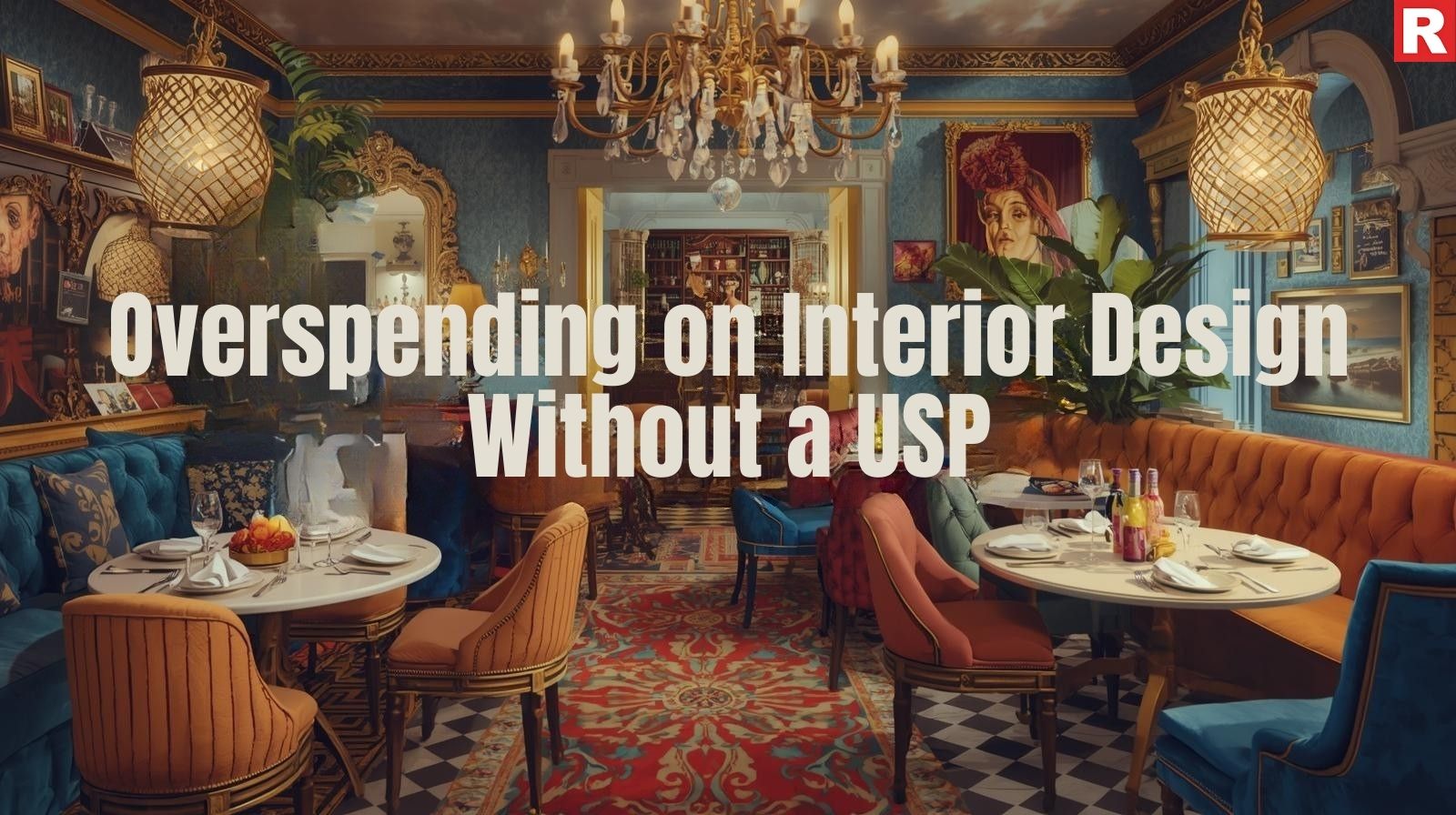
The Problem: It's frequently believed that a fancy, pricey interior design is merely a marketing tactic. Even though creating a visually appealing atmosphere is crucial, investing crores in décor without a strong marketing strategy or unique selling proposition (USP) is a guaranteed way to fail. Customers may come out of curiosity, but they won't come again if the food and service aren't good.
The Solution: Instead of overpowering your concept, your interior should enhance it. If you are a specialty restaurant, it should be reflected in its decor. A restaurant that serves real Rajasthani food, for instance, ought to have décor that evokes the location and culture. Instead of just spending a lot of money, the emphasis should be on establishing a cozy, tidy, and distinctive atmosphere that complements the overall brand story.
6. Ignoring Your Google My Business Profile
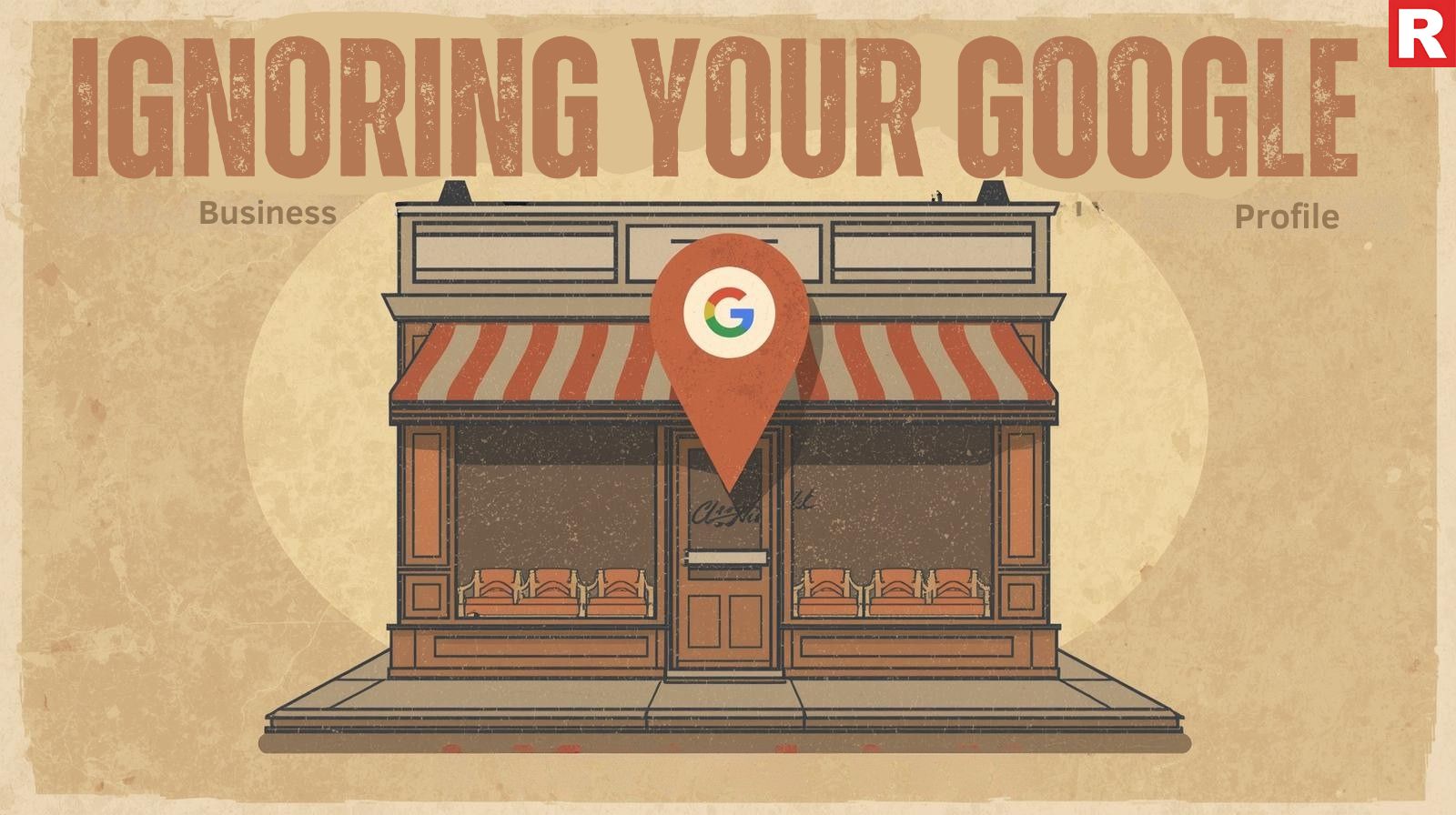
The Problem: This is one of the most common mistakes, and since it's a totally free marketing tool, it isn't very pleasant. Claiming and optimizing their Google My Business (GMB) profile is something that many restaurateurs overlook. You are invisible when a potential consumer looks for "restaurants near me" on Google Maps if your GMB profile is not optimized. A profile is a lost opportunity if it lacks a menu, accurate hours, and updated images.
The Solution: The answer is to enhance your GMB profile and claim it completely. Add expertly taken, high-quality pictures of your food and interior. Update your hours, particularly around the holidays. Share daily events or specials using the "Posts" feature. Customers should be encouraged to write reviews, and each one should be answered. GMB frequently serves as a new customer's initial point of contact, and a properly maintained profile can be your most powerful marketing tool.
7. Hiring a Full-Time Marketing Team Too Early
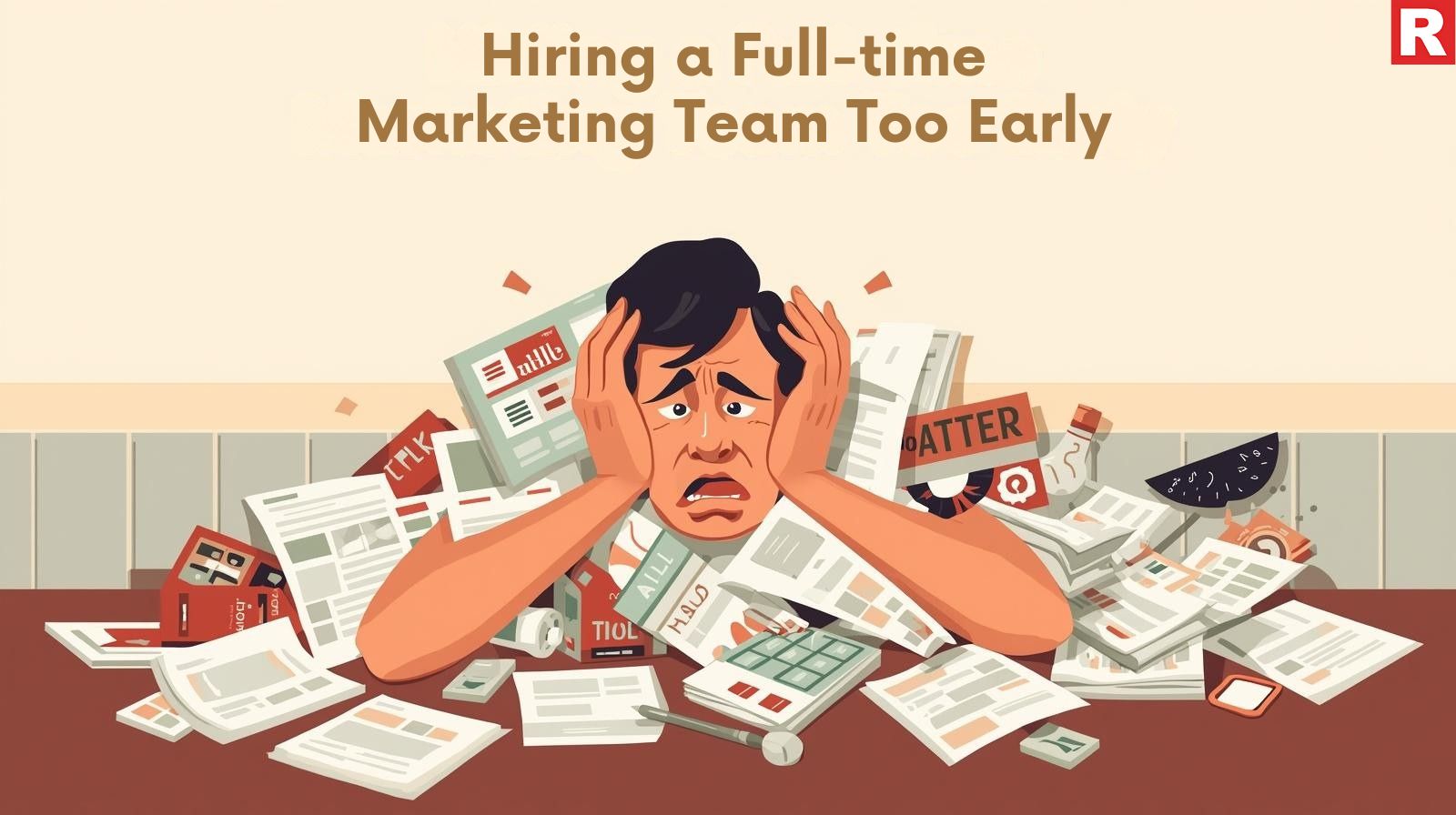
The Problem: Employing a full-time, in-house marketing team is sometimes an unnecessary and costly luxury for small or medium-sized restaurants. Their overhead expenses and salaries can significantly deplete your cash flow, particularly if your company is still in its early stages or you lack specific marketing objectives.
The Solution: The answer is to hire a freelancing expert or a small, reasonably priced organization that handles marketing on a project-by-project basis. Without the commitment of a full-time income, these experts can assist with paid advertising campaigns, website SEO, and a focused social media strategy. As your company expands and your marketing requirements increase in complexity, you may want to think about hiring an inside staff member.
Check out: Coca-Cola India posts double digit growth in Q1
8. Relying on "Loud" Banners and Street Flyers
The Problem: A loud banner or advertisement shoved into a car's windshield is frequently ignored or, worse, viewed as an annoyance in today's overcrowded urban environment. These traditional methods of advertising are nearly impossible to monitor and offer a very poor return on investment. You have no idea how many flyers ended up in the trash can or how many people noticed your banner.
The Solution: Change the word "loud" to "smart." Make use of targeted digital advertisements that showcase your menu and atmosphere. Work together to provide cross-promotions with nearby companies. For instance, a cafe and a local yoga studio could collaborate to provide members with a discount. This creates a community and guarantees that the right people hear your message.
9. Ignoring Customer Data and Analytics
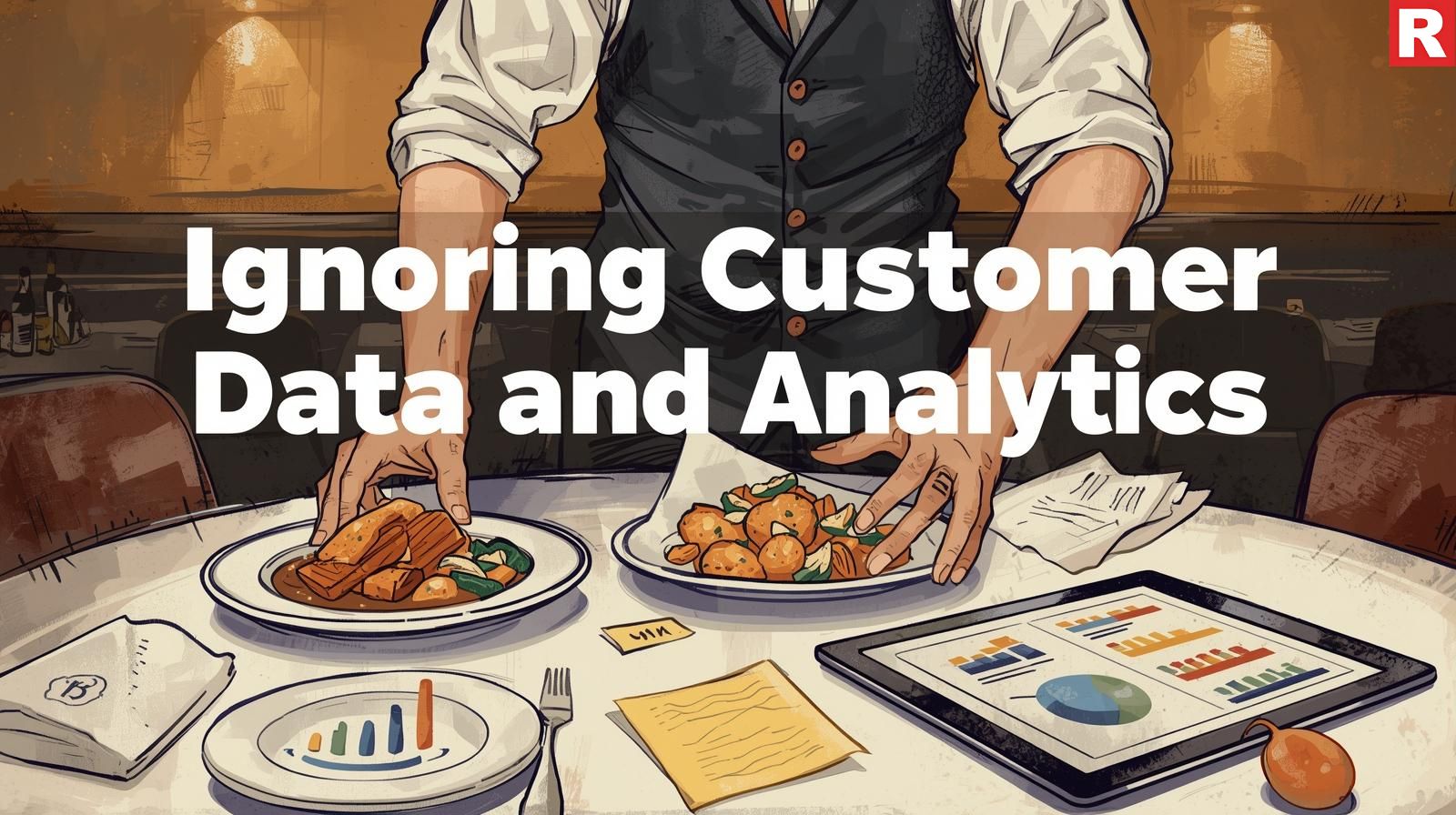
The Problem: Despite having advanced Point of Sale (POS) systems that gather a lot of data, plenty of restaurants do not make use of it. They are unaware of the best-selling foods, the busiest periods, or the most successful campaigns. All marketing decisions are made based on intuition and speculation in the absence of this data.
The Solution: Examine your POS data on a regular basis. Make use of this information to guide your marketing plan. For instance, launch a social media campaign to advertise your dessert menu if your point-of-sale data indicates that your sweets generate a lot of profit. Make data-driven decisions by using website and social media analytics to monitor the effectiveness of your efforts.
10. The delusion of "Build It and They Will Come"

The Problem: Of all the marketing rumors, this one is the most harmful. It's the idea that people will find you on their own if you simply build a restaurant with delicious food and a pleasant atmosphere. This is just incorrect in the crowded market of today. Even if you have the greatest food in town, your doors won't be filled if no one knows about it.
The Solution: Acknowledge that marketing is a continuous, vital aspect of your business's success and not a one-time occurrence. You should start developing your brand story, interacting with the community, and establishing an online and offline presence as soon as your concept is complete. To survive and grow, any business, regardless of how good it is, must actively sell itself.
Know this: Delight Foods raise second round of funding
Conclusion
Spending money sensibly, rather than excessively, is the secret to restaurant marketing success in India. You can free up important resources and put them toward initiatives that produce a definite, quantifiable result by recognizing and getting rid of inefficient marketing techniques. Prioritize creating a genuine brand, utilizing affordable digital tools, and, above all, delivering a memorable dining experience that makes each customer your greatest voice. Your success will ultimately be determined by the observable growth and loyalty you generate, not by the amount of money you spend on marketing.
Mahak Sharma
Content Writer
Mahak Sharma is a passionate content writer with 2 years of experience crafting compelling content across various niches, tailoring her writing to suit different audiences and platforms. She is dedicated to producing engaging content for readers so that they can understand and enjoy the articles. Her strengths lie in crafting SEO-friendly, well-structured articles that drive visibility and engagement.



































































