10 Reasons RTD Cocktails Are Finding a Place in Indian Bars
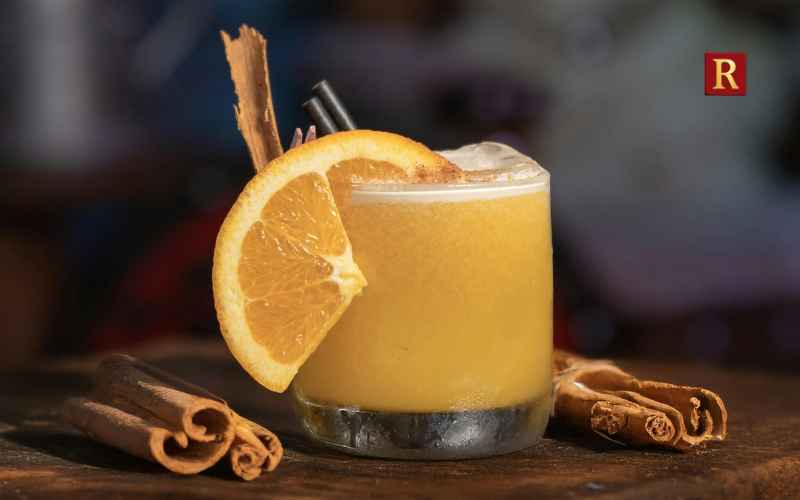
The cocktail may still reach the customer in a glass with ice and a garnish. The difference is that part of the cocktail-making process has moved from the bar counter to the production floor.

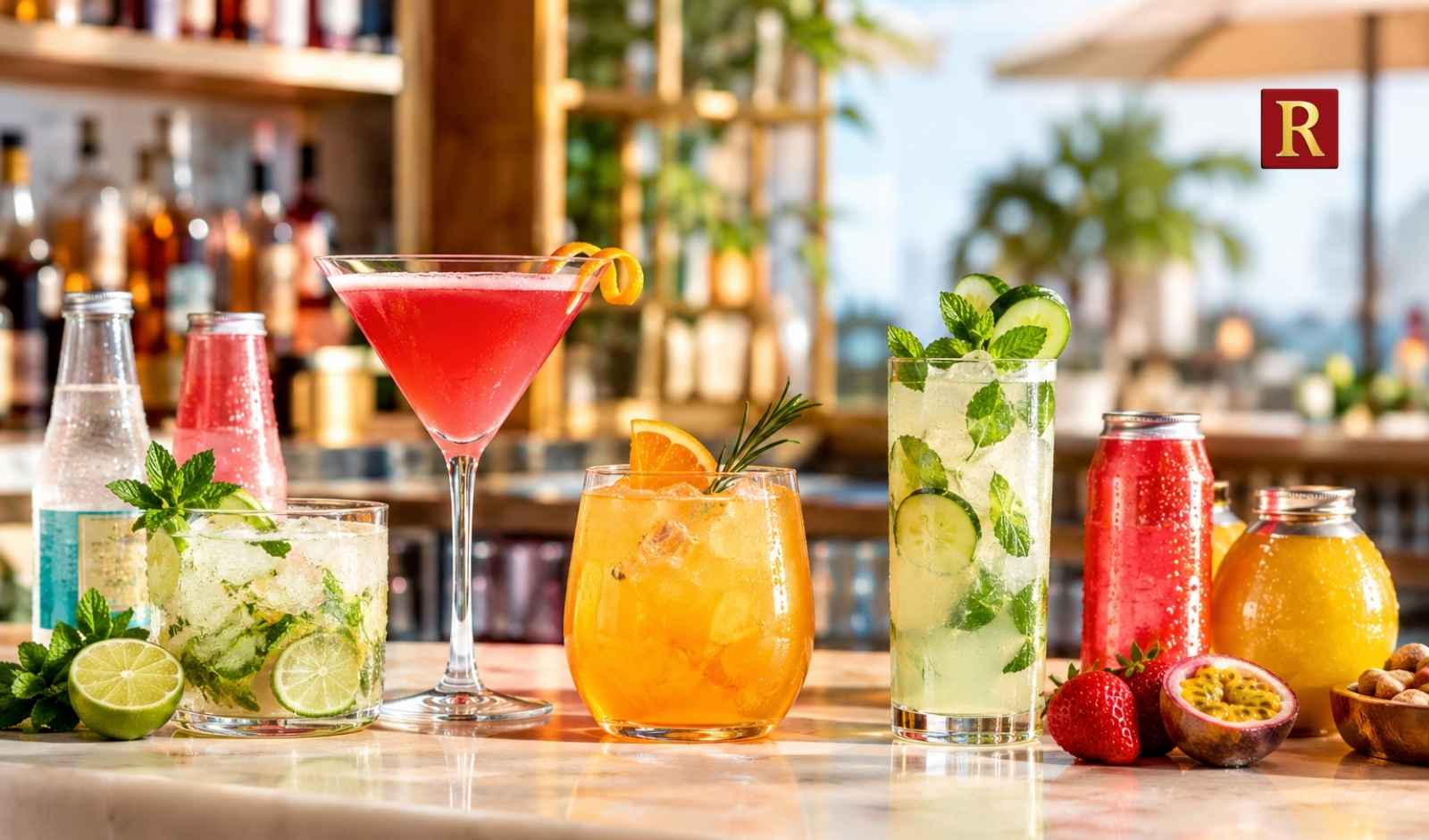
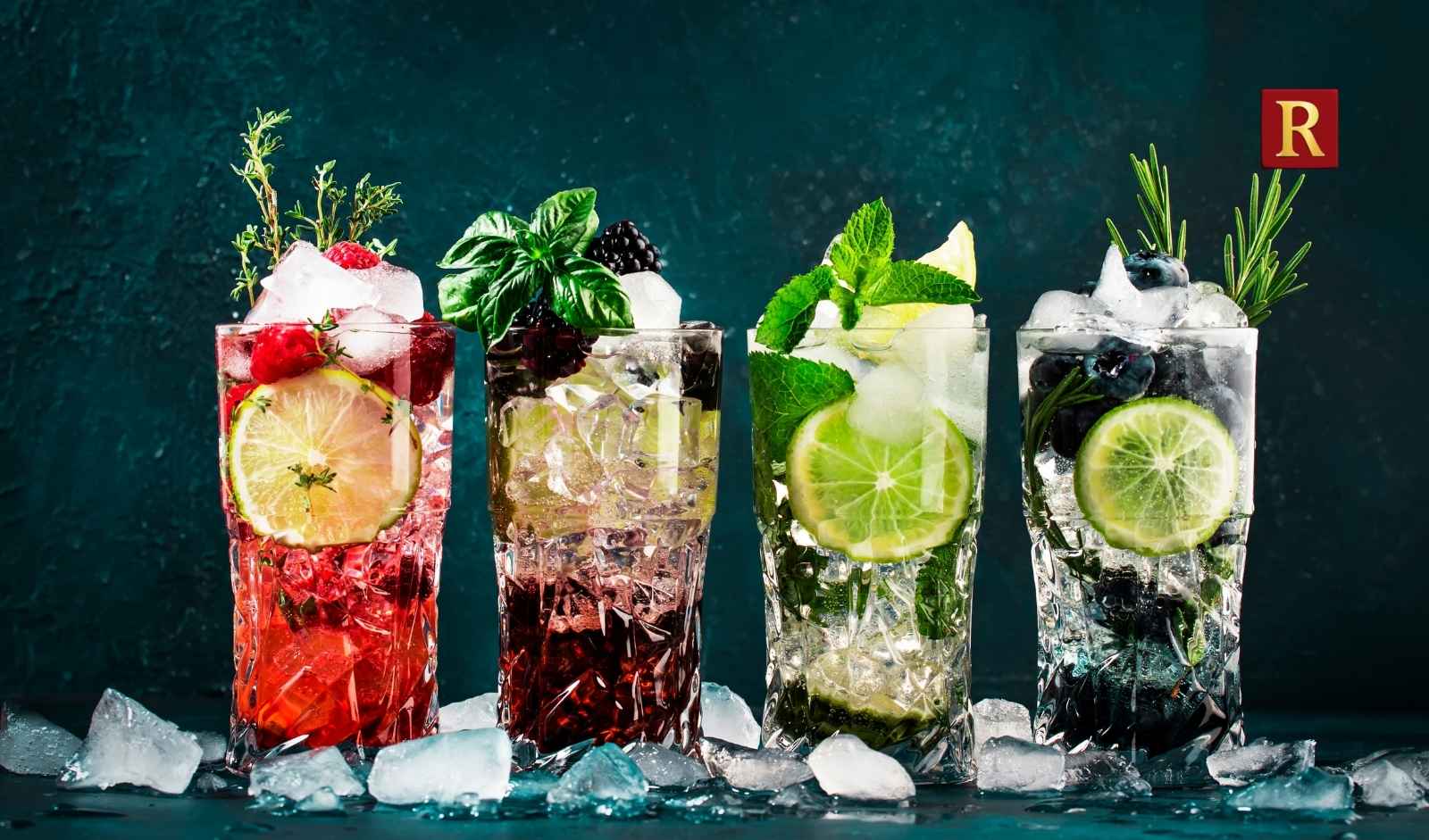
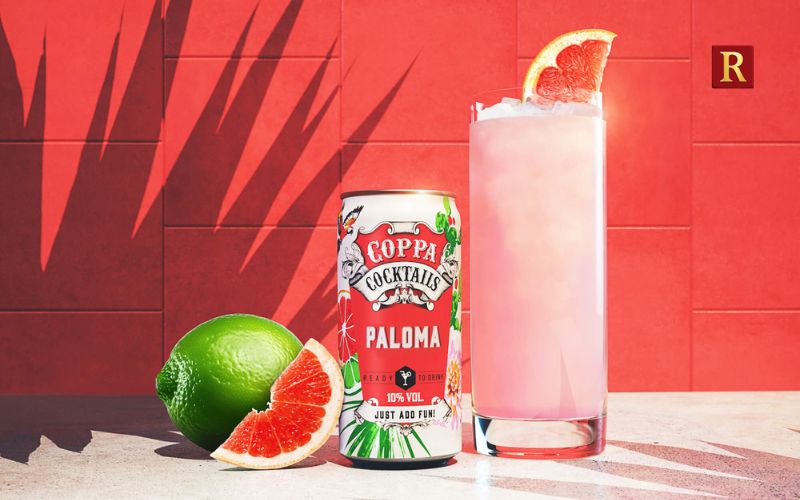
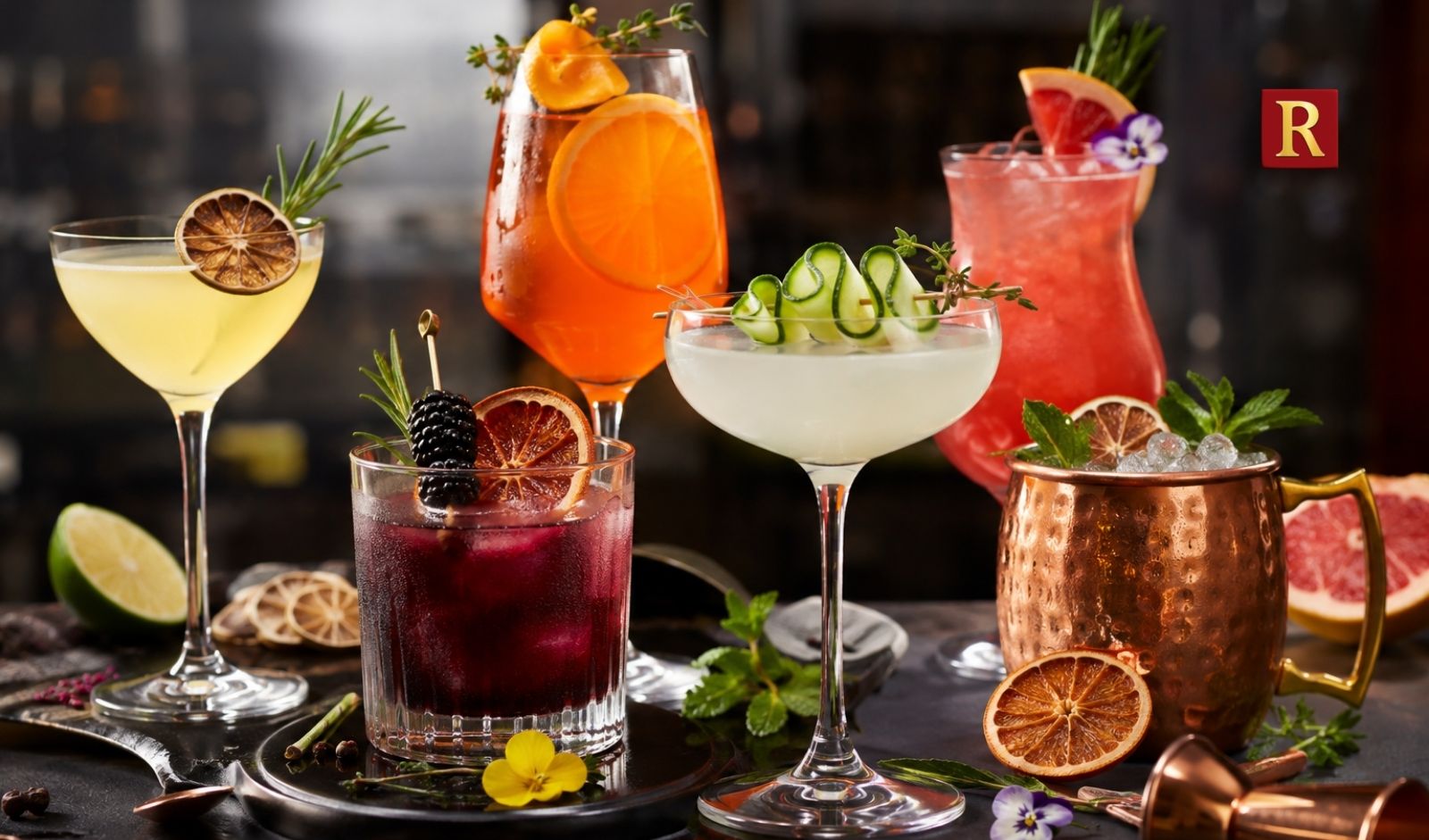
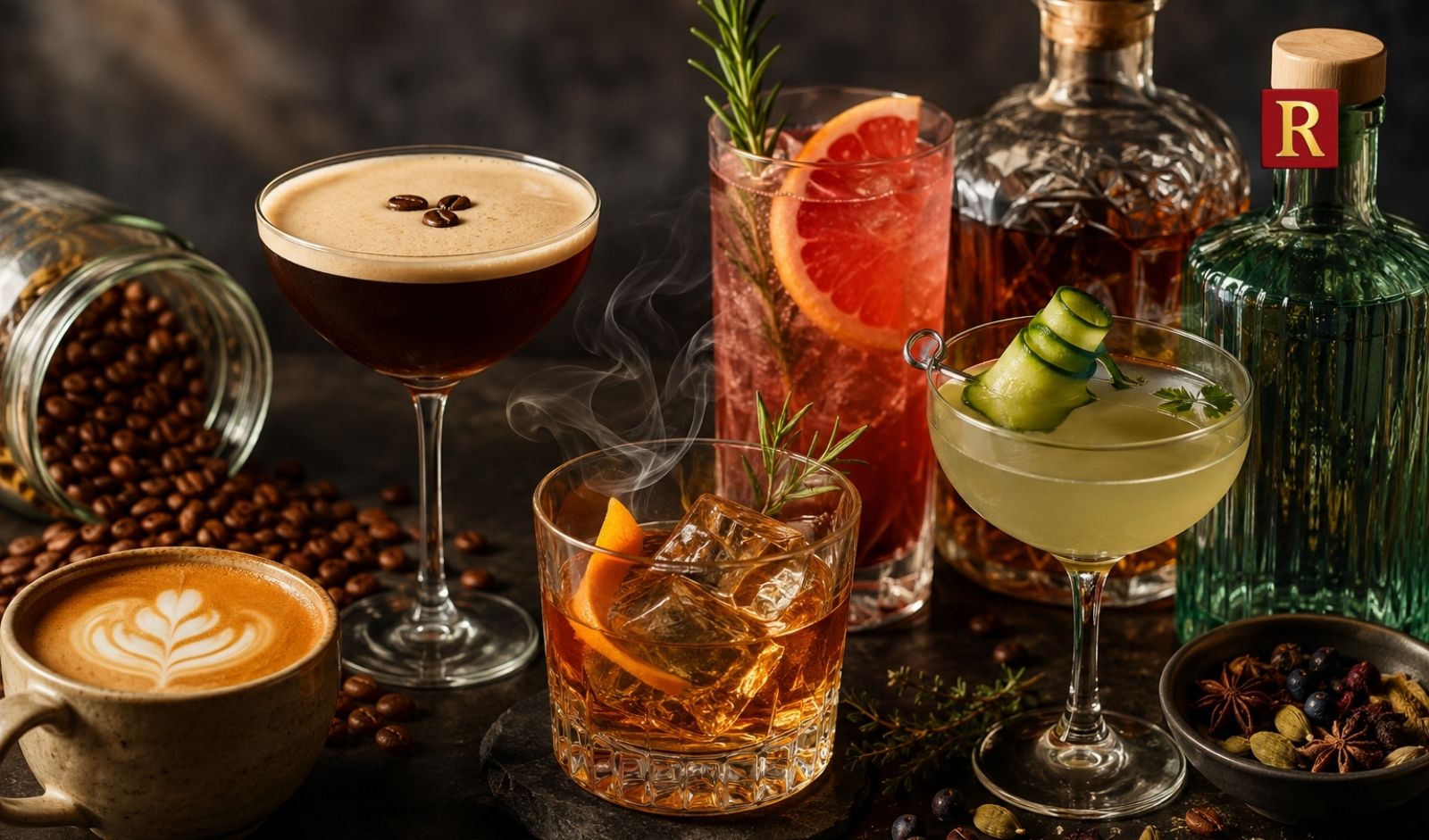
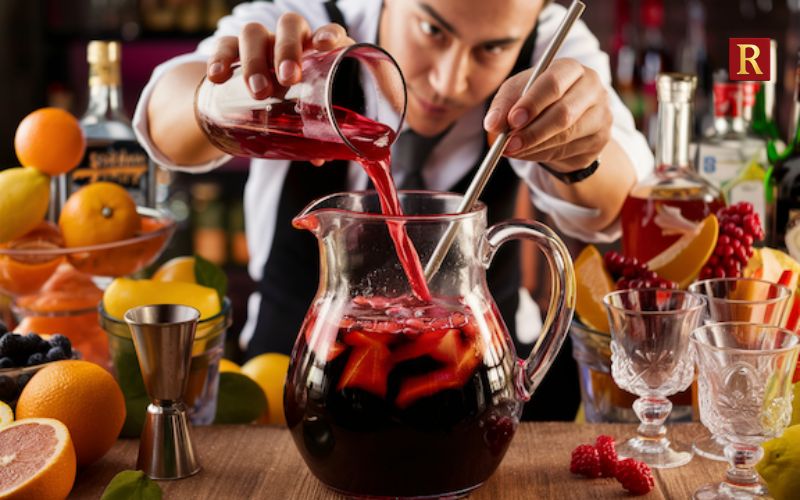
A busy Friday night at a bar can look very different behind the counter. Orders arrive together. Bartenders measure spirits, shake cocktails, crush ice, add mixers and finish each glass with a garnish. When the rush gets intense, speed and consistency become difficult to balance. This is where ready-to-drink (RTD) cocktails are finding a new role.
RTDs are no longer limited to sweet, easy-drinking beverages associated with convenience. The category is moving towards stronger alcohol levels, bolder flavours and more distinctive formats. In India, this shift is visible through new launches and wider distribution. A 2026 estimate by Grand View Research puts India's ready-to-drink cocktails market at US 324.9 million by 2033, representing a 17.9 percent CAGR between 2026 and 2033. The opportunity is also becoming more relevant for the on-trade. For bars, hotels and restaurants, the question is no longer simply whether people want convenient cocktails. It is whether a pre-formulated cocktail can solve some of the operational challenges behind the bar.
India's RTD Market Is Moving Beyond Convenience
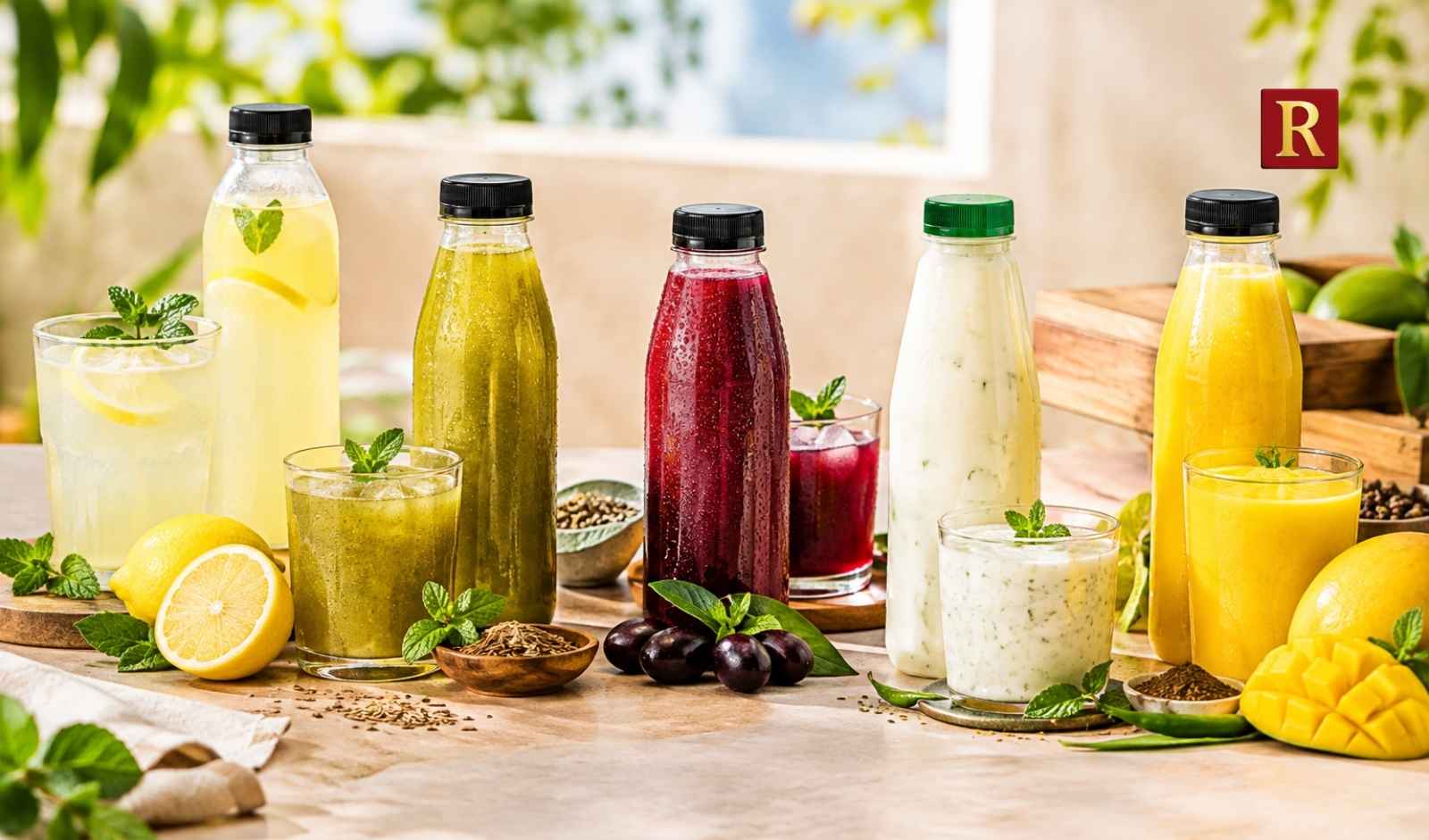
The new generation of RTDs is competing through flavour, strength, packaging and occasion. Bacardi recently expanded its Indian portfolio with BREEZER Bold at 8 percent ABV. The range includes Guava Chilli, Lime & Lager and Grapefruit Yuzu. BuzzBallz is taking another approach. After entering Bengaluru in December 2025, the brand expanded into Goa and Maharashtra and is now preparing for Mumbai. Its India range includes Berry Lemon Squeeze, Strawberry Squeeze, Chili Guava Groove and Jamun Mint Pop. The products are positioned at 15 percent ABV.
These launches show how wide the category is becoming. There is room for lighter formats, stronger cocktails, Indian flavours and single-serve products. For Indian bars, this creates an interesting question: can RTDs become another tool for improving cocktail service?
10 Reasons RTD Cocktails Are Finding a Place in Indian Bars
Faster service during peak hours: A made-to-order cocktail can involve several steps. The bartender has to measure, mix, shake or stir, strain and garnish it. An RTD removes many of these preparation stages. This can be particularly useful during Friday nights, weekends and large events when dozens of orders can arrive within minutes. The benefit is not simply convenience. It is throughput. A bar that can serve a drink faster can handle more orders without adding the same amount of preparation work.
Consistency becomes easier: Cocktail quality can change between bartenders. Small differences in measurements, dilution, ice and shaking time can change the final drink. An RTD is produced around a fixed formulation. The recipe is developed and standardised before the product reaches the outlet. For a multi-outlet restaurant or hotel chain, this can help maintain a similar flavour profile across locations. The cocktail effectively arrives with its recipe already locked in.
Bartenders can focus on more complex drinks: RTDs do not have to compete with bartenders. They can work alongside them. A bar could use RTDs for high-volume serves while its trained bartenders focus on drinks that require greater technique, presentation or customisation. This becomes useful when a venue has limited skilled staff but high customer demand. The bartender then spends more time on the drinks where their expertise adds the most value.
Higher ABV is changing the old RTD image: RTDs were once strongly associated with relatively light, sweet beverages. That perception is changing. BREEZER Bold, for example, has entered India at 8 percent ABV. BuzzBallz operates at 15 percent ABV. This shows that the category is no longer built around one alcohol-strength profile. Globally, RTDs also remained a major growth area in 2025. IWSR reported that RTD volumes grew 3 percent that year, while premium-and-above RTDs grew by more than 15 percent.
Indian flavours are becoming a competitive advantage: Flavour is becoming one of the biggest ways RTD brands can differentiate themselves. Guava chilli, jamun mint and grapefruit yuzu are very different from the predictable fruit profiles traditionally associated with packaged alcoholic drinks. BuzzBallz's Indian portfolio includes Chili Guava Groove and Jamun Mint Pop. BREEZER Bold has also entered the market with Guava Chilli. This gives Indian RTDs a larger innovation canvas. The opportunity is to use familiar ingredients in unfamiliar formats without making the drink feel disconnected from contemporary cocktail culture.
Bars can expand their cocktail menu with fewer preparation steps: Building a large cocktail menu requires more than adding names to a menu. Every new cocktail can mean another set of ingredients, syrups, mixers, garnishes and preparation processes. RTDs can simplify some of these requirements. A bar could potentially offer a bottled or packaged version of a familiar cocktail while using its existing service system for presentation. The result can be a wider beverage selection without every drink requiring a completely separate preparation workflow.
Events could become a major RTD opportunity: Weddings, hotel banquets, corporate events and large parties present a different challenge from a normal bar. The number of drinks required can rise sharply within a short period. This is where speed and consistency become particularly important. An RTD can be chilled, poured into suitable glassware and finished with fresh ice or a garnish. The final presentation can still feel like a bar serve. For large-format hospitality, the attraction may therefore be less about packaging and more about simplifying the service system.
The economics can become more predictable: The cost of a cocktail is not only the cost of its alcohol. A bar also deals with mixers, fresh ingredients, garnish, labour, wastage, equipment and preparation time. An RTD changes that calculation. Instead of buying and managing every component separately, the bar receives a finished formulation. However, this does not automatically mean RTDs are cheaper. Their commercial value depends on the product's purchase price, serving size, taxes, distribution margins, storage requirements and menu price. India's complicated state-level alcohol taxation system remains an important challenge for RTDs. Euromonitor notes that taxation and regulatory barriers can limit the category's growth potential. The bigger advantage may therefore be predictability rather than lower cost.
RTDs can create new drinking occasions: A traditional cocktail is closely connected with a bar experience. RTDs can travel across more occasions. They can work for poolside service, brunches, outdoor areas, hotel events and casual social occasions, depending on local regulations and the venue format. IWSR describes RTDs as a category that connects multiple occasions, channels and consumer groups, with convenience and flavour-led discovery among its key attractions. This makes the category useful for businesses looking beyond the traditional cocktail hour.
They bring FMCG thinking into cocktail culture: Perhaps the biggest change is where the cocktail is created. Traditionally, the bartender builds the drink at the point of service. With an RTD, much of that work has already happened at the manufacturing stage. Recipe development, ingredient measurement, blending, quality control and packaging are completed before the product reaches the bar. This brings together three worlds: spirits, cocktails and FMCG. For bars, that creates a new model. The bartender is still important, but the product developer becomes part of the cocktail's production chain.
What RTDs Still Cannot Replace
There are parts of cocktail culture that a packaged drink cannot easily reproduce. Freshly prepared cocktails allow bartenders to adjust sweetness, acidity and dilution according to individual preferences. They also create theatre through shaking, stirring, flaming, garnishing and tableside preparation. That makes RTDs unlikely to become a universal replacement for cocktails made from scratch.
Instead, their role may be more practical. They can handle certain high-volume occasions while bartenders concentrate on drinks where technique and personalisation matter more.
The New Role of the RTD
India's RTD market is entering a more experimental phase. Market estimates point to rapid growth, while new launches are expanding the category through higher ABV, unusual flavours and distinctive formats. For Indian bars, the most interesting opportunity may not be putting a packaged cocktail on the menu simply because it is convenient.
- It is understanding where that format works best.
A busy bar may value speed. A hotel may value consistency. A wedding venue may value high-volume service. A multi-outlet chain may value standardisation. That makes RTDs less of a replacement for bartending and more of another tool behind the bar. The cocktail may still reach the customer in a glass with ice and a garnish. The difference is that part of the cocktail-making process has moved from the bar counter to the production floor.
Saptopriya Ghosal
Feature Writer
I am a dedicated media professional with a bachelor's degree in mass communication from the State University of Calcutta and a postgraduate degree from Amity University. My academic journey has equipped me with a profound understanding of storytelling and communication. Passionate about the dynamic world of media, I continually strive to explore new ways to engage and inform through compelling narratives.