10 Food Label Details Worth Checking Beyond the Expiry Date
The aim is not to treat every packaged food as a problem. It is to make more informed choices based on the product's actual composition and the information provided by the manufacturer.


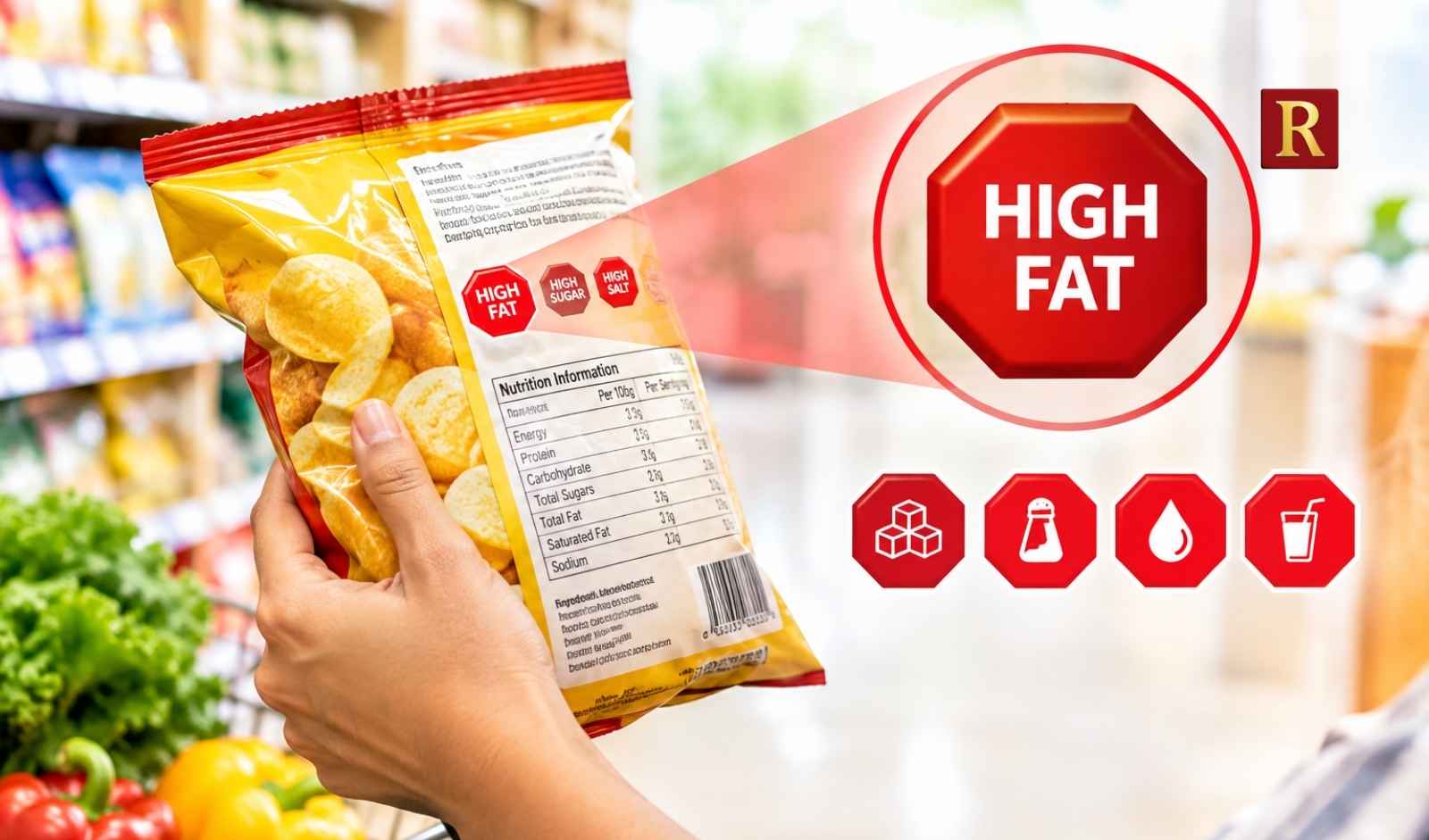
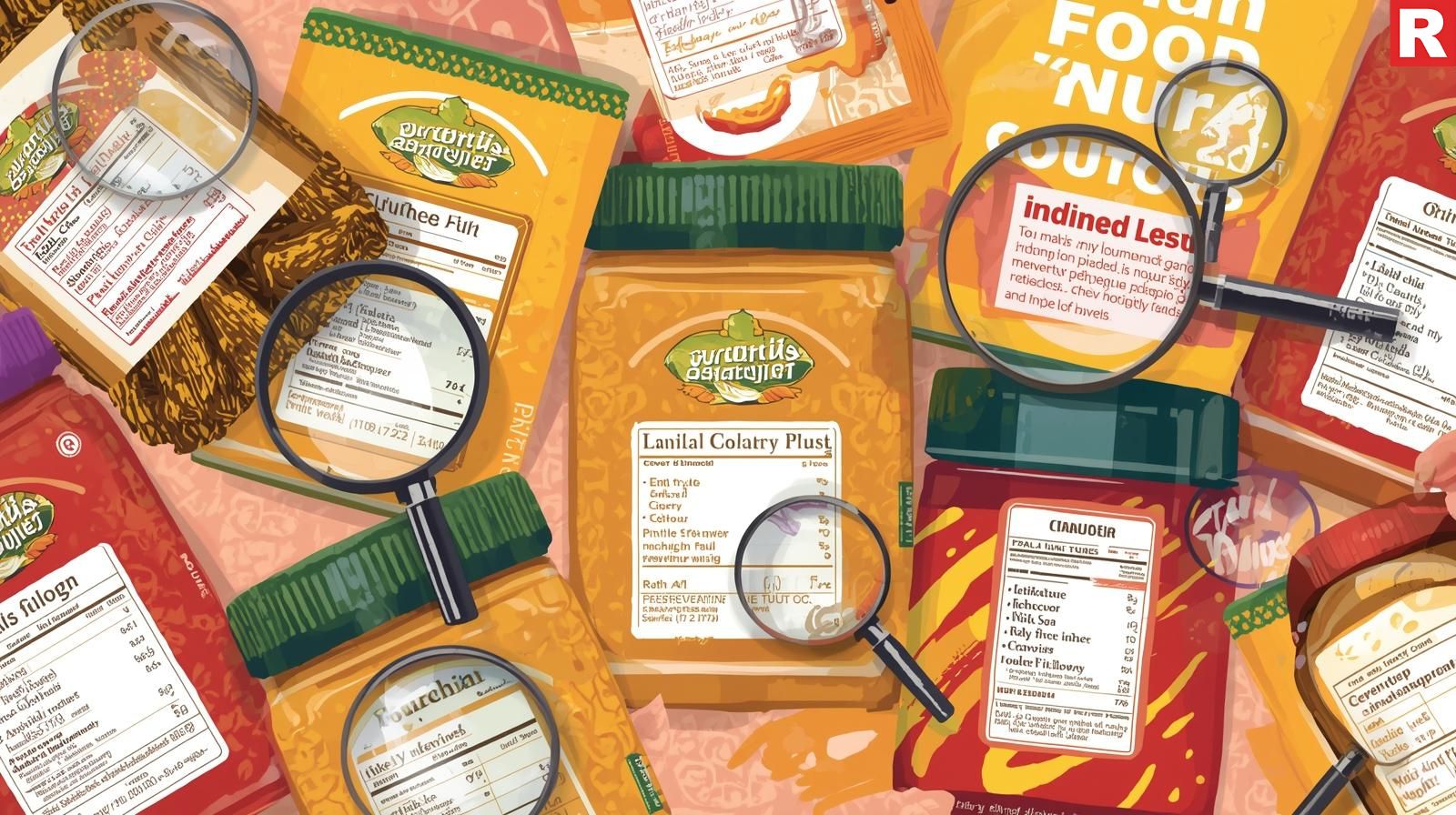
Most people check the expiry date before buying packaged food. If the date looks fine, the packet usually goes straight into the shopping basket. But there is more to a food label than its expiry date. The ingredients list can reveal how a product is composed. The nutrition panel can help shoppers compare sugar, sodium and fat. Allergen declarations can be critical for people with food allergies, while storage instructions explain how a product should be handled after purchase.
In India, the Food Safety and Standards Authority of India (FSSAI) regulates several aspects of packaged-food labelling through its Food Safety and Standards (Labelling and Display) Regulations, 2020, along with subsequent amendments. These rules provide a framework for the information consumers see on food packets. Learning to read these details does not mean avoiding every packaged product. It means understanding what is inside the packet, how the product should be stored and which information matters for a particular purchase.
10 Food Label Details Worth Checking
1. The Ingredient List: What Comes First Matters
The ingredient list is one of the most useful places to begin when reading a food label. It tells consumers what goes into a product and helps them compare similar foods beyond their front-of-pack claims. Under India's food-labelling framework, ingredients are generally listed in descending order of their weight or volume at the time of manufacture, subject to applicable exceptions. This means the first ingredients can provide useful clues about a product's composition. For example, when comparing two breakfast cereals, check which ingredients appear at the beginning of each list. If one product lists whole grains prominently while another begins with refined cereal ingredients and sugar, the difference is worth investigating alongside their nutrition panels. The same approach works for biscuits, packaged snacks, sauces and ready-to-eat meals. However, a long ingredient list does not automatically make a product unhealthy. Some ingredients serve specific purposes, such as maintaining texture, preventing separation or preserving quality. Their significance depends on the ingredient, quantity, product and applicable food standards.
- What to check: Read the first few ingredients and compare products within the same category. Do not judge a food solely by the length of its ingredient list.
2. The Percentage of the Featured Ingredient
A packet may prominently feature mangoes, almonds, strawberries or cocoa. But the image on the front does not necessarily tell consumers how much of that ingredient the product contains. This is particularly relevant when shopping for fruit beverages, flavoured dairy products, nut-based snacks, chocolate and packaged sauces. Consider two mango beverages. Both may feature large mango illustrations, but their product categories and actual compositions may differ. One could be a fruit juice, another a nectar, and a third a fruit-based beverage with added ingredients. The product's name, description, ingredients and declared fruit content, where applicable, help explain these differences. Similarly, a biscuit featuring almonds on its packaging should not be assumed to contain a large quantity of almonds simply because they appear prominently in the design. Percentage declarations are subject to applicable regulatory requirements, including rules concerning ingredients highlighted in a product's name or presentation. Not every ingredient pictured on a packet must necessarily have its percentage declared.
- What to check: Look beyond the product photograph. Compare the product category, ingredient list and declared percentage of the highlighted ingredient wherever that information is required or provided.
3. Serving Size: The Nutrition Numbers May Cover Less Food Than You Eat
Nutrition information becomes more useful when consumers understand the quantity to which it applies. A packet might display calories, sugar, fat and sodium per serving. However, the stated serving may represent only a portion of the entire pack. For example, imagine a snack label that declares 200 calories per 40 g serving. If the packet contains 80 g and someone finishes it, the total intake would be 400 calories, assuming the declared values apply to the product as sold. The same calculation can be applied to sugar, fat and sodium. This is why comparing products using the same reference quantity can be helpful. Where the information is available, values per 100 g or 100 ml allow consumers to compare products without being misled by different serving sizes. This matters when choosing biscuits, breakfast cereals, namkeen, packaged drinks and ready-to-eat meals. A smaller serving size does not automatically make a product healthier. It simply changes how much food the nutrition figures represent.
- What to check: Look at the serving size, number of servings per pack and nutrition values per serving. Calculate the total if you normally consume the whole packet.
4. Added Sugar vs Total Sugar: Understand What the Numbers Mean
Sugar is another important detail to examine when comparing packaged foods. However, total sugar and added sugar are not the same thing. Total sugars include sugars naturally present in ingredients, such as milk and fruit, as well as sugars added during food production. Added sugar refers to sugars introduced during manufacture or preparation. For example, plain milk contains naturally occurring lactose. A flavoured milk drink may contain lactose as well as added sugar. Looking only at the total sugar value does not explain the entire difference between these products. The distinction can also be useful when comparing breakfast cereals, flavoured yoghurt, biscuits, packaged beverages and sauces. Front-of-pack descriptions such as "natural", "fruit-based" or "made with real ingredients" do not replace the nutrition panel. A product can contain recognisable ingredients and still have a substantial amount of sugar. At the same time, consumers should not assume that all naturally occurring sugars have the same nutritional context as added sugars. The overall food composition and the quantity consumed matter.
- What to check: Read the total sugar and added-sugar declarations where provided. Compare similar products using consistent quantities instead of relying only on words such as "natural" or "lightly sweetened".
5. Sodium: Look Beyond the Salt Shaker
Salt is often associated with savoury foods, but the sodium content of a packaged product cannot always be judged by how salty it tastes. Sodium may come from salt and other sodium-containing ingredients used in food production. It is therefore worth checking the nutrition panel when comparing products such as instant noodles, soups, savoury snacks, seasoning mixes, pickles and sauces. For example, two instant noodle products may have similar flavours but different sodium values. Comparing their declared nutrition information can help consumers understand the difference. Portion size also matters. If a product contains multiple servings, finishing the entire packet means consuming the nutrients from all those servings. Consumers should also distinguish between sodium and salt. They are related, but they are not identical measurements. A sodium value in milligrams should not be read as the same quantity of salt. For people who have been advised to restrict sodium intake, comparing labels can be particularly useful when choosing between similar products.
- What to check: Compare sodium values per 100 g or 100 ml, where available, and calculate the amount you consume in your usual portion.
6. Allergen Declarations: The Small Print Can Matter Most
For people with food allergies, checking the allergen declaration is more than a shopping preference. It is an important safety step. Packaged foods may contain allergens such as milk, peanuts, tree nuts, soy and cereals containing gluten. Other regulated allergen categories may also be relevant, depending on the product and applicable rules. These ingredients can appear in unexpected places. Milk proteins may be present in a biscuit or chocolate product, while soy or wheat ingredients may appear in a seasoning mix or packaged sauce. The front of a packet may promote its main flavour without drawing attention to every ingredient that matters to someone with an allergy. Reading the full ingredient list and allergen declaration is therefore essential. Consumers may also encounter precautionary statements such as "may contain". These statements relate to the possibility of unintended allergen presence, including cross-contact during production or handling. The absence of such a statement should not be treated as a guarantee that cross-contact is impossible.
- What to check: Read the allergen declaration and ingredients list every time you buy a product, including familiar brands. Different flavours and variants can have different formulations. People with diagnosed food allergies should follow their healthcare professional's advice and avoid products that are unsafe for them.
7. Storage Instructions: The Expiry Date Has Conditions
A product's date declaration is only one part of its handling requirements. Storage instructions explain the conditions under which the food should be kept. Some packaged foods can be stored in a cool, dry place before opening. Others require refrigeration or freezing. Certain products also carry instructions to refrigerate after opening or consume within a specified period once opened. These details are particularly important for dairy products, chilled ready-to-eat foods, refrigerated beverages and products whose quality or safety depends on temperature control. For example, an unopened dairy product may have a stated shelf life under specified storage conditions. If it has not been kept at the required temperature, the printed date alone cannot establish that it remains safe. The same principle applies to products that must be refrigerated after opening. Once opened, their handling requirements may differ from those for an unopened pack. It is also important to understand the difference between a best-before date and an expiry or use-by declaration. Under FSSAI's labelling framework, a best-before date generally relates to the period during which a product retains its expected qualities under stated storage conditions. It should not be treated as permission to consume food that has become unsafe.
- What to check: Read the storage instructions before buying and follow them after opening. Check whether the product requires refrigeration, whether the package is intact and whether it has been stored correctly.
8. FSSAI Licence Number: Check the Food Business Behind the Product
Packaged foods in India generally carry relevant food-business identification information under applicable regulations. The FSSAI logo and licence or registration number can help consumers identify the business responsible for the product. The FSSAI licence number is generally a 14-digit identifier for a licensed food business. Applicable registration and labelling requirements depend on the nature of the business and product. Consumers can use official FSSAI resources to look up relevant licensing information and check whether the details correspond to the business identified on the package. However, the number should not be mistaken for a product-level quality rating. Its presence alone does not prove that every individual packet has been independently tested or that the product is free from every possible safety issue. This distinction is important because a regulatory identifier and a quality certification serve different purposes. If a product appears tampered with, has unusual characteristics or raises a labelling concern, the information on the packet may help consumers identify the responsible food business when seeking clarification or reporting a concern.
- What to check: Locate the FSSAI logo and applicable licence or registration details. Where necessary, use official FSSAI resources to verify the information rather than relying on the logo alone.
9. Manufacturer, Packer and Country of Origin: Know Where the Product Comes From
The brand name displayed on the front of a food packet does not always identify the business that manufactured the product. A brand may own the product name while a separate business manufactures or packs the food. Imported products may also carry importer details alongside other required declarations. Understanding these distinctions can be useful when buying packaged sauces, chocolates, olive oil, canned foods, confectionery and specialty ingredients. For example, a branded sauce could be manufactured by a third-party facility on behalf of the brand owner. The business identified as the manufacturer may therefore differ from the company consumers recognise from the front of the packet. For imported foods, the country-of-origin declaration provides another useful piece of information. It should not, however, be treated as a guarantee of quality or safety. Consumers should also avoid assuming that a product is manufactured in a particular country merely because its brand has historical or cultural associations with that country. Applicable declaration requirements depend on the product and packaging arrangement. The exact details should be interpreted in that context.
- What to check: Look for the manufacturer, packer, importer or other responsible business details, as applicable. For imported food, check the country-of-origin information where required.
10. Batch Number and Date of Manufacture: The Product's Traceability Trail
A batch number or lot code may look like an insignificant string of letters and numbers printed near the edge of a packet. However, it can be important when a product needs to be traced. A batch or lot identifier connects a product to a particular production lot or group. This information can help food businesses investigate quality complaints, identify affected products and manage recalls. The manufacturing date provides additional context about when the product was made, while the expiry or best-before declaration communicates different information about its stated shelf life or quality period. These details are not interchangeable. Consider a situation in which a consumer finds an unusual smell or a damaged seal on a packaged product. The batch number, product name and other packaging details can help the manufacturer or relevant authority identify the product more precisely. The same information becomes particularly useful when a food-safety alert or recall concerns a specific batch rather than every product sold under a brand. Consumers ordering groceries online should also pay attention to the information made available on the product page and check the actual packaging when the order arrives.
- What to check: Locate the batch or lot number and relevant date declarations. Keep the packaging or photograph these details if you need to report a product defect or suspected safety issue.
How to Read a Food Label in 15 Seconds
Consumers do not need to memorise every food regulation to become better label readers. A simple routine can help them focus on the information most relevant to the purchase.
- Start with the ingredients: Check the first few ingredients and look for anything you specifically want to avoid.
- Check allergens: Read the declaration carefully if you have a food allergy.
- Compare the nutrition panel: Look at serving size, sugar, sodium and other nutrients relevant to your needs.
- Read the storage instructions: Check whether the product requires refrigeration or special handling.
- Locate the identification details: Look for the applicable FSSAI information, responsible business details and batch code.
This is a quick screening routine, not a substitute for reading the complete label when allergies, specific dietary requirements or product-safety concerns are involved.
The Bottom Line!
The next time you buy packaged food, look beyond the expiry date. The ingredient list can explain what makes up a product, the nutrition panel can help you compare similar options, and allergen declarations can provide essential information for people who need to avoid particular ingredients. Storage instructions, FSSAI identification details and batch numbers offer another layer of understanding by explaining how a product should be handled and how it can be traced. The aim is not to treat every packaged food as a problem. It is to make more informed choices based on the product's actual composition and the information provided by the manufacturer. A quick look at the date tells you only part of the story. Learning to read the rest of the packet helps you understand what you are buying.
Saptopriya Ghosal
Feature Writer
I am a dedicated media professional with a bachelor's degree in mass communication from the State University of Calcutta and a postgraduate degree from Amity University. My academic journey has equipped me with a profound understanding of storytelling and communication. Passionate about the dynamic world of media, I continually strive to explore new ways to engage and inform through compelling narratives.