
10 Expert Cash Handling Tips for QSRs
Despite the rise in digital payments, cash is still a vital component of everyday transactions in the fast-paced world of Quick Service Restaurants (QSRs). Even while volume and speed are prioritized, the continuous movement of actual currency poses significant challenges and serious risks.


Despite the rise in digital payments, cash is still a vital component of everyday transactions in the fast-paced world of Quick Service Restaurants (QSRs). Even while volume and speed are prioritized, the continuous movement of actual currency poses significant challenges and serious risks. Ineffective cash management can subtly reduce profit margins and jeopardize the stability of your business's finances due to various factors, including internal inconsistencies and human error, as well as external threats such as theft and counterfeiting.
Mastering cash management is not just about preventing losses for QSRs in busy cities; high transaction volumes are common. It's also about maximizing operating efficiency, ensuring security, and protecting profitability. Ten professional cash-handling suggestions are provided in this extensive guide to assist QSRs in achieving accuracy, transparency, and comfort in their day-to-day work.
What's new: Unintentional Employee (and Manager) Behaviors That Cost Restaurants Money
1. Implement Strict, Written Cash Handling Policies and Procedures
A well-defined and documented set of guidelines is the cornerstone of sound cash management. Accountability is hindered by uncertainty.
Details: Create a thorough handbook that describes each stage of the cash handling procedure, from the time money is taken from the counter until the time it is deposited at the bank. Starting till amounts, shift and end-of-day reconciliation procedures, methods for accepting different amounts, regulations for "cash drops" to the safe, and policies for voids and refunds should all be included. Indicate who is in charge of each phase.
Benefits: It includes reducing errors, minimizing internal theft potential by explicitly outlining expectations, providing uniformity across all workers and shifts, and acting as a crucial resource for audits and training.
2. Train All Staff Thoroughly and Regularly
Policies are only as good as your team's comprehension and application of them. It is impossible to compromise on effective training.
Details: Thorough modules on cash handling must be included in all new hires' initial training. This is more than just using the POS. Instruct students on the safe handling of big groups, how to spot suspicious activity, how to count back change, and the exact procedures for voids, refunds, and discounts. Organize frequent refresher training courses, particularly in the event that new challenges or policy changes occur. Scenarios, including role-playing, can be quite successful.
Benefits: Significant decreases in human error, which is the main source of cash differences; an increase in employee confidence; a guarantee of policy regulation; and an improvement in your team's general security awareness.
3. Utilize a Secure and Modern Point-of-Sale (POS) System
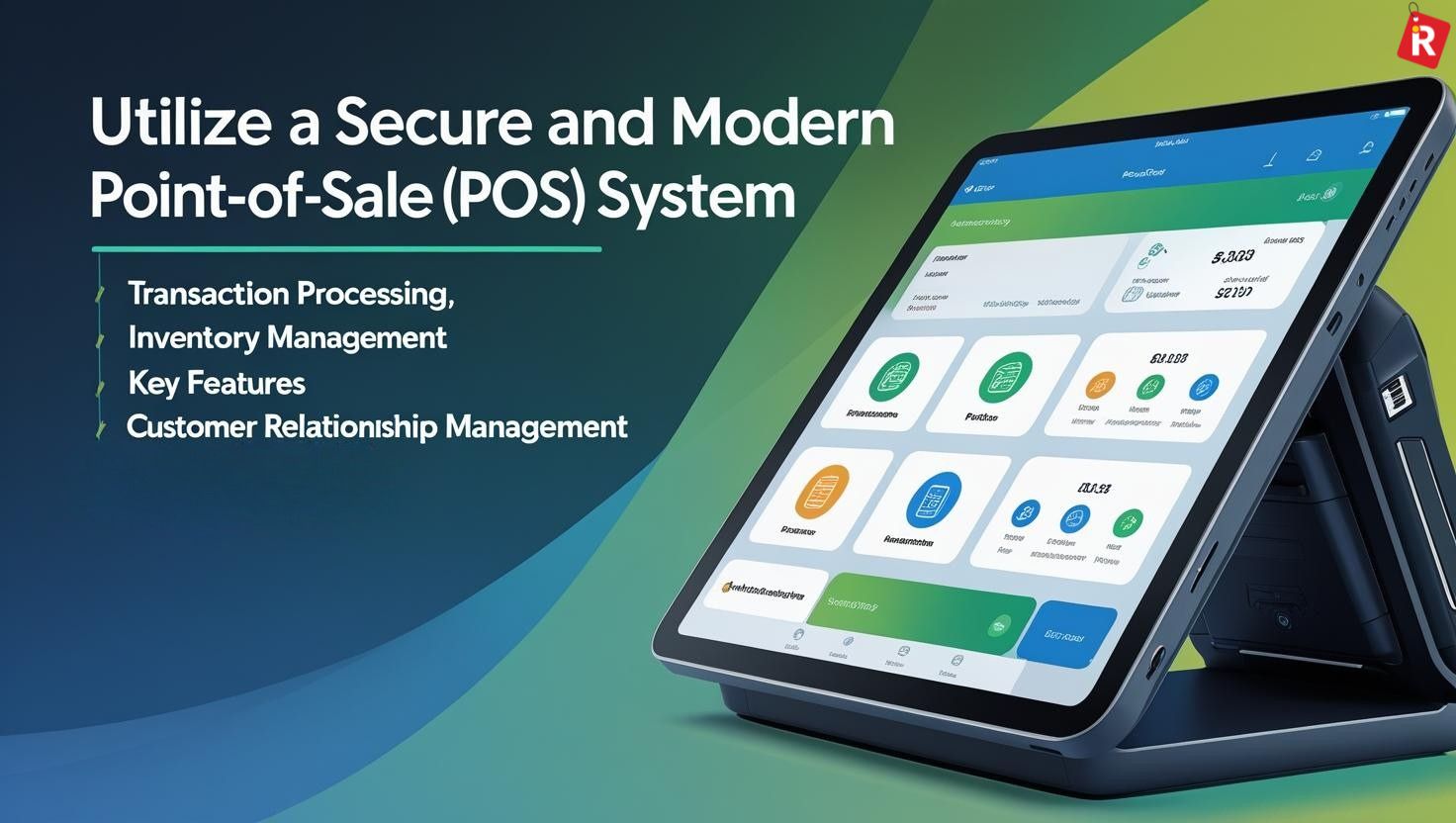
The foundation of your QSR's financial tracking is your point-of-sale system. Make the most of its capabilities.
Details: Invest in a point-of-sale system with strong cash management capabilities. This consists of the ability to set cash drawer limits, comprehensive sales reports (Z-reports), individual employee login tracking (to assign sales and cash handling to particular staff), accurate transaction recording for each sale, and smooth integration with card readers and digital payment terminals.
Benefits: A clear audit trail for each transaction, automated tracking of all transactions, a significant reduction in manual errors, and a speedy and accurate daily cash reconciliation. It also aids in figuring out trends in differences made by different cashiers.
4. Implement Regular Cash Drawer Counts and Reconciliation
Maintaining constant watchfulness over the till is essential for quickly spotting problems.
Details: Make counting cash drawers a regular habit. At the start of each shift, after each shift (when a new cashier takes over), and at a thorough end-of-day count, this should take place. Check the Z-report or shift report from the POS system against the actual amount of cash in the drawer. Any differences, no matter how small, ought to be looked at and recorded right away.
Benefits: Enables prompt detection of mistakes or possible problems, repels internal theft because of regular monitoring, and guarantees that inconsistencies are resolved while transactions are still fresh in the mind.
Read this: 5 Superfoods That Are Overrated—and Better Alternatives You’ll Enjoy
5. Minimize Cash in Registers (Cash Drops)
One of the main ways to prevent both internal and external theft is to limit the quantity of cash that is readily available.
Details: Assign each register a maximum cash limit, such as ₹5,000 or ₹10,000. When there is more money in the drawer than this, it should be moved right away via a "cash drop" technique to a safe that is secured and a secure safe. Ideally, this drop should be "blind"—that is, only a manager counts the money being dropped when taking it out of the safe, not the cashier.
Benefits: Lowers the possible loss in the event of an internal theft or robbery by a significant amount. It guarantees that big quantities are swiftly secured and makes the cash register a less desirable target.
6. Implement Strong Counterfeit Detection Practices
Accepting counterfeit money results in a direct financial loss that is frequently only realized much later.
Details: All employees who handle cash should receive training on how to spot fake money. This includes physical tests (the feel of the paper) and visual checks (watermarks, security threads, distinctive serial numbers, enamel printing, and security features unique to Indian rupee notes, such as the security thread, portrait, and latent image of the Mahatma Gandhi series). At every register, place instruments such as UV light detectors or counterfeit-detecting pens.
Benefits: Preserves your QSR's reputation, shows professionalism, and avoids direct financial losses from taking false money.
7. Secure Cash Safes and Timely, Varied Bank Deposits
Your safe deposit procedures will determine how secure the cash is once it is off the ground.
Details: Make an investment in a top-notch cash safe that is fastened securely and difficult to remove or break into. Steer clear of typical routes or predictable times when making bank deposits. Change up the times and days you visit the bank. For significant deposits, consider armored car services if at all possible. Make sure that safe keys and codes are only accessible by authorized individuals, and replace them regularly.
Benefits: It includes lowering your establishment's risk profile, preventing theft of significant sums of stockpiled cash, and guaranteeing that money is transferred into a safe bank account as soon as possible.
Know more: 4 Technologies to Improve Your Kitchen Display System
8. Foster a Culture of Accountability and Transparency
Your strongest line of defense against problems with cash handling goes beyond tools and rules.
Details: Promote candid discussion on the difficulties and best methods for handling cash. Be open and honest about the outcomes of the reconciliation (without publicly naming specific people). Establish clear penalties for persistent inconsistencies, but also honor and praise employees who continuously exhibit superior cash-handling abilities. Perform routine internal audits without warning.
Benefits: It includes increasing team trust, lowering the risk of internal theft, promoting a proactive approach to problem-solving, and encouraging obedience to policies through shared responsibility.
9. Educate Staff on Robbery Prevention and Response
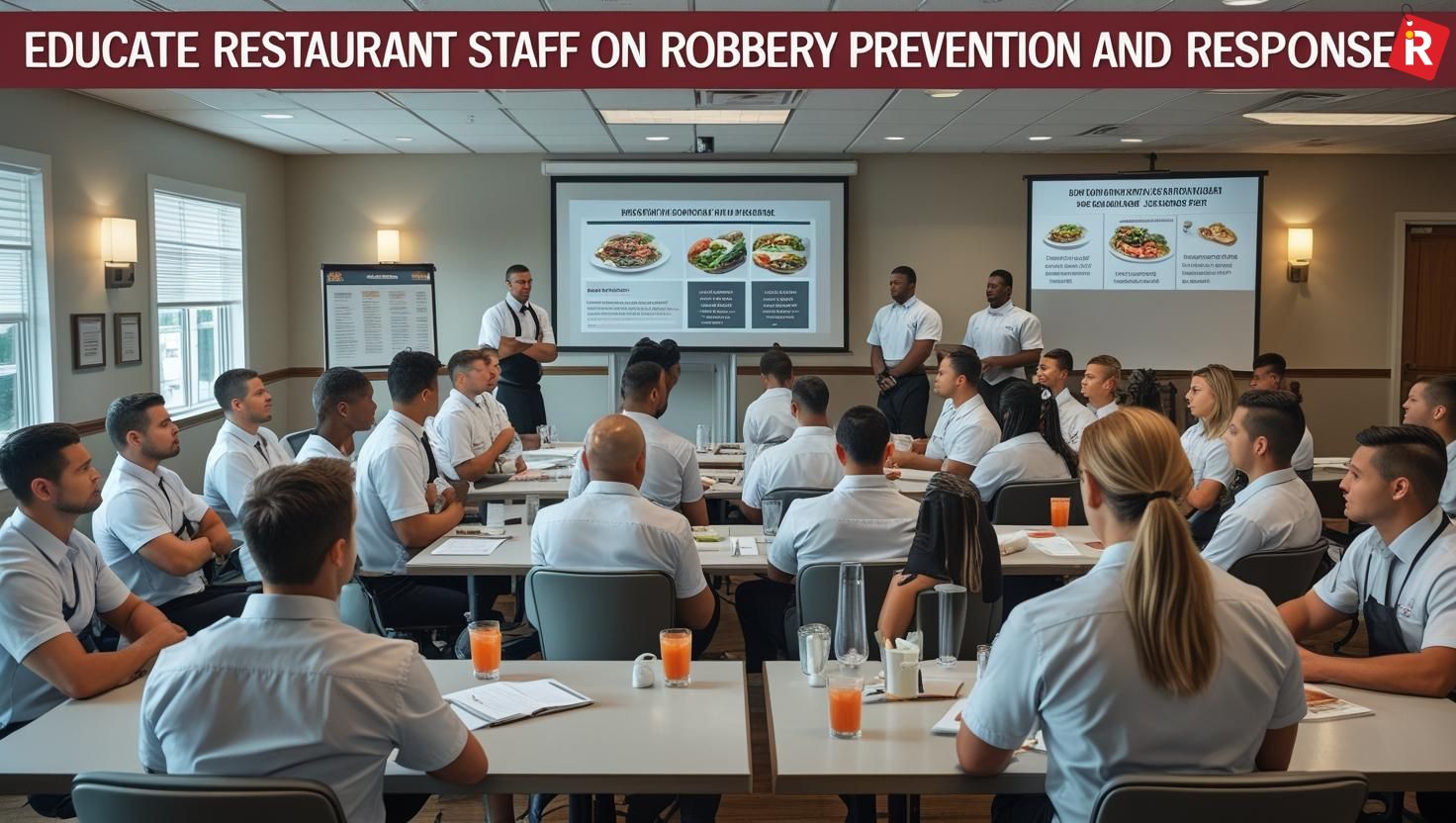
Although they are uncommon, robberies pose a serious risk. Being ready can reduce losses and save lives.
Details: Teach employees how to reduce risk by, for example, ensuring clear sightlines and a minimum amount of cash in drawers. Importantly, teach them how to respond in the event of a robbery: collaborate completely, do not resist, pay attention to details (without staring), and put safety first. Discuss post-event protocols as well, such as sealing the area, calling the police, and avoiding contact with objects.
Benefits: Puts employee and customer safety first, reduces the possibility of injury, and can lessen overall financial loss by making sure employees adhere to security procedures in high-stress scenarios.
Check out: Global alcoholic drinks volumes registered a decline of 0.7 percent in 2015: Report
10. Leverage Non-Cash Payment Options (The Future of QSR Payments)
Despite the article's emphasis on cash, the best "tip" for managing cash is to use it less.
Details: Encourage and support digital payment methods. This includes UPI (Unified Payments Interface), which is very popular, quick, and safe in India. Additionally, provide contactless payments, mobile wallets (Paytm, PhonePe, Google Pay), and credit/debit card terminals.
Benefits: There is less money to safeguard, count, and reconcile. Quicker counter transaction times. Reduces the possibility of mistakes and theft related to actual currency. Provides analytics access to richer transaction data. Providing a variety of digital payment methods to clients greatly improves convenience and happiness.
An Extra Tip: Regular Auditing and Performance Review
A dedication to constant improvement and constant supervision is necessary for effective cash management; it is not a "set it and forget it" duty.
Beyond Reconciliation Daily: At the end of each shift, do more than just balance the till. Perform thorough audits of cash-handling procedures regularly. This involves reviewing transaction logs for questionable trends (such as an abnormally high number of voids or refunds made by a single person), examining thorough sales reports, and occasionally doing surprise cash counts in the safe.
Performance Feedback: Examine each cashier's performance report from the POS system regularly. Determine patterns in shortages, then utilize this information to offer further training and focused feedback as required. To identify any accumulated differences that daily checks could overlook, compare recorded amounts over long periods with the actual amount of cash in the safe and bank deposits.
Validate Controls: The purpose of these routine audits is to confirm that your current cash handling rules and processes are working. They enable you to actively tighten your internal controls by pointing out any gaps or places where employees might be breaking the rules.
Read more: How Technology is Helping Restaurants Expand Their Biz
Conclusion
A QSR's ability to handle cash effectively depends on a constant cycle of policy creation, intense training, technology adoption, and careful supervision. Making sure that every transaction supports the restaurant's financial stability is more important than merely protecting against losses. Whether in the busy streets or any international market, QSRs can turn a possible weakness into a pillar of operational excellence by putting these ten professional tips into practice. This will increase accuracy and security, which will ultimately increase profitability and provide their owners with more peace of mind.
Mahak Sharma
Content Writer
Mahak Sharma is a passionate content writer with 2 years of experience crafting compelling content across various niches, tailoring her writing to suit different audiences and platforms. She is dedicated to producing engaging content for readers so that they can understand and enjoy the articles. Her strengths lie in crafting SEO-friendly, well-structured articles that drive visibility and engagement.



































































