10 Best Coffee Bean Brands in India
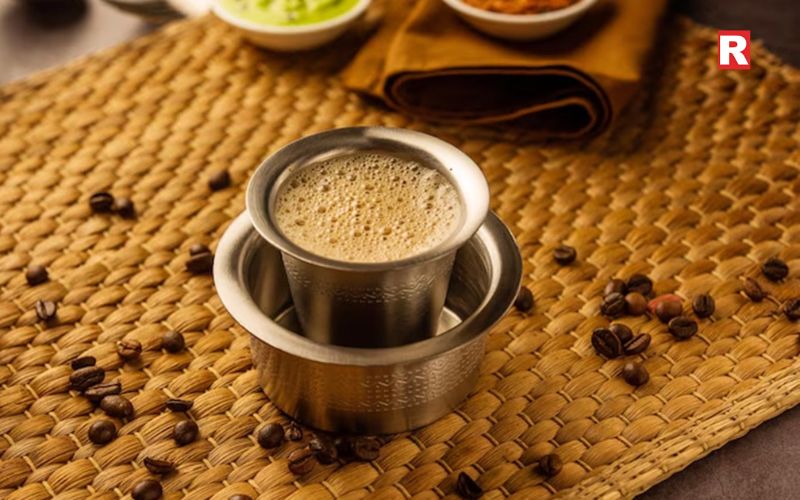
India’s relationship with coffee has evolved through the ages. These days, Indian homes are well-stocked with coffee — Arabicas sourced from estates, specialty beans, and locally roasted tiny micro-lots.

From minimum effort instant sachets to super hit organic bean culture, India’s relationship with coffee has evolved through the ages. These days, Indian homes are well-stocked with coffee — Arabicas sourced from estates, specialty beans, and locally roasted tiny micro-lots. Plantations in Karnataka, Tamil Nadu, Andhra Pradesh, and other states that create robust beans have brought a variety of flavors and ethical sourcing choices to the Indian coffee lover.
This article features 10 of the best coffee beans in India in 2025, and information about their flavors, brewing methods, and other traits that set these brands apart.
Why Choosing the Right Coffee Bean Matters
What makes a cup of coffee stand out? There are a few things that come into play.
- Origin & Altitude: First, where and how the beans grow matters a lot. Beans from higher altitudes usually pack more interesting flavors. In India, types like Kent, Agaro, and CxR really shine for their unique taste.
- Bean Species: Arabica gives you a smooth, fragrant cup with lots of layers, while robusta has a harder, bolder flavor and more caffeine.
- Processing & Roast: Washed, natural, or honey processing each brings out different flavors, and the roast—light, medium, or dark—shapes the body, acidity, and intensity of your coffee.
- Freshness: Coffee tastes best when the beans are freshly roasted. Wait too long, and you lose that burst of flavor and aroma.
- Ethics and Sustainability: How the beans are sourced matters a lot. Fair pay for farmers, direct trade, backing small farms, and sustainable methods—these all matter to a lot of Indian roasters right now.
So, when you pick good beans, you’re not just getting a better cup. You’re also helping push coffee growing in the right direction.
Read more: India’s Coffee Rise: Brewing a Global Identity
Key Factors to Consider Before Buying
Before you start checking out brands, keep a few things in mind.
- Roast Level: Dark roasts pack a punch. They’re bold, a little chocolaty, sometimes smoky—great for espresso or anything with milk. Medium roasts? They find that sweet spot between flavor and body. Light roasts really let the bean shine, so you get those fruity or floral notes coming through.
- Grind Size & Brewing Method: Match your grind to your gear. Go coarse if you’re using a French press or making South Indian filter coffee. Medium works for pour-overs. For espresso, you want it fine. And yeah, the roast you pick changes what brew method will work best.
- Whole Coffee vs. Ground: Grind your beans right before you brew. It really makes a difference in taste and smell. Whole beans also stay fresh longer than pre-ground.
- Indian Origin Regions: If you’re curious about origins, check out beans from Araku Valley, Wayanad, Chikmagalur, or Coorg. Each place brings its own character to the coffee.
- Single-Origin vs. Blends: Single-origin beans show off what’s special about one estate. Blends, on the other hand, balance things out and make the flavor more consistent.
So, keeping all this in mind helps you pick coffee that actually fits what you like.
The 10 Best Coffee Bean Brands Of India
1. Blue Tokai Coffee Roasters
Blue Tokai helped kick off India’s specialty coffee market. Based in New Delhi, they get their beans straight from reliable estates in Chikmagalur, Coorg, and Shevaroy Hills. That way, you know every roast is fresh and traceable. Their lineup covers everything, from fruity light roasts to bold dark ones, you name it. Espresso, pour-over, French press; whatever your style, they’ve got something. The flavor really depends on which estate the beans come from and how they’re processed. Sometimes you get hints of chocolate, sometimes almonds or citrus. Each cup stands out in its own way. A 250 g box is priced between ₹450 to ₹750. If you care about ethical sourcing and craft roasting in India, Blue Tokai is the standard.
Know more: Sip Like a Pro: 8 Coffees Every True Coffee Lover Must Try
2. Third Wave Coffee Roasters
Third Wave Coffee Roasters, based in Bengaluru, stands out in India’s specialty coffee scene. They’ve become a real symbol of the country’s new wave of coffee culture. What sets them apart? They source micro-lots from local estates in Chikmagalur and roast the beans in small batches, so every bag keeps its own unique flavor. Their coffee’s known for a clean finish, bright fruity acidity, and a touch of caramel sweetness. Everything feels nicely balanced. If you’re into espresso, they offer some heavier roasts. Prefer pour-over or AeroPress? Their medium-light roasts hit the spot. Prices for their fresh beans usually fall between ₹450 and ₹700 for a 250g pack, depending on the blend.
3. Araku Coffee
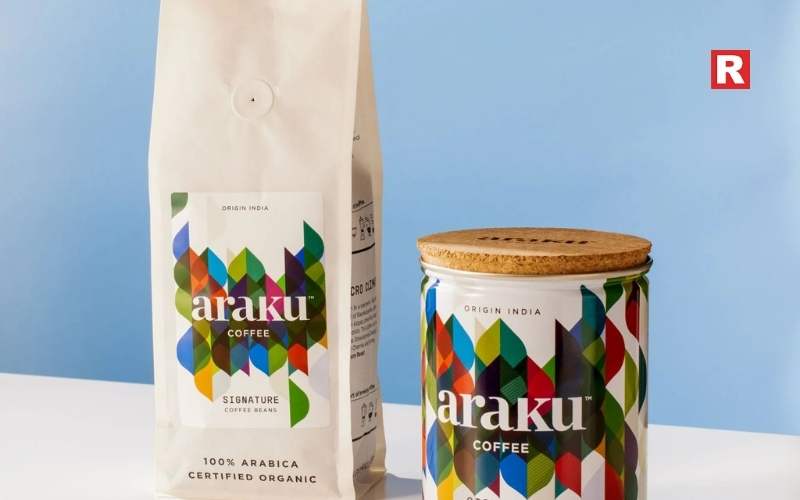
Araku Coffee comes from the green hills of the Araku Valley in Andhra Pradesh, where tribal farmers grow their beans using organic and biodynamic methods. They’re part of the SAMTFMACS cooperative, which backs over 11,000 farmers and makes sure everyone’s treated fairly. Araku has built its name on sustainability and fair trade, not just good coffee. You’ll usually find their beans lightly roasted, which brings out these gentle hints of fruit, flowers, and chocolate. Perfect for a drip or filter brew. The coffee itself is smooth and balanced, with a nice, lively acidity that works for both new tasters and die-hard coffee lovers. A 250-gram pack is priced between ₹550 and ₹800, depending on the blend and where you buy it. While most of their beans are light roasts, you’ll spot some medium and dark options too. Araku Coffee is all about doing things right, ethically and with a lot of care.
4. Black Baza Coffee Co.
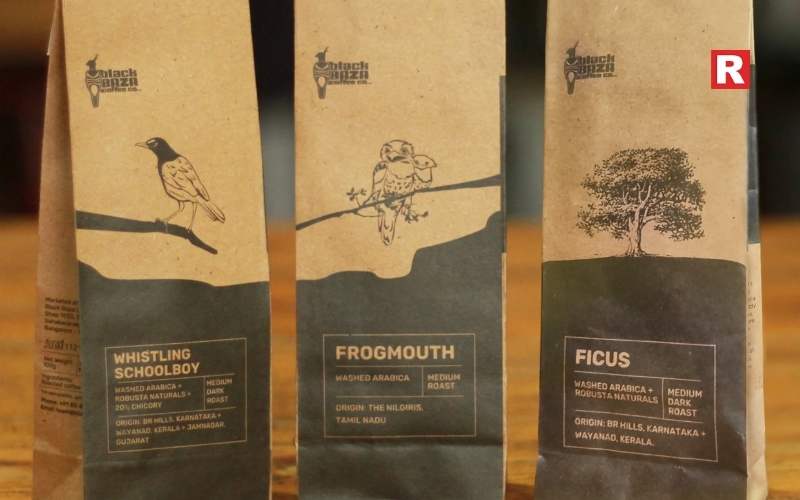
Black Baza Coffee isn’t just another brand—it’s a whole movement. They team up with small farmers and forest folks in Karnataka, pushing for farming that’s good for wildlife and the planet. The beans grow in the shade of local trees, so you get these earthy, cocoa, and nutty vibes in every cup. It works great in a South Indian filter or a French press. They roast their beans medium to dark, so you taste that rich comfort without much bitterness. At ₹400–₹650 for 250 grams, Black Baza is for those who value sustainability as much as flavor.
5. KC Roasters by Koinonia
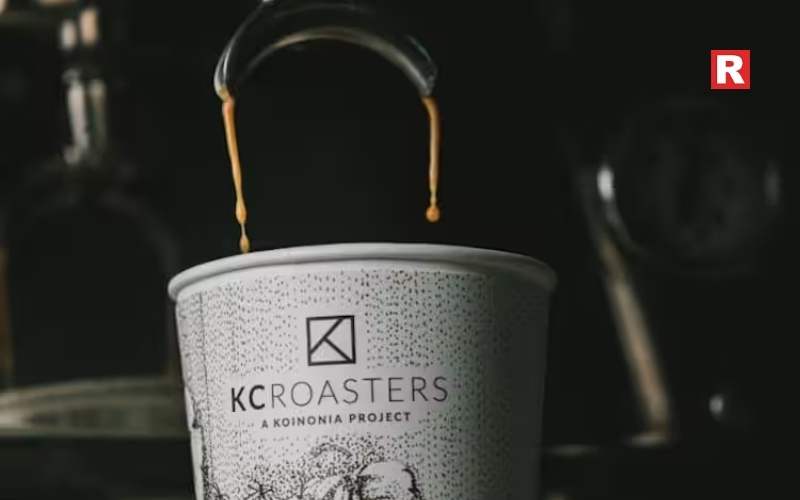
KC Roasters is a boutique coffee roaster tucked away in Mumbai, but their coffee packs a serious punch. They go out of their way to find top-notch beans from places like Chikmagalur and Kerehaklu down south, and you can taste the difference. These folks know how to roast their beans. They’re aiming for those bold, chocolatey notes, with a little almond, cocoa, and caramel thrown in for good measure. If you’re into espresso, moka pot, or French press, their medium and dark roasts really shine. KC Roasters keeps things fresh by roasting in small batches every day and sealing the beans up in biodegradable bags. For a 340g pack, you’ll pay between ₹550 to ₹900, depending on the blend. The whole mood is about careful sourcing, excellent roasting, and sustainable practices — all to provide you with café-level coffee at home, whether you're a die-hard coffee fan or just want a good cup to start your day.
6. The Flying Squirrel
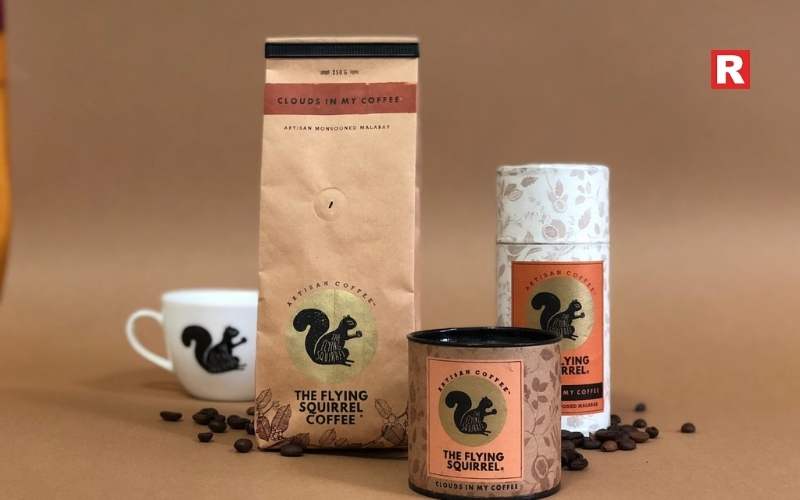
The Flying Squirrel stands out as one of India’s most iconic estate-based coffee brands, and it comes straight from Coorg. Each blend has its own personality. Take “Sattva”—it’s clean, fresh, and light. Then there’s “Deep Bliss,” which goes bold and dark for people who love a strong espresso. They grow their coffee under shade and let the beans dry naturally, which really cranks up the flavor. Depending on the blend you pick, you’ll catch hints of cocoa, earthy undertones, and a bit of smokiness. For ₹450 to ₹700 per 250g pack, The Flying Squirrel really nails what Indian specialty coffee is all about.
What's new: Top 10 Tea Brands in India That Every Chai Lover Swears By
7. Halli Berri
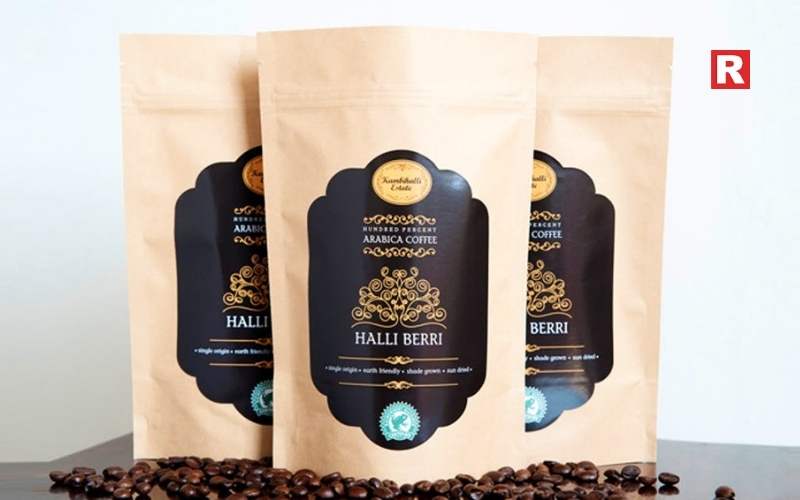
Halli Berri, a women-led brand from Chikmagalur that’s all about sustainable farming and keeping things transparent, from their estate right to your cup. Their family-run plantations produce beans that are naturally sweet and medium-bodied, with nutty, chocolatey flavors and just a little acidity. Their medium roast beans work great for both filter and drip brewing—what you get is a cozy, smooth cup every time. Halli Berri isn’t just about good coffee; they put real effort into supporting women in the industry and protecting the land. You’ll usually find their beans priced between ₹500 and ₹700 for 250g.
8. Subko Specialty Coffee Roasters
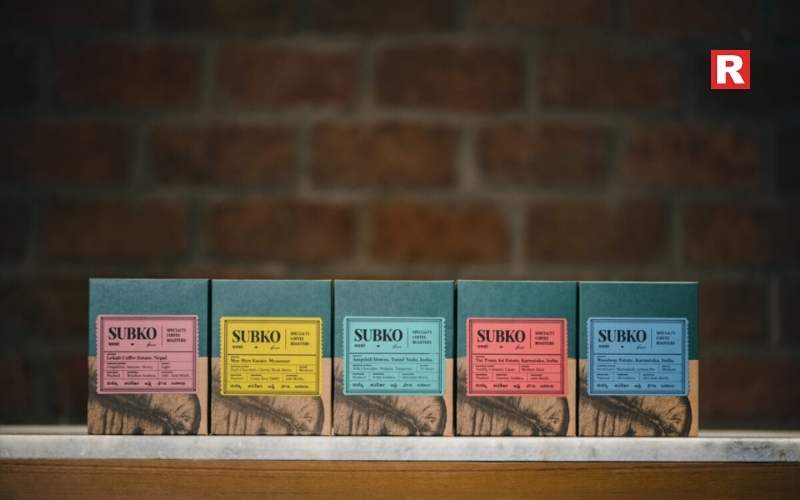
Subko, straight out of Mumbai, is leading the charge in India’s new coffee scene. They hunt down beans from tiny Indian estates, and sometimes team up with growers abroad, all to bring out flavors you don’t usually find here. Think berries, citrus, that bright, zippy kind of taste, but there’s always a bit of cocoa underneath to keep things smooth. They stick to light and medium roasts, which suit pour-overs and drip coffee perfectly. Yes, Subko’s coffees cost a bit more (₹600–₹1,000 for 250 g), but fans swear by their attention to detail and the layered flavors in every cup.
9. Sleepy Owl Coffee
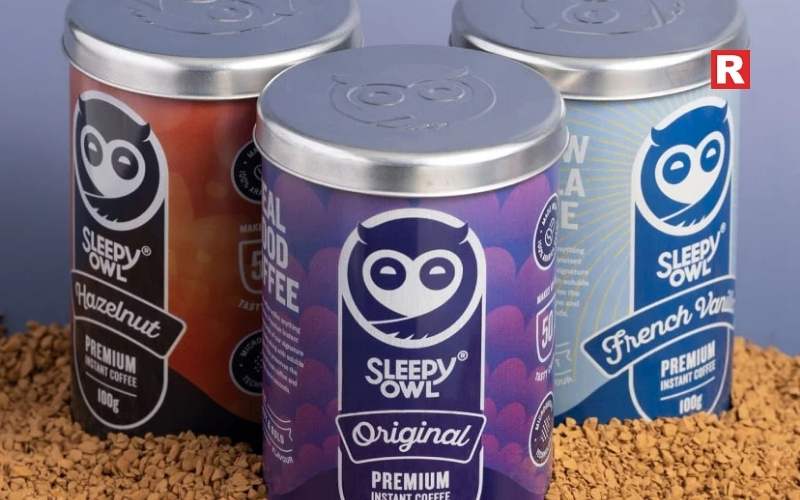
Sleepy Owl set out to make good coffee easy for everyone. They get their Arabica beans from Chikmagalur and are famous for those ready-to-brew cold brew packs and ground coffee. If you’re into manual brewing, they’ve got fresh beans for that too. Their medium roast is naturally smooth, chocolatey, and doesn’t have that sharp acidity—so you can drink it black, no need for milk or sugar. It’s a great pick if you’re just moving on from instant coffee. Sleepy Owl nails both quality and convenience, and their prices (₹400 to ₹600 for 200 g) make it easy to try.
10. Tata Coffee (Grand Premium Beans)
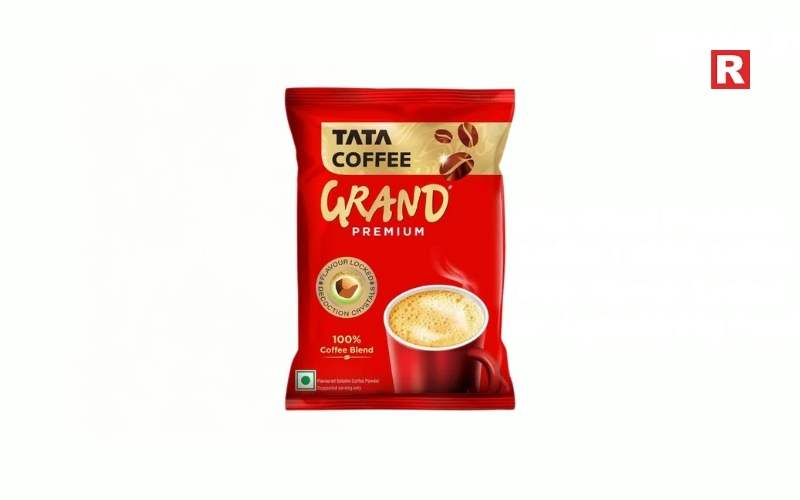
Tata Coffee is a classic name in India, but they’ve updated their vibe with the Grand Premium Bean range. These beans mostly come from Coorg and Chikmagalur, roasted just right to bring out earthy, nutty flavors with a hint of spice. Tata’s deep roots in estate management mean you get the same reliable taste and freshness, cup after cup. If you love filter coffee, this is a safe bet—affordable too, at ₹350–₹500 for a 200 g pack. No wonder so many Indian homes stick with Tata.
Check out: Top Tea & Coffee Brewer Brands in India These Days
The Secret Health Benefits of Matcha Tea You Probably Didn’t Know
Recommended Coffee for Different Preferences
Here’s how to choose a coffee according to your preferences, depending on what you’re into:
- For beginners: If you’re new to coffee, start with a medium roast. You’ll get a nice, smooth balance; something like TEACURRY or a medium roast from Blue Tokai works well.
- For espresso machine users: Got an espresso machine at home? Go for a dark roast with some punch. Seven Beans does a solid Italian-style one, or try a Vienna roast from Blue Tokai.
- For filter or French press: Single-origin and light-to-medium roasts from places like Third Wave or Araku really let the flavors shine through.
- For cold brew lovers: If cold brew is your thing, look for beans with a fuller body and less acidity. Dark roasts or chocolatey microlots (think Subko or some specialty Blue Tokai releases) are a good call.
- For ethical/sustainable focus: Subko, Black Baza, and Araku all focus on direct trade and working with local communities.
Honestly, the best way to figure out what you love is to experiment across these brands. Try different styles, and you’ll start to get a feel for what suits you.
The Rise of Indian Specialty Coffee
India isn’t just drinking more coffee; it’s growing some great beans too. The Coffee Board of India points out varietals like Kent, Agaro, and CxR, which have a lot of natural quality going for them. Roasters here are teaming up with farmers, keeping a close eye on the supply chain, roasting fresh, and sharing the stories behind each bean. Blue Tokai, for example, works with over 80 farms. Thanks to all this, Indian coffee can hold its own on the world stage. Plus, more people are brewing at home, cafes are popping up everywhere, and local farmers are getting a real boost.
Where to Buy & Store the Beans
- Where to buy: You can usually grab these brands online, and some show up on delivery apps or at your neighborhood café. Blue Tokai, for example, lets you subscribe and delivers straight to your door.
- Storage tips: After you open the bag, toss your beans into an airtight container and keep them away from light, heat, and moisture. Grind them right before you brew for the best flavor.
- Freshness: Look for bags with the roast date on them. Fresh beans taste better, and their flavor fades if they sit around too long.
- Brewing gear: Choose the right setup, French press, pour-over, or espresso machine, and match your grind size and roast to your method. That’s how you get the best cup.
Learn more: 10 Tibetan Dishes That Will Warm Your Soul
Your Next Great Cup Awaits
India’s coffee game has come a long way. It’s not just about filter coffee anymore—now you’ll find roasters pushing boundaries with specialty beans, wild flavors, and a ton of options. Maybe you’re new to all this and just want a solid medium roast. Or maybe you’re deep into the world of microlots and funky processing methods. Either way, you’ll find something worth sipping.
So go ahead, try one of these brands, play around with your brewing style, and see what you like. Who knows, your new favorite cup might be right around the corner.
Mahak Sharma
Content Writer
Mahak Sharma is a passionate content writer with 2 years of experience crafting compelling content across various niches, tailoring her writing to suit different audiences and platforms. She is dedicated to producing engaging content for readers so that they can understand and enjoy the articles. Her strengths lie in crafting SEO-friendly, well-structured articles that drive visibility and engagement.