
10 Actionable Interior Design ideas for Restaurants
A restaurant is more than simply a place to eat; it is an exhilarating experience in the modern world. The interior design of the restaurant is one of the factors that contribute to its uniqueness. While delicious food is undoubtedly the foundation, a restaurant's interior design frequently creates the critical first and last impression.

A restaurant is more than simply a place to eat; it is an exhilarating experience in the modern world. The interior design of the restaurant is one of the factors that contribute to its uniqueness. While delicious food is undoubtedly the foundation, a restaurant's interior design frequently creates the critical first and last impression. It is more than simply aesthetics; it is a silent marketer, an atmospheric starter, and a compelling storyteller who has a significant impact on the dining experience and, ultimately, your business success.
A well-designed location affects how long people stay, how they feel, and how likely they are to return and recommend your business. It creates a mood, increases comfort, and promotes your brand identity in ways that food alone cannot. This article looks into the philosophy of exceptional restaurant interior design and explores ten captivating, practical ideas for transforming your restaurant into a popular and memorable destination in your area.
Read more: 7 Pizza Chains That Are Changing the Way We Eat on the Go
The Philosophy of Restaurant Interior Design

Why is interior design so important? How does it help in the overall business of the restaurant? Before we get into specific ideas, it's important to grasp the fundamental principles that guide ideal restaurant design.
More Than Just Looks:
Restaurant interior design goes beyond simply visual appeal. It's a strategic investment that sets the tone, drives customer behavior, and shapes their overall impression of your business. A well-designed environment has a direct impact on the customer experience, from the moment they walk in to when they depart. It may make a small space appear larger, drive foot traffic, improve food presentation, and even gently encourage longer stay periods or faster table shifts, depending on your company model. Finally, effective design is about generating a mood, whether cozy, vibrant, luxurious, or quiet, that connects with your target audience and motivates them to return.
Defining Your Brand's Visual Story:
Every aspect of your restaurant's design should accurately reflect your brand's distinct story. This involves matching the interior with your cuisine, concept, and target customers. For example, a casual café offering traditional Haryanvi cuisine may favor rustic, earthy tones and local artisanal crafts, whereas a modern fusion restaurant in luxurious districts may prefer sleek lines, minimalist design, and sophisticated lighting. Consistency is essential: your menu design, staff clothing, and internet presence should all reflect the visual language created by your interior. This combined strategy maintains your restaurant's brand and leaves a strong, lasting impact on customers.
Finally, having a unique interior design for your restaurant establishes a brand identity that will help it stand out in the restaurant sector. It also provides customers with a unique experience that will help them remember your business and may even convert them into regular customers.
Know more: Oats vs. Muesli: Which Breakfast Option Is Better For Weight Loss?
10 Captivating Interior Design Ideas
These ideas provide a variety of ways to improve your restaurant's aesthetic and practical appeal, catering to a wide range of concepts and budgets.
1. Dynamic Art
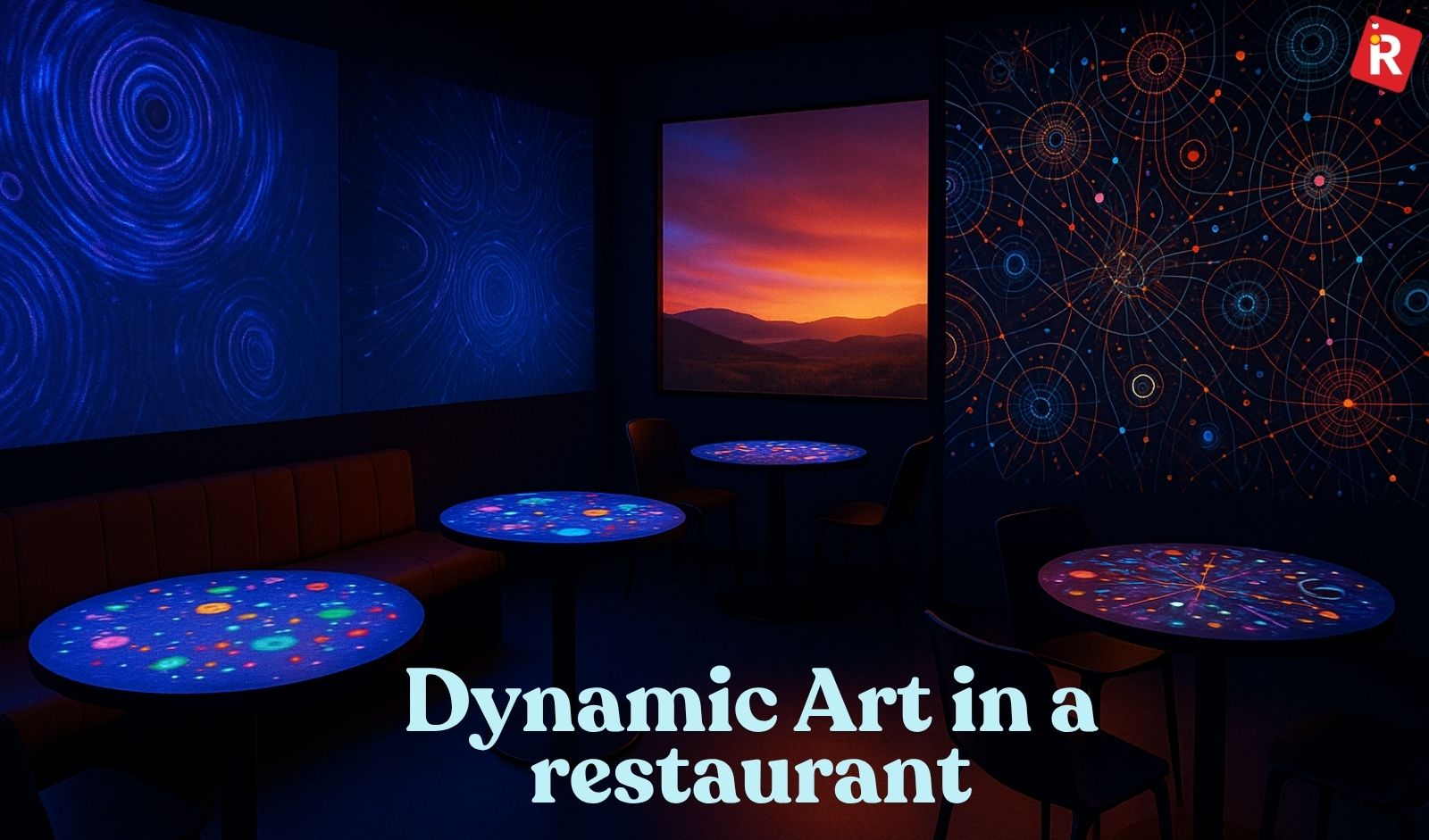
Consider walls with changing patterns, tables with small projected graphics, or digital "windows" that show altering landscapes. This design goes beyond static decor, using kinetic art and interactive computer displays that constantly change the atmosphere. The venue itself becomes a dynamic, breathing organism that continuously shapes the dining experience. Its distinct attraction stems from its multi-sensory, ever-changing nature, which captivates and surprises while providing limitless fresh visual aspects for repeat visits. This concept appeals to tech-savvy and experience-seeking customers, particularly those of the younger age groups. However, it requires a considerable upfront investment in technology, continual maintenance for digital information, and careful consideration of light levels to avoid distracting from the meal.
2. Sensory Overload
Rather than focusing exclusively on images, this design deliberately engages all senses. It features totally different textures such as velvet walls, rough stone, or polished wood; subtle, consistent ambient scents (think a delicate spice blend, fresh rain, or a hint of citrus—never overpowering); and a carefully chosen soundtrack that includes gentle nature sounds or a soothing urban hum. This strategy creates a complete and absorbing experience that is memorable, producing an original and extremely pleasant atmosphere. It provides a unique retreat from the typically hectic urban atmosphere. Meticulous preparation is required to ensure that sensory aspects are harmonic and do not overwhelm, and material choices must be strong for handling diverse textures.
3. Deconstructed & Exposed Aesthetic
This approach acknowledges a building's "bones" by intentionally displaying structural and functional aspects. Consider visible pipelines, pipes, raw concrete, exposed ventilation systems, and deconstructed furniture. It is an honest approach that reveals the underlying structure. Its particular appeal stems from its raw, industrial-chic appearance, which starkly contrasts with highly polished surfaces. This design emphasizes authenticity and produces a sophisticated, urban vibe that complements fast-rising industrial and commercial regions. Practical considerations include keeping exposed elements extremely clean and well-maintained, as well as using high-quality materials for components that will become design features.
What's new: Practical ways to train staff for better customer service
4. Stepping into a Storybook
The entire restaurant is converted into a perfectly detailed scenario from a certain novel, film, magical universe, or historical period. Guests are immersed in a story rather than simply dining. Consider an "Alice in Wonderland"-themed tea parlor, a "secret garden" dining room, or a bar hidden behind an ordinary bookshelf. This generates an unrivaled sensation of escape, wonder, and originality, making the restaurant extremely "Instagrammable" and generating a lot of attention. It provides entertainment much beyond the meals and can be a strong lure for families and younger populations looking for unusual experiences. This difficult concept requires significant investment in custom props, set design, and meticulous attention to theme continuity.
5. Modular & Transformable Space
This design includes extremely modular and changeable furniture, walls, and lighting systems, allowing the entire room to change throughout the day or for different events. Consider sliding partitions to create private dining areas, adjustable tables for intimate or social events, and lighting schemes that range from bright breakfast to cozy evening. Its distinguishing feature is its exceptional flexibility, which allows it to adapt to different times of day (e.g., café in the morning, bar at night) and accommodate a wide range of activities. This makes it suitable for multi-purpose venues or restaurants that want to maximize revenue streams. High-quality, long-lasting, and readily movable systems, as well as staff training, are required for efficient shifts.
6. Workshop Restaurant
This concept includes a visible, functional artisan's workshop right in the dining area. It could be a live bakery where bread is kneaded, a pasta-making station, a coffee roasting area, or a local craftsperson demonstrating pottery or weaving. This adds an attractive "show" element to the eating experience while also building trust via transparency and establishing a strong connection to craftsmanship and authenticity. It effectively emphasizes the authenticity of your ingredients or the talent involved, appealing to selective customers. It is critical to maintain high sanitary standards, provide sufficient ventilation for heat and smells, and keep noise levels under control.
Check out: How to start a restaurant blog and attract customers
7. The Historical Dining Experience:
This involves precisely copying a specific historical period, which extends beyond mere vintage décor. To completely transport guests to a bygone era, original furniture, design pieces, period-appropriate music, and possibly even staff costumes are required. Its distinct appeal stems from providing a really immersive and nostalgic experience that taps into a sense of tradition and curiosity. It operates as a living museum, with visitors actively participating in the atmosphere of another era. This challenging concept requires substantial research and investment in real or high-quality replica components, with consistency across all elements to avoid a "costume party" atmosphere.
8. The Minimalist & Hyper-Focused Sanctuary:
This design is a major departure from overcrowded aesthetics, removing any unnecessary features. The space focuses on negative space, single focal points (a gorgeous piece of art, a meticulously built table), and the purity of form, line, and high-quality materials (raw concrete, polished wood, and plain steel). The design disappears, making the meal the final "design element." This creates a quiet, refined, and uncluttered environment that promotes mindfulness and a greater appreciation for the food industry. It caters to a specific market looking for a quiet and elegant eating experience, but the main stars are excellent cleanliness, organization, and incredibly high-quality food and plating.
9. Interactive Walls & Surfaces:
Interactive design elements can be used to attract the diners. This can include giant chalkboard walls for sketching or writing, as well as erasable surfaces and tables with embedded digital screens for ordering, browsing menus, and playing light games. This invites direct guest participation and creativity and adds a playful, engaging element to the dining experience, resulting in unique photo opportunities and potentially increased dwell time for families or groups. It's ideal for family-friendly restaurants and tech-forward cafes looking to create a vibrant, engaging environment. Durable, easy-to-clean surfaces and solid, user-friendly digital connectivity are important considerations.
Read this: A CULINARY DEBUT: INDIA WELCOMES ITS FIRST MODERN CHINESE POP-UP AT ZEN!
10. Gallery Dining Experience:
The restaurant functions as both a revolving gallery and a permanent display area for a certain type of curated collection. This may include antique culinary equipment, rare plant prints, a revolving exhibition of photography, historic maps, or a diverse collection of foreign antiques. Its distinct appeal stems from combining meals with cultural research and artistic appreciation, providing ongoing mystery and curiosity that promotes repeat trips to discover new works. This approach requires a passion for collecting and curating, with displays that must be secure, well-lit, and consistent with the restaurant's brand to seem logical. It could appeal to art lovers and those looking for a culturally enhanced eating experience.
Conclusion
In the competitive restaurant market, a genuinely successful establishment goes beyond simply providing cuisine; it becomes an engaging experience, a one-of-a-kind destination. Interior design, when approached with creativity and strategic intent, can help define your brand, improve customer satisfaction, and drive long-term growth. By embracing one of these innovative ideas or combining pieces of them, you do more than just launch a restaurant; you create an amazing setting where every meal is transformed into a cherished experience, guaranteeing that your restaurant stands out and thrives as a renowned culinary icon.
Mahak Sharma
Content Writer
Mahak Sharma is a passionate content writer with 2 years of experience crafting compelling content across various niches, tailoring her writing to suit different audiences and platforms. She is dedicated to producing engaging content for readers so that they can understand and enjoy the articles. Her strengths lie in crafting SEO-friendly, well-structured articles that drive visibility and engagement.



































































