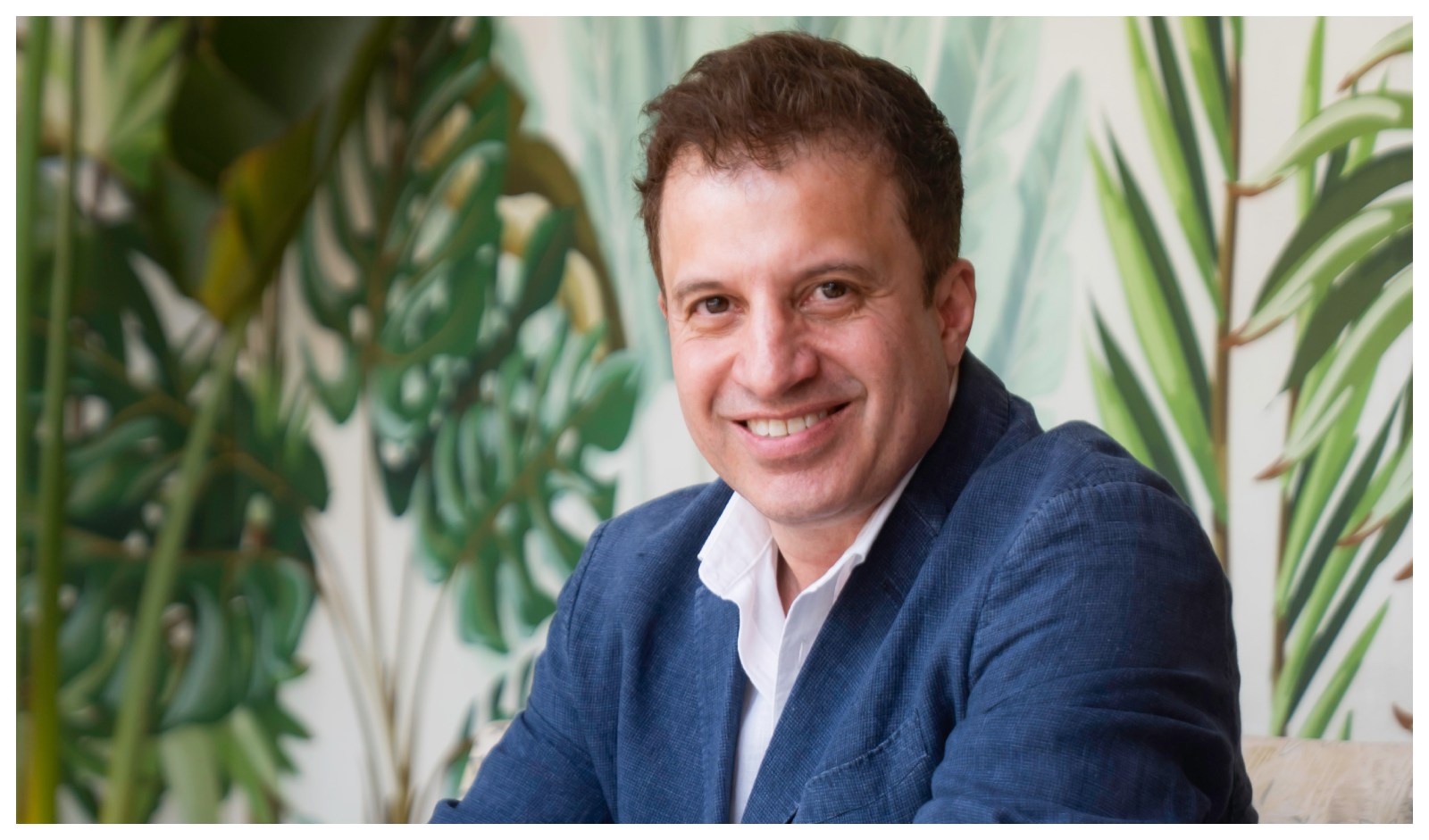
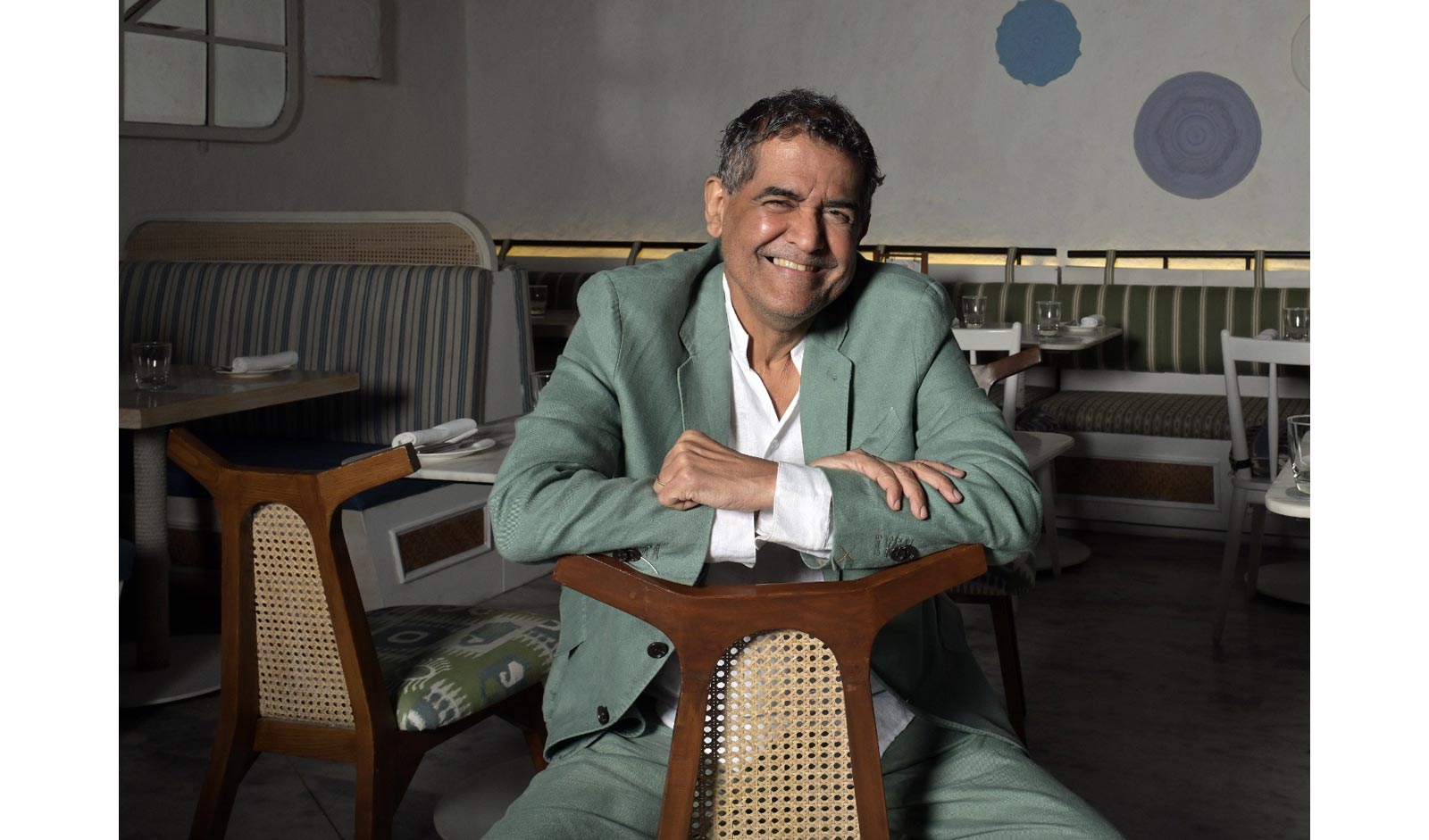
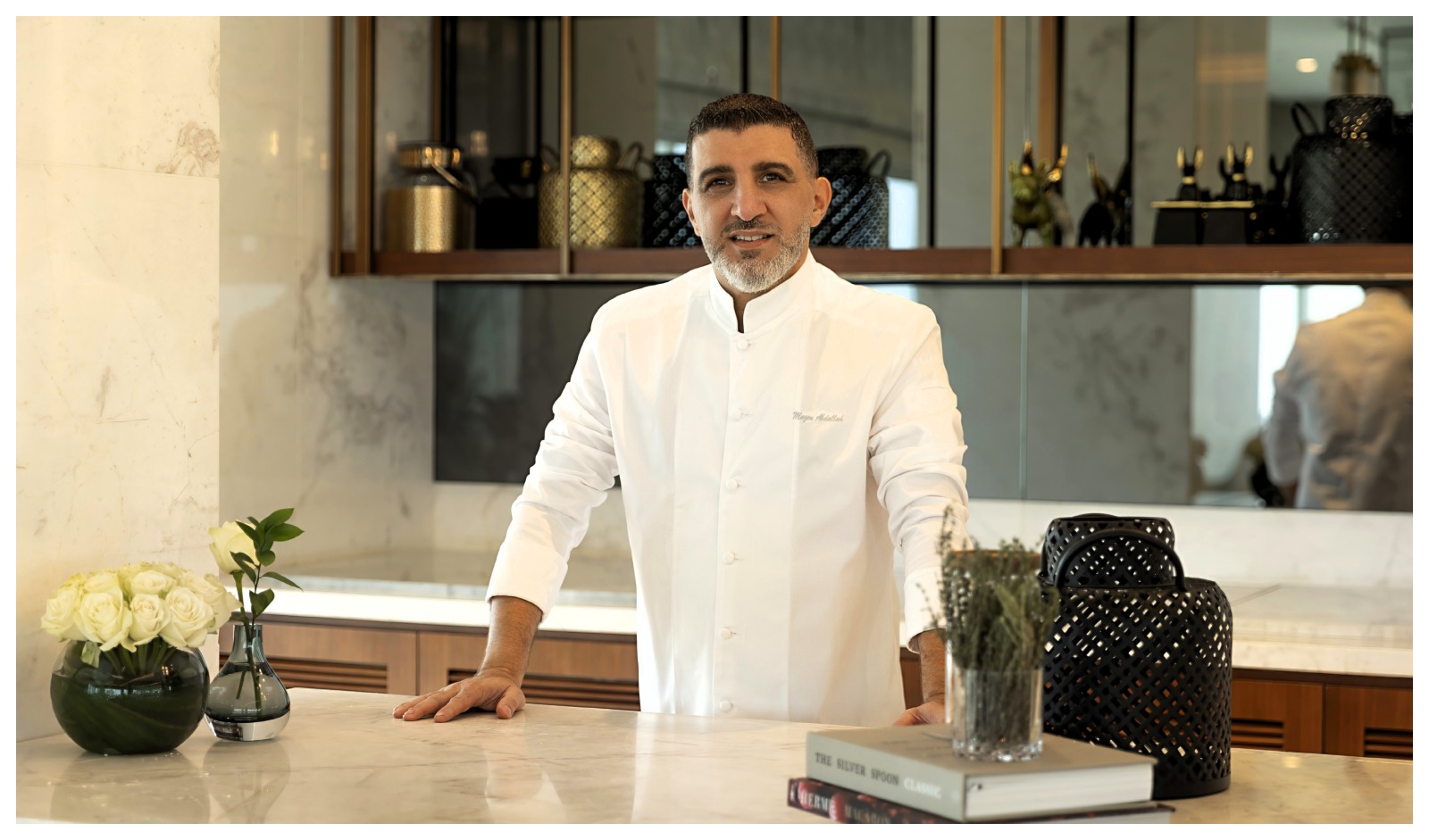
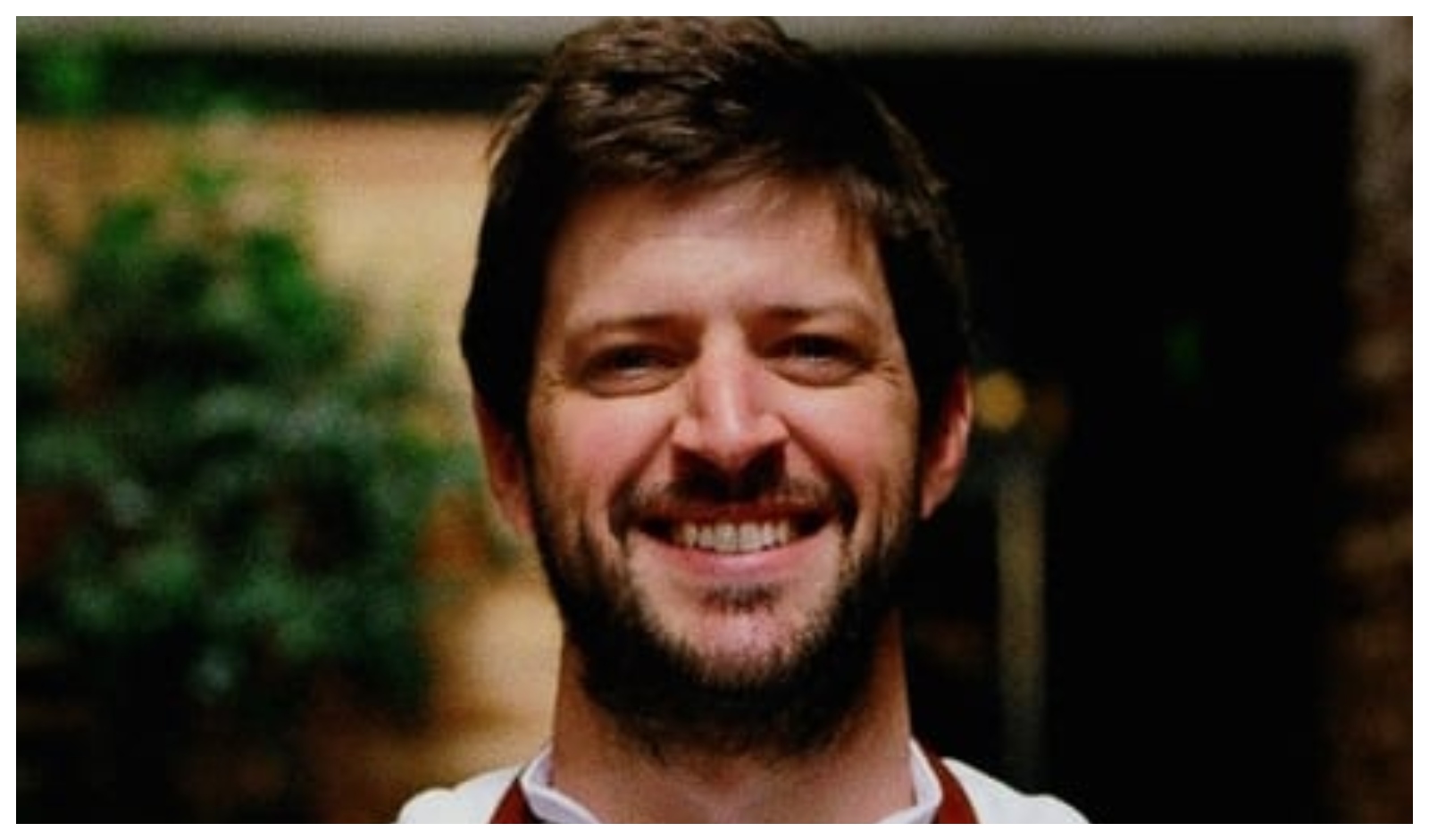
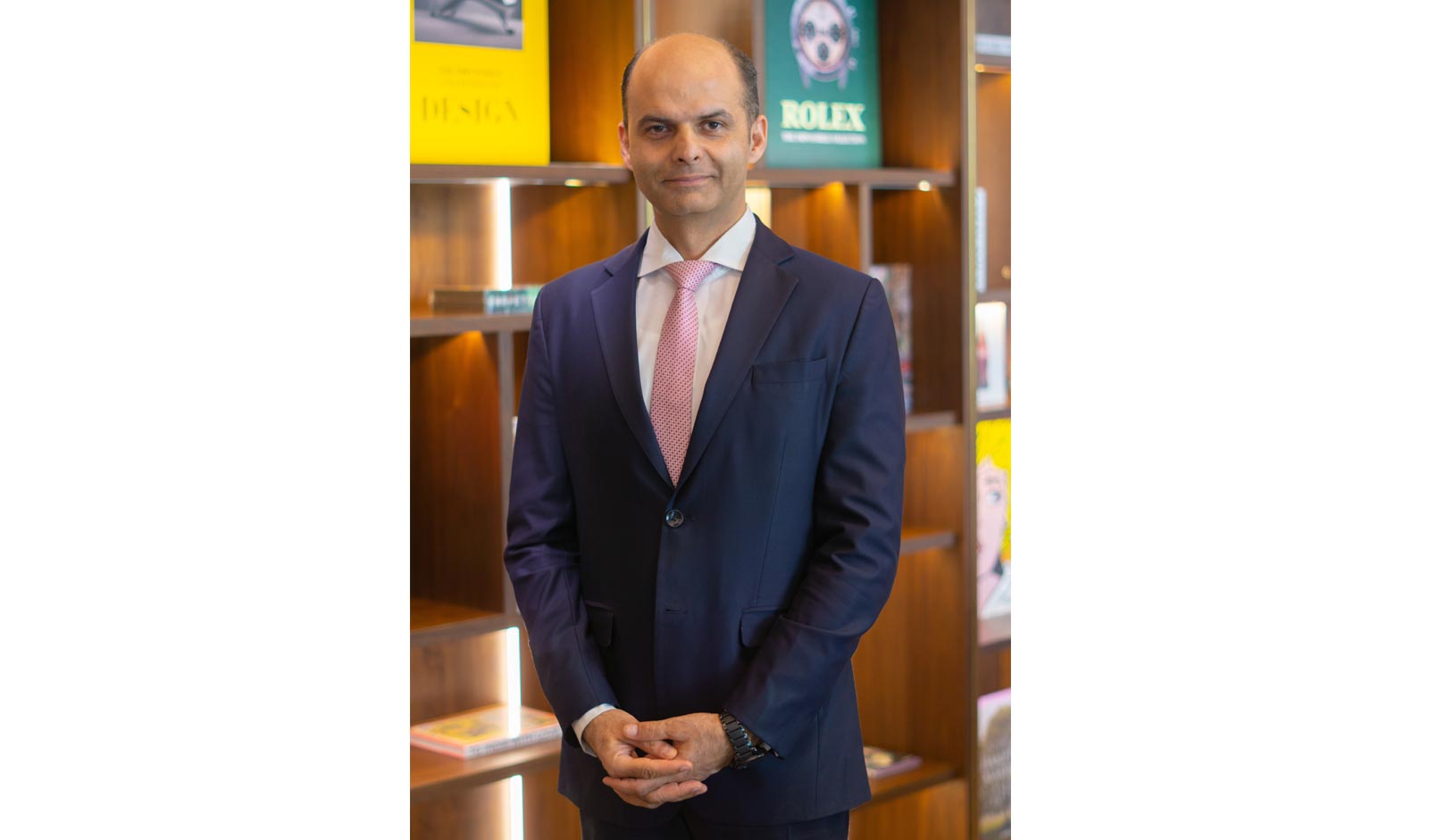
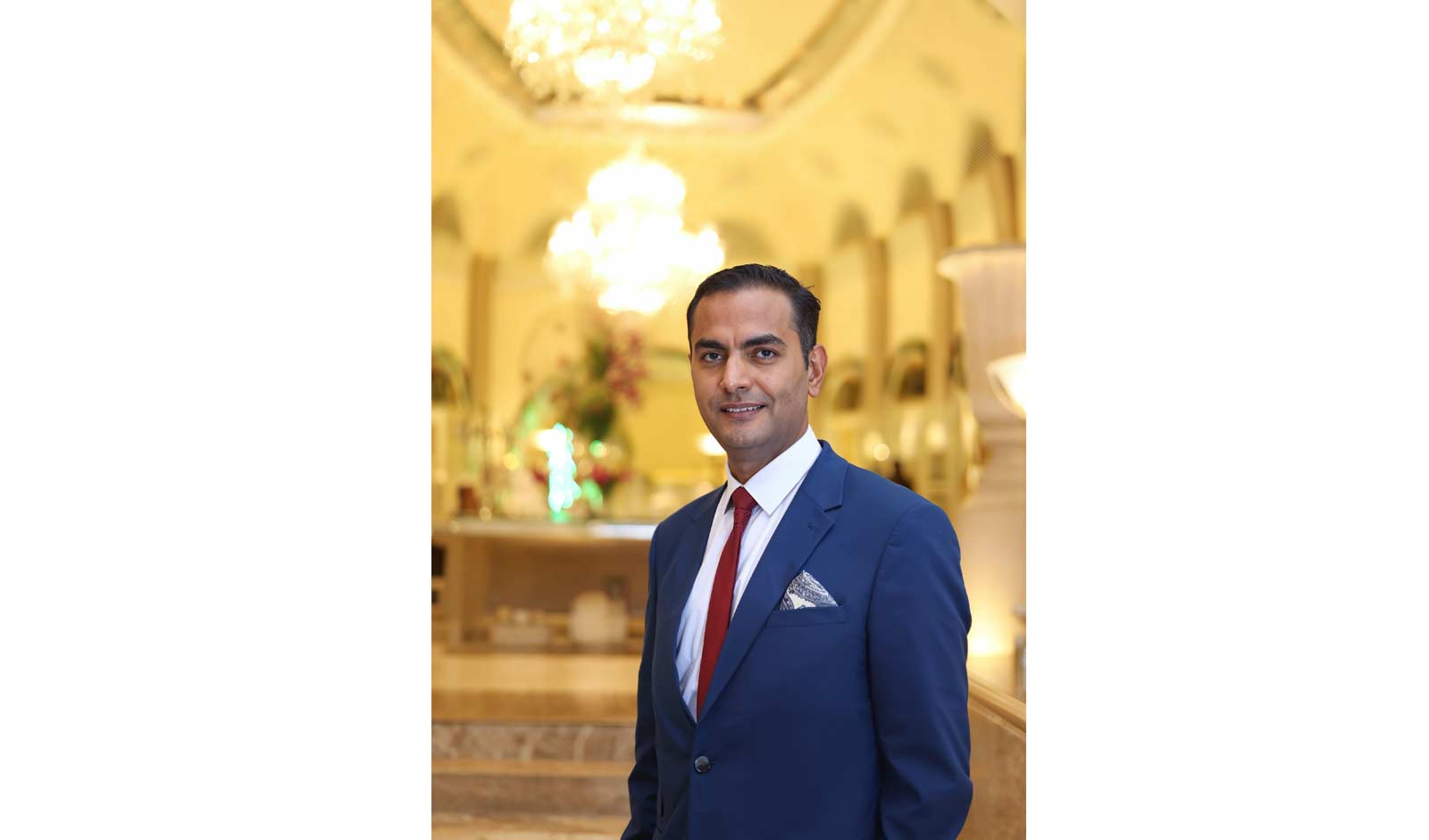
“Keep Your Ego Aside and Be Willing to Get Your Hands Dirty”: Chef Dirham Haque on Leadership and Luxury Dining
In a conversation with Restaurant India, Chef Dirham discusses the changing face of luxury dining, the philosophy behind Japanese restaurant Yukio, sustainability, Pune's emerging food culture and the leadership lessons he has carried from his international experience.

Luxury dining is no longer defined by what is on the plate alone. From responsibly sourced ingredients and immersive restaurant experiences to evolving guest preferences and a renewed focus on wellness, the hospitality landscape is changing rapidly.
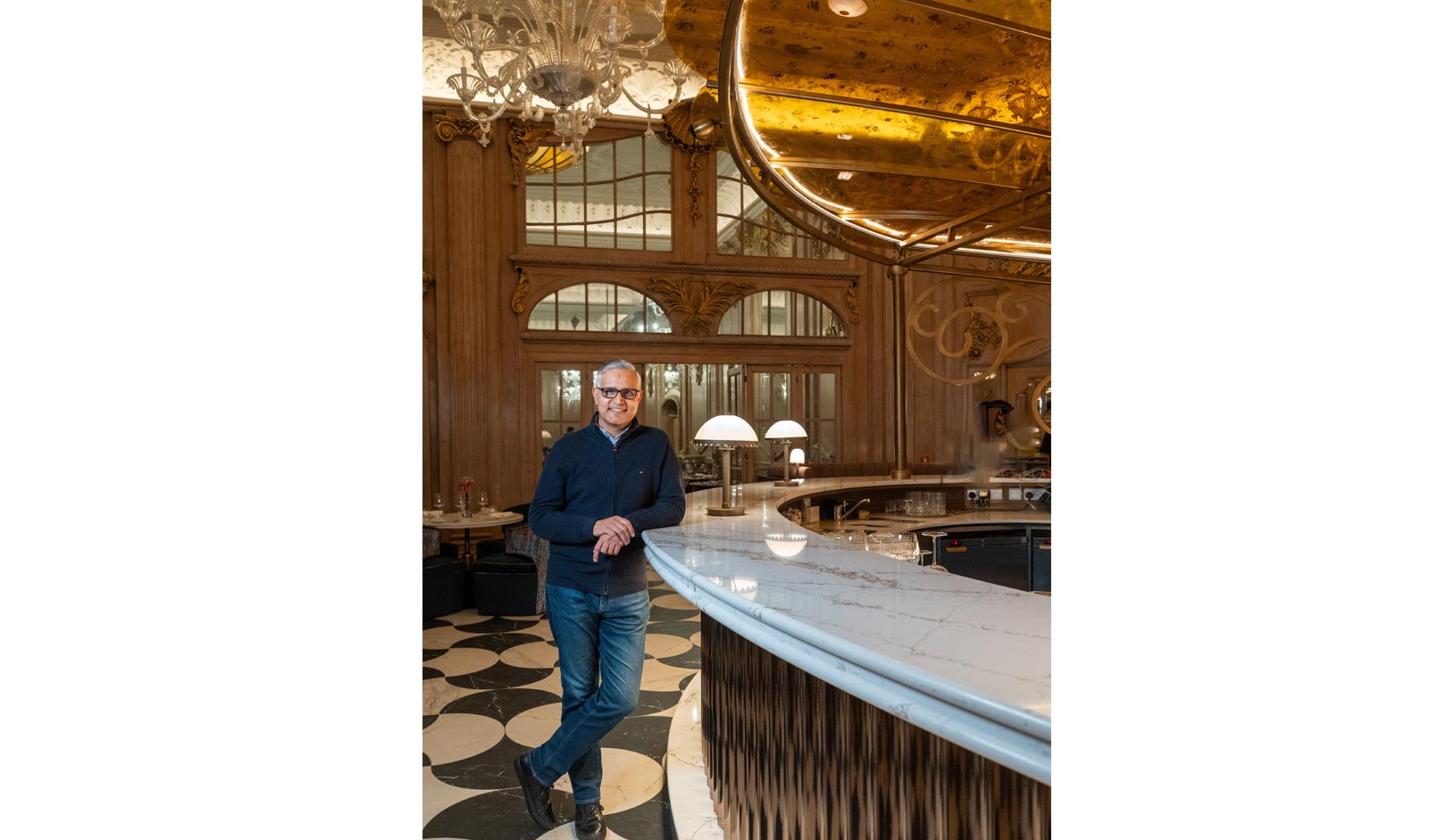
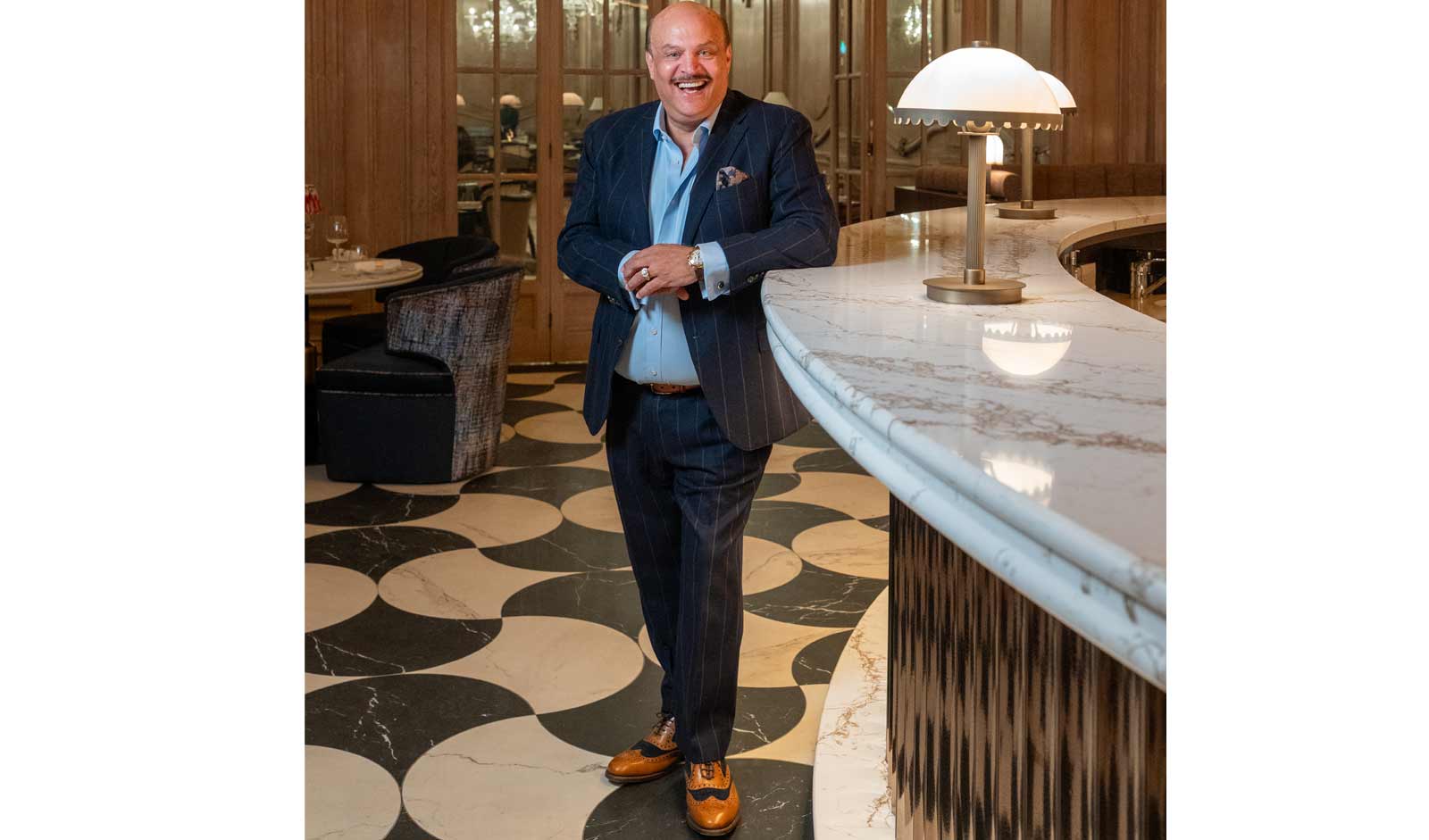
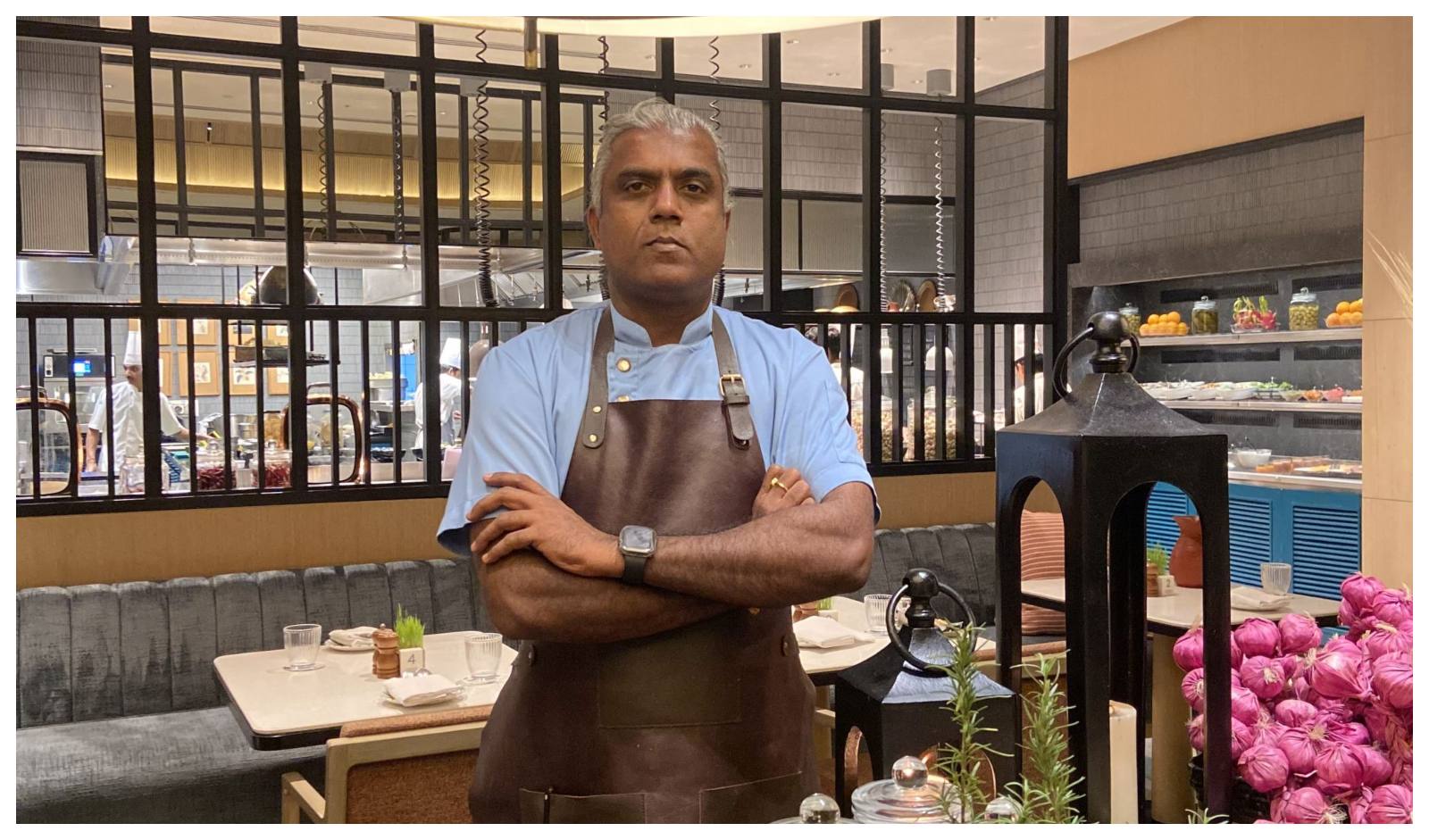
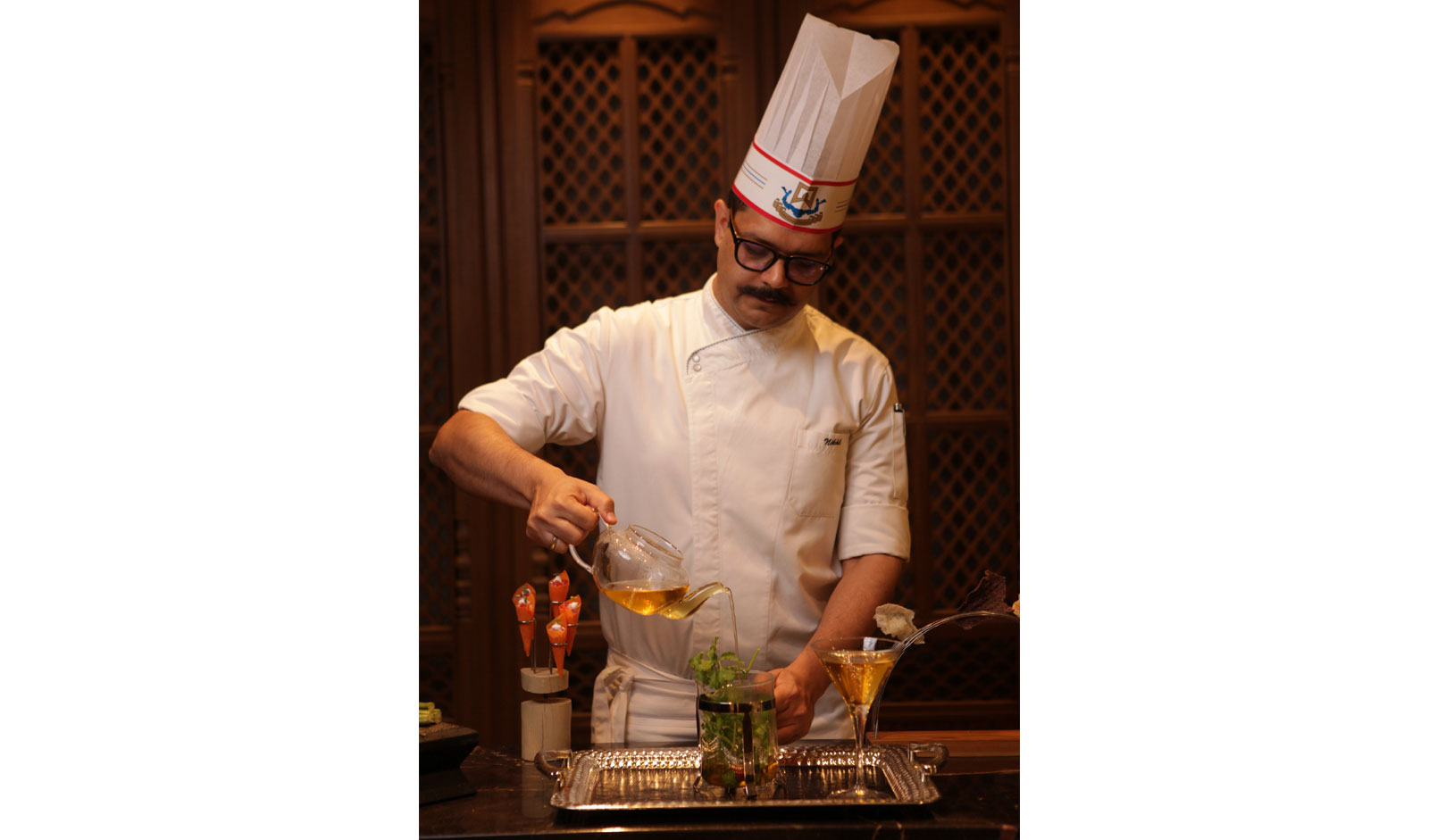
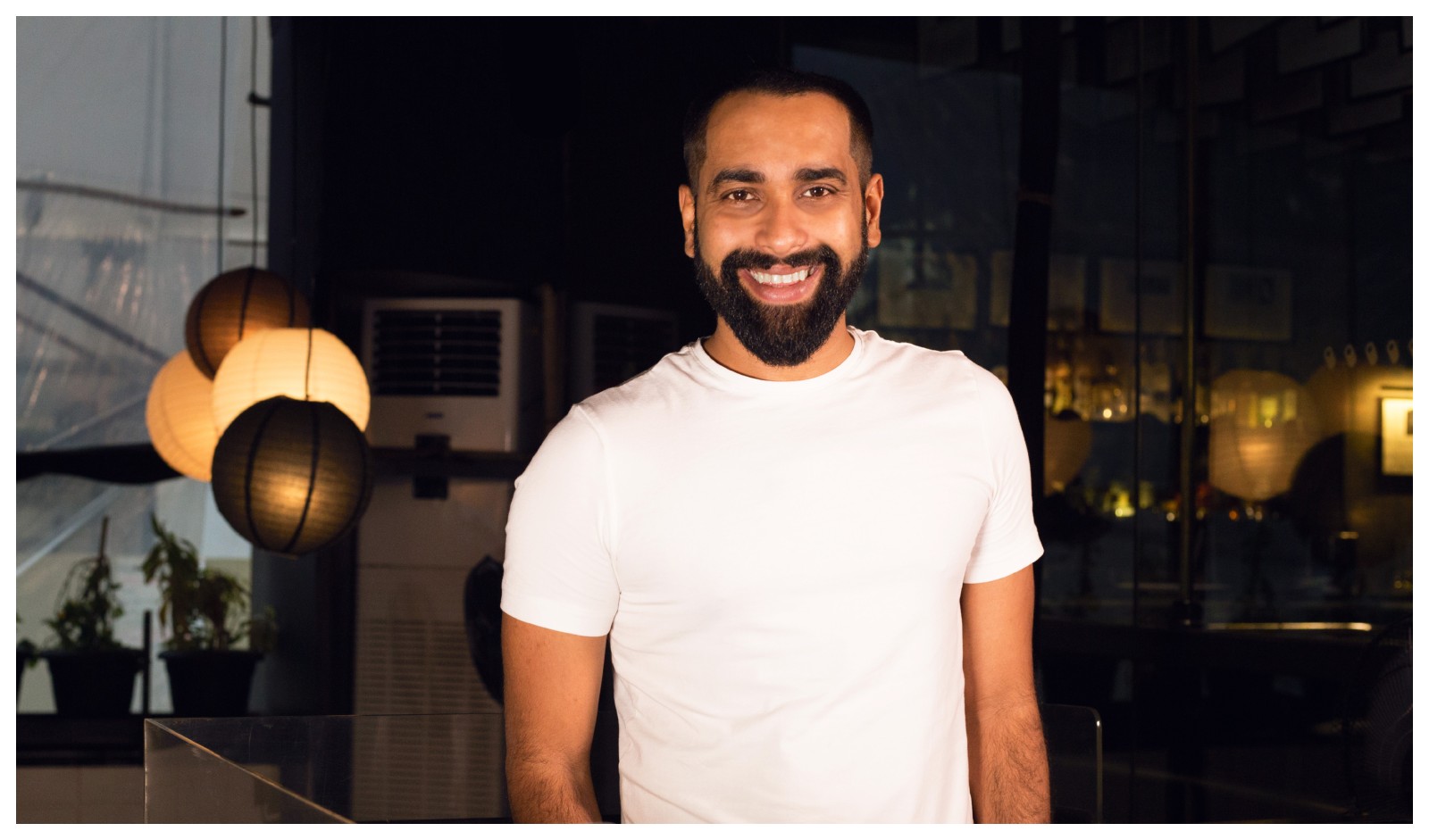
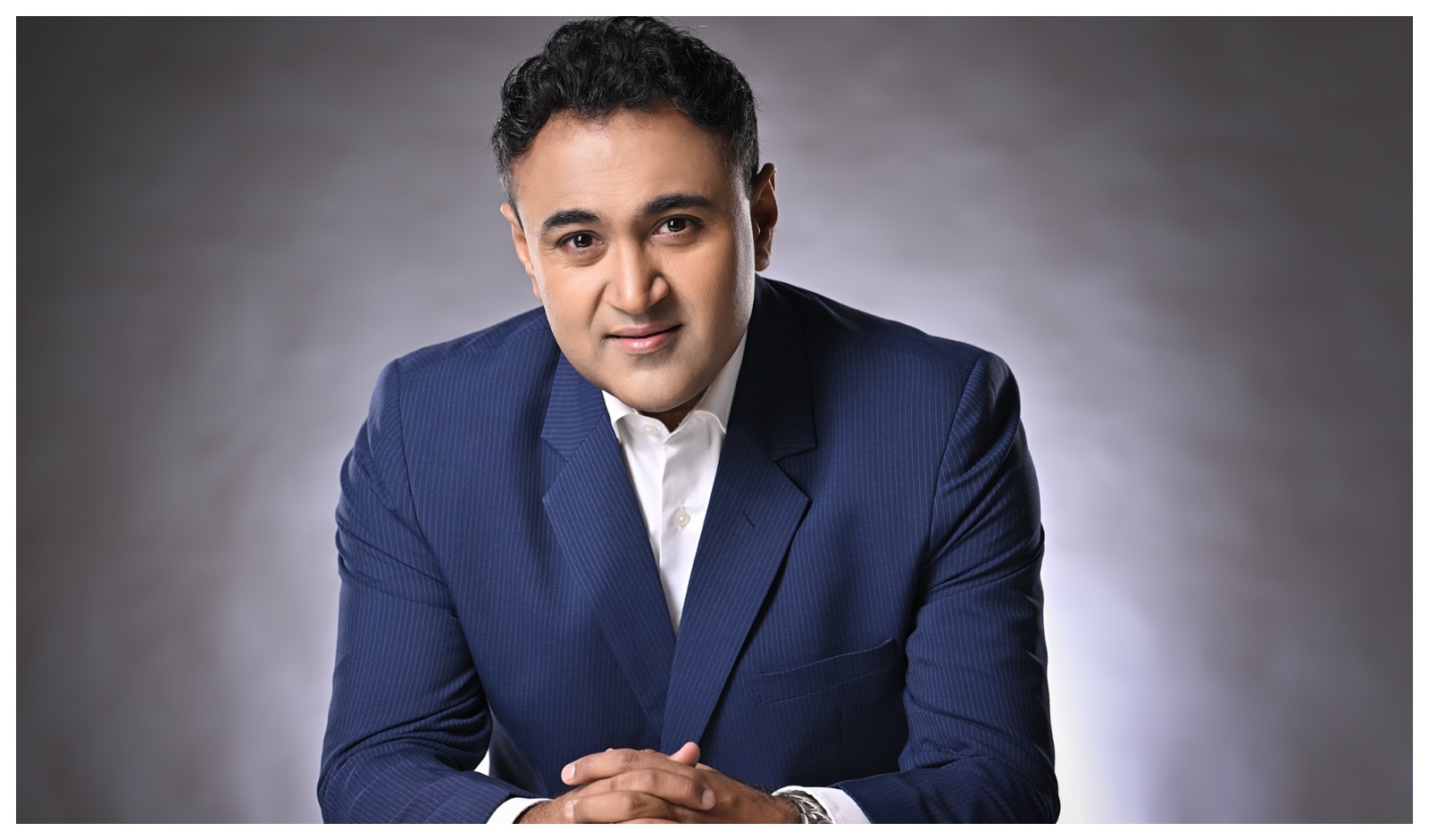
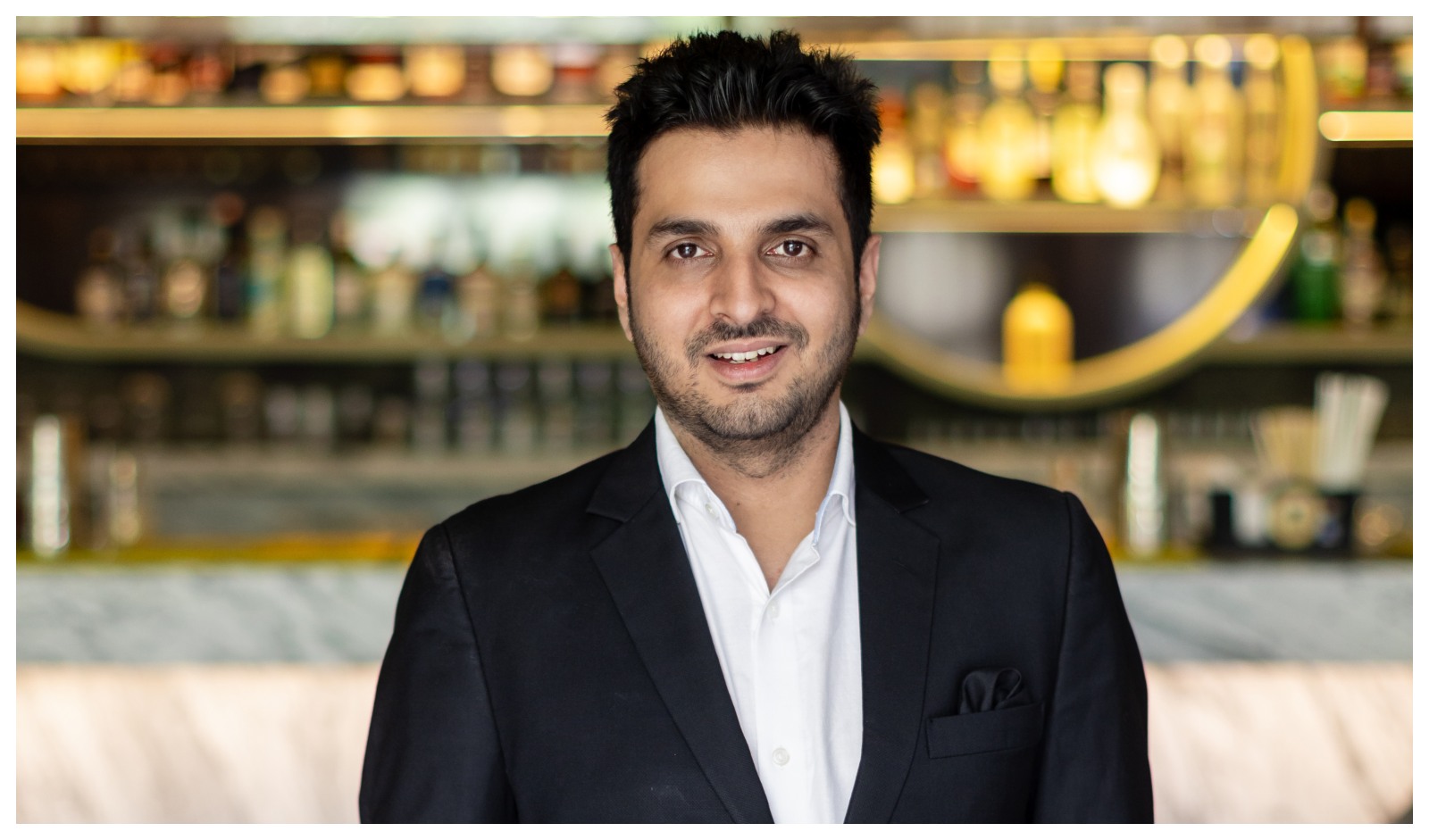
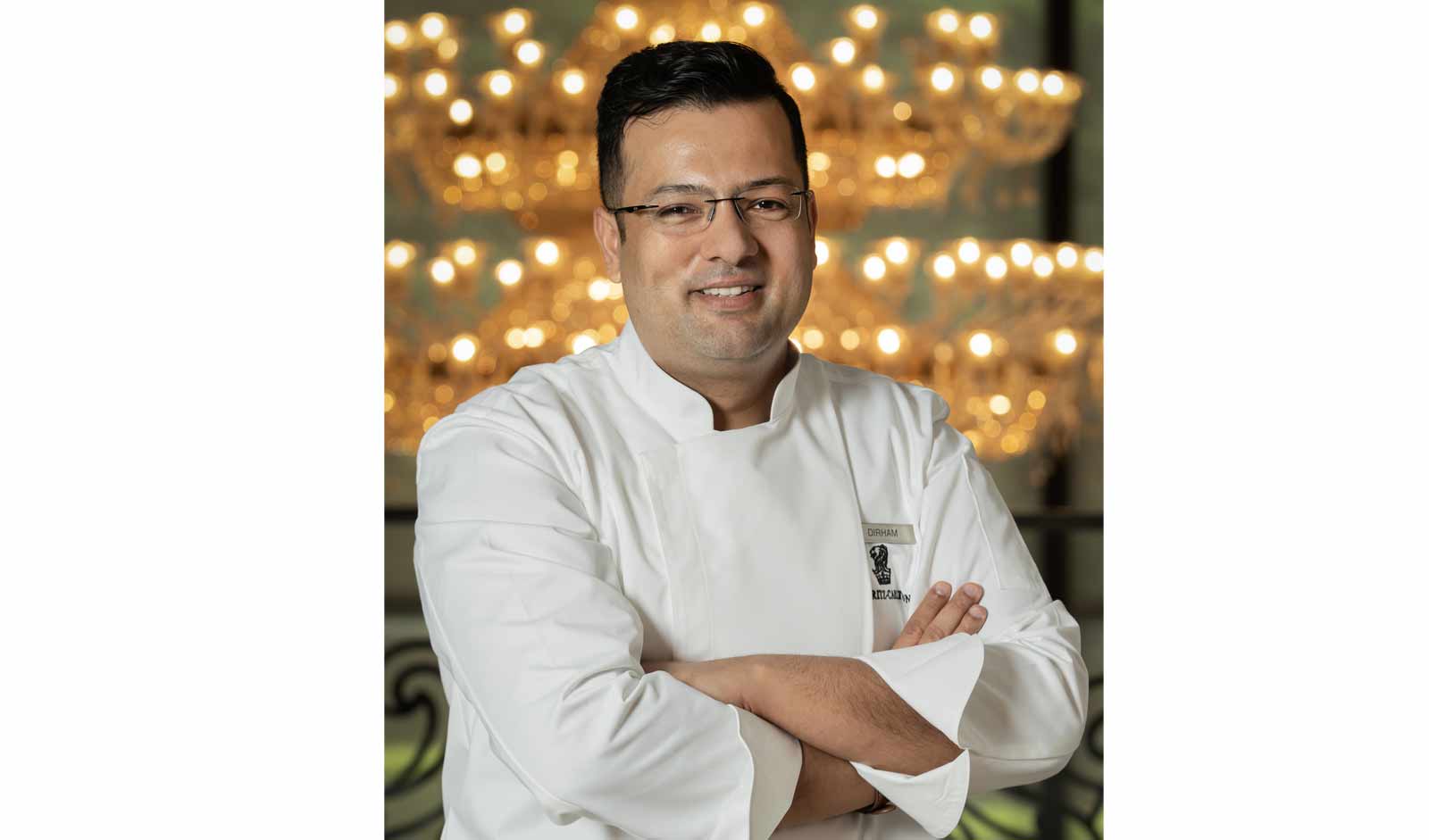
Ventive Hospitality has built a diverse portfolio of luxury and business hotels and resorts across India and international destinations, including the Maldives. With properties operated in partnership with leading global hospitality brands such as Marriott, Hilton and Minor Hotels, the company has a strong presence in Pune's luxury hospitality landscape. At Ventive Hospitality's The Ritz-Carlton, Pune, Chef Dirham Haque believes that the future of fine dining lies in balancing culinary innovation with authenticity, consistency and a strong sense of purpose. In a conversation with Restaurant India, he discusses the changing face of luxury dining, the philosophy behind Japanese restaurant Ukiyo, sustainability, Pune's emerging food culture and the leadership lessons he has carried from his international experience. Excerpts:
How do you see the culinary transition happening in India, particularly in the luxury dining segment?
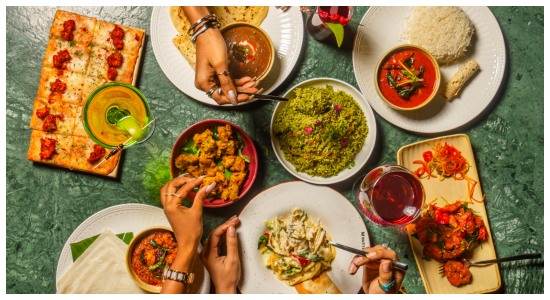
The luxury dining segment is evolving, and transparency has become extremely important. Sustainability is no longer just a buzzword; it is influencing the way restaurants operate. It is not only about the food we serve but also about the quality of ingredients, what we procure and where we source them from. If you have good-quality ingredients, the final product will naturally be better.
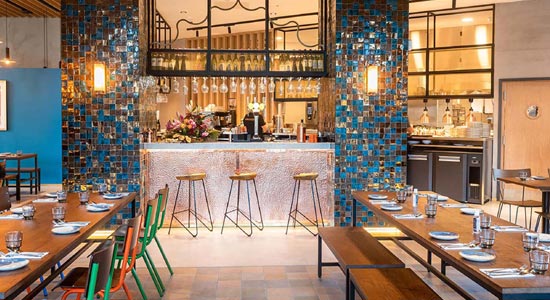
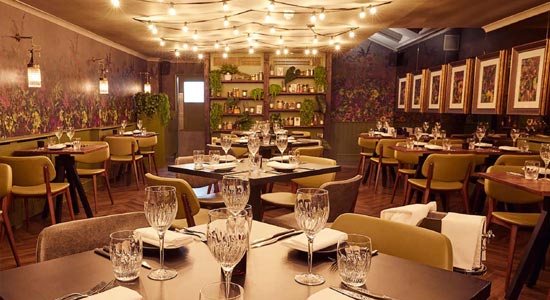
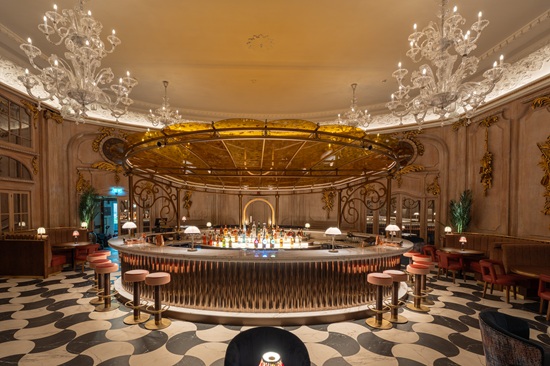
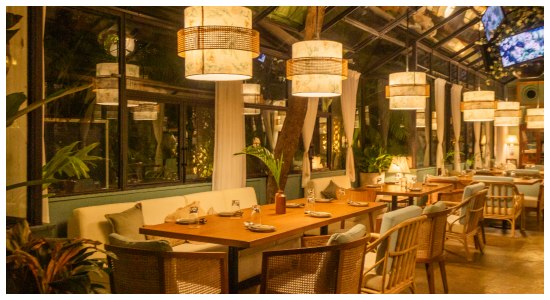
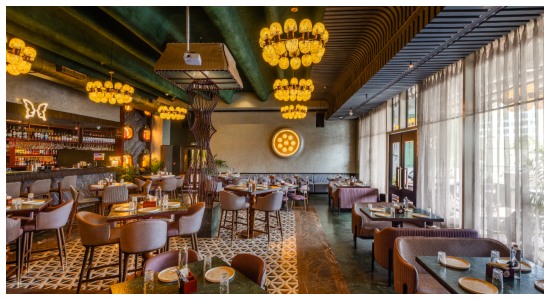
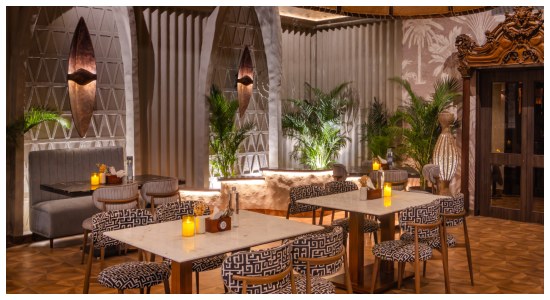
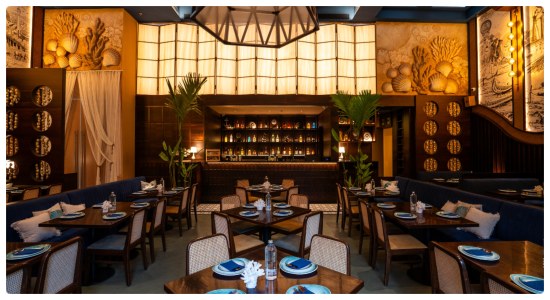
Another significant shift is towards multi-sensory dining experiences. Today, a restaurant is not defined by its food alone. Its design, beverage programme, music, ambience and overall programming all contribute to the experience. Gone are the days when food was the only driving factor for a good restaurant in a five-star luxury hotel. Guests today want a complete, immersive experience that leaves a lasting impression.
Food will always play the primary role, but service is equally important. There is an old saying that good service can compensate for bad food, but bad service can never compensate for good food. I believe that the overall experience is what brings guests back.
From a chef's perspective, luxury hotels also provide an excellent platform for innovation. We have the opportunity to experiment with techniques, creativity and ingredients. I have never believed that only my way of doing things is right. If a team member comes up with a better approach, I am always open to exploring it. If the experiment works, why not implement it? Learning is extremely important. We cannot be so rigid about our procedures and SOPs that we stop encouraging new ideas.
Tell us about Ukiyo and the philosophy behind its Japanese culinary identity.
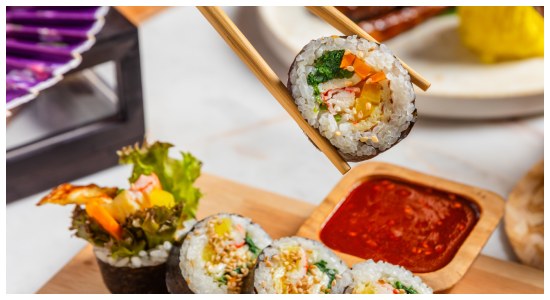
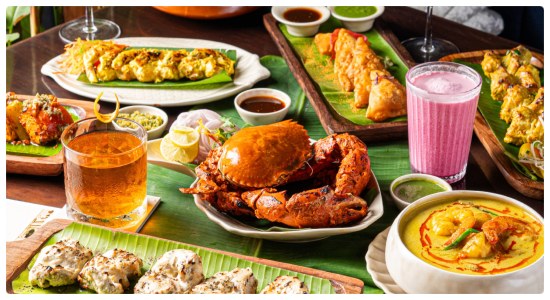
At Ukiyo, we have been very particular about retaining our Japanese identity. I genuinely believe we work with some of the finest Japanese ingredients available in India. Whether it is fish, seafood, marine produce, dairy or other perishables, nearly 90% of our produce comes directly from Japan. Our seafood is airlifted from Japanese markets through our vendors and brought directly to the restaurant. We also have specialised freezers that can preserve seafood at temperatures as low as minus 60 to minus 70 degrees Celsius, which is particularly important for preparations such as sushi and sashimi. The quality of ingredients takes care of a significant part of the culinary journey. We have never compromised on this aspect, and I am grateful to our ownership for being supportive of that philosophy. Running a Japanese restaurant is very different from running an Indian restaurant. The food costs are considerably higher, margins are narrower and experimentation can sometimes lead to wastage. You need an ownership that understands this and is willing to invest in quality.
For me, prestige and reputation are sometimes bigger than immediate profitability. We have retained the authenticity of Japanese cuisine while also exploring different flavour profiles. We are not rigidly traditional in every aspect. We have incorporated some Western influences while ensuring that the core Japanese identity remains intact. Our menu continues to celebrate authentic Japanese cuisine, but we also allow ourselves the freedom to innovate.
How important are ingredients in determining the success of a luxury restaurant today?
Restaurants have become one of the biggest drivers of hotel business. Guests no longer visit a luxury hotel only for a stay; food is a major reason for their visit. I remember an experience from my time in Dubai when I had the opportunity to interact with a general manager, Margaret Paul. During an interview with Hotelier Middle East, she was asked what she considered the most important element of a hotel. Interestingly, despite not coming from an F&B background, her answer was the quality of food. Her reasoning was simple. The building will remain the same, and the service standards may remain consistent, but food makes a lasting difference. For instance, when families travel with children, one of their biggest concerns is what their children will eat. And, if you want to position a restaurant around the quality of its food, you have to be ingredient-driven. Your cooking techniques also need to be simple and consistent. There is no point in creating a dish that involves 10–12 complicated techniques if your team cannot replicate it in your absence.
Ultimately, a restaurant's reputation should not depend on one chef. Chefs may come and go, but the outlet must maintain its quality, freshness and consistency. Even Michelin stars are awarded to restaurants rather than individual chefs. That is a strong reminder that it is the establishment's overall culinary philosophy that matters.
Sustainability has become a major conversation in hospitality. What does it mean to you in practice?
For me, sustainability begins with sourcing the right ingredients while ensuring that we do not harm the environment or disrupt the ecosystem. Traceability is equally important. We have an internal purchasing mechanism through which our procurement is monitored. For example, if my team needs to purchase eggs, the system allows them to raise a requisition only for cage-free eggs. Regular eggs are not even an option. The same approach applies to sustainable fish and seafood, gestation-crate-free pork, and sustainably sourced tea and coffee. We work with vendors who have the necessary certifications. Hence, it is important to create systems where sustainable practices become part of everyday operations rather than remaining individual choices. Whether someone personally supports these initiatives or not, the procurement process ensures that the right practices are followed.
Consumer awareness has also changed significantly. People are much more conscious of what they eat, where it comes from and how it is sourced. Even within my family, I see this awareness growing. I have personally become very conscious about plastic consumption and try to avoid plastic products at home. These small changes may seem insignificant individually, but collectively they can make a meaningful difference. If we do not start working towards sustainability today, we will never get there.
Are hotel restaurants increasingly attracting guests who are not staying at the property?
Absolutely. In fact, you might be surprised to know that nearly 80% of our restaurant guests are non-residents. They visit us specifically for the dining experience. Among these guests, around 50–60% are repeat customers. This clearly demonstrates how food is driving the hospitality business today. When guests appreciate the quality of your ingredients, the freshness of your produce and the overall experience, they return.
How do you see Pune emerging as a culinary destination?
Pune is a very promising and emerging market. People are increasingly willing to experiment with food, and I have seen several restaurateur friends establish interesting concepts here. The city's F&B industry has significant potential, and even for our hotel, food and beverage contribute substantially to the business.
What are the five key trends that you believe will shape the restaurant industry?
I would identify five trends that I believe will remain relevant for years to come.
1. Immersive dining experiences: Restaurants need to offer more than just good food. The ambience, design, music, service and overall programming must come together to create a memorable experience.
2. Ingredient-led dining: This is something that will never go out of fashion. If you want to position your restaurant at a premium level, the quality of ingredients has to remain your priority.
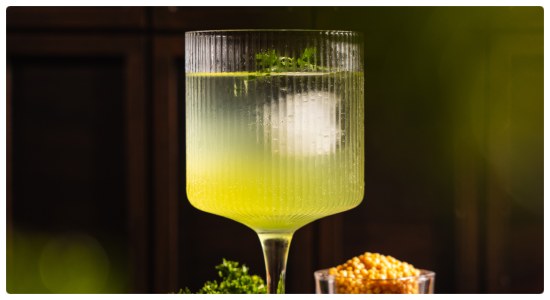
3. Strong beverage programmes: Beverage programming has become extremely important for restaurants. It is no longer an additional offering but an integral part of the overall dining experience.
4. Sustainability and ethical sourcing: Consumers are increasingly conscious of what they eat and how it is sourced. Some guests even choose restaurants based on their sourcing practices and ethical considerations. This awareness will continue to influence purchasing and menu decisions.
5. Hyperlocal cuisine: I strongly believe that staying connected to your roots is important. The future of global cuisine will also be shaped by local ingredients, regional flavours and indigenous food traditions. Hyperlocal sourcing brings freshness, quality and a sense of identity to the plate.
These five elements will continue to shape the restaurant industry. I do not see them fading away anytime soon.
Having worked across the Middle East and India with leading hospitality brands, what is one learning from your international experience that Indian hospitality can adopt?
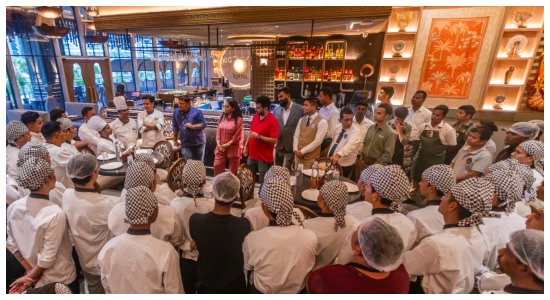
The biggest learning is to keep your ego aside and be willing to get your hands dirty. When you work with international teams, particularly European professionals, you notice that they are never hesitant to step in and do any job. Whether it is clearing a table, cleaning a plate, wiping a surface, picking up trash or helping in the dishwasher, they believe every task is important.
Unfortunately, in India, we sometimes associate designations with certain responsibilities. Someone who has become a general manager or executive chef may feel that certain jobs are beneath their position. I believe that mindset needs to change. Leadership is not about your designation; it is about your willingness to work alongside your team. Every task contributes to the larger operation, and no job should be considered insignificant. Another important lesson is to keep learning and innovating while staying connected to your roots. For me, the biggest takeaway from working abroad has been that good leadership requires humility, continuous learning and the ability to lead by example.
Nusra
Consultant Associate Editor
A seasoned journalist with more than a decade experience in restaurant and retail business. I eat, drink, breathe and sense food as a source of my living and lifestyle. A foodie by birth and a journalist by choice. I started my career with Hindustan Times doing hard news, moving into features and finally landing myself in a food coma. Love to talk, hear and publish all food stories that makes anyone happy and hearty for more than a decade now. Apart from food, I love reading fiction, helping others and finding joy in little things...