Shivam Shahi on Taking Indian Coffee to the World
From educating consumers about speciality coffee to taking Indian coffee to the world, Blue Tokai is betting that India’s coffee story is only beginning.

More than a decade ago, selling speciality coffee in India meant selling a product most consumers did not yet understand. Beans came with questions. Brewing came with confusion. Origin, processing and flavour profiles were unfamiliar territory. Coffee was largely a commodity, and instant coffee dominated the everyday conversation.
Blue Tokai entered that market in 2013, when the speciality category was still in its infancy. Its early years were as much about education as they were about selling coffee, explaining what speciality coffee meant, how it should be brewed and why it was worth trying. The company still describes its mission around making high-quality coffee more accessible through its cafés and digital channels.
Today, the conversation has moved significantly. Consumers are no longer simply asking what coffee they are drinking. They want to know where it comes from, how it was processed, what makes a micro-lot different and how its flavour was developed.
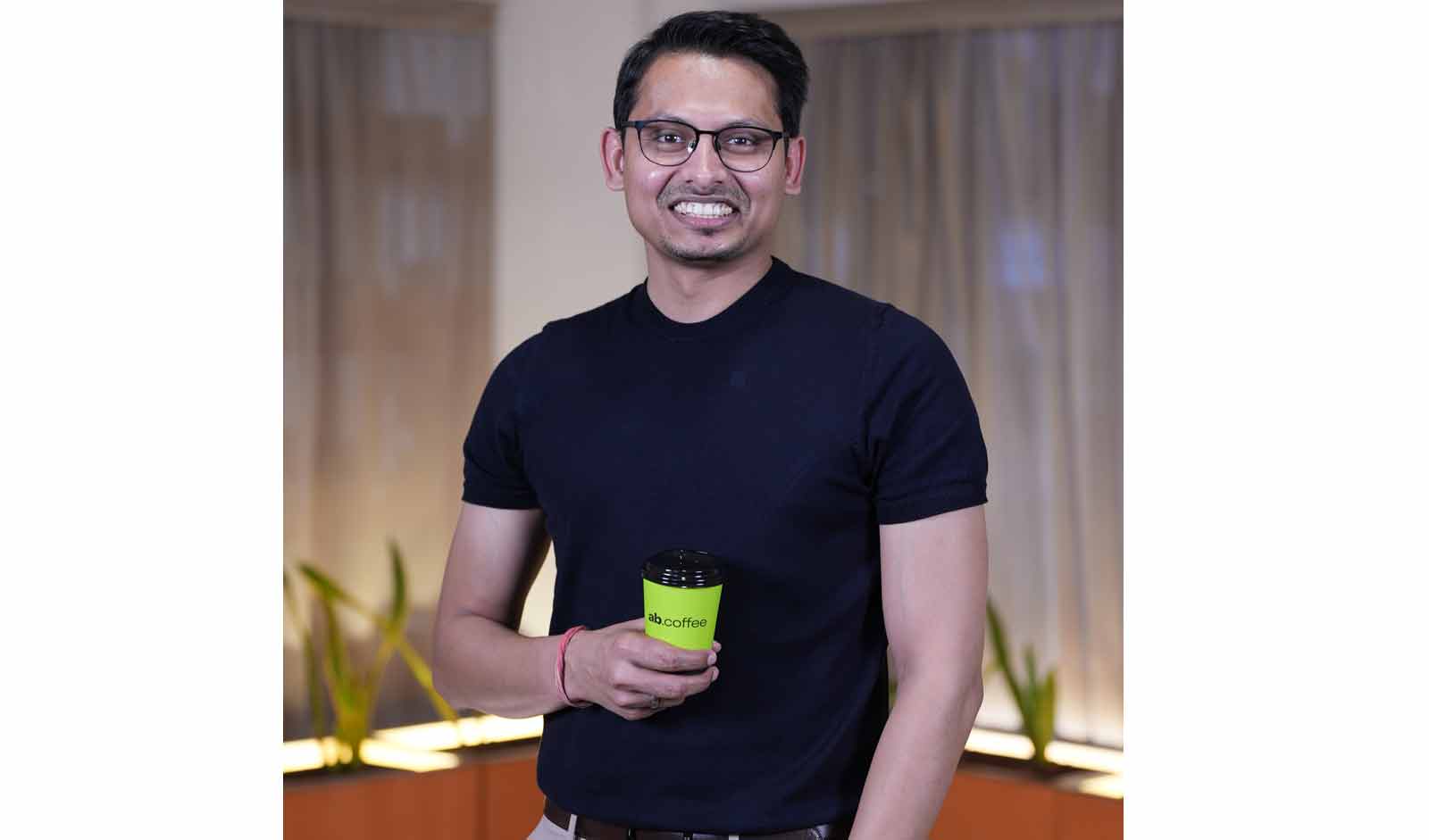
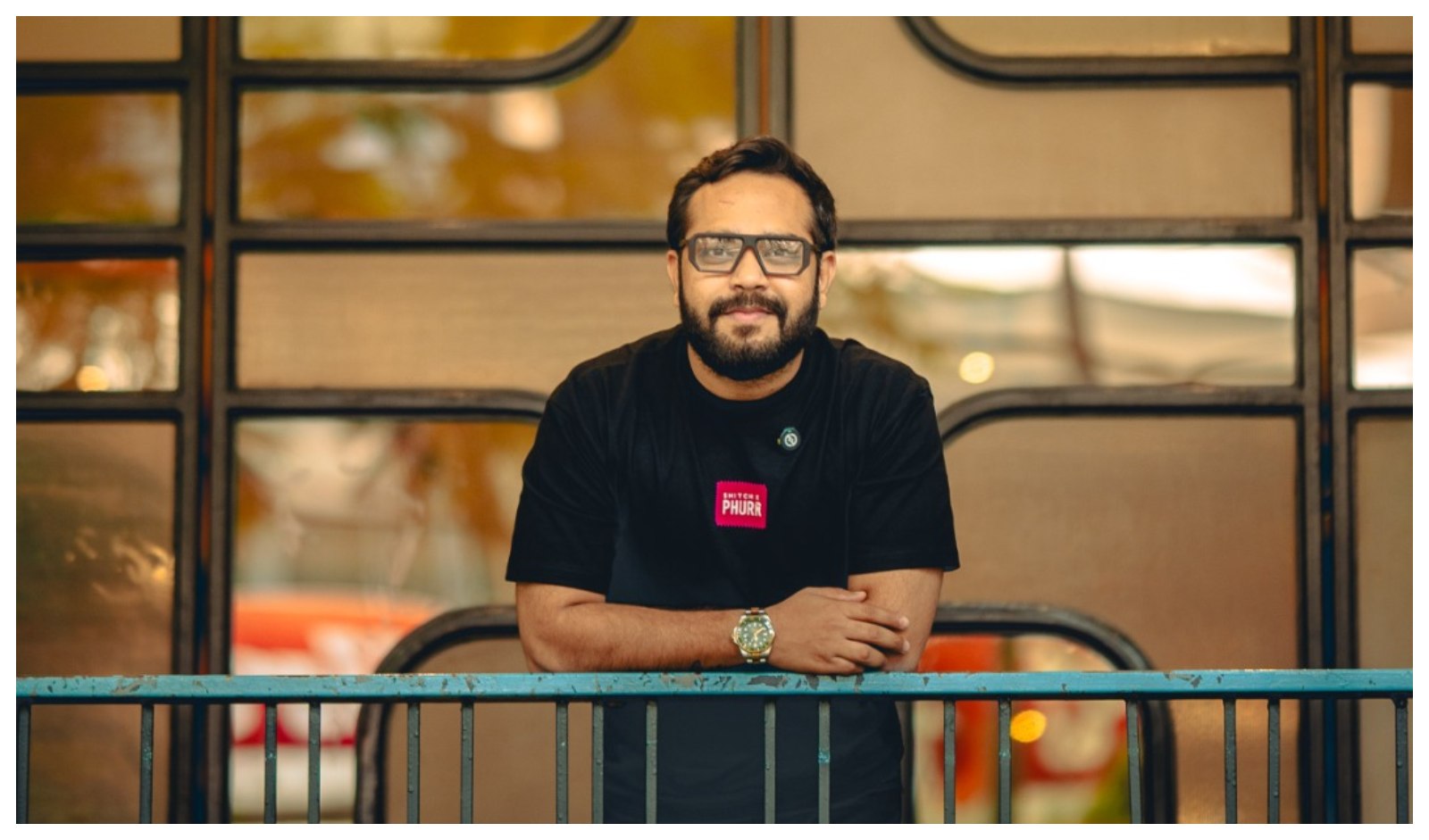
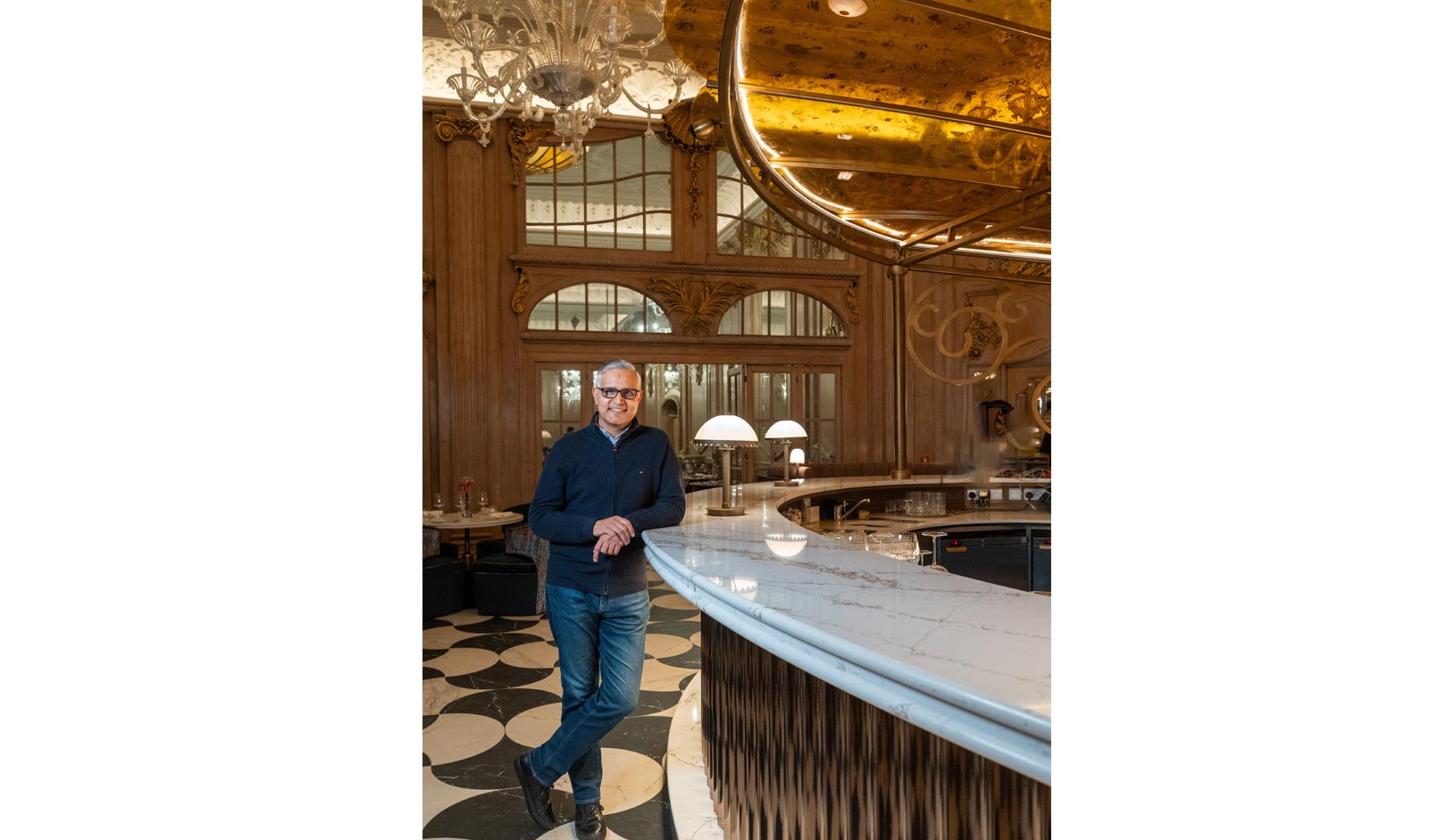
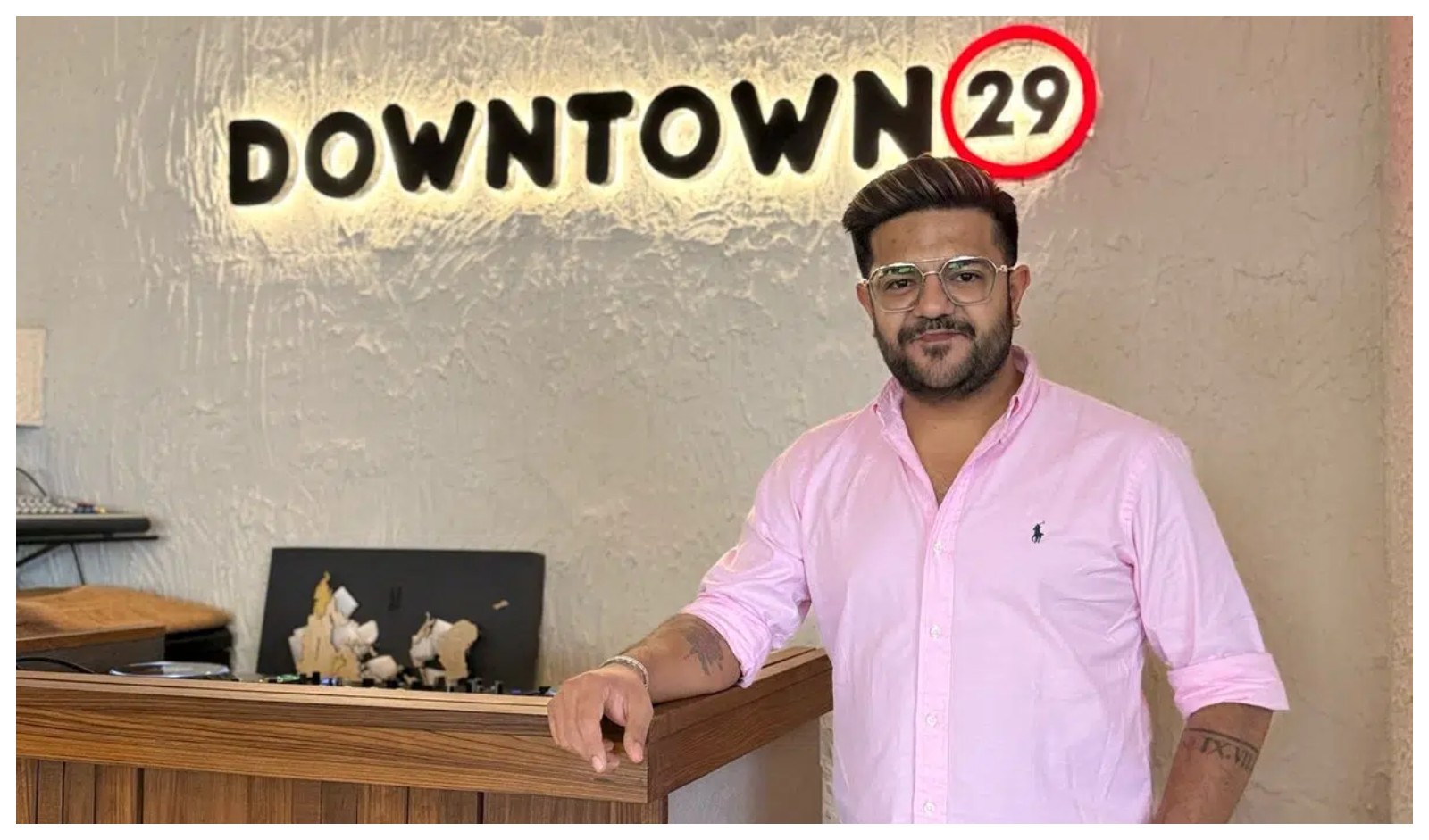
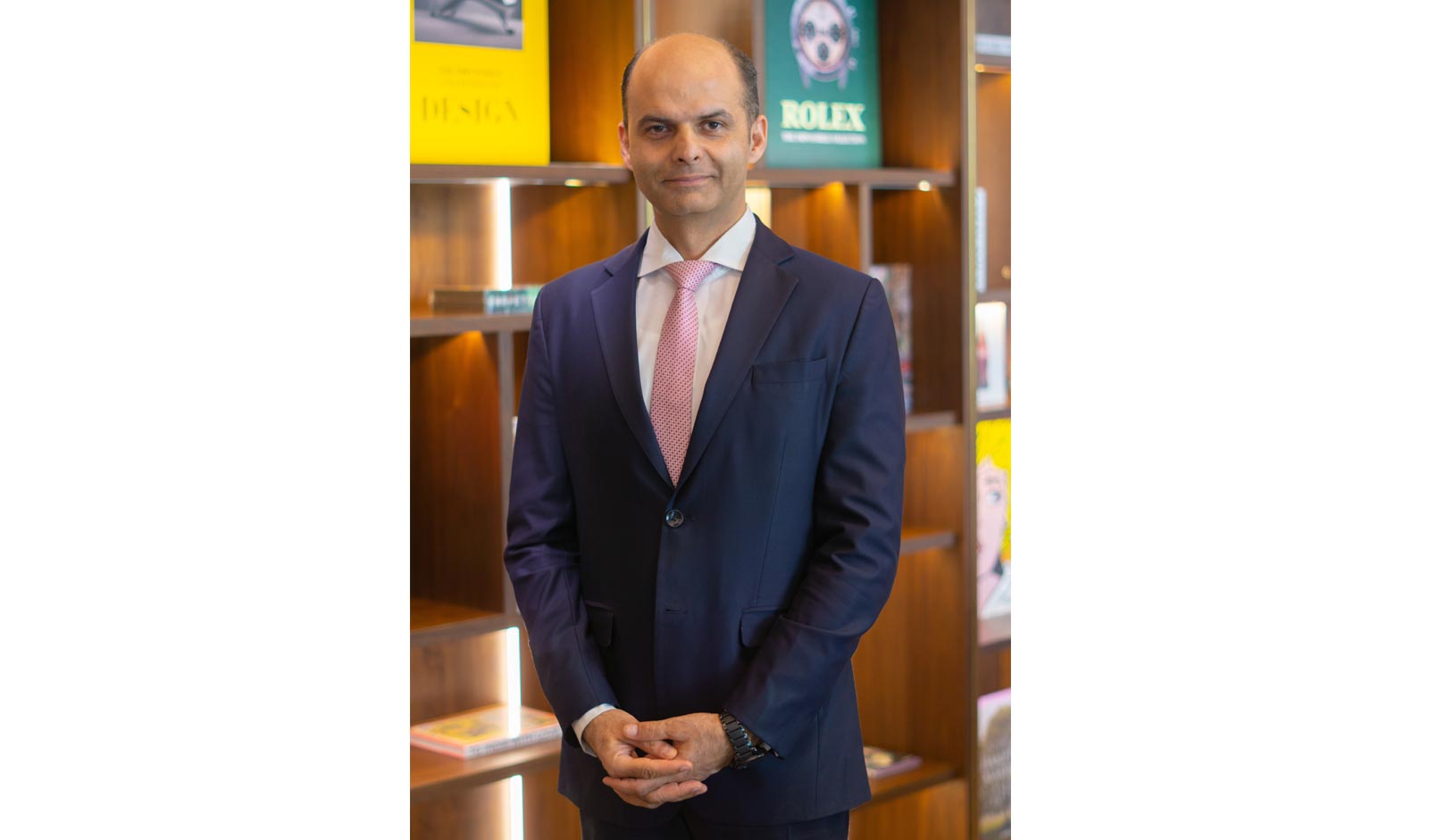
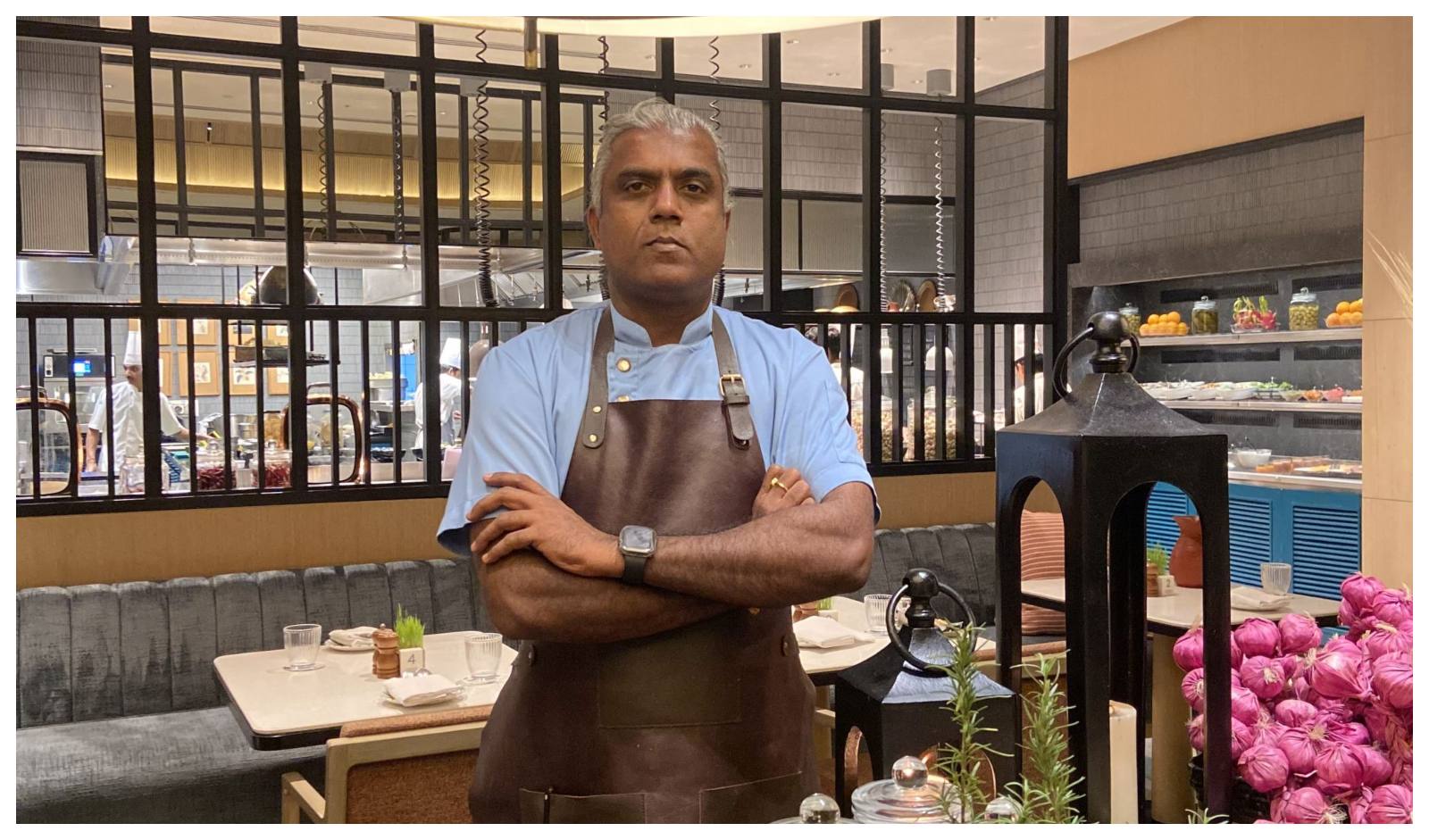
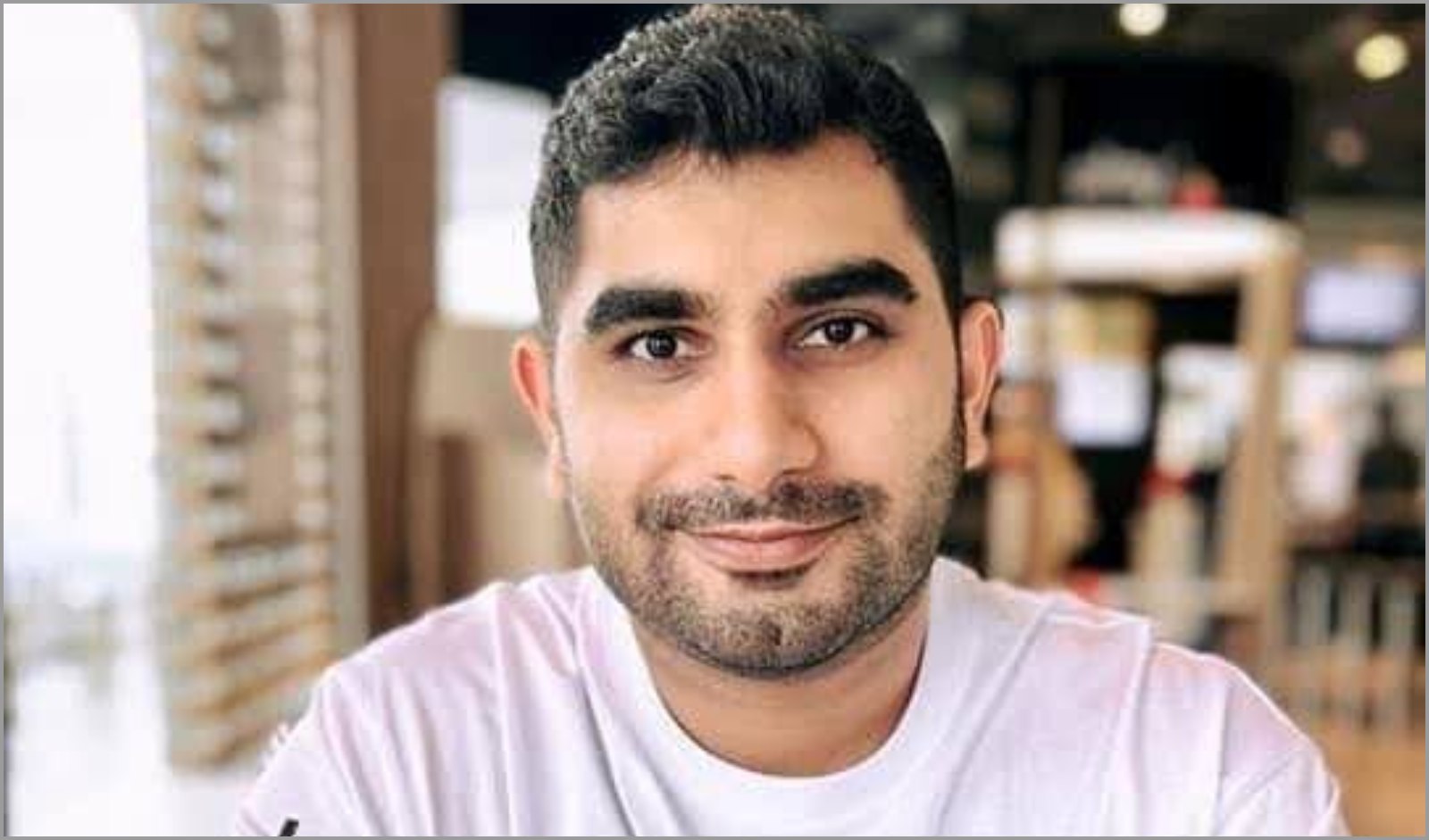
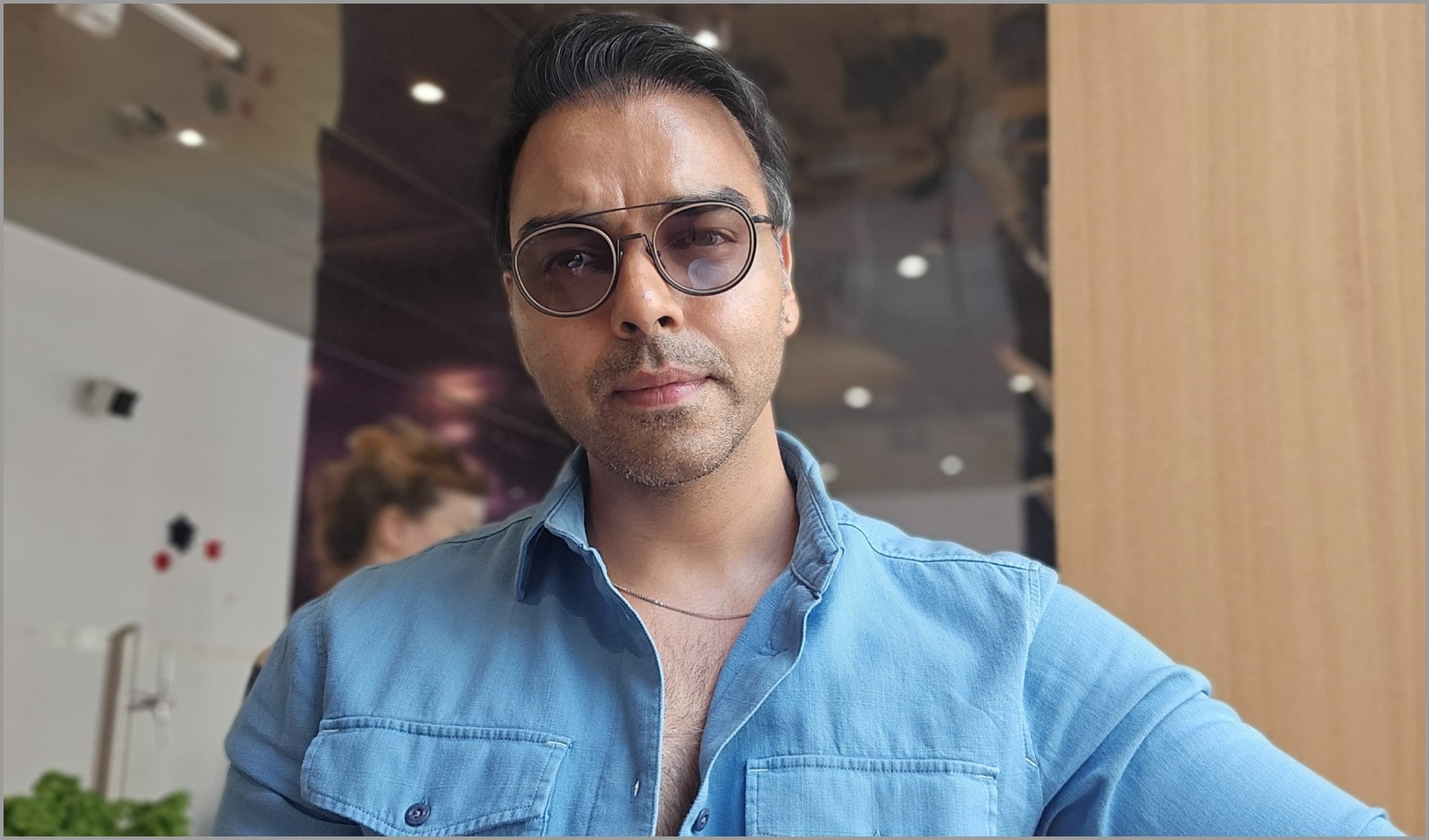
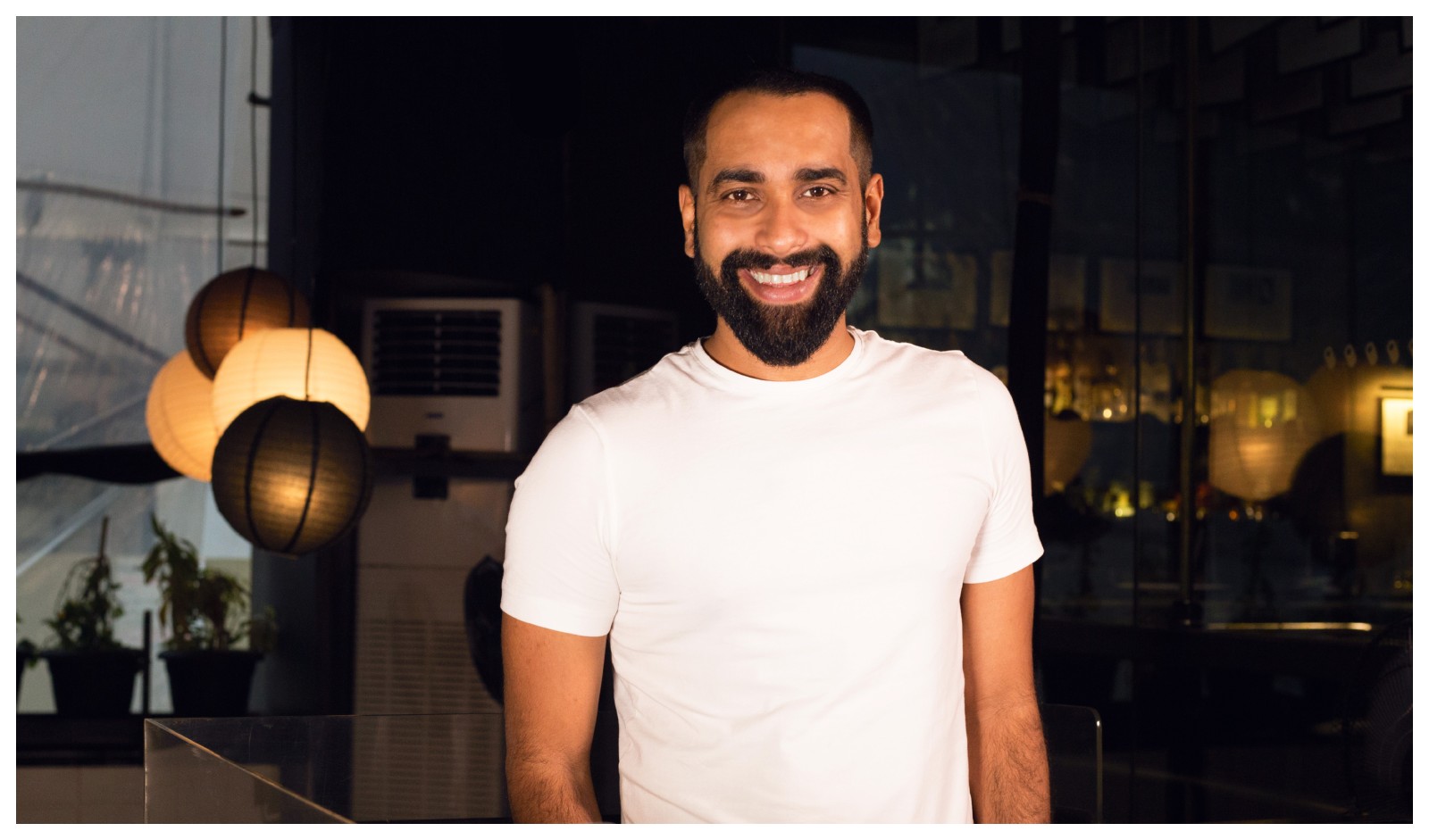
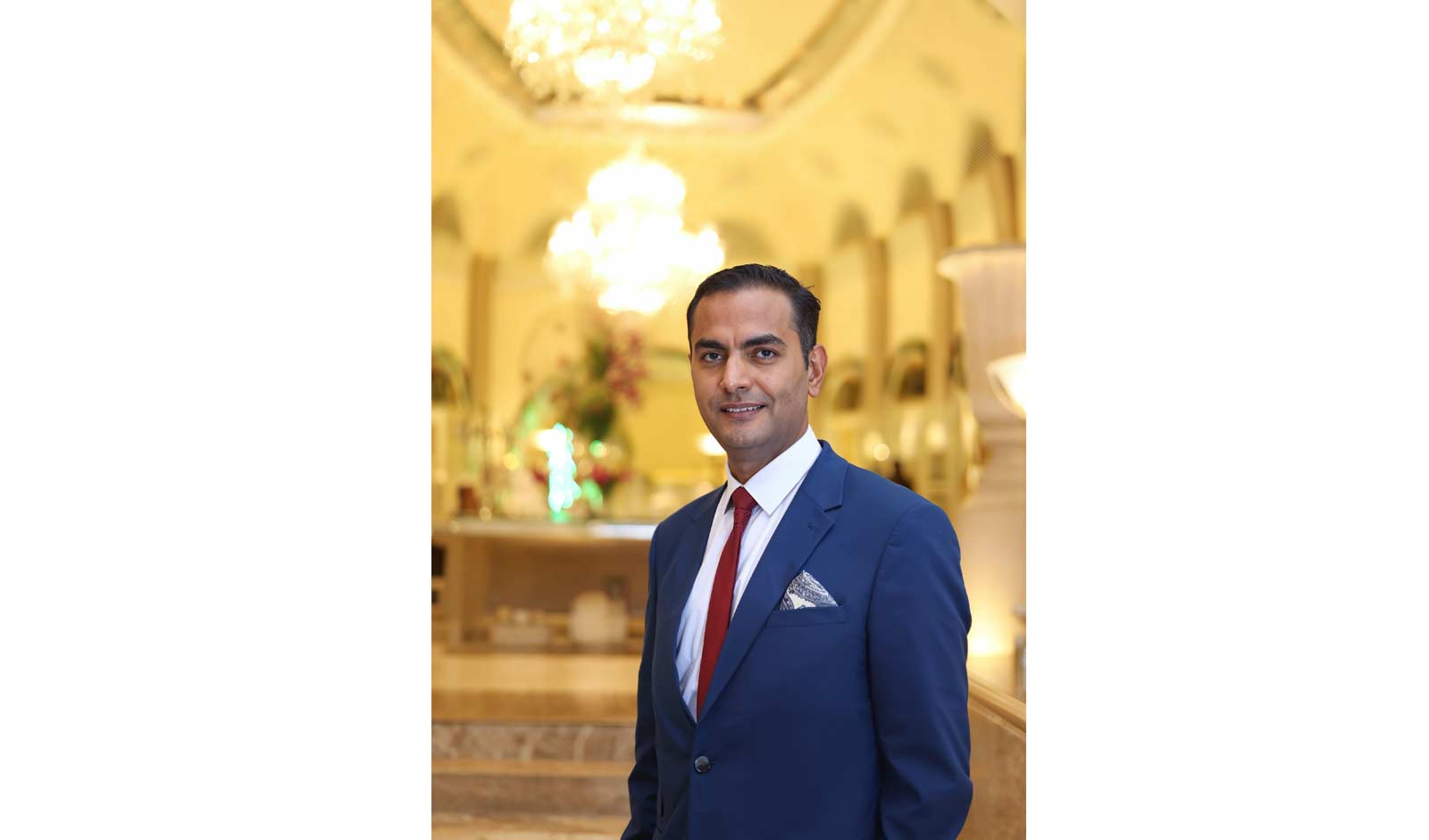
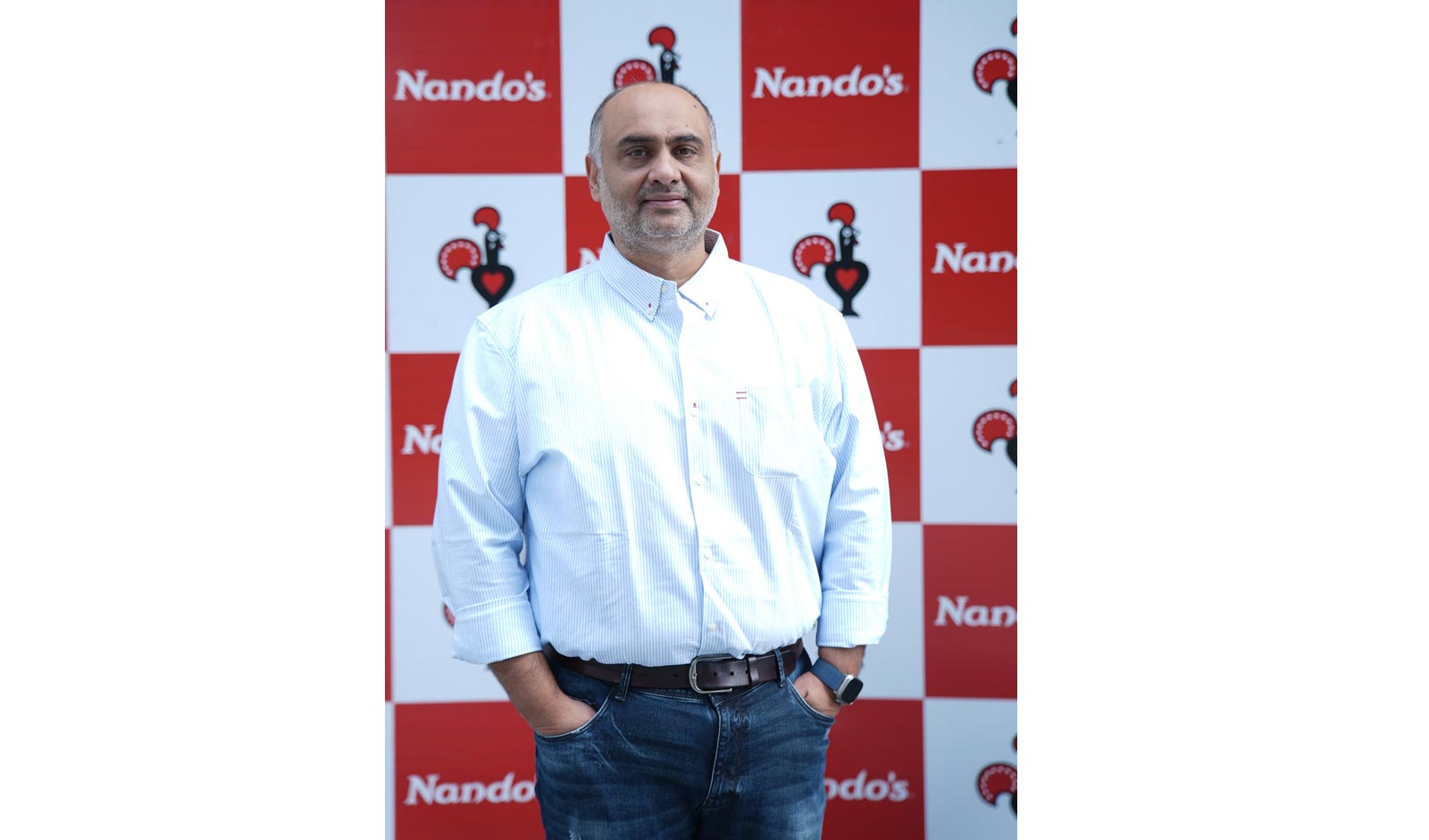
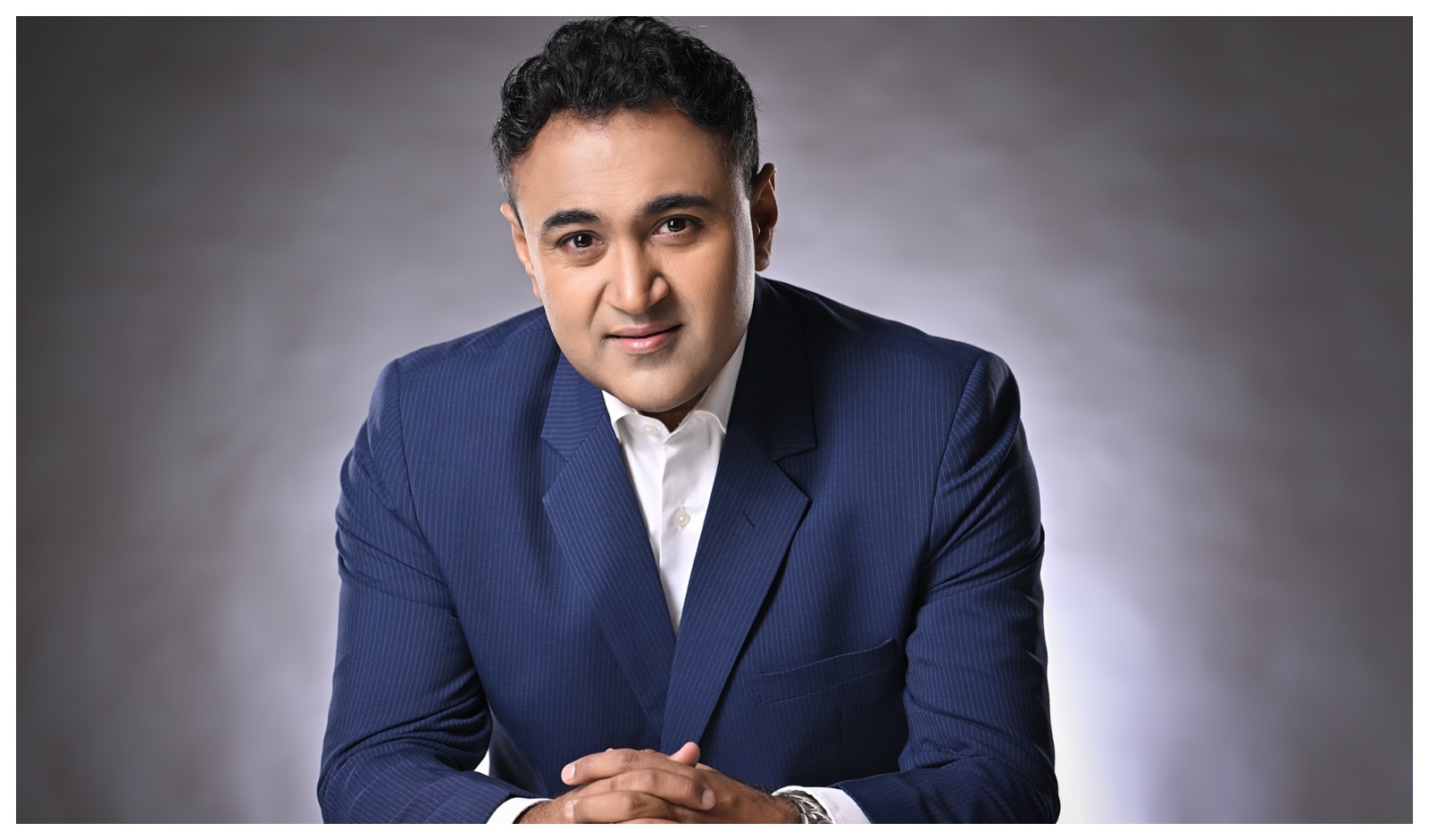
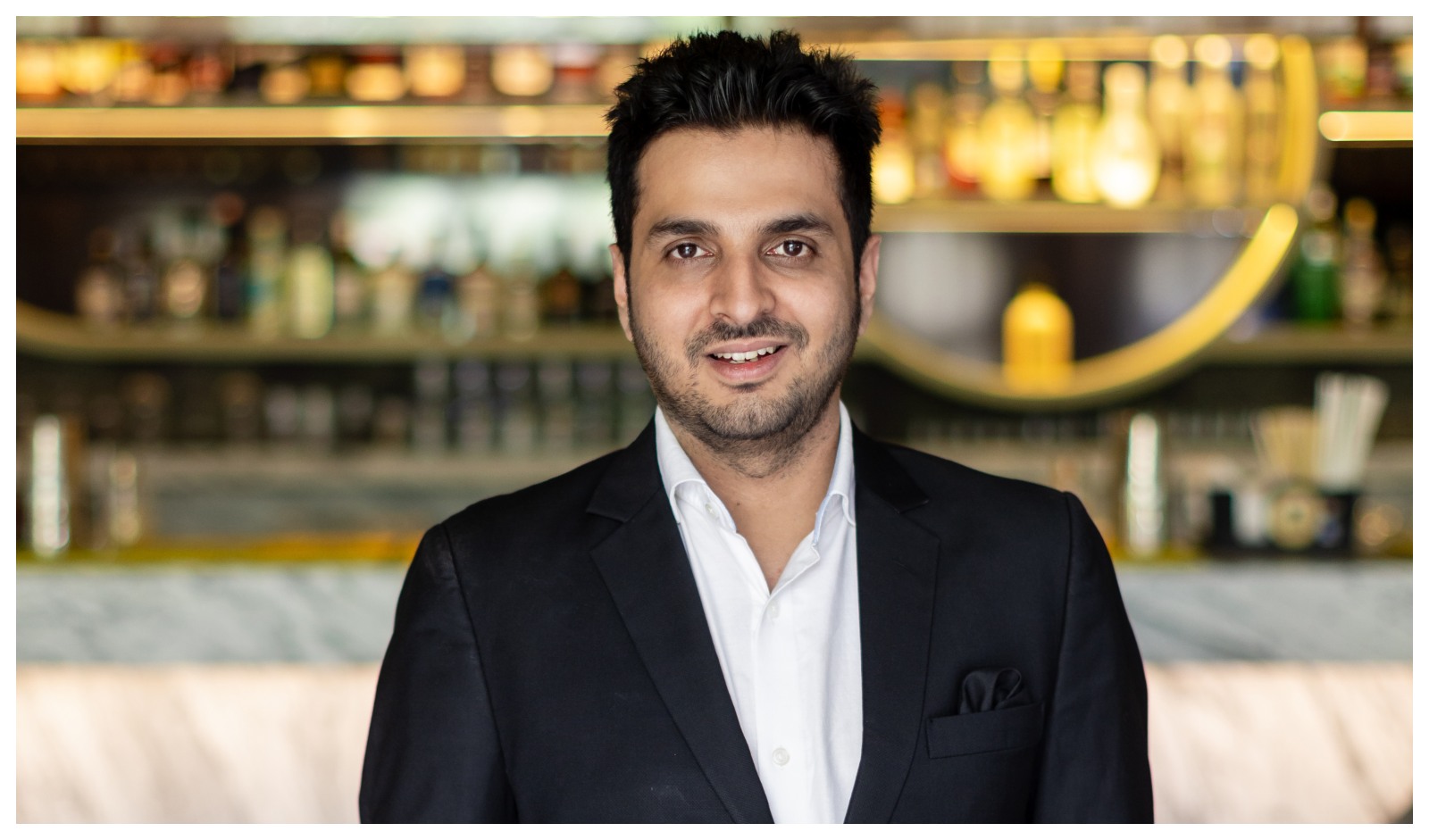
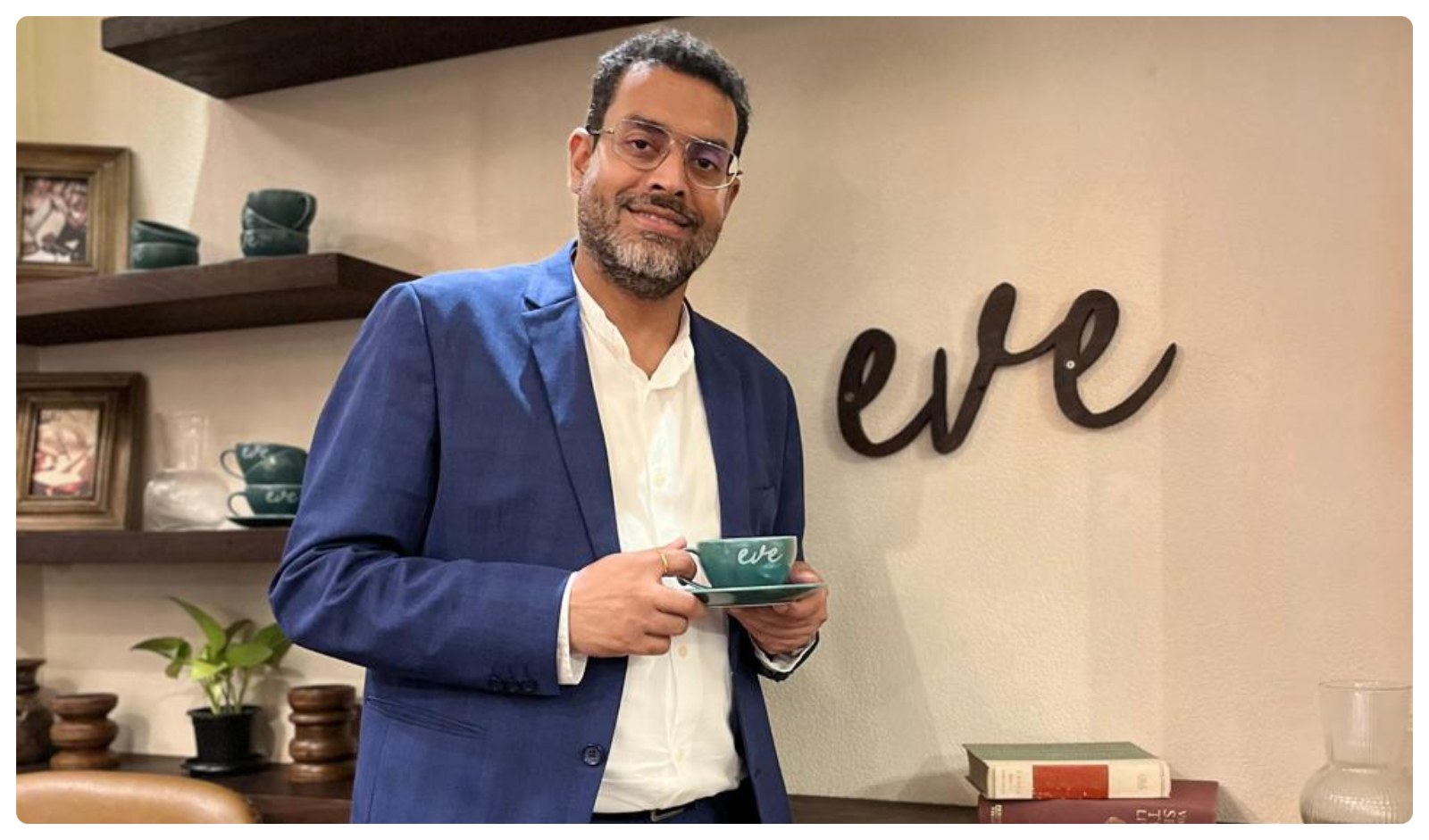
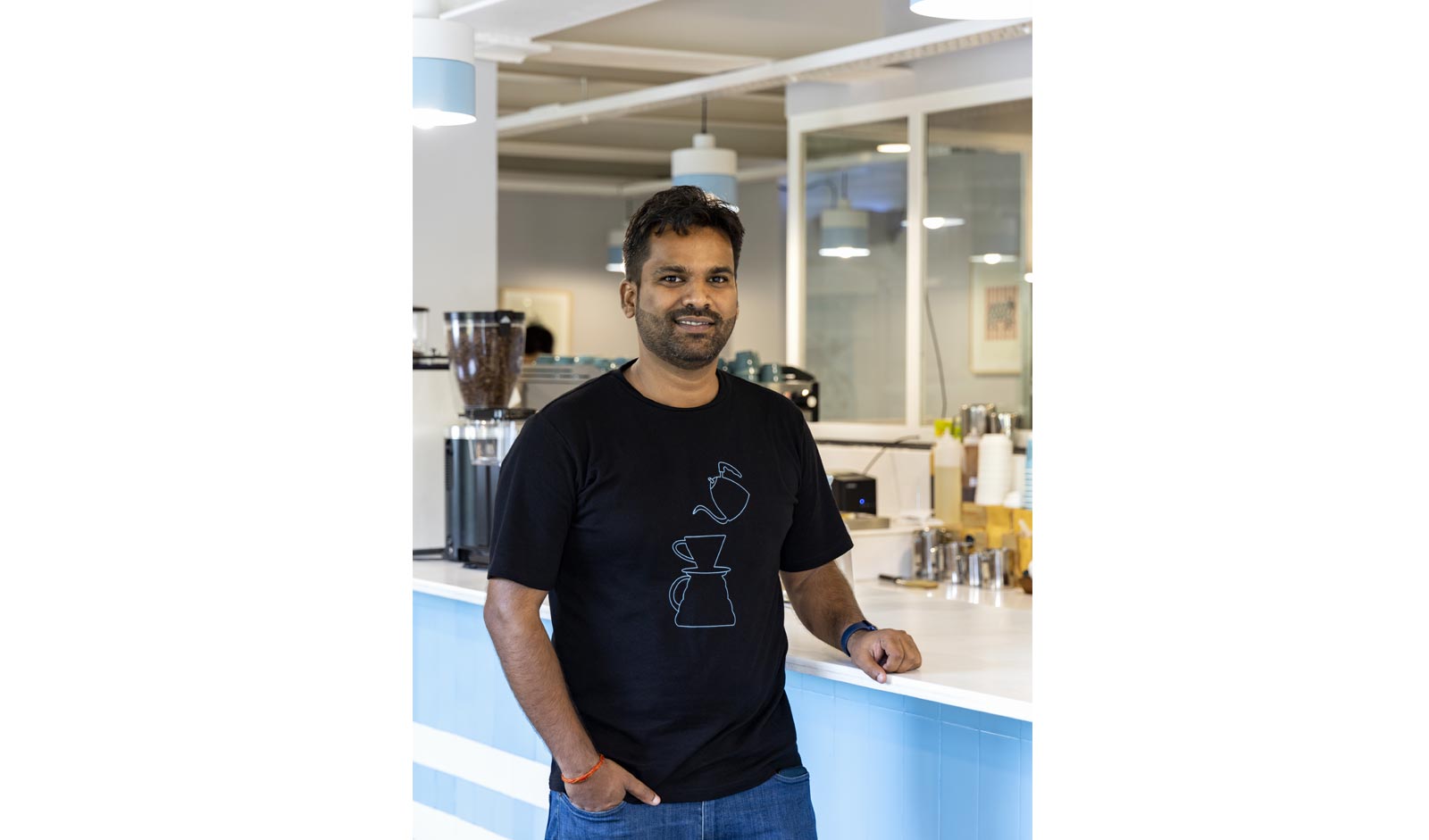
“The more educated consumers become, the more they want to understand the product,” shared Shivam Shahi, Co-Founder & COO.
The Bet on India
Blue Tokai's original thesis was built around a simple economic relationship; as incomes rise, coffee consumption tends to rise as well. The company looked at markets such as Indonesia, Thailand and Vietnam, where domestic coffee consumption increased as economies developed, and saw a similar trajectory emerging in India.
The second bet was speciality coffee. At the time, speciality coffee consumption in India was almost negligible. But the company believed that if the overall coffee market expanded, speciality would eventually become an important premium segment. There was another reason to be optimistic as India already had the raw material and had a strong coffee-growing ecosystem and high-quality beans. The missing piece was creating greater awareness and eventually, a stronger consumer-facing brand around Indian coffee.
From Coffee Education to Coffee Culture
The post-pandemic period accelerated the transformation. Travel returned. Social media became even more influential. Consumers were exposed to coffee cultures across the world, and cafés increasingly became lifestyle destinations rather than places to simply grab a beverage. For Blue Tokai, that meant the education burden began to ease.
“Today, we don't have to put as much effort into basic education,” added Shahi for whom the questions became more sophisticated.
This is also where Gen Z enters the story. Younger consumers are increasingly interested in authenticity, quality and the story behind a product. For a brand built around traceability, coffee origins and craft, those expectations fit naturally into the proposition.
But the bigger opportunity may not be premiumisation. It is penetration. India remains a relatively underdeveloped coffee market compared with major global coffee cities. The next phase, therefore, is not just about convincing consumers to drink better coffee. It is about putting quality coffee within reach of far more consumers.
Scaling the Craft
That raises an obvious question: can speciality coffee retain its character when a brand begins to scale aggressively? Shahi’s answer is that scale and craft do not necessarily have to be opposites. Coffee sourcing, processing and roasting are built around defined quality parameters. At the café level, the process can similarly be broken down into repeatable steps. The challenge is therefore less about reinventing the craft and more about replicating it.
“Scaling is about multiplying a defined system and replicating it consistently,” he pointed as the same philosophy becomes increasingly important as the café network expands.
India's Infrastructure Problem
The biggest challenges are actually related more to real estate and infrastructure than to the coffee business itself. “There is no way for a brand to open 400–500 stores a year in India because we are constrained by infrastructure and manual licensing processes. These become significant hurdles when you are trying to scale,” added Shahi.
The second challenge is people and training. India is extremely diverse. “Someone from Uttar Pradesh may behave very differently from someone in Tamil Nadu or Bengaluru. Putting people into a 900-square-foot space and expecting them to deliver the same brand experience is difficult,” he points as he still believes that manpower and training are therefore major challenges that the industry is trying to solve.
The Indian Coffee Story goes Global
The next opportunity extends beyond India's borders. Coffee is one of the world's most universal beverages, but origin still matters. A coffee's quality can be evaluated objectively, while its origin gives it an additional layer of identity. India has a distinctive story to tell.
“The quality is there. The story is there. The uniqueness is there. What has been missing is building a strong brand around Indian coffee.” Blue Tokai's international expansion into Dubai and Japan is therefore more than a geographical extension. It is part of a broader attempt to put Indian coffee into the global conversation.
The GCC is expected to be the next major focus, with Dubai acting as a gateway into the region.
Beyond the Café
The company's future is also unlikely to be defined by cafés alone. FMCG already represents a meaningful part of the business, reflecting a broader shift in how speciality coffee is consumed at home. The opportunity is to combine quality with convenience—one of the biggest advantages historically associated with instant coffee.
That thinking has led to newer formats such as Drop, Blue Tokai's coffee concentrate, designed to make speciality coffee easier to consume without traditional brewing equipment. The brand's current portfolio also spans roasted coffee, brewing products and speciality concentrates.
The Next Decade
Blue Tokai's first decade was about proving that Indian consumers would pay attention to speciality coffee. The next could be about proving how far that consumer can take the category. More cafés. More home consumption. More convenient formats. More international markets. And, potentially, a stronger global identity for Indian coffee itself.
The ambition is no longer simply to sell better coffee. It is to make speciality coffee more accessible, make Indian coffee more recognisable and bring more of the value chain into the story. India's coffee revolution may have started with consumers learning how to taste the difference. The next chapter could be about making that difference available almost everywhere.
Nusra
Consultant Associate Editor
A seasoned journalist with more than a decade experience in restaurant and retail business. I eat, drink, breathe and sense food as a source of my living and lifestyle. A foodie by birth and a journalist by choice. I started my career with Hindustan Times doing hard news, moving into features and finally landing myself in a food coma. Love to talk, hear and publish all food stories that makes anyone happy and hearty for more than a decade now. Apart from food, I love reading fiction, helping others and finding joy in little things...