Why Restaurant Growth in India Is No Longer About Expansion Alone
Understanding local preferences, service expectations and spending behaviour is therefore becoming more important than simply identifying white spaces on a map.

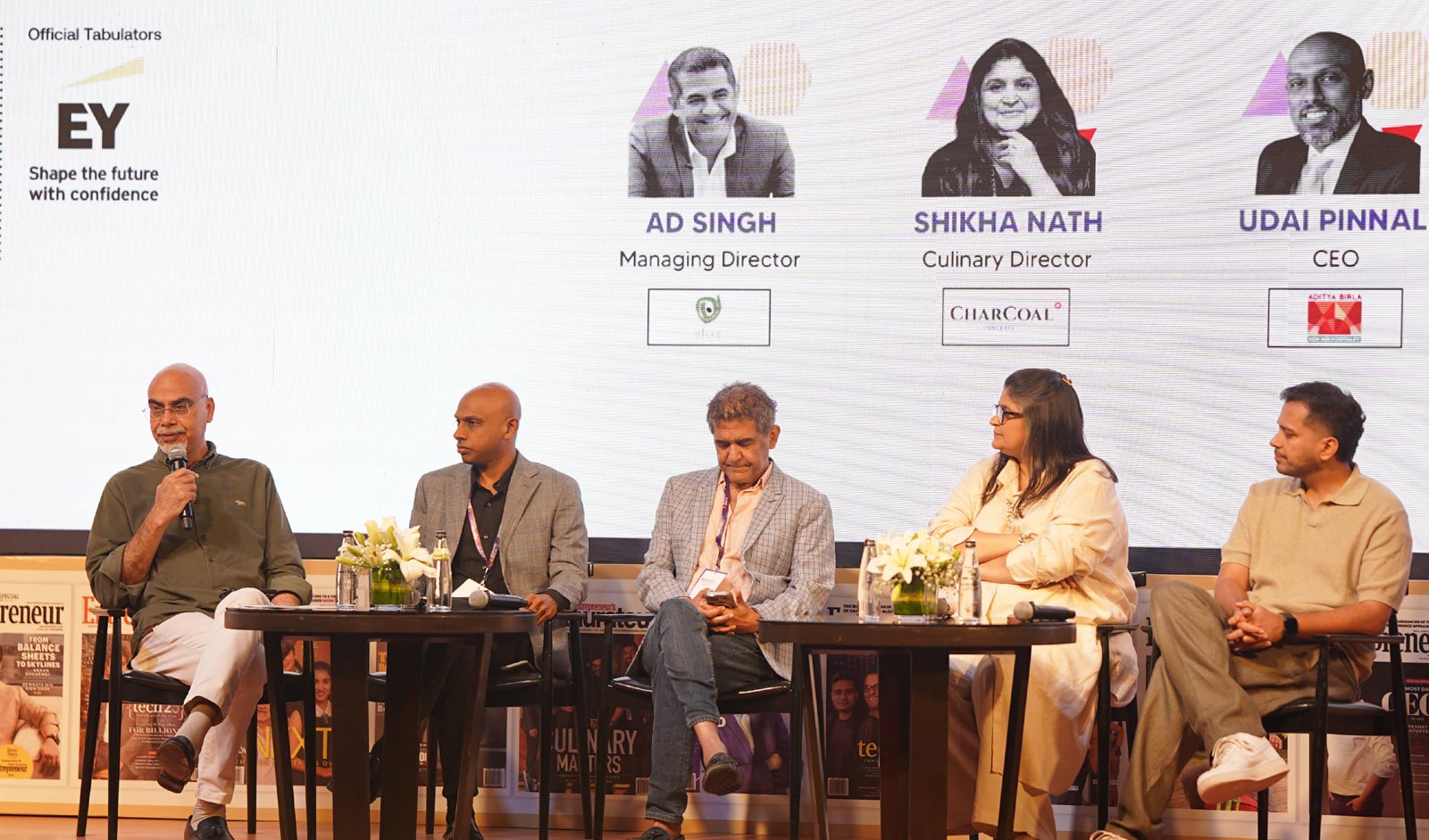
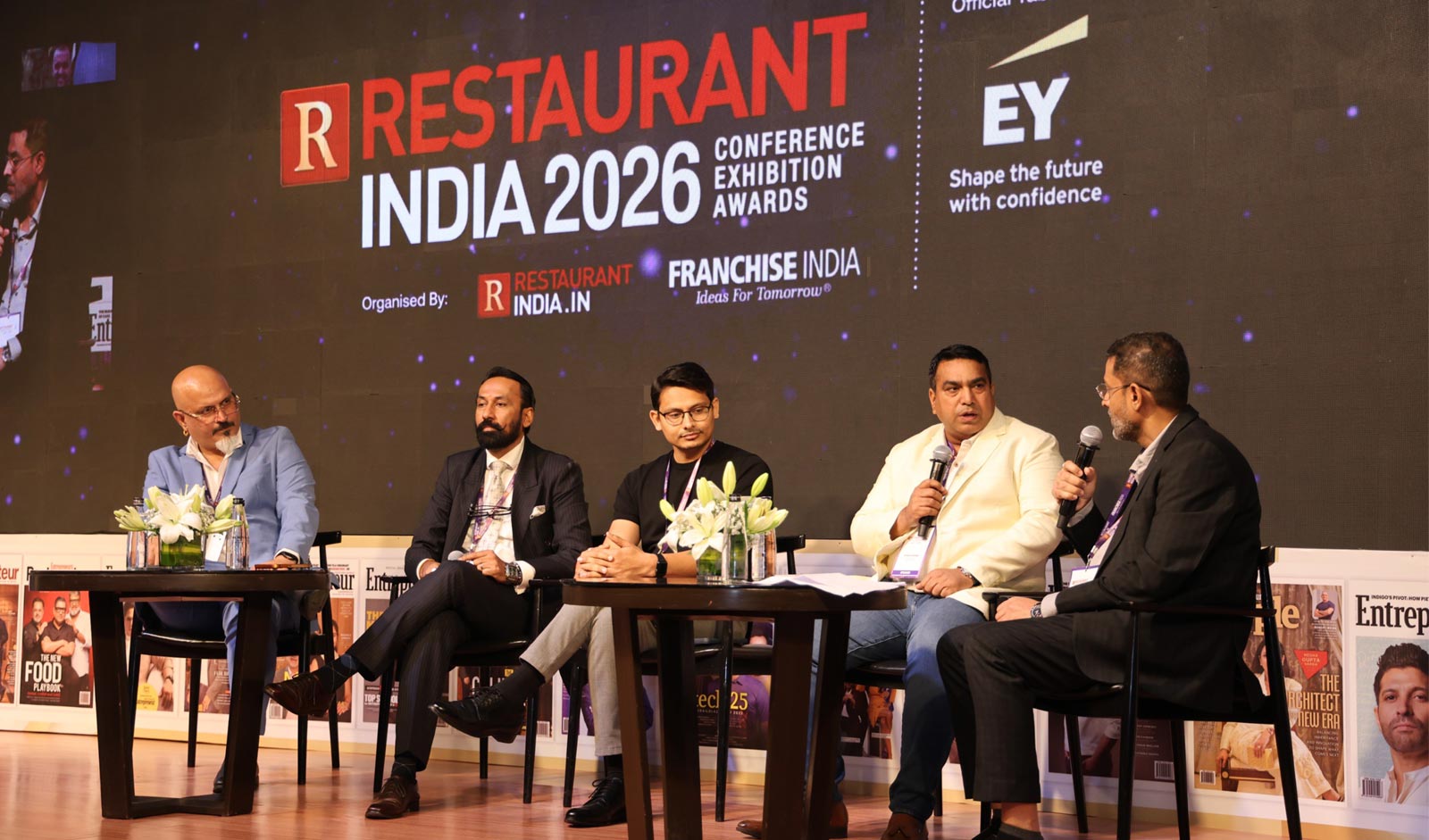
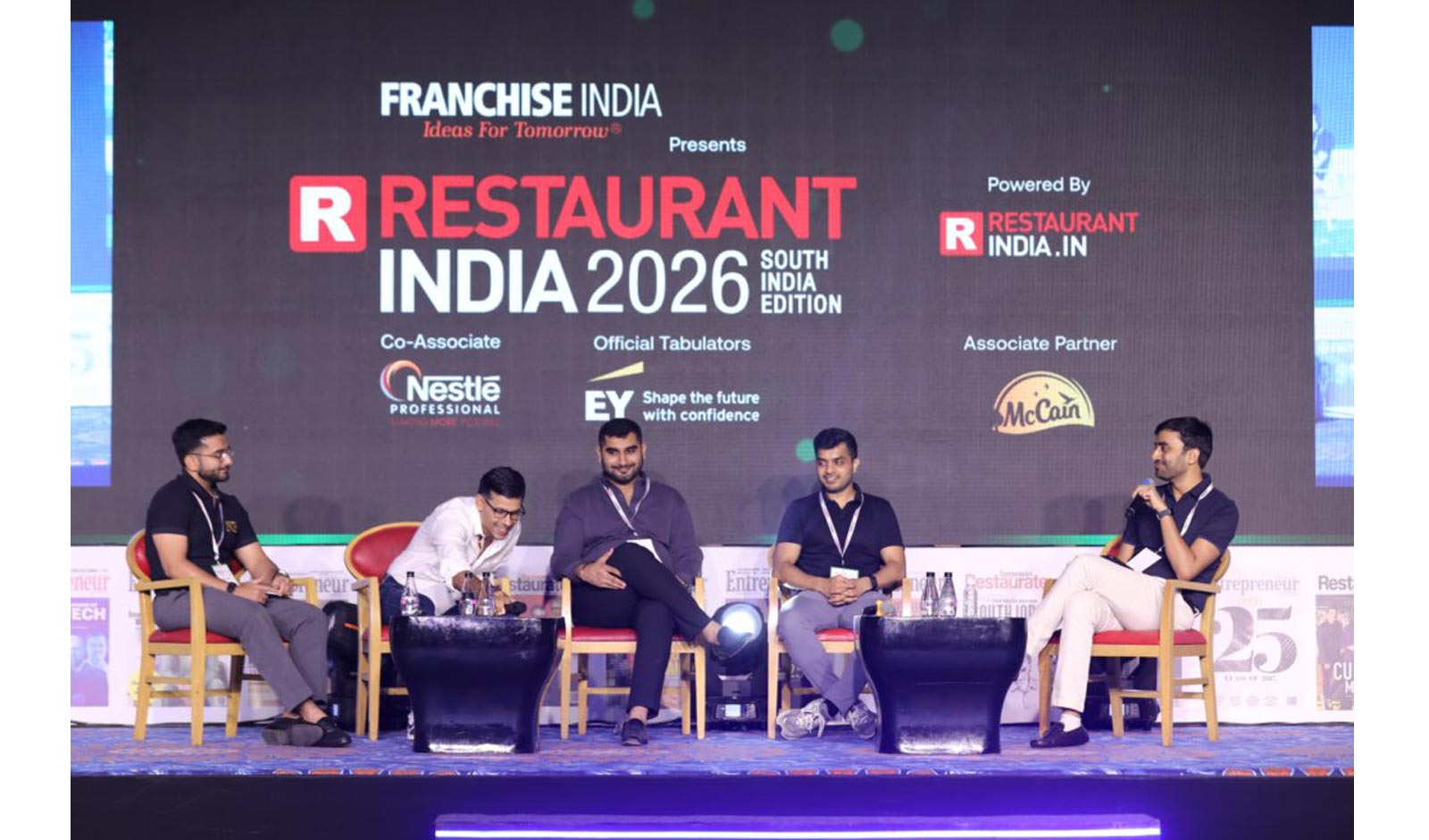
The Indian restaurant industry is undergoing one of its biggest transformations. Premium dining is expanding beyond metro cities, regional markets are emerging as growth engines, and consumers are becoming increasingly sophisticated. But as brands chase scale, industry leaders believe the real challenge isn't opening more restaurants—it's building businesses that can grow without losing their identity.
Scale Starts with Reinvention, Not Replication
For premium restaurant brands, expansion cannot be a copy-paste exercise. According to AD Singh, Founder & Managing Director, Olive Group of Restaurants, brands must rethink their entire proposition before entering new markets.
"Our brand has led the casual fine dining segment for over 25 years. But when we decided to take Olive across the country, we realised we couldn't simply replicate what worked in Mumbai or Delhi,” shared Singh as he has to re-envision everything—from pricing and menus to communication and events. “We brought our price points down by almost 40 percent without compromising ingredient quality. If premium restaurants try to expand as cookie cutters, the chances are they will fail."
Instead of expanding Olive in its original format, the company created new concepts; including bistros and cafés that retained the brand's premium DNA while becoming more accessible.
And, there’s no denying that successful scaling requires adaptation without sacrificing brand equity.
Operational Discipline Is the Real Growth Engine
While brand positioning attracts customers, execution determines whether a business can scale. Udai Pinnali, CEO, Aditya Birla New Age Hospitality, believes the biggest differentiator between scalable brands and boutique businesses is operational discipline.
"The discipline of execution is at the heart of everything. Leadership has to translate complex consumer insights into simple operating procedures that every team member can execute consistently,” he shared as for him SOPs are not just operational documents but tools that convert customer experience into repeatable processes. "We're still a people business. Systems are important, but heart is equally important."
As restaurant businesses become multi-city and multi-format, institutionalising processes without losing hospitality will become a defining competitive advantage.
Growth Isn't About Speed, It's About Foundations
For younger restaurant entrepreneurs, the pressure to scale quickly can often become a distraction. Akhil Iyer, Founder of Benne, believes founders should avoid comparing their growth journey with others.
"We constantly ask ourselves whether we're growing too fast or too slowly. But who decides those metrics? Success and failure are extremely subjective,” he added as instead of chasing expansion, he advocates focusing on building businesses that can survive over the long term.
"It's more important to build something that can stand the test of time. If you build a strong foundation today, scaling tomorrow becomes much easier."
His perspective reflects a growing shift among new-age restaurant founders who are prioritising sustainable growth over aggressive outlet expansion.
Localisation Has Limits
One of the biggest debates surrounding expansion into emerging markets is how much brands should localise their offerings.
For Shikha Nath, Culinary Director, Copper Chimney, authenticity should remain the priority.
"Consumers in Tier II cities already know these brands through digital platforms. They want to experience the original brand and not a diluted version. The approach and communication should be more localised because that's how you build community."
Instead of changing core menus, she recommends adapting communication and customer engagement.
Udai added that while consumers may be globally aware, purchasing behaviour remains deeply local. "It's not about whether consumers are ready for my brand. It's about whether my brand is ready for the consumer."
Understanding local preferences, service expectations and spending behaviour is therefore becoming more important than simply identifying white spaces on a map.
The discussion highlighted a common theme across legacy operators and new-age entrepreneurs alike as the next phase of restaurant growth will not be defined by the number of outlets a brand opens but by how intelligently it expands. Brands that combine operational excellence with talent development, adapt thoughtfully to local markets without losing authenticity, and prioritise long-term sustainability over rapid expansion will be best positioned to succeed. In today's restaurant industry, scale is no longer measured by footprint alone—it's measured by the ability to deliver the same experience, culture and quality wherever the brand goes.
Nusra
Consultant Associate Editor
A seasoned journalist with more than a decade experience in restaurant and retail business. I eat, drink, breathe and sense food as a source of my living and lifestyle. A foodie by birth and a journalist by choice. I started my career with Hindustan Times doing hard news, moving into features and finally landing myself in a food coma. Love to talk, hear and publish all food stories that makes anyone happy and hearty for more than a decade now. Apart from food, I love reading fiction, helping others and finding joy in little things...