
Experience, Efficiency, Expansion: 3 Keys to Reinventing Growth in 2026
There’s growing awareness about organic products. Consumers are more health-conscious. There’s demand for sugar-free, low-sugar, and now protein-based desserts. These are the segments where innovation will play a huge role.

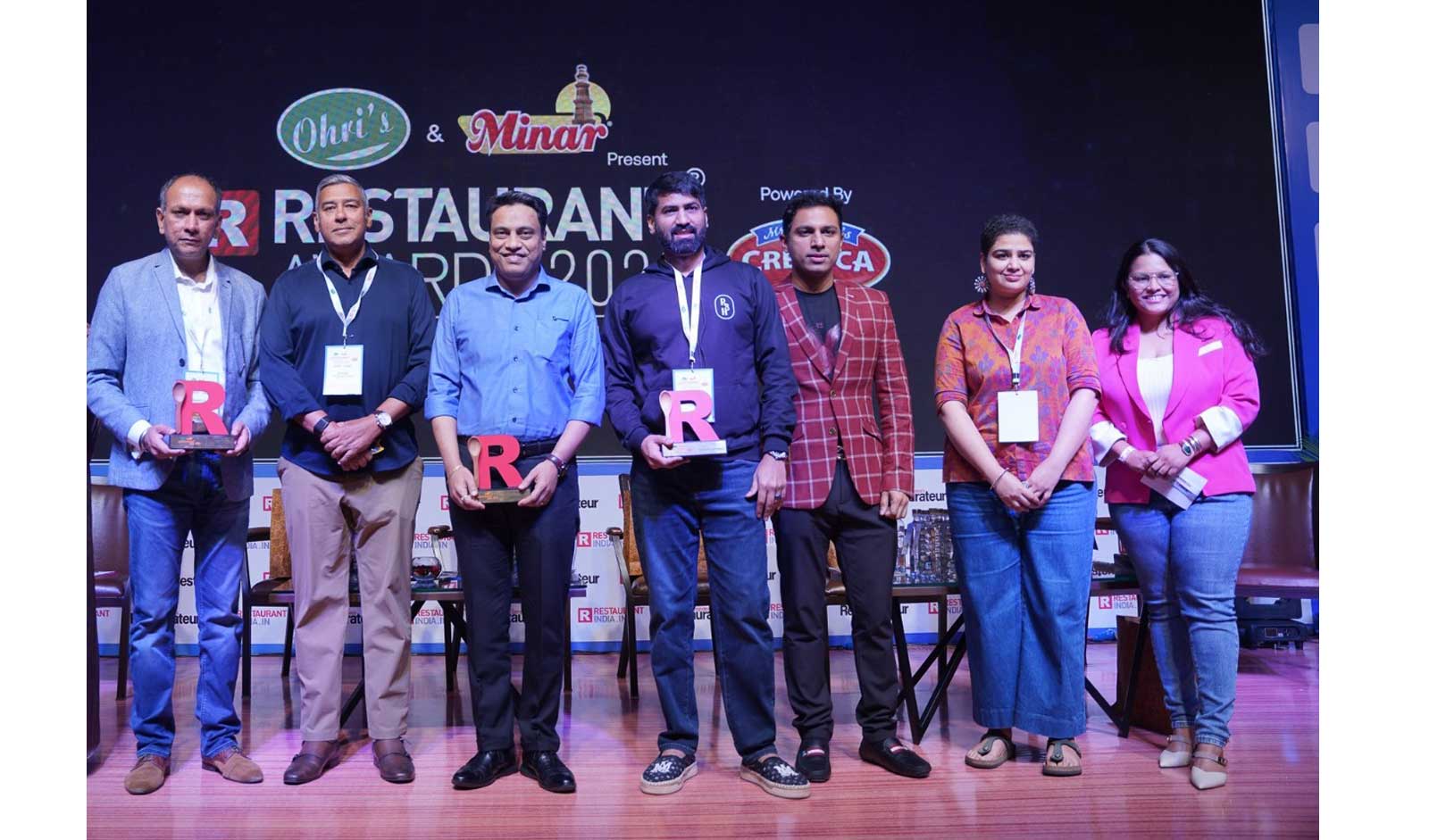
If there was one word to describe 2025, it would be “fast.” It felt like a decade compressed into twelve months. From geopolitical shifts that once took years to unfold, to the explosive acceleration of AI, to the reawakening of commodities like gold and silver — the world didn’t just change; it surged forward.
“In one year, we’ve seen what probably used to happen in ten or fifteen. We are in a fast-changing world — and that makes today’s discussion incredibly relevant,” shared Gautam Gupta, Founder and Chief Growth Architect at ConnectIQ Business Services.
With that context, industry leaders gathered to reflect not only on the year gone by, but more importantly, on the big shifts they are making in 2026.
Innovation is about Survival
“In our industry, innovation is table stakes,” shared Gupta. “If you do not innovate, it’s very difficult to succeed.”
Sheetal Patil, CEO, Cream Stone Ice Cream Concept, representing the dessert and ice cream segment, painted a vivid picture of opportunity. “Globally, the ice cream industry is around $113–120 billion. In India, we are just about $4 billion. Our per capita consumption is less than one litre — compared to 28 litres in the US.”
Hence, the gap emphasized is enormous and so is the opportunity. Also, the industry is evolving across three clear segments: Artisanal (about 10%), mass FMCG brands and emerging premium and health-focused categories. “Rapid urbanisation, rising disposable incomes, better logistics — and above all, premiumisation is driving the growth,” he added.
There’s growing awareness about organic products. Consumers are more health-conscious. There’s demand for sugar-free, low-sugar, and now protein-based desserts. These are the segments where innovation will play a huge role.
From Nostalgia to Now
Building on this, another powerful idea emerged — relevance. “Our generation grew up on nostalgia. We hold fond memories of brands we visited as children. But today’s generation has a very short memory,” pointed chef and restaurateur Shankar Krishnamurthy who has been in the sector for almost four decades now.
The modern consumer wants experience instantly, he added by giving an example that Gen Z footfalls in Las Vegas casinos are dropping. Not because they don’t want to gamble — they’re doing it on their phones at home.
“Convenience, personalization, immediacy — these are the new drivers. And, in food, this translates to; storytelling by chefs, farm-to-plate sourcing, supper clubs, smaller, curated experiences and ingredient transparency.” “Today, chefs want to express themselves — why they cooked something, how they sourced it, what the story is. And the audience is equally willing to learn,” he smiled by adding that scale still exists. But meaning matters more than ever.
Scaling Without Losing the Soul
The next logical question followed; How do you scale an iconic brand without losing authenticity and consistency?
“For me, scale is not speed. Scalability means repeating your values, delivering the same product, and doing it sustainably,” shared Nikita Poojari, Director, Shiv Sagar Group who while expanding her brand from Mumbai to Hyderabad, she kept what she called the “brand soul” intact. For her, 70% of the menu remained unchanged, portioning consistency and same price format were the key measures.
“We increased portion sizes because the market here has more appetite. We also introduced local flavours so we could merge well with the environment,” she added as she always believed in studying the market deeply, ensuring financial strength and and at least a 6–8 months plan before operational profitability.
“If you have enough cash strength, you should wait. You can’t expect capital profit immediately. Operational profit in six months is realistic,” she further mentioned as for her, scaling is disciplined, patient, and data-driven.
Anand Krishnan, representing a 50-year-old Chennai-based brand with 27 restaurants, spoke about operational discipline. Their success formula? “We believe in the centralised kitchen format. All food is prepared in one base kitchen and dispatched session-wise — breakfast, lunch, and dinner,” he shared as each dish is cooked by a trained set of people who have been with the brand for years.
“We have strict SOPs. Even our sambar powder is made from scratch,” added Anand for whom a strong, well-trained team and standardised processes is key to expansion.
In 2025 alone, they opened seven outlets — five in Chennai, plus Kanchipuram and Hosur.
For him, innovation is not just about flavours — it’s about format, logistics, and operational efficiency.
Commenting on the same, Raghuveer Kanakamedala, who built Royal Biryani House in the US in 2017 and is expanding the same in the region, pointed, “In the eight years we’ve expanded across the U.S., every new location has been a surprise — we haven’t been able to simply replicate success. Our flagship store was a huge hit, but when we entered Texas, it took us six months just to break even.”
Also, technology plays an important role in today’s expansion drive. “There’s a popular saying: AI won’t replace your job — but someone using AI will. The same applies to business. In today’s world, true scale is impossible without technology. If you want efficiency and consistency as you expand, tech isn’t optional — it’s essential,” concluded Nikita Seth, Sales Head- South India & Sri Lanka, TruFrost & Butler.
One message stood above the rest: the pace of change isn’t slowing down. If 2025 tested our speed, 2026 will demand something deeper — clarity of vision, sharper focus, and disciplined execution. The takeaway was simple but powerful: start small, do it well, do it sincerely — and then scale with intention. In a world moving at fast-forward, sustainable success won’t come from chasing everything at once, but from committing to what truly matters and building it right.
Nusra
Consultant Associate Editor
A seasoned journalist with more than a decade experience in restaurant and retail business. I eat, drink, breathe and sense food as a source of my living and lifestyle. A foodie by birth and a journalist by choice. I started my career with Hindustan Times doing hard news, moving into features and finally landing myself in a food coma. Love to talk, hear and publish all food stories that makes anyone happy and hearty for more than a decade now. Apart from food, I love reading fiction, helping others and finding joy in little things...









































