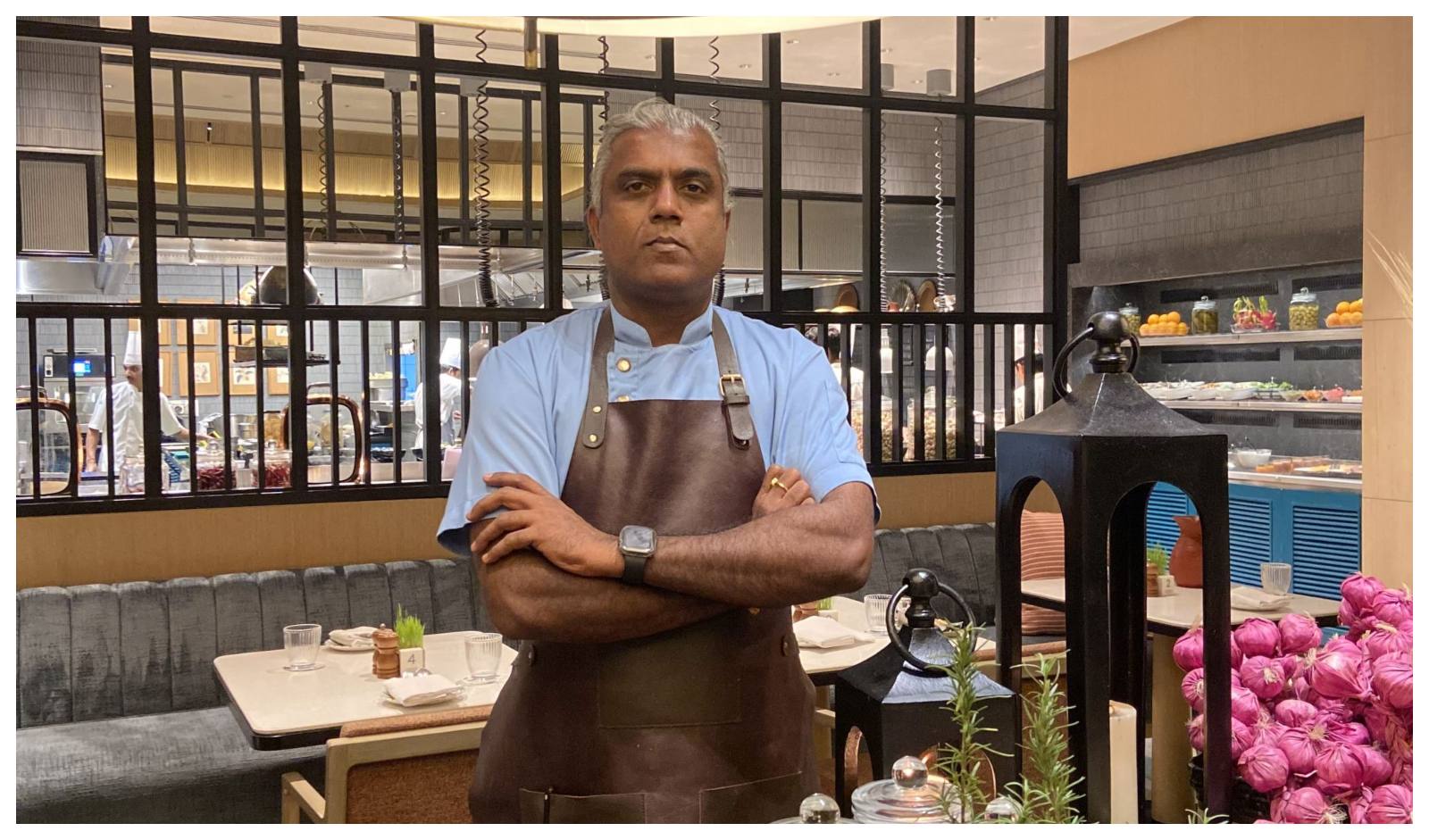
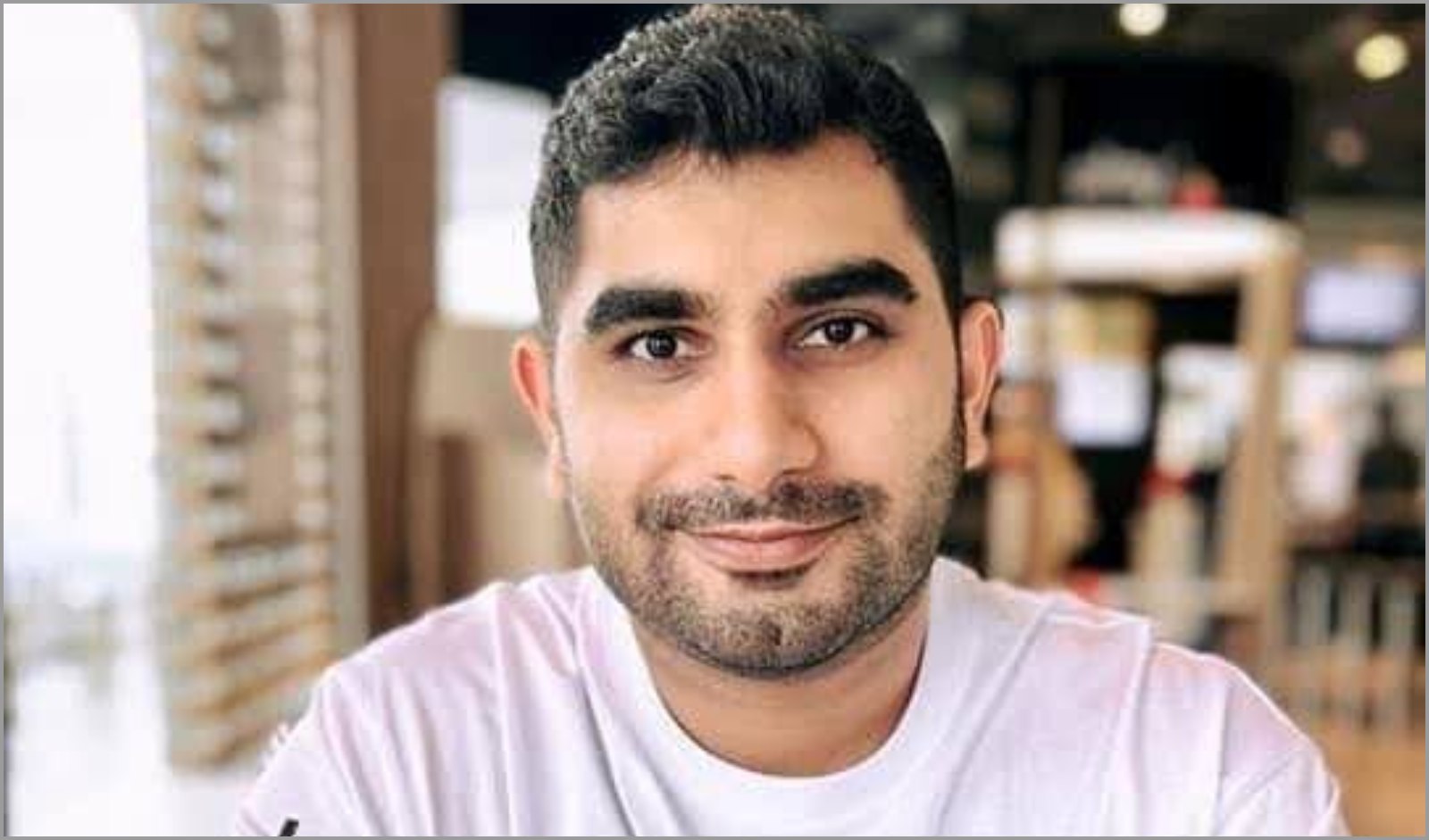
It’s Not ‘Modern Indian Food’—It’s the Food of Modern India: Manish Mehrotra
In an exclusive interview, celebrated chef Manish Mehrotra of MMCA challenges culinary labels, urging a shift in perspective.

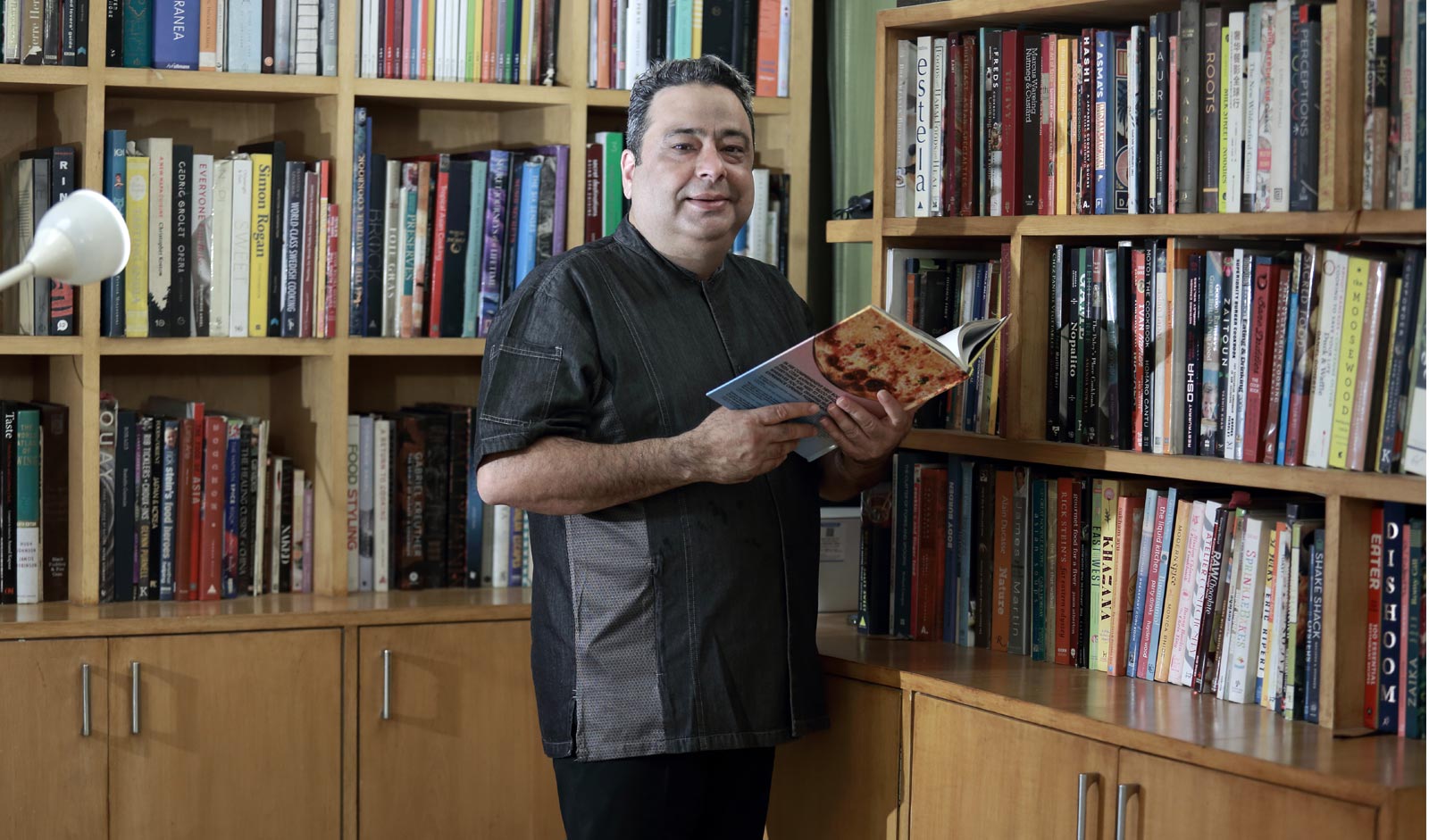
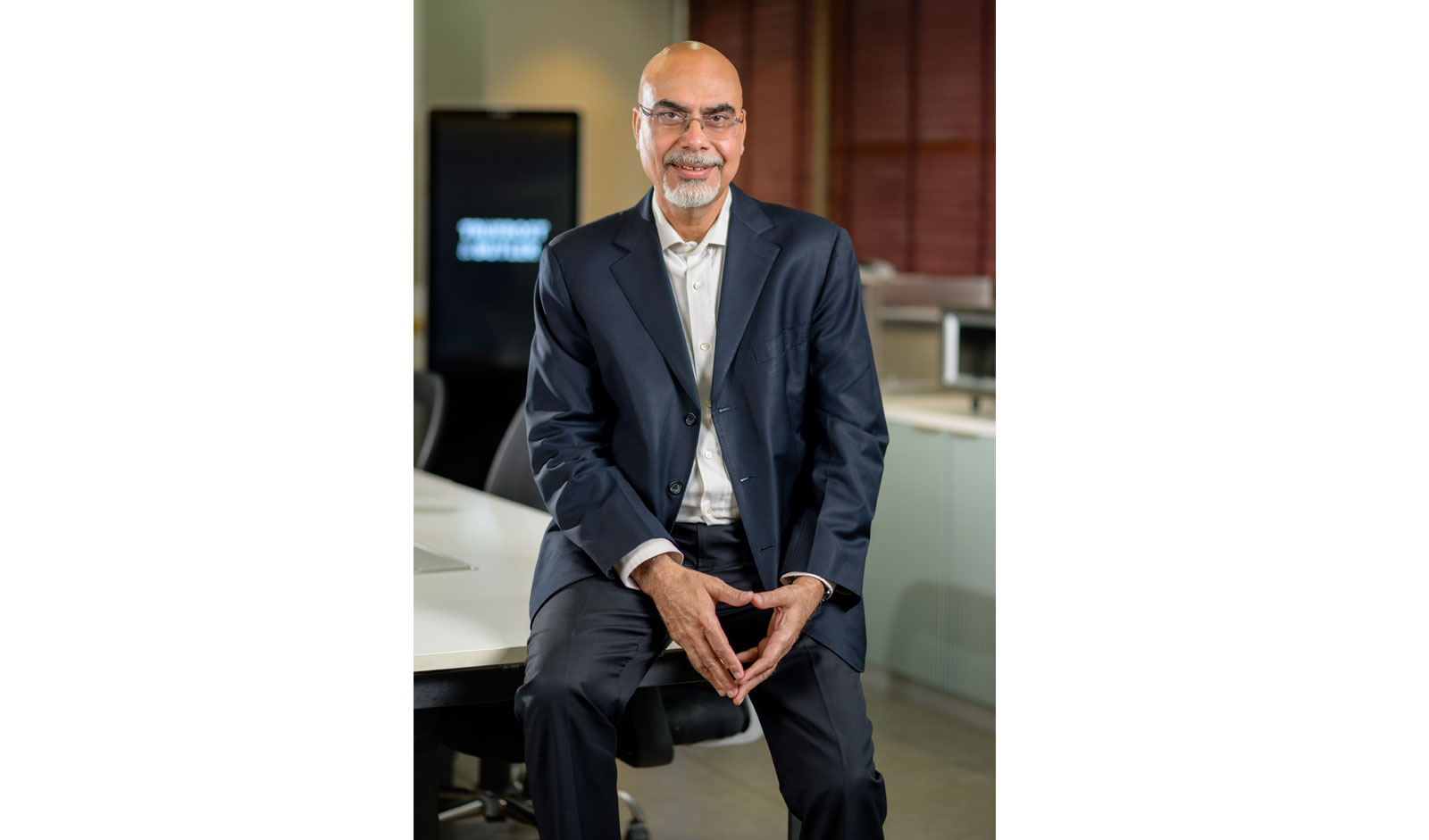
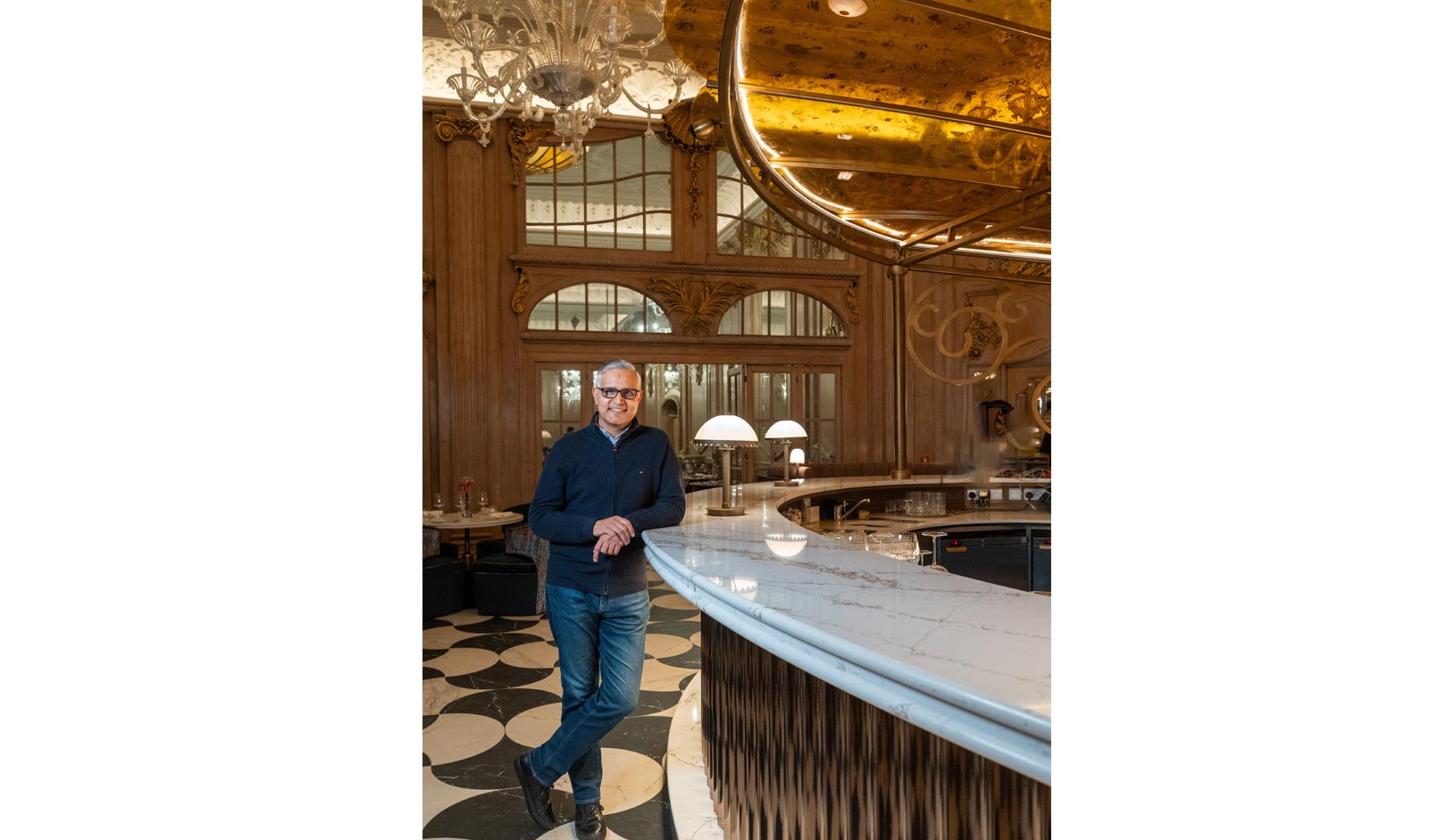
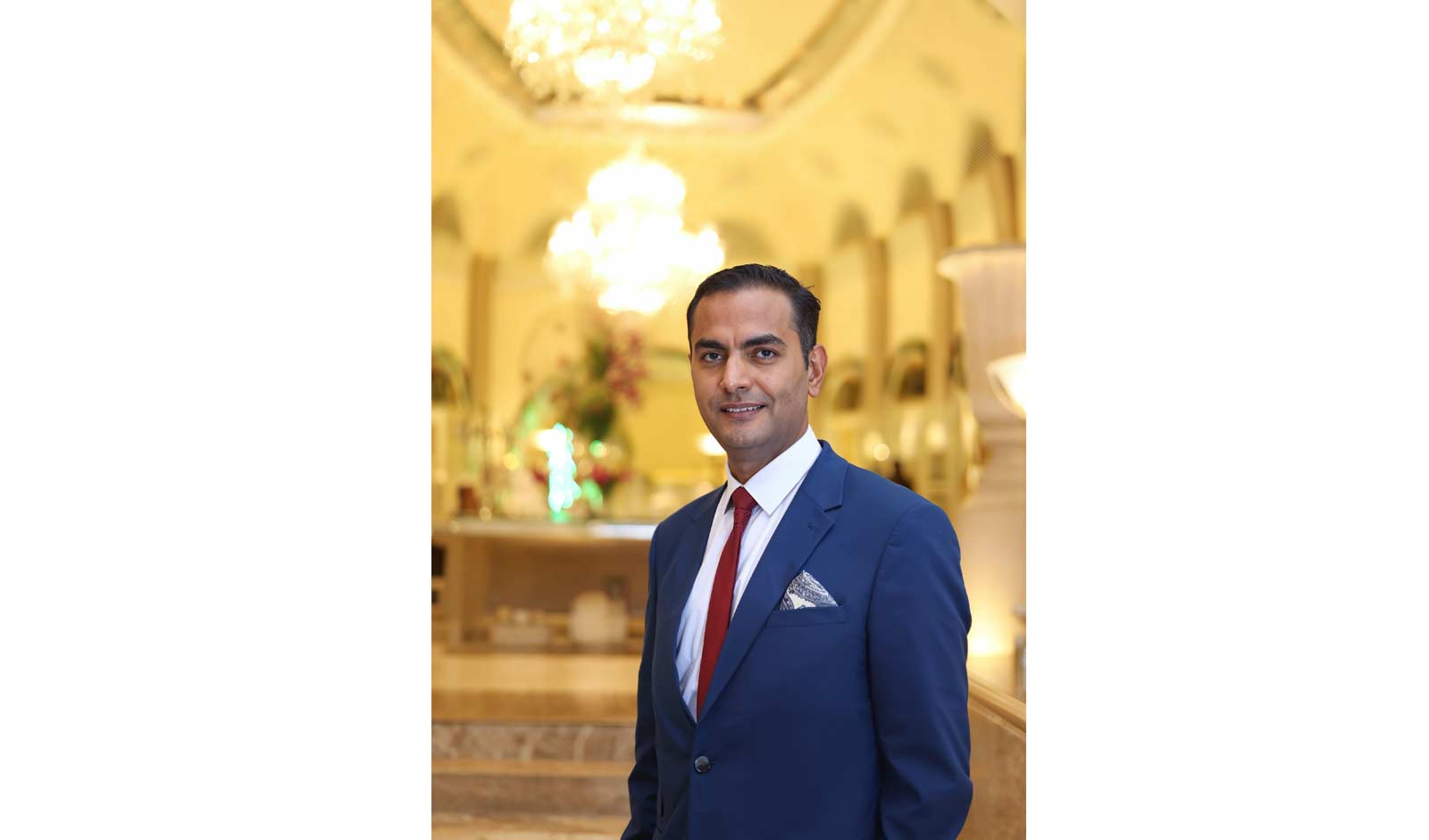
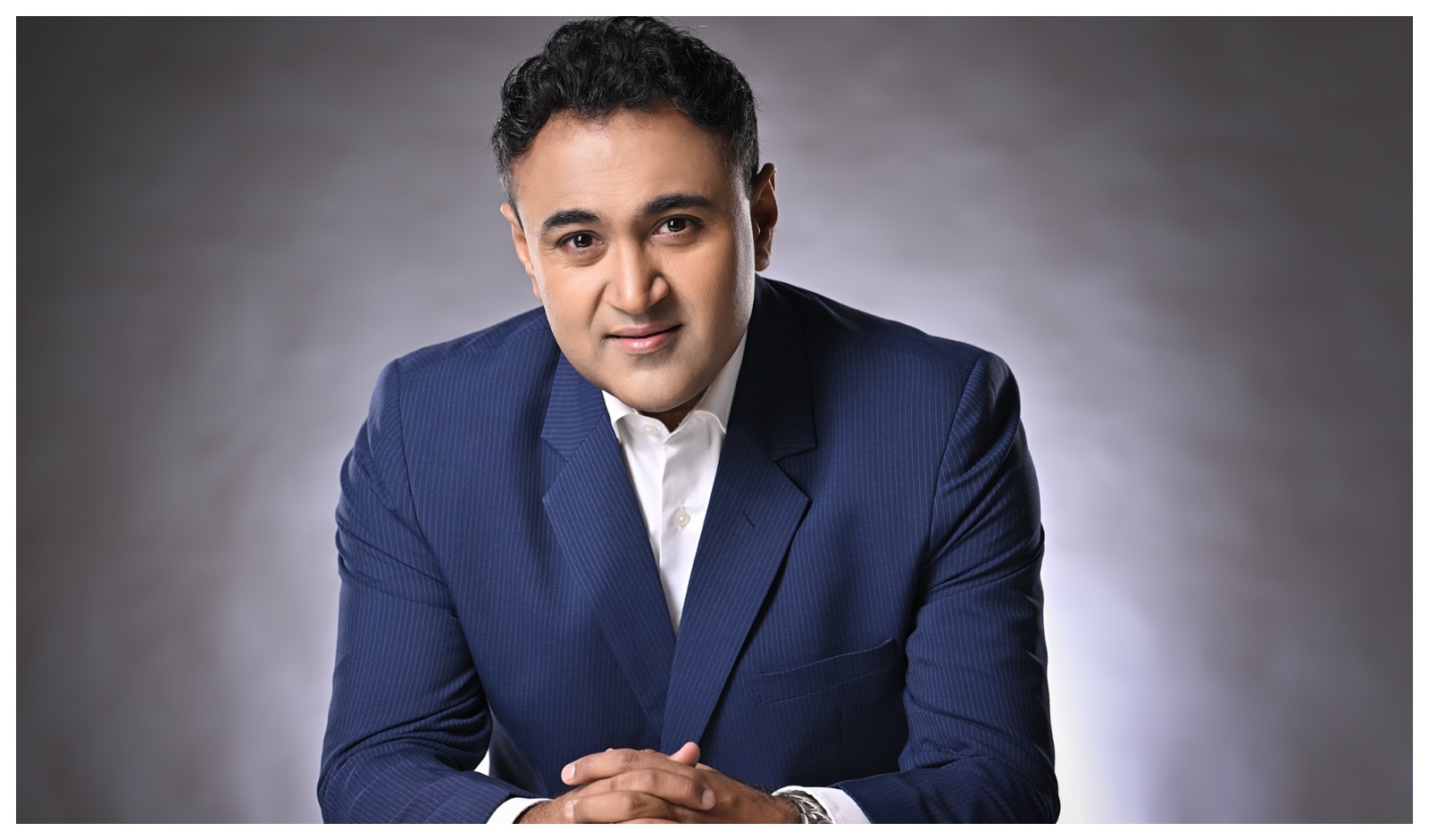
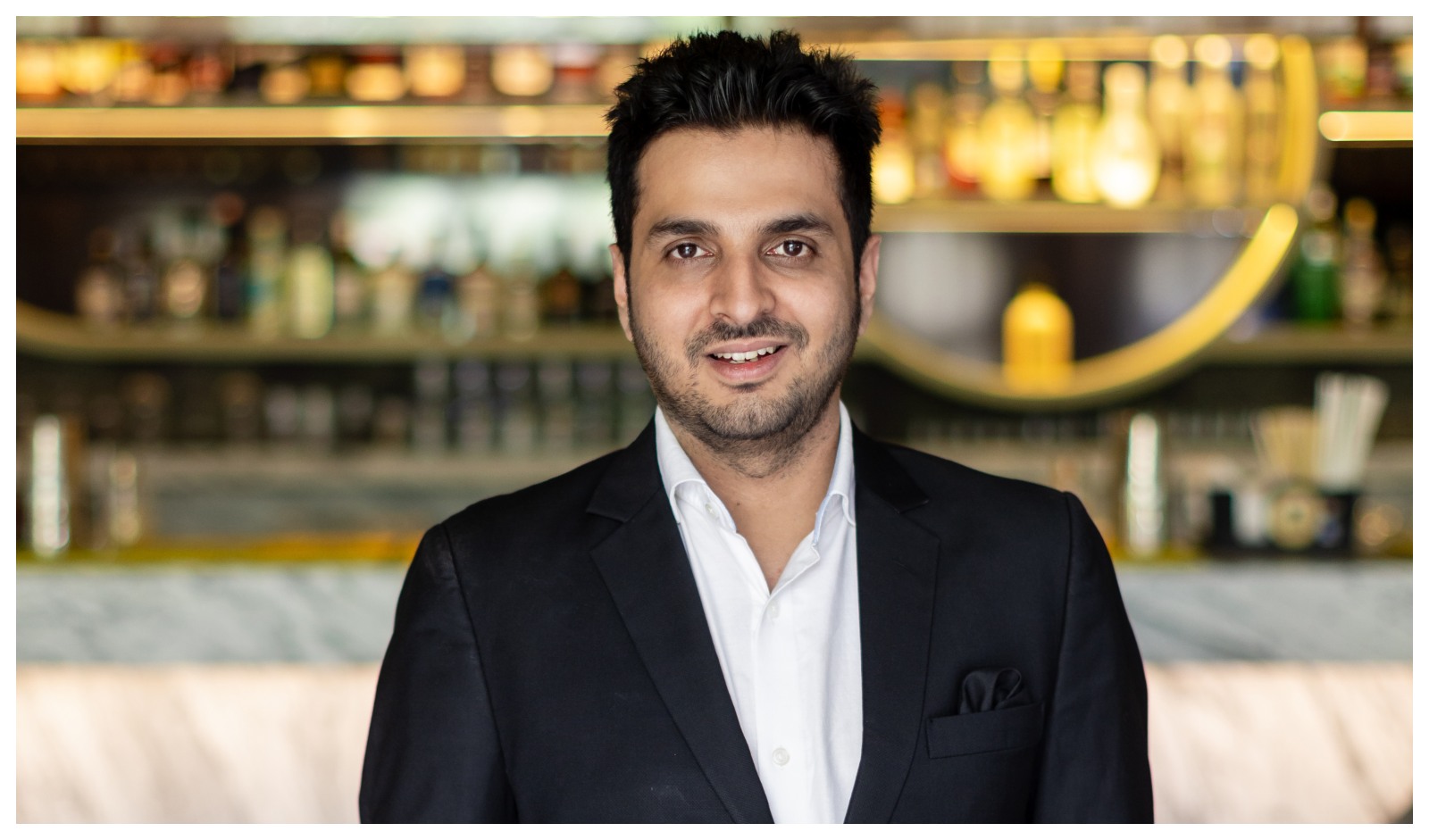
In an exclusive interview, celebrated chef Manish Mehrotra of MMCA challenges culinary labels, urging a shift in perspective—from ‘Modern Indian Food’ to the authentic, evolving cuisine of modern India, focusing on trends, his plans and expert advice to fellow chefs…excerpts:
After over a decade shaping Indian Accent and championing Indian cuisine globally, what inspired you to start fresh with MMCA — and what’s the core idea behind it?
I've been part of the hospitality industry for almost 30 years now. I joined hotel management school in 1993, graduated in 1996, and have been working ever since. After three decades immersed in this world — creating, learning, gaining, and yes, losing along the way — I felt it was time to pause. I needed a break, a moment to step back and reflect. Thirty years is a significant stretch, and I had reached a stage in life where I needed to reassess what came next. With my daughter, off to pursue her own paths, it felt like the right time to stop, breathe, and consider what truly excited me now.
That break eventually led to MMCA. It’s not just another restaurant — it’s a more personal, layered journey into culinary expression, experience, and community. It's a space that reflects where I am today, creatively and personally.
What’s the vision behind MMCA, and how does it go beyond just being a restaurant venture?
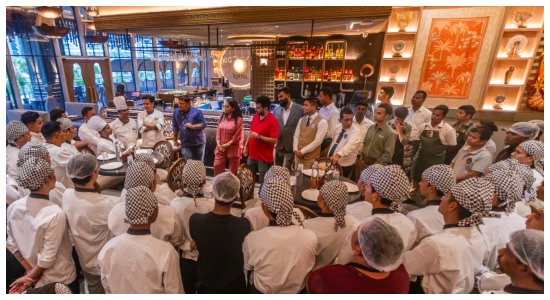
MMCA is an F&B company I founded to bring multiple concepts to life — starting with restaurants. I'm currently developing four key formats: a fine-casual concept, a high-end fine dining space, a Thai cuisine-focused restaurant, and a vibrant chaat-inspired concept. Alongside these, I plan to expand into events and catering. But MMCA is more than just food concepts — it’s also about building people. Over the years, I’ve worked with many chefs who’ve gone on to achieve great things, and I want to give back through a mentorship program. It’s not an academy — at least not yet — but a hands-on, on-the-job training initiative aimed at nurturing the next generation of chefs and F&B professionals. That’s the heart of MMCA: creating spaces, experiences, and future leaders in the industry.
How have you seen Indian cuisine evolve over the years, and what role do you feel today’s generation of chefs — including those you’ve mentored — are playing in that journey?
I consider myself fortunate to have worked with many talented young chefs over the years — including people like Himanshu Saini. While I may have been a small part of their early journey, their success is entirely their own. It’s their vision, dedication, attitude, and sacrifices that have taken them where they are today. I was just a stepping stone — the rest is all their hard work.
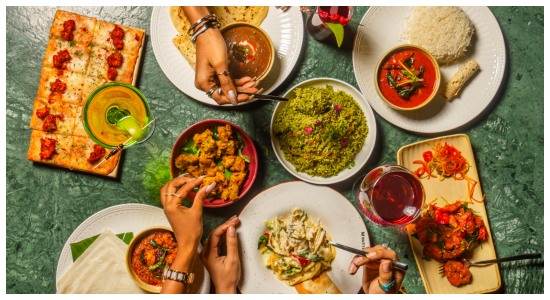
It’s incredibly rewarding to see so many of these chefs making a mark globally, and that’s what motivates me to continue mentoring. I want to help shape more such professionals — not through a formal academy, but through real-world, on-the-job mentorship. That’s how true learning in this industry happens. As for Indian cuisine, it has come a long way and is finally receiving the global recognition it deserves. Chefs like Himanshu, Gagan, and many others around the world are presenting a new narrative — one that reflects the India of today. But here's something I feel strongly about: we should stop calling it “modern Indian” or “progressive Indian” cuisine. India has already progressed. Our cuisine has evolved. What we’re seeing now is simply the food of modern India — not a version in transition, but a confident, contemporary expression of who we are today.
When you started MMCA, was there anything you consciously chose to leave behind from your Indian Accent journey?
I wouldn’t say I left anything behind. Indian Accent was a defining chapter — I helped build it, worked with some incredible people, and grew immensely through that journey. Those years taught me a lot.
With MMCA, it isn’t about moving away from the past, but about creating something new. I have a wider canvas to experiment and express — to shape things differently, both in spirit and in approach. It’s a fresh chapter, but every learning from before continues to guide me.
What are five dining trends you believe will redefine how we experience restaurants in the coming years?
1. Experience Starts Before Arrival – Dining isn’t just about food anymore. If guests battle traffic or feel stressed before even reaching, the experience is already compromised. Accessibility and overall ease matter.
2. Relaxed Fine Dining – The new wave of fine dining is elegant but not intimidating. It’s about comfort, not stiffness. People want sophistication without feeling like they’re in a rulebook.
3. Effortless Hospitality – Service should feel intuitive, not performative. Guests appreciate warmth and attentiveness over formality.
4. Smart Casual Over Dress Codes – Today’s diners are aware. We no longer need to enforce rigid dress codes — most people know how to present themselves. When needed, we can always guide politely.
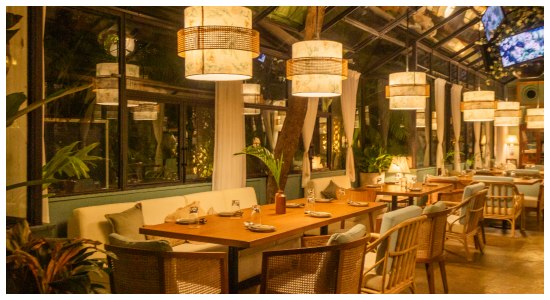
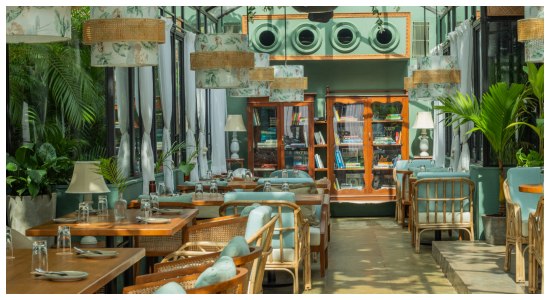
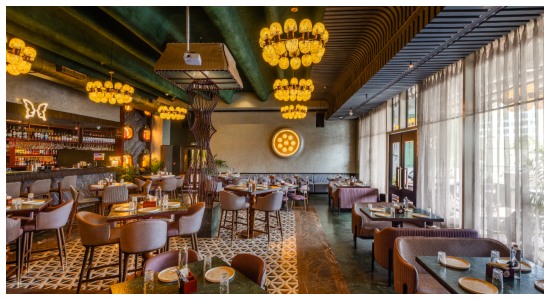
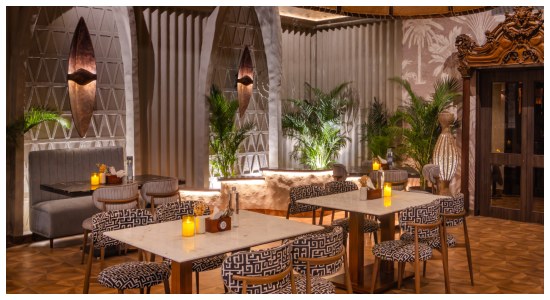
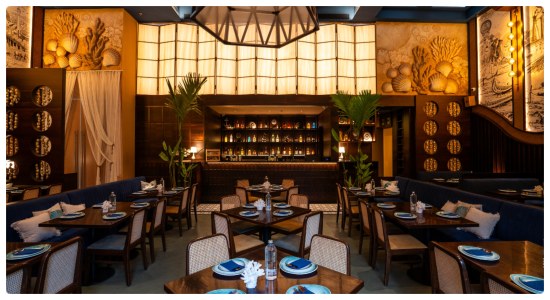
5. Holistic Design – Ambience, acoustics, seating, lighting — everything contributes to how a space makes you feel. The trend is toward creating environments that are both beautiful and calming.
In short, the future of dining is less about rules and more about thoughtful, human-centric experiences.
What’s your advice to young chefs entering the industry today?
I’ve said this from the beginning — hard work is a given in any field, but in this industry, it’s a different kind of hard work. It’s not just mental, it’s physical too. You’ll find yourself doing tasks you may not expect, sometimes even things a helper might do. And that’s okay. Dignity of labour is key. Nothing is beneath you in a kitchen. If you embrace every part of the job with humility and joy, you’ll grow — not just as a chef, but as a professional and a person.
Nusra
Consultant Associate Editor
A seasoned journalist with more than a decade experience in restaurant and retail business. I eat, drink, breathe and sense food as a source of my living and lifestyle. A foodie by birth and a journalist by choice. I started my career with Hindustan Times doing hard news, moving into features and finally landing myself in a food coma. Love to talk, hear and publish all food stories that makes anyone happy and hearty for more than a decade now. Apart from food, I love reading fiction, helping others and finding joy in little things...