
Cracking the Code: What Makes Global Brands a success in India
With over 1.4 billion consumers, a rising middle class, and a youth demographic that dines out or orders in at least 4–6 times a month, the appetite for diverse culinary experiences is unprecedented.

India’s restaurant industry is in the midst of a seismic transformation, currently valued at USD 66 billion and projected to cross USD 120 billion by 2030. This rapid expansion is being fuelled by visionary leaders who are reshaping global food brands to thrive in one of the world’s most diverse and complex markets.
With over 1.4 billion consumers, a rising middle class, and a youth demographic that dines out or orders in at least 4–6 times a month, the appetite for diverse culinary experiences is unprecedented. In India, opportunity comes with nuance—success often hinges on localisation that resonates with regional tastes, scaling at speed, or finding the right strategic partner. For global brands eyeing this vibrant market, the formula is clear: adapt, align, and accelerate.
And, not just that, success demands more than a big name—it requires localisation that taps into regional tastes, scaling at speed, and often, the right strategic partner to navigate India’s unique blend of opportunity and complexity.
Menu, Variety, Localisation, Customisation: Micro-Inventories as Strategy
In the Indian market, there’s a fundamental difference between being a brand in India and being a brand for India. Global restaurant chains often operate across multiple countries, each with diverse formats and menus. But simply replicating what works abroad rarely guarantees success here. The challenge lies in holding on to the core brand DNA—the essence of what makes the brand unique—while adapting meaningfully to local tastes, habits, and expectations.
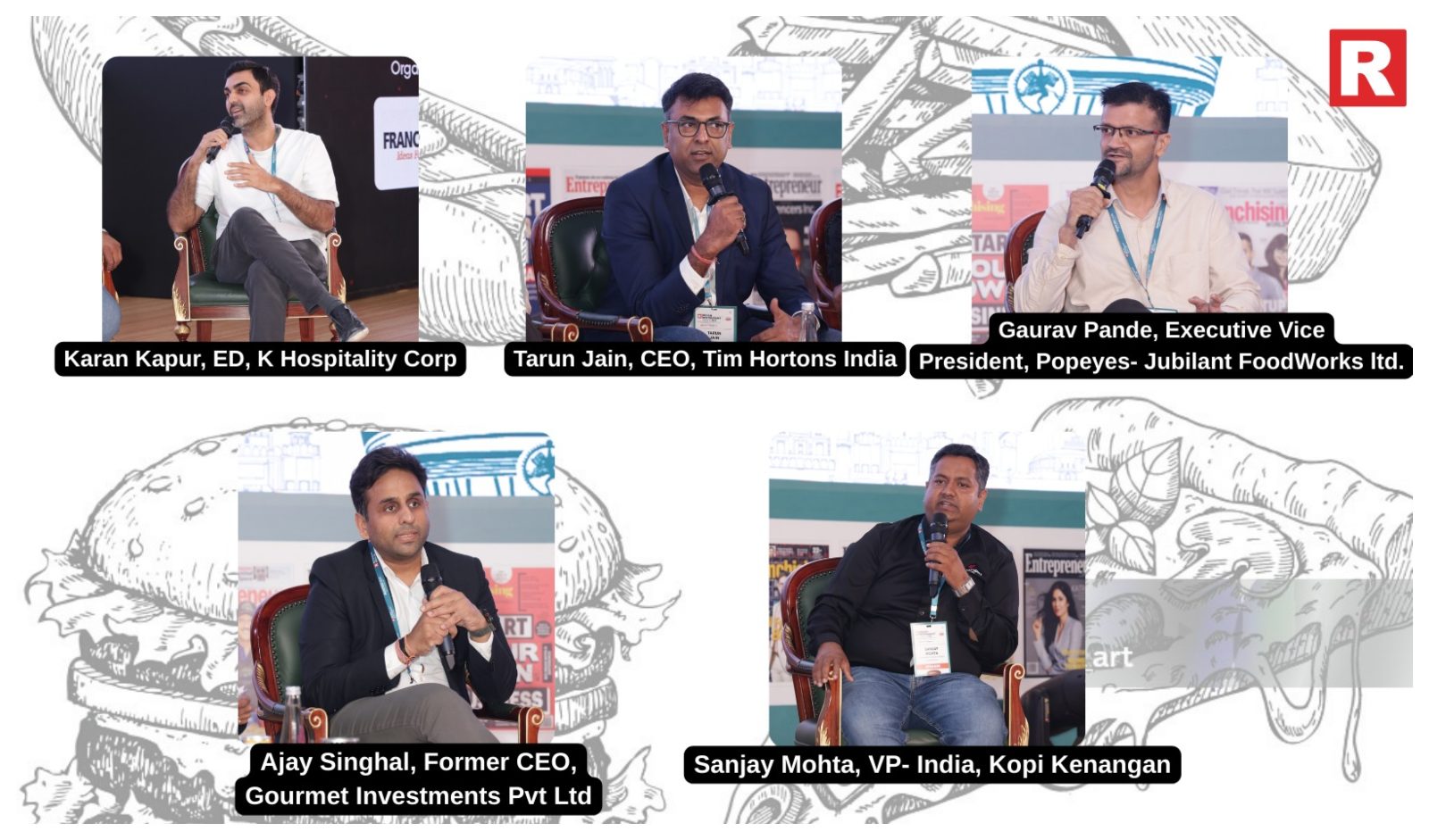
“Take menu design, for instance. Indian diners favour variety on the table over the large portion sizes preferred in markets like the US. That means rethinking not just recipes and pricing, but also portioning, ingredient choices, and even asset design. From seating layouts to the style of service, every element must resonate locally while staying true to the global identity,” shared Ajay Singhal, Former CEO, Gourmet Investments Pvt Ltd by adding that this adaptability becomes even more critical when comparing formats. Quick Service Restaurants (QSRs) and Casual Dining Restaurants (CDRs) operate with fundamentally different DNA.
He also mentioned that success demands agility: protect the core, but customise the experience.
Protecting Brand’s DNA to Resonate with Local Taste
QSRs thrive on speed, consistency, convenience, and price accessibility.
“When launching Popeyes in India, the challenge was clear—protect the brand’s DNA while making it resonate with local tastes. Popeyes is globally synonymous with fried chicken, Cajun flavours, and Louisiana-style cooking. That core identity remains unchanged here: our advertising focuses squarely on fried chicken, and our flavour profile stays true to the brand’s bold, spiced heritage,” pointed Gaurav Pande, Executive Vice President, Popeyes.
Local adaptation extended beyond flavour. In the US, Popeyes thrives on drive-through formats catering to commuters. India, however, is a sit-down and delivery-driven market where people often visit QSRs to take a break from daily meals. This meant rethinking kitchen layouts, service flows, and restaurant design to suit Indian dining patterns.
“Menu innovation was another essential step. Globally, Popeyes has minimal vegetarian offerings, but in India, we crafted an extensive veg menu from scratch—still anchored in Cajun seasoning. We also introduced rice-based dishes, a natural complement for the Indian market. Early feedback, especially from our Delhi launch, revealed that guests wanted more vegetarian variety. Since then, we have significantly expanded our veg portfolio while maintaining the Louisiana flavour signature,” he added.
Sharing plates, Sharing Stories
Kopi Kenangan, one of Southeast Asia’s fastest-growing coffee brands, was born in Indonesia at a time when the café market was dominated by global players—despite the country being a major coffee producer. Its success lay in two core strategies that the brand is now applying to India.
“In Indonesia, the café scene was largely formal or premium-speciality focused. Kopi Kenangan disrupted this with approachable pricing, easy-to-understand offerings, and a playful tone—like naming its best-seller “Kopi Kenangan Mantan” (“Coffee with the memory of my ex”), sweet at first and bitter at the end. This light-hearted identity carries over to India, making the brand unintimidating for first-time visitors,” mentioned Sanjay Mohta, VP-India, Kopi Kenangan by adding that the model is clear: retain the brand’s distinctive personality and unique ingredients, but customise every detail—from flavour intensity to menu mix—to India’s diverse and evolving café culture.
Serving India’s Flavours, One Region at a Time
When Tim Hortons entered India, expectations were sky-high. The brand’s signature—100% premium Arabica coffee and fresh food, always made to order—remains untouched. But in a market as diverse as India, a direct copy-paste was never an option.
“India isn’t one market—it’s 20 or more, each with its own flavour preferences. Before launch, the team invested a year in deep research: Who is our customer? What do they eat? Where do they have their coffee? That groundwork shaped the approach—keep the beverage core intact, localise the food experience. The menu retains global platforms—sandwiches, wraps, salads—but flavour profiles are tailored for India. Alongside Western favourites, guests find Indian-inspired options like paneer tikka and curry-flavoured sandwiches. Seasonal and city-specific items add local warmth; a Mumbai launch may feature unique coastal touches, while Bengaluru might see South-inspired notes. This balance keeps the brand globally recognisable yet locally relatable,” shared Tarun Jain, CEO, Tim Hortons India who has also designed the cafes that is adapted to suit Indian café culture—spaces that invite lingering conversations as much as quick coffee runs.
There’s no denying that the brand’s expansion—from 12 to 40 outlets in record time—proves that staying true to the core while embracing local tastes isn’t just possible in India’s café market—it’s essential for sustained love and loyalty.
Different Streets, Different Stories, Same Passion
Karan leads one of the most diversified F&B portfolios in the country—spanning travel hubs, high streets, and marquee global partnerships. The approach is sharply tuned to context. Travel and high street may both be about food, but the consumer mindset is worlds apart.
“In travel, the team operates in an environment defined by stress, not leisure—from security lines to boarding gates, every step is time-sensitive. Here, strategy begins with space design: which formats work near check-in counters, which belong just after security, and which thrive deeper in the terminal. Brands are chosen not just for their strength, but for speed of service, trust, and familiarity—critical drivers for travellers making quick decisions,” added Karan Kapur, ED, K Hospitality Corp by mentioning that the portfolio blends international names like Nando’s and Wagamama, regional champions such as Chennai’s Sangeeta, and proprietary concepts like Delhi Street and idli.com, ensuring both breadth and local relevance. And while regional cuisine is important, travel dining is increasingly homogeneous—a South Indian outlet can perform brilliantly in Goa, just as a North Indian format thrives in Chennai—provided the brand delivers on taste, quality, and recognition.
He also mentioned that on the high street, the play shifts to brand-led experience and growth. Here, the company invests in building scale with global partners while tailoring formats for the Indian consumer’s evolving tastes. “The common thread across both channels: strategic adaptability, a portfolio calibrated for location, audience, and occasion—making the company a rare operator equally at home in the bustle of an airport terminal or the buzz of a high street,” he commented.
In today’s world, creativity is the new couture. And the brands that perfect their craft? They won’t just follow the flavour trends — they’ll define the menu for the future.
Nusra
Consultant Associate Editor
A seasoned journalist with more than a decade experience in restaurant and retail business. I eat, drink, breathe and sense food as a source of my living and lifestyle. A foodie by birth and a journalist by choice. I started my career with Hindustan Times doing hard news, moving into features and finally landing myself in a food coma. Love to talk, hear and publish all food stories that makes anyone happy and hearty for more than a decade now. Apart from food, I love reading fiction, helping others and finding joy in little things...









































